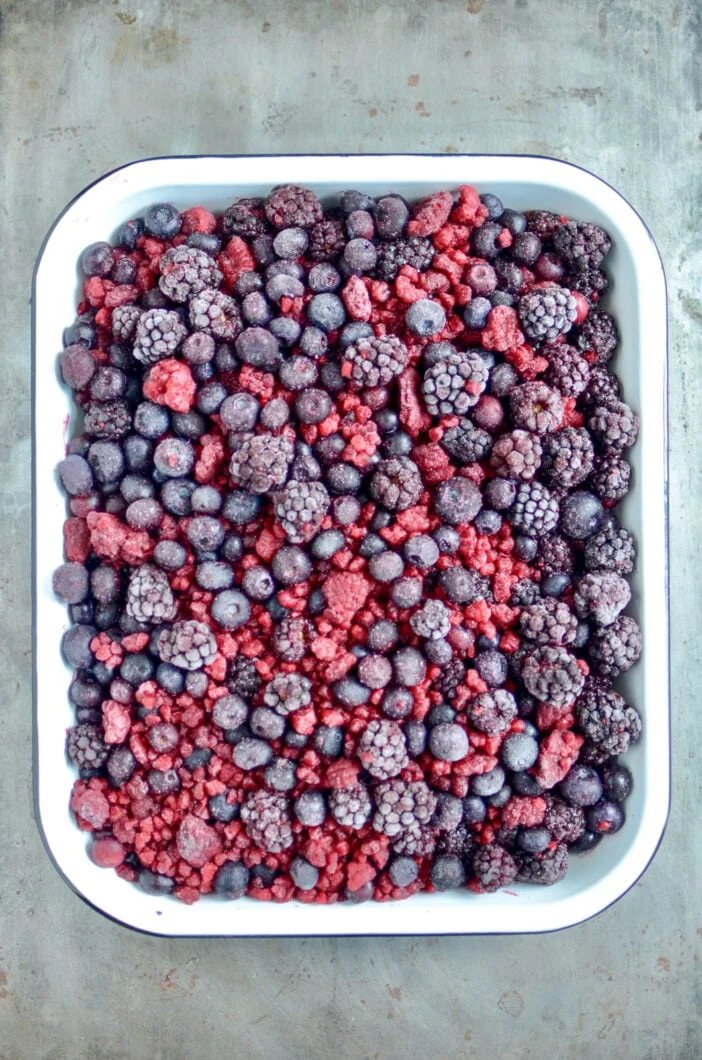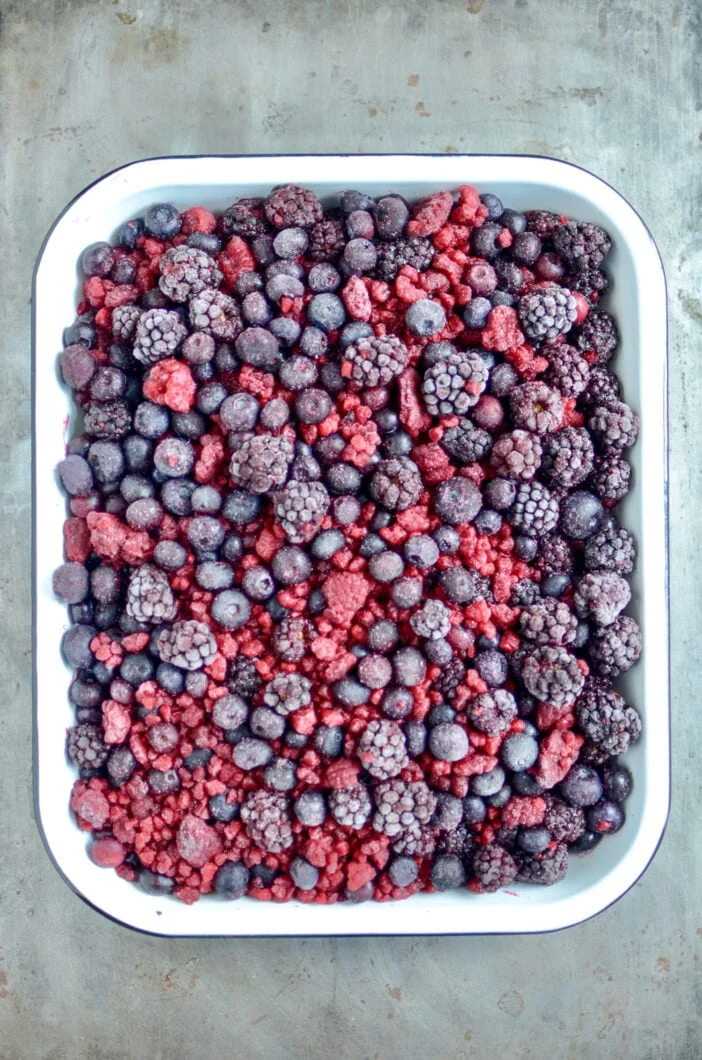
The annual February Community Canning Challenge is underway, urging home preservers to delve into their deep freezers and transform their stored bounty of fruits into delectable, shelf-stable creations. This initiative, spearheaded by the Food in Jars community, aims to combat food waste, promote culinary self-sufficiency, and foster a shared passion for home preservation during the quiet months of winter. Participants are encouraged to utilize fruits frozen during peak harvest seasons, turning them into jams, butters, sauces, and other canned goods, effectively extending the lifespan of summer’s sweetness and autumn’s abundance.
The Genesis of the Challenge: Maximizing Seasonal Yields
The Community Canning Challenge, now a well-established tradition, was conceived as a practical solution to a common household dilemma: the overflowing freezer. Many enthusiastic gardeners and farmers’ market patrons meticulously freeze excess produce during its seasonal prime, intending to process it later. However, these intentions often languish, leading to freezer burn, forgotten ingredients, and ultimately, food waste. The February timing is strategic, occurring after the holiday rush and before the onset of spring planting, making it an opportune moment to address the backlog of frozen goods. It provides a structured motivation for individuals to engage with their stored produce, preventing spoilage and ensuring that the effort of freezing is not in vain.
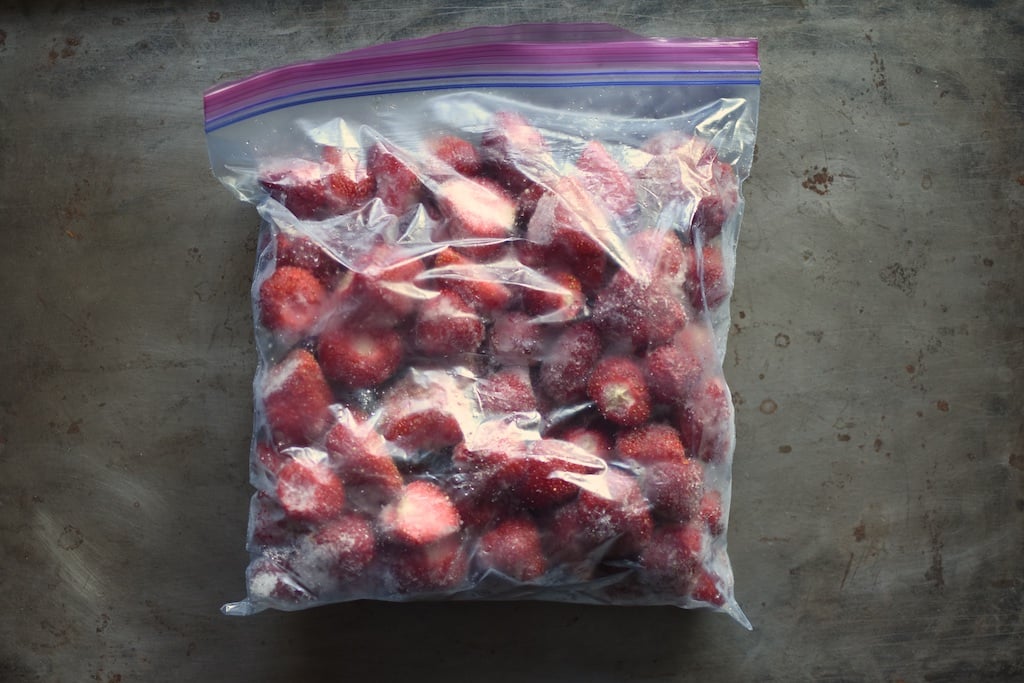
Organizers emphasize that the challenge is not merely about clearing freezer space but about thoughtful ingredient utilization. "We often hear from our community members about their ‘freezer archaeology’ expeditions," states Marisa McClellan, founder of Food in Jars. "This challenge turns that into a productive and rewarding endeavor. It’s about honoring the food, the harvest, and the intention behind freezing it in the first place." The challenge encourages creativity, skill development, and a deeper connection to the food supply chain, even at a household level.
Understanding the Science of Frozen Fruit in Preservation
The transformation of fresh fruit into a frozen state involves fundamental physical changes that directly impact its subsequent use in canning. When fruit is frozen, the water content within its cells crystallizes. As water expands upon freezing, these ice crystals rupture the delicate cell walls of the fruit. This cellular damage is not detrimental to many preserving applications; in fact, it can be advantageous.
Upon thawing, this cellular breakdown is evident in the significant release of liquid, often termed "weeping." This phenomenon is a direct consequence of the compromised cell walls no longer being able to contain the fruit’s internal moisture. A common instinct might be to drain this liquid, assuming it will dilute the final product. However, preservation experts strongly advise against this in most scenarios. The liquid released from frozen fruit is rich in flavor compounds, natural sugars, and often, pectin – the carbohydrate responsible for the gelling properties in jams and jellies. Draining this liquid can lead to an over-thickened or "overset" product, as the original recipe’s cooking time and liquid ratios were formulated to account for the fruit’s full moisture content. Furthermore, the absence of this liquid can diminish the overall yield and depth of flavor.

For example, when preparing a jam, the pectin present in the fruit and the liquid released upon thawing are crucial for achieving the desired set. Removing this liquid necessitates either increased cooking time, which can degrade flavor and color, or the addition of external pectin, altering the recipe’s original intent. There are, however, specific exceptions. In cases like making a highly concentrated tomato paste, where the goal is extreme reduction and a thick consistency, judiciously draining some liquid might be appropriate, but this is a targeted decision based on the desired end product.
Mitigating Oxidation: Preserving Color and Flavor
Another critical consideration when working with frozen fruit is the risk of oxidation during the defrosting process. Oxidation occurs when oxygen interacts with enzymes in the fruit, leading to browning and the development of off-flavors. This is particularly noticeable in fruits like apples, peaches, and apricots. The ruptured cell walls of frozen fruit can make it more susceptible to oxidation as more surface area is exposed to air upon thawing.
Fortunately, there are effective strategies to prevent this undesirable reaction. If the recipe calls for sugar, incorporating it while the fruit is still frozen is highly recommended. The sugar acts as a protective barrier, coating the fruit pieces and limiting their exposure to oxygen. Additionally, sugar draws out moisture from the fruit through osmosis, creating a syrupy environment that further inhibits enzymatic browning. This method not only preserves the fruit’s vibrant color and fresh flavor but also kickstarts the maceration process, which aids in flavor development for jams and jellies.

For recipes that do not include added sugar, or when a gentler approach is preferred, slow defrosting in a refrigerator is an excellent alternative. Unlike rapid thawing at room temperature or in warm water, which can accelerate enzymatic activity, a gradual defrost in a sealed container minimizes oxygen exposure and reduces the rate of discoloration. Adding a small amount of an acidic agent, such as lemon juice, to the fruit as it begins to thaw can also help by lowering the pH, which deactivates the browning enzymes.
Recipe Selection: Prioritizing Weight and Adaptability
When selecting recipes for frozen fruit, a key recommendation from experienced preservers is to prioritize those that specify ingredients by weight rather than volumetric measurements (cups). Frozen fruit, particularly if it’s irregular in shape or partially defrosted, can be challenging to measure accurately by volume. A bag of frozen berries, for instance, will pack differently into a measuring cup than thawed, collapsed berries. Using a kitchen scale eliminates this variability, ensuring precise ingredient ratios crucial for successful preservation, especially in recipes where sugar-to-fruit ratios dictate the final set and safety of the product. Placing the cooking pot directly on a scale and adding frozen fruit until the desired weight is reached streamlines the process and improves accuracy.
The February Community Canning Challenge highlights several versatile recipes that are particularly well-suited for frozen fruit, demonstrating its adaptability across various preserving categories:
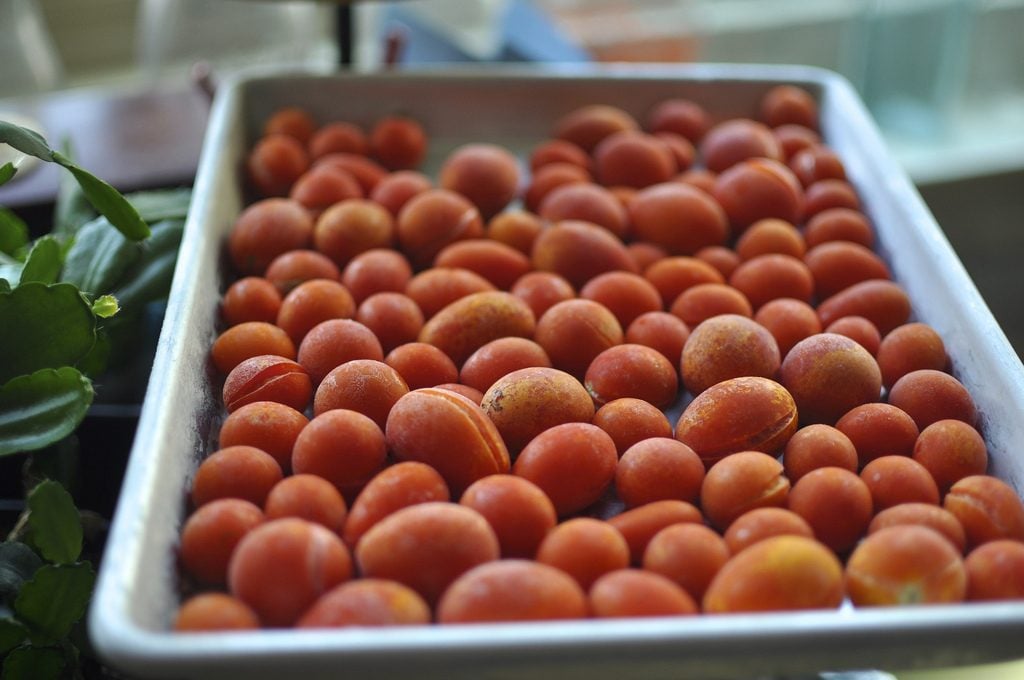
- Tomato Jam: A beloved savory-sweet spread, tomato jam is an excellent candidate for frozen tomatoes. The freezing process naturally softens the tomato cell walls, which can actually expedite the cooking time and enhance the release of flavors, making the jam richer and more consistent. Utilizing five pounds of frozen tomatoes, this recipe provides a substantial way to clear freezer space.
- Slow Cooker Fruit Butters: Fruit butters, known for their smooth, spreadable consistency, benefit immensely from the slow-cooking process, which allows frozen fruit to gently thaw and break down. Peaches, nectarines, apricots, plums, and cherries are all ideal for this application. The gentle heat of a slow cooker helps to concentrate flavors without scorching. For stone fruits, defrosting completely in the refrigerator with the container sealed helps retain juices and prevents oxidation. Adding lemon juice with the fruit at the start of cooking further buffers against discoloration.
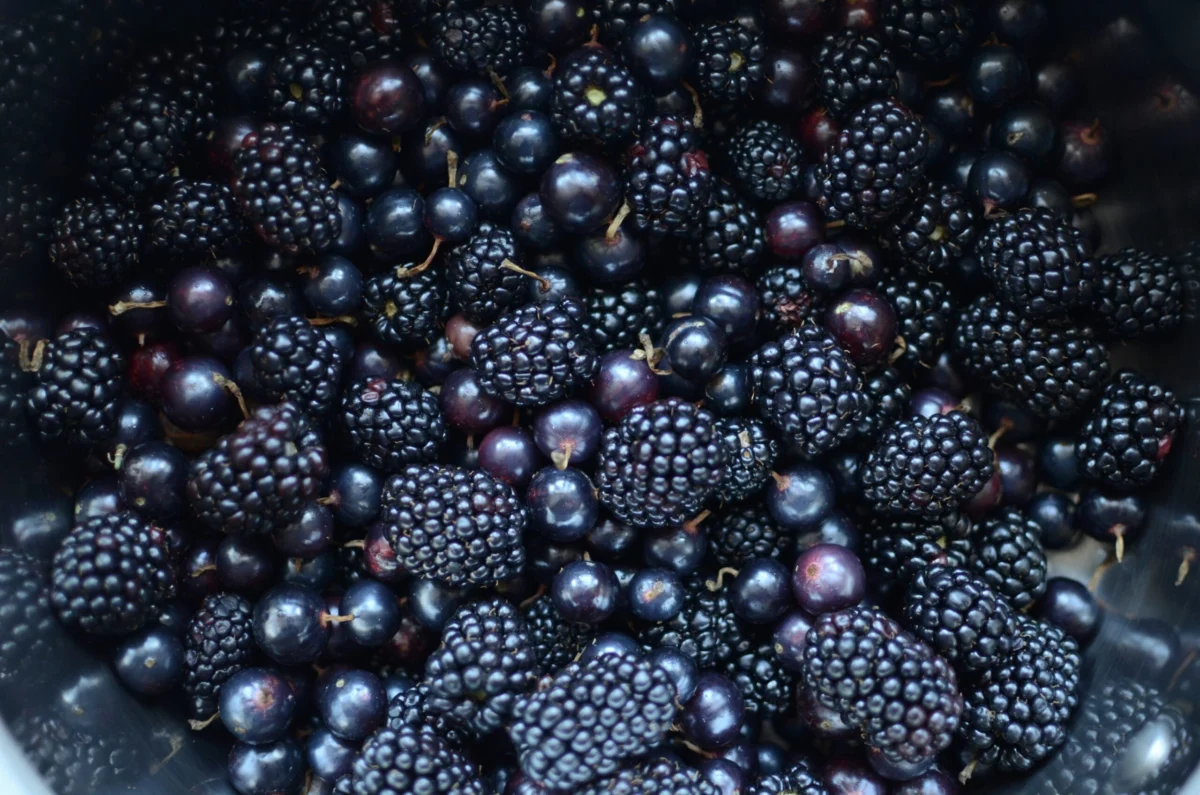
- Cherry Blueberry Jam: This vibrant jam showcases how a combination of frozen fruits can create complex flavor profiles. The pre-ruptured cells of frozen berries release pectin and juices more readily than fresh fruit, often contributing to a more robust set. For this recipe, adding the frozen fruit directly to the cooking pot and layering sugar on top allows for a controlled thawing and maceration process before other ingredients are introduced.
- Mixed Berry Jam: As demonstrated in collaborations with leading canning supply companies, frozen mixed berries yield exceptional jam. The guidance for using frozen fruit is often integrated directly into such recipes, reflecting the growing understanding of its unique properties. The convenience of pre-mixed frozen berries makes this an accessible option for beginners and seasoned preservers alike.
- Pear Vanilla Caramel Sauce: This recipe exemplifies the flexibility of fruit purées in gourmet sauces. Pears, strawberries, peaches, or mangoes, once defrosted and puréed, can form the base of a rich caramel sauce. Again, slow defrosting in the fridge is key to maintaining fruit quality and preventing oxidation, ensuring a visually appealing and delicious final product.
Beyond the Jar: Broader Implications and Community Impact
The February Community Canning Challenge, and the practice of preserving frozen fruit in general, carries significant broader implications that extend beyond individual kitchens.
- Food Waste Reduction: According to the USDA, approximately 30-40% of the food supply is wasted. A significant portion of this occurs at the consumer level. By transforming frozen produce into shelf-stable goods, households actively participate in reducing this waste, maximizing their initial investment in fresh produce and minimizing their environmental footprint.
- Economic Savings: Purchasing fruits in season, when they are most abundant and least expensive, and then freezing them for later preservation, represents a shrewd economic strategy. Canning these items means households can enjoy "out-of-season" flavors without paying premium prices, leading to substantial savings on grocery bills throughout the year.
- Enhanced Food Security and Self-Reliance: Home canning contributes to household food security by building a pantry of readily available, nutritious food. In an era where supply chain disruptions can occur, the ability to store food safely and effectively fosters a sense of self-reliance and preparedness.
- Skill Development and Heritage Preservation: The challenge promotes the learning and refinement of food preservation skills, a valuable heritage practice that connects modern households to traditional culinary arts. It encourages experimentation, problem-solving, and a deeper appreciation for the provenance of food.
- Community Building and Knowledge Sharing: Online platforms and community challenges like this foster a vibrant network of enthusiasts. Participants share tips, troubleshoot issues, and celebrate successes, creating a supportive environment for learning and growth. This collective engagement strengthens community bonds and disseminates practical knowledge.
- Dietary and Health Benefits: Preserving homemade jams and sauces allows individuals to control the ingredients, reducing reliance on processed foods that often contain high levels of artificial additives, sugars, and preservatives. This promotes healthier eating habits by making nutritious, flavorful options readily available.
As the February Community Canning Challenge continues, it serves as a powerful reminder of the enduring value of food preservation. By thoughtfully approaching frozen fruit, individuals can unlock a world of culinary possibilities, reduce waste, save money, and contribute to a more sustainable and self-sufficient lifestyle. The act of turning a bag of frozen berries or tomatoes into a jar of jam or sauce is more than just a kitchen task; it is a tangible connection to the seasons, a commitment to mindful consumption, and a celebration of flavor that lasts throughout the year.