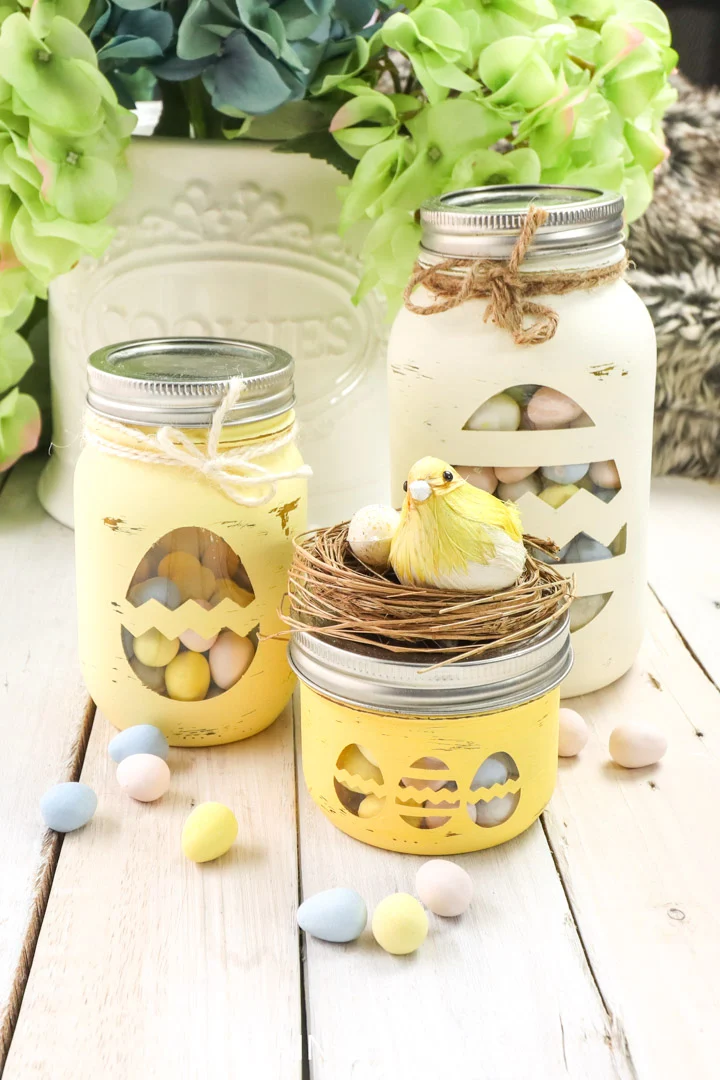
The convergence of traditional seasonal decorating and modern digital fabrication has given rise to a new era of personalized home aesthetics, as evidenced by the increasing popularity of customized holiday storage solutions. As Easter approaches, homeowners and craft enthusiasts are moving away from mass-produced plastic decor in favor of bespoke, upcycled alternatives. One prominent example of this trend involves the transformation of standard glass Mason jars into sophisticated candy containers using precision cutting tools like the Cricut Joy and specialized chalky finish paints. This methodology not only serves an aesthetic purpose but also aligns with broader consumer shifts toward sustainability and the "handmade" gift economy.
Economic and Consumer Trends in Easter Festivities
The shift toward DIY Easter projects is supported by significant economic data. According to the National Retail Federation (NRF), Easter spending in the United States consistently reaches billions of dollars annually, with a substantial portion allocated to gifts and decorations. In recent years, a notable segment of the population has expressed a preference for personalized items over generic retail offerings. This behavioral shift has fueled the growth of the global handicrafts market, which is projected to expand significantly as consumers seek unique, high-quality alternatives to traditional department store inventory.
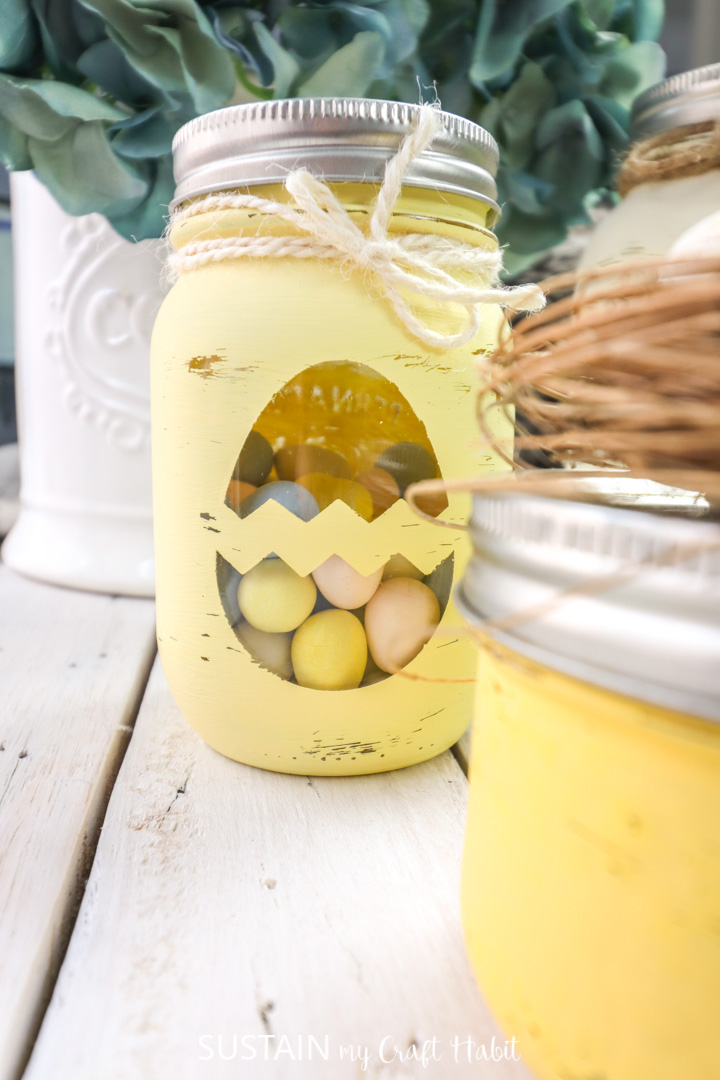
The "Cricut economy"—a term used to describe the ecosystem of small businesses and hobbyists utilizing digital die-cutting machines—has played a pivotal role in this transition. By allowing users to create professional-grade vinyl stencils and decals at home, technology has lowered the barrier to entry for complex design projects. The utilization of such technology for Easter-themed storage, such as the egg-motif candy jars, represents a marriage of precision engineering and creative expression.
Technical Specifications and Material Requirements
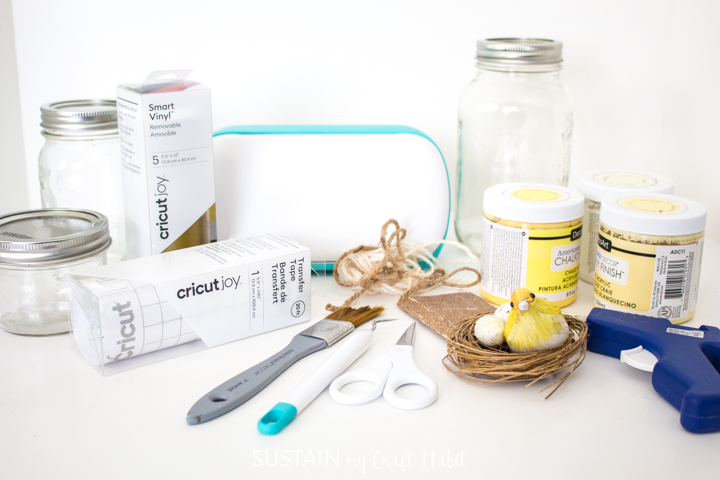
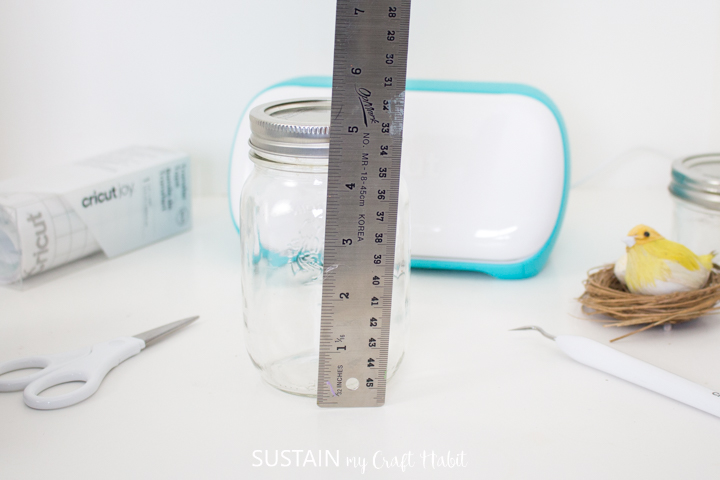
The execution of high-quality DIY Easter candy jars requires a specific set of materials and tools designed for durability and visual appeal. The primary vessel for this project is the Mason jar, a staple of American canning history since its patent by John Landis Mason in 1858. For this contemporary application, a variety of sizes—small, medium, and large—are utilized to create a tiered visual display.
Key technical components include:
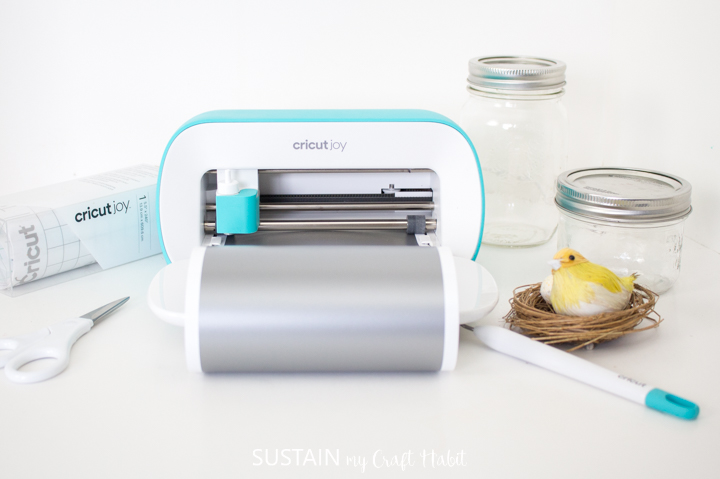
- Digital Die-Cutter: The Cricut Joy, a compact smart cutting machine, is employed for its ability to handle "Smart Materials" that do not require a cutting mat.
- Adhesive Media: Removable Smart Vinyl is used to create stencils, ensuring that the design can be stripped away after painting without leaving residue on the glass.
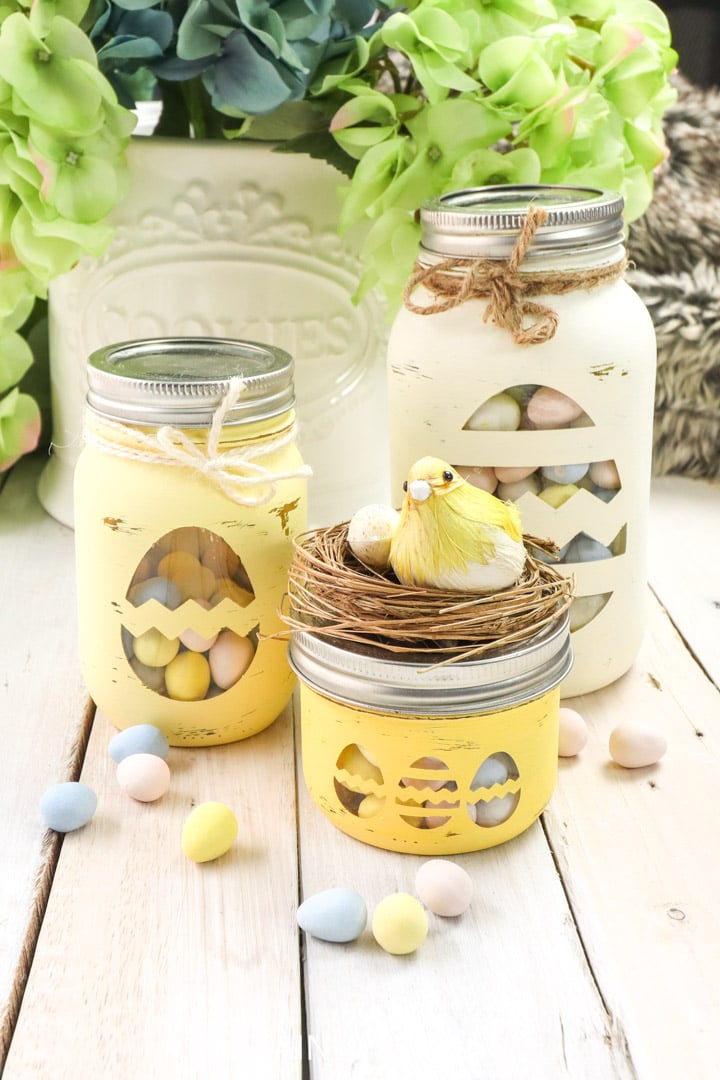
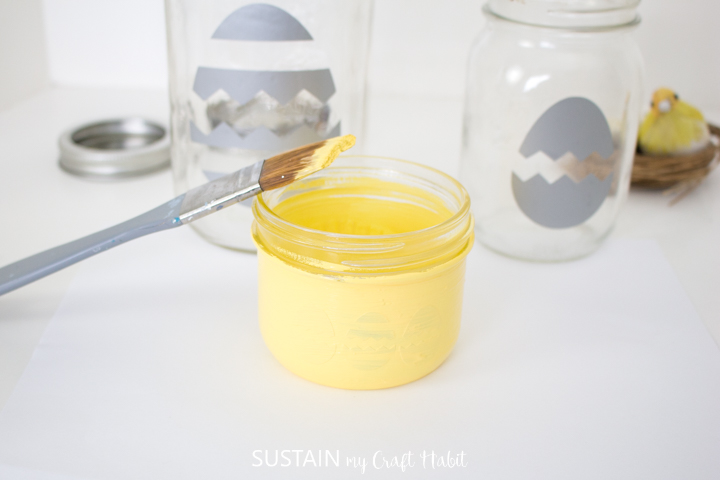
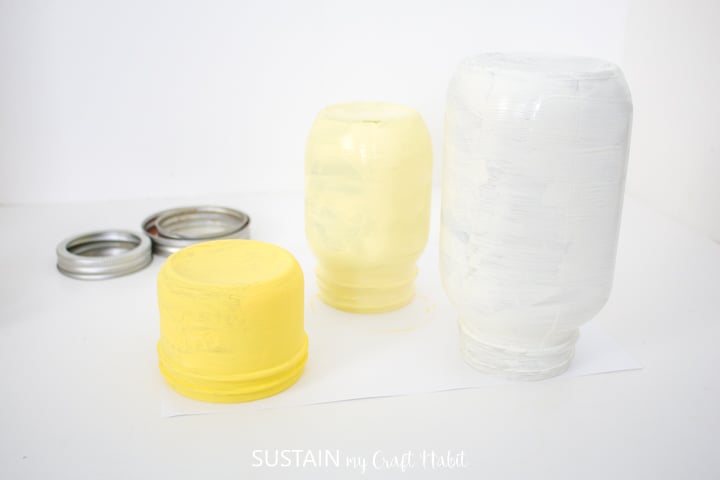
- Coating Agents: Chalky finish paints, specifically in shades of yellow such as "Rejuvenate" (bright yellow), "Delicate" (pale yellow), and "Lace" (off-white), are selected for their matte texture and superior adhesion to non-porous surfaces.
- Aesthetic Enhancements: Natural elements such as decorative bird’s nests and jute twine are integrated to provide a rustic, organic contrast to the painted glass.
Procedural Chronology of the Easter Candy Jar Project
The manufacturing process for these decorative containers follows a strict chronological order to ensure the integrity of the paint and the precision of the design.
Phase I: Substrate Preparation
The process begins with the rigorous cleaning of the glass jars. Industrial standards for glass painting suggest that any presence of oils, dust, or fingerprints can compromise the adhesion of the chalk paint. Consequently, jars are washed with high-temperature soapy water and subsequently treated with rubbing alcohol. This step ensures a chemically clean surface for the vinyl application.
Phase II: Digital Design and Precision Cutting
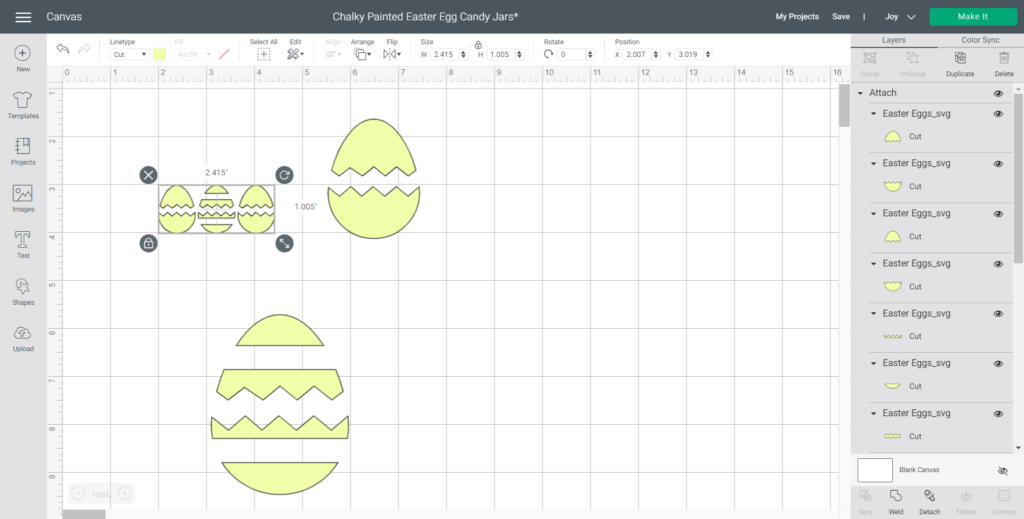
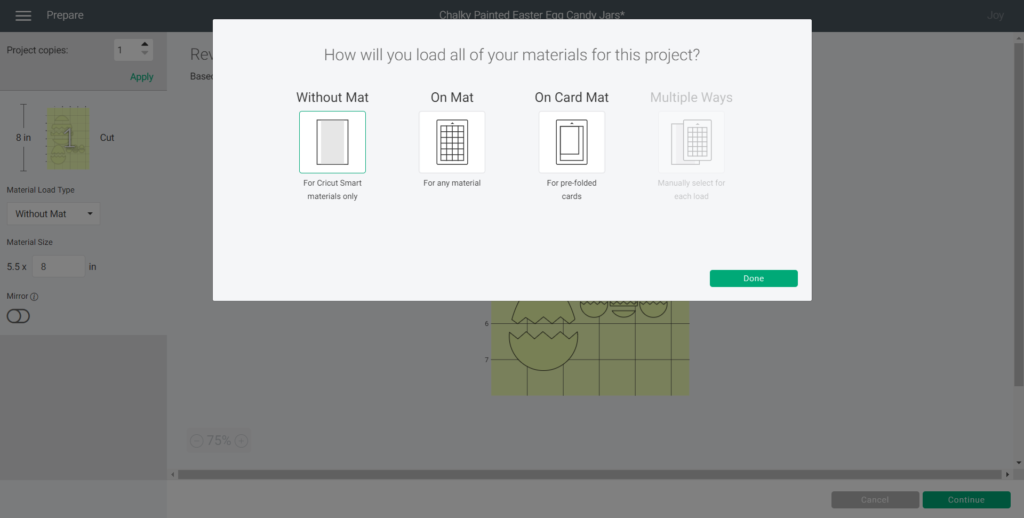
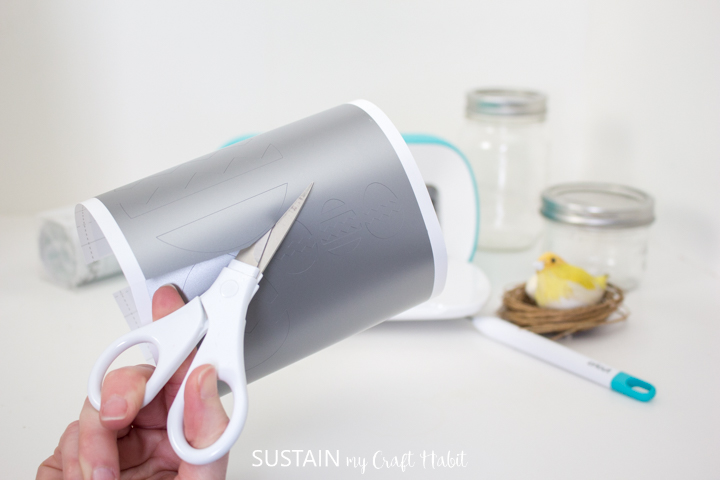
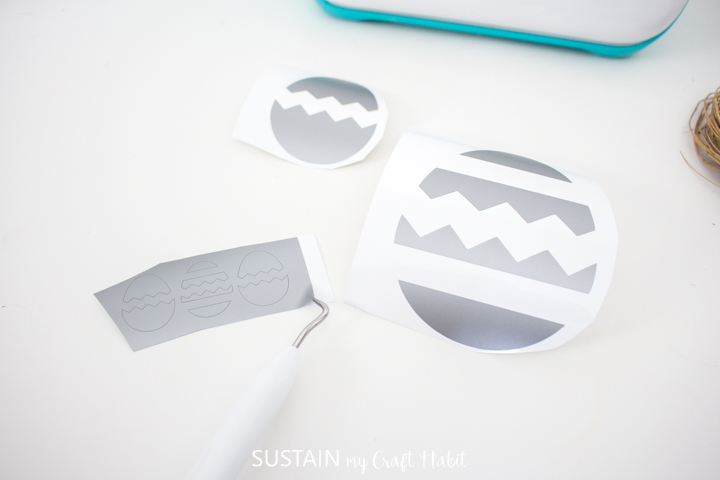
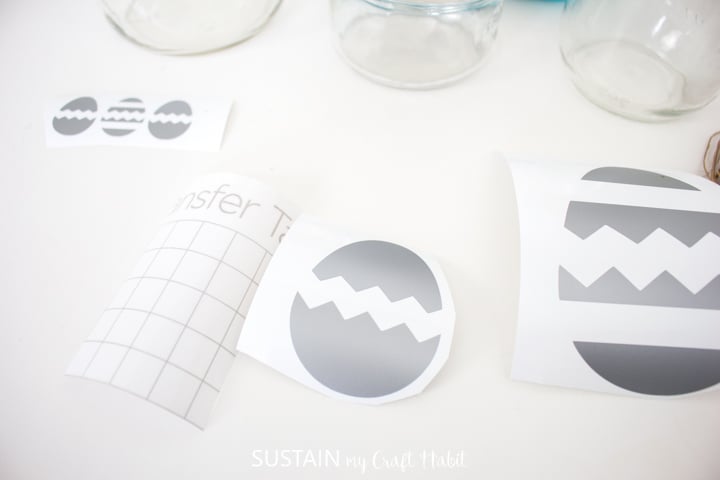
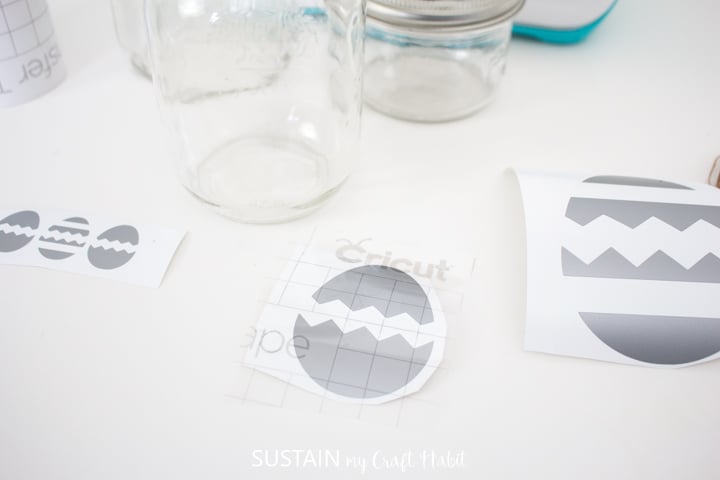
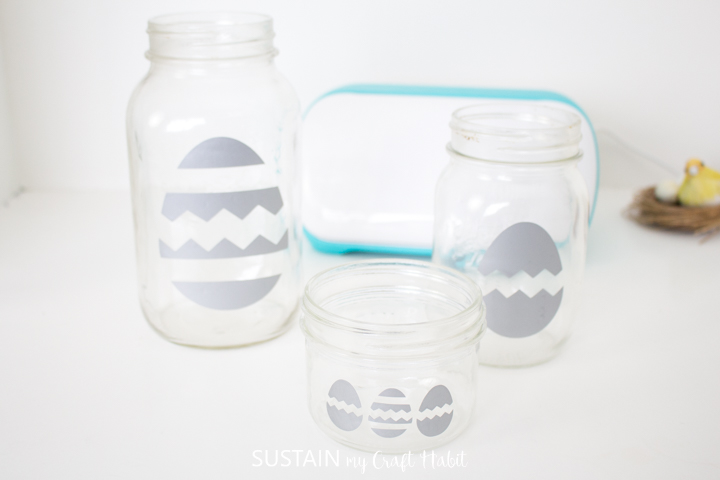
Utilizing the Cricut Design Space software, Easter Egg SVG (Scalable Vector Graphics) files are imported and scaled to match the dimensions of the jars. For a tiered set, the eggs are typically resized to 3.75 inches, 2.25 inches, and 1 inch respectively. The Cricut Joy then executes the cut on removable vinyl. The "weeding" process follows, where the negative space is removed to leave only the egg silhouettes.
Phase III: Stencil Application and Coating
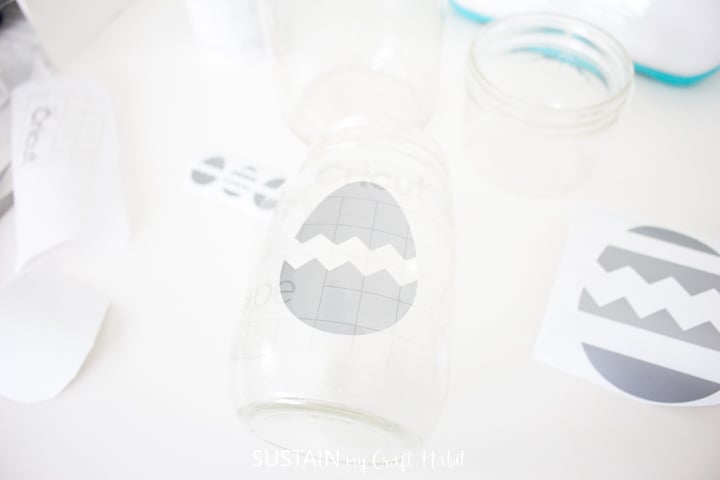
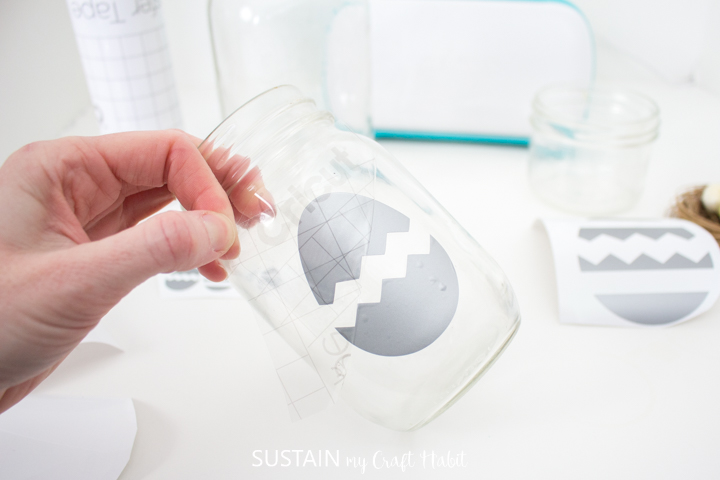
Using transfer tape, the vinyl egg silhouettes are positioned onto the smooth side of the Mason jars. Once the stencils are secured and air bubbles are removed, the painting phase commences. A medium-sized paintbrush is used to apply the chalky finish paint directly over the glass and the vinyl stencil. Journalistic observation of this technique notes that two coats are generally required to achieve full opacity and the desired "chalky" texture.
Phase IV: The Reveal and Distressing
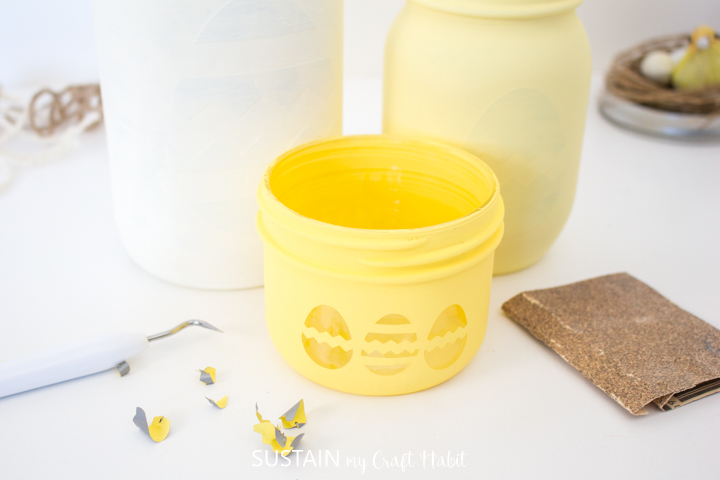
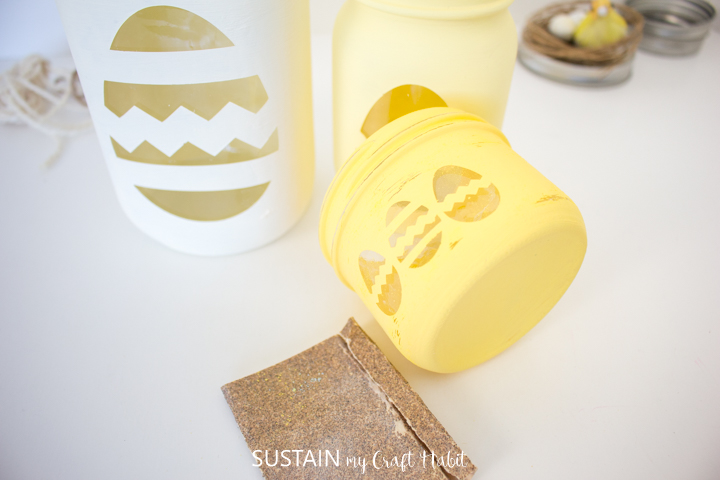
Once the paint is completely dry, the vinyl stencils are carefully removed using a weeding tool or fingernail, revealing a clear "peek-a-boo" window in the shape of an egg. This allows the contents—traditionally chocolate mini eggs—to be visible from the exterior. To achieve a "shabby chic" or vintage aesthetic, a fine-grit sandpaper is applied to the edges and raised portions of the jar, a process known as distressing.
Phase V: Final Assembly
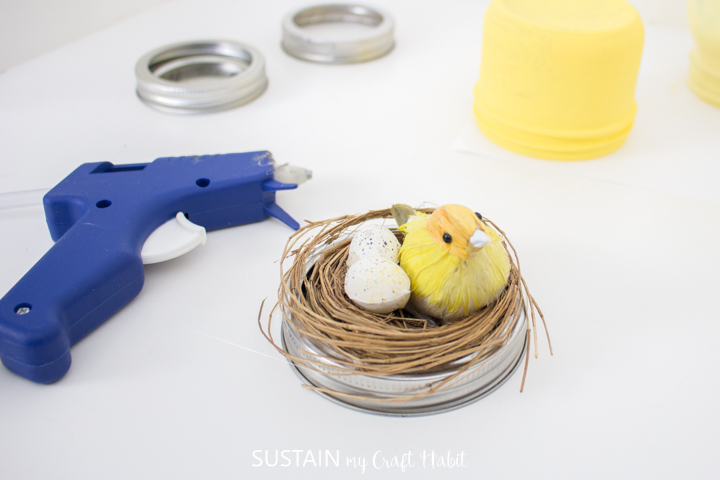
The project concludes with the attachment of thematic lids. Decorative bird’s nests are adhered to the center of the jar lids using high-strength adhesive, and twine is wrapped around the neck of the jar to hide the threading, completing the transformation from utility glassware to seasonal decor.
Design Philosophy and Aesthetic Analysis
The choice of a yellow-centric color palette is not merely coincidental but is rooted in the psychology of spring aesthetics. Yellow is traditionally associated with renewal, sunshine, and the blooming of daffodils, making it a staple of the Easter season. By using three different shades—ranging from the vibrant "Rejuvenate" to the muted "Lace"—the jars create a cohesive yet dynamic visual story when grouped together.
The "peek-a-boo" window serves a dual purpose: it acts as a decorative motif while providing a functional view of the jar’s inventory. In the context of modern interior design, this transparency adds a layer of color and texture to the piece, as the pastel shells of the candy inside contribute to the overall color scheme of the display.
Sustainability and the Circular Economy of Glassware
From an environmental perspective, the repurposing of Mason jars represents a significant contribution to the circular economy. Glass is 100% recyclable and can be reused indefinitely without loss in quality. By upcycling existing jars into high-value decor, consumers reduce the demand for new plastic products and minimize waste.
Industry experts suggest that the trend of "upcycled holidays" is gaining traction as eco-consciousness becomes a primary driver in consumer decision-making. The ability to take a household item that might otherwise be discarded and transform it into a durable, reusable gift or decoration aligns with global efforts to reduce the carbon footprint of holiday celebrations.
The Role of Digital Die-Cutting in Modern Home Industry
The rise of machines like the Cricut Joy has democratized the field of graphic design and manufacturing. What once required industrial-scale equipment can now be performed on a kitchen table. This shift has significant implications for the "maker movement," a social trend that emphasizes learning-through-doing in a social environment.
Data indicates that the home-use cutting machine market has seen exponential growth over the last decade. This technology allows for a level of customization that was previously unattainable for the average consumer. In the case of the Easter candy jars, the ability to precisely scale an SVG file ensures that the decor fits the specific vessel perfectly, a feat that would be difficult to achieve with hand-cut stencils.
Broader Impact and Implications
The project detailed by creators Jane and Sonja highlights a broader cultural movement toward "slow living" and intentionality. In an era dominated by rapid consumption, the act of spending several hours preparing, painting, and finishing a set of jars is seen by many as a form of "craft therapy." Psychological studies have frequently linked creative activities with reduced stress levels and increased cognitive function.
Furthermore, these DIY projects foster a sense of community. Through the sharing of tutorials and SVG files online, crafters participate in a global exchange of ideas. The "Sustain My Craft Habit" philosophy, which emphasizes family-friendly and upcycled ideas, reflects a growing desire for authentic, home-centered experiences.
In conclusion, the DIY Easter candy jar project is more than a simple craft; it is a microcosm of current trends in technology, sustainability, and consumer behavior. By leveraging modern tools to breathe new life into traditional materials, enthusiasts are redefining the visual landscape of the holiday season. As the market for personalized and eco-friendly goods continues to expand, such innovative approaches to home decor are expected to become the standard rather than the exception. The result is a more thoughtful, sustainable, and aesthetically pleasing celebration of spring’s arrival.