A new sourdough recipe, designed to offer a robust and warming culinary experience, has emerged as a timely antidote to persistent cold weather. This unique Scalded Buckwheat and Malt Sourdough Bread, developed by a prominent culinary expert in artisanal baking, integrates a complex blend of spices and grains to deliver a distinctive flavor profile and an enriched texture, making it a noteworthy addition to the world of home and professional baking. The bread’s creator emphasizes its ability to transform the arduous process of baking in cold conditions into an aromatic and satisfying endeavor, highlighting the sensory journey from the initial grinding of spices to the final, silky texture of the baked loaf.
The Genesis of a Hearty Loaf: Flavor and Context
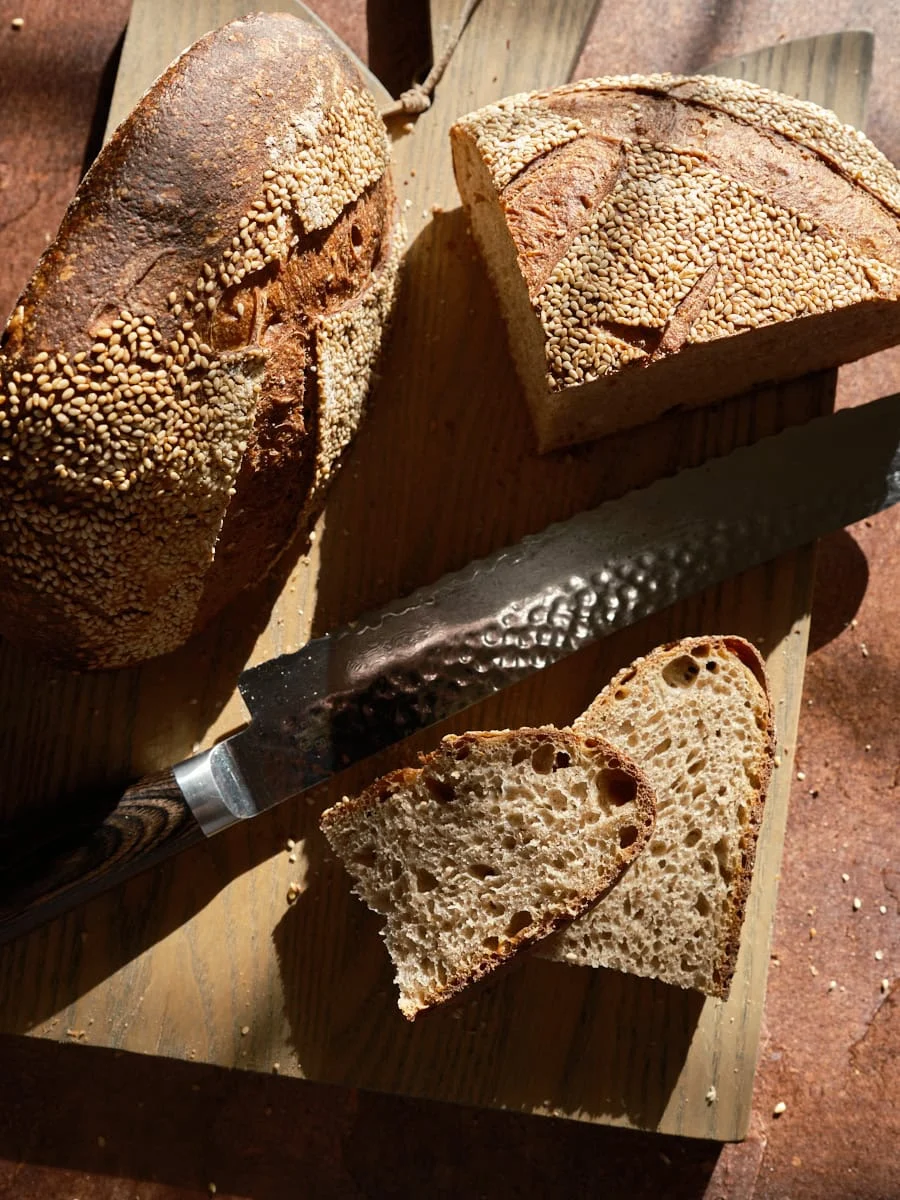
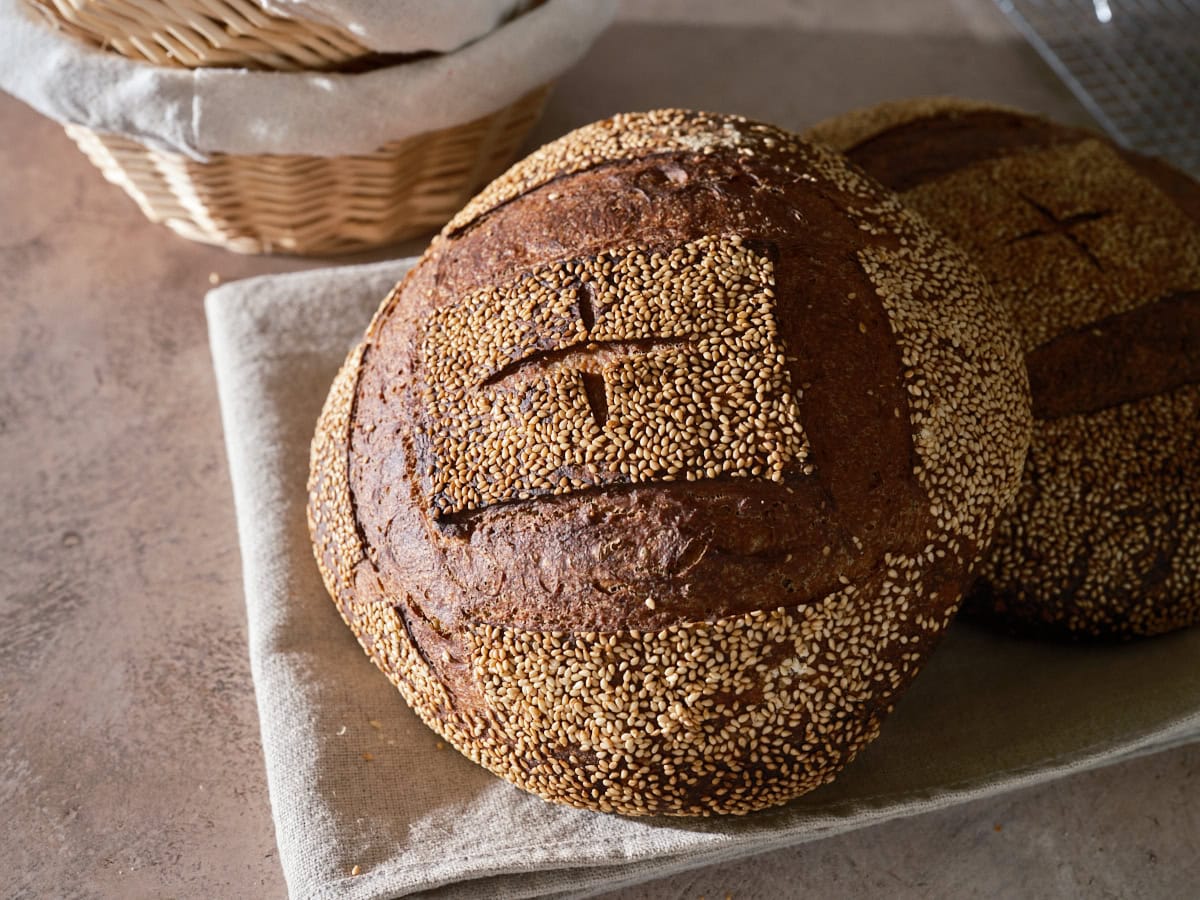
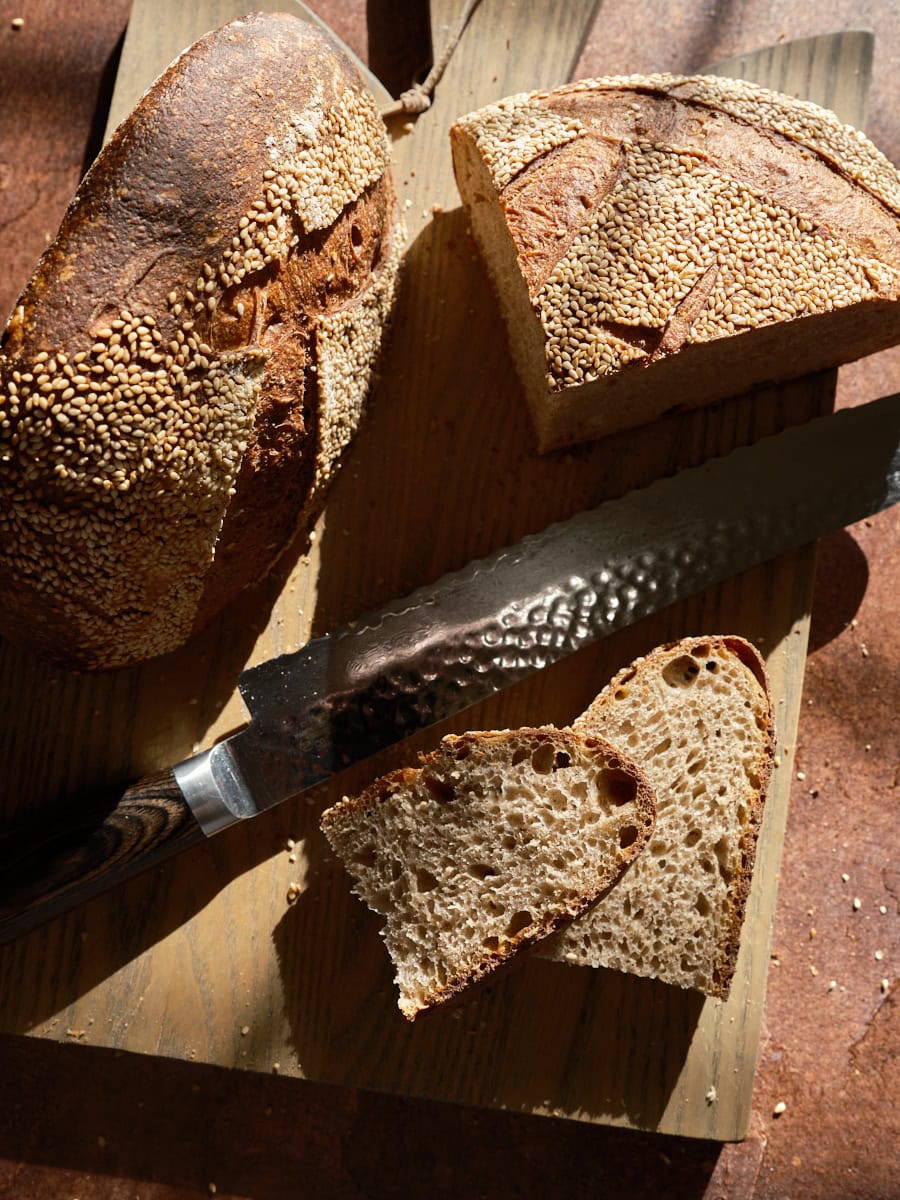
The inspiration for this particular sourdough was directly influenced by the prolonged cold weather experienced this season, driving a desire for deeply comforting and spice-forward baked goods. The process of baking, often seen as a chore in harsh conditions, is reframed as an opportunity to engage with rich aromas and textures. Key to this bread’s character is the pungent, licorice-sweet aroma of aniseed, a spice often reserved for smaller baked items. The recipe marks a significant application of anise in a substantial loaf, where, according to the developer, it "doesn’t politely wait for you to smell it. It arrives." This bold spice is meticulously paired with buckwheat, known for its nutty, mineral, and slightly tannic notes, resulting in a remarkably balanced and "irresistible" sourdough. The final touch of striking white sesame seeds on the crust not only complements the bread’s inherent sweetness and spice but also adds an appealing visual dimension, particularly suitable for a whole-grain focused loaf.
Advanced Baking Techniques: The Flour Scald Explained
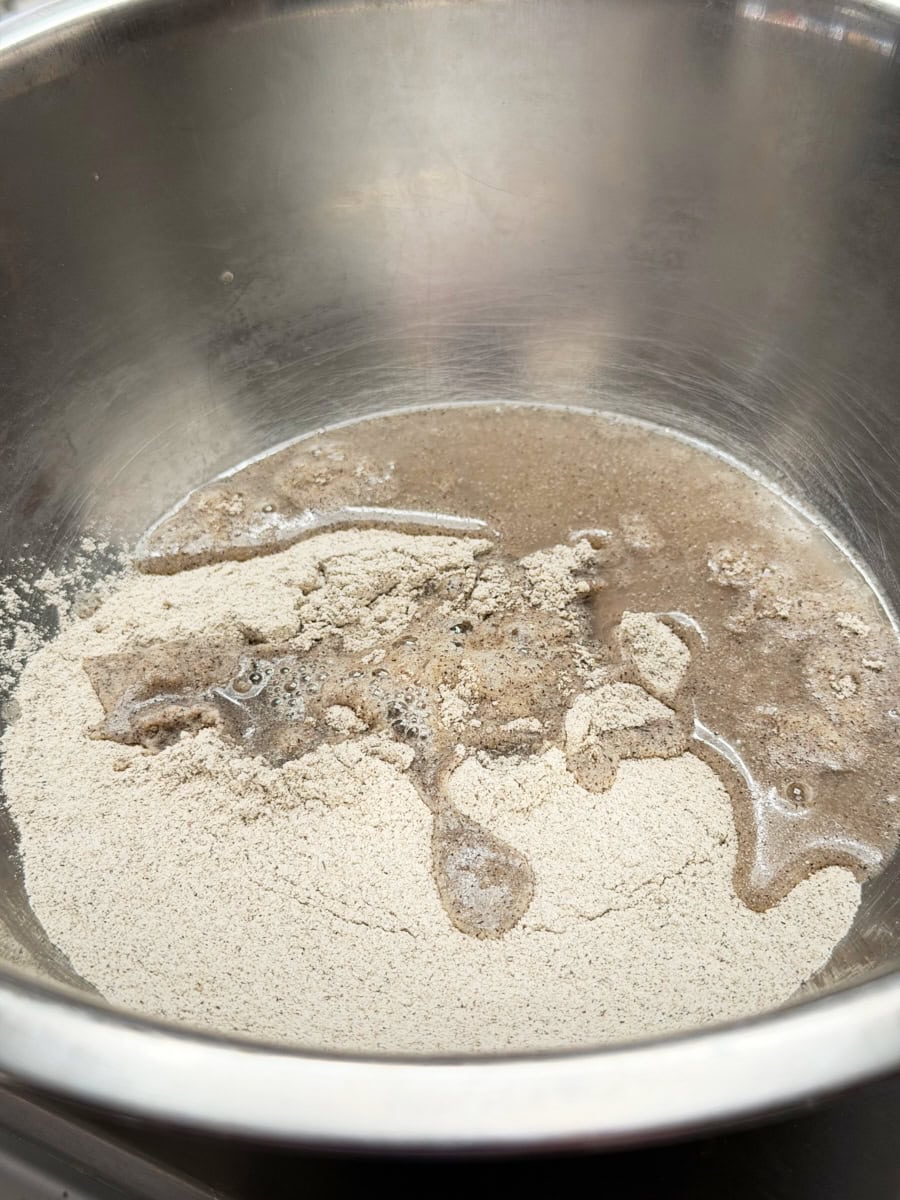
Central to the bread’s enhanced texture and flavor is the innovative use of a flour scald. This technique, which involves simply covering a portion of flour with boiling water, transforms it into a thick, aromatic paste. This method is closely related to established Japanese baking techniques such as yudane and tangzhong, both renowned for their ability to improve bread quality. By gelatinizing the starches in the flour, the scald serves multiple critical functions: it significantly enhances the inherent flavors of the grain, contributes to a uniquely silky texture in the final bread, and critically, traps moisture within the dough. This moisture retention is vital for delaying the staling process, ensuring the loaf remains softer and fresher for an extended period. The developer notes that this easily implemented step adds an "extra something" to each loaf, underscoring its impact on overall bread quality.
Precision in Ingredients: Flour Selection and Flavor Impact
The selection of flours for this recipe is highly deliberate, aiming to create a hearty, spice-forward loaf ideal for sandwiches and general consumption. The primary flour utilized is a high-extraction (Type 85) wheat flour, specifically Cairnspring’s Trailblazer. This choice reflects a broader trend towards using flours that retain more of the bran and germ than typical white flours, thereby enriching the bread with deeper flavor and enhanced nutritional value. The developer frequently substitutes this Type 85 flour in recipes that might otherwise call for white flour, emphasizing its versatility and contribution to a more robust crumb.
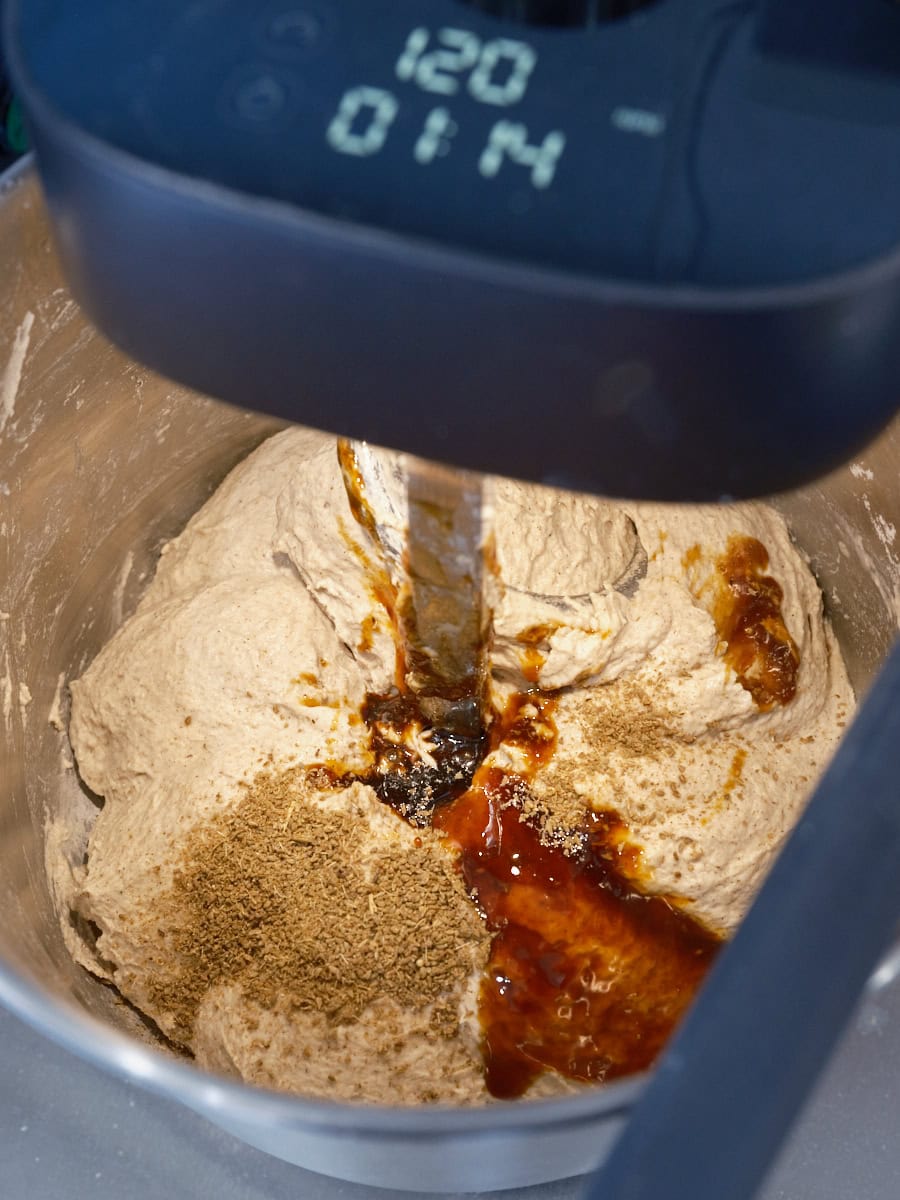
Buckwheat flour, a key component, is integrated at a specific percentage. While buckwheat is lauded for imparting intense earthiness and a "gorgeous color," its lack of gluten structure compared to wheat means that even in small proportions, it can contribute to a tighter, "closed" crumb. This characteristic is carefully managed within the recipe to ensure optimal texture alongside its distinct flavor contribution. Complementing these flours is barley malt syrup, which introduces a rich sweetness and depth that harmonizes with the anise. For those seeking variations, notes suggest blackstrap molasses for increased bitter-rich undertones or honey for a more floral sweetness, both of which pair excellently with anise.
A Structured Approach: The Two-Day Baking Schedule

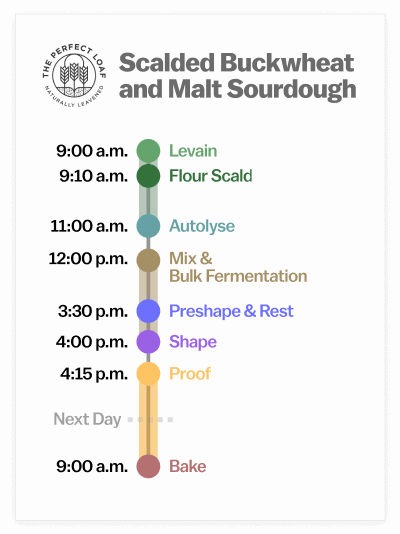
The creation of the Scalded Buckwheat and Malt Sourdough Bread follows a meticulously structured two-day baking schedule, designed to minimize active baker interaction while maximizing flavor development and convenience. The process unfolds with distinct chronological steps, beginning with the preparation of the levain and the flour scald.
Day 1: Foundation and Fermentation
- Levain Preparation (9:00 a.m.): The sourdough starter (levain) is prepared first, combining high-extraction wheat flour, water, and ripe sourdough starter. This mixture ferments for approximately three hours at a controlled temperature of 74-76°F (23-24°C) to reach optimal ripeness. This initial step is critical for developing the vibrant microbial activity that powers the sourdough’s rise and flavor.
- Flour Scald Preparation (9:10 a.m.): Shortly after the levain begins its fermentation, the buckwheat flour scald is made. Boiling water is poured over the buckwheat flour and stirred to form a thick, aromatic paste. This paste is then covered and set aside to cool and fully develop its gelatinized structure and enhanced flavor.
- Autolyse (11:00 a.m.): The main dough preparation commences with an autolyse period. High-extraction wheat flour, whole wheat flour, water, and the prepared flour scald are combined. A precise water temperature calculation ensures the dough achieves a target final dough temperature (FDT) of 78°F (25°C), crucial for consistent fermentation. This mixture rests for one hour, allowing the flours to fully hydrate and gluten development to begin passively, resulting in a stronger, more cohesive dough.
- Mixing (12:00 p.m.): The ripe levain, fine sea salt, and the remaining portion of water (Water 2) are incorporated into the autolysed dough. The recipe notes a high hydration level—75% primary hydration, rising to 83% when including the water from the scald—which results in a naturally slack and sticky dough. The bassinage technique, where Water 2 is added gradually, allows the baker to control the final hydration based on the dough’s feel, preventing overhydration. Mixing can be done mechanically with a spiral mixer or by hand using slap-and-fold or folds-in-the-bowl techniques until the dough is smooth and cohesive.
- Bulk Fermentation (12:30 p.m. to 3:30 p.m.): The dough undergoes bulk fermentation for approximately three hours at a warm room temperature of 74-76°F (23-24°C). During this phase, two sets of stretches and folds are performed at 30-minute intervals to build strength and even out the dough’s structure. The dough is expected to show a volume increase of around 30% by the end of this stage, becoming notably smooth and puffy.
- Pre-shape (3:30 p.m.): The fermented dough is gently turned out, divided into two halves, and lightly preshaped into loose rounds. A 30-minute rest period allows the dough to relax before final shaping.
- Shape (4:00 p.m.): Each round is then shaped using a "gather up" method, which creates tension on the dough’s surface. Before being placed seam-side up into proofing baskets, the dough is inverted onto a bed of raw white sesame seeds, ensuring an even coating that adheres beautifully to the whole-grain crust.
- Cold Proof (4:15 p.m. to 9:00 a.m. Day 2): The shaped loaves, covered in reusable plastic bags, are transferred to the refrigerator for an overnight cold proof. This extended, low-temperature fermentation is critical for deepening the bread’s flavor profile, improving its crust development, and allowing for a flexible baking schedule the following day.
Day 2: Baking and Cooling
- Baking (9:00 a.m.): The oven is preheated to 450°F (230°C) with a Dutch oven, combo cooker, or baking stone/steel in place, along with a separate pan for steaming. Loaves are retrieved from the refrigerator, scored, and carefully transferred into the hot baking vessel. Steam is introduced into the oven (by covering the Dutch oven or pouring ice into the hot pan) for the initial 20 minutes of baking. This steam is crucial for achieving a crisp crust and maximizing oven spring. After 20 minutes, the steam source is removed, and the loaves continue baking for an additional 30 minutes. A finished loaf will register an internal temperature of approximately 204°F (95°C) and exhibit a deeply colored, robust crust.
- Cooling: Upon removal from the oven, the loaves are allowed to cool on a wire rack for one to two hours. This essential cooling period allows the internal structure to set and the flavors to fully develop, preventing a gummy texture when sliced.
Broader Implications and Culinary Trends
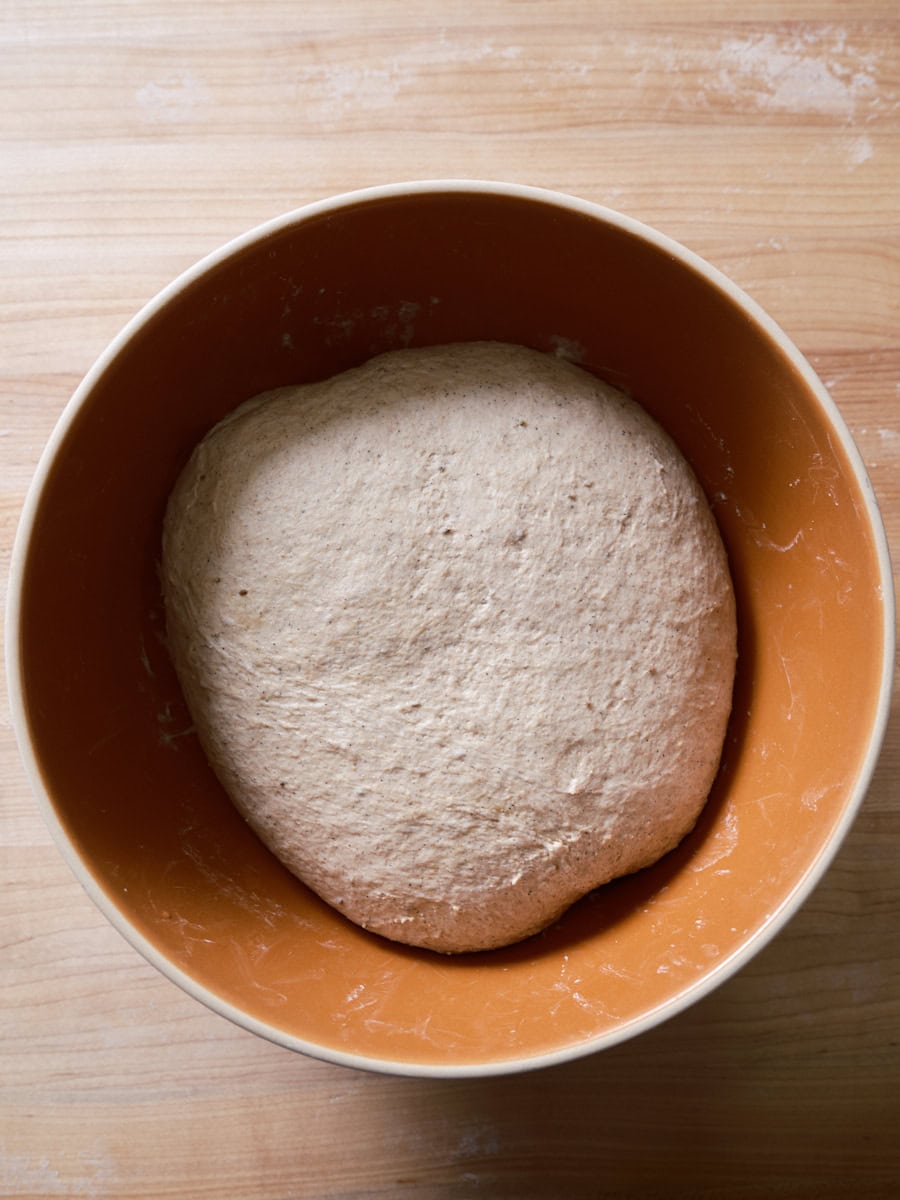
This Scalded Buckwheat and Malt Sourdough Bread exemplifies several burgeoning trends in contemporary baking. The emphasis on high-extraction and whole-grain flours aligns with a growing consumer demand for more nutritious, flavor-rich, and artisanal products. The deliberate inclusion of ancient grains like buckwheat speaks to an exploration of diverse textures and flavor complexities beyond traditional wheat-based breads. Furthermore, the integration of specialized techniques like the flour scald underscores a movement towards sophisticated home baking, where enthusiasts are increasingly adopting professional-level methods to elevate their craft. This recipe provides a detailed roadmap for bakers to achieve a nuanced loaf that is both deeply satisfying and technically accomplished, positioning it as a significant contribution to the evolving landscape of sourdough baking. The flexibility of the two-day schedule also caters to the modern baker, balancing the desire for high-quality, homemade bread with the demands of daily life.
Ingredient Flexibility and Expert Advice
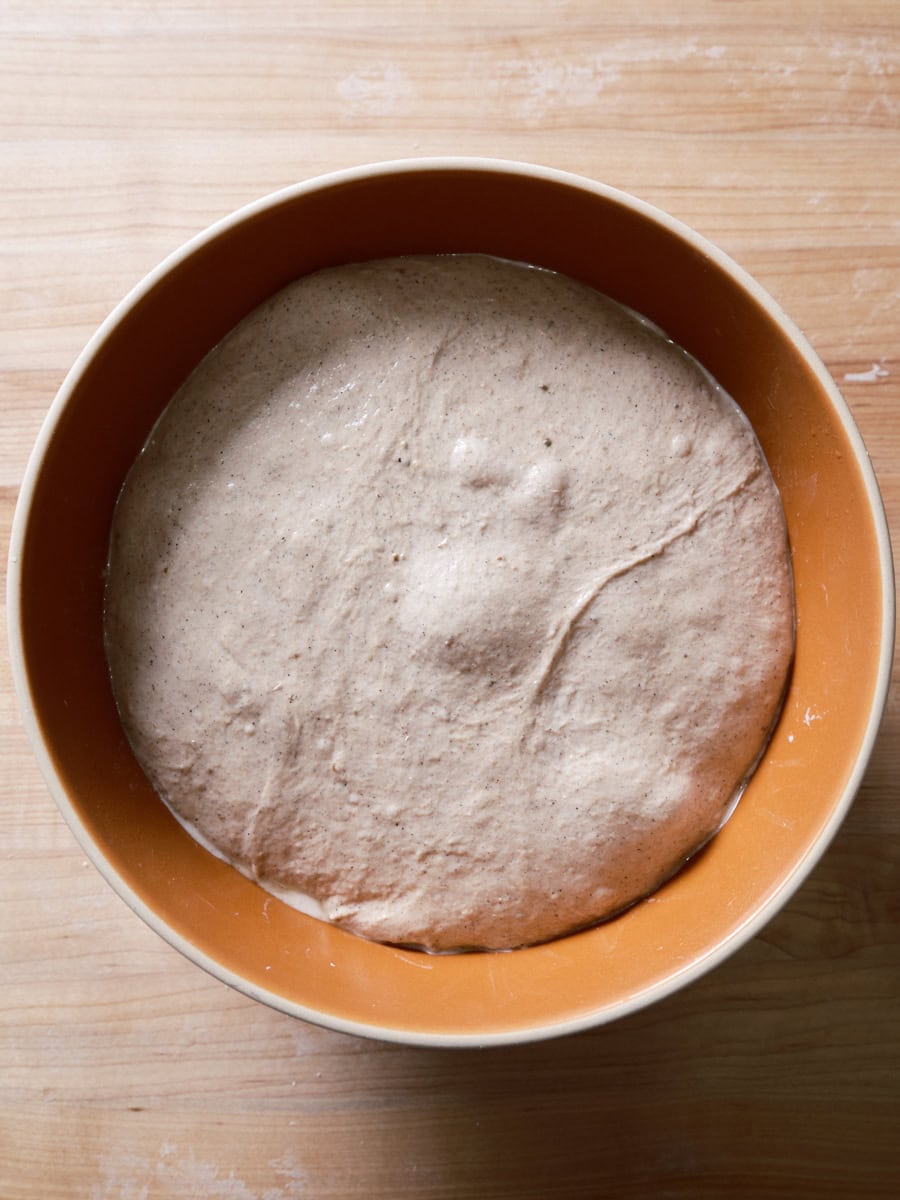
The recipe also provides guidance on ingredient substitutions, reflecting a practical approach to home baking. For instance, if aniseed is not preferred or available, caraway is suggested as a suitable alternative, offering similar spice notes. Similarly, for the barley malt syrup, blackstrap molasses can be used to introduce more bitter and rich notes, while honey offers a sweeter, more floral alternative that complements anise particularly well. These adaptable components ensure the recipe remains accessible while allowing for personalized flavor adjustments. For bakers without high-extraction flour, a blend of 90% bread flour and 10% whole wheat flour is recommended as a viable substitute, demonstrating the recipe’s inherent flexibility.
In summary, this Scalded Buckwheat and Malt Sourdough Bread represents more than just a recipe; it is a meticulously crafted culinary statement that addresses both seasonal comfort and advanced baking principles. Its thoughtful combination of unique flavors, innovative techniques, and a practical schedule positions it as a valuable blueprint for those seeking to enrich their baking repertoire and experience the profound satisfaction of creating a truly exceptional loaf of bread.