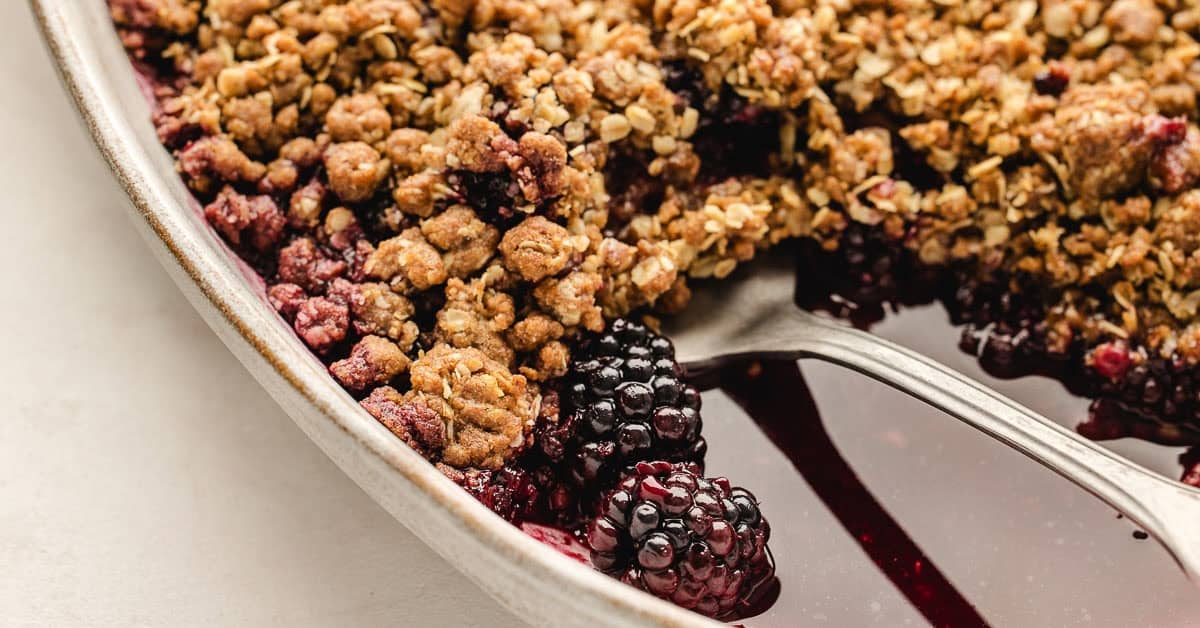
The blackberry crisp represents more than a mere conclusion to a summer meal; it serves as a cornerstone of American seasonal gastronomy, bridging the gap between wild foraging traditions and modern artisanal baking. Characterized by its duality of textures—the viscous, tart-sweet macerated fruit base and the rigid, buttery oat-based topping—this dessert has maintained its popularity through centuries of culinary evolution. As the peak of the summer harvest approaches, the blackberry crisp emerges as a primary vehicle for utilizing both cultivated and wild-foraged berries, offering a profile that is at once sophisticated in its balance and accessible in its preparation.
The Anatomy and Technical Composition of the Blackberry Crisp
To understand the blackberry crisp, one must first distinguish it from its structural relatives: the cobbler, the crumble, and the betty. While these terms are often used interchangeably in casual discourse, culinary historians and professional bakers maintain rigorous distinctions based on the composition of the topping. A cobbler is defined by a biscuit or dumpling-style dough dropped over the fruit, creating a "cobbled" street appearance and a cake-like mouthfeel. In contrast, the crisp—a predominantly American innovation—utilizes a streusel-like mixture that must contain oats to earn its title. The inclusion of oats is the technical differentiator between a crisp and a crumble, as the latter typically relies solely on a mixture of flour, sugar, and fat.
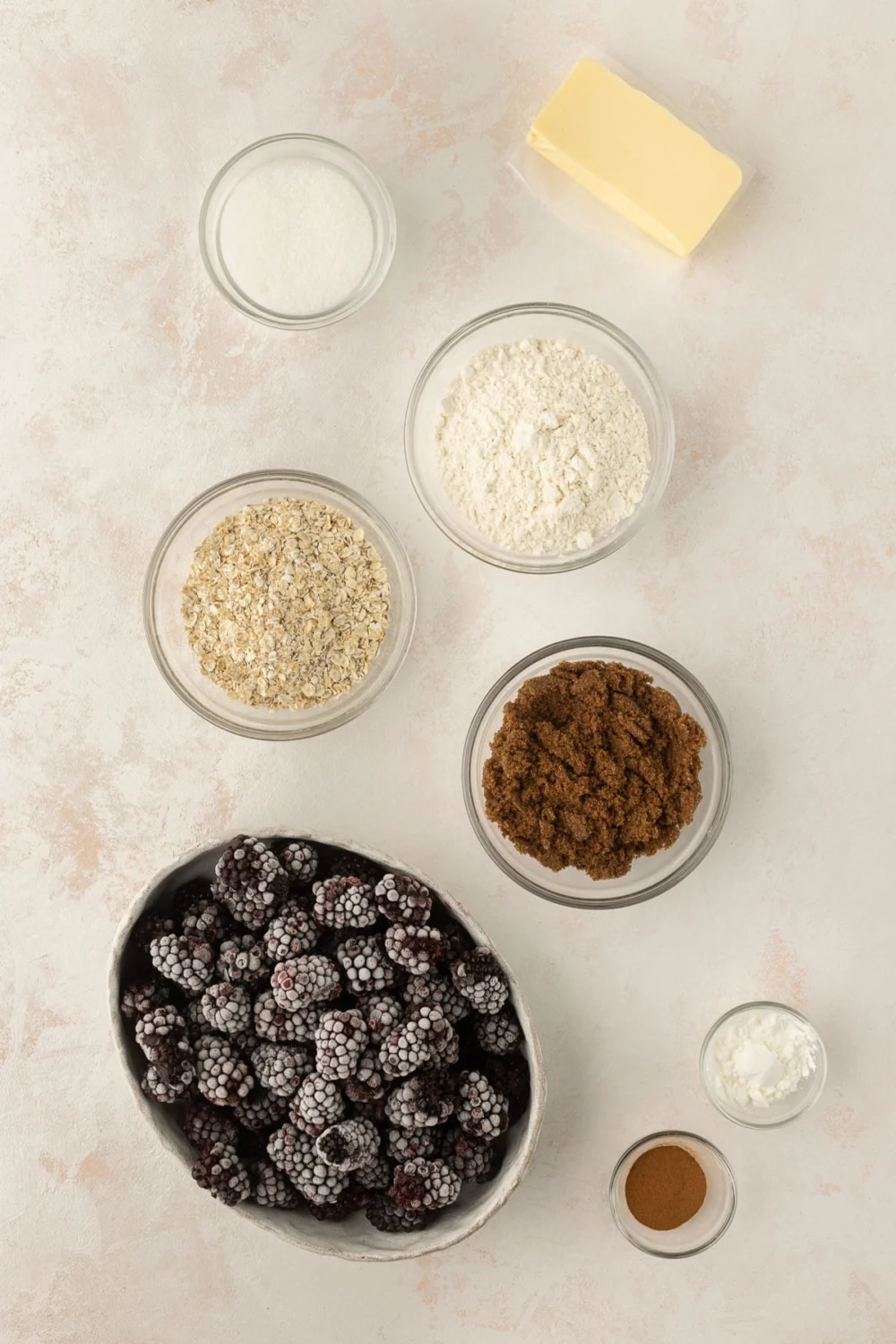
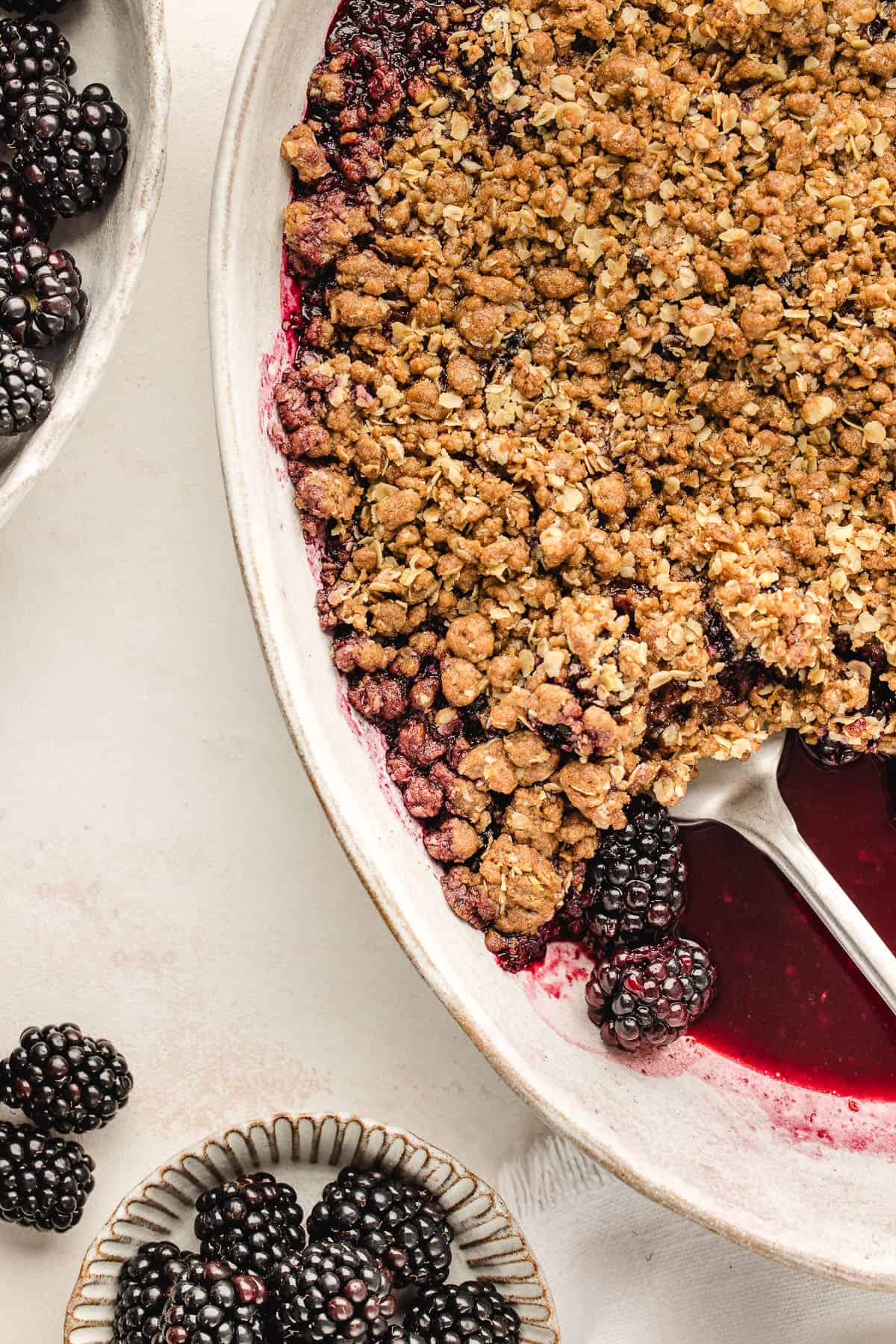
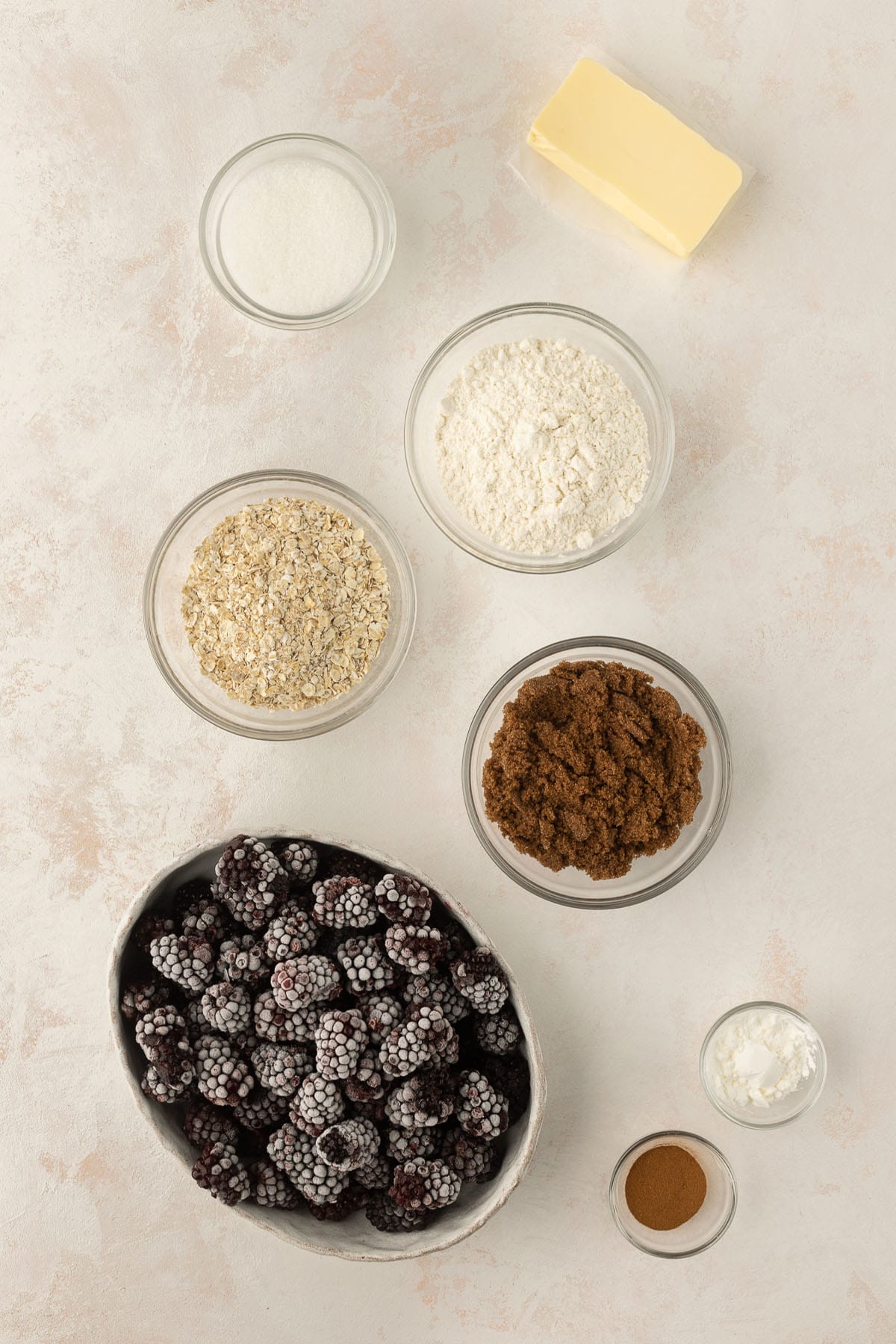
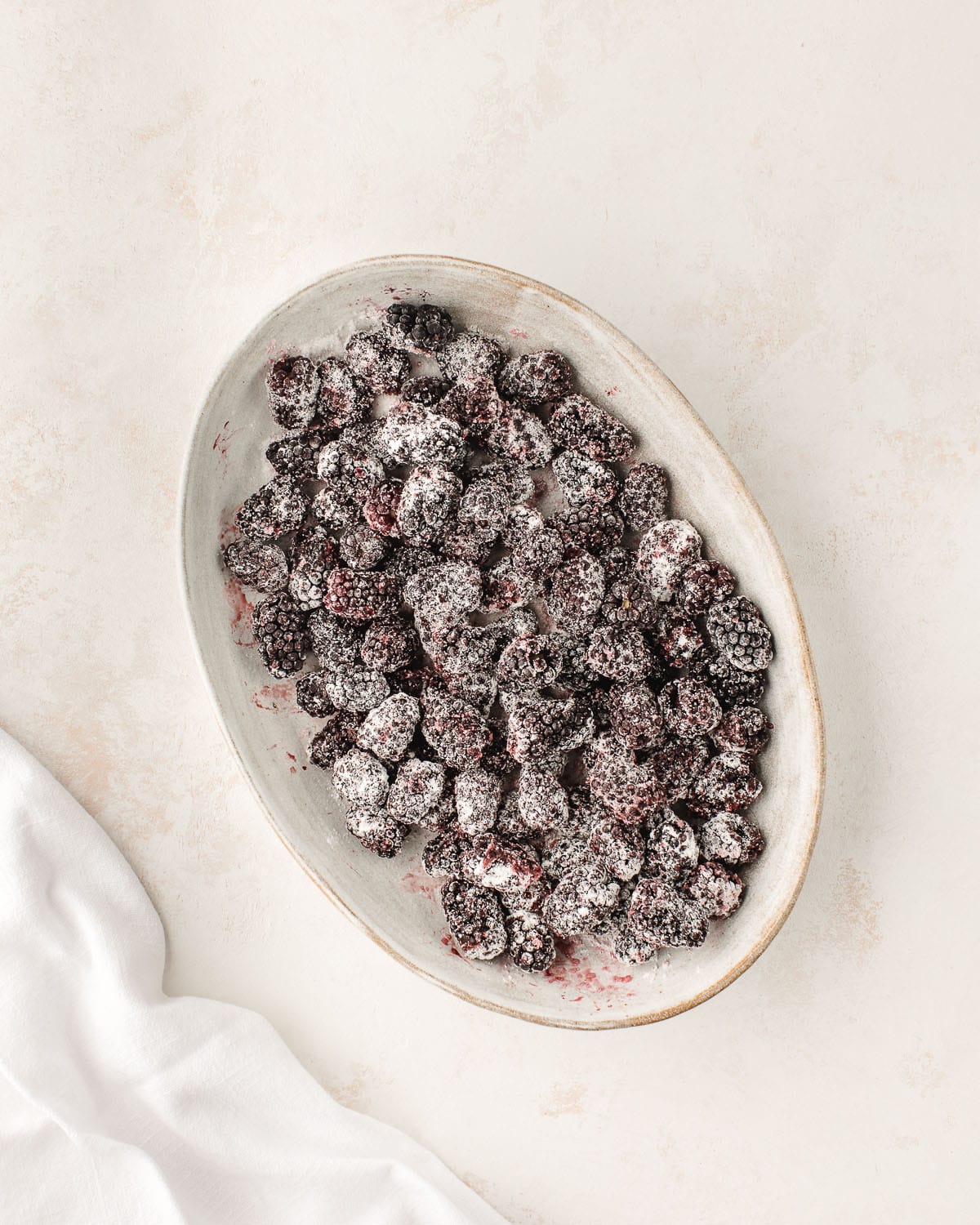
The structural integrity of a superior blackberry crisp relies on the precise management of moisture and temperature. The base layer consists of fresh or frozen blackberries, often enhanced with a thickening agent such as organic cornstarch or arrowroot powder. This prevents the dessert from becoming overly aqueous during the baking process, as blackberries release significant juice when their cellular structures break down under heat. The addition of cane sugar and ground cinnamon serves to modulate the natural acidity of the fruit, creating a complex flavor profile that highlights the berry’s deep, musky undertones.
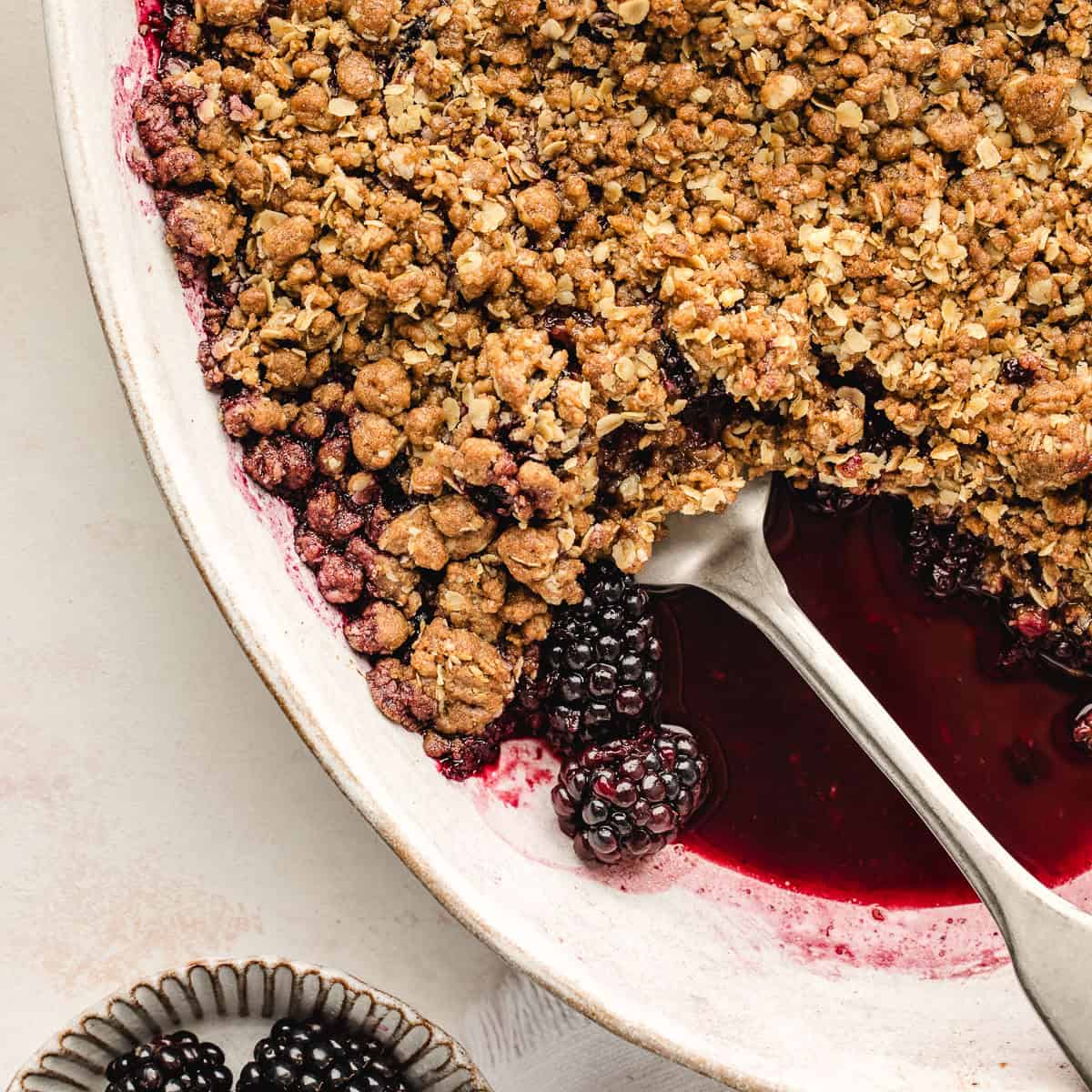
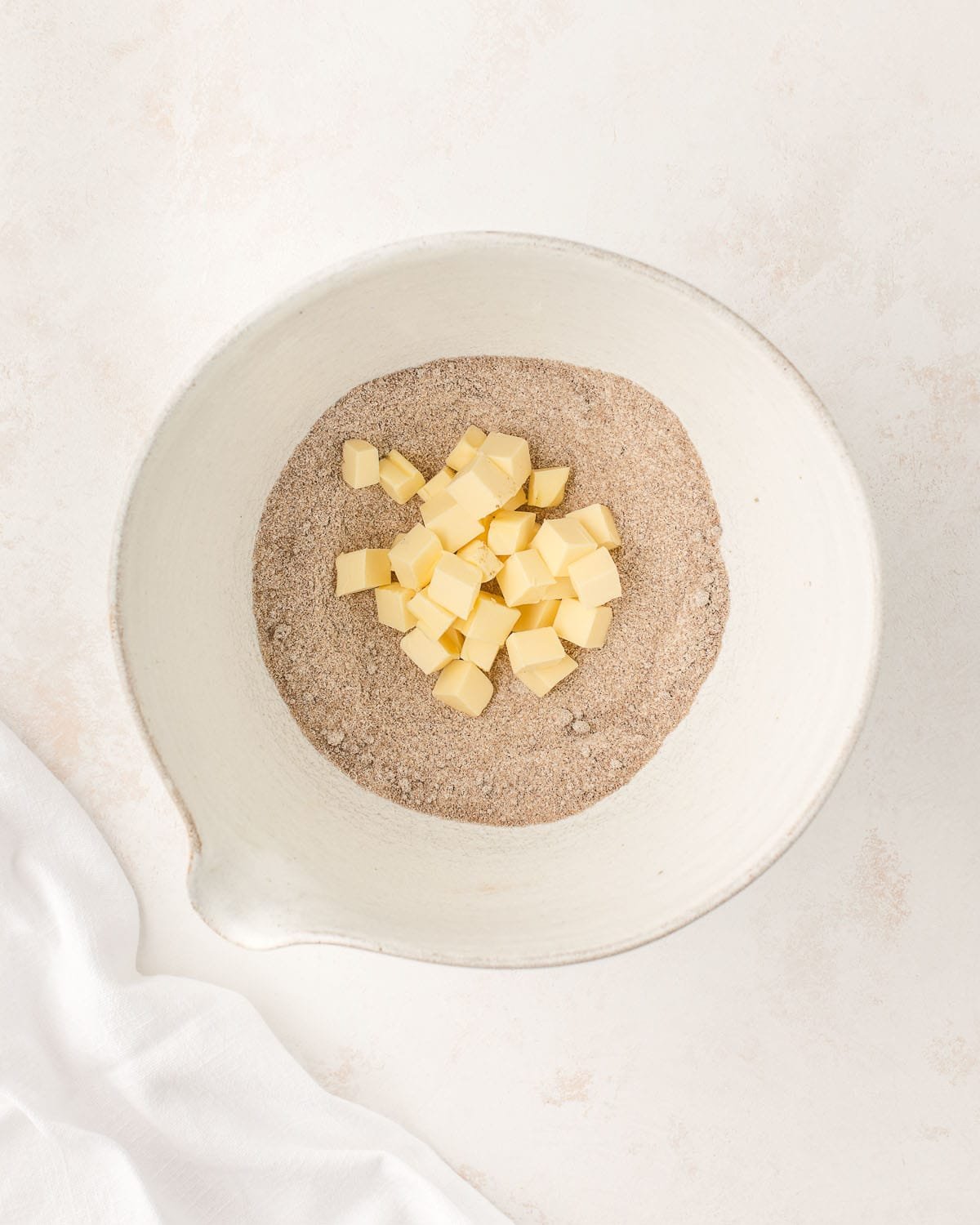
The topping, or the "crisp" element, requires cold, cubed butter to be integrated into a blend of all-purpose flour, brown sugar, and old-fashioned rolled oats. The use of cold fat is essential; it ensures that the topping remains granular and aerated rather than melting into a singular, dense sheet. During the 35-minute baking cycle at 350°F (175°C), the butter coats the oats and flour, undergoing a Maillard reaction that results in a golden-brown, crunchy shield that protects the bubbling fruit beneath.
Botanical Profile and Nutritional Significance of the Blackberry
The blackberry, belonging to the genus Rubus and the family Rosaceae, is a complex fruit composed of numerous small drupelets. In the United States, the harvest typically spans from late June through August, depending on the latitude and specific variety. Wild blackberries, often found in hedgerows and forest clearings, are prized for their intense flavor concentration, though they are frequently smaller and seedier than their commercially cultivated counterparts.
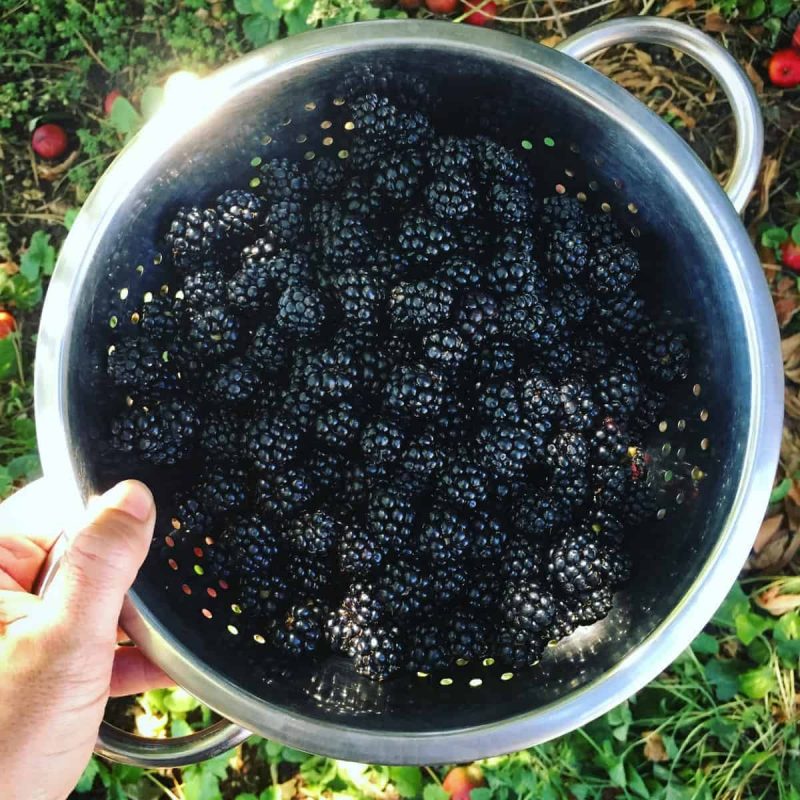
From a nutritional standpoint, the blackberry is a "superfood" in the truest sense of the term. According to data from the United States Department of Agriculture (USDA), a one-cup serving of raw blackberries contains approximately 62 calories, 8 grams of dietary fiber, and 30 milligrams of Vitamin C. They are exceptionally high in anthocyanins—the pigments responsible for their deep purple hue—which serve as potent antioxidants. These compounds have been linked in numerous clinical studies to reduced inflammation and improved cardiovascular health.
The inclusion of blackberries in a dessert like a crisp does not entirely negate these benefits. While the addition of sugars and fats increases the caloric density, the retention of the whole fruit ensures that the consumer still receives a significant dose of fiber and micronutrients, distinguishing it from desserts based on refined fruit juices or jellies.
A Chronology of Foraging and Culinary Tradition
The history of the blackberry crisp is inextricably linked to the history of foraging in North America. For centuries, indigenous populations and later European settlers gathered wild berries as a vital source of summer nutrition. The transition from gathering for survival to gathering for leisure began in the late 19th and early 20th centuries, as the "slow food" movements of the era began to celebrate the connection between the land and the table.
Chronologically, the process of creating a blackberry crisp begins long before the oven is preheated:
- Late Spring: Blackberry canes flower, attracting pollinators essential for fruit development.
- Early to Mid-Summer: The fruit transitions from green to red, and finally to a deep, glossy black. This period is critical for sugar accumulation.
- The Harvest: Foragers and farmers collect the fruit at peak ripeness. Berries must be picked when they are plump and easily detach from the receptacle.
- Preparation: The fruit is cleaned and combined with stabilizing ingredients.
- Thermal Processing: The crisp is baked, allowing the flavors to meld and the topping to dehydrate into its signature crunchy state.
- Post-Bake Maturation: A brief cooling period allows the fruit pectins and starches to set, ensuring a cohesive serving.
Economic Impact and the Rise of Agritourism
The blackberry crisp has also become a significant driver in the agricultural economy. While commercial blackberry production is a multi-million dollar industry, the "U-Pick" farm model has seen a resurgence in the last decade. This form of agritourism allows consumers to participate in the harvest, fostering a deeper appreciation for the provenance of their food.
Market analysts suggest that the demand for "experience-based" food consumption has led to an increase in the sales of baking staples during the summer months—a period traditionally dominated by no-cook meals. The blackberry crisp, due to its simplicity and the high yield of blackberry canes, has become the "hero dish" of the summer baking season. Furthermore, the ability to freeze blackberries effectively has extended the economic life of the crop, allowing for the consumption of "summer" desserts during the autumn and winter months, thereby stabilizing demand for the fruit year-round.
Comparative Analysis: Fresh vs. Frozen Utility
A recurring debate among culinary professionals concerns the efficacy of frozen versus fresh blackberries in a crisp. Journalistic investigation into test kitchen results reveals that while fresh berries offer a superior texture in raw applications, frozen berries are often preferred for crisps and cobblers. Frozen berries are typically processed at the height of ripeness, locking in sugar content. Additionally, the freezing process breaks down the fruit’s cell walls, which, when combined with heat and cornstarch, creates a more robust and syrupy filling.
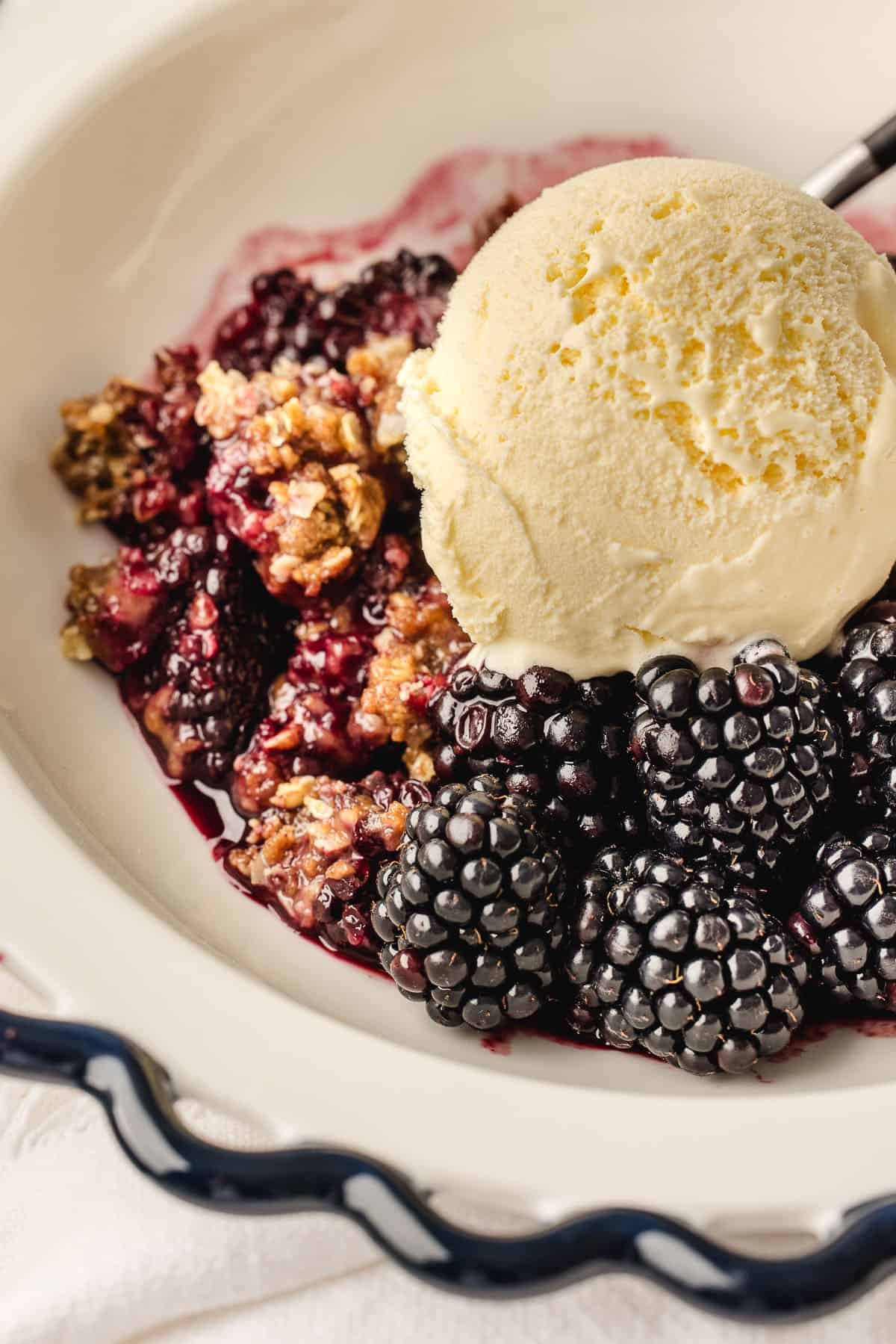
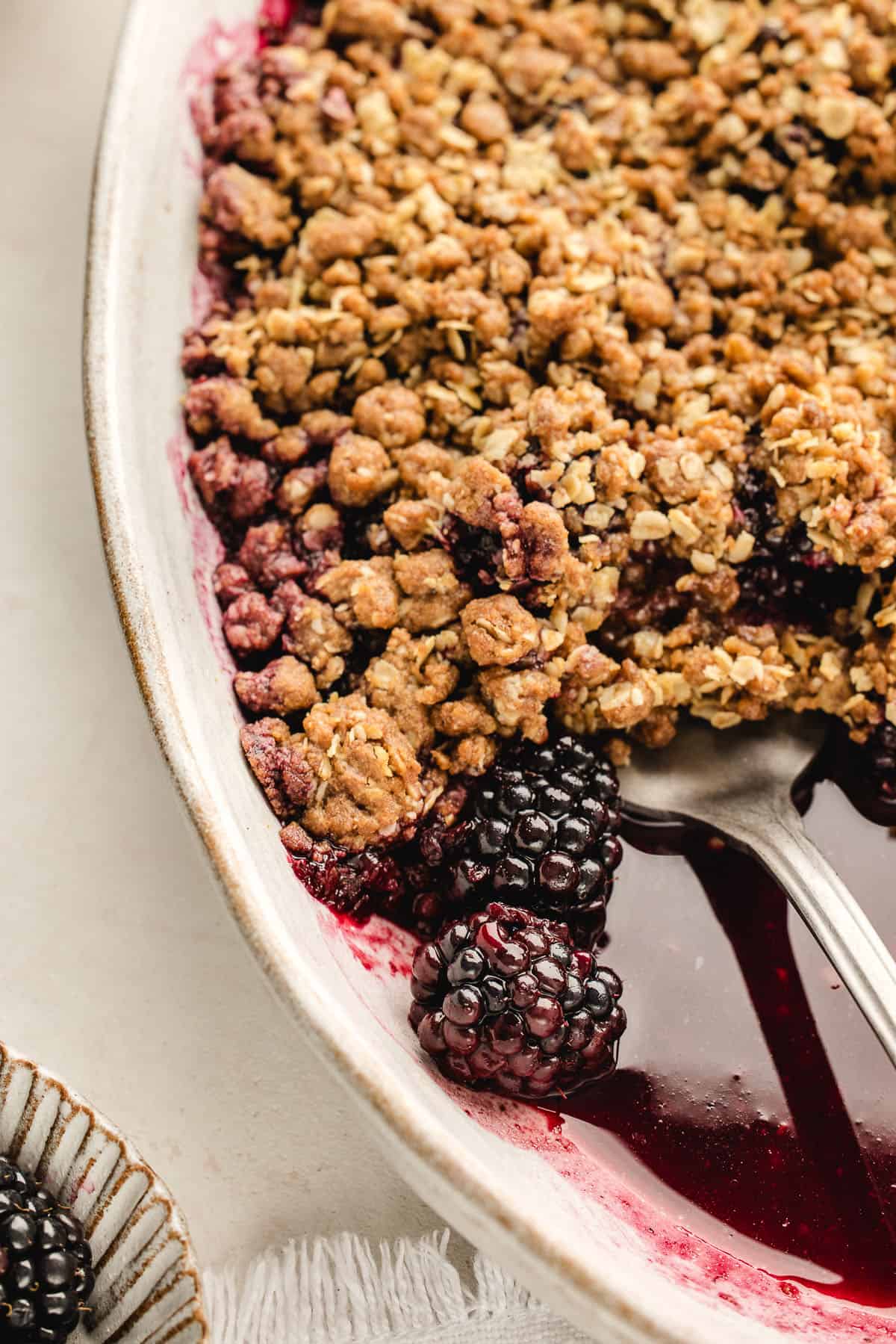
However, from a presentation standpoint, fresh berries are indispensable. The addition of a handful of raw, glossy blackberries as a garnish to a finished crisp provides a visual and textural contrast to the cooked components. This "dual-state" presentation—incorporating both the cooked and raw forms of the fruit—is a hallmark of modern farm-to-table plating.
Sociological Implications and the "Slow Summer" Movement
Beyond the kitchen, the blackberry crisp has become a symbol of the "slow living" movement. In an era dominated by digital acceleration and processed convenience foods, the act of picking berries and baking a dessert from scratch represents a deliberate return to a more rhythmic, seasonal lifestyle.
Sociologists note that the "blackberry crisp energy" described by enthusiasts is a reaction against the rigidity of modern scheduling. The dessert’s versatility—suitable for breakfast with yogurt, a mid-day snack, or a formal evening dessert with vanilla ice cream—defies conventional mealtime structures. It encourages a "grazing" style of consumption that aligns with the relaxed, informal nature of the summer season.
Technical Recommendations for the Modern Baker
For those seeking to replicate the traditional blackberry crisp, adherence to specific ingredient standards is recommended. The use of organic cane sugar provides a cleaner sweetness that does not overshadow the fruit’s natural tartness. Dark brown sugar in the topping is preferred for its higher molasses content, which aids in caramelization. Finally, the choice of old-fashioned rolled oats is non-negotiable; quick-cooking oats lack the surface area and structural density required to withstand the 35-minute bake time without becoming mushy.
Storage also requires a scientific approach. While the crisp is best served warm to maximize the contrast between the cold ice cream and hot fruit, it should be stored in an airtight container under refrigeration. Within 24 hours, the moisture from the fruit filling will begin to migrate into the topping. To restore the "crisp" in a leftover portion, a brief reheating in a toaster oven is superior to microwave heating, as the former utilizes dry, convective heat to re-dehydrate the oat layer.
Conclusion: The Future of the Blackberry Crisp
As climate patterns shift and agricultural zones migrate, the availability of blackberries may change, but the cultural status of the blackberry crisp appears secure. It remains a resilient recipe, adaptable to various berry types and dietary needs (easily made gluten-free with the substitution of almond flour).
The blackberry crisp stands as a testament to the power of simple, high-quality ingredients. In the intersection of botanical science, culinary history, and economic trends, this dessert continues to provide a sense of continuity and comfort. Whether foraged from a roadside thicket or purchased from a high-end organic grocer, the blackberry remains the star of the summer table, encased in its golden, buttery armor of oats and sugar—a perfect duality of the wild and the refined.