In an era defined by fluctuating food prices and a heightened focus on domestic self-sufficiency, the adoption of advanced food preservation techniques has transitioned from niche survivalist circles into mainstream household management. Among these technologies, the home freeze-dryer has emerged as a cornerstone for families seeking to reduce food waste and establish robust pantry reserves. Industry experts and preservation specialists frequently identify rotisserie chicken—a ubiquitous and cost-effective grocery staple—as an ideal entry point for operators of home freeze-drying equipment. This process, while technically sophisticated, offers a high success rate for beginners and provides a versatile, shelf-stable protein source that retains significant nutritional integrity compared to traditional canning or dehydration methods.
The Technical Framework of Home Freeze-Drying
Freeze-drying, or lyophilization, operates on the principle of sublimation, where moisture is removed from food by transitioning water directly from a solid state (ice) to a gaseous state (vapor) without passing through a liquid phase. This is achieved through a combination of deep-freezing and the application of a high-vacuum environment. For proteins such as rotisserie chicken, this methodology is particularly effective because it preserves the cellular structure of the meat, allowing for rapid rehydration and a texture that closely mimics the original fresh product.
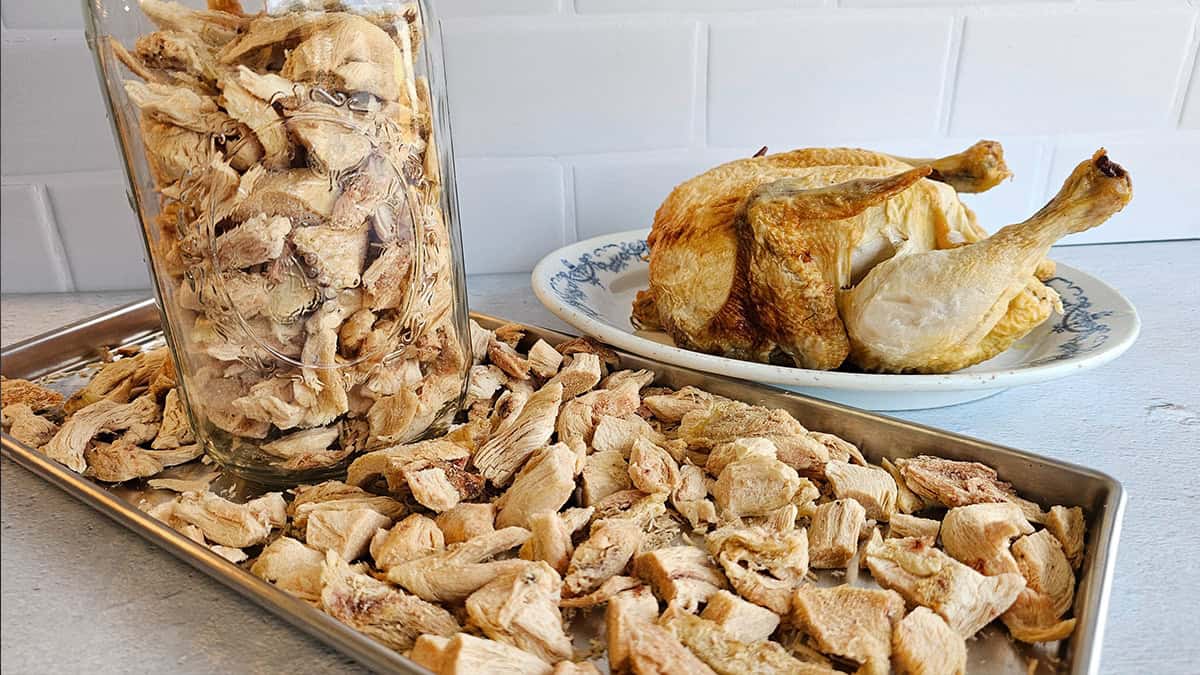
The use of pre-cooked rotisserie chicken provides several strategic advantages for the household economy. Market data indicates that rotisserie chickens are often sold as "loss leaders" by major retailers to drive foot traffic, frequently resulting in a lower price per pound than raw poultry. Furthermore, the secondary market for these items—specifically "day-old" birds sold at a clearance discount—further enhances the cost-effectiveness of the preservation cycle.
A Chronological Methodology for Poultry Preservation
The transition of a prepared rotisserie chicken into a shelf-stable pantry asset follows a rigorous seven-step protocol. Adherence to these steps ensures both the safety of the final product and the efficiency of the freeze-drying machinery.
Phase I: Preparation and Component Separation
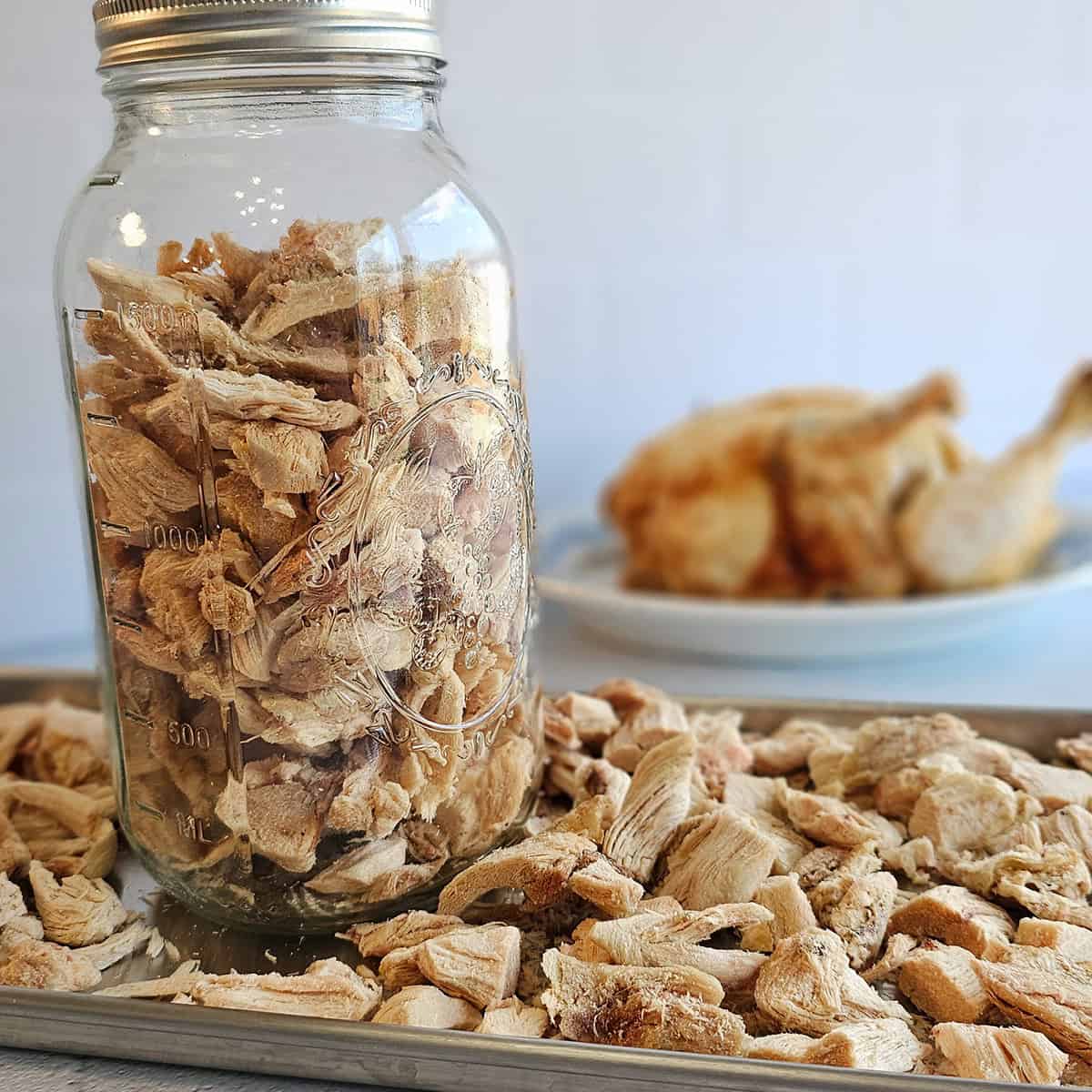
The process begins with the systematic disassembly of the bird. Operators must remove all skin, visible fat, and connective tissue. While the skin is a flavorful component of fresh chicken, its high lipid content is detrimental to long-term storage, as fats do not freeze-dry and are prone to oxidative rancidity. The bones and remaining scraps are typically reserved for secondary processing into bone broth, which can subsequently be freeze-dried into concentrated bouillon, maximizing the utility of the original purchase.
Phase II: Standardization of Particulate Size
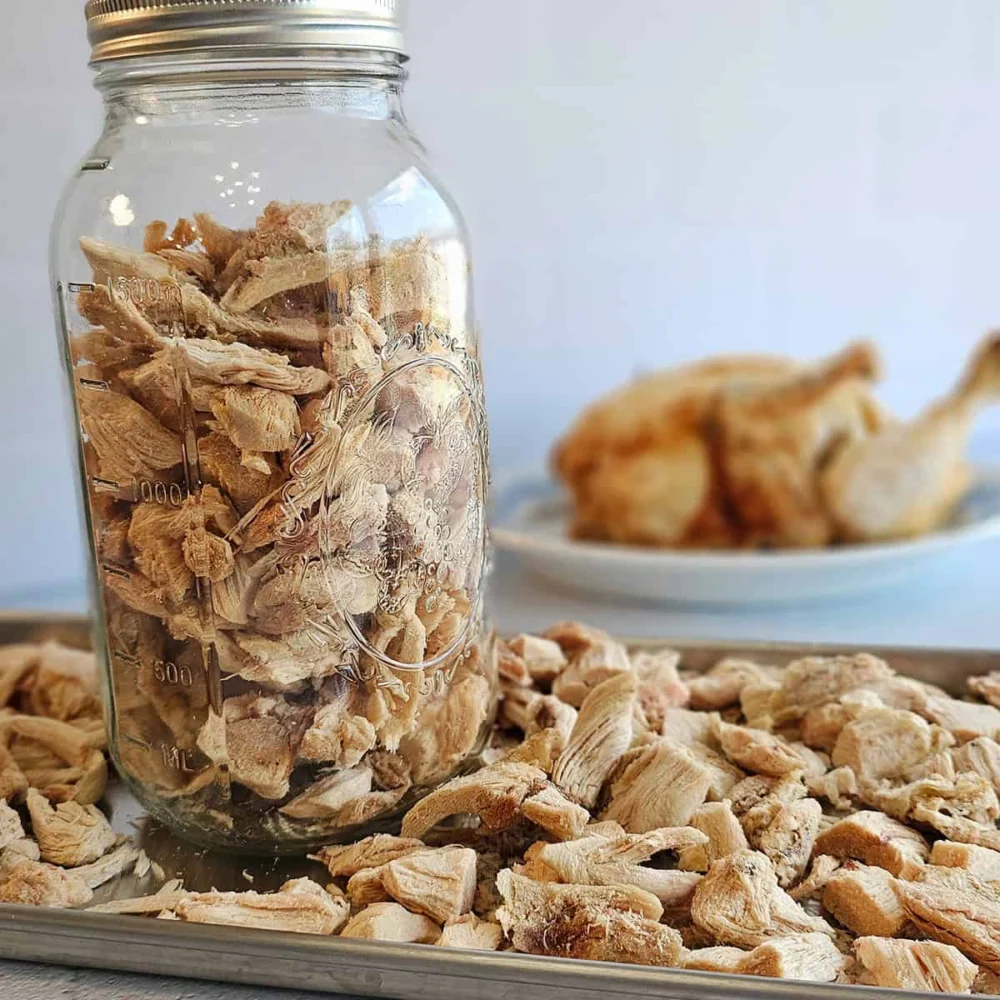
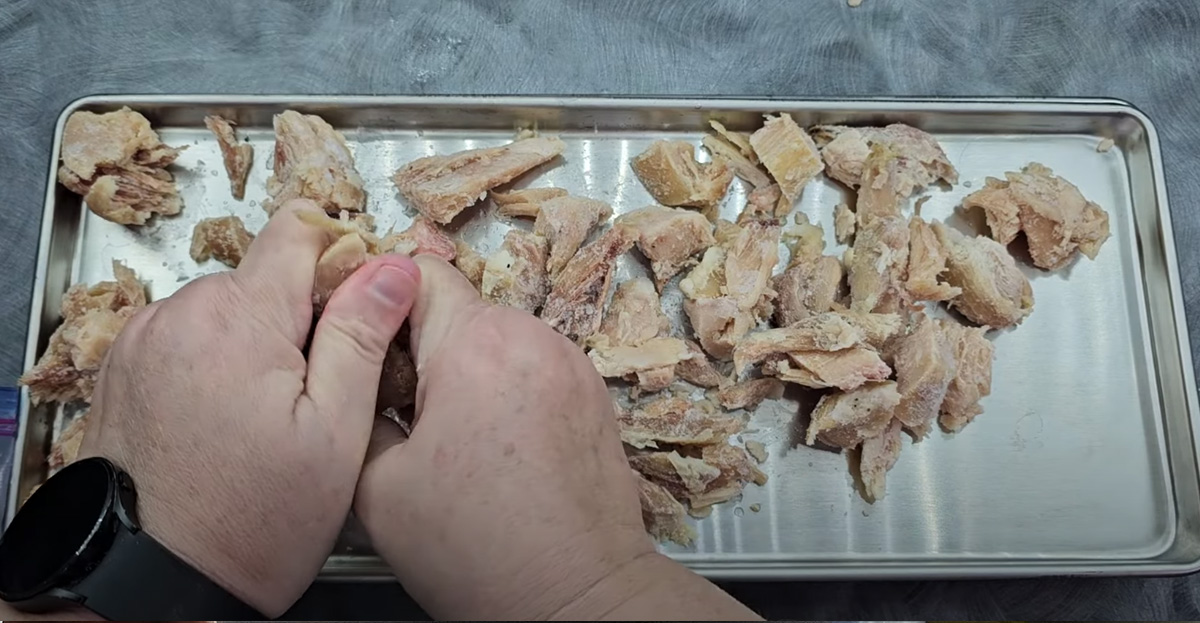
Following the stripping of the carcass, the meat is partitioned into uniform pieces, generally recommended to be one inch or smaller. This standardization is critical for ensuring even moisture removal. Smaller pieces provide a greater surface-area-to-volume ratio, which facilitates more efficient sublimation during the primary and secondary drying phases of the machine cycle.
Phase III: The Pre-Freezing Cycle
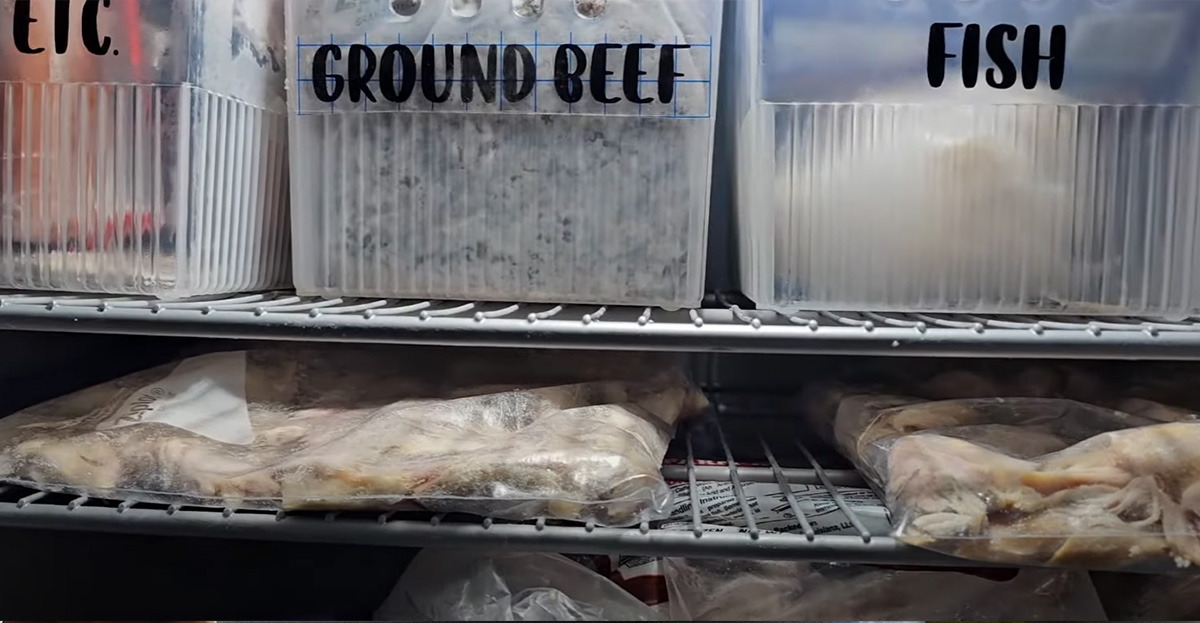
While modern freeze-dryers possess the capability to freeze food from room temperature, practitioners often utilize a dedicated deep-freeze unit for a 24-hour pre-freezing stage. This step serves two purposes: it reduces the mechanical strain and energy consumption of the freeze-dryer’s compressor and allows for the accumulation of multiple batches before a cycle is initiated. Trays are typically loaded and placed in a chest or stand-up freezer, ensuring the meat reaches a core temperature of at least -10°F to -20°F before moving to the vacuum chamber.
Phase IV: Equipment Preparation and Initialization
The freeze-dryer, such as those manufactured by industry leaders like Harvest Right, must undergo a cooling cycle prior to being loaded with frozen product. This "pre-chill" phase prevents the surface of the frozen chicken from melting when it comes into contact with the metal trays, a phenomenon that can lead to "ice bridging" and incomplete drying.
Phase V: The Lyophilization Process
Once the machine reaches the appropriate temperature, the trays are inserted, and the vacuum pump is engaged. A standard cycle for cooked poultry often requires a primary drying phase followed by an extended secondary drying phase. Operators are advised to program an additional 24 hours of "extra dry time" beyond the machine’s automated sensors to account for variations in meat density and fat content, ensuring that the residual moisture level is below 2%.
Phase VI: Quality Assurance and Testing
Upon completion of the cycle, the product must be verified for dryness. Journalistic observations of the process note two primary testing methods: the tactile break test and the gravimetric (weight) test. In the former, pieces are snapped to ensure no cold or soft spots remain in the center. In the latter, the tray is weighed, returned to the vacuum for two hours, and weighed again; any change in weight indicates the presence of remaining moisture, necessitating further processing.
Phase VII: Atmospheric Isolation and Storage
The final phase involves securing the dried poultry in an airtight environment. High-barrier containers, such as Mylar bags or glass canning jars, are utilized in conjunction with oxygen absorbers (O2 absorbers) or vacuum sealing. This prevents the hygroscopic dried meat from reabsorbing atmospheric moisture and protects it from oxygen-induced degradation.
Economic and Nutritional Data Analysis
The rationale for freeze-drying rotisserie chicken is supported by significant nutritional and economic data. Traditional thermal processing (canning) can result in the loss of up to 50% of certain heat-sensitive vitamins, whereas freeze-drying typically retains approximately 97% of the original nutritional profile.
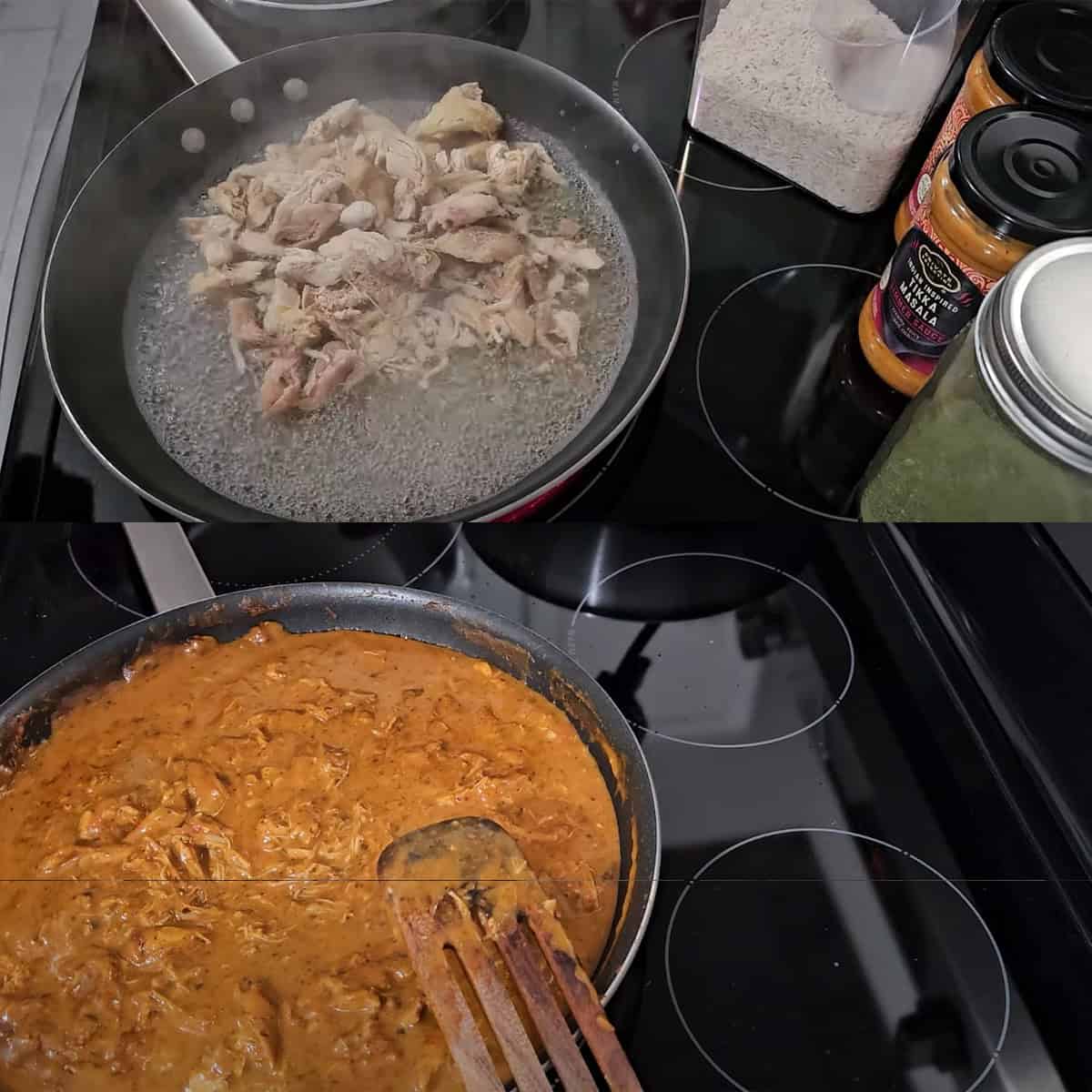
According to nutritional estimates, a one-cup serving of rehydrated rotisserie chicken contains approximately 109 calories, 16 grams of protein, and 5 grams of fat. Because the freeze-drying process does not cause the meat to shrink (unlike traditional dehydration), the volumetric yield remains constant. A recipe requiring one cup of fresh chicken can be accurately serviced by one cup of freeze-dried chicken, simplifying meal planning and inventory management.
Furthermore, the "circular kitchen" model enabled by this process—utilizing the carcass for broth and the meat for long-term storage—represents a significant reduction in household food waste. In the United States, it is estimated that nearly 30-40% of the food supply is wasted; repurposing clearance-priced rotisserie chickens into shelf-stable assets directly counters this trend.
Storage Limitations and Lipid Stability
A critical distinction must be made regarding the shelf life of freeze-dried meats versus fruits or vegetables. While freeze-dried produce can remain viable for 25 years under ideal conditions, proteins—especially those with higher fat content like rotisserie chicken—have a more limited horizon.
The presence of lipids in dark meat and residual fats from the roasting process means that even under vacuum, the product is susceptible to eventual rancidity. Consequently, most food preservation experts suggest a conservative shelf life of six to twelve months for freeze-dried rotisserie chicken, though some practitioners report success up to several years when stored in a cool, dark environment with high-quality oxygen absorbers. This makes the product more suitable for "working pantries" rather than long-term "deep storage" bunkers.
Broader Implications for Food Security
The rise of home freeze-drying reflects a broader shift in consumer behavior toward decentralized food security. As global supply chains face pressures from geopolitical instability and climate-related disruptions, the ability to process and store high-quality protein at home provides a significant safety net.
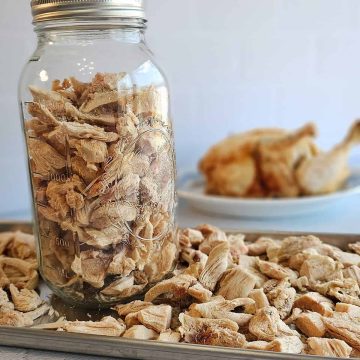
State and local agricultural extension offices have noted an increase in inquiries regarding the safety of home-freeze-dried meats. While the USDA provides extensive guidelines for canning, freeze-drying remains a frontier where manufacturer instructions and community-vetted best practices currently lead the way. The consensus among users and analysts is that as long as the meat is fully cooked prior to freeze-drying and residual moisture is eliminated, the risk of foodborne illness is substantially lower than that associated with raw meat preservation.
Conclusion
The preservation of rotisserie chicken via freeze-drying represents a sophisticated intersection of culinary convenience and advanced technology. By following a structured protocol—from meticulous stripping and pre-freezing to precise vacuum processing and atmospheric isolation—households can transform a perishable grocery item into a versatile, nutrient-dense pantry staple. While the process requires an initial investment in equipment and a clear understanding of the limitations imposed by fat content, the resulting dividends in food security, waste reduction, and meal-time efficiency are substantial. As the technology continues to mature, it is likely that the "purposeful pantry" will become a standard feature of the modern resilient home.