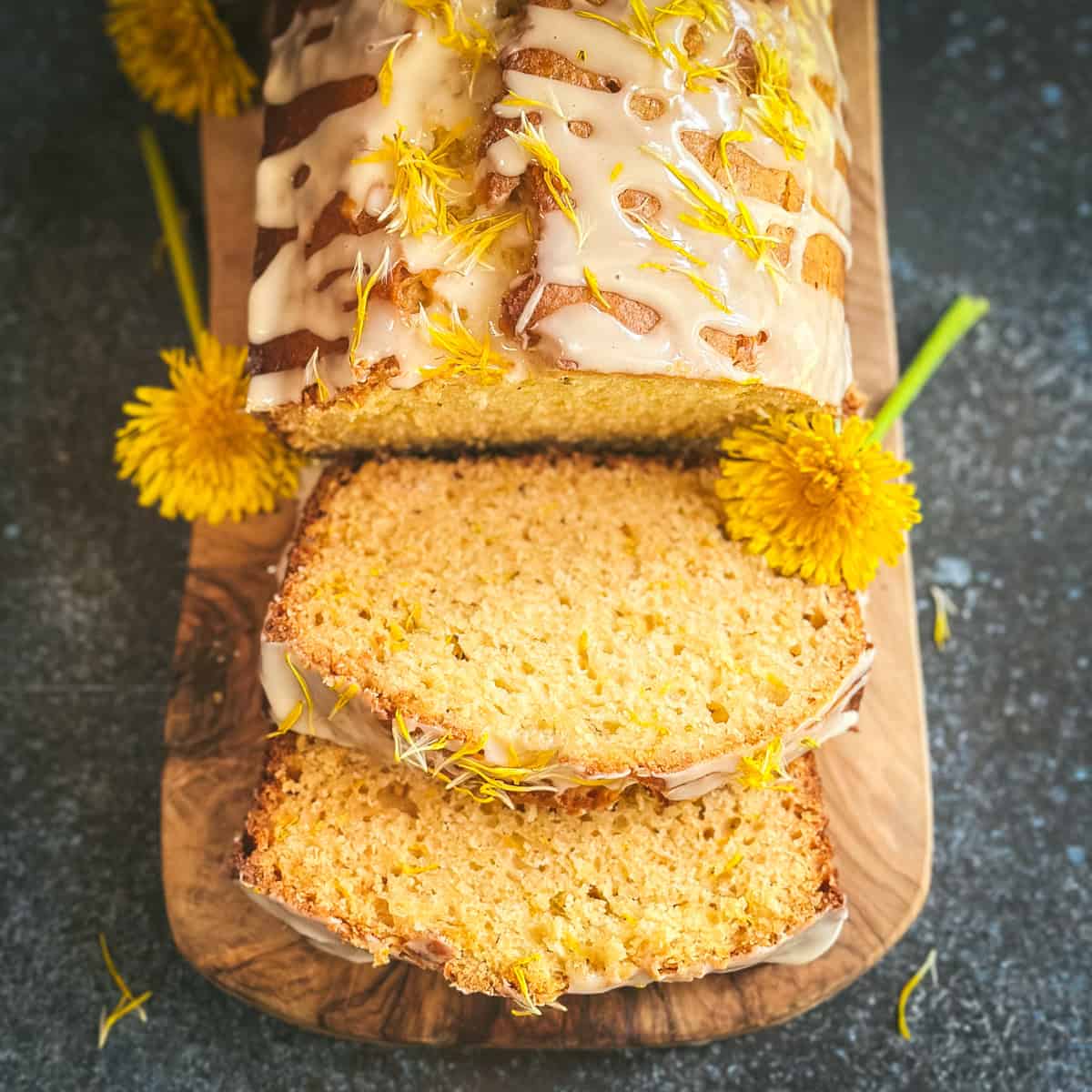
The emergence of spring brings with it a cultural and culinary shift toward seasonal, locally sourced ingredients. Among the most recognizable signs of this transition is the blooming of the dandelion (Taraxacum officinale), a plant that has historically oscillated between being viewed as a medicinal marvel and a suburban nuisance. In contemporary gastronomy, however, the dandelion is undergoing a significant reputation recovery. Culinary experts and herbalists are increasingly highlighting the plant’s versatility, particularly in the creation of dandelion bread—a comfort food that utilizes the sweet, honey-like profile of the flower’s petals to signal the arrival of warmer months.
The Botanical Profile and Historical Context of Dandelions
Dandelions are not native to North America; they were intentionally brought by European settlers in the 17th century for their medicinal and nutritional properties. Every part of the plant—from the root to the flower—is edible. Historically, the roots were used as a coffee substitute and a liver tonic, while the leaves provided a vital source of Vitamin C and Vitamin A after long winters.
In the modern era, the plant is often targeted by herbicides in a quest for the "perfect lawn." However, the growing interest in wildcrafting and sustainable foraging has led to a re-evaluation of this resilient perennial. Botanically, the dandelion is a member of the Asteraceae family. It is characterized by its bright yellow inflorescence, which consists of numerous tiny ray florets. When used in baking, these florets, or petals, impart a mild, floral sweetness that pairs exceptionally well with citrus and honey.
The Foraging Chronology: Safety and Best Practices
The process of creating dandelion bread begins with responsible foraging. This stage is critical, as the quality of the final product is directly dependent on the environment from which the flowers are harvested.
- Site Selection: Foragers are advised to avoid areas that have been treated with synthetic pesticides or fertilizers. This is a primary concern in suburban environments where dandelions are frequently sprayed. Harvesting near busy roadways is also discouraged due to potential heavy metal contamination from vehicle exhaust.
- Timing: The best time to harvest dandelions is during a sunny morning after the dew has evaporated but before the heat of the day causes the flowers to close.
- Selection: Younger blooms tend to be sweeter. As the flower ages, it can take on a more pronounced bitterness.
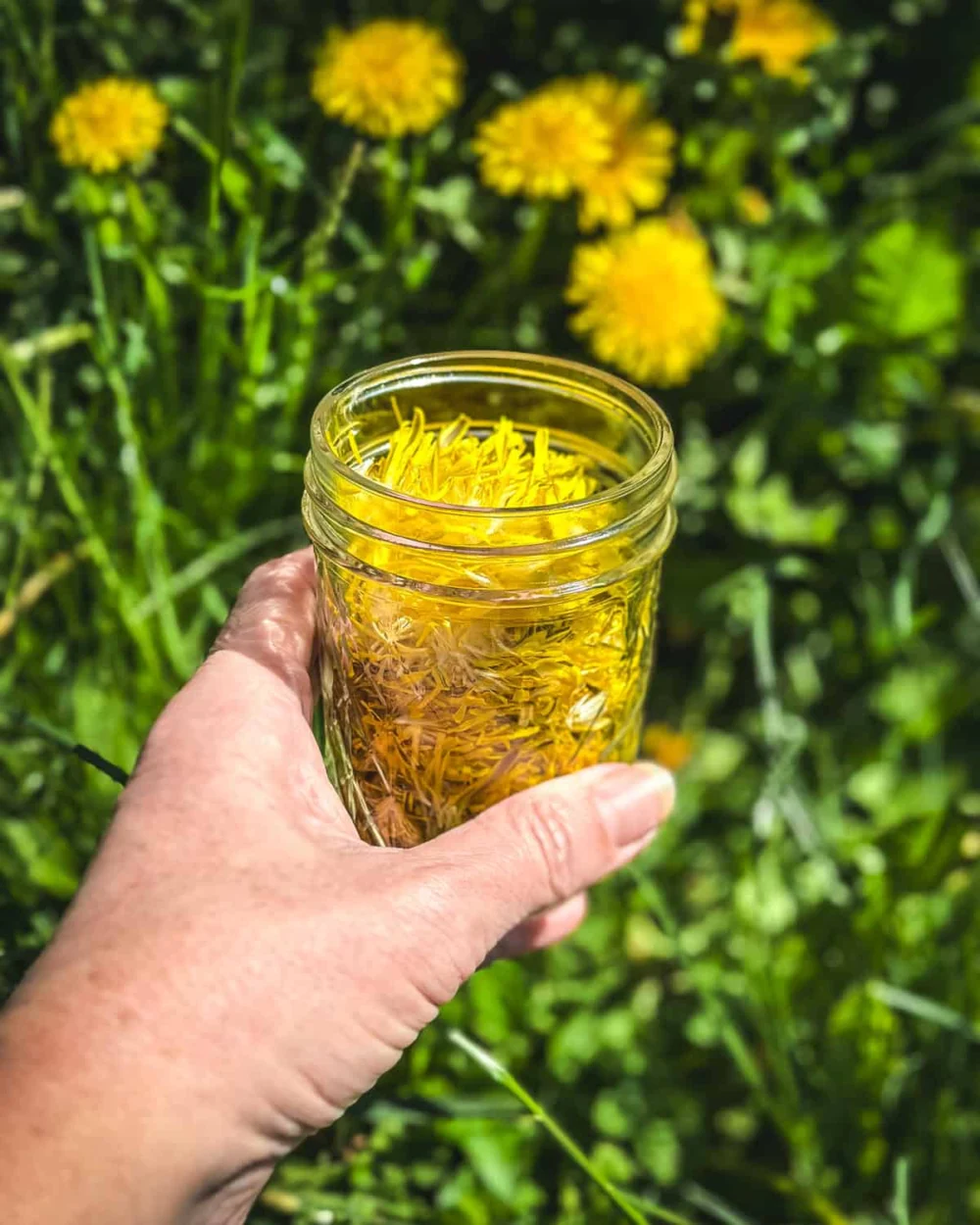
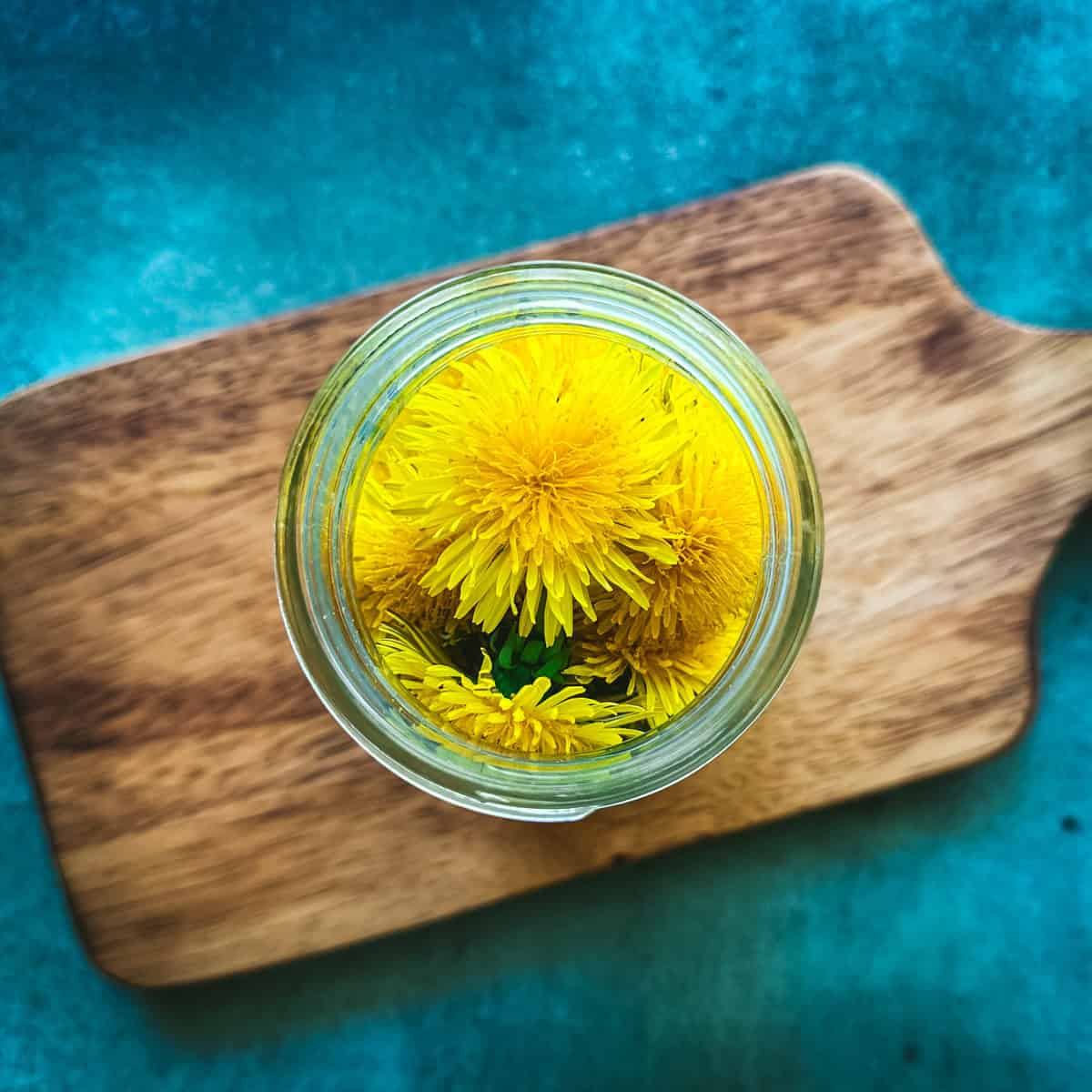
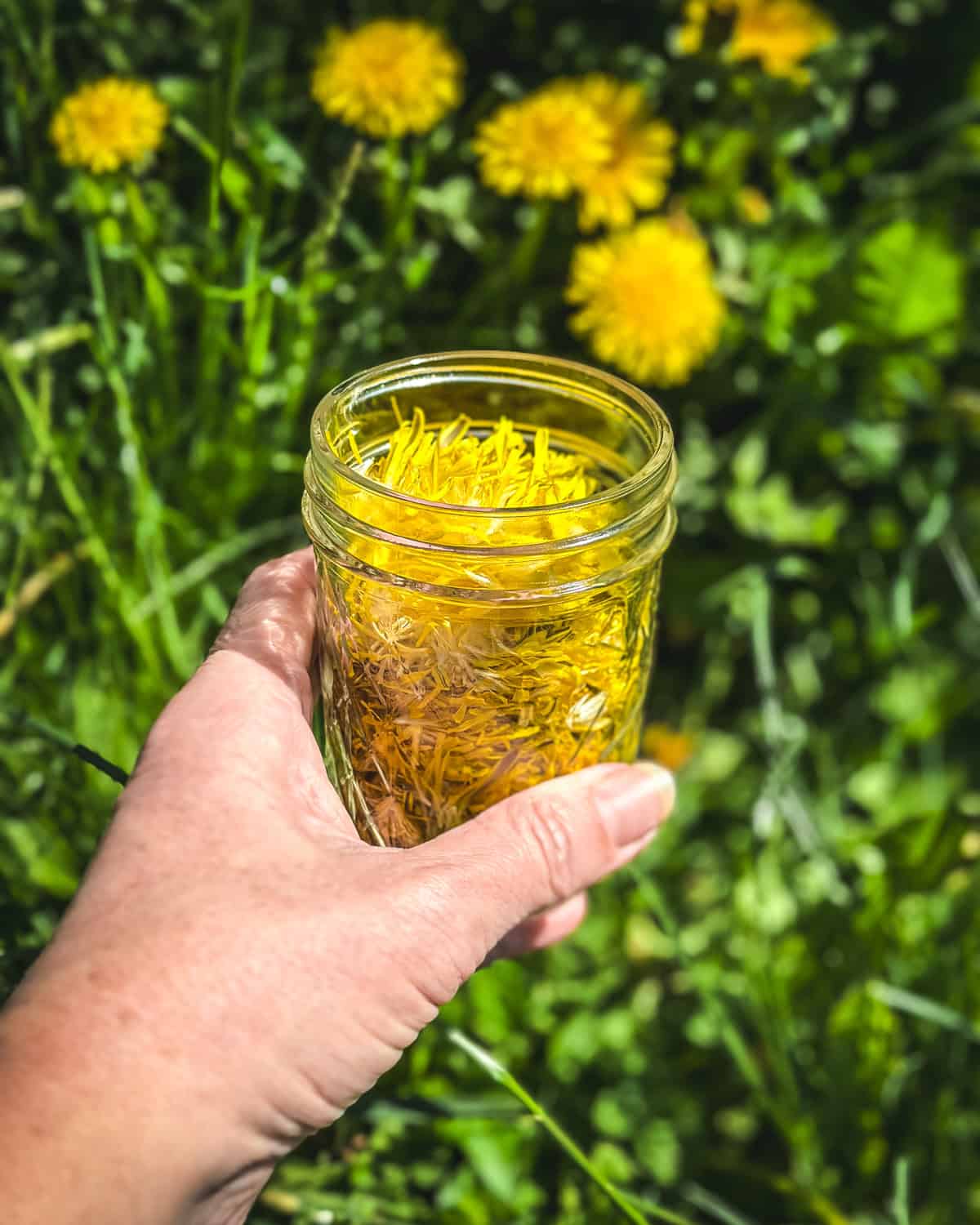
- Processing: Once harvested, the petals must be separated from the green involucral bracts (the green base of the flower). While the green parts are edible, they contain a milky latex that is quite bitter and can overpower the delicate flavor of the bread.
Culinary Methodology: Constructing the Dandelion Bread
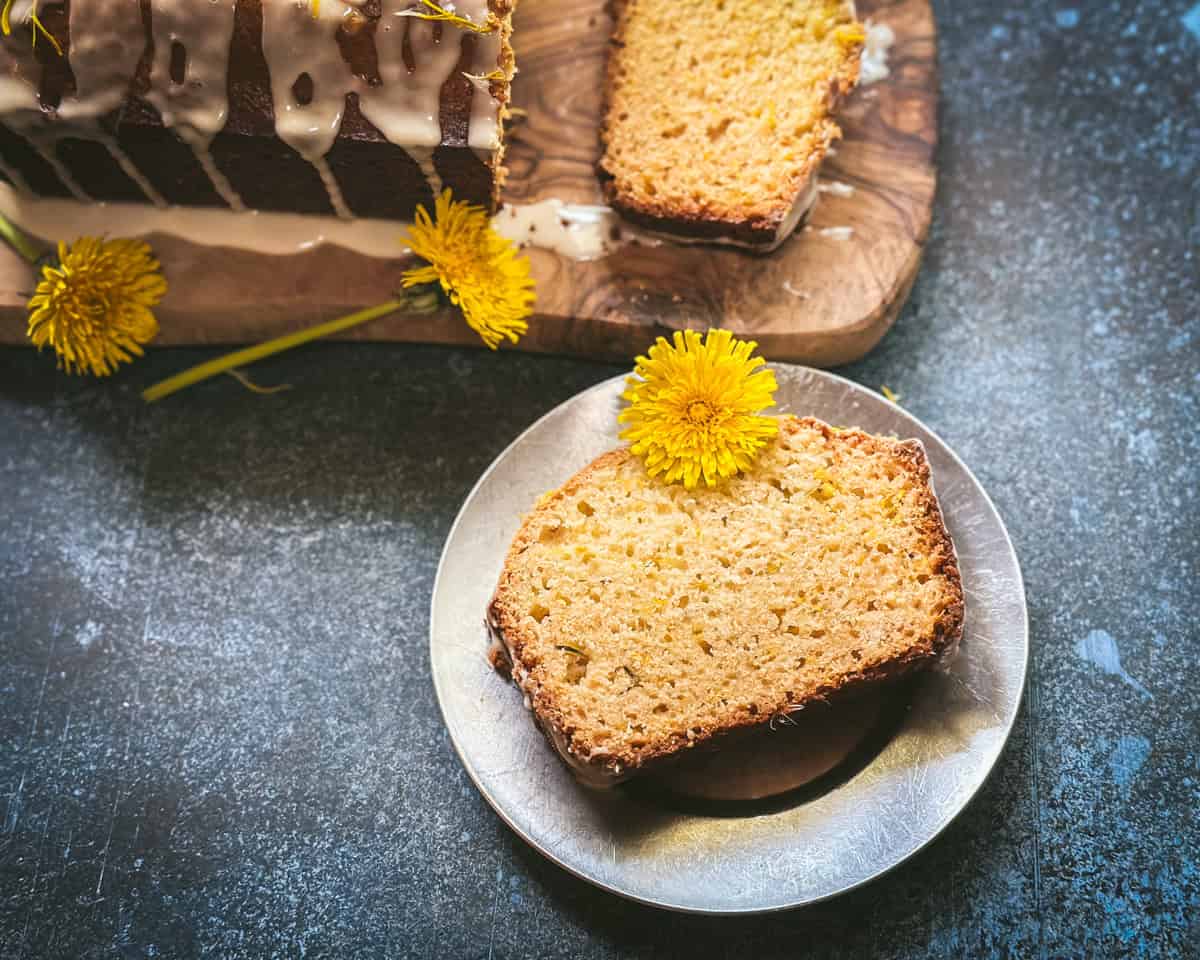
The preparation of dandelion bread is a precise exercise in balancing flavors. The recipe follows a traditional quick-bread methodology, which relies on chemical leavening agents rather than yeast, resulting in a dense, moist crumb similar to zucchini or banana bread.
Essential Ingredients and Their Functions
The recipe requires a standard array of baking staples, supplemented by foraged elements:
- Base: All-purpose flour provides the structural framework, while baking powder and salt act as the leavening agent and flavor enhancer, respectively.
- Fats and Moisture: Vegetable oils, such as organic canola or avocado oil, are preferred for their neutral flavor and ability to maintain moisture. Cow’s milk or plant-based alternatives provide the necessary liquid ratio.
- Sweeteners: A combination of granulated sugar and raw honey is used. The honey acts as a humectant and complements the natural floral notes of the petals.
- The Foraged Element: Approximately one cup of tightly packed dandelion petals is required for a single loaf.
The Baking Process
The technical execution involves a specific sequence to ensure the even distribution of petals and a consistent rise.
- Preheating and Preparation: The oven is set to 350°F (175°C), and a standard loaf pan is greased to prevent sticking.
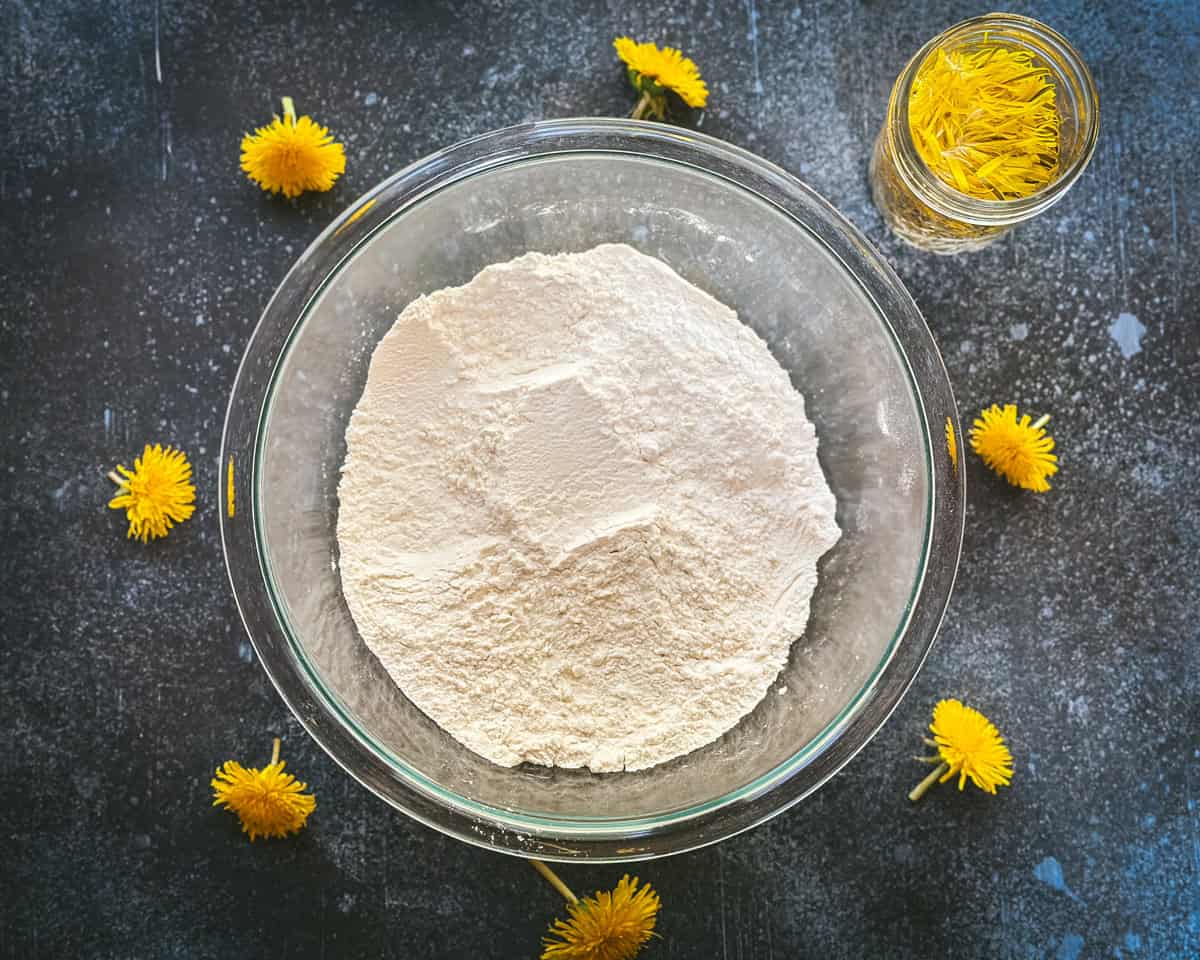
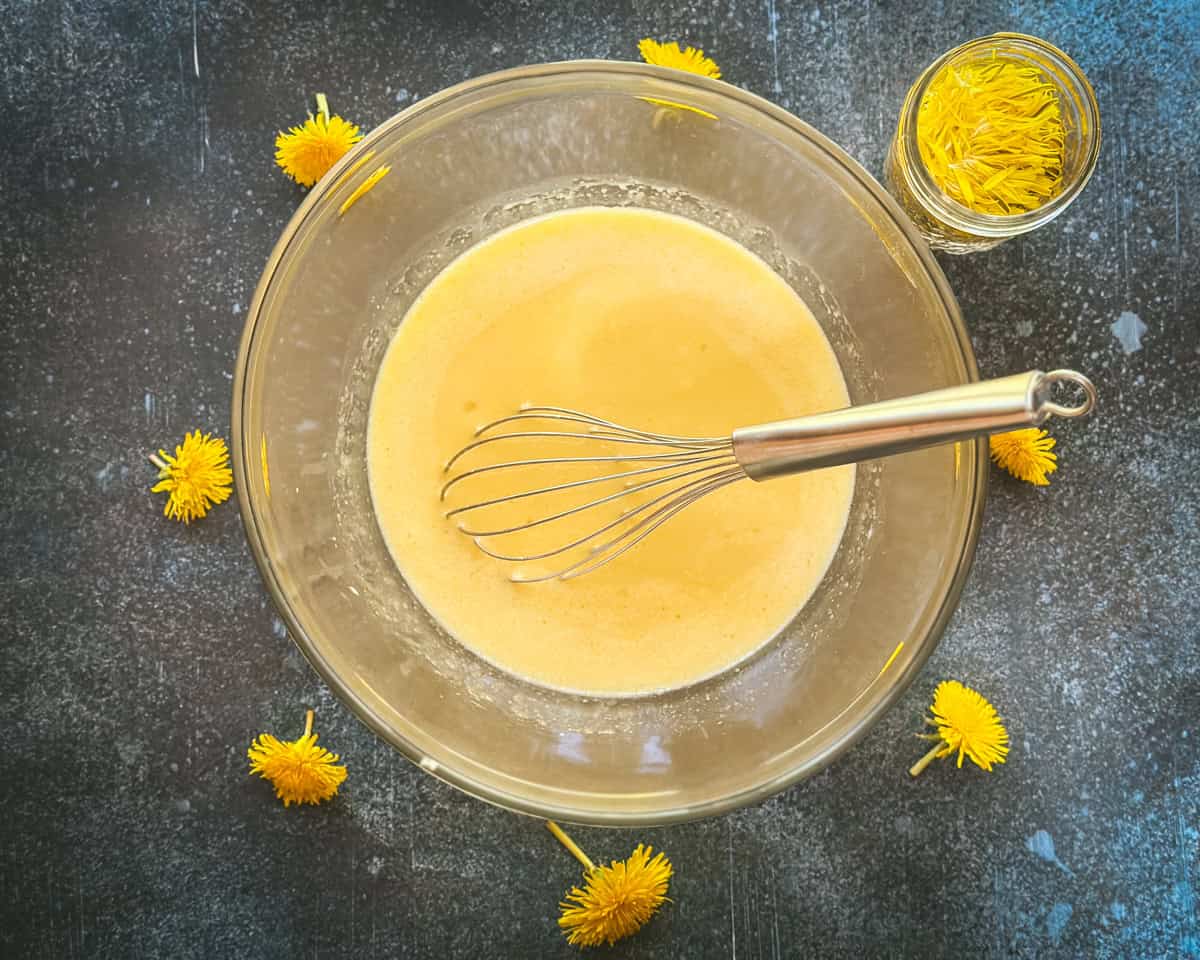
- Dry and Wet Integration: Dry ingredients are whisked together in one vessel, while the oil, sugar, honey, egg, and milk are combined in another. The two are folded together until just incorporated; over-mixing at this stage can lead to a tough texture due to excessive gluten development.
- Incorporating the Petals: The dandelion petals are folded in last. This ensures they remain intact and visible throughout the crumb.
- Baking Duration: The loaf typically requires 55 to 65 minutes of baking. A common professional tip involves covering the loaf with aluminum foil during the final 20 minutes to prevent the top from over-browning while the interior finishes cooking.
- Cooling: Proper cooling is essential. The bread should rest in the pan for 30 minutes before being moved to a wire rack. This allows the internal structure to set.
Enhancing Flavor: The Honey Lemon Glaze
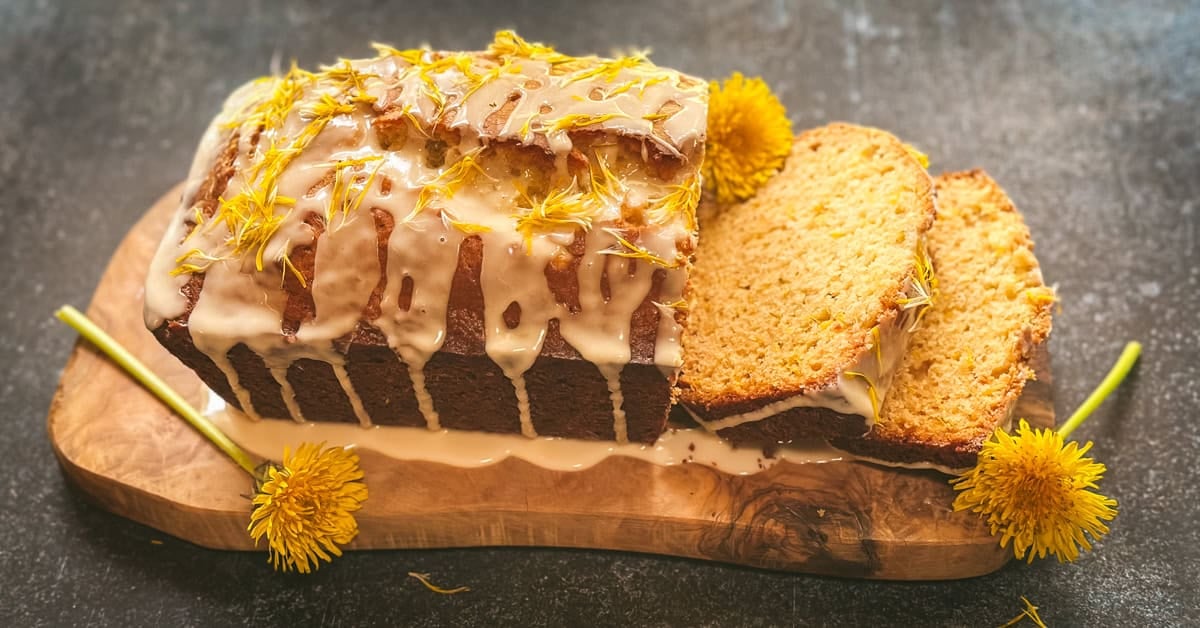
To contrast the earthy sweetness of the bread, a bright citrus glaze is applied. This glaze consists of powdered sugar, fresh-squeezed lemon juice, and a touch of honey. The acidity of the lemon cuts through the density of the bread, creating a balanced flavor profile. For aesthetic purposes, a garnish of fresh petals is often added to the glaze before it sets, reinforcing the foraged nature of the dish.
Nutritional and Scientific Analysis of Dandelion Consumption
The inclusion of dandelions in a diet is supported by various nutritional studies. While the bread itself is a treat, the active components of the dandelions provide more than just flavor.
Antioxidant Potential
Research published in journals such as Nutrients suggests that dandelion petals exhibit significant antioxidant activity. Studies comparing the leaves and the petals have occasionally found that the petal preparations possess a higher concentration of polyphenols. These compounds are known to combat oxidative stress in the human body.
Hemostatic and Metabolic Implications
Preliminary research indicates that components within the dandelion may modulate hemostatic processes—the body’s mechanism for stopping bleeding. Additionally, traditional herbalism has long utilized dandelions as a "bitter" to stimulate digestion. While the petals are less bitter than the leaves, they still contain trace amounts of the compounds that support gallbladder and liver function.
Broader Impact: The Foraging Movement and Biodiversity
The resurgence of dandelion recipes is part of a larger environmental movement. Programs like "No Mow May" encourage homeowners to let dandelions bloom to provide early-season nectar for bees and other pollinators. By viewing dandelions as a food source rather than a weed, consumers are more likely to reduce their reliance on chemical lawn treatments, thereby supporting local biodiversity.
Furthermore, the act of foraging encourages a "slow food" philosophy. It requires individuals to engage directly with their local ecosystem, fostering a greater appreciation for seasonal cycles. This connection to the land is often cited by psychologists as a contributor to mental well-being and "nature connectedness."
Storage and Consumption Standards
For optimal quality, dandelion bread should be stored in an airtight container. At room temperature, it maintains its texture for approximately three days. For longer-term storage, the bread can be sliced and frozen for up to three months. Experts recommend serving the bread alongside complementary foraged beverages, such as dandelion root coffee or floral-infused teas, to complete the seasonal experience.
Conclusion: A Synthesis of Tradition and Modernity
Dandelion bread represents a successful synthesis of traditional herbal knowledge and modern culinary appeal. It transforms a common plant into a sophisticated baked good, proving that high-quality ingredients are often available just outside one’s doorstep. As the culinary world continues to move toward transparency and sustainability, foraged foods like the dandelion are expected to remain a staple of spring menus. By following rigorous foraging safety standards and precise baking techniques, enthusiasts can enjoy a unique taste of the season that is as nutritionally interesting as it is delicious.