A new community canning challenge has commenced, focusing on the preservation of brassicas and root vegetables, offering participants an organized framework to engage in home food preservation techniques. This initiative, designed to be accessible to individuals across both the northern and southern hemispheres, aims to demystify traditional food storage methods while fostering a supportive online community for knowledge exchange. The challenge spotlights a range of sturdy, widely available produce, including members of the cabbage and mustard family (brassicas) and various underground crops (root vegetables), encouraging participants to explore methods such as pickling, fermentation, and pressure canning.
The initiative is spearheaded by Food in Jars, a prominent platform dedicated to home food preservation, and utilizes online channels including Substack and a dedicated Facebook group to facilitate discussions, share guidance, and build a collective learning environment. Participants are invited to sign up via a dedicated online form, signaling a growing interest in self-sufficiency and traditional culinary skills. The selection of brassicas and root vegetables for this inaugural challenge of the year underscores an emphasis on ease of access and the inherent storage capabilities of these crops, making them ideal for both novice and experienced preservers.
The Resurgence of Home Food Preservation
The practice of home food preservation, once a necessity, has witnessed a significant resurgence in recent years, evolving from a traditional household chore into a popular hobby and a cornerstone of sustainable living movements. This renewed interest is driven by a confluence of factors, including a desire for greater control over food sources, a growing emphasis on health and nutrition, concerns about food waste, and the economic benefits of extending the shelf life of fresh produce.
Historically, food preservation methods such like salting, smoking, drying, and fermentation were critical for survival, enabling communities to store seasonal harvests for leaner months. The advent of canning in the early 19th century revolutionized food storage, offering a sterile and relatively simple way to preserve a wide variety of foods. During periods like World War I and II, "Victory Gardens" and home canning efforts were actively promoted by governments to ensure food security and support the war effort. Millions of Americans participated, transforming backyard plots into productive gardens and kitchens into bustling canning stations.

In the modern era, while industrial food processing dominates supply chains, a counter-movement towards artisanal and homemade food has gained momentum. Consumers are increasingly seeking transparency in their food, opting for ingredients they can pronounce and preparing meals from scratch. Home preservation aligns perfectly with this ethos, allowing individuals to use fresh, often locally sourced, ingredients without the additives and preservatives common in commercially prepared foods. Data from market research firms indicate a steady increase in sales of canning supplies and related educational resources, suggesting a robust and expanding demographic of home preservers. Furthermore, online communities and blogs, much like the one organizing this challenge, have become vital hubs for sharing recipes, troubleshooting, and fostering a sense of camaraderie among enthusiasts, bridging geographical divides and making complex techniques more approachable.
Unpacking the Challenge: Brassicas and Root Vegetables
The current Community Canning Challenge specifically targets brassicas and root vegetables, categories chosen for their resilience, widespread availability, and versatility in preservation. Understanding the botanical and culinary distinctions of these vegetables is key to successful preservation.
Brassicas, formally known as plants in the Brassica genus, belong to the cabbage and mustard family. This diverse group includes some of the most nutritionally potent vegetables. Common examples highlighted in the challenge include:
- Broccoli: Rich in Vitamin C, K, and fiber, excellent for pickling or pressure canning.
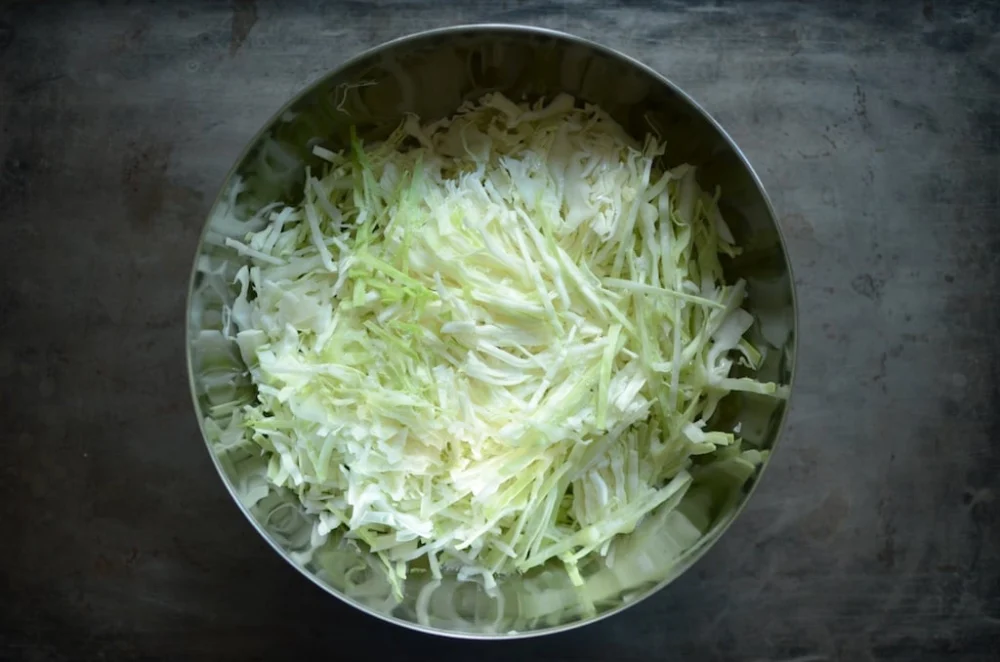
- Cabbage: A staple for fermentation (sauerkraut, kimchi) and quick pickling. High in Vitamin C and K.
- Cauliflower: Versatile for pickling and often used in mixed vegetable preserves. Provides Vitamin C and K.
- Kohlrabi: With a mild, slightly sweet flavor, it can be pickled or fermented. Good source of Vitamin C.
- Rutabaga: A robust root brassica, suitable for pressure canning in stews or mashes. Contains Vitamin C and fiber.
- Turnip: Another root brassica, often pickled or canned. Provides Vitamin C.
These vegetables are renowned for their high concentrations of vitamins (especially C and K), minerals, and powerful antioxidants, including glucosinolates, which have been linked to various health benefits. Their sturdy cellular structure also makes them excellent candidates for enduring the rigors of various preservation processes while retaining much of their texture and nutritional integrity.

Root Vegetables, a less formal culinary classification, generally refers to any plant part grown underground and harvested for food. For the purposes of this challenge, this category encompasses:
- Carrots: Exceptionally versatile, ideal for pickling, canning, or even dehydrating. Rich in Vitamin A (beta-carotene).
- Parsnips: Sweet and earthy, often canned as a component of stews or purees. Good source of fiber and Vitamin C.
- Radishes: Primarily used in quick pickles for their peppery crunch. Contains Vitamin C.
- Beets: Excellent for pickling (often with spices) or pressure canning. High in folate and manganese.
While some root vegetables, like rutabagas and turnips, are also brassicas, the broader category includes a wider array of crops. These vegetables are typically available year-round in many regions due to their excellent storage capabilities in cool, dark conditions. Their hardiness ensures that participants, regardless of their geographical location within the northern or southern hemispheres, can readily source fresh produce for the challenge. This strategic selection by the challenge organizers aims to ensure broad participation and minimize barriers related to seasonal availability.
Preservation Techniques in Focus
The challenge encourages participants to experiment with three primary preservation techniques: pickling (both quick and water-bathed), fermentation, and pressure canning. Each method offers distinct advantages in terms of flavor profile, shelf life, and required equipment.
Pickling: This method involves preserving food in an acidic solution, typically vinegar, often with salt, sugar, and spices.
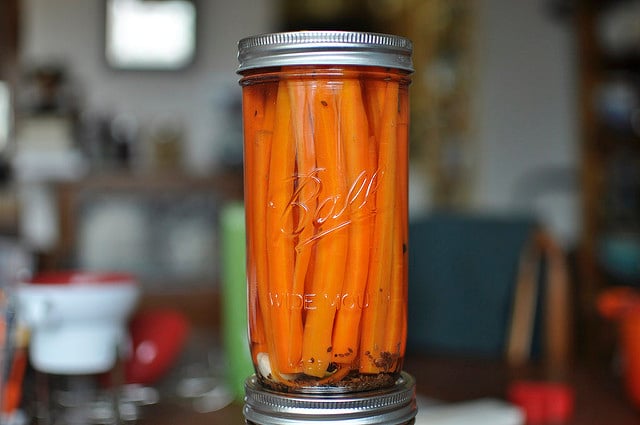
- Quick Pickles (Refrigerator Pickles): These do not undergo a heat processing step and must be stored in the refrigerator, typically lasting for several weeks. They are ideal for beginners due to their simplicity and minimal equipment requirements. Vegetables are simply sliced or chopped, packed into jars, and covered with a heated brine. The original challenge announcement referenced a primer on quick pickles, suggesting this as an accessible entry point.
- Water-Bath Canning Pickles: For shelf-stable pickles, jars are filled with prepared vegetables and brine, sealed, and then submerged in boiling water for a specified time. This heat treatment creates a vacuum seal and kills spoilage microorganisms, allowing the pickles to be stored at room temperature for up to a year. This method is suitable for high-acid foods. Common recipes include dill pickles, bread and butter pickles, and pickled beets or carrots.
Fermentation: This ancient preservation method relies on beneficial microorganisms, primarily lactic acid bacteria, to convert sugars in food into lactic acid, acetic acid, and other compounds. This process not only preserves the food but also enhances its flavor and nutritional value (often increasing probiotic content).
- Lacto-Fermentation: Vegetables are typically submerged in a salt brine (or massaged with salt to draw out their own liquids) and left to ferment at room temperature for several days or weeks. Examples include sauerkraut (fermented cabbage), kimchi, and fermented carrots or radishes. The resulting acidic environment inhibits the growth of harmful bacteria. Fermentation is a dynamic process, and results can vary based on temperature, salt concentration, and type of produce.
Pressure Canning: This method is essential for preserving low-acid foods (foods with a pH above 4.6), which include most vegetables, meats, and poultry. Unlike water-bath canning, pressure canning reaches temperatures higher than boiling point (240-250°F or 115-121°C), which is necessary to destroy Clostridium botulinum, a bacterium that can produce a deadly toxin in anaerobic, low-acid environments.
- Process: Food is packed into jars, covered with liquid (water, broth, or brine), sealed with lids, and then processed in a specialized pressure canner. The high temperature and pressure ensure the safety and shelf stability of the preserved goods. Pressure canning opens up possibilities for preserving vegetables like carrots, beets, green beans, and even entire meals like soups or stews for long-term storage.
The challenge encourages participants to consider the versatility of these methods. For instance, cabbage can be quick-pickled for a "Health Salad" (an East Coast deli staple mentioned in the original post), fermented into sauerkraut, or even pressure canned as part of a vegetable medley. This flexibility allows participants to choose methods that align with their skill level, available equipment, and desired end product.
A Community-Driven Initiative
The "Brassicas and Root Vegetables Community Canning Challenge" exemplifies the power of online platforms in fostering shared learning and engagement. Organized by Food in Jars, a widely recognized authority in the home preservation space, the challenge leverages digital tools to create an interactive and supportive environment.

The core of this community initiative lies in its accessibility and structured guidance. By offering a clear sign-up process, participants commit to a collective endeavor. The integration of Substack for detailed challenge-related posts and a Facebook group for dynamic discussions provides a multi-faceted approach to learning. On Substack, participants can access in-depth articles, recipes, and educational content, ensuring that foundational knowledge is readily available. The Facebook group serves as a more interactive forum where members can:
- Share progress: Post photos of their preserved goods, share their experiences, and celebrate successes.
- Ask questions: Seek advice from experienced preservers and the challenge organizers on specific techniques, troubleshooting issues, or recipe modifications.
- Exchange ideas: Discover new recipes, flavor combinations, and creative uses for preserved brassicas and root vegetables.
- Build connections: Form relationships with like-minded individuals who share a passion for food preservation, fostering a sense of belonging and mutual encouragement.
This model of community-based learning is particularly effective for skills like canning and fermentation, which often benefit from visual demonstrations, peer feedback, and shared problem-solving. The organizers, through platforms like Food in Jars, provide not just recipes but also crucial educational context, making complex processes understandable and less intimidating for newcomers. This approach moves beyond simple instruction, cultivating a vibrant network of home preservers.
Navigating the Preservation Process: Expert Guidance and Safety
While the challenge promotes experimentation and creativity, it also underscores the paramount importance of food safety in home preservation. The original announcement included a critical warning regarding pickle recipes, emphasizing the need for proper vinegar dilution and the inclusion of salt when processing in a boiling water bath canner. This advice is foundational to preventing foodborne illnesses.
Key Safety Principles:

- Acid Levels (pH): For water-bath canning, recipes must ensure a sufficiently high acid level (pH 4.6 or below) to inhibit the growth of harmful bacteria, including Clostridium botulinum. This is why vinegar or lemon juice is crucial. If a recipe dilutes vinegar by more than half, its acidity may drop below safe levels for water-bath canning, rendering the product unsafe for shelf storage.
- Salt’s Role: In pickling, salt contributes to flavor and texture, but it also plays a role in drawing out moisture and inhibiting undesirable microbial growth, allowing the vinegar to penetrate vegetables more effectively. While not a primary safety factor for acidity, it is an important component of a successful, safe pickle.
- Tested Recipes: Participants are strongly advised to use recipes from trusted, tested sources, such as university extension services (e.g., National Center for Home Food Preservation), reputable canning cookbooks, or established food preservation blogs that adhere to scientific guidelines. Untested recipes, particularly for pressure canning or water-bath canning, can pose significant health risks.
- Proper Equipment: Using appropriate and well-maintained equipment is essential. This includes accurate pressure canners (with regularly checked gauges), intact jars, and new lids for each use.
- Hygiene: Thoroughly washing hands, utensils, and produce, along with sterilizing jars where appropriate, minimizes contamination risks.
Organizers like Food in Jars play a vital role in disseminating this critical safety information. By providing guidance and fostering a community where questions can be asked and best practices shared, they empower participants to engage in preservation safely and confidently. This educational component is invaluable, transforming a simple culinary activity into a skill that contributes to household food security without compromising health.
Economic and Environmental Implications
Participating in challenges like the Brassicas and Root Vegetables Community Canning Challenge extends beyond skill acquisition; it carries significant economic and environmental benefits.
Economic Benefits:
- Cost Savings: Preserving produce at home, especially when purchasing in bulk during peak season or from local farmers’ markets, can lead to substantial savings compared to buying commercially processed or out-of-season products. A study by the USDA estimated that home gardening and preservation could save a household hundreds of dollars annually on groceries.
- Reduced Food Waste: By preserving surplus produce that might otherwise spoil, households significantly reduce food waste. In the United States, an estimated 30-40% of the food supply is wasted, with a considerable portion occurring at the household level. Home preservation directly combats this, turning potential waste into valuable pantry staples.
- Emergency Preparedness: A well-stocked pantry of home-canned goods contributes to household resilience, providing a buffer against economic downturns, supply chain disruptions, or emergencies.
Environmental Benefits:

- Support for Local Agriculture: Many home preservers source their produce from local farms, farmers’ markets, or their own gardens, thereby supporting local economies and reducing the carbon footprint associated with long-distance food transportation.
- Reduced Packaging Waste: Home canning eliminates the need for plastic or other non-recyclable packaging often associated with commercially processed foods, contributing to a reduction in household waste. Glass jars are reusable for many cycles, further enhancing their environmental friendliness.
- Sustainable Food Systems: By engaging in home preservation, individuals become more intimately connected with their food sources and the natural cycles of agriculture, fostering a greater appreciation for sustainable food systems. It encourages a mindful approach to consumption and resource utilization.
The cumulative effect of widespread participation in such challenges can contribute to a more resilient, localized, and sustainable food ecosystem, benefiting both individual households and the broader environment.
Looking Ahead: The Future of Culinary Skill-Building
The Brassicas and Root Vegetables Community Canning Challenge is more than a monthly activity; it represents a micro-trend within a larger movement towards culinary skill-building and self-sufficiency. As societies navigate increasing concerns about food security, environmental impact, and personal well-being, the ability to preserve food at home is becoming an increasingly valued skill.
Challenges like this demystify traditional practices, making them approachable for a new generation of home cooks. They provide a structured, supportive pathway for individuals to learn and master techniques that were once passed down through generations but have largely been lost in an era of industrial convenience. By focusing on specific categories of produce and providing a community framework, these initiatives break down perceived barriers to entry, such as a lack of knowledge or equipment.
The long-term implications are significant. A populace more skilled in food preservation is a more resilient populace, better equipped to manage household resources, reduce waste, and respond to various challenges. Furthermore, the community aspect fosters social connections and the sharing of cultural heritage embedded in food traditions. As the challenge concludes, participants will not only have a pantry stocked with preserved brassicas and root vegetables but also a newfound confidence in their abilities and a strengthened connection to a wider community of food enthusiasts. The success of such initiatives points towards a future where traditional culinary arts are celebrated and integrated into modern sustainable living practices, ensuring these vital skills endure and flourish.