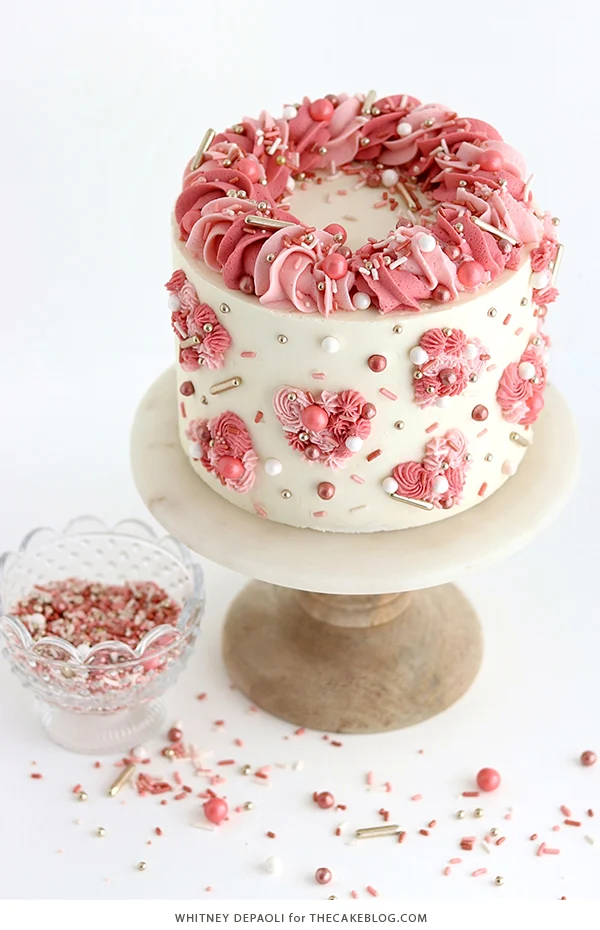
In the realm of confectionery artistry, Valentine’s Day presents a canvas for expressions of love, creativity, and indulgence. This year, a sophisticated and textured approach to traditional heart motifs is capturing attention, offering a modern twist on classic celebratory bakes. A new tutorial by contributor Whitney DePaoli, featured on TheCakeBlog.com, details a captivating technique for piping buttercream hearts that are rich in texture and vibrant in color, suitable for both romantic gestures and festive gatherings.
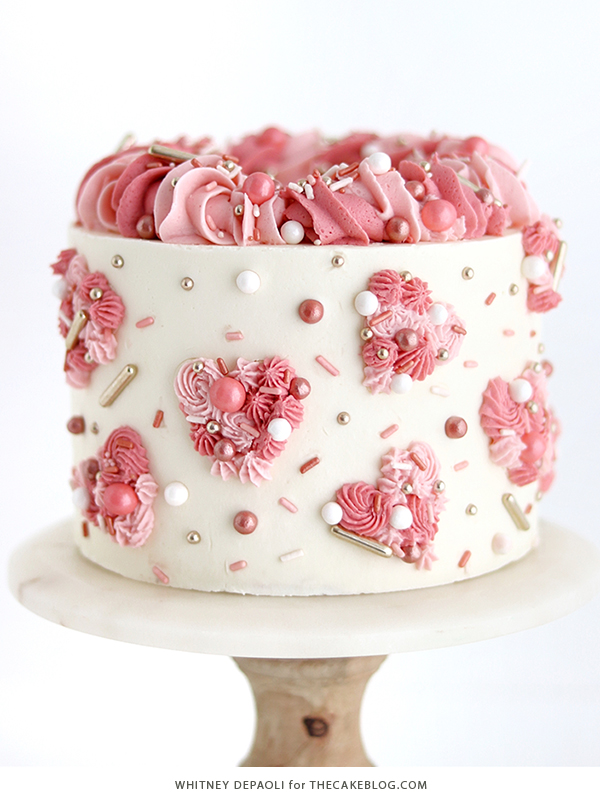
The technique, inspired by the innovative designs of Instagram baker @frostedfujicakes, moves beyond simple heart shapes to incorporate intricate detailing and a visually appealing dimension. It involves imprinting a cake’s surface with heart shapes and then meticulously filling these indentations with piped buttercream designs, such as rosettes and stars. This is further enhanced with carefully placed sprinkles, creating a layered effect that adds depth and sparkle.
A Modern Take on Valentine’s Day Baking Traditions
Valentine’s Day, celebrated annually on February 14th, has long been associated with specific visual cues: hearts, the color pink, and sweet treats. While these elements remain central, contemporary bakers are increasingly seeking ways to innovate and elevate these traditional themes. DePaoli’s tutorial taps into this desire for fresh, eye-catching designs that are both achievable for home bakers and impressive enough for professional presentation.
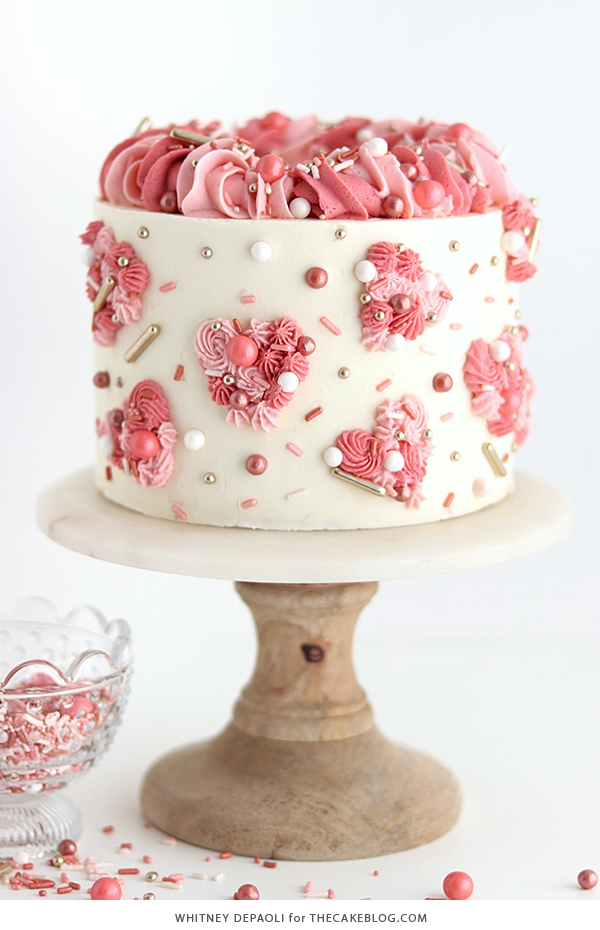
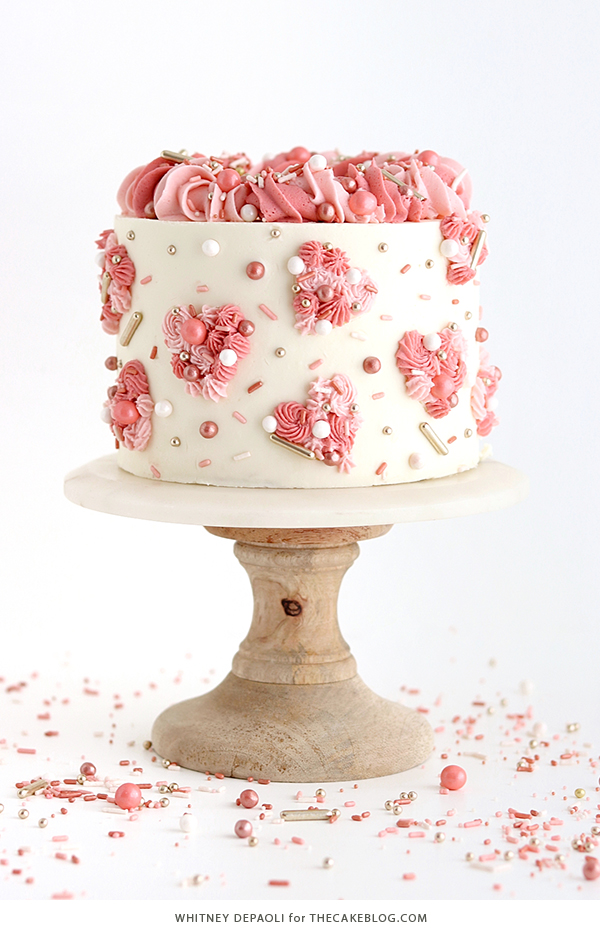
The featured cake showcases a rose gold color palette, a popular choice for its sophisticated shimmer and romantic appeal. The buttercream itself is tinted in various shades of pink, complemented by sprinkles that echo the rose gold theme. However, the tutorial emphasizes the versatility of the technique, encouraging bakers to explore any color scheme that aligns with their personal preferences or the occasion. This adaptability makes the design suitable for a wide range of celebrations, from intimate romantic dinners to larger Galentine’s Day parties.
The Art of Buttercream: Texture, Color, and Versatility
At its core, this technique relies on a well-prepared buttercream that can hold its shape and accept color. DePaoli specifically highlights the use of American buttercream, a common choice for its ease of preparation and excellent piping consistency. The recipe, while not detailed in this overview, is understood to be a standard foundation that allows for extensive customization.
The process begins with dividing the buttercream into smaller batches, each tinted with food coloring gels to achieve the desired palette. The tutorial then guides the user through preparing piping bags with specific tips: a large star tip (1M), a finer star tip (199), and a round tip (21). This selection of tips allows for a variety of textural elements within the piped hearts, from delicate stars to fuller rosettes.
The buttercream is then strategically divided among the piping bags. For instance, a portion of the first color might be allocated to a bag with a 1M tip and another to a bag with a 199 tip, ensuring varied textures from the same hue. This thoughtful distribution of colors and tips is key to achieving the rich, multi-dimensional effect seen in the finished product. The flexibility in color choices means that a monochromatic scheme, using only variations of a single color, is also a viable and elegant option, requiring fewer piping bags.
Step-by-Step Construction: From Imprint to Embellishment
The construction of the "Piped Hearts Valentine’s Cake" involves a precise, yet forgiving, sequence of steps designed to build visual interest layer by layer.
Imprinting the Hearts
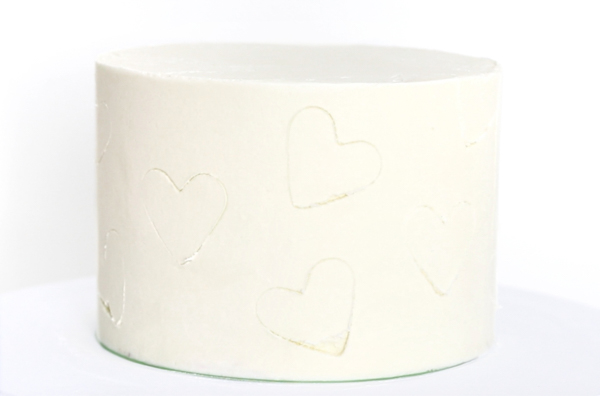
The initial step involves preparing a chilled, frosted cake. A heart-shaped cookie cutter is used to gently imprint the design onto the cake’s surface. These imprints serve as guides for the subsequent piping. DePaoli advises spacing the hearts at least two inches apart to prevent overcrowding and ensure each design has adequate visual space. This controlled placement is crucial for maintaining the overall aesthetic balance of the cake.
Filling the Hearts with Buttercream Piping
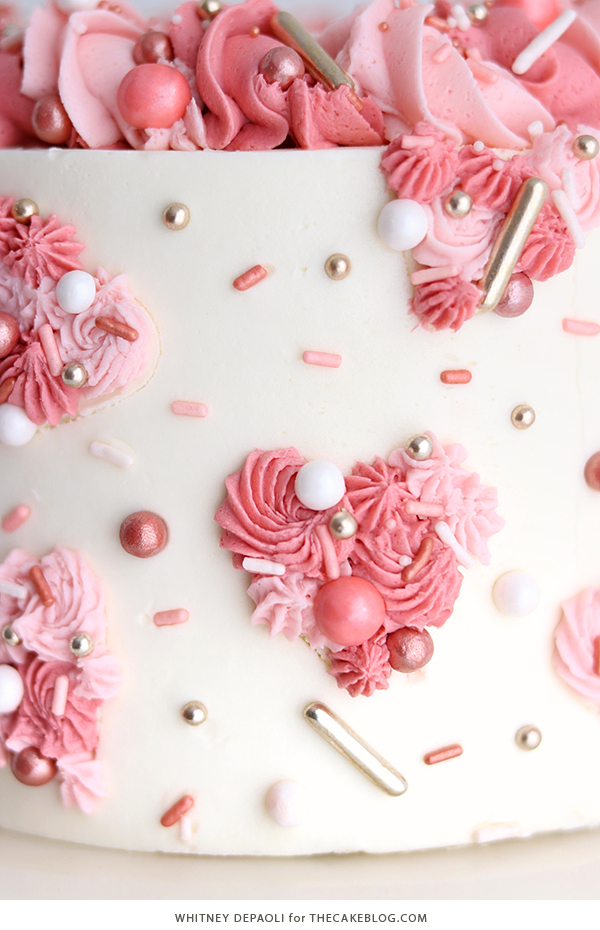
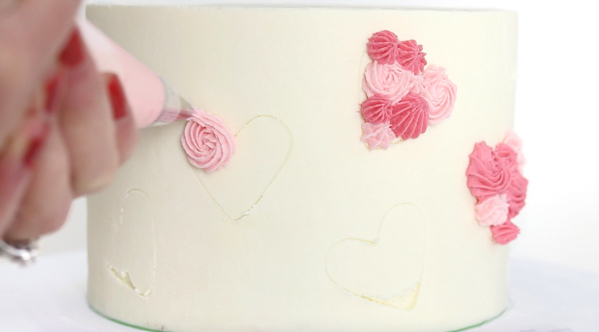
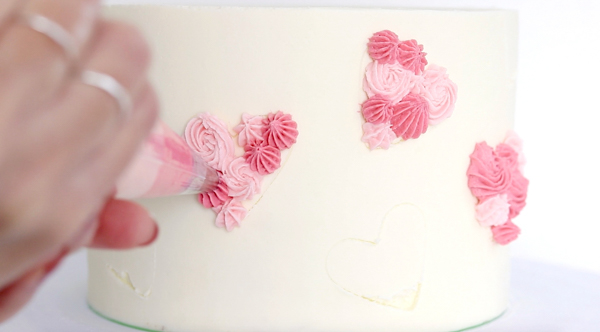
Once the heart outlines are established, the real artistry begins. Bakers are instructed to use their prepared piping bags to fill each imprinted heart with small rosettes and stars. The goal is to fill as much of the imprinted area as possible, creating a dense and textured surface within each heart. While the initial piping might not perfectly resemble a heart shape, the tutorial reassures that subsequent embellishments will unify the design. The combination of different piping tips allows for a dynamic interplay of textures, adding a handmade charm to each element.
The Art of Sprinkles: Adding Dimension and Sparkle
The addition of sprinkles is a pivotal stage, transforming the piped designs and filling any remaining gaps. This step significantly enhances the texture and visual appeal of the cake. The tutorial demonstrates how sprinkles can complement the buttercream colors, amplifying their vibrancy and adding a delightful shimmer. The choice of sprinkles can range from fine jimmies to larger confetti shapes, depending on the desired effect.
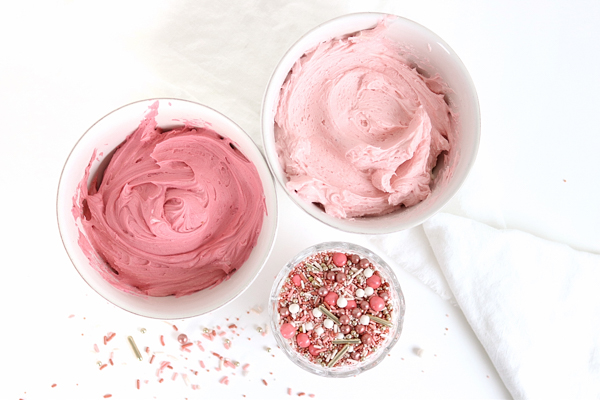
A practical tip is offered for precise sprinkle placement: dampening a fingertip with a damp paper towel can help hold the sprinkles more effectively, facilitating their transfer onto the cake. For those who prefer a more controlled approach, tweezers are suggested as an alternative. While this stage may require patience, the final result is a visually rich and intricate surface that is both modern and festive.
It is important to note the inclusion of a disclaimer regarding edible glitter and dragées. While gold and silver dragées are commonly used for decoration, they may not be approved by the FDA for consumption. Bakers are advised to inform their guests about this distinction, particularly concerning the long gold rods, to ensure safety and compliance.

The Finishing Touch: A Rosette Rope Border
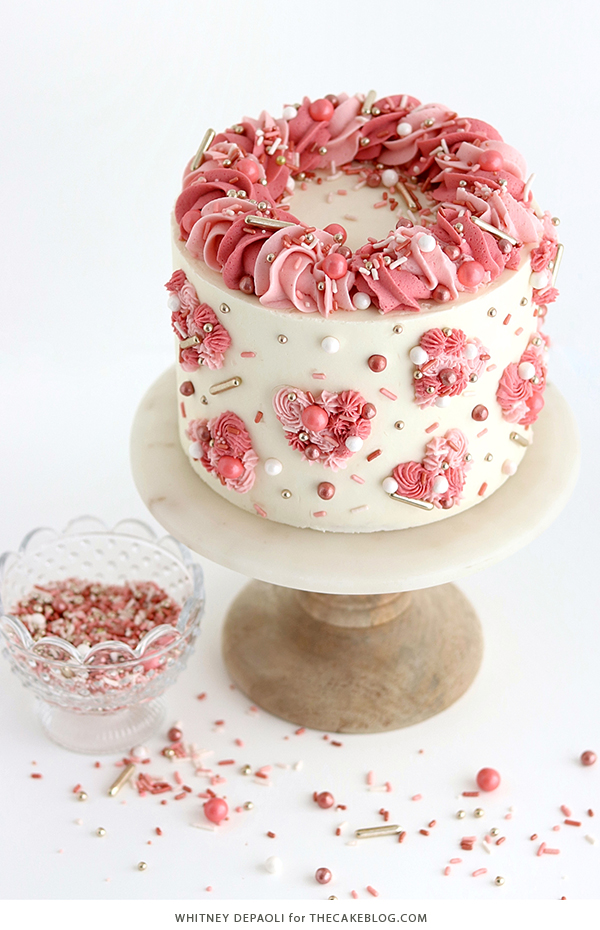
To complete the cake’s aesthetic, a rosette rope border is piped around the top edge. This is achieved using a piping bag fitted with the 1M tip. The tip is held at a 45-degree angle to the cake, about an inch from the edge, and rosettes are piped counter-clockwise. Alternating colors between rosettes creates a harmonious blend and frames the meticulously decorated cake surface.
The border is further enhanced with additional sprinkles, tying the entire design together and creating a cohesive look. This final embellishment adds a professional polish, elevating the cake from a mere dessert to a centerpiece worthy of any Valentine’s Day celebration.
Implications and Broader Context
The "Piped Hearts Valentine’s Cake" technique represents a broader trend in baking and cake decorating: the fusion of traditional motifs with contemporary design sensibilities. As consumers increasingly seek unique and personalized experiences, bakers are challenged to innovate beyond established norms. This tutorial provides a clear roadmap for achieving a sophisticated and visually striking cake that caters to this demand.
The accessibility of the technique, particularly its reliance on common baking tools and ingredients, makes it an attractive option for both amateur and professional bakers. The emphasis on color and texture allows for endless customization, ensuring that each cake can be a unique expression of creativity. This approach not only enhances the visual appeal of baked goods but also contributes to the overall celebratory experience of holidays like Valentine’s Day.
Furthermore, the tutorial’s inspiration from social media platforms like Instagram highlights the interconnectedness of online communities and real-world creative practices. The ability for bakers to share their techniques and receive inspiration from peers globally has fostered a dynamic environment for culinary innovation.
The success of such techniques also has economic implications. As visually appealing and customizable cakes gain popularity, they can drive demand for specialized decorating supplies, such as high-quality food coloring, piping tips, and artisanal sprinkles. This, in turn, can support small businesses and suppliers within the baking industry.
In conclusion, Whitney DePaoli’s tutorial on the "Piped Hearts Valentine’s Cake" offers a detailed and inspiring guide to creating a visually stunning dessert. By combining traditional Valentine’s Day themes with modern piping techniques and a focus on texture and color, this approach allows for a personalized and impactful celebration of love and artistry in the kitchen. The emphasis on versatility and achievable complexity ensures that this design will remain a popular choice for bakers looking to add a touch of elegance and creativity to their Valentine’s Day offerings.