A new tutorial by celebrated cake decorator Erin Gardner unveils a whimsical creation, the Sprinkle Penguin Cake, a delightful confection designed to charm and inspire. This article delves into the artistry behind this unique cake, exploring its creation, potential applications, and the broader context of creative cake design.
A Charming Creation Emerges
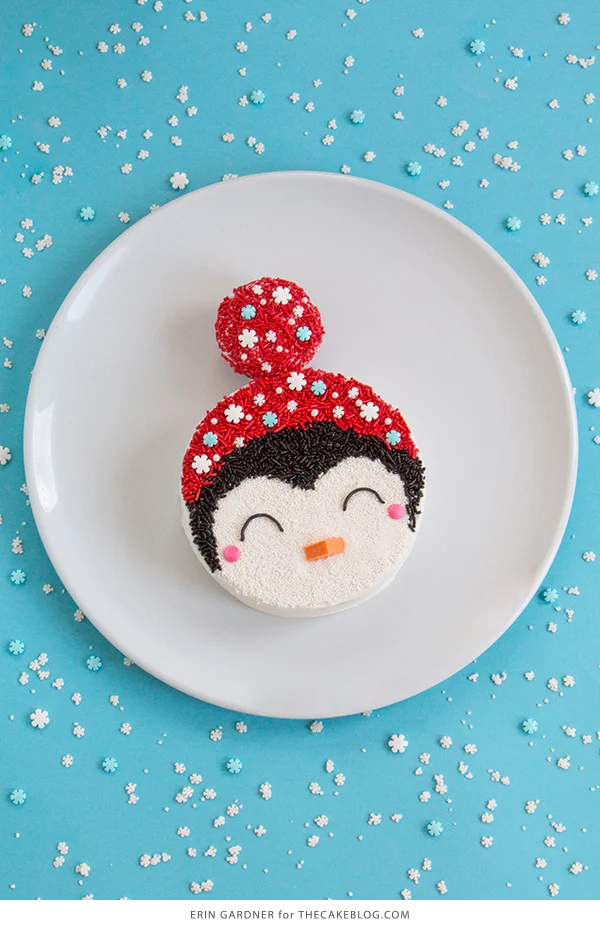
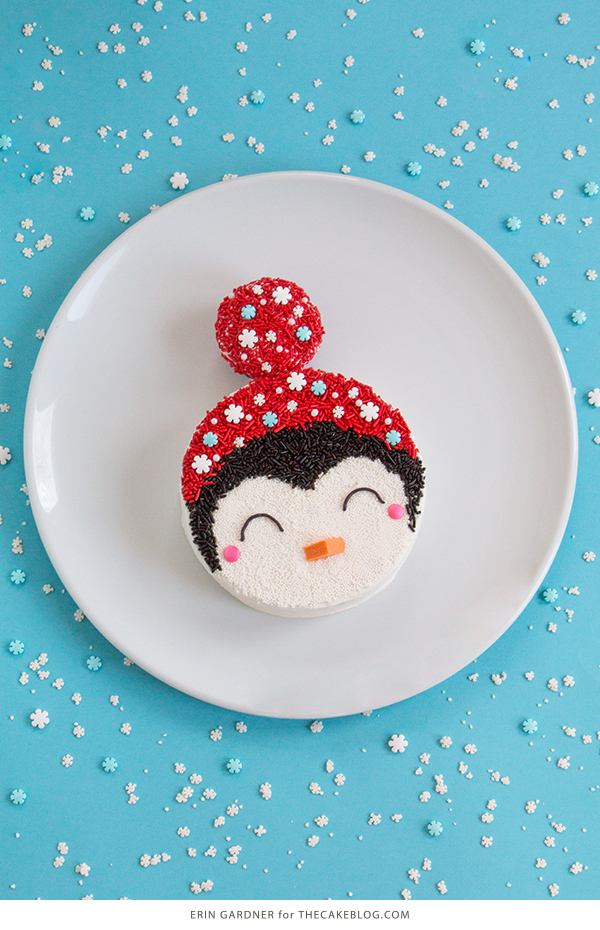
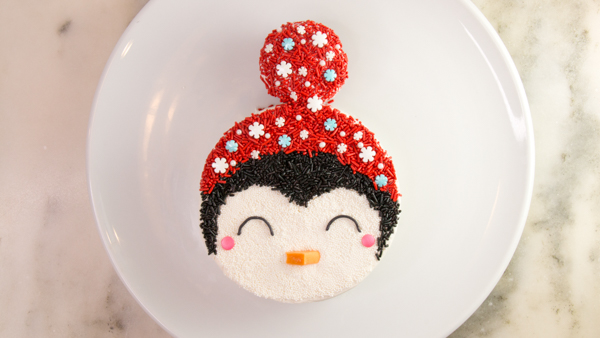
Erin Gardner, a contributor known for her innovative cake decorating techniques, has introduced a new tutorial that showcases a "sprinkle coated penguin cake." The design, described as "too adorable for words," transforms a simple cake into a charming penguin character. This creation is presented as an ideal centerpiece for winter birthdays, holiday gatherings, or any occasion calling for a touch of playful festivity.
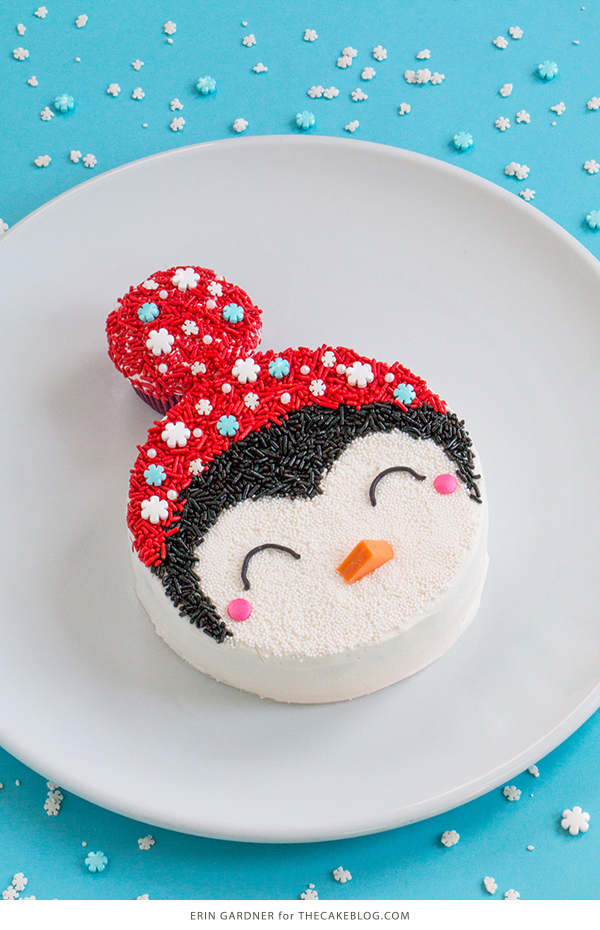
Gardner’s inspiration for the Sprinkle Penguin Cake stems from her previous "sprinkle girl cakes." She envisions these sprinkle-adorned creations existing together in a "fabulous sprinkle universe," highlighting the imaginative potential within cake artistry. The inherent versatility of this design allows for significant personalization. Potential customizations include adding chocolate sunglasses for a cool touch, altering the color of the penguin’s hat, or employing various candy sprinkle shapes such as stars or miniature trees to embellish the design. Furthermore, the hat can be uniquely detailed by alternating sprinkle colors to create stripes.
The Art and Science of Sprinkle Application
The tutorial emphasizes a practical approach to achieving the sprinkle-coated effect. A key consideration highlighted by Gardner is the longevity of sprinkles adhering to buttercream, particularly after refrigeration. She advises completing the penguin cake on the day of intended serving to ensure optimal visual appeal. For storage, the cake can be kept in an airtight container, either at room temperature or in the refrigerator, depending on the type of buttercream used. This detail underscores the importance of understanding the physical properties of cake ingredients and decorative elements.
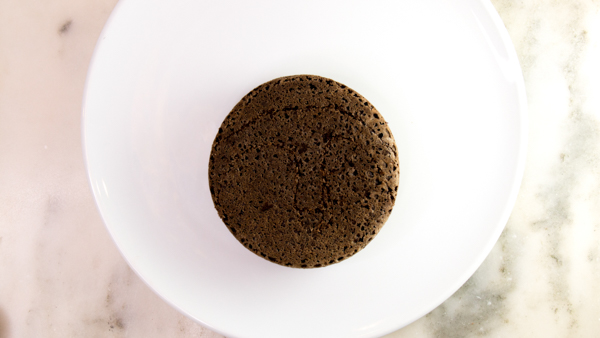
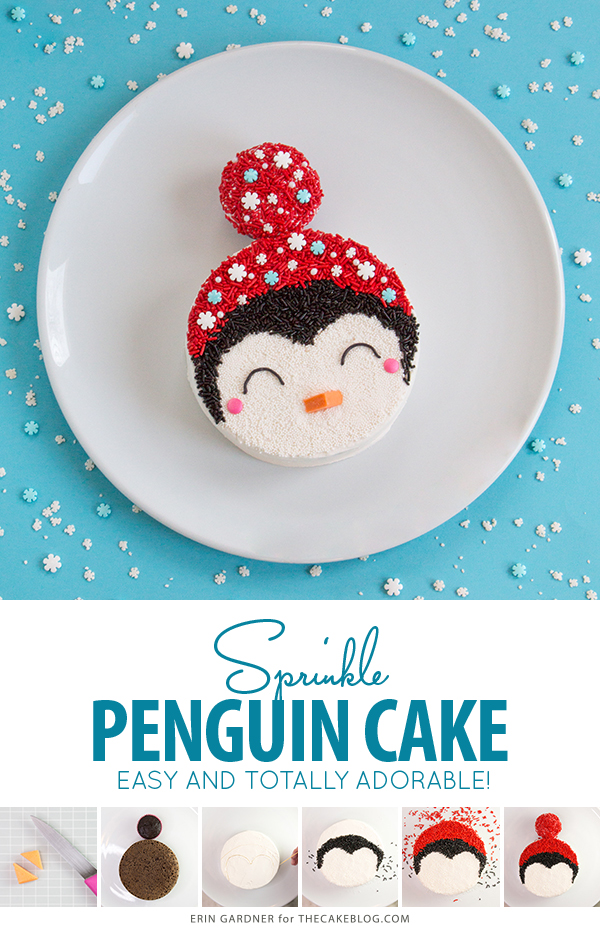
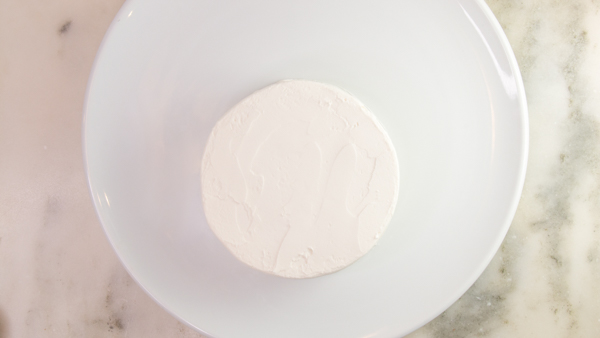
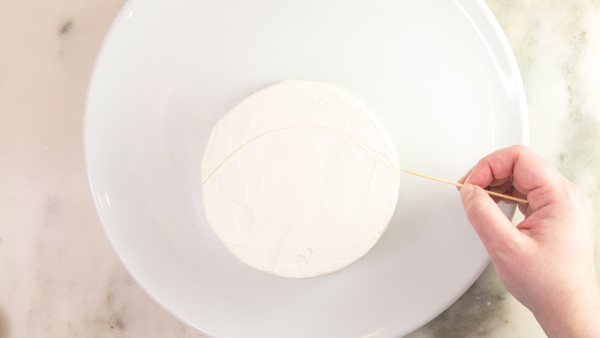
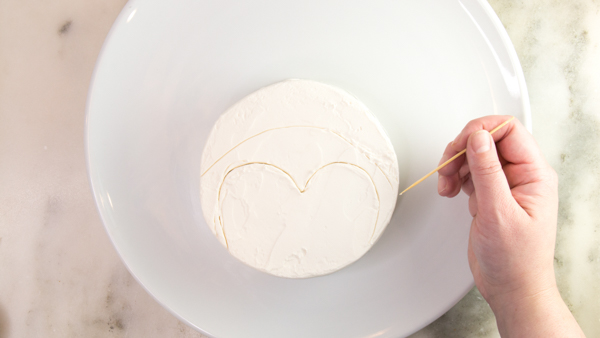
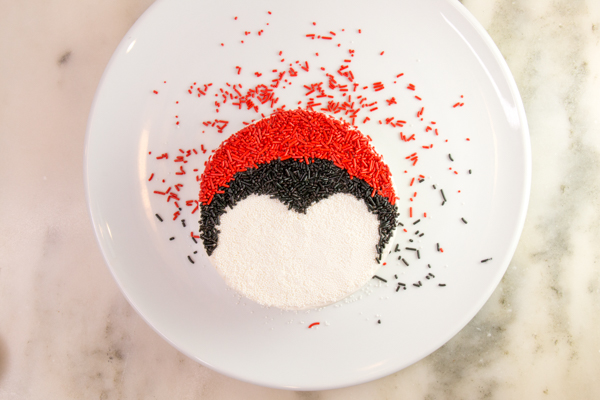
The step-by-step process detailed in the tutorial involves several key stages. First, the cake is prepared by being covered in a thick layer of plain buttercream. This provides a stable and neutral canvas for the subsequent decoration. Precision is not the primary concern at this initial stage, as Gardner notes that "all flaws will be covered with sprinkles." A toothpick or skewer is then used to lightly etch guidelines onto the buttercream, outlining the areas for the penguin’s hat (a half-moon shape) and its face (an open-bottom heart shape).
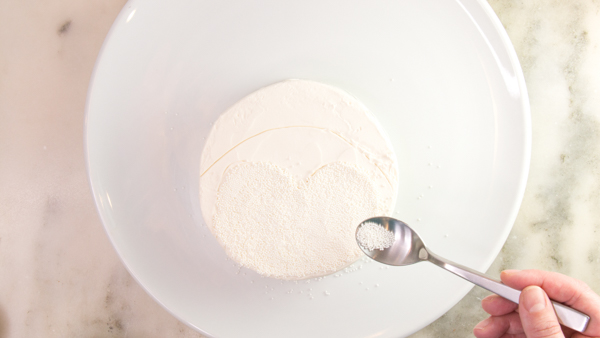
The application of sprinkles is a meticulous yet rewarding process. To manage the inevitable fallout, Gardner suggests placing the cake plate or platter on a baking sheet. The penguin’s face is typically filled first with white nonpareil sprinkles, smoothed using the back of a spoon. This methodical approach, starting with the largest designated area, is a common strategy in detailed sprinkle work.
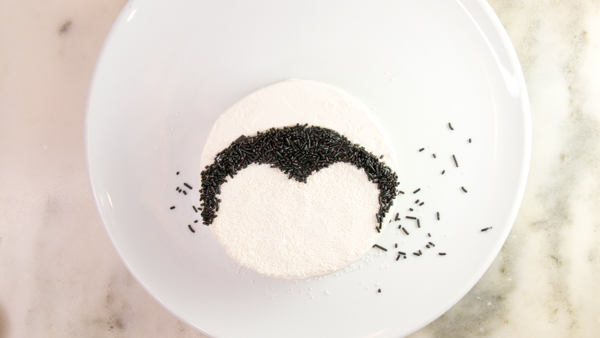
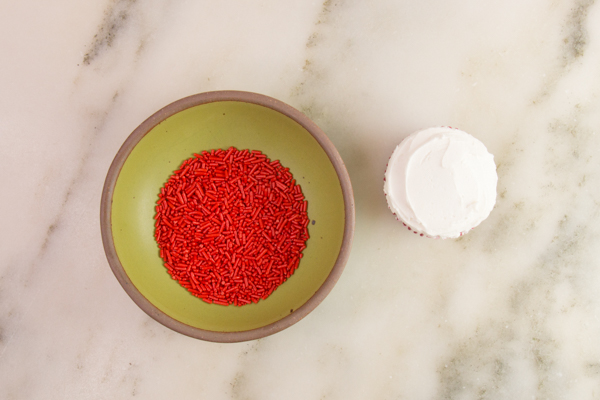
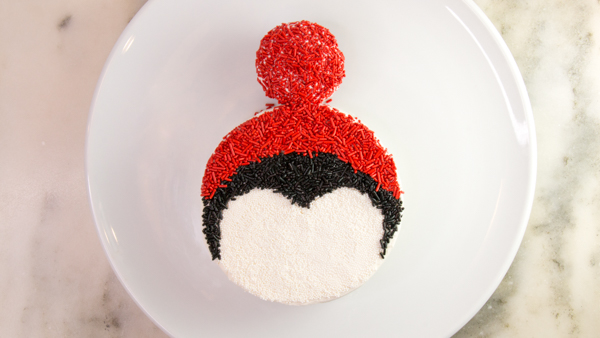
Following the face, a layer of black sprinkles is applied for the penguin’s body. Any stray sprinkles that land in the face area can be carefully removed with the toothpick. The hat area is then filled with red sprinkles, creating a classic winter hat aesthetic. A separate cupcake, also coated in buttercream and then red sprinkles, is prepared and attached to the main cake with a dab of buttercream, serving as a whimsical hat topper.
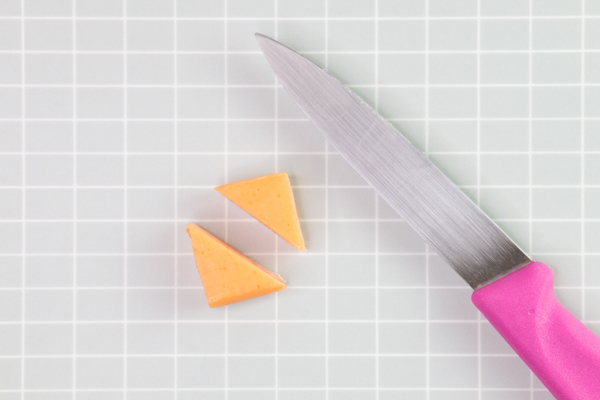
The final decorative touches bring the penguin to life. A Starburst candy, cut diagonally, is used to form the beak, adding a pop of color and texture. Small, round pink confetti sprinkles are applied for the cheeks, enhancing the character’s cuteness. Black buttercream, piped with a small round tip, forms the characteristic eyes of the penguin. Snowflake sprinkles, or other preferred shapes, can be used to further adorn the hat, adding a festive winter theme.
The Broader Landscape of Creative Cake Design
Erin Gardner’s Sprinkle Penguin Cake is more than just a recipe; it is an example of the evolving landscape of creative cake design. In recent years, cake decorating has transformed from a niche hobby into a widely accessible art form, fueled by social media platforms and readily available tutorials. The global cake decorating market is substantial, with industry reports projecting significant growth. For instance, the global cake market was valued at billions of dollars and is expected to continue expanding, driven by increasing demand for customized and visually appealing cakes for various occasions.
The rise of "cake influencers" like Gardner has democratized access to professional-level techniques. Platforms such as Instagram, Pinterest, and YouTube have become vital channels for sharing inspiration, tutorials, and trends. This accessibility allows amateur bakers and seasoned professionals alike to learn new skills, experiment with different styles, and connect with a global community of cake enthusiasts.
Gardner’s emphasis on personalization also reflects a broader trend in the culinary arts: the desire for unique and tailored experiences. Consumers are increasingly seeking out food items that not only taste good but also offer a distinct aesthetic and a personal connection. The Sprinkle Penguin Cake, with its customizable elements, caters directly to this demand, allowing individuals to imprint their own creative vision onto the final product.
Implications for the Confectionary Industry
The popularity of creatively designed cakes like the Sprinkle Penguin Cake has several implications for the confectionary industry. Firstly, it drives demand for specialized decorating supplies. The variety of sprinkles, edible paints, specialized piping tips, and unique confectionery candies available to decorators has exploded in recent years. This creates a robust market for suppliers of these materials.
Secondly, it elevates the role of the cake decorator. Individuals like Erin Gardner are not merely bakers; they are artists and educators, shaping trends and inspiring others. Their work often blurs the lines between edible art and traditional art forms. This professionalization of cake decorating can lead to increased opportunities for skilled individuals in bakeries, catering businesses, and as independent artists.
Furthermore, the trend towards visually striking cakes influences consumer expectations. For events such as weddings, birthdays, and holidays, elaborate and photogenic cakes are often considered essential elements. This can lead to increased spending on cakes, as consumers prioritize aesthetics alongside taste. The "Instagrammable" nature of these creations ensures their widespread sharing online, further amplifying their reach and influence.
Conclusion
Erin Gardner’s Sprinkle Penguin Cake is a testament to the imaginative possibilities within cake decorating. By transforming simple ingredients into a charming, customizable character, Gardner provides a delightful project for bakers of all skill levels. The tutorial not only offers practical guidance but also serves as an example of how creativity, inspired by personal vision and the broader trends in edible art, can result in truly remarkable confections. As the demand for personalized and visually captivating desserts continues to grow, designs like the Sprinkle Penguin Cake are likely to remain at the forefront of culinary creativity, delighting both those who make them and those who enjoy them.