The culinary world has long sought to reconcile the timeless joy of homemade preserves with the growing demand for reduced-sugar and sugar-free dietary options. A significant stride in this endeavor has been achieved with the successful development of a sugar-free peach jam recipe, designed to be both spreadable and deeply satisfying, brimming with the quintessential flavor of summer fruit. This innovation, brought forth through dedicated experimentation and supported by Mrs. Wages’ specialized pectin products, promises to open the world of home canning to a broader demographic of health-conscious consumers. The recipe, which leverages a combination of ripe peaches, apple juice, specific spices, and a non-sugar sweetener like Swerve alongside Mrs. Wages Sugar Free Fruit Pectin Home Jell, marks a notable achievement in creating palatable and properly set preserves without traditional sugar.
The Evolving Landscape of Dietary Needs and Jam-Making Challenges

For years, a substantial segment of the population, including individuals managing diabetes, adhering to ketogenic or low-carbohydrate diets, or simply striving to reduce their overall sugar intake, has expressed a keen interest in sugar-free jam alternatives. Traditional jam recipes rely heavily on sugar, not only for its sweetening properties but also for its crucial role in preservation, gelling, and texture. Sugar acts as a humectant, drawing moisture from the fruit and inhibiting microbial growth, thereby extending shelf life. It also plays a vital part in activating pectin, the natural gelling agent responsible for jam’s characteristic consistency.
The historical challenge in developing acceptable sugar-free jams stemmed from the difficulty in replicating these multifaceted roles of sugar. Early attempts with alternative sweeteners like stevia and monk fruit often resulted in products lacking the desired texture, flavor balance, or shelf stability. Many commercially available sugar-free jams have also faced criticism for artificial aftertastes or a less-than-ideal mouthfeel. This created a significant gap in the market for a homemade option that could genuinely rival its sugar-laden counterparts in quality and enjoyment. The increasing prevalence of health conditions linked to high sugar consumption, such as type 2 diabetes and obesity, has further amplified this demand, prompting a search for innovative solutions in food preparation.
A New Chapter in Home Preserving: The Mrs. Wages Catalyst

The recent breakthrough was significantly propelled by the specialized products offered by Mrs. Wages, a long-standing name in home canning supplies. The introduction of their Sugar Free Fruit Pectin Home Jell provided the critical component necessary to achieve proper gelling without sugar. This specific pectin formulation is designed to activate and set fruit preserves in the absence of high sugar concentrations, addressing one of the primary technical hurdles in sugar-free jam production.
The development process involved a rigorous series of trials, moving past previous unsatisfactory outcomes with other sugar substitutes. The collaboration with Mrs. Wages was instrumental, providing not just the key pectin product but also the impetus for renewed experimentation. The focus shifted to finding a harmonious balance of ingredients that would complement the sugar-free pectin, ensuring both an authentic peach flavor and a desirable jam consistency. This iterative approach underscores the scientific and culinary dedication required to innovate within traditional food processes, especially when challenging established ingredient paradigms.
Crafting the Perfect Sugar-Free Peach Jam: A Detailed Chronology

The journey to this successful sugar-free peach jam began with careful ingredient selection and a methodical approach to preparation, meticulously refined through multiple iterations.
Phase 1: Fruit Preparation and Initial Maceration
The process commenced with precisely four pounds of ripe peaches, chosen for their natural sweetness and robust flavor. Peeling peaches, often a tedious task, was streamlined using a blanching technique. The peaches were halved, pitted, and arranged cut-side down on a deep baking sheet. Boiling water was then poured over them, allowing them to sit for two minutes. This brief exposure to heat loosens the skins, making them significantly easier to remove under cool running water, a method that minimizes fruit damage and preserves pulp integrity.
Once peeled, the peach halves were transferred to an 8-quart Dutch oven, where they were mashed into smaller, jam-ready pieces using a potato masher. This step ensures an even consistency and facilitates the release of natural fruit juices.

Phase 2: Introducing Pectin and Liquid Medium
Crucially, a blend of one cup of apple juice and one-third cup of bottled lemon juice was added to the mashed peaches, along with one packet of Mrs. Wages Sugar Free Fruit Pectin Home Jell. This mixture was allowed to sit for ten minutes. The addition of apple juice proved to be a pivotal discovery. In traditional jam-making, sugar draws out liquid from the fruit, preventing scorching during cooking. Without sugar, this function is absent, making the fruit susceptible to burning and leading to an undesirable texture. The apple juice acts as a substitute liquid medium, ensuring the peaches cook sufficiently without adhering to the pot, while also contributing a subtle sweetness and depth of flavor that complements the peaches. The lemon juice provides essential acidity, which is critical for pectin activation and also brightens the fruit’s natural flavor.
Phase 3: The Boil and Spice Infusion
After the initial maceration period, the pot was placed on the stove and brought to a hard boil. During this heating phase, a thoughtful selection of spices was introduced: one teaspoon of cinnamon, half a teaspoon of ground cloves, and half a teaspoon of freshly grated nutmeg. These spices were chosen to enhance the peach flavor, adding warmth and complexity without overpowering the delicate fruit notes. The inclusion of spices is a traditional element in many fruit preserves, and their presence here elevates the sugar-free jam beyond a mere substitute, transforming it into a gourmet experience.
Upon reaching a hard boil, a timer was set for precisely one minute. Adhering strictly to this timing is essential with sugar-free pectins, as overcooking can compromise their gelling ability, resulting in a runny jam. The pot was immediately removed from the heat once the minute elapsed, safeguarding the pectin’s efficacy.

Phase 4: Sweetening and Canning
With the pot off the stove, 1 ¼ cups of Swerve, a popular erythritol-based non-sugar sweetener, was stirred into the hot jam. The instruction to add the sweetener after the boiling phase is critical for sugar-free recipes, as prolonged boiling of certain alternative sweeteners can lead to bitter off-notes. Swerve was specifically chosen for its clean taste profile and its ability to mimic sugar’s texture without the caloric load or glycemic impact. While Swerve was used in this instance, the recipe notes flexibility for other non-sugar sweeteners of choice, allowing for personalized dietary preferences.
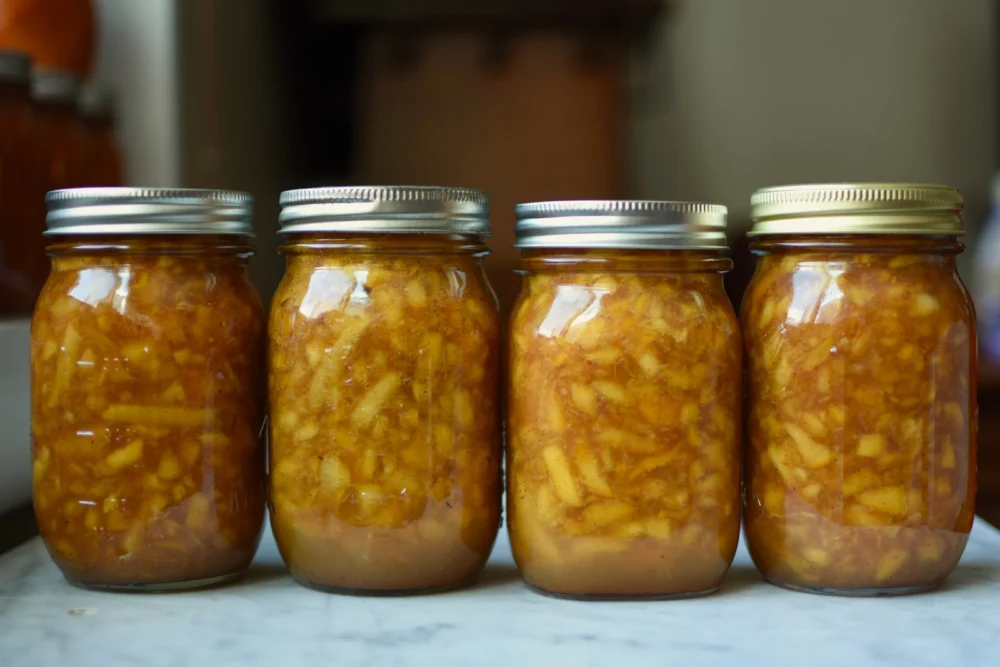
The final step involved carefully funneling the hot jam into pre-sterilized pint jars, ensuring a ¼-inch headspace. The rims were wiped clean, new lids and rings applied, and the jars were then processed in a boiling water bath canner for 10 minutes. Adjustments to processing time are necessary for those living above 1,000 feet in elevation, following standard canning guidelines to ensure food safety.
Phase 5: Cooling and Curing
After processing, the heat was turned off, the canner lid removed, and the jars were allowed to rest in the hot water for five minutes. This gradual cooling helps prevent thermal shock and contributes to a stronger seal. Subsequently, the jars were removed and placed on a folded kitchen towel or wooden board to cool completely, typically for a full day. This extended cooling period is vital for sugar-free jams, as the gelling process can take longer to achieve a firm set compared to sugar-rich varieties. Once thoroughly cooled, seals were checked; properly sealed jars can be stored in a pantry, while any with failed seals should be refrigerated and consumed promptly.

Supporting Data: The Rise of Sugar-Free and Healthy Eating
The development of this recipe aligns perfectly with prevailing market trends. Data from organizations like the International Food Information Council (IFIC) consistently show a growing consumer interest in reducing sugar intake. A 2023 report indicated that a significant percentage of consumers are actively trying to limit or avoid sugars, driven by concerns about weight management, diabetes prevention, and overall wellness. The global market for sugar substitutes is projected to grow substantially, reaching billions of dollars in the coming years, reflecting a permanent shift in dietary habits rather than a fleeting fad.
Furthermore, the home canning and preserving market has experienced a resurgence, particularly post-2020, as consumers seek greater control over their food sources, ingredient quality, and cost savings. This renewed interest in DIY food preparation, coupled with the desire for healthier options, creates a fertile ground for innovations like sugar-free jam recipes. The integration of specialized products like Mrs. Wages pectin into accessible recipes empowers home cooks to meet these evolving demands without compromising on taste or safety.

Implications for Home Preserving and Health-Conscious Lifestyles
This sugar-free peach jam recipe holds significant implications for the home preserving community and broader health-conscious lifestyles.
Enhanced Accessibility: By providing a reliable method for sugar-free jam, the recipe makes homemade preserves accessible to individuals who were previously excluded due to dietary restrictions. This includes people with diabetes, those managing blood sugar levels, or anyone opting for a low-sugar diet. It broadens the appeal of home canning, potentially bringing new enthusiasts into the fold.

Quality of Life Improvement: For many, jam is a staple comfort food, evoking nostalgia and simple pleasures. The ability to enjoy a flavorful peach jam without the added sugar content allows individuals to partake in these culinary experiences without guilt or adverse health consequences, thereby improving their quality of life and adherence to healthier eating patterns.
Stimulating Innovation: The success of this recipe is likely to inspire further innovation in sugar-free and low-sugar home preserving. It demonstrates that with the right ingredients and methodology, traditional recipes can be adapted to meet modern dietary needs, encouraging other developers and brands to explore similar product lines and recipes. This could lead to a wider array of sugar-free fruit spreads, pickles, and other preserved goods.
Economic Impact: While difficult to quantify precisely, the growing demand for sugar-free options can positively impact manufacturers of sugar substitutes and specialized canning ingredients like sugar-free pectin. Increased recipe development and consumer adoption translate into market growth for these niche products.

Addressing Troubleshooting and Best Practices:
The recipe also includes practical advice, acknowledging that sugar-free jams may behave differently. The observation that the jam can take a full day to reach its final set is a crucial piece of information, managing expectations and preventing premature judgment of the recipe’s success. Furthermore, the explicit warning about the faster spoilage rate of sugar-free jams (due to the absence of sugar’s preservative qualities) and the recommendation for smaller jar sizes (half-pint or 4-ounce) are vital safety and practicality tips. This focus on consumer education underscores a responsible approach to sharing innovative recipes, ensuring both enjoyment and safety.
Broader Impact and Future Outlook
The successful development and dissemination of this sugar-free peach jam recipe represents more than just a culinary achievement; it signifies a broader trend in food innovation driven by evolving consumer health awareness. It showcases how traditional practices, when combined with modern food science and dedicated experimentation, can be adapted to serve contemporary dietary needs.

The collaboration between independent recipe developers and ingredient manufacturers like Mrs. Wages exemplifies a productive synergy. Such partnerships are essential for bringing specialized products to the home market and providing the technical guidance necessary for their effective use. As consumers continue to prioritize health and wellness, and seek more control over the ingredients in their food, the demand for well-tested, delicious, and safe sugar-free home canning recipes will only grow. This sugar-free peach jam stands as a testament to the possibilities within this exciting and expanding culinary frontier, promising a future where the sweet taste of summer can be enjoyed by all, regardless of dietary restrictions.