Creating visually stunning and realistic edible decorations is an art form that can elevate any dessert from ordinary to extraordinary. Among the most captivating and versatile elements for dessert architects is edible sugar glass. This guide delves into the meticulous process of crafting this translucent, hard candy, exploring its applications, the science behind its creation, and the practical considerations for achieving flawless results. From intricate gingerbread house windows to dramatic dessert accents, understanding the nuances of sugar glass production unlocks a new dimension of culinary creativity.
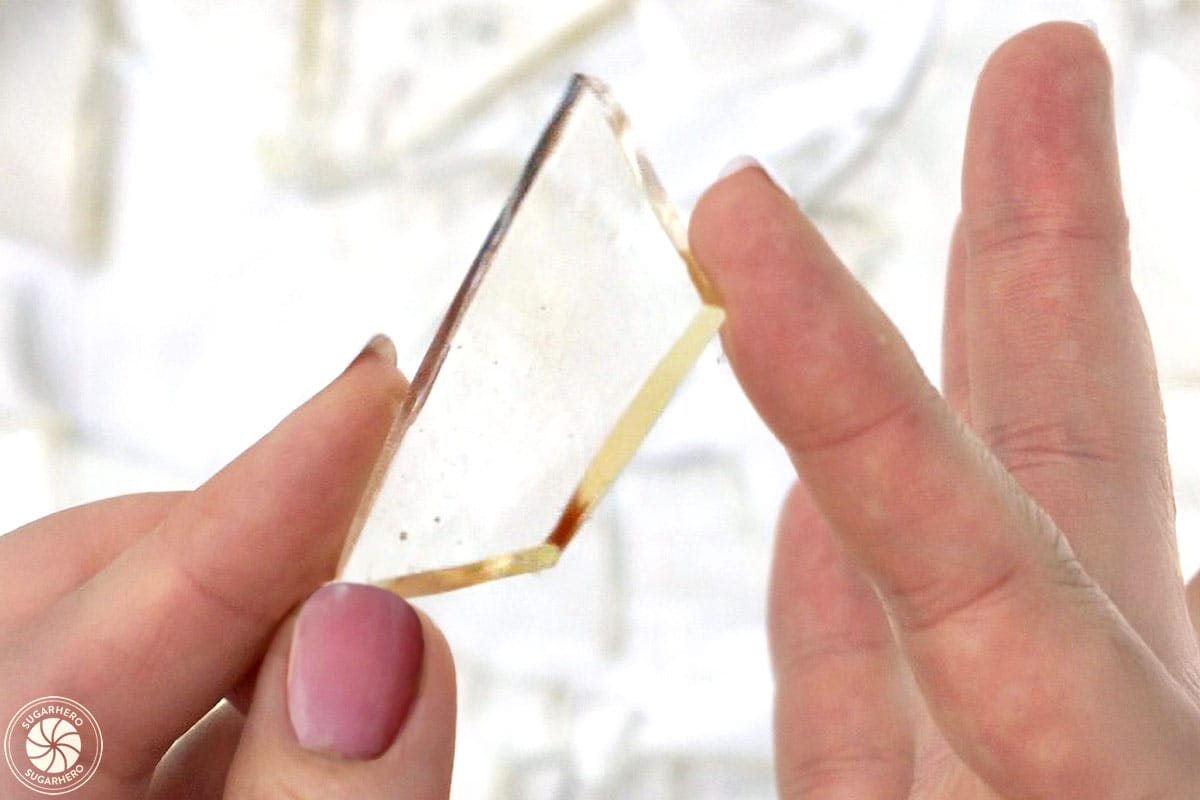
The allure of edible sugar glass lies in its ability to mimic the appearance of real glass, offering a clear, brittle texture that can be shaped and colored to suit a myriad of decorative purposes. Its utility extends across various confectionery projects, including architectural elements for gingerbread structures, dramatic shards for themed cakes and cupcakes, and even replicating the crystalline appearance of rock candy for inspired confections. The inherent versatility of this sugar-based creation allows for boundless customization through the incorporation of food-safe colorings and flavorings, transforming a simple sugar syrup into a vibrant and flavorful component of any dessert.
The Science and Art of Sugar Glass Creation
The successful production of edible sugar glass hinges on a precise understanding of sugar crystallization and temperature control. At its core, the process involves heating a sugar solution to a specific temperature, known as the hard crack stage, which is approximately 300-310°F (149-154°C). At this temperature, the water content in the sugar syrup has significantly reduced, leaving behind a supersaturated solution that, when cooled rapidly, solidifies into an amorphous, glass-like structure rather than forming crystalline structures. The presence of an invert sugar, such as corn syrup, plays a crucial role in inhibiting crystallization. Invert sugars are already broken down into simpler sugars (glucose and fructose), which interfere with the natural tendency of sucrose molecules to arrange themselves into ordered crystals.
The process requires careful monitoring of temperature, as even minor fluctuations can lead to undesirable outcomes. Overcooking can result in a burnt flavor and a dark, brittle candy, while undercooking will yield a sticky, soft product that fails to achieve the desired glass-like consistency. The choice of ingredients is also paramount. High-quality granulated sugar, corn syrup, and water form the foundational components. Additional elements like cream of tartar can be incorporated to further assist in preventing crystallization by creating a slightly acidic environment that aids in the inversion of sucrose.
Essential Ingredients and Equipment for Sugar Glass Production
To embark on the journey of creating edible sugar glass, a curated selection of ingredients and equipment is necessary. The core components are straightforward, emphasizing purity and accuracy in measurement.
Key Ingredients:
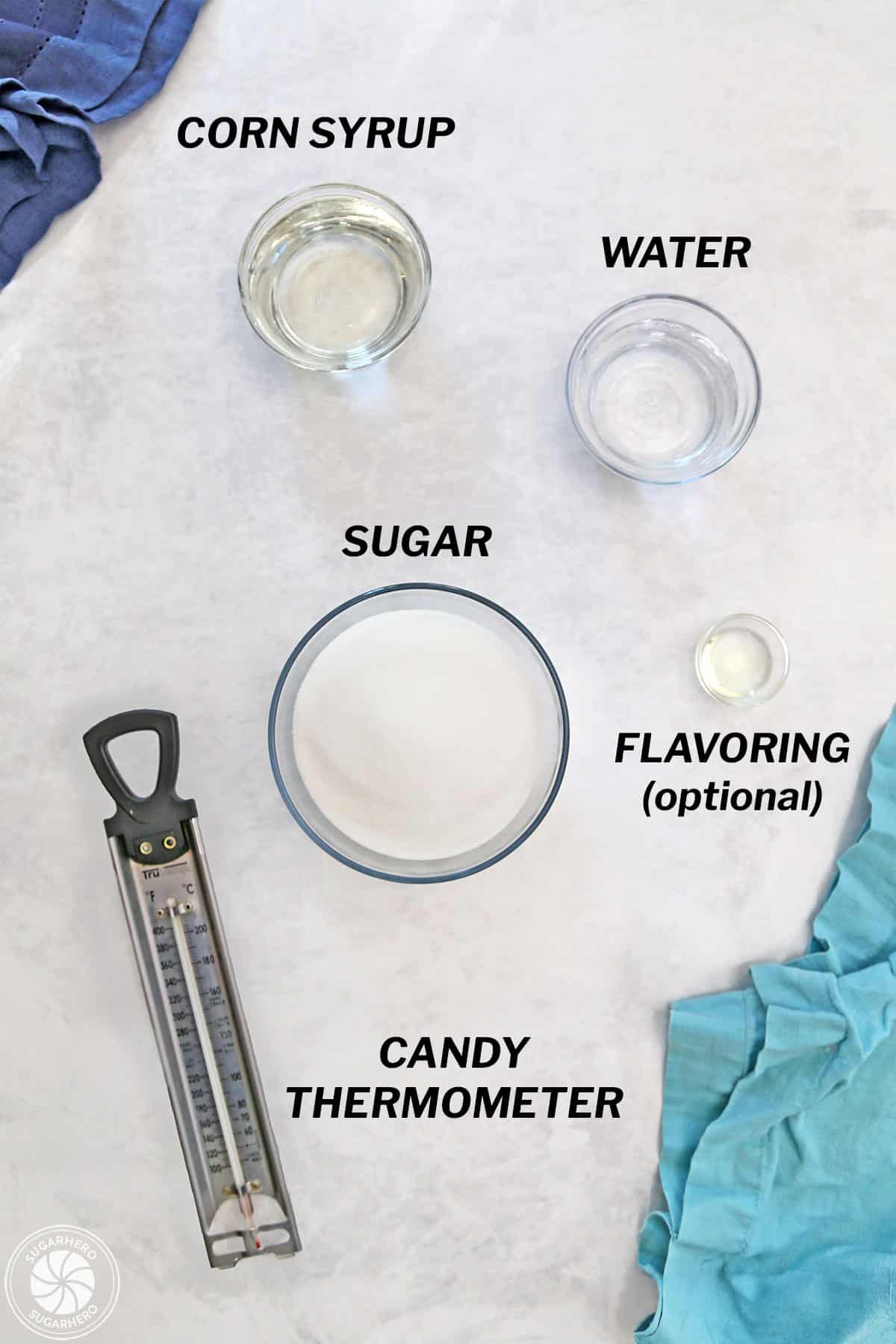
- Granulated Sugar: This forms the primary structural element of the sugar glass. Using a fine granulated sugar can aid in quicker dissolution.
- Corn Syrup (Light): Crucial for preventing crystallization, corn syrup provides a stable, amorphous structure. The light variety is preferred to avoid adding unwanted color.
- Water: Acts as the solvent for the sugar, facilitating the heating and caramelization process.
- Optional Flavorings: Extracts such as vanilla, peppermint, or fruit essences can be added once the syrup reaches the desired temperature for taste customization.
- Optional Food Coloring: Gel or liquid food colorings can be incorporated to achieve a spectrum of vibrant hues, from subtle pastels to deep jewel tones.
Essential Equipment:
- Heavy-Bottomed Saucepan: A thick-bottomed pan distributes heat evenly, minimizing the risk of scorching. A 2-3 quart size is generally suitable for typical batches.
- Candy Thermometer: This is the most critical tool. A reliable candy thermometer, either a dial or digital model, is essential for accurately measuring the syrup’s temperature to reach the hard crack stage. It is imperative to calibrate the thermometer before use to ensure accuracy.
- Heat-Resistant Spatula or Wooden Spoon: For stirring the initial mixture before it reaches a boil. Once boiling, stirring is generally discouraged to prevent crystallization.
- Baking Sheet: A flat baking sheet lined with parchment paper or a silicone baking mat provides a smooth surface for pouring and cooling the sugar syrup.
- Heat-Resistant Gloves or Oven Mitts: Essential for handling hot pans and cooling sugar.
- Pastry Brush and Water: Used to wash down the sides of the saucepan to prevent sugar crystals from forming and falling back into the syrup.
The Step-by-Step Process for Crafting Flawless Sugar Glass
The creation of edible sugar glass is a methodical process that demands precision and attention to detail at each stage. Following these steps meticulously will significantly increase the likelihood of achieving a perfect, glass-like result.
-
Preparation is Key: Begin by accurately measuring all ingredients. Line a baking sheet with parchment paper or a silicone mat and have it ready. Ensure your candy thermometer is calibrated and securely attached to the side of the saucepan, ensuring the tip is submerged in the syrup but not touching the bottom of the pan.
-
Combining the Ingredients: In the heavy-bottomed saucepan, combine the granulated sugar, corn syrup, and water. Stir over medium heat until the sugar is completely dissolved. This initial stirring is crucial to ensure a smooth, homogenous mixture.
-
Reaching the Boiling Point: Once the sugar is dissolved, increase the heat to medium-high and bring the mixture to a boil. Crucially, stop stirring at this point. Stirring can introduce sugar crystals into the syrup, leading to premature crystallization.
-
Washing Down the Sides: As the syrup boils, observe the sides of the saucepan. Sugar crystals may begin to form. Dip a pastry brush in clean water and gently brush down the inside walls of the pan above the syrup line. This washes away any stray crystals, preventing them from seeding the syrup and causing unwanted crystallization. Continue this process intermittently as needed.
-
Monitoring the Temperature: Allow the syrup to boil undisturbed until it reaches the hard crack stage, typically 300-310°F (149-154°C) on a candy thermometer. This stage is characterized by the syrup bubbling vigorously.
-
Adding Color and Flavor (Optional): Once the desired temperature is reached, carefully remove the saucepan from the heat. If using, quickly and cautiously stir in your chosen food coloring and flavorings. Be aware that adding liquids can cause a temporary surge in bubbling. Work swiftly to incorporate them evenly.
-
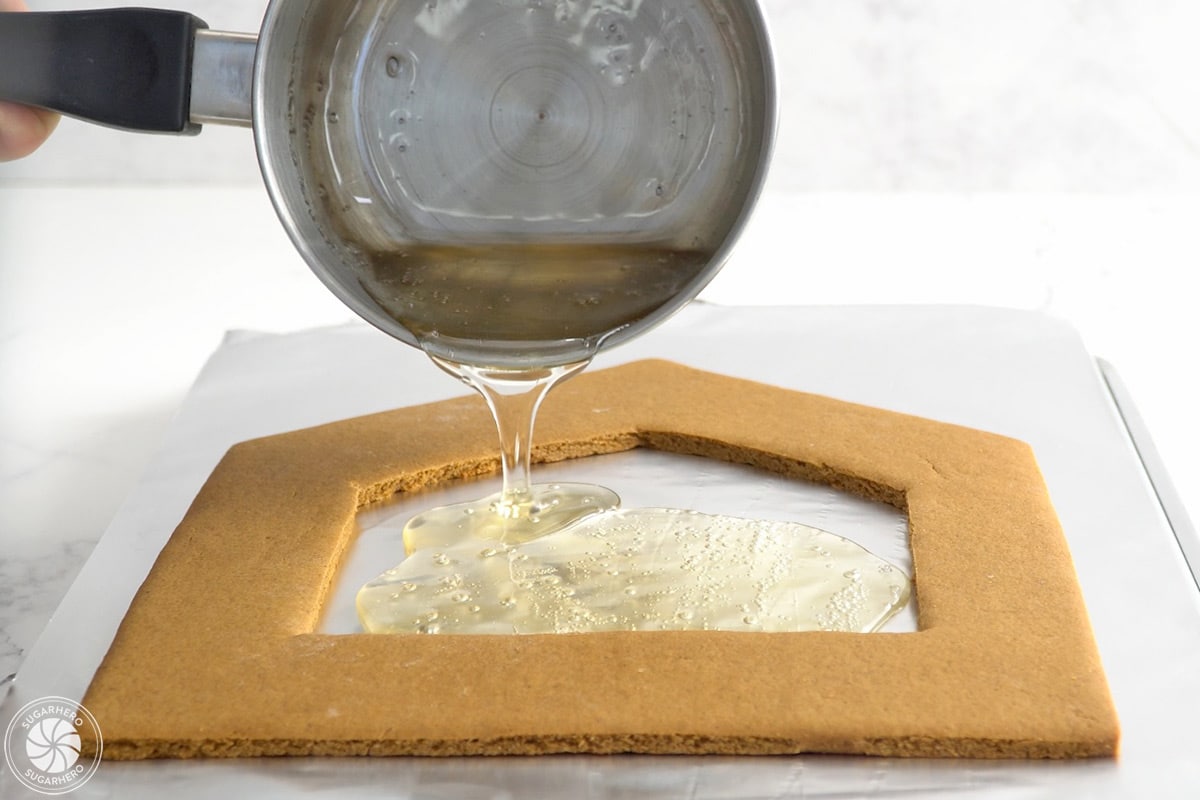
Pouring the Syrup: Immediately pour the hot sugar syrup onto the prepared baking sheet. Tilt the baking sheet to spread the syrup into a thin, even layer. The thinner the layer, the more brittle and glass-like the final product will be. Avoid spreading the syrup too thinly, as it can become difficult to handle.
-
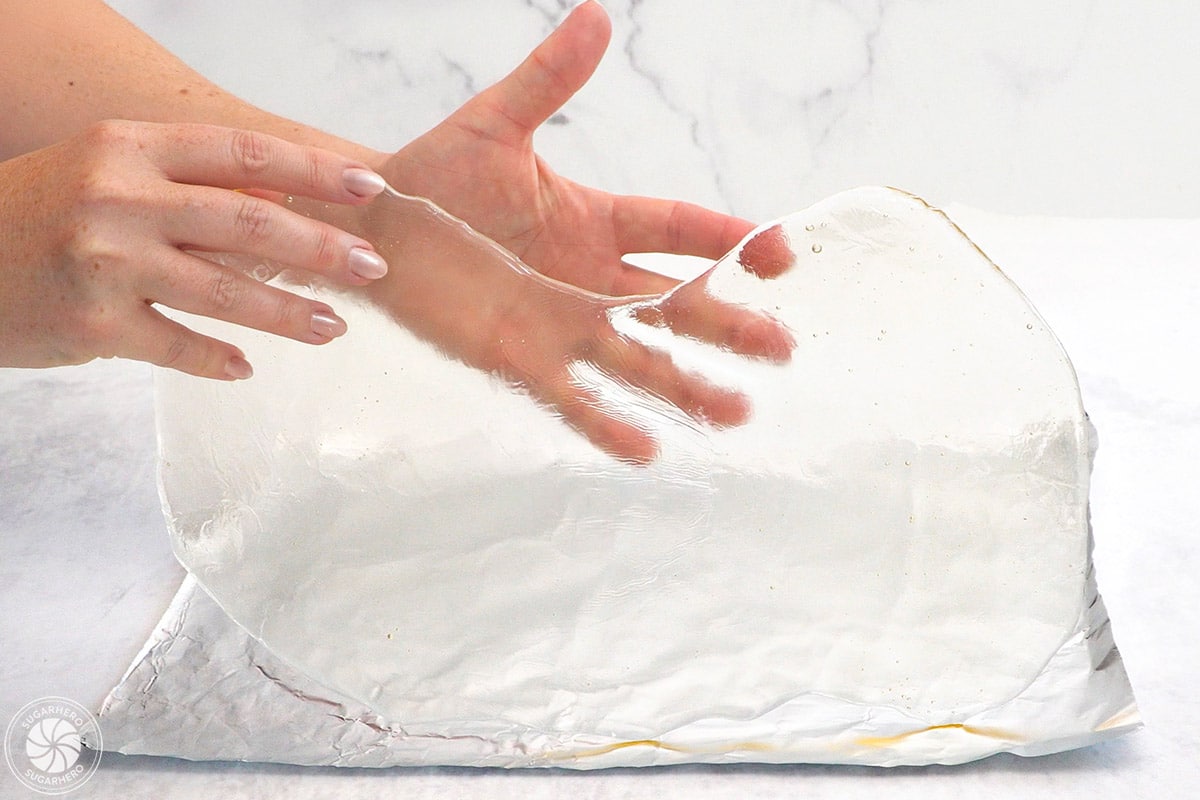
Cooling and Hardening: Allow the sugar glass to cool completely at room temperature. This can take anywhere from 30 minutes to a couple of hours, depending on the thickness of the poured layer and the ambient temperature. Do not attempt to move or break the sugar while it is still warm, as it will be pliable and will not shatter cleanly.
-
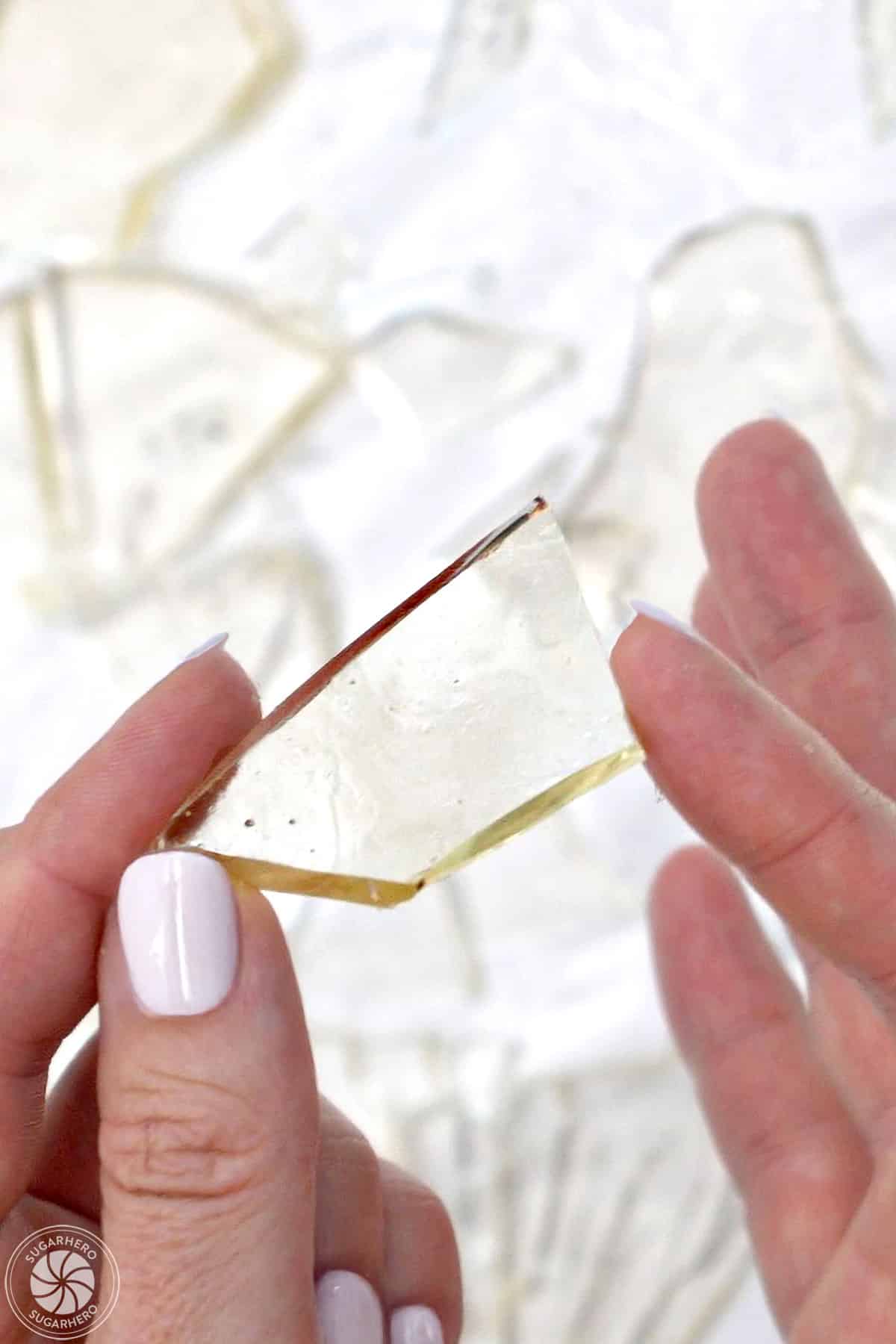
Breaking and Shaping: Once fully hardened, the sugar glass can be broken into shards by gently tapping it with a rolling pin or a heavy object. For more controlled shapes, it can be scored with a sharp knife while still slightly warm (but firm enough to handle with gloves) or broken into specific sizes.
Troubleshooting Common Issues in Sugar Glass Production
Even with meticulous adherence to instructions, challenges can arise during the sugar glass making process. Understanding these common pitfalls and their solutions is vital for achieving consistent success.
- Sticky or Tacky Candy: This is most often a result of high humidity. Sugar is hygroscopic, meaning it readily absorbs moisture from the air. Attempting to make sugar glass on a humid or rainy day significantly increases the likelihood of the final product becoming sticky. Storing the finished sugar glass in an airtight container with silica gel packets can help mitigate moisture absorption.
- Candy Not Hardening: If the candy remains soft or pliable, it indicates that it has not been cooked to a high enough temperature. Re-testing the candy thermometer’s accuracy and ensuring the correct ingredient ratios were used are crucial steps to diagnose this issue.
- Opaque or Crumbly Texture: This occurs due to crystallization, where sugar molecules arrange themselves into crystals rather than forming an amorphous glass. Stirring the syrup after it begins to boil, insufficient washing of the pan’s sides, or the presence of stray sugar crystals can all trigger this. The use of corn syrup is a key preventative measure.
- Burnt Flavor or Dark Color: This signifies that the sugar syrup has been overheated. Careful monitoring of the candy thermometer and prompt removal from heat once the hard crack stage is reached are essential to avoid scorching.
Applications and Creative Potential of Edible Sugar Glass
The applications of edible sugar glass in culinary arts are as diverse as the imagination allows. Its transparency and brittle nature lend themselves to a wide array of decorative uses, offering both aesthetic appeal and textural contrast to desserts.
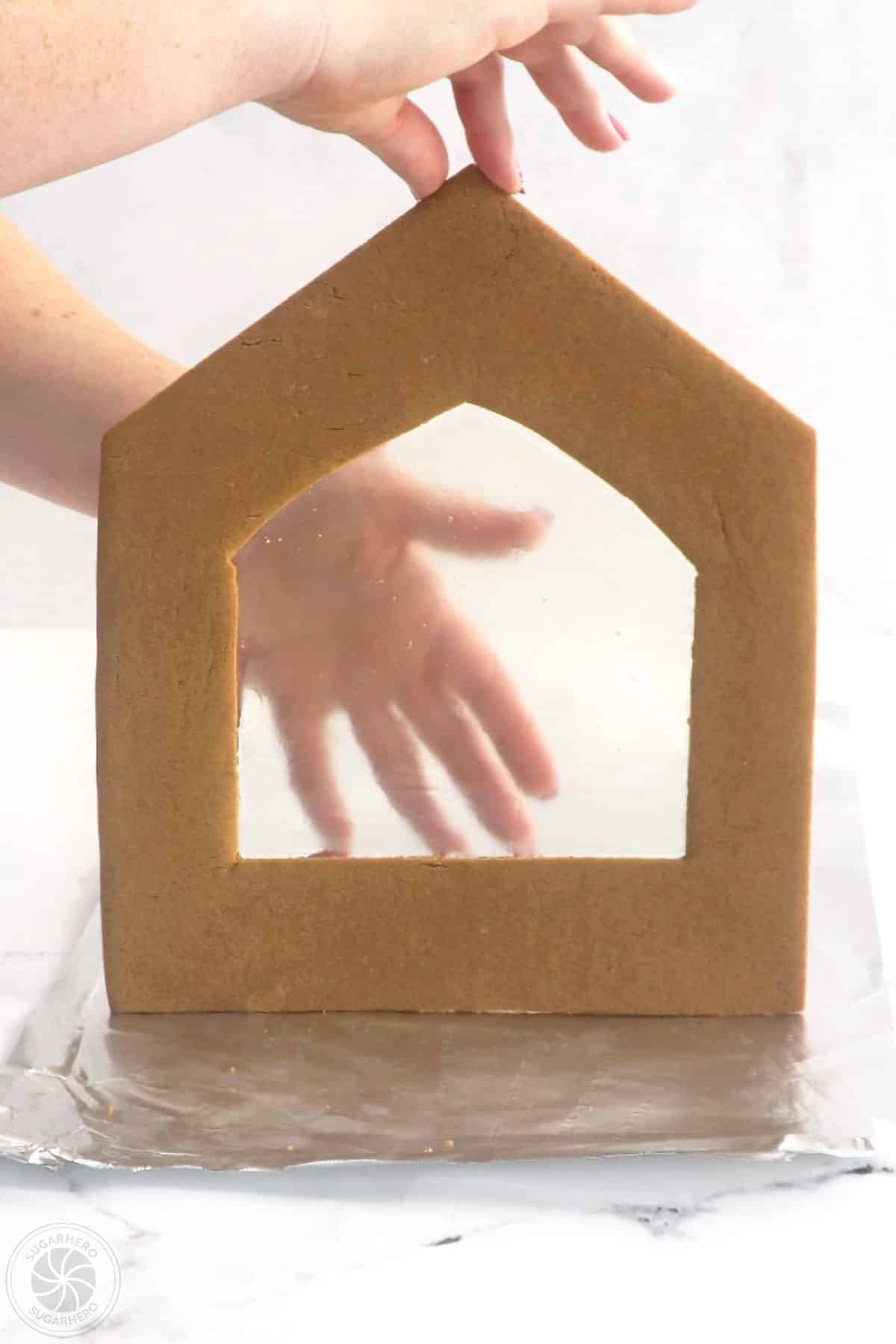
- Architectural Elements: In gingerbread houses and other constructed desserts, sugar glass serves as realistic windows, allowing light to pass through and adding a delicate, handcrafted touch. It can be poured directly into pre-cut openings in cookie panels or molded into specific shapes.
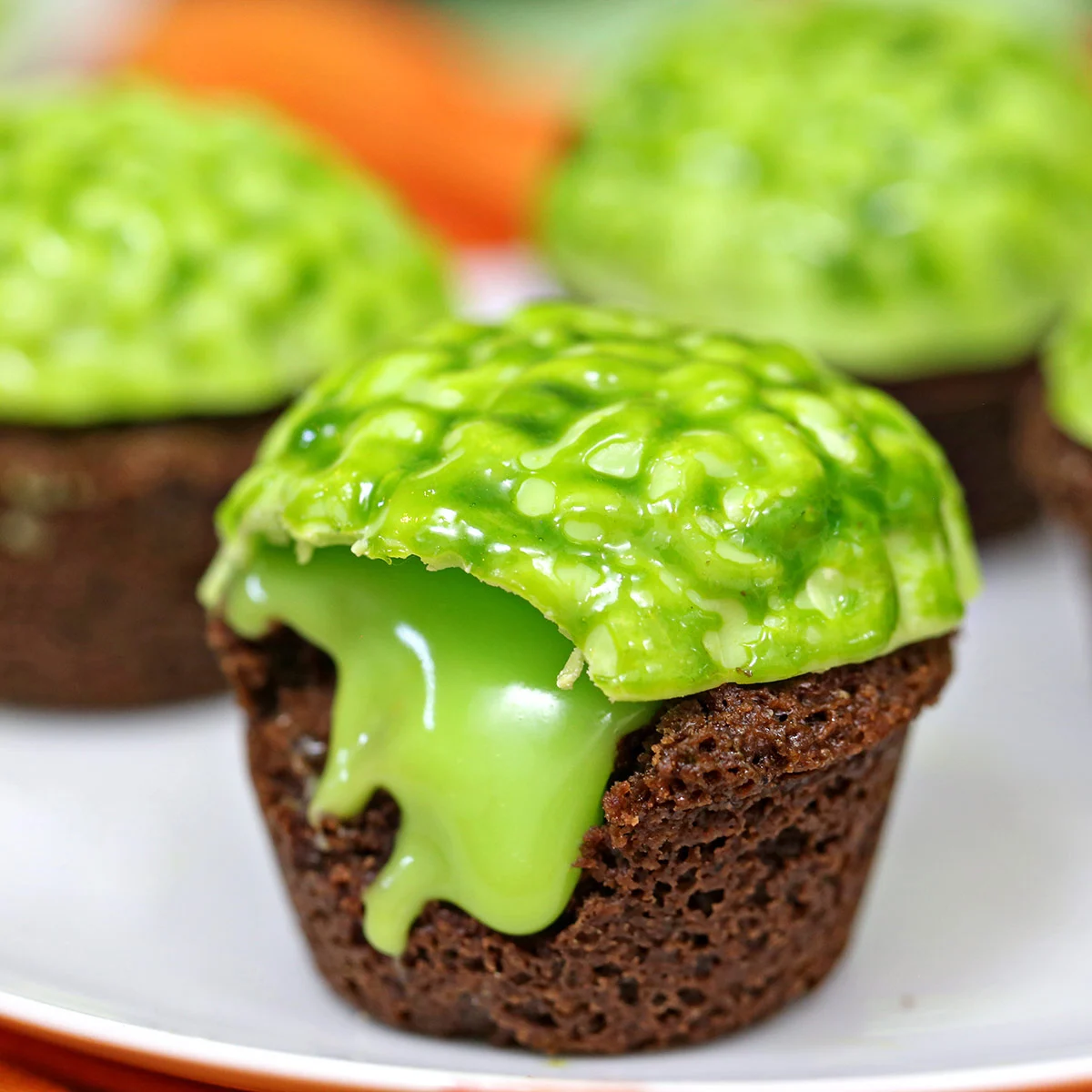
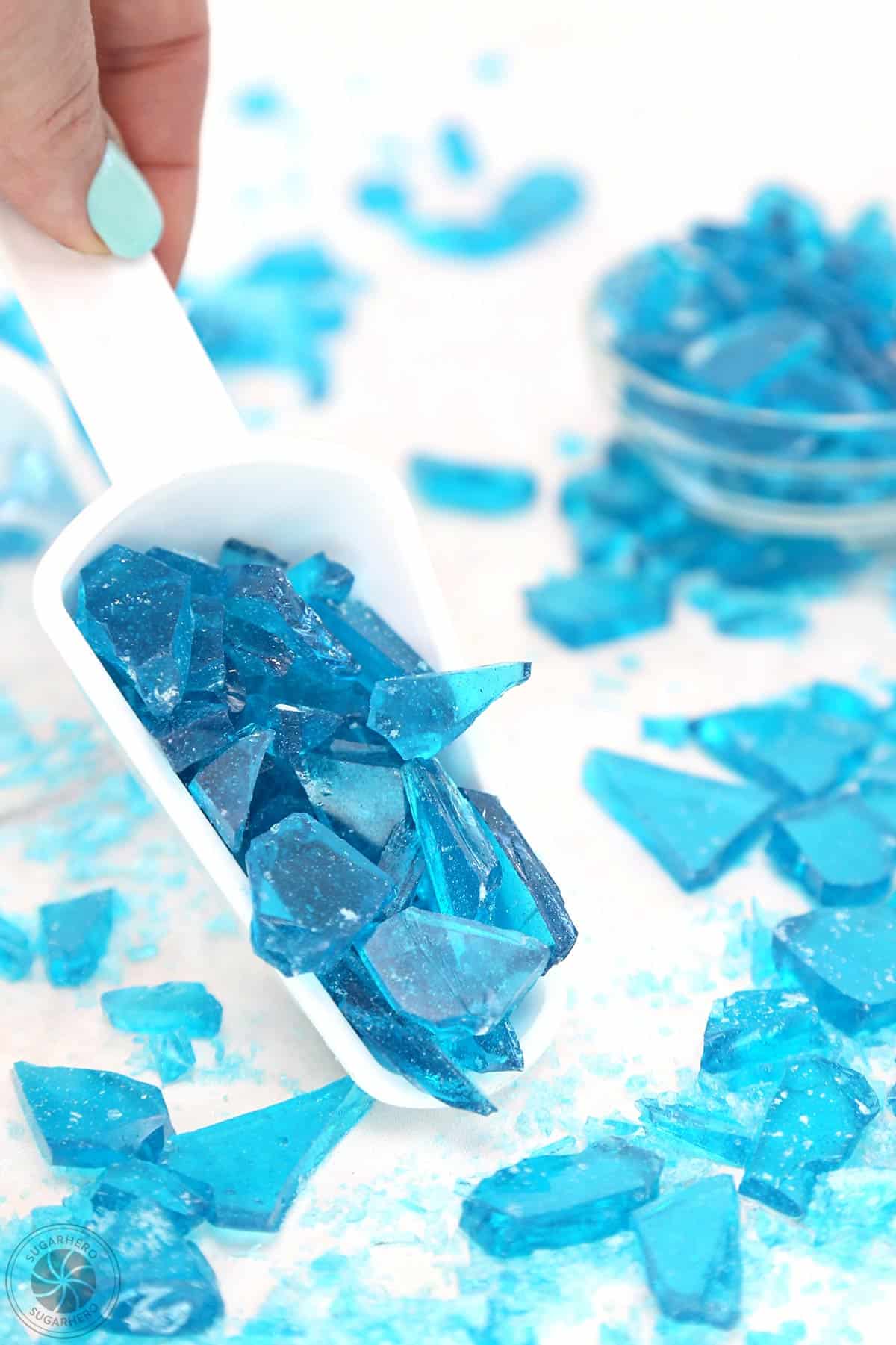
- Dramatic Accents: Broken shards of sugar glass, colored to match a theme, can create the illusion of shattered glass, gemstones, or even icy textures for cakes and cupcakes. This is particularly effective for dramatic or gothic-themed confections.
- Faux Ice or Water Effects: Clear or lightly blue-tinted sugar glass can be used to simulate ice sculptures, water surfaces, or even the glistening appearance of dew drops on edible arrangements.
- Rock Candy Inspiration: By varying the cooling and breaking process, sugar glass can be transformed into clusters resembling rock candy, offering a visually striking and texturally engaging element.
- Customized Candies: Infused with various flavors and colors, sugar glass can be broken into smaller pieces and used as decorative elements or even as standalone candies, offering a delightful crunch and sweetness.
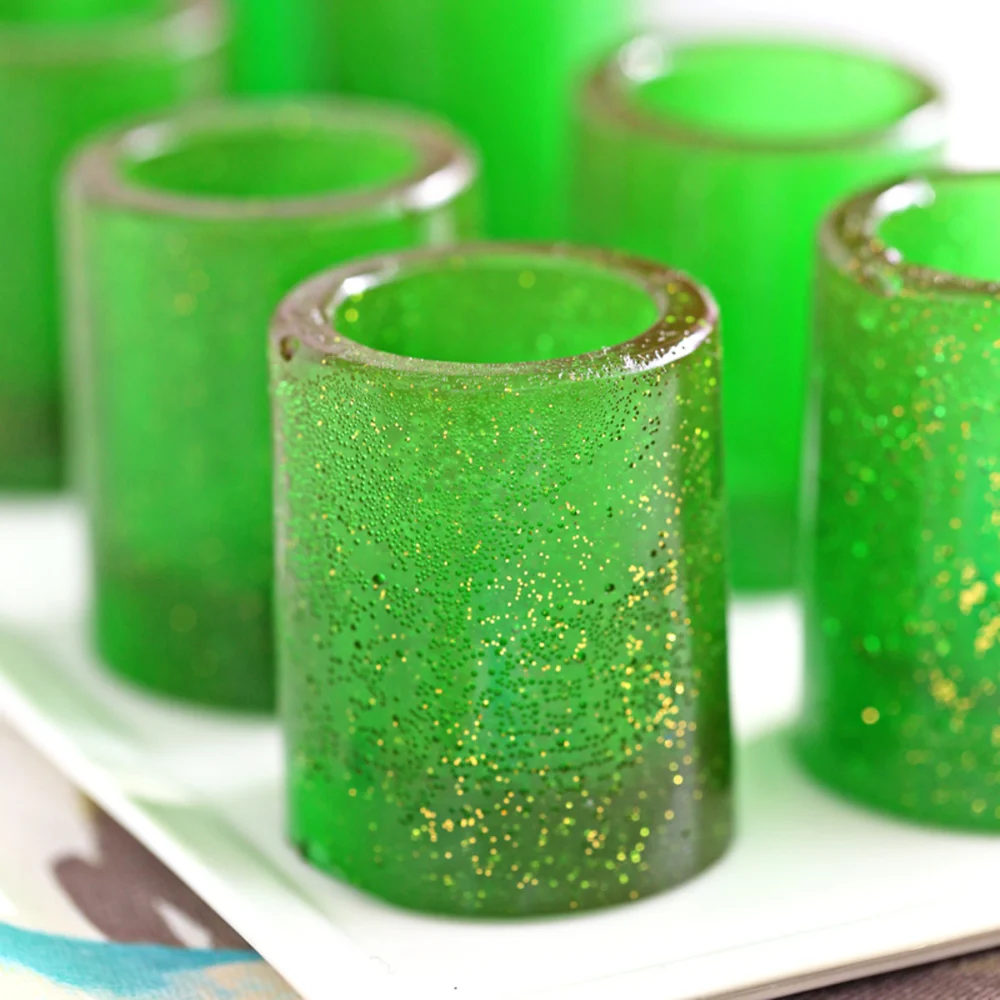
The ability to customize the color and flavor of sugar glass opens up a world of possibilities for thematic desserts. For Halloween, deep reds and purples can create a "bloody" or "gemstone" effect, while blues and greens can mimic water or ice for summer-themed creations. The clean, sharp edges of broken shards can add a modern, avant-garde touch to sophisticated patisserie.
Broader Impact and Future Trends
The meticulous craft of creating edible sugar glass represents a commitment to detail and an appreciation for visual storytelling in the culinary world. As dessert presentation continues to evolve, with an increasing emphasis on interactive and visually engaging elements, the demand for techniques like sugar glass creation is likely to grow. Advances in food-safe coloring agents and flavoring extracts further enhance the creative potential, allowing for more nuanced and sophisticated applications.
Furthermore, the growing popularity of home baking and elaborate cake decorating, fueled by social media platforms, introduces a wider audience to these specialized techniques. Educational resources, such as detailed tutorials and online workshops, are making the art of sugar glass accessible to aspiring pastry chefs and home bakers alike. The pursuit of perfection in sugar glass mirrors a broader trend in the culinary industry towards elevated aesthetics and a deeper understanding of the science behind food preparation. As chefs and home cooks continue to push the boundaries of what is possible with edible mediums, sugar glass stands as a testament to the enduring appeal of transforming simple ingredients into works of art.