The art of transforming a humble cut of beef into a culinary masterpiece is showcased in a new recipe that leverages a meticulous weeklong brine followed by a precise hot-grilling technique to achieve a tender, smoky, and intensely flavorful pastrami tri-tip. This method, detailed in a recent culinary publication, promises a versatile dish perfect for elegant slicing or robust sandwiches, highlighting the potential of less common cuts when treated with patience and skill.
The Genesis of Pastrami Tri-Tip: A Culinary Transformation
The process of creating pastrami, at its core, involves a significant period of curing, typically using a wet corned beef brine. This traditional method, historically applied to cuts like brisket to enhance their texture and preservation qualities, is now being innovatively adapted to other beef sections. The tri-tip, a triangular cut from the bottom sirloin of a cow, known for its lean profile and robust beefy flavor, presents a unique canvas for this transformation. Unlike the lengthy smoking often associated with brisket pastrami, the tri-tip’s leaner composition allows for a more concentrated flavor infusion and a quicker, more controlled cooking time.
The recipe emphasizes that virtually any cut of meat can be transformed into pastrami through this curing and seasoning process. The specific application to tri-tip offers a compelling alternative for home cooks and pitmasters seeking to expand their repertoire beyond traditional pastrami preparations. The appeal lies in achieving the iconic smoky, peppery notes of pastrami with a cut that cooks more rapidly, making it more accessible for weeknight meals or smaller gatherings.
A Week of Patience: The Brining Process
The foundation of this pastrami tri-tip recipe is a patient, week-long brining period. This critical step is where the meat undergoes a significant chemical and textural transformation. The brine, typically a mixture of salt, sugar, and various spices, not only cures the meat, preventing spoilage and imparting a characteristic flavor, but also helps to tenderize it. For the tri-tip, this means a week immersed in a carefully balanced solution.
The recipe calls for mixing one cup of a specialized pastrami brine with eight cups of warm water. The importance of dissolving the sugars and salts completely cannot be overstated, as this ensures an even distribution of the curing agents throughout the meat. Once the brine reaches the correct consistency and temperature, the tri-tip is submerged. This is typically done in a meat preparation bag, designed to hold the liquid securely and allow for even contact with the entire surface of the beef. The meat is then refrigerated for six full days. This extended period allows the brine to penetrate deeply, altering the protein structure and infusing it with the foundational flavors that will define the final product.

From Brine to Rub: The Art of Seasoning and Drying
Following the six-day immersion, the tri-tip emerges from its brine bath, ready for the next crucial stage: seasoning and drying. The initial step involves thoroughly rinsing the meat under cold water. This is a vital practice to remove any residual salt from the surface, preventing the final product from being overly saline. After rinsing, the tri-tip is meticulously patted dry with paper towels. A dry surface is essential for the subsequent seasoning to adhere properly and for the next step in the curing process.
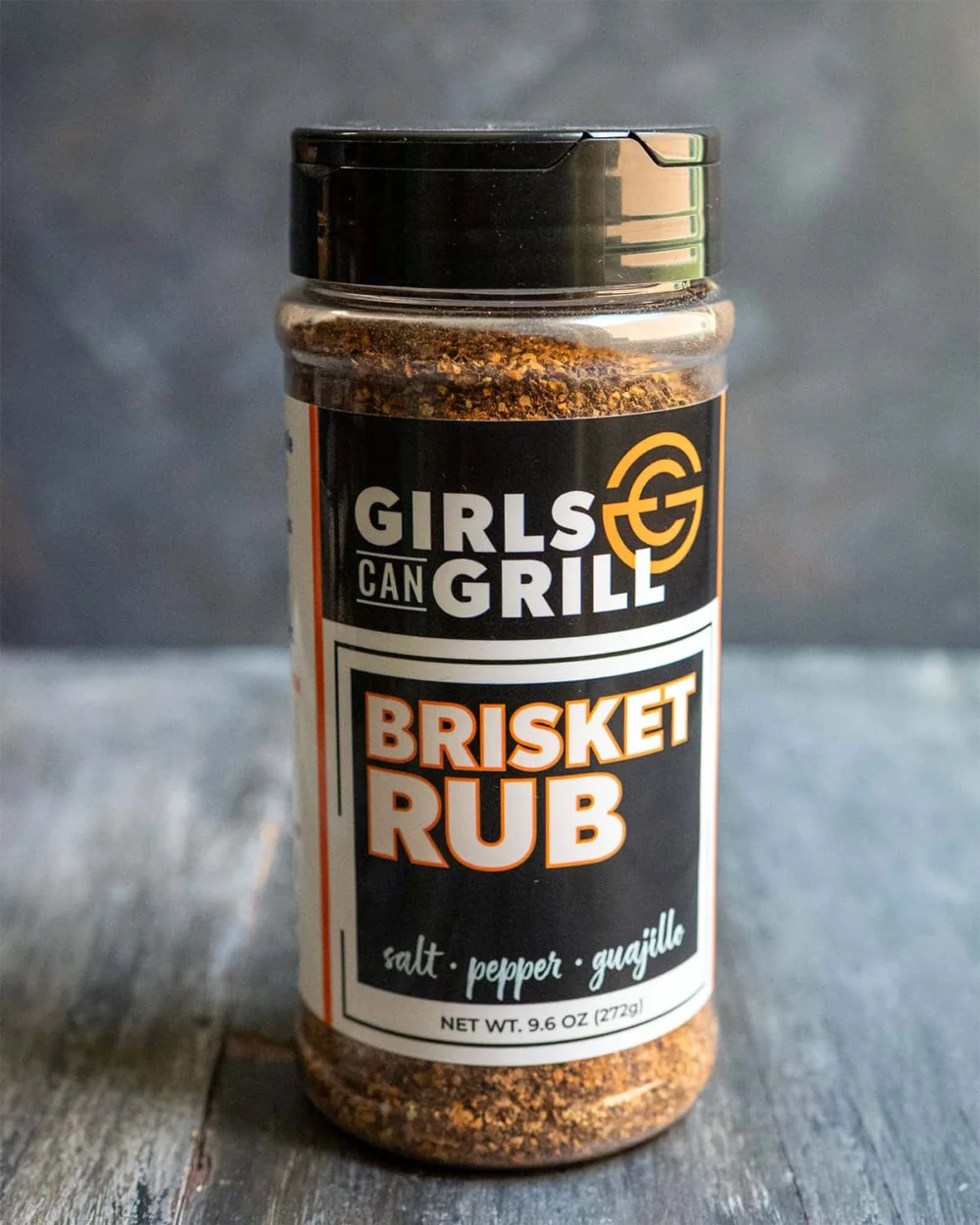
The meat is then generously coated with a pastrami rub. While the specific ingredients of this rub are not detailed in the introductory description, pastrami rubs typically feature a robust blend of black pepper, coriander, garlic powder, and other aromatic spices, often with a touch of sweetness. This layer of seasoning provides the signature crust and complex flavor profile associated with pastrami.
A unique and critical step in this recipe is the uncovered refrigeration of the seasoned tri-tip for an additional day. This period allows the exterior of the meat to dry out further, creating a pellicle. This dried surface acts as a crucial barrier during the cooking process, helping to retain moisture within the meat and contributing to a superior crust. This drying phase, often overlooked in simpler grilling recipes, is a hallmark of traditional charcuterie and plays a significant role in the final texture and flavor development of the pastrami tri-tip.

The Fiery Finish: Hot Grilling for Perfection
The climax of this culinary endeavor is the hot grilling process, a stark contrast to the slow, low smoking often associated with pastrami. The recipe specifies heating a grill to a medium-hot range, approximately 350-375°F (175-190°C), with a direct heat zone established. This controlled high heat is key to achieving the desired texture and flavor profile for the tri-tip.
The seasoned tri-tip is placed directly over the heat source. The goal is to cook the meat to an internal temperature of 135°F (57°C), indicating a perfect medium-rare to medium doneness. This precise temperature is achieved rapidly due to the tri-tip’s size and the direct heat. To ensure even cooking and the development of a beautiful crust on all sides, the tri-tip is flipped every five to seven minutes. This frequent turning prevents any one side from overcooking while ensuring the entire cut benefits from the direct heat.
Simultaneously, a basting liquid is prepared. This liquid, typically a simple yet effective combination of oil, red wine vinegar, garlic, and salt, is heated in a small pot, often placed on the grill itself to maintain its temperature. The basting liquid is applied to the tri-tip every time it is flipped. This process serves multiple purposes: it adds moisture, introduces additional layers of flavor, and helps to create a glossy, appealing finish on the exterior of the meat. The acidity of the vinegar can also contribute to tenderizing the meat further, while the oil helps carry the flavors and creates a desirable sear.

Serving and Storage: Savoring the Smoky Delight
Once the pastrami tri-tip reaches its target internal temperature of 135°F (57°C), it is removed from the grill. A crucial resting period of 10-15 minutes follows. This allows the juices within the meat to redistribute, ensuring a moist and tender final product. Cutting the meat too soon would result in a loss of these precious juices, leading to a drier texture.
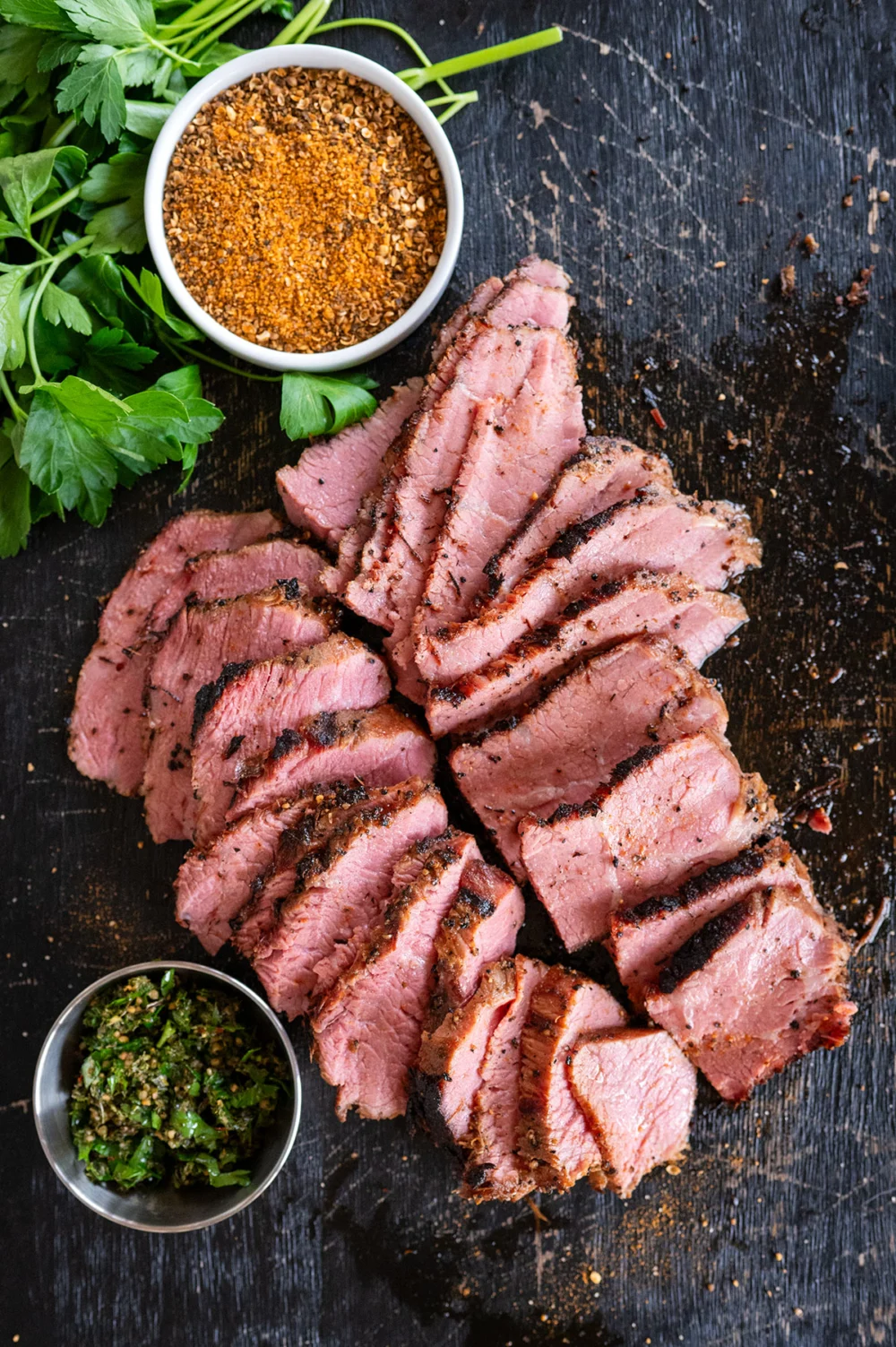
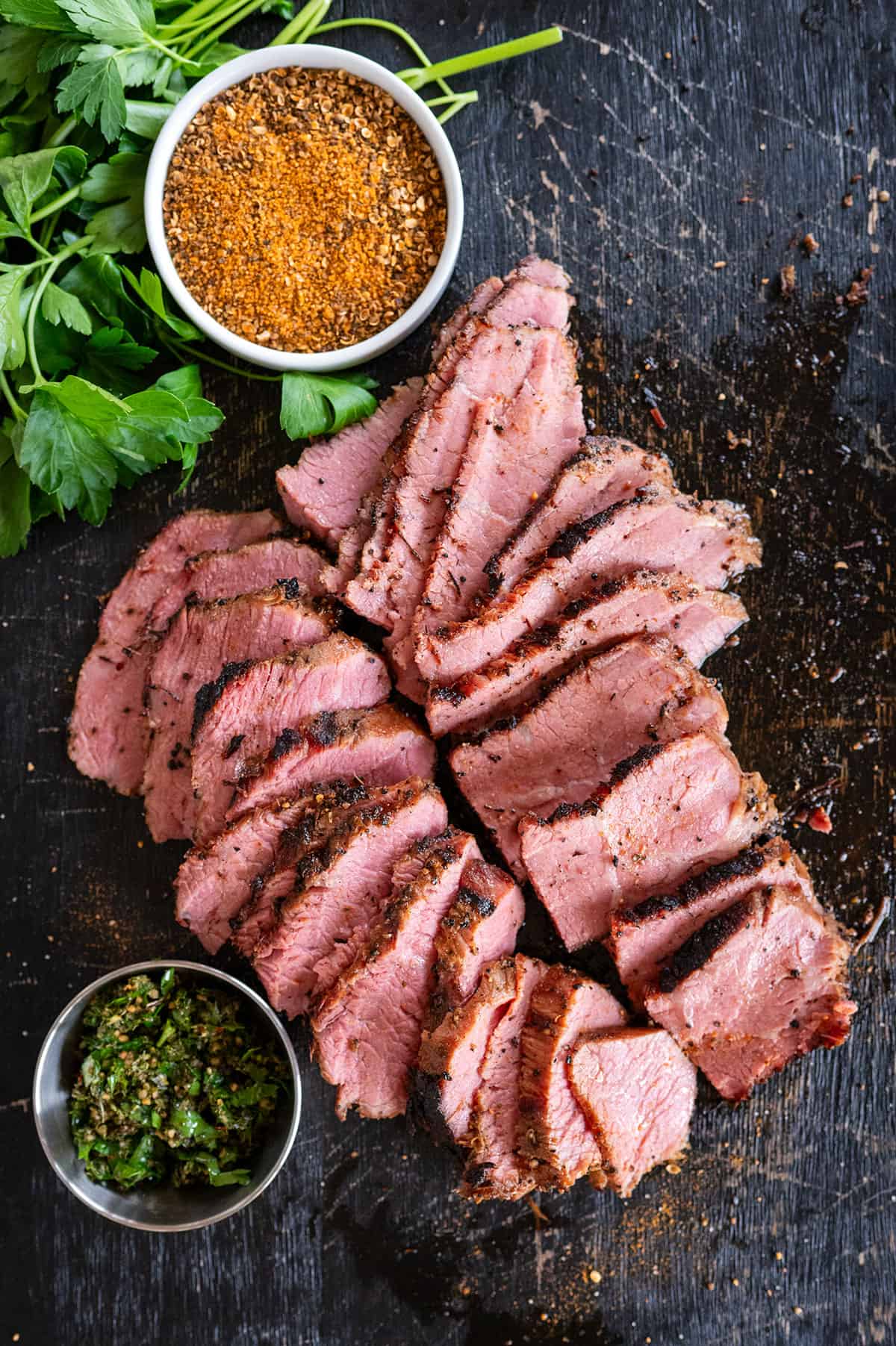
After resting, the tri-tip is sliced against the grain. This technique is paramount for achieving maximum tenderness, as it shortens the muscle fibers, making them easier to chew. The resulting slices are expected to be tender, smoky, and imbued with the complex flavors of the brine and rub.
The versatility of this pastrami tri-tip is a significant aspect of its appeal. It can be enjoyed as a standalone protein, accompanied by classic barbecue sides such as potato salad and coleslaw, offering a sophisticated yet comforting meal. Alternatively, it excels as the star of a sandwich, piled high on slices of bread or served on hearty buns, creating a flavorful and satisfying handheld experience.

For storage, any leftover pastrami tri-tip can be kept in an airtight container in the refrigerator for up to a week. For longer preservation, it can be frozen for several months. Whether enjoyed cold or reheated, the rich flavor profile is designed to endure. Reheating can be accomplished efficiently in a microwave or by gently warming it in a skillet.
Nutritional Insights and Culinary Community Engagement
The recipe provides a detailed nutritional breakdown, indicating approximately 322 calories, 1 gram of carbohydrates, 31 grams of protein, and 21 grams of fat per serving. This information, automatically calculated, serves as an approximation for consumers to understand the general nutritional impact of the dish. Key micronutrients like sodium (97mg), potassium (495mg), and iron (2mg) are also listed, offering a more complete dietary picture.
The culinary platform encourages engagement from its community, urging users to rate the recipe, leave comments, and save it for future use. It also promotes social sharing, inviting users to tag the @girlscangrill handle on social media platforms to showcase their results. This community-driven approach fosters a sense of shared culinary exploration and provides valuable feedback for recipe refinement.

Frequently Asked Questions and Pro Pitmaster Insights
The accompanying frequently asked questions section addresses common queries related to pastrami preparation. It clarifies that while brisket and beef navel are traditional, tri-tip is a viable alternative. The optimal brining time for tri-tip is stated as 5-7 days, emphasizing the importance of adequate curing. A distinction is also made between picanha and tri-tip, noting that while both are sirloin cuts, they are distinct.
The "GCG Pro Pitmaster Tips" section, though not detailed in the provided snippet, likely offers advanced techniques and insights from experienced grillers, further enhancing the recipe’s value for enthusiasts. These tips could potentially cover nuances of grill temperature control, wood selection for smoking (if an option is provided), or advanced slicing techniques.
Broader Implications and Culinary Trends
The popularity of pastrami, traditionally a deli staple, has seen a resurgence in home cooking and barbecue circles. This recipe for pastrami tri-tip reflects a broader trend of adapting classic techniques to more accessible or underutilized cuts of meat. It underscores the growing interest in artisanal food preparation and the desire for complex, flavorful results achieved through patient, deliberate cooking methods. The combination of a long brine and a relatively quick hot grill represents an innovative approach that balances tradition with modern culinary efficiency. This method not only democratizes the creation of pastrami-like flavors but also highlights the culinary potential inherent in cuts like the tri-tip, encouraging a more adventurous approach to beef preparation.