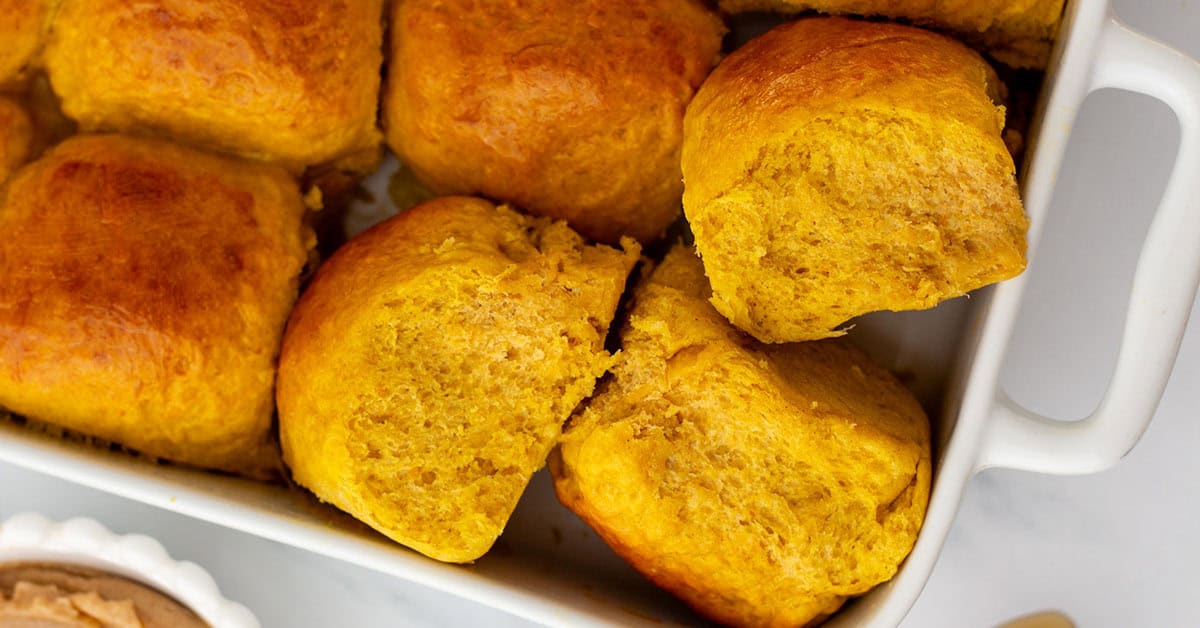
As the autumn season transitions into the peak of the culinary harvest, the demand for seasonal produce has driven a resurgence in traditional home-baking techniques, specifically focusing on the versatile application of the North American pumpkin. These fluffy pumpkin dinner rolls represent a sophisticated intersection of traditional bread-making and contemporary seasonal flavor profiles, offering a product that serves as both a savory accompaniment to roasted meats and a sweet standalone treat when paired with specialized condiments such as cinnamon-infused honey butter.
The Evolution of Pumpkin in Contemporary Gastronomy
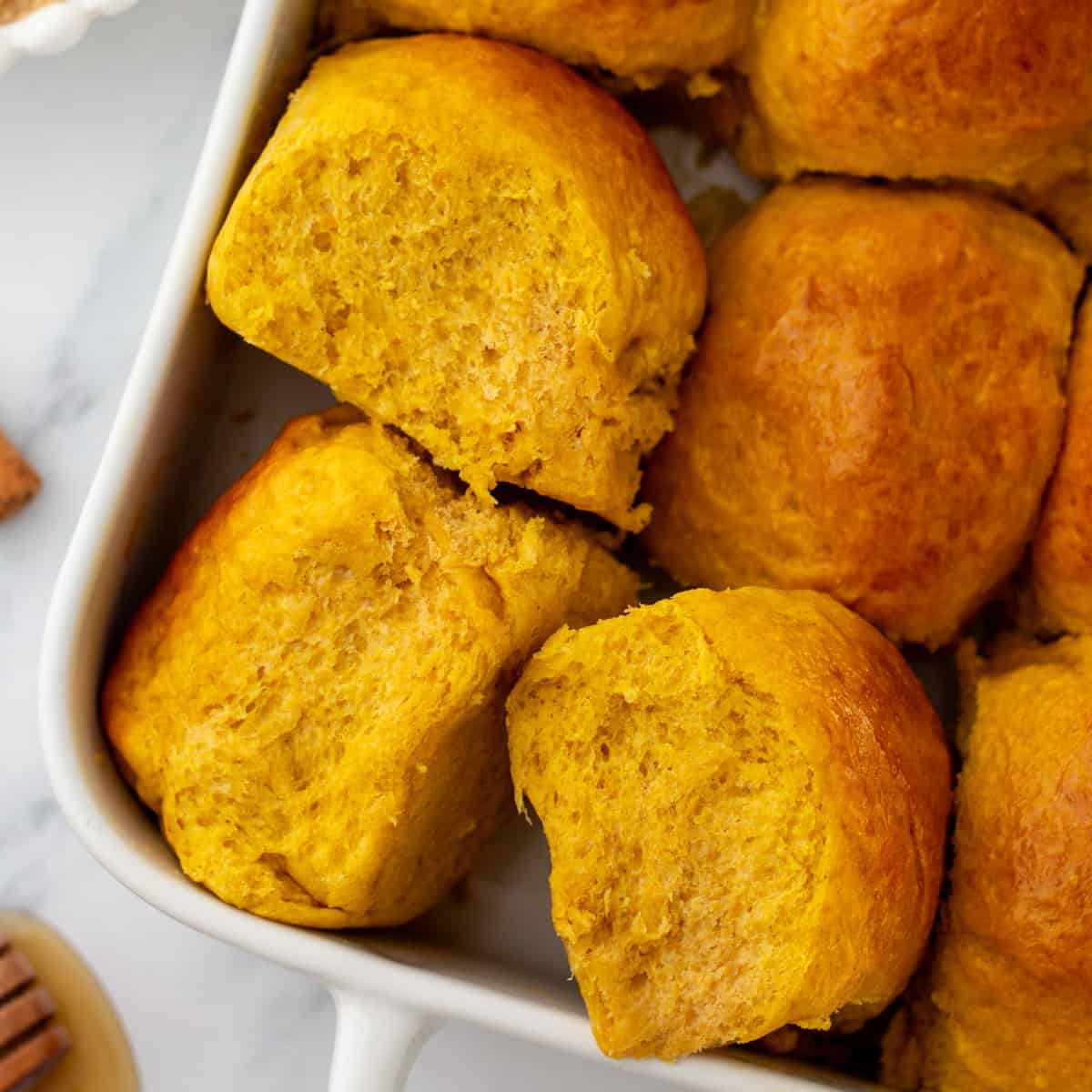
Historically associated primarily with dessert applications—most notably the traditional pumpkin pie—the pumpkin (Cucurbita pepo) has undergone a significant culinary re-evaluation over the last decade. Market data indicates that the "pumpkin spice" economy has expanded into a multi-billion dollar industry, yet there is a growing consumer movement toward "from-scratch" preparation that utilizes the actual fruit rather than synthetic flavorings. The earthy, slightly sweet notes of pumpkin puree provide a unique moisture profile to yeast-based doughs, resulting in a crumb that is notably softer and more resilient than standard wheat-based rolls.
Culinary experts note that the inclusion of pumpkin in bread dough serves a dual purpose. Beyond the obvious aesthetic appeal of the vibrant orange hue, the high beta-carotene and fiber content of the pumpkin puree act as a natural dough conditioner. This allows the rolls to maintain their "fluffy" texture for a longer duration compared to traditional white rolls, which tend to stale rapidly.
Technical Specifications and Ingredient Analysis
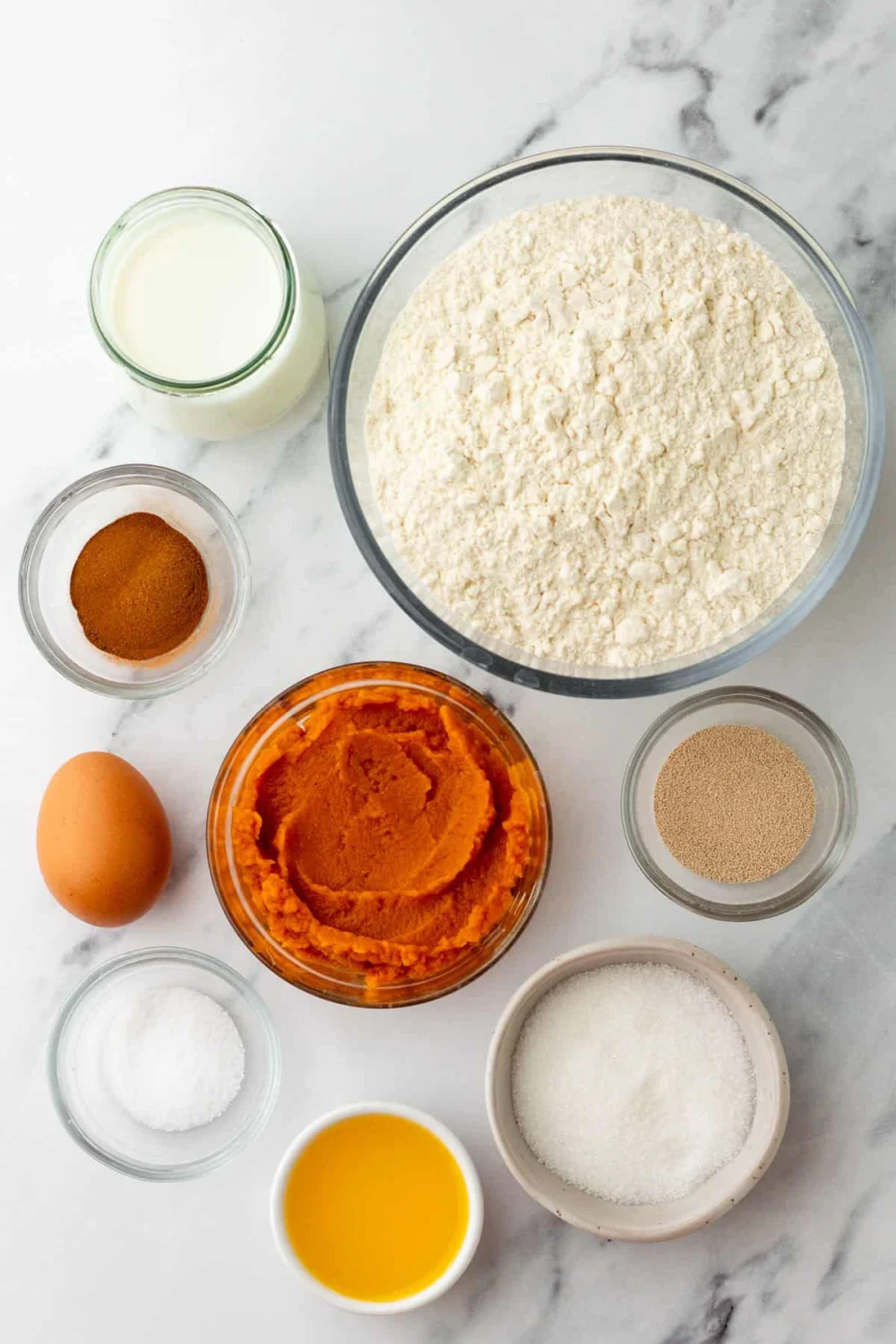
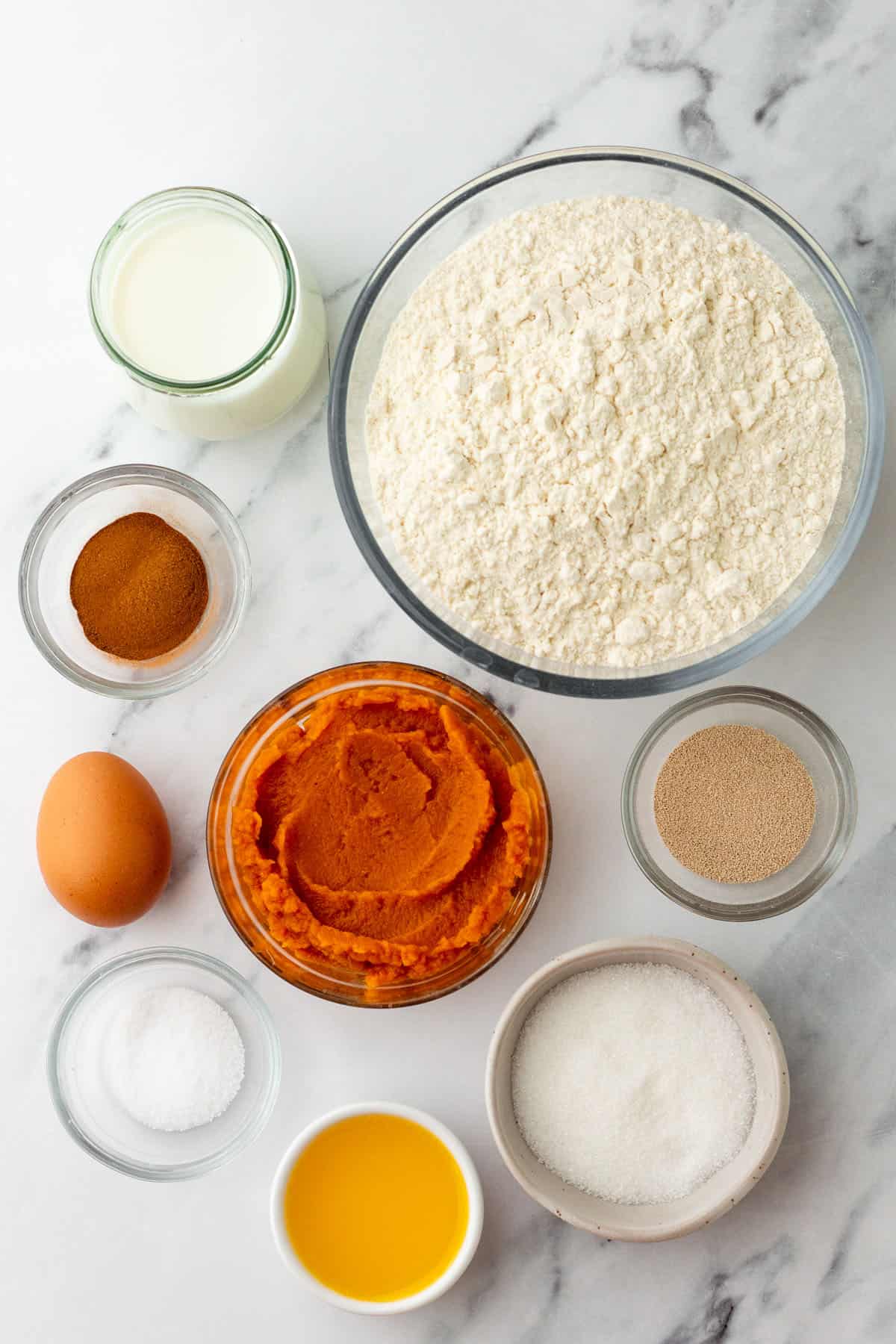
The production of high-quality pumpkin dinner rolls requires a precise balance of hydration, leavening agents, and enrichment ingredients. To achieve the desired structural integrity and flavor, the following components are essential:
The Leavening System
The process utilizes active dry yeast, a living organism (Saccharomyces cerevisiae) that requires specific thermal conditions to activate. For optimal results, the base liquid—typically whole milk—must be heated to approximately 110°F (45°C). Temperatures exceeding 120°F risk denaturing the yeast proteins, while temperatures below 100°F may result in sluggish fermentation. The inclusion of granulated sugar serves as the primary fuel for the yeast, accelerating the production of carbon dioxide which creates the essential air pockets within the gluten structure.
The Enrichment Phase
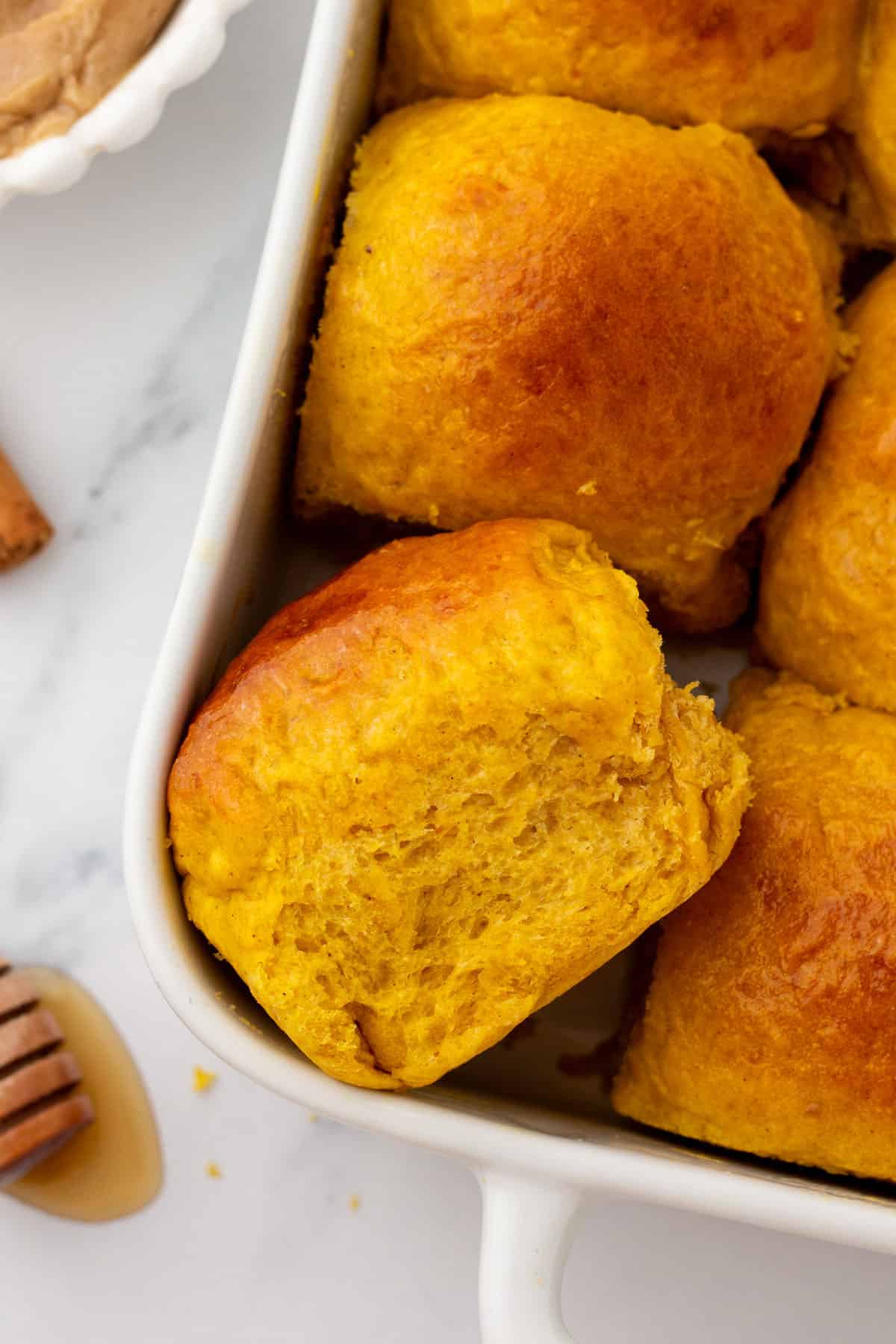
Unlike lean doughs (such as baguettes), these rolls are categorized as "enriched" due to the inclusion of fats and sugars. Pumpkin puree, whether sourced from high-quality canned varieties or processed from roasted sugar pumpkins, introduces complex carbohydrates and moisture. Unsalted butter and eggs provide the lipid content necessary to coat gluten strands, resulting in a "short" crumb that is tender to the bite.
The Structural Base
All-purpose flour, preferably organic to ensure the absence of bleaching agents that can interfere with yeast activity, provides the protein (glutenin and gliadin) necessary for structure. Depending on the moisture content of the specific pumpkin harvest, the flour-to-liquid ratio must be adjusted dynamically during the kneading process to achieve a dough that is smooth and elastic rather than tacky.
Chronology of Production: A Step-by-Step Culinary Timeline
The manufacturing of these rolls follows a rigorous five-stage chronological process, requiring approximately two hours and 45 minutes from inception to completion.
Phase I: Activation and Integration (0:00 – 0:15)
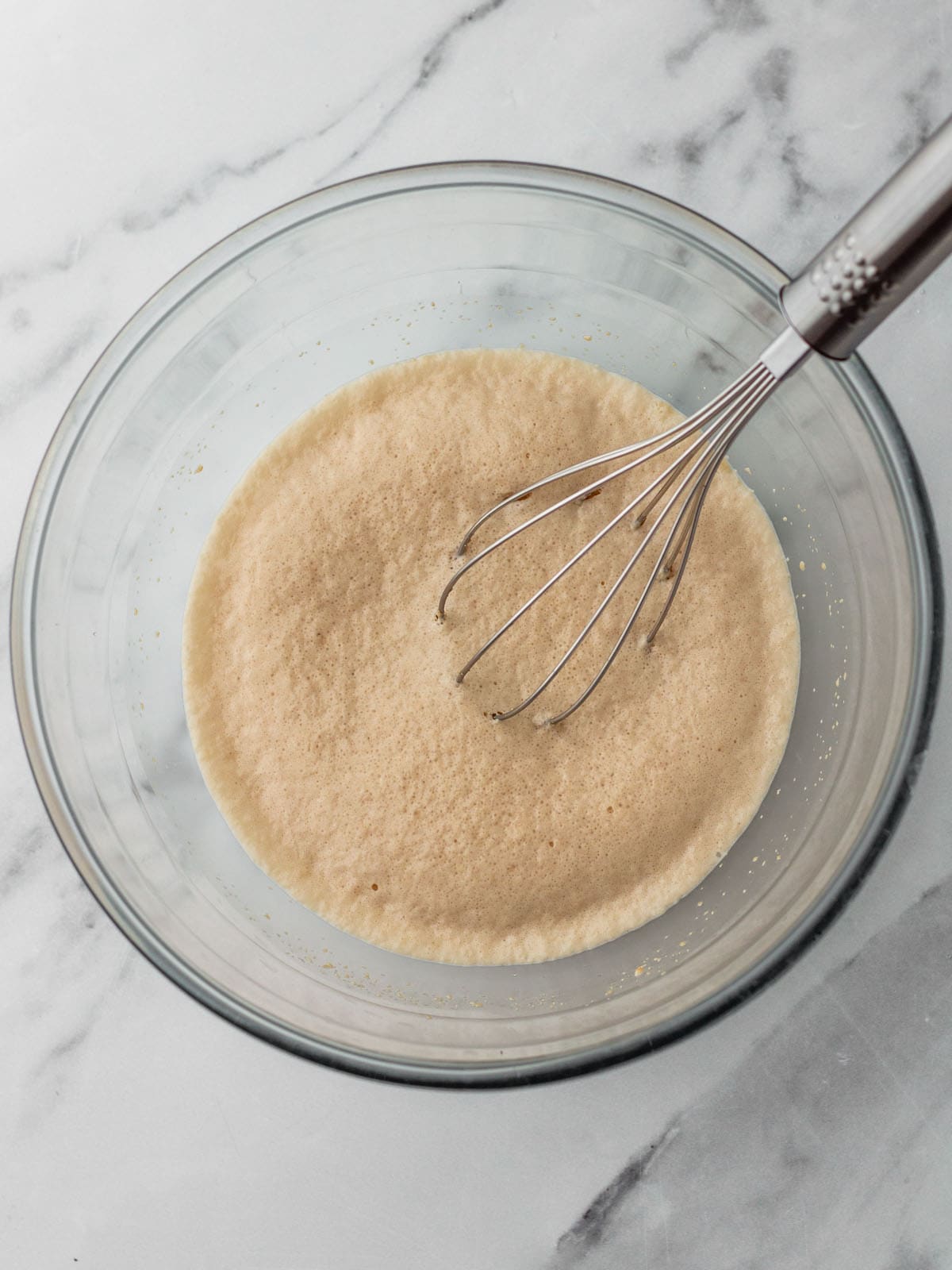
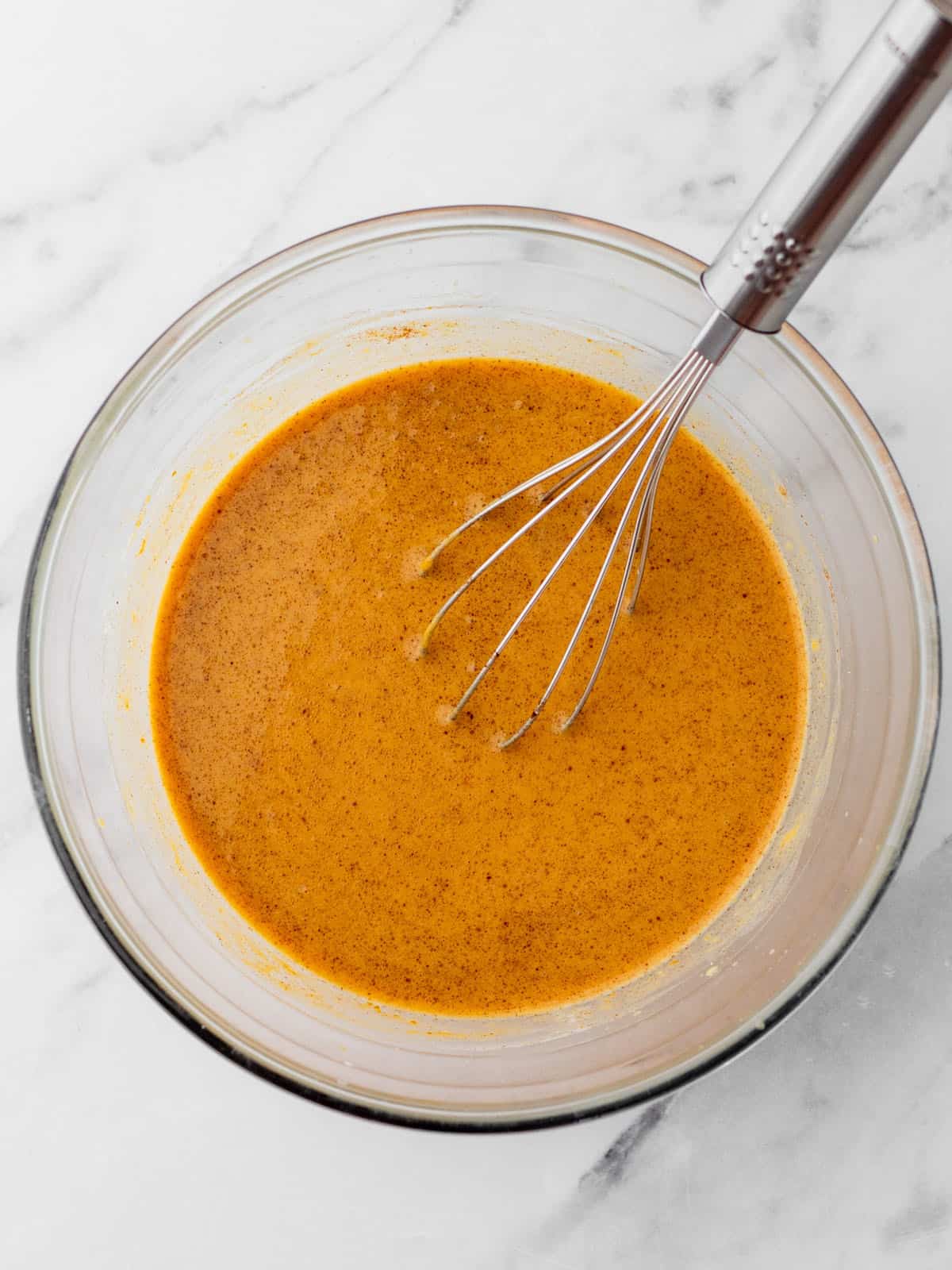
The process begins with "blooming" the yeast. Warm milk, yeast, and a portion of the sugar are combined and left to sit for five minutes. The appearance of a frothy, bubbly surface confirms the viability of the yeast. Once confirmed, the pumpkin puree, melted butter, salt, and optional cinnamon are integrated into the mixture.
Phase II: Gluten Development and Primary Fermentation (0:15 – 1:30)
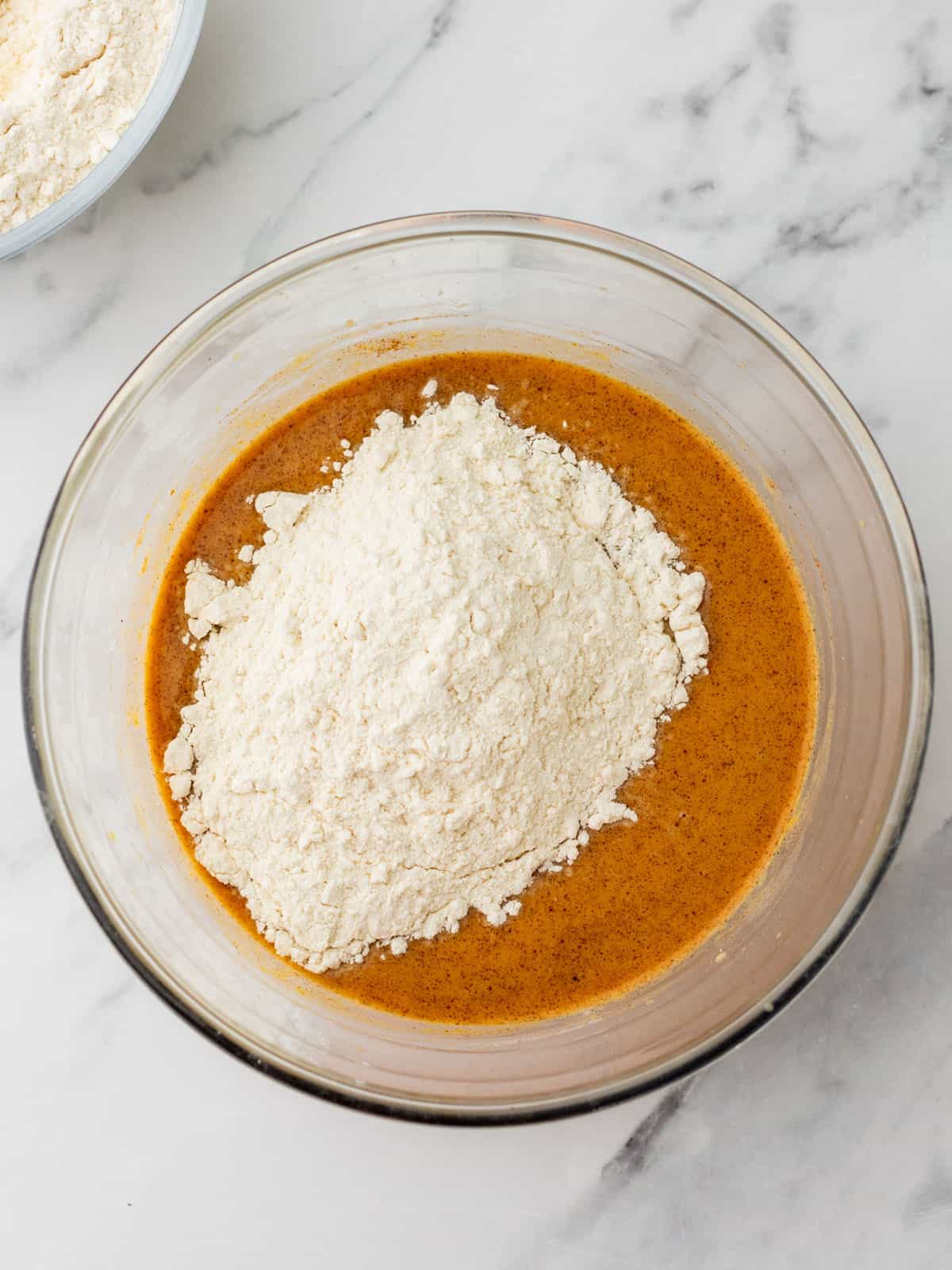
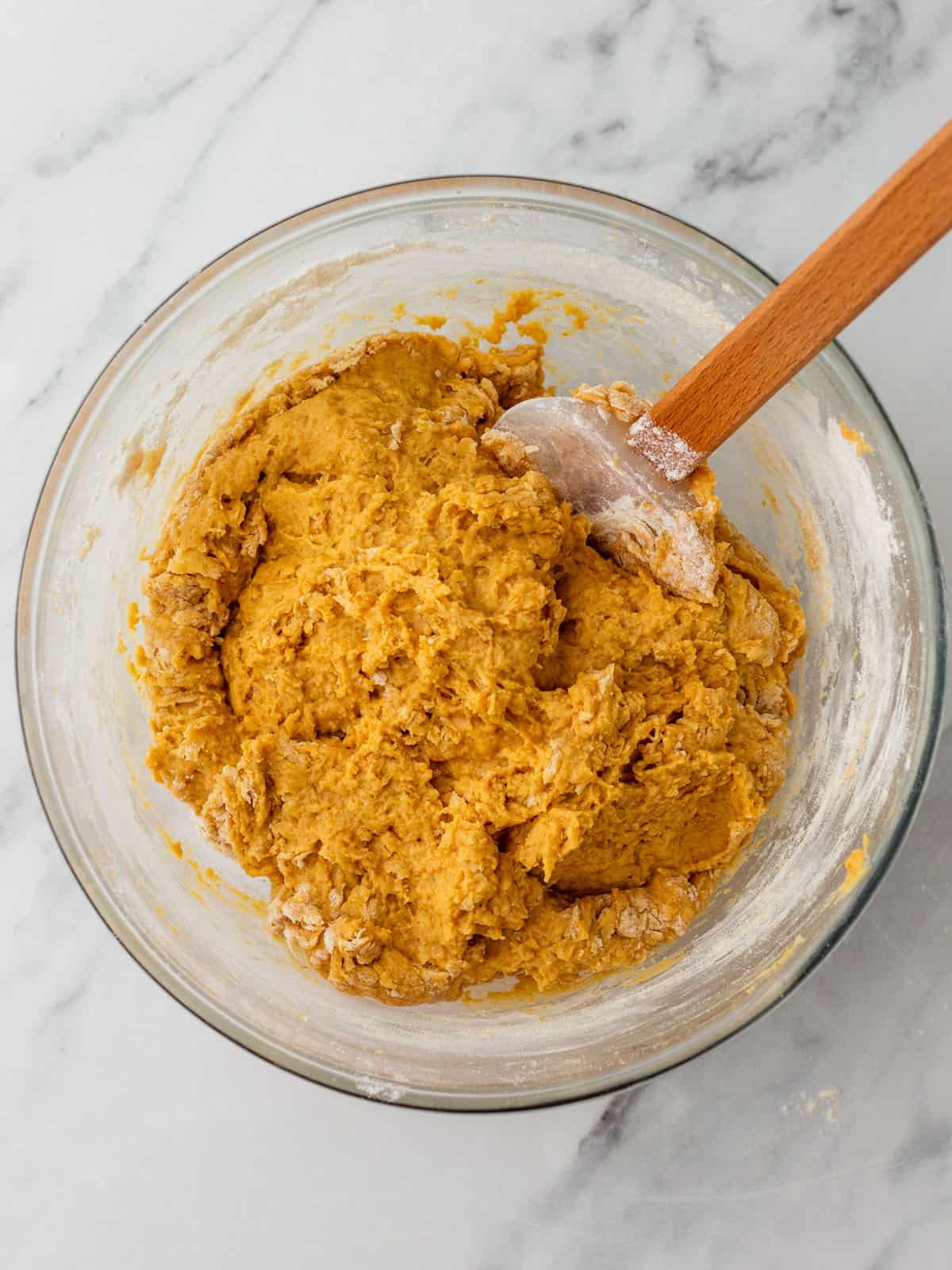
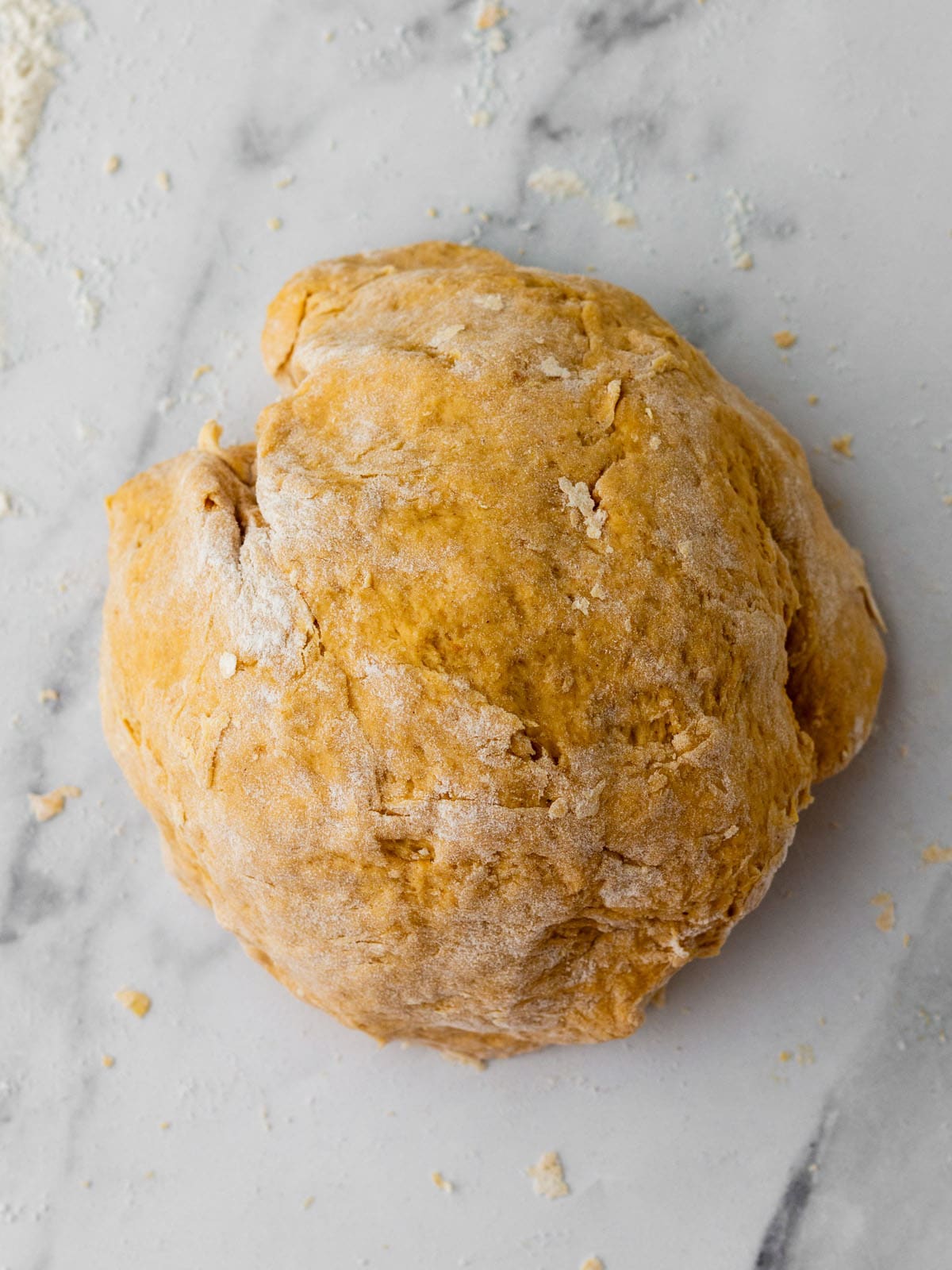
Flour is added incrementally. The dough then undergoes a mechanical or manual kneading process for 8 to 10 minutes. This physical manipulation aligns the gluten proteins, creating a matrix capable of trapping gas. The dough is then placed in a greased environment and allowed to undergo "bulk fermentation" in a draft-free area at roughly 75°F to 80°F until it has doubled in volume.
Phase III: Shaping and Secondary Proofing (1:30 – 2:15)
Following the first rise, the dough is "punched down" to release excess carbon dioxide and redistributed yeast cells. It is divided into 12 equal portions, each shaped into a tight sphere to ensure uniform baking. These spheres undergo a second proofing stage, lasting 30 to 45 minutes, which restores the air lost during shaping.
Phase IV: Thermal Processing (2:15 – 2:35)
The oven is preheated to 375°F (190°C). An egg wash is applied to the surface of each roll to facilitate the Maillard reaction, ensuring a deep golden-brown finish. The rolls are baked for 15 to 20 minutes. A successful bake is indicated by a hollow sound when the base of the roll is tapped, signifying that the internal moisture has reached the correct equilibrium.
Phase V: Final Enrichment (2:35 – 2:45)
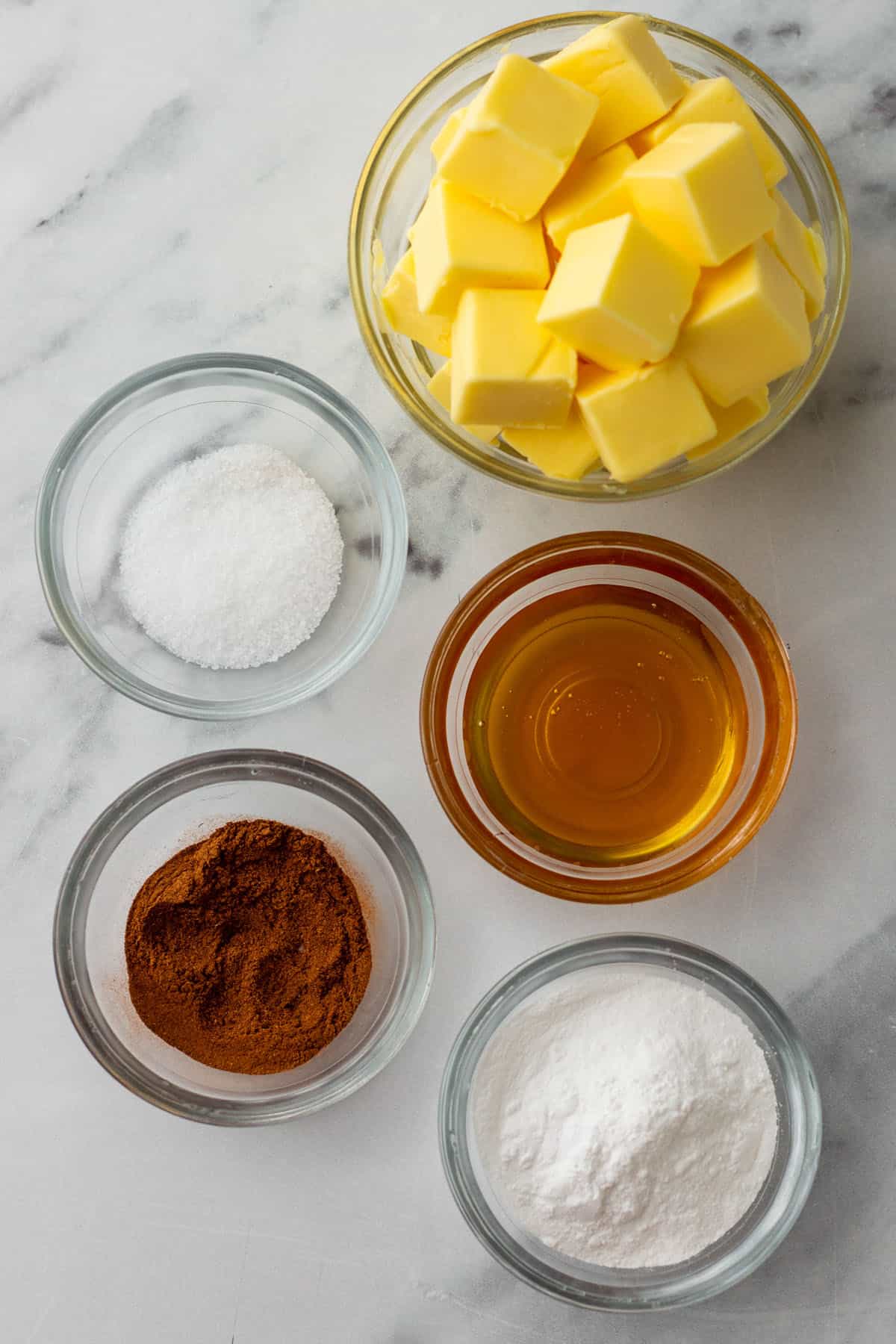
While the rolls undergo a brief cooling period, the cinnamon butter accompaniment is prepared. This involves emulsifying softened unsalted butter with powdered sugar, raw honey, and ground cinnamon. The result is a compound butter that enhances the natural sweetness of the pumpkin while providing a creamy contrast to the warm bread.
Supporting Data and Nutritional Context
From a nutritional perspective, pumpkin dinner rolls offer a superior profile to standard commercial rolls. A single serving (one roll) contains approximately 203 calories. However, the inclusion of pumpkin increases the Vitamin A content significantly, often providing over 10% of the recommended daily intake in a single serving.
Market analysis from the American Bakers Association suggests that "seasonal specialty breads" have seen a 12% year-over-year increase in consumer interest. This is attributed to the "holiday effect," where consumers prioritize high-quality, aesthetically pleasing side dishes for communal meals such as Thanksgiving and Christmas.
Industry Implications and Versatility
The versatility of this specific recipe allows for various industrial and home-based modifications.
Automation and Scalability
For those utilizing modern kitchen technology, the recipe is fully compatible with bread machine "dough settings." This automation handles the kneading and primary fermentation stages, ensuring consistent results while reducing manual labor. This is particularly relevant for small-scale catering operations that require high-volume production with limited staff.
Make-Ahead and Preservation Strategies
In response to the logistical pressures of holiday meal planning, the "retarded fermentation" technique can be applied. After the initial shaping, the rolls can be refrigerated overnight. This cold fermentation not only adds convenience but also develops a more complex flavor profile as the yeast works more slowly on the starches.
Furthermore, the rolls exhibit excellent freezing characteristics. Baked rolls can be frozen for up to two months without significant degradation of texture, provided they are stored in airtight, moisture-vapor-resistant packaging. This allows for bulk production in advance of peak seasonal demand.
Broader Impact and Conclusion
The rise of the pumpkin dinner roll as a staple of the autumn table reflects a broader shift in consumer behavior toward "functional seasonalism." Consumers are no longer satisfied with mere flavorings; they demand the inclusion of whole-food ingredients that provide both flavor and nutritional value.
By bridging the gap between the sweet and the savory, these rolls serve as a culinary "chameleon." They are equally at home alongside a savory turkey stew as they are served with tea and honey in the afternoon. As the culinary industry continues to emphasize regional and seasonal ingredients, the pumpkin dinner roll stands as a testament to the enduring appeal of traditional fermentation and the innovative use of the autumn harvest. The success of such recipes underscores a vital trend in modern food science: the return to slow, methodical preparation as a means of achieving superior quality in an increasingly fast-paced food economy.