Each summer, as the bounty of the harvest season reaches its peak, a recurring phenomenon often sparks concern among both novice and experienced home canners: the discovery of jars sealed with a noticeable sticky residue on their exterior. This common occurrence, frequently observed during the preservation of fruits such as peaches, pears, and berries, prompts a flurry of inquiries regarding the safety and longevity of the preserved goods. While the sight of sticky jars might initially trigger apprehension, food preservation experts confirm that, in most instances, this is an entirely normal and predictable outcome of the canning process, known scientifically as siphoning. Understanding the mechanisms behind this phenomenon is crucial for ensuring the continued safety and quality of home-canned produce.
The fundamental process of canning involves heating food in sealed jars to a temperature sufficient to destroy spoilage microorganisms and inactivate enzymes, followed by cooling to create a vacuum seal. When raw or lightly cooked fruit is packed into jars, it contains a significant amount of entrapped air within its cellular structure. During the thermal processing in a water bath or pressure canner, this air expands due to the heat. As the temperature inside the jar rises, the internal pressure increases. For a proper seal to form, air must be able to escape the jar. This is why canning rings are advised to be tightened only to "fingertip tight" – snug enough to hold the lid in place but loose enough to allow air to vent.
The Science of Siphoning: Pressure Dynamics and Air Expulsion
Siphoning, in the context of canning, refers to the expulsion of liquid from a jar during or immediately after the processing period. This process is directly linked to the escape of air from the fruit and the jar. As the internal air expands and seeks an exit path, it often pushes some of the surrounding canning liquid—be it syrup, juice, or water—out from under the lid. This liquid then dries on the exterior of the jar, leaving the characteristic sticky film.

The physics at play are straightforward:
- Air Expansion: Heating the jar contents causes the air trapped in the fruit cells and headspace to expand.
- Pressure Differential: The expanding air creates higher pressure inside the jar compared to the pressure outside the jar.
- Venting: To equalize this pressure, air escapes through the slight gap between the lid and the jar rim, facilitated by the "fingertip tight" ring.
- Liquid Entrainment: As air bubbles rise and exit, they can carry small amounts of the surrounding liquid with them.
- Post-Processing Siphoning: Siphoning can continue even after jars are removed from the canner, particularly if they are subjected to rapid temperature changes. A sudden drop in external temperature can cause the internal pressure to decrease rapidly, creating a vacuum that pulls residual liquid out as the jar cools and seals. This often results in a more pronounced sticky residue.
It is estimated that a significant percentage of home canners, particularly those new to the craft or working with high-air-content fruits like peaches, will encounter siphoning at some point. Data from canning forums and extension office inquiries consistently show a seasonal spike in questions about sticky jars during peak fruit harvest times, typically late summer and early fall. This widespread experience underscores the normalcy of the phenomenon.
Distinguishing Safe Siphoning from Compromised Seals
The critical distinction for home canners lies in differentiating between normal siphoning and a compromised seal. If jars are sticky but have formed a strong, concave seal (the lid is pulled down in the center and does not flex when pressed), the contents are generally considered safe for storage. The stickiness is merely an aesthetic and external issue. The primary concern arises if, despite the stickiness, the jar has failed to seal or if the seal appears weak or damaged. A proper seal is paramount for preventing microbial contamination and ensuring long-term preservation.
If a jar has lost a significant amount of liquid but still sealed, its safety is not compromised, assuming the processing time was adequate and the seal is robust. However, the quality of the product may be affected. Fruit that is no longer fully submerged in liquid can experience discoloration, texture changes, or oxidative browning over time due to exposure to residual air. While this does not necessarily indicate spoilage, it can diminish the appeal and nutritional value of the uppermost pieces of fruit.

A Brief History and Resurgence of Home Canning
Home food preservation has a rich history, evolving from ancient drying and salting techniques to modern canning. The widespread adoption of canning began in the 19th century, spurred by Napoleon Bonaparte’s search for a method to preserve food for his armies. Nicolas Appert’s work led to the development of "appertization," the precursor to modern canning. In the United States, home canning gained immense popularity during wartime, particularly World War I and II, when "Victory Gardens" and home preservation were vital for national food security. Government agencies, notably the U.S. Department of Agriculture (USDA), developed and disseminated research-based canning guidelines to ensure safety and prevent widespread foodborne illness.
In recent decades, home canning has experienced a significant resurgence. Driven by growing interest in local food movements, organic produce, self-sufficiency, and a desire to reduce food waste, more households are embracing the practice. The COVID-19 pandemic further amplified this trend, as supply chain disruptions and increased time at home led many to explore traditional skills. This renewed interest brings with it a fresh wave of canners eager to learn best practices, and thus, a greater need for clear, accessible information on common canning occurrences like siphoning.
Best Practices for Prevention: Minimizing Liquid Loss
While siphoning is often unavoidable, several techniques can significantly reduce the likelihood and extent of liquid loss, enhancing both the appearance and quality of home-canned goods. These methods focus on minimizing trapped air and ensuring a more stable environment during processing and cooling.

-
Embrace Hot Packing: One of the most effective strategies to prevent siphoning is to hot pack rather than cold pack fruit.
- Cold Packing (Raw Packing): Involves placing raw, unprepared fruit directly into jars and then covering it with hot syrup, juice, or water. This method traps more air within the fruit’s cellular structure and between the fruit pieces. During processing, this abundant trapped air expands vigorously, increasing the likelihood of siphoning.
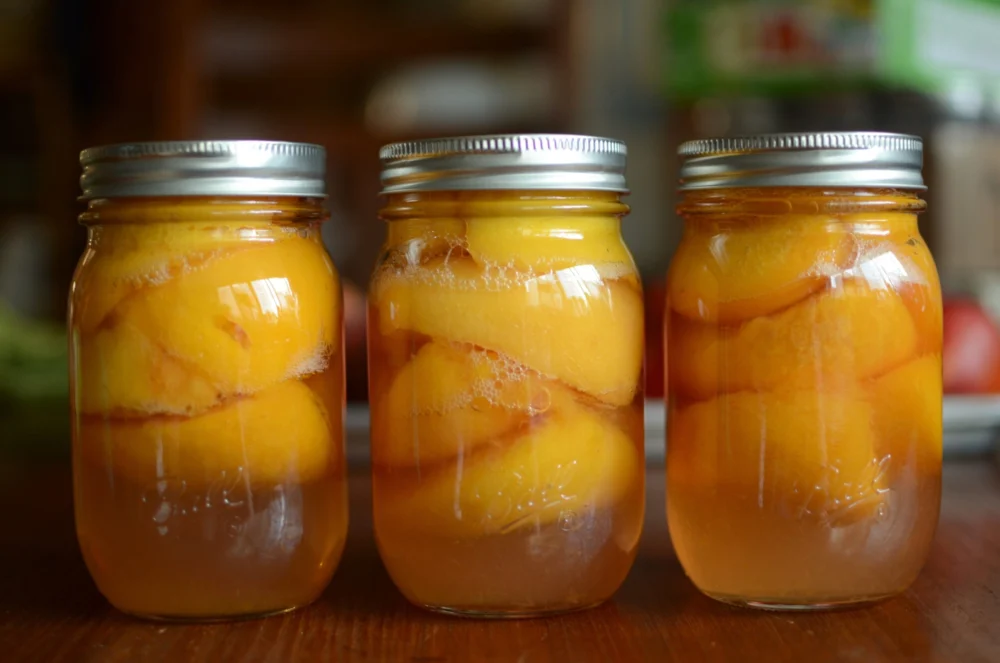
- Hot Packing: Involves briefly heating the fruit in the canning liquid (syrup, juice, or water) before transferring it to jars. For example, peaches would be peeled, pitted, and then simmered for a few minutes in a hot syrup. This short pre-cooking step serves several crucial purposes:
- Removes Trapped Air: The heat causes the fruit to release a significant portion of its internal air before it even enters the canning jar. This pre-shrinking reduces the amount of air that needs to escape during the final processing, thus minimizing siphoning.
- Increases Pack Density: Pre-heating fruit often makes it more pliable, allowing canners to fit more fruit into each jar. This results in a denser, more satisfying pack and less empty space for air to accumulate.
- Minimizes Floating: Hot packing also helps prevent fruit from floating to the top of the jar, which can expose it to air and lead to discoloration.
- The National Center for Home Food Preservation (NCHFP), the leading authority on research-based home canning methods in the U.S., consistently recommends hot packing for most fruits where liquid loss is a concern.
-
Controlled Cooling After Processing: Rapid temperature changes are a significant trigger for siphoning. Once the prescribed processing time is complete:
- Turn Off Heat: For water bath canners, turn off the heat source. For electric stoves, consider carefully sliding the canner off the hot burner.
- Remove Lid: Carefully remove the canner lid, directing steam away from your face.
- Allow to Rest: Let the jars remain in the hot water for 5-10 minutes. This gradual cooling period allows the internal pressure within the jars to equalize more slowly with the external environment, reducing the abrupt expulsion of liquid. If, after 5-10 minutes, you still observe active bubbling or liquid expulsion from a jar, you can extend the resting period by another 5 minutes, though typically 10 minutes is sufficient. This controlled cooling is a simple yet effective step to mitigate siphoning.
-
Accurate Headspace: Maintaining the correct headspace (the empty space between the food surface and the rim of the jar) is vital. Too little headspace can lead to liquid boiling out during processing, resembling siphoning, while too much headspace can hinder proper vacuum formation and lead to discoloration of food at the top. Most fruit canning recipes call for 1/2 inch of headspace. Following specific recipe guidelines for headspace is critical for optimal results and safety.
-
Proper Ring Tightness: As previously mentioned, canning rings should be tightened "fingertip tight"—just snug enough to prevent the lid from shifting, but not overly tight. Overtightening can prevent air from escaping, potentially causing jars to buckle or seals to fail.
Post-Canning Protocol: Cleaning and Storage
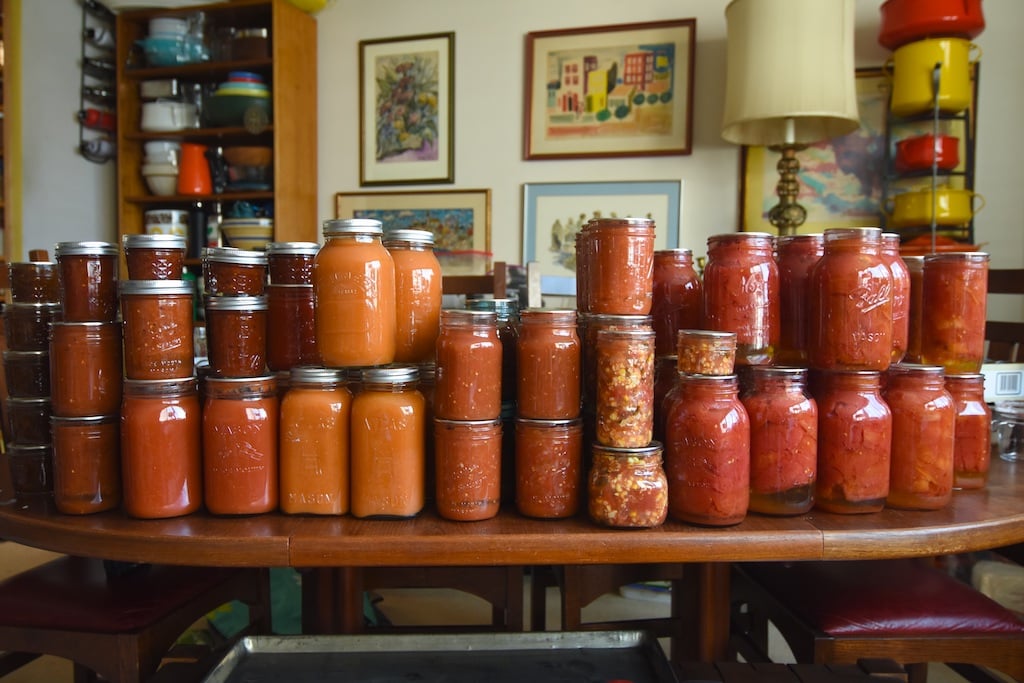
Once jars have cooled completely (typically 12-24 hours) and strong seals have formed, it’s time for post-processing care.
- Remove Rings: Carefully remove the metal screw bands (rings). These rings are only necessary during processing to hold the lids in place; leaving them on during storage can trap moisture, leading to rust and potentially compromising the seal.
- Wash Jars: Gently wash the sealed jars in warm, soapy water to remove any sticky residue from siphoning. This not only improves aesthetics but also prevents the residue from attracting pests or becoming a breeding ground for mold.
- Inspect Seals: Before storing, re-inspect each jar to confirm the seal is still firm and concave.
- Label and Store: Label jars with the contents and date of canning. Store them in a cool, dark, dry place, away from direct sunlight or extreme temperature fluctuations.
For jars that experienced significant liquid loss but still sealed, it is advisable to prioritize their consumption. While safe, the reduced liquid level may impact the quality of the fruit over extended storage periods. If the top layer of fruit shows signs of discoloration or changes in texture due to air exposure, discard only the affected portion before consuming the remainder. The integrity of the seal, not the amount of liquid loss, is the primary indicator of safety.
Expert Recommendations and Broader Implications
Food preservation experts, including Master Food Preservers and extension educators, consistently reiterate that sticky jars resulting from siphoning are a common and largely benign issue when seals are intact. Their guidance emphasizes adherence to USDA-approved recipes and methods, proper headspace, and controlled cooling as key preventative measures. The broader implication of understanding siphoning extends beyond individual reassurance; it empowers home canners with knowledge, reducing food waste by preventing unnecessary discarding of safe products and fostering confidence in self-sufficiency. This shared knowledge contributes to a more informed and resilient food community, ensuring that the fruits of labor from summer harvests can be safely enjoyed throughout the year.
In conclusion, the presence of a sticky exterior on a properly sealed jar of home-canned fruit is not typically a cause for alarm. It is a natural consequence of air expulsion during the thermal processing, a phenomenon termed siphoning. By implementing practices such as hot packing, ensuring correct headspace, and allowing for gradual cooling, canners can minimize liquid loss. Ultimately, the integrity of the jar’s seal remains the definitive indicator of safety, allowing home preservers to confidently store and enjoy their delicious, sticky-free, or simply cleaned, preserves.