Cheese consumption patterns vary significantly across the globe, reflecting diverse culinary traditions, economic factors, and evolving dietary preferences. Data indicates that Australians consume an average of 13.6 kg of cheese per person annually, while Americans devour 16.73 kg each year. Leading the pack among these examples, the Danish population averages a remarkable 28.1 kg per person annually, highlighting a particularly strong cultural affinity for dairy products. These figures, while illustrating national preferences, are merely snapshots of a vibrant and expanding global cheese market, which has seen consistent growth driven by increasing demand, product innovation, and the growing integration of cheese into diverse culinary landscapes.
Global Market Dynamics and Consumption Trends
The global cheese market was valued at approximately USD 160 billion in 2022 and is projected to grow at a compound annual growth rate (CAGR) of around 3-4% over the next decade, reaching an estimated USD 230 billion by 2032. This expansion is fueled not only by traditional cheese-loving nations but also by emerging markets where dairy consumption is on the rise. Countries like France, Germany, and the Netherlands consistently rank among the highest per capita consumers, often exceeding 25 kg annually, underscoring cheese’s integral role in European diets and gastronomical heritage. The variations in consumption can be attributed to several factors, including the prevalence of local dairy farming, deeply ingrained historical culinary practices, and differing perceptions of cheese as a dietary component – ranging from a staple protein source to an indulgent treat or a sophisticated ingredient. For dedicated cheese enthusiasts, the growing availability and versatility of cheese mean there is less reason to restrict its presence in meals, with new and exciting applications continually emerging across global cuisines.
Historical Context and Culinary Evolution
The journey of cheese from a rudimentary preservation method to a sophisticated culinary ingredient spans millennia. Originating as early as 8,000 BCE with the domestication of milk-producing animals in regions like the Fertile Crescent, cheese was initially a practical way to store excess milk, preventing spoilage and providing a portable, nutrient-dense food source. Ancient civilizations in the Middle East, North Africa, and Europe developed diverse cheesemaking techniques, leading to the creation of hundreds of varieties. Evidence from ancient Egyptian tombs and Mesopotamian texts points to established cheesemaking practices. The Roman Empire, in particular, played a crucial role in popularizing cheese throughout its vast territories, incorporating it into daily meals, banquets, and even developing specialized cheesemaking tools and designated cheese markets. Roman legionaries carried hard cheeses as part of their rations, demonstrating its importance for sustenance and logistics.

Throughout the medieval period, monasteries became pivotal centers of cheesemaking innovation, refining recipes and techniques that form the basis of many traditional European cheeses we know today. Monastic orders meticulously documented processes, experimented with different milks and aging methods, and contributed significantly to the regional diversity of cheese. The Age of Exploration, starting in the 15th century, further disseminated cheesemaking knowledge and dairy animals across the globe, introducing cheese to new continents and cultures, often adapting to local conditions and palates. In the modern era, particularly from the 19th century onwards, industrialization transformed cheese production, making it more accessible and affordable to a broader populace. Concurrently, the rise of global trade, mass communication, and increased cultural exchange has led to an unprecedented fusion of culinary traditions. Cheese, once primarily associated with European cuisine, has now found its way into an astonishing array of dishes worldwide, demonstrating its remarkable adaptability and universal appeal. This integration is not merely about adding a topping; it involves a thoughtful incorporation that enhances flavor, texture, and nutritional value, bridging cultural divides through gastronomy.
The Nutritional Profile of Cheese
Beyond its undeniable appeal to the palate, cheese offers a complex nutritional profile that contributes to its widespread consumption and perception as a valuable food. It is an excellent source of high-quality protein, essential for muscle repair, growth, and overall bodily function. Furthermore, cheese is exceptionally rich in calcium, a mineral vital for maintaining strong bones and teeth, nerve function, and blood clotting. Many cheese varieties also provide significant amounts of vitamins A and B12, zinc, phosphorus, and riboflavin, all crucial for various metabolic processes and general health.
However, it is also known for its fat content, particularly saturated fat, and sodium. The health implications of cheese consumption have been a subject of extensive research and evolving dietary guidelines. While earlier recommendations often advised limiting all dairy fats, recent studies and a more nuanced understanding of nutrition suggest that fermented dairy products, including many cheeses, may have a neutral or even beneficial effect on cardiovascular health for some individuals, possibly due to the unique matrix of nutrients and bioactive compounds present. The key, as with most foods, lies in moderation, balancing consumption within an overall healthy diet, and choosing varieties that fit individual dietary needs. For instance, harder, aged cheeses often have higher protein and calcium content but can also be higher in sodium, while fresh cheeses like ricotta and mozzarella can offer lower fat and sodium options, making them versatile for different dietary approaches.
Strategic Sourcing and Culinary Preparation for Enhanced Meals
To fully embrace the culinary potential of cheese and consistently elevate everyday meals, a well-stocked larder and a strategic approach to sourcing high-quality ingredients are essential. Given the vast array of cheese types and their specific applications, having a diverse selection readily available is key for culinary experimentation. The burgeoning market for food delivery services and specialized gourmet subscriptions has significantly simplified this for many home cooks and professional chefs alike. These services can reliably supply multiple varieties of cheese, from staple blocks to artisanal selections, ensuring that ingredients like mature cheddar, robust red Leicester, sharp parmesan, pungent gorgonzola, creamy ricotta, elastic mozzarella, and firm paneer are always on hand. The convenience of doorstep delivery supports spontaneous culinary creativity and helps maintain a diverse cheese inventory without frequent trips to specialty stores.

Furthermore, the quality of complementary ingredients profoundly impacts the final dish. A consistent supply of high-quality meats, a diverse range of fresh vegetables, and an assortment of aromatic herbs and spices are non-negotiable for creating truly exceptional cheese-infused meals. Leveraging local farmers’ markets or reputable food delivery companies that specialize in fresh produce and gourmet items can ensure a steady stream of these crucial components, empowering cooks to experiment and innovate without constraint. Proper storage of cheese is also critical for maintaining its quality and extending its shelf life; wrapping cheeses in parchment paper or specialized cheese paper rather than plastic wrap allows them to breathe and prevents moisture buildup, preserving their distinct flavor and texture for longer. For soft cheeses, airtight containers are often more appropriate to prevent drying out.
Reinventing the Classics: Cheese in Traditional Dishes
The versatility of cheese allows it to transcend its traditional roles, breathing new life into familiar and cherished dishes. From adding depth to savory mains to creating innovative side dishes, cheese proves to be a transformative ingredient across a spectrum of global cuisines.
The Sunday Roast: A Cheesy Transformation
The Sunday roast, a quintessential British tradition dating back centuries, has transcended its origins to become a beloved weekly ritual in various countries, including Australia, Norway, and Argentina, each adapting it with local flair. Traditionally comprising roasted meat, potatoes, and a medley of seasonal vegetables, this hearty meal offers surprising avenues for cheese integration, moving beyond its conventional confines.
The most common and perhaps iconic cheesy addition is Cauliflower Cheese. While typically prepared with mature cheddar, known for its robust and nutty flavor, its depth can be significantly enhanced. Incorporating red Leicester cheese, with its sweeter, milder profile and distinctive orange hue, can add a different dimension of richness and a beautiful color. For an elevated experience, topping the cauliflower cheese with a crunchy breadcrumb and finely grated parmesan crust not only adds an umami punch but also introduces a delightful textural contrast, transforming a simple vegetable side into a dish worthy of being a centerpiece.

Beyond cauliflower, cheese sauces offer immense versatility for other roast accompaniments. Leeks and bacon, a popular Sunday roast pairing, can be luxuriated in a rich, velvety cheddar sauce, transforming humble vegetables into a decadent and comforting side. Even the often-maligned Brussels sprout can be reimagined when simmered in a creamy gorgonzola cheese sauce, crafted from finely diced shallots, a classic roux of flour and milk, and the distinctive blue cheese. The robust, tangy notes of gorgonzola provide an unexpected yet harmonious counterpoint to the sprouts’ inherent bitterness, making them a more sought-after item at the dining table. These cheese-centric additions not only elevate the flavor profile of the entire meal but also add a comforting richness that perfectly complements the traditional elements of a Sunday roast.
Lasagna: An Italian Icon Enhanced
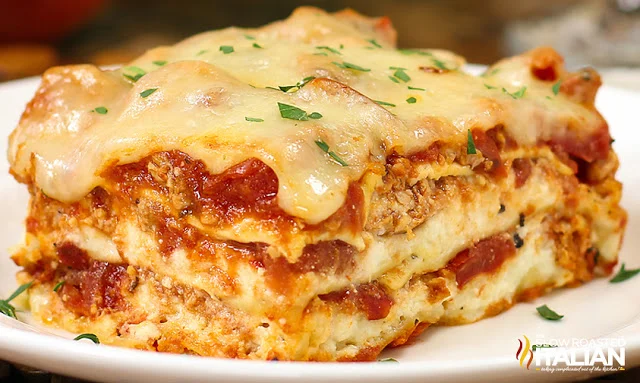
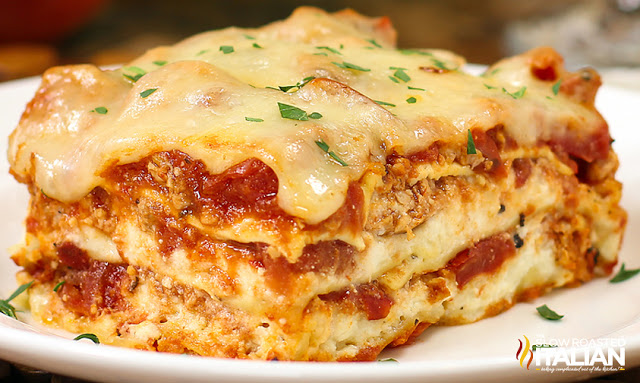
Lasagna, an enduring emblem of Italian culinary prowess, is so universally cherished that it even boasts its own annual National Lasagna Day on July 29th, underscoring its global popularity. While most enthusiasts already appreciate this layered pasta dish with a generous blanket of melted cheese on top, its cheesy potential extends far beyond a mere gratinéed crust. The traditional meat-based lasagna can be creatively adapted to feature an all-cheese filling, offering a superb vegetarian alternative that puts dairy at its heart. This rendition typically highlights a triumvirate of Italian cheeses: creamy ricotta, sharp parmesan, and melty mozzarella. The ricotta and parmesan, when combined with eggs and herbs, create a rich, savory filling that provides both substance and a complex flavor profile, effectively replacing the traditional meat ragù while delivering an unctuous mouthfeel. Mozzarella, layered between the pasta sheets, ensures the characteristic gooey stretch upon serving.
Further enhancing the cheesy experience, strategic side dishes can be chosen. Cheesy garlic bread, with its crisp crust and gooey interior, serves as an irresistible companion, perfect for soaking up any leftover sauce and adding an extra layer of garlicky, cheesy indulgence. A Greek salad, while not overtly Italian, can be packed with cubes of briny feta cheese, adding a fresh, tangy counterpoint that cleanses the palate and complements the richness of the lasagna. This multi-layered approach to cheese incorporation ensures that every bite, from the main course to the accompanying elements, delivers a satisfying dairy dimension, reinforcing lasagna’s status as a comfort food champion.
Jalfrezi Curry: A Spicy Cheese Infusion
Jalfrezi curry, a vibrant Indian dish characterized by its spicy sauce, often featuring meat or fish stir-fried with vegetables and green chili peppers, demonstrates cheese’s remarkable adaptability across global cuisines. This dynamic dish can be effortlessly transformed into a satisfying cheese-based curry through the inclusion of paneer, a fresh, non-melting Indian cheese. Paneer, with its firm yet spongy texture and mild flavor, absorbs the aromatic spices of the Jalfrezi, offering a substantial and protein-rich vegetarian option that provides a delightful textural contrast to the spicy sauce. Its ability to hold its shape during cooking makes it an ideal component for curries.
However, the cheesy innovation in a Jalfrezi need not stop with paneer. To deepen the flavor profile and introduce a creamy richness, a generous handful of grated cheddar cheese can be stirred directly into the curry sauce during the final stages of cooking. This not only thickens the sauce but also imparts a familiar, comforting cheesiness that melts into the piquant Indian spices, creating a surprising yet harmonious fusion. For an additional layer of flavor and texture, grated cheese can also be incorporated into the accompanying rice, providing small pockets of melted cheese that enhance the overall sensory experience of the meal. This fusion of traditional Indian spices with European dairy showcases the boundless versatility of cheese in creating novel and exciting flavor combinations that appeal to an increasingly globalized palate.
Extra Cheese Pizza: A Global Phenomenon Reimagined
Pizza, a global culinary titan, sees an astonishing 5 billion units consumed worldwide annually, according to industry statistics, making it one of the most popular foods on the planet. While the ubiquitous nature of cheese on pizza, whether generously spread atop or stuffed within the crust, is well-established, innovative approaches are continuously emerging to integrate even more dairy delight into this beloved staple, catering to an insatiable demand for "extra cheese."
The quest for enhanced cheesiness has led to creative adaptations that cater to diverse dietary preferences and flavor desires. One significant development is the rise of alternative pizza bases. For instance, pizza crusts crafted from eggs and a blend of cheeses such as mozzarella, cheddar, and parmesan have become a firm favorite among those following ketogenic diets. These bases are lauded for being virtually carb-free while simultaneously delivering a substantial cheesy foundation that complements traditional toppings. This innovation underscores how cheese can play a crucial structural role beyond being just a topping, providing both flavor and dietary compliance.
Alternatively, for those adhering to conventional flour-based dough, the simple yet effective method of grating preferred cheeses directly into the dough before baking can profoundly impact the final product. This technique infuses the crust itself with a subtle, savory cheesiness, ensuring that every bite, from the center to the very edge, satisfies the craving for cheese. The selection of cheese for pizza is also critical, with low-moisture mozzarella being a standard for its excellent melt, stretch, and browning properties, often complemented by sharper cheeses like provolone, parmesan, or even a touch of smoked gouda for added complexity and depth of flavor. These methods ensure that pizza continues to evolve, offering new ways to experience its cheesy allure.

Meat & Vegetable Stew with Cheese Dumplings: Comfort Food Elevated
The humble meat and vegetable stew, a culinary tradition spanning thousands of years across various cultures, remains the quintessential comfort food, particularly cherished on cold winter days. Characterized by its long, slow simmering process that coaxes deep, complex flavors from meats and vegetables, one might initially ponder how to integrate cheese without disrupting its wholesome integrity or creating a messy, overly rich outcome. The solution lies in a clever and delicious addition: cheese dumplings.
These delectable, dough-like balls offer a perfect vehicle for introducing a burst of cheesy goodness into a stew without altering its fundamental structure or diluting its hearty essence. The preparation is remarkably straightforward: simply incorporate approximately 75g to 100g of mature cheese, such as a sharp cheddar, a robust gruyère, or even a tangy parmesan, into a standard dumpling mix made with flour, suet, and herbs. Once shaped into small, rustic balls, these cheesy dumplings are then gently placed into the simmering stew during the final 20 minutes of cooking. As they cook, they absorb the rich, savory flavors of the broth while releasing their own cheesy essence, becoming wonderfully soft, pillowy, and infused with the stew’s character. This method ensures that the cheese is fully integrated, adding a creamy texture and a savory depth that elevates the stew from simple, rustic fare to an even more indulgent and satisfying meal, making it a true testament to cheese’s power to transform familiar dishes into extraordinary culinary experiences.
Concluding Thoughts: The Ever-Expanding World of Cheese
Cheese’s enduring appeal resonates with millions globally, yet its full culinary potential is often underestimated. Many adhere to established meal formats, overlooking the myriad ways this beloved dairy product can be seamlessly woven into diverse dishes, enriching flavor, texture, and nutritional value. The examples highlighted — from the traditional Sunday roast to the spicy Jalfrezi, the classic lasagna, the ubiquitous pizza, and the comforting stew — illustrate that incorporating significant "cheesy goodness" into everyday meals is not only feasible but also remarkably simple and endlessly rewarding. By embracing these innovative applications and understanding the nuances of different cheese types, home cooks and professional chefs alike can unlock new dimensions of flavor and texture, proving that cheese is far more than a mere accompaniment; it is a transformative ingredient capable of elevating any dining experience, reflecting its rich history and dynamic future in global gastronomy.