The Seasonal Abundance and Agricultural Significance of Local Strawberries
The arrival of June signals the height of strawberry season in the Mid-Atlantic, transforming local farms into bustling hubs of agricultural activity. In the Philadelphia metropolitan area, including agricultural rich counties like Bucks County, residents eagerly participate in pick-your-own programs, an activity that not only provides access to fresh, high-quality produce but also fosters a direct connection between consumers and local agriculture. This year, reports from regional farm associations indicate a robust harvest, benefiting from favorable spring weather conditions that have yielded abundant, succulent berries. The act of gathering strawberries, often a family tradition, highlights the importance of seasonal eating and community engagement in supporting local food systems.
Strawberries are a cornerstone of the preserving kitchen, prized for their versatile flavor and natural pectin content, which aids in setting. However, a common challenge for preservers, particularly those aiming for lower-sugar formulations, is the tendency for strawberry preserves to lose their vivid red color over time when stored on the shelf. This aesthetic degradation can diminish the visual appeal of an otherwise delicious product. The Strawberry Hibiscus Butter recipe directly addresses this issue, offering a clever solution that both preserves the fruit’s natural beauty and introduces an intriguing flavor dimension. Agricultural experts emphasize that supporting local strawberry farms during peak season not only ensures the freshest ingredients for such recipes but also contributes significantly to the regional economy, bolstering small-scale farming operations and promoting sustainable land use practices. The average yield for strawberries in Pennsylvania can range from 6,000 to 10,000 pounds per acre, making them a valuable cash crop for many local growers. Consumer demand for locally sourced produce continues to rise, driven by concerns about freshness, environmental impact, and supporting community businesses.
A Deep Dive into the Innovation: Hibiscus as a Preserving Agent
The innovation at the heart of this recipe lies in the strategic incorporation of dried hibiscus blossoms. Beyond their striking deep red hue, hibiscus flowers (specifically Hibiscus sabdariffa, commonly known as roselle) are rich in anthocyanins, natural plant pigments responsible for their vibrant color. These compounds are not only powerful antioxidants but also remarkably stable during the cooking process, making them an ideal natural coloring agent for preserves. When introduced into a strawberry butter, the hibiscus actively works to counteract the natural fading that strawberries often undergo, ensuring the finished product retains its alluring visual appeal for longer periods.
Furthermore, hibiscus brings a distinct tartness to the preserve. This tanginess is attributed to its high concentration of various organic acids, including citric acid, malic acid, and tartaric acid. This natural acidity plays a dual role: it brightens the overall flavor profile of the sweet strawberries, creating a more complex and balanced taste experience, and it also contributes to the preserve’s stability and safety, particularly in lower-sugar applications where adequate acidity is crucial for food preservation. Food scientists often highlight the synergistic effect of combining fruits with complementary acidic profiles, enhancing both flavor and longevity. The addition of hibiscus transforms a simple strawberry butter into a gourmet offering, appealing to palates seeking nuanced flavors and natural ingredients.
Chronology of a Recipe’s Journey: From Print to Digital Revival

The Strawberry Hibiscus Butter recipe first made its debut in a 2018 issue of Taproot Magazine, a publication celebrated for its focus on sustainable living, craft, and seasonal foodways. This initial publication positioned the recipe within a community valuing thoughtful consumption and homemade goods. Its recent re-sharing and update on a popular food preservation blog in June 2022, with a further update in January 2025, marks its successful transition from niche print media to a broader digital audience. This trajectory reflects the evolving landscape of culinary content, where well-crafted recipes from specialized publications often find renewed life and wider reach through online platforms. The digital resurgence allows for greater accessibility and interaction, enabling home cooks globally to discover and experiment with seasonal preservation techniques. The 2025 update likely reflects ongoing reader engagement, recipe testing, or adaptations to current culinary trends, ensuring its continued relevance.
The Craft of Creation: A Detailed Look at the Preservation Process
The preparation of Strawberry Hibiscus Butter follows a method characteristic of fruit butters, diverging slightly from traditional jam-making techniques to achieve its signature smooth texture. The process begins with four pounds of cleaned, hulled, and quartered fresh strawberries. These are then combined with two cups of sugar and a half-cup of dried hibiscus blossoms, typically contained within a large tea ball or a cheesecloth bundle to allow for infusion without scattering the petals. This mixture is left to macerate at room temperature for approximately an hour, a crucial step that draws out the strawberries’ natural juices and allows the hibiscus to begin imparting its color and flavor.
Following maceration, the pot is placed on the stove, brought to a boil over high heat, and then simmered on medium-low for 40 to 45 minutes. This extended, gentle simmering period is distinct from the rapid, high-heat cooking often employed for jams, where the goal is a quick set. For fruit butter, the objective is a gradual reduction and tenderization of the fruit, breaking down its structure to facilitate a smooth puree. The "low and slow" approach concentrates the flavors and ensures a creamy consistency. Once the fruit is thoroughly tender and the liquid significantly reduced, the hibiscus blossoms are removed, and an immersion blender is used to achieve a perfectly smooth puree. This careful attention to cooking methodology is paramount in creating a butter that is both spreadable and intensely flavorful.

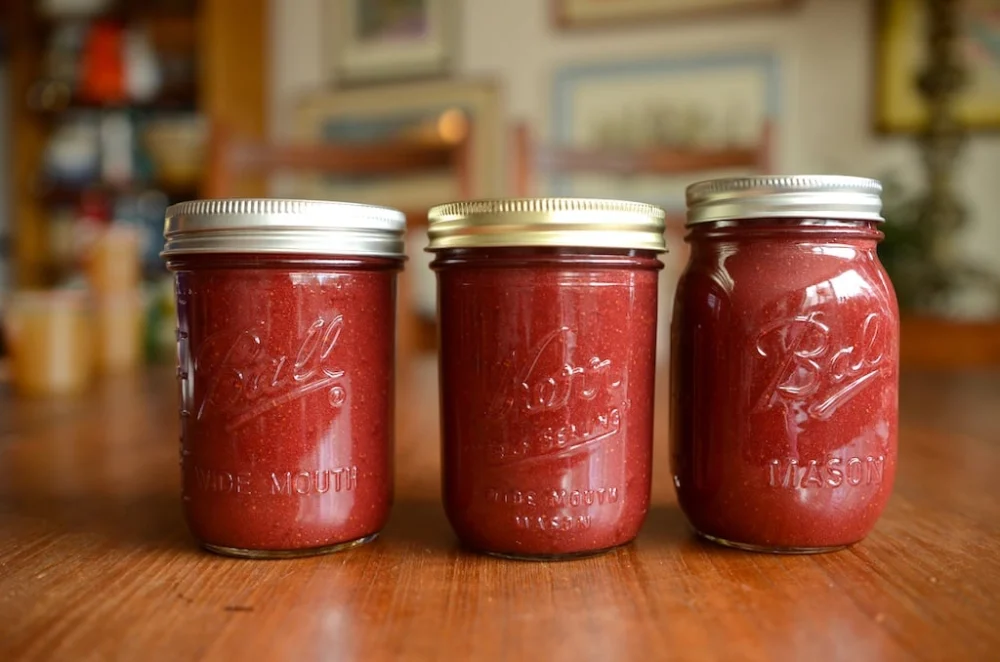
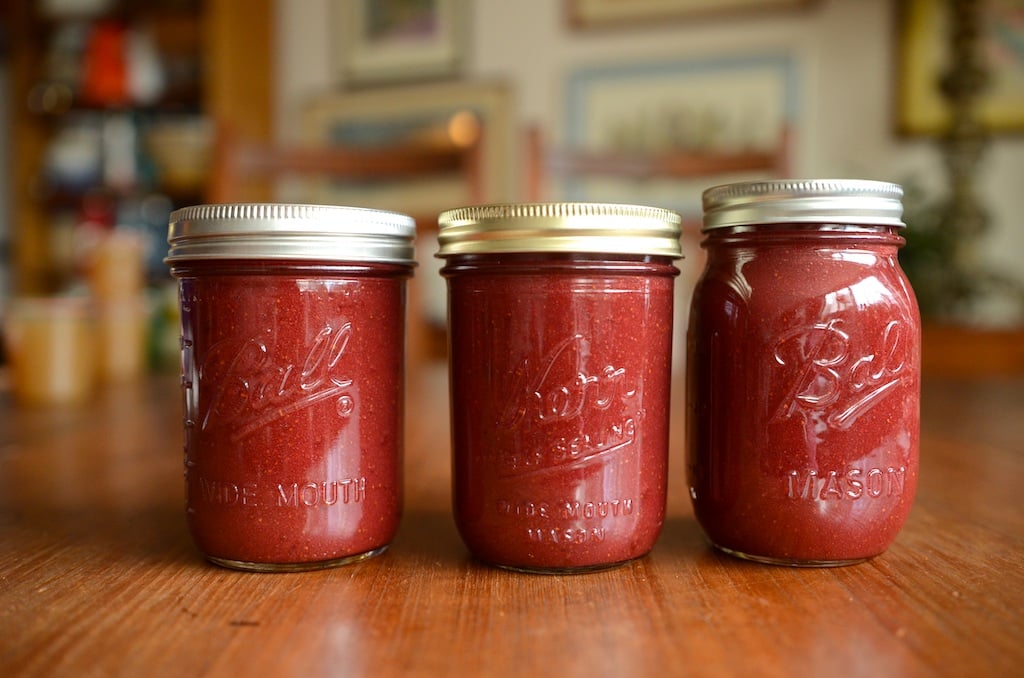
For long-term storage, the finished butter is funneled into clean, hot jars and processed using a water bath canning method. Standard processing times are typically around 10 minutes, though adjustments are necessary for those residing above 1,000 feet in elevation to account for differences in boiling points and ensure food safety. This adherence to established canning protocols is essential for creating shelf-stable preserves, a practice advocated by food preservation experts for generations. Alternatively, for shorter-term storage or for those new to canning, the butter can be safely frozen in straight-sided glass jars or clean plastic containers, leaving ample headspace for expansion. This flexibility makes the recipe accessible to a wider range of home cooks, regardless of their canning experience.
Broader Culinary and Consumer Implications
The appeal of Strawberry Hibiscus Butter extends beyond its unique flavor and vibrant color, touching upon several key trends in the contemporary food landscape.
Demand for Lower Sugar Options: In an era of increasing health consciousness, consumers are actively seeking products with reduced sugar content. This recipe, with its comparatively modest two cups of sugar for four pounds of fruit, aligns perfectly with this demand. The natural tartness of the hibiscus effectively compensates for the lower sugar levels, ensuring the preserve remains balanced and flavorful without relying on excessive sweetness. This approach caters to families looking for healthier alternatives for everyday items like peanut butter sandwiches, a common application highlighted by the recipe’s author. Food industry analysts report a consistent year-over-year growth in the low-sugar and no-sugar-added segments of the preserve market.

Culinary Innovation and Flavor Fusion: The combination of strawberries and hibiscus represents a thoughtful fusion of familiar and exotic flavors. While strawberries are a classic preserving fruit, the addition of hibiscus elevates the butter beyond the ordinary, offering a sophisticated twist that appeals to adventurous palates. This trend of incorporating unexpected botanical elements or international flavors into traditional recipes is a hallmark of modern culinary innovation. Culinary experts note that such unique flavor pairings can differentiate products in a crowded market and inspire new uses for familiar ingredients.
Versatile Applications: Beyond its primary role as a spread, Strawberry Hibiscus Butter is presented as a highly versatile ingredient. Its smooth texture and balanced sweetness make it an excellent filling for baked goods such as thumbprint cookies, where its vibrant color would also be a visual asset. It is also suggested as a delightful filling for rolled buns or pastries, demonstrating its utility in both sweet and savory-leaning applications. This versatility enhances its value to the home cook, encouraging creative experimentation in the kitchen.
Accessibility and Adaptability: The recipe’s adaptability further broadens its appeal. For those unable to access fresh strawberries, the option to use frozen berries (thawed and macerated) ensures the recipe can be enjoyed year-round. Furthermore, the provision for alternative natural sweeteners like honey or maple syrup (used in the same volume as sugar) allows for dietary preferences or flavor variations, though artificial sweeteners are cautioned against due to potential bitterness during prolonged cooking. This flexibility demonstrates a keen understanding of diverse home cooking needs and preferences.
The Enduring Legacy of Home Preservation

The resurgence of interest in recipes like Strawberry Hibiscus Butter reflects a broader cultural movement towards self-sufficiency, sustainability, and a deeper connection to food sources. Home preservation, once a necessity, has evolved into a cherished craft and a form of culinary expression. It allows individuals to capture the fleeting abundance of seasonal produce, reduce food waste, and create bespoke food items free from artificial additives. Organizations dedicated to food education and sustainability continue to champion home canning as a vital skill, contributing to food security and promoting an understanding of where food comes from.
The "Food in Jars" blog, which featured this recipe, is part of a larger ecosystem of online resources that empower home cooks with the knowledge and confidence to engage in food preservation. These platforms not only share recipes but also provide crucial information on food safety, equipment, and troubleshooting, ensuring that traditional practices are maintained with modern standards. The act of making and sharing preserves, such as this innovative strawberry hibiscus butter, thus becomes more than just cooking; it is an act of cultural preservation, community building, and a flavorful commitment to a more sustainable lifestyle. As consumers continue to prioritize authenticity, quality, and a connection to their food, recipes that blend tradition with contemporary twists, like the Strawberry Hibiscus Butter, are poised to remain at the forefront of culinary appreciation and home kitchen endeavors.