
The global phenomenon of pizza, a dish originating from the streets of Naples, Italy, has transcended cultural boundaries to become one of the world’s most cherished and consumed foods. While the perfect crust and a flavorful sauce lay the foundation, it is unequivocally the cheese that elevates a pizza from a simple flatbread to a culinary masterpiece. The quest for the optimal cheese for pizza is a subject of continuous debate among pizzaiolos, culinary enthusiasts, and home cooks alike, underscoring its pivotal role in achieving that ideal balance of flavor, texture, and aroma. This comprehensive analysis delves into the diverse world of cheeses, exploring their unique characteristics, historical contexts, and the specific ways they contribute to the ultimate pizza experience, from classic Italian preparations to adventurous modern interpretations.

Pizza’s journey from a humble street food in the 18th century to a global culinary icon is deeply intertwined with the evolution of cheese-making. Early pizzas, particularly the Margherita, famously created for Queen Margherita of Savoy in 1889, solidified the enduring partnership between simple tomato, basil, and mozzarella. This historical precedent established mozzarella as the benchmark, but the landscape of pizza cheese has since expanded dramatically, reflecting regional preferences, technological advancements in cheese production, and a burgeoning global appetite for diverse flavor profiles. Experts in the culinary field consistently highlight that the success of a pizza hinges significantly on selecting a cheese that melts harmoniously, offers desirable elasticity, and complements the accompanying toppings without overpowering them. This report, drawing from extensive research and culinary observations, provides an ultimate guide, detailing various cheese types, their optimal applications, and even insights into traditional and modern cheese-making techniques that allow for artisanal creation at home.
Mozzarella: The Enduring Cornerstone of Pizza
Mozzarella stands as the undisputed champion among pizza cheeses, its prominence rooted deeply in Italian culinary tradition. Legend attributes its serendipitous creation to a cheesemaker in Naples who accidentally dropped curds into hot water, a process that birthed the distinctive pasta filata (spun paste) technique. Originating from rich buffalo milk in the Campania region, particularly in and around Naples, traditional Mozzarella di Bufala Campana PDO (Protected Designation of Origin) is celebrated for its soft, moist, milky, and delicately spongy texture.

While fresh, high-moisture mozzarella is revered in salads like Caprese and various sandwiches, its application on pizza requires a nuanced approach. The high water content in fresh mozzarella can lead to a soggy crust if not properly managed, and its subtle flavor can be overwhelmed by other ingredients. Consequently, culinary professionals and mass-market pizza producers largely favor low-moisture mozzarella. This variant undergoes a longer drying process, resulting in a firmer texture, extended shelf-life, and a more concentrated flavor profile that is notably saltier. Crucially, low-moisture mozzarella melts more efficiently and consistently in the intense heat of a pizza oven, developing that characteristic stringy, gooey texture and appealing golden-brown blisters without excessive water release. Its versatility allows it to be used as a standalone cheese for a classic Neapolitan pizza or as a foundational component in multi-cheese blends. Applied before baking for a traditional melt or added post-bake for a fresh, creamy accent, mozzarella remains central to achieving the authentic Italian pizza experience. The growing interest in artisanal food production has also spurred many enthusiasts to explore making their own mozzarella at home, a testament to its foundational status.
Cheddar: A Global Favorite with Robust Character
Cheddar cheese, a pantry staple across continents, boasts a rich history dating back to the 12th century in Cheddar, Somerset, England. It was one of the first cheeses to be mass-produced and widely exported, cementing its status as a global culinary workhorse. Cheddar’s appeal lies in its wide spectrum of flavor profiles, ranging from mild and crumbly to sharp, tangy, and deeply aged varieties. This diversity offers a suitable cheddar for nearly every palate and culinary application.

On pizza, cheddar offers a distinct set of advantages. Its melting properties, characterized by limited elasticity and a lower tendency to blister compared to some other cheeses, contribute to an even, consistent melt. While it may not deliver the signature "cheese pull" of mozzarella, its robust flavor adds significant depth. Consequently, cheddar is frequently incorporated into cheese blends, particularly with more elastic, subtly flavored cheeses like mozzarella, to achieve a desirable balance. Sharper, aged cheddars are particularly effective when paired with strong, savory toppings such as pepperoni, sausage, chili, or even the controversial pineapple, where its piquant notes can cut through and complement intense flavors. Its ability to provide a familiar, comforting taste profile also makes it an excellent choice for pizzas designed for broad appeal. The enduring popularity of cheddar has also inspired a significant movement among home cheesemakers, eager to craft their own farmhouse cheddar.
Ricotta: The Cloud-Like Texture and Fresh Flavor
Ricotta, a soft, light, and fluffy cheese, is cherished globally for its delicate texture and fresh, slightly tangy flavor. Distinctively, ricotta is a "whey cheese," primarily made from the leftover whey and a small amount of curds produced during the creation of other cheeses. This unique production method, utilizing cow, goat, sheep, or water buffalo milk, yields a very fresh, mildly tangy, and notably moist product, often compared to cream cheese in its consistency.

While not a traditional melting cheese in the same vein as mozzarella, ricotta offers an innovative dimension to pizza. Its best application often involves blending it with mozzarella and a more assertive cheese, such as blue cheese, gorgonzola, or Gruyère, to create a creamy white sauce base. This alternative to the conventional tomato sauce provides a rich, velvety foundation that beautifully complements various toppings. Ricotta pizzas shine with seafood, grilled chicken, fresh broccoli florets, peppery rocket (arugula), sweet pears, or salty pancetta. The cheese maintains its cloud-like consistency, softening gently rather than melting into a cohesive layer, providing pockets of creamy freshness. Its relatively simple production process has made homemade ricotta a popular project for novice cheesemakers.
Gouda: The Sweet and Nutty Dutch Delight
Hailing from the Netherlands, Gouda is a semi-hard cheese instantly recognizable by its characteristic bright red wax seal and its sweet, smooth, and approachable flavor. Made from cow’s milk, young Gouda presents a mild, sweet, and nutty taste. As it matures, its flavor profile deepens, becoming sharper and more complex, and its texture transitions from creamy to crumbly. Its widely appealing, rich flavor makes it an excellent choice for everyday pizzas, where it melts smoothly and consistently.

Gouda shares some similarities with cheddar in its versatility and melting properties, but typically offers a softer, more buttery flavor profile. This makes it a highly desirable addition to a variety of pizza creations. Its sweet and nutty notes pair exceptionally well with robust toppings such as pulled pork, BBQ chicken, roasted peppers, crispy bacon, and smoked sausage, where it can add a layer of creamy richness. Gouda’s consistent melt and agreeable flavor position it as a strong contender on the list of best cheeses for pizza, particularly for those seeking a cheese that offers a harmonious balance of flavor and melt without being overly assertive. The craft of making Gouda at home, with its distinctive waxing process, is a rewarding endeavor for many cheese enthusiasts.
Parmesan: The Umami-Rich Finishing Touch
Parmesan, or Parmigiano-Reggiano, is an ancient Italian hard cheese whose lineage traces back to Roman times. This aged, granular cheese is celebrated for its intense, complex flavor, characterized by salty, nutty, and savory (umami) notes. Traditionally, it is finely grated or shaved over pasta, salads, and risottos, but its application on pizza requires specific timing to preserve its delicate flavor profile.
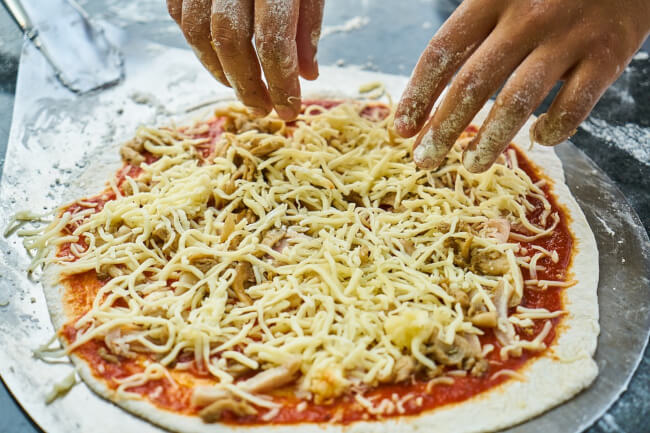
Unlike cheeses designed for a deep melt, Parmesan is best introduced to pizza after the baking process. Adding it before cooking, particularly in high heat, can diminish its nuanced flavor and destroy its characteristic umami. Instead, a generous grating or shaving of Parmesan just before serving allows its sharp, salty essence to enhance the overall flavor without being cooked out. It performs exceptionally well on simpler pizzas, where its intense flavor can truly shine. This includes classic cheese pizzas, garlic pizzas, or those topped with delicate ingredients like prosciutto, fresh arugula (rocket), or sliced tomatoes. Parmesan’s ability to impart a profound depth of flavor makes it an invaluable component in a multi-cheese blend, acting as a powerful finishing touch that elevates the entire dish. The challenge of recreating the complex flavors of an aged Parmesan at home is a pursuit for dedicated cheesemakers.
Chevre (Goat Cheese): The Adventurous and Tangy Option
Chevre, the French term for goat cheese, represents a departure from traditional cow’s milk cheeses, offering a distinct and often adventurous flavor profile. Typically rindless, soft, white, and creamy, chevre is known for its strong, tart, and sometimes earthy taste, which intensifies with age. While not a conventional pizza cheese, its versatility and unique characteristics have led many modern chefs and home cooks to incorporate it into innovative pizza recipes.
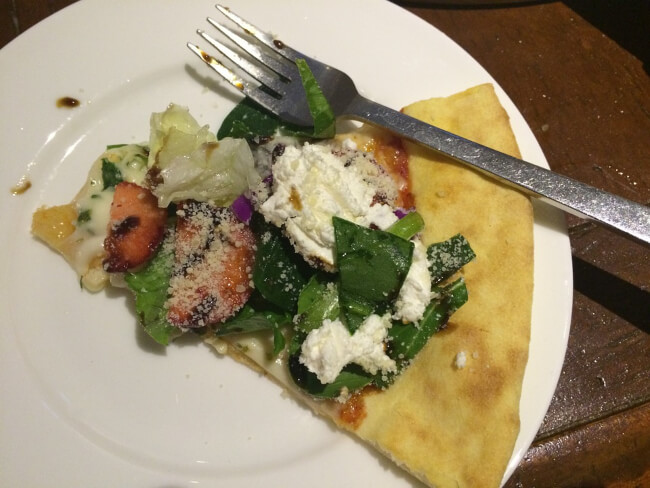
A key distinction of chevre is its melting behavior: it softens in the oven rather than achieving a stringy, gooey melt like mozzarella. For optimal distribution and flavor, it is recommended to break chevre into small chunks and dot them evenly across the pizza base before baking. Beyond its flavor, chevre is also noted for being lower in lactic acid, making it a viable option for individuals with mild lactose intolerance seeking to enjoy pizza. The tangy nature of goat cheese pairs exceptionally well with a range of unusual yet complementary toppings. These include sweet caramelized onions, figs, roasted peppers, peppery rocket, and roasted butternut squash, creating a sophisticated and memorable pizza experience. Its relative simplicity in production also makes chevre an accessible starting point for aspiring home cheesemakers.
Gruyère: Complex Flavors from the Swiss Alps
Gruyère, a distinguished Swiss cheese, is celebrated for its remarkable complexity and adaptability. Produced from cow’s milk in the Gruyère region of Switzerland, where cows graze on unique pastures, its flavors are notoriously difficult to replicate authentically elsewhere. As an aged cheese, Gruyère undergoes a fascinating transformation: it begins as a dense, somewhat fruity cheese and evolves into a flakier, more granular texture with profound nutty, earthy tones and a soft, lingering finish.

On pizza, Gruyère offers a rich, savory depth that is highly prized by culinary experts. It melts beautifully and consistently, exhibiting good blister resistance, which ensures an appealing visual and textural outcome. Its robust flavor profile means that it can stand on its own without requiring a multitude of additional toppings. To truly appreciate its complexity, pizzas featuring Gruyère are often kept minimalist, with light sprinklings of complementary ingredients such as smoked sausage, thinly sliced peppers, smoked ham, or even delicate potato slices. Gruyère represents an excellent choice for those seeking a pizza with a sophisticated, rich, and deeply flavored cheese at its heart. For ambitious cheesemakers, crafting Gruyère at home presents a significant yet rewarding challenge.
Camembert: The Soft-Ripened, Adventurous Choice
Camembert, a soft French cheese originating from Normandy, holds the distinction of being one of the most popular white mold cheeses globally. It offers a milder flavor profile than more assertive soft-ripened cheeses like Brie or intimidating blue cheeses, making it an approachable yet adventurous option for those looking to expand their pizza horizons beyond the conventional. Traditionally, Camembert is enjoyed with breads, crackers, fruits, and wine, rather than as a pizza topping.
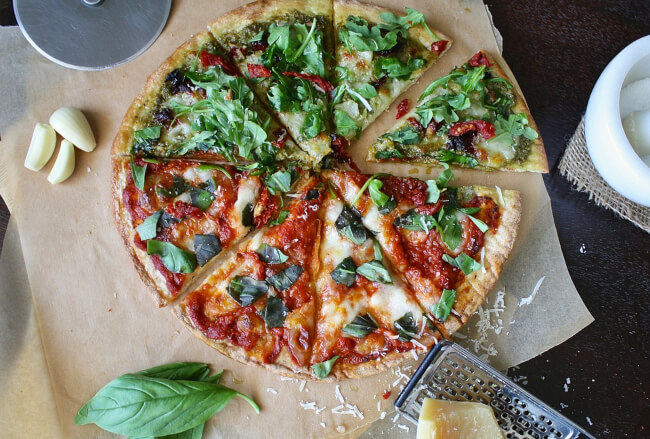
However, its creamy texture and mild, earthy flavor have found a niche in non-traditional pizza recipes, catering to palates seeking something distinct and exciting. When used on pizza, the approach differs significantly from standard cheese application. Typically, the pizza base is brushed with olive oil, foregoing a tomato sauce, and then topped with generous slices of Camembert. As it bakes, the cheese melts into a deliciously rich, velvety layer. Camembert pairs exquisitely with toppings that can balance its creamy richness, such as garlic, sweet cherry tomatoes, peppery rocket, savory prosciutto, sweet caramelized onions, or even unexpected combinations like nuts, honey, and cranberries. It serves as an excellent choice for an unconventional pizza, offering a luxurious and memorable experience. For those inclined towards artisanal cheese production, a tried-and-tested Camembert recipe allows for the creation of this delightful cheese at home.
The Evolving Art of Pizza Cheese
The journey through various cheeses suitable for pizza reveals a rich tapestry of flavors, textures, and historical narratives, each contributing uniquely to the global appreciation of this iconic dish. From the traditional supremacy of low-moisture mozzarella to the bold tang of chevre, the comforting familiarity of cheddar, or the sophisticated notes of Gruyère and Parmesan, the choice of cheese profoundly impacts the final culinary outcome. Pizza professionals and home chefs alike continue to experiment, blending cheeses and pairing them with innovative toppings, pushing the boundaries of what a pizza can be. This ongoing culinary exploration underscores that while there are established best practices, the ultimate "best cheese for pizza" often comes down to individual preference and the specific flavor journey one wishes to embark upon. The accessibility of home cheese-making recipes further empowers enthusiasts to personalize their pizza creations, reinforcing the idea that the art of pizza is a dynamic and evolving craft. The vibrant discussions in culinary forums and comment sections reflect this enduring passion, inviting a continuous exchange of ideas and preferences regarding this essential pizza component.