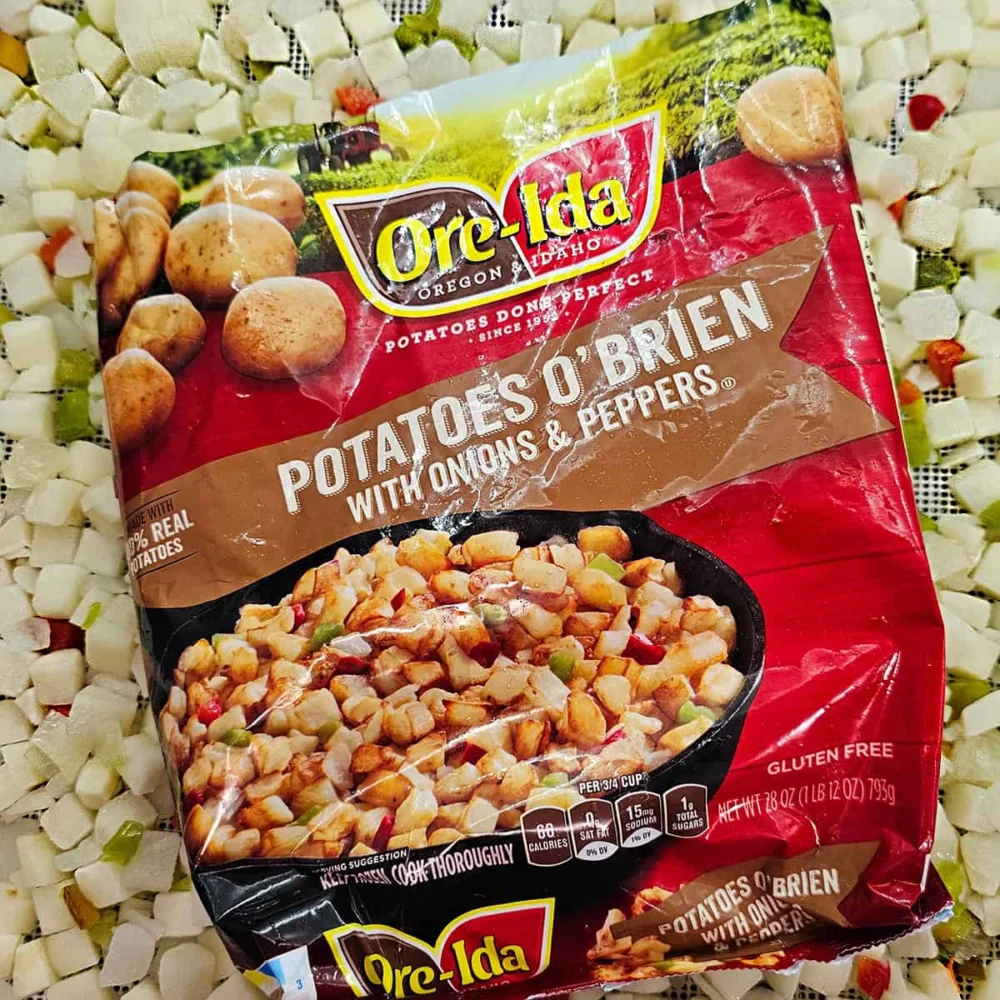
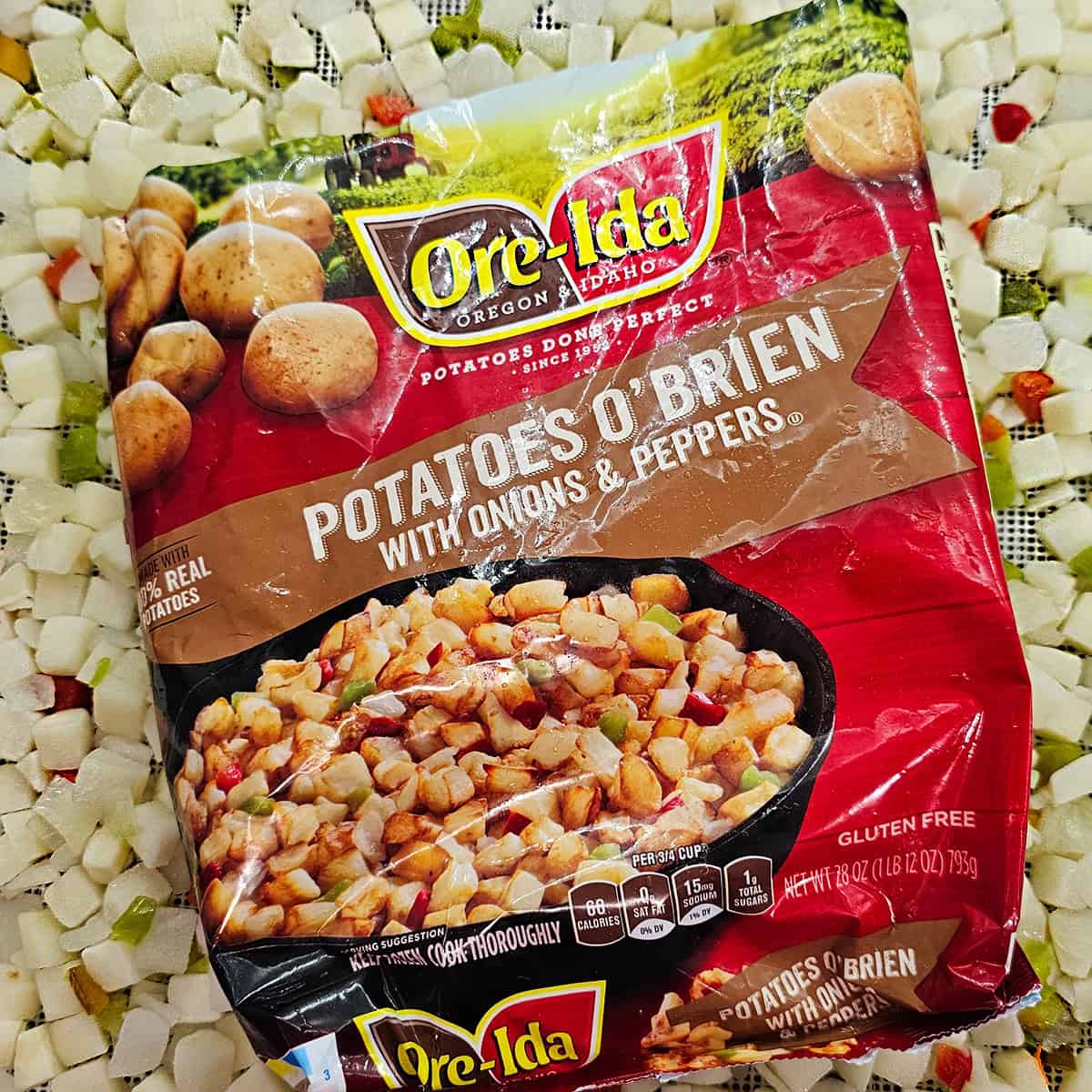
The modern household is increasingly characterized by a strategic approach to food management, driven by a combination of rising energy costs, limited storage space, and a renewed interest in long-term food security. One of the most efficient methods gaining traction among home economists and food preservation enthusiasts is the dehydration of pre-processed frozen vegetables. Specifically, the process of dehydrating frozen potato products, such as Potatoes O’Brien—a blend of diced potatoes, onions, and peppers—offers a dual benefit: it liberates valuable freezer real estate and creates a shelf-stable ingredient that can last for years rather than months. By transitioning these items from the freezer to the pantry, consumers can optimize their kitchen logistics while ensuring they have nutrient-dense carbohydrates available for emergency or everyday use.
The Economic and Practical Context of Home Dehydration
The shift toward dehydrating frozen goods is not merely a hobby but a response to the logistical constraints of contemporary living. Freezer space is often at a premium, reserved for meats, dairy, and prepared meals that cannot be easily preserved through other means. In contrast, the "Potatoes O’Brien" variety of frozen potatoes is a prime candidate for dehydration because the industrial preparation has already completed the most labor-intensive steps.
In commercial processing, these potatoes are washed, peeled, diced, and, crucially, blanched. Blanching is a necessary precursor to successful potato dehydration; it denatures the enzymes responsible for browning and texture loss. For the home preservationist, using frozen potatoes bypasses the need for large-scale peeling and the precise timing required for blanching fresh tubers. Consequently, the transition from a frozen bag to a shelf-stable jar is a streamlined operation that maximizes efficiency.
From an energy perspective, maintaining a freezer requires a constant draw of electricity. According to data from the Department of Energy, a standard chest freezer consumes between 300 and 600 kilowatt-hours per year. By reducing the volume of goods that require sub-zero storage, households can potentially downsize their cooling requirements or make room for items with higher caloric value or shorter frozen lifespans.
The Technical Procedure for Dehydrating Frozen Potatoes
The conversion of frozen Potatoes O’Brien into a dehydrated state is a systematic process that relies on controlled airflow and temperature management. Unlike fresh produce, which requires significant preparation, frozen potatoes can be processed almost immediately upon removal from the freezer.
Step-by-Step Methodology
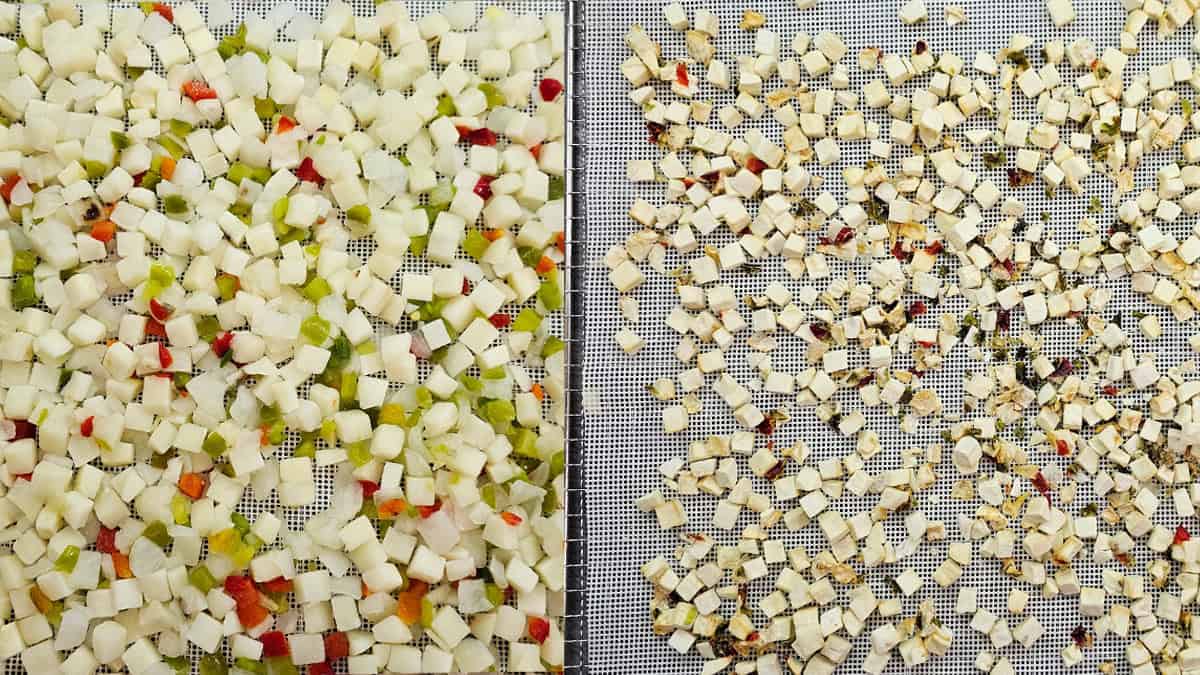
The process begins with the preparation of the dehydrator trays. It is recommended to use mesh liners or "fruit leather" sheets if the dice size of the potatoes is particularly small, as the pieces will shrink significantly—often up to 50-75% of their original volume—during the drying process.
- Tray Loading: The frozen potatoes are spread in a single, uniform layer across the trays. It is not necessary to thaw the potatoes beforehand; in fact, keeping them frozen until the moment they enter the dehydrator helps maintain the structural integrity of the dice.
- Temperature Calibration: For vegetables, and specifically potatoes, the dehydrator should be set to 125°F (52°C) to 135°F (57°C). Setting the temperature too high can lead to "case hardening," where the exterior of the potato dries into a hard shell, trapping moisture inside and leading to eventual spoilage.
- Duration of Drying: The dehydration cycle typically lasts between 8 and 12 hours. This duration is influenced by the ambient humidity of the room and the specific moisture content of the frozen brand used.
- Testing for Dryness: The potatoes are considered fully dehydrated when they are "rock hard" and do not yield to pressure. If a piece is translucent and snaps when broken, the moisture has been sufficiently removed.
Nutritional Stability and Food Safety Considerations
A common concern in food preservation is the retention of nutritional value. Dehydration is one of the gentlest forms of preservation. While some heat-sensitive vitamins, such as Vitamin C, may see a slight reduction during the drying process, the macronutrient profile—specifically the carbohydrates and fiber in potatoes—remains largely unchanged.
Furthermore, the "Potatoes O’Brien" mix typically includes bell peppers and onions. These aromatics dehydrate at similar rates to diced potatoes, making the mix a harmonious candidate for the dehydrator. The result is a concentrated flavor profile that is often superior to the original frozen state, as the removal of water intensifies the natural sugars and volatile compounds in the peppers and onions.
However, food safety experts warn against dehydrating certain types of frozen potato products. Items that have been pre-fried or contain high levels of added fats—such as tater tots, french fries, or certain seasoned hash browns—are unsuitable for long-term shelf storage. The oils used in these products do not dehydrate; instead, they remain on the surface of the food and will eventually turn rancid at room temperature. For successful long-term storage, only "naked" or blanched frozen potatoes with minimal oil additives should be used.
Storage Protocols and Longevity
Once the dehydration process is complete, the "conditioning" phase begins. This involves placing the cooled potatoes in a clear glass jar for several days and shaking them daily. If any condensation appears on the glass, the potatoes must be returned to the dehydrator.
For long-term storage (extending beyond one year), the following standards are recommended:
- Vacuum Sealing: Removing oxygen from the storage container prevents oxidation and further extends shelf life.
- Oxygen Absorbers: Placing a small packet of iron powder (an oxygen absorber) inside a Mason jar or Mylar bag ensures that the environment remains anaerobic.
- Environment: Containers should be stored in a cool, dark, and dry location. Light and heat are the primary catalysts for nutrient degradation in dehydrated foods.
Under optimal conditions, dehydrated potatoes can remain viable for 5 to 10 years, whereas their frozen counterparts are typically prone to freezer burn and quality loss after 12 months.
Culinary Integration and Rehydration Techniques
The utility of dehydrated Potatoes O’Brien lies in their versatility. Rehydration is a straightforward process of restoring moisture, but the method varies depending on the intended dish.
Direct Integration
In liquid-based recipes such as soups, stews, and chowders, the dehydrated potatoes can be added directly to the pot. They will absorb the cooking liquid and rehydrate as the dish simmers. This not only saves time but also allows the potatoes to soak up the flavors of the broth.
Pre-Rehydration for Searing
For applications where a crispy texture is desired—such as breakfast hashes or skillet fries—the potatoes must be rehydrated in hot water for approximately 15 to 20 minutes. Once they have regained their suppleness, they should be patted dry with a towel before being introduced to a hot, oiled pan. Failure to dry the rehydrated potatoes will result in steaming rather than browning.
Comparative Analysis: Fresh vs. Dehydrated
Industry analysts note that dehydrated potatoes occupy roughly one-sixth of the space of fresh potatoes and one-fourth the space of frozen ones. This volumetric efficiency makes them an ideal component of "pantry meals," which are becoming a staple of modern meal planning.
Broader Implications for Food Security and Waste Reduction
The practice of dehydrating frozen produce also addresses the global issue of food waste. Retailers often discount frozen vegetables as they approach their "best by" dates. Consumers can take advantage of these sales to build a robust food reserve at a fraction of the cost of commercially prepared "survival foods."
Furthermore, the resilience of a dehydrated pantry cannot be overstated. In the event of a prolonged power outage, the contents of a freezer are at immediate risk of spoilage. A pantry filled with dehydrated staples remains unaffected, providing a critical safety net for households.
Darcy Baldwin, a prominent figure in the food preservation community and creator of The Purposeful Pantry, emphasizes that this method is about empowerment. By taking control of the preservation process, individuals are less reliant on the "just-in-time" supply chain and the consistent functionality of the electrical grid.
Conclusion: A Strategic Shift in Home Economics
The dehydration of frozen Potatoes O’Brien represents a sophisticated intersection of convenience and traditional wisdom. It leverages the benefits of modern industrial processing (blanching and dicing) with the ancient reliability of air-drying. As households continue to navigate an era of economic uncertainty and environmental consciousness, the transition toward shelf-stable, space-efficient food storage is likely to move from the fringes of "prepping" into the mainstream of domestic management. Through the simple act of dehydrating a bag of frozen potatoes, the modern cook can save money, save space, and ensure a versatile supply of ingredients for the years to age.