The simple yet sophisticated spiced nut, a treat once relegated to niche gourmet shops or specific family recipes, has recently emerged as a significant culinary trend, solidifying its status as a highly sought-after homemade gift during the holiday season. Combining ease of preparation with universal appeal, these sweet, crunchy, and aromatic confections are garnering widespread acclaim, featuring prominently on festive tables, in curated gift baskets, and as versatile additions to a variety of culinary presentations, from charcuterie boards to hearty winter salads. This surge in popularity underscores a broader consumer shift towards personalized, handcrafted edibles that offer both sentimental value and exceptional taste.
The Resurgence of Handcrafted Edibles in Holiday Gifting
In recent years, there has been a noticeable pivot in consumer preferences away from mass-produced goods towards more authentic, handcrafted items, particularly within the realm of holiday gifting. This trend is fueled by a desire for gifts that convey thoughtfulness, uniqueness, and a personal touch, often reflecting a growing appreciation for artisanal craftsmanship and sustainable practices. Homemade spiced nuts fit perfectly into this evolving landscape. Unlike many complex holiday confections, their preparation is relatively straightforward, making them accessible to a wide range of home cooks, while the end product consistently delivers a gourmet experience that belies its simplicity.

Market research indicates a steady increase in the demand for consumable gifts, with food items consistently ranking among the most preferred categories for holiday exchanges. A 2022 survey by the National Retail Federation, for instance, reported that approximately 58% of consumers planned to purchase food and candy as holiday gifts, with a notable portion expressing a preference for specialty or artisanal options. This data aligns with observations from culinary trend analysts who point to the "experience economy" and the "hygge" movement (a Danish concept of coziness and contentment) as driving factors, where shared food and comforting flavors play a central role in fostering warmth and connection during festive periods. Spiced nuts, with their inviting aroma and satisfying crunch, embody these very qualities, offering a sensory experience that is both comforting and celebratory.
Culinary Simplicity Meets Sophistication: The Anatomy of a Perfect Spiced Nut
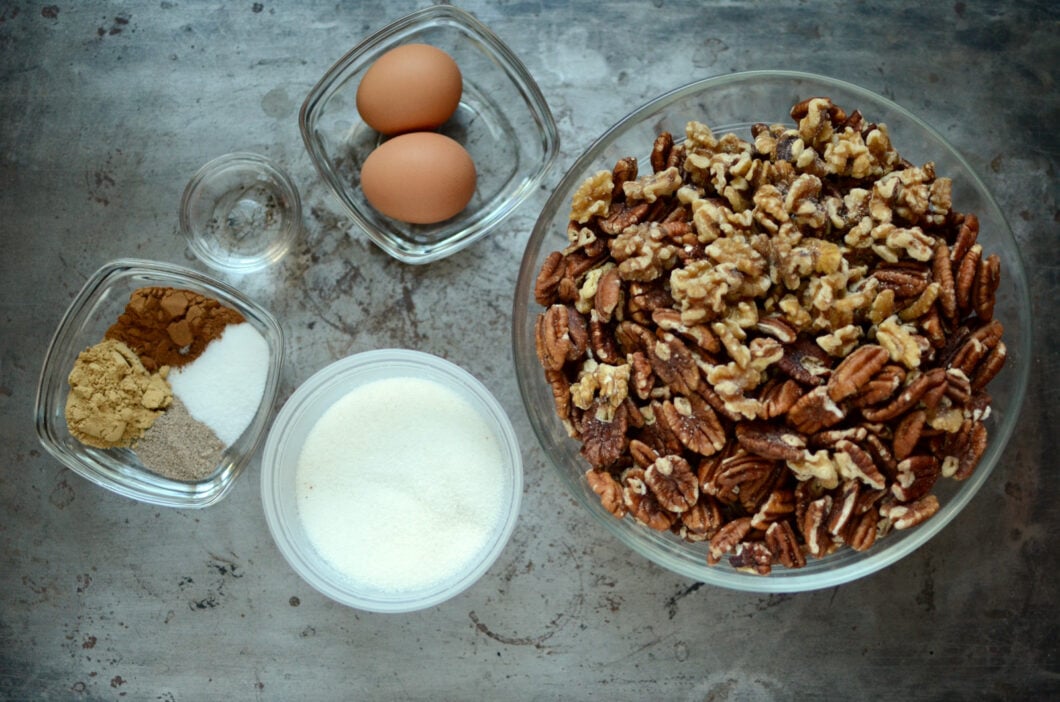
The appeal of spiced nuts lies not only in their delightful flavor profile but also in the elegant simplicity of their creation. At its core, the process involves coating a selection of nuts with a mixture of egg whites, water, sugar, and an array of warming spices, followed by a slow roast to achieve a perfect crispness. This method ensures an even coating and a delightful textural contrast – a delicate, crunchy exterior yielding to the rich, buttery interior of the nut.
The choice of nuts often includes a harmonious blend of pecans and walnuts, though variations incorporating almonds, cashews, or even mixed nuts are common. Pecans offer a naturally sweet, buttery flavor and a tender texture, while walnuts contribute a slightly more robust, earthy note and a satisfying crunch. The spice blend is where much of the magic happens, typically featuring classic autumnal and winter spices such as cinnamon, nutmeg, cloves, and ginger. Some recipes introduce more adventurous notes with cardamom, allspice, or even a touch of cayenne pepper for a subtle, intriguing heat, elevating the flavor profile beyond the purely sweet. The inclusion of salt is crucial, balancing the sweetness and enhancing the overall depth of flavor, transforming the nuts from a mere snack into a complex culinary delight.

The preparation begins with the careful whisking of egg whites with a small amount of water, creating a light, frothy base that adheres effectively to the nuts. This mixture acts as a binder, allowing the sugar and spice coating to cling uniformly. After coating, the nuts are typically drained to remove excess liquid, ensuring a crisp, non-sticky finish. The dry ingredients – sugar, salt, and spices – are then combined, and the coated nuts are tossed thoroughly to achieve an even distribution. The subsequent roasting, usually at a moderate temperature (around 300°F or 150°C) for approximately 35-40 minutes, is critical. This slow baking process allows the sugars to caramelize gently, the spices to bloom, and the nuts to toast to a golden perfection without burning. Regular rotation of the baking sheets ensures uniform cooking and prevents uneven browning. Once cooled, the nuts develop their characteristic sweet, crunchy glaze, becoming irresistible clusters ready for enjoyment or gifting.
Historical Roots and Modern Adaptations: A Culinary Evolution
The tradition of coating nuts with sugar and spices has roots that stretch back centuries across various cultures. Candied nuts, in their simplest form, have been a staple in European confectioneries and Middle Eastern bazaars for generations, often enjoyed during festivals and special occasions. Early recipes frequently involved honey or sugar syrups cooked down with nuts, sometimes incorporating aromatic spices like cinnamon and cardamom. These historical precedents laid the groundwork for the modern spiced nut, which has been refined over time to suit contemporary palates and culinary techniques.
The current iteration of spiced nuts gaining traction in holiday circles represents a fusion of these time-honored traditions with modern culinary accessibility. Social media platforms, particularly visual ones like Instagram, have played an instrumental role in this resurgence. Home cooks and culinary influencers regularly share visually appealing recipes and finished products, inspiring a wider audience to try their hand at these creations. For instance, the specific recipe highlighted in the original context gained traction through an Instagram friend, underscoring the powerful peer-to-peer influence in today’s digital culinary landscape. This networked dissemination of recipes allows for rapid adaptation and personalization, as individuals tweak and refine recipes to suit their own preferences, leading to a vibrant ecosystem of variations and innovations. The flexibility of such recipes, allowing for minor adjustments in spice profiles or nut combinations, further contributes to their widespread adoption and appeal, empowering home cooks to put their unique stamp on a classic.

Economic and Social Implications of the Homemade Gifting Trend
The rising popularity of homemade spiced nuts and similar handcrafted edibles has several tangible implications, both economic and social. Economically, it can stimulate demand for high-quality, often locally sourced, ingredients. As more individuals engage in home baking and gifting, there’s a corresponding increase in the purchase of nuts, spices, sugar, and even specialized packaging materials. This can benefit local farmers, spice merchants, and small businesses that supply these raw materials. For example, a surge in pecan and walnut purchases during the holiday season can provide a significant boost to agricultural communities in regions known for nut production.
Socially, the act of making and gifting food fosters deeper connections and reinforces community bonds. Handmade gifts carry a personal narrative and demonstrate a level of effort and care that store-bought items often lack. This can be particularly meaningful in an era characterized by digital interactions, offering a tangible way to express affection and appreciation. The shared experience of preparing holiday treats, sometimes involving family members, also contributes to the creation of new traditions and cherished memories, enriching the social fabric of the holiday season.
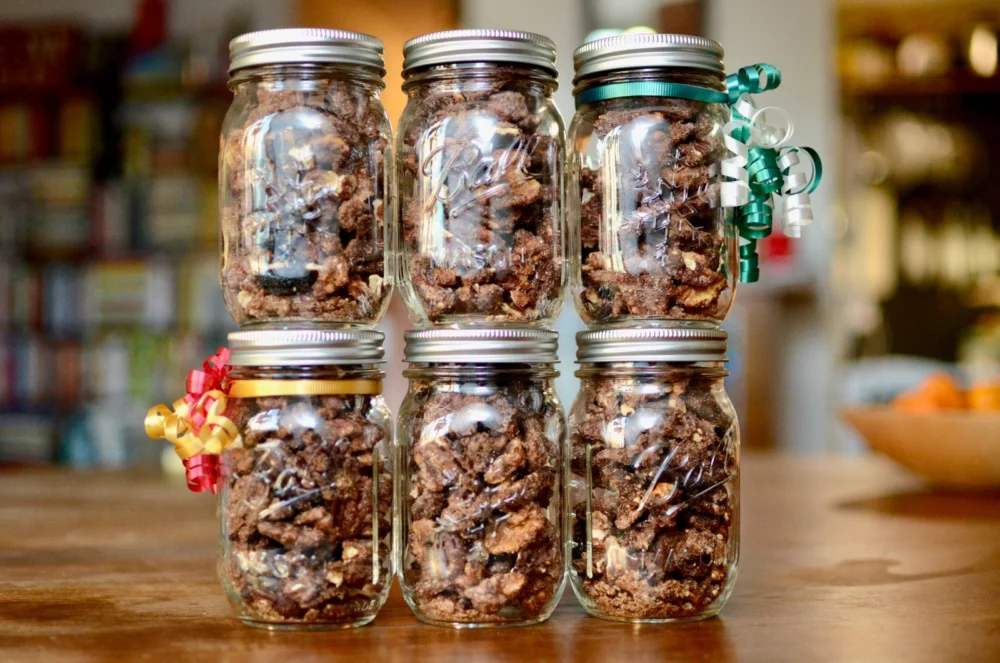
Furthermore, the emphasis on presentation, often involving charming containers like Ball® Snowflake Keepsake Jars, speaks to a broader trend in gifting aesthetics. These jars, beyond their practical function of preservation, transform the simple act of gifting into an art form, elevating the perceived value and festive spirit of the homemade contents. This highlights how even functional items can become integral to the overall gifting experience, aligning with consumer desires for both quality and visual appeal.
Expert Perspectives on Gifting Trends and Culinary Craftsmanship
Culinary experts and gifting trend forecasters have offered insights into the sustained appeal of items like spiced nuts. Dr. Eleanor Vance, a food anthropologist specializing in holiday traditions, notes, "There’s a deep-seated human desire to provide nourishment and comfort, especially during celebratory periods. Homemade food gifts tap into this primal instinct, offering not just sustenance but also a tangible expression of care. Spiced nuts, with their rich flavors and comforting aromas, resonate deeply with the festive spirit."
Meanwhile, market analysts like Mr. David Chen, who tracks consumer behavior in the specialty food sector, observe, "The ‘premiumization’ of simple goods is a key trend. Consumers are willing to pay, or invest time, in items that offer superior quality, unique flavor profiles, and a story. Artisanal spiced nuts, whether purchased or homemade, fulfill this niche by offering a gourmet experience that feels both indulgent and wholesome." He further adds, "The rise of conscious consumerism also plays a role; people are increasingly mindful of ingredients and production methods. Homemade treats allow for full control over these aspects, aligning with values of transparency and health consciousness."
From a food preservation standpoint, the use of proper storage methods, such as airtight containers, is emphasized. "While these nuts are often consumed quickly due to their deliciousness, their shelf life can be extended significantly with correct storage," explains Ms. Sarah Jenkins, a food preservation specialist. "Storing them in sealed jars at room temperature can maintain their quality for several weeks, and refrigeration or freezing can prolong this even further, making them an ideal make-ahead gift."

The Art of Presentation: Packaging and Aesthetics
The presentation of homemade spiced nuts is as integral to the gifting experience as the taste itself. The choice of packaging can transform a simple culinary creation into a visually appealing and memorable gift. The mention of Ball® Snowflake Keepsake Jars in the original context highlights a specific trend towards aesthetically pleasing and reusable containers. These jars, with their festive designs, add an immediate touch of holiday cheer and sophistication, making the gift feel more special and curated.
This trend extends beyond just jars; many gift-givers opt for decorative bags, custom labels, or ribbons to enhance the visual appeal. The act of decorating the packaging, even with simple elements like curling ribbon, as noted in the original article, contributes to the overall celebratory feel. This attention to detail reflects a broader consumer appreciation for thoughtful presentation, where the packaging becomes part of the gift’s narrative. Moreover, the reusability of glass jars aligns with growing environmental consciousness, offering a sustainable alternative to single-use packaging.
Versatility Beyond the Gift Basket: Culinary Applications
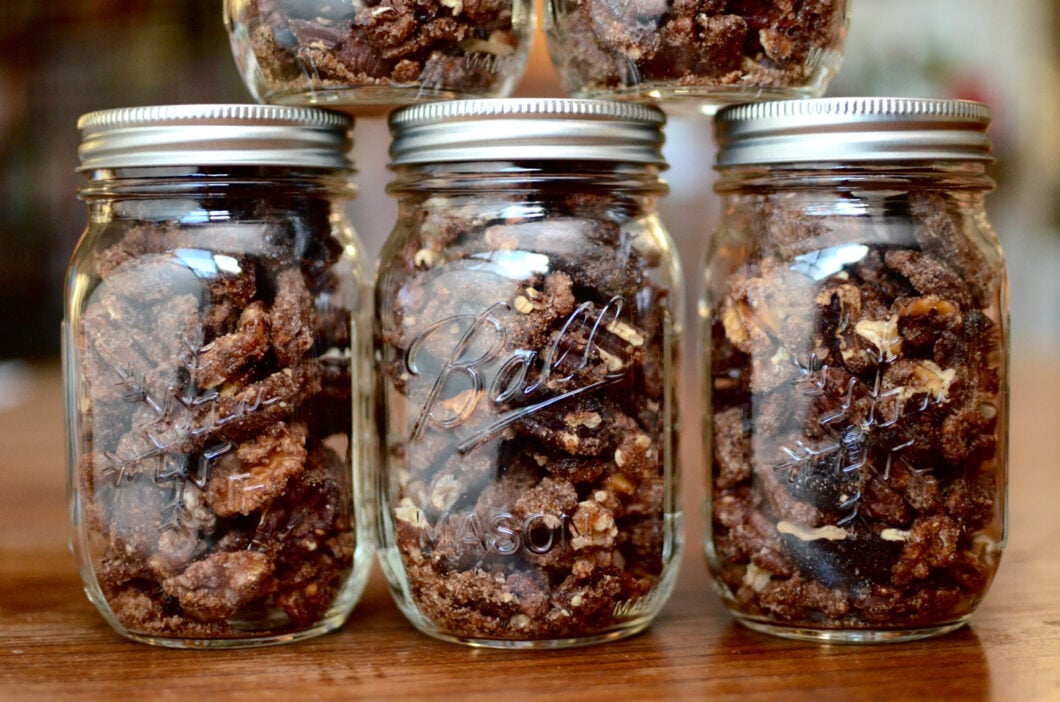
Beyond their primary role as a cherished holiday gift, spiced nuts offer remarkable versatility in culinary applications. Their sweet and savory profile, coupled with a satisfying crunch, makes them an excellent accompaniment to a variety of dishes and occasions. As suggested, they are a superb addition to a cheese board, providing textural contrast and a burst of flavor that complements creamy cheeses, fresh fruits, and cured meats. The interplay of sweet, salty, and spicy notes can elevate a simple cheese platter into a sophisticated appetizer spread.
Furthermore, their incorporation into hearty winter salads adds an unexpected layer of flavor and crunch, transforming an ordinary salad into a more substantial and intriguing meal. The warmth of the spices can beautifully offset the crispness of greens and the tang of vinaigrettes. Spiced nuts can also be crumbled over yogurt or oatmeal for a festive breakfast, sprinkled over roasted vegetables for an added gourmet touch, or even used as a topping for desserts like ice cream or baked apples. Their adaptability ensures that they are not just a fleeting holiday treat but a versatile ingredient that can enhance meals throughout the cooler months.
Looking Ahead: Sustained Popularity and Innovation
The trajectory of spiced nuts as a holiday staple appears set for continued growth. Their inherent qualities – ease of preparation, delightful taste, and versatility – position them favorably within the evolving landscape of culinary trends. As consumers continue to prioritize authenticity, personalization, and mindful consumption, homemade gifts like spiced nuts will likely maintain their prominent role.

Innovation in flavor profiles is also anticipated. While traditional spices remain popular, future variations may see the incorporation of global spice blends, unexpected sweet and savory combinations (e.g., rosemary and brown sugar, or even a hint of smoky paprika), or the use of different types of sweeteners beyond granulated sugar. The rise of plant-based diets might also encourage new iterations focusing on unique nut and seed combinations. Ultimately, the spiced nut, once a simple treat, has solidified its position as a sophisticated, adaptable, and deeply cherished element of modern holiday celebrations, embodying the spirit of warmth, generosity, and culinary craftsmanship.