As the autumn air chills and the leaves turn to hues of amber and crimson, the spirit of Halloween begins to permeate households worldwide. This beloved holiday, steeped in centuries of tradition, from ancient Samhain festivals to modern-day trick-or-treating, is a time for spooky decorations, thrilling tales, and, of course, delectable themed treats. Among the myriad of festive confections, the humble cupcake transforms into a canvas for imagination, and this year, the spotlight shines on the surprisingly accessible and undeniably charming Skull Cupcakes. These creations, blending the macabre with the delightful, offer a straightforward path to achieving impressive Halloween-themed baked goods, complete with a visual guide to inspire bakers of all skill levels.
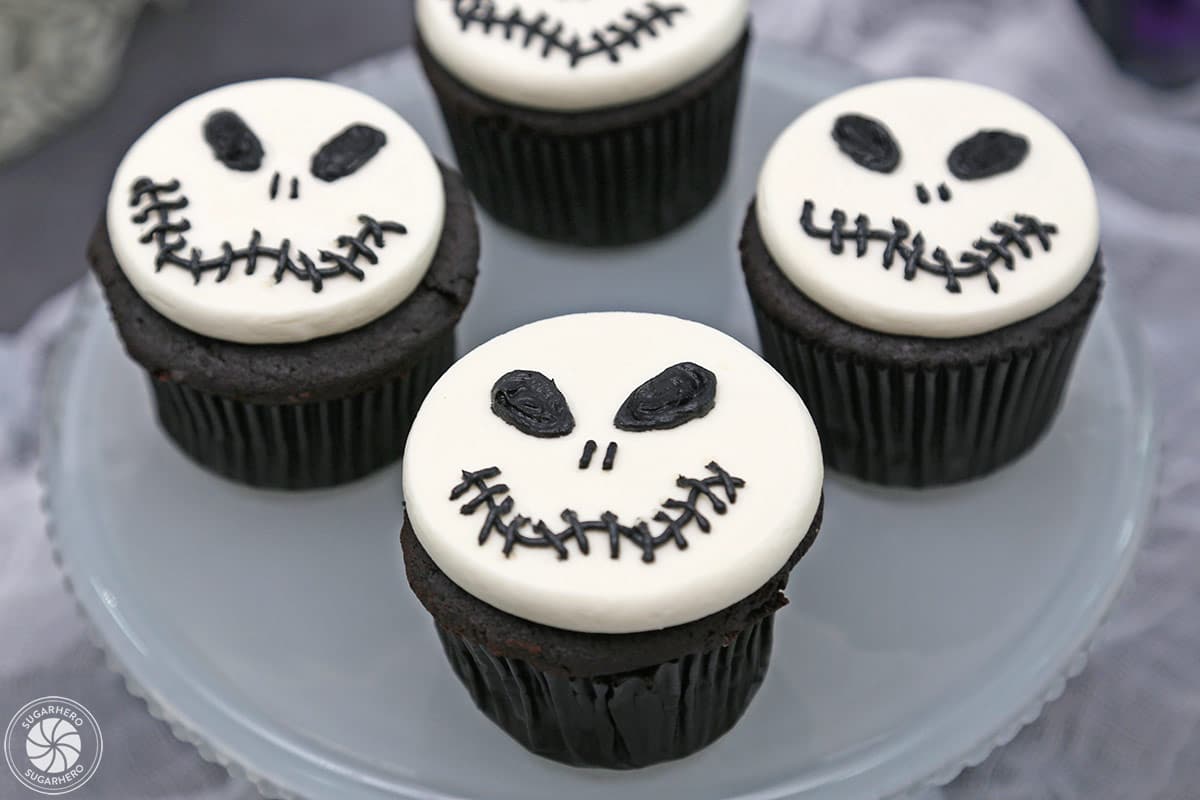
The appeal of Skull Cupcakes lies in their deceptive simplicity. While the imagery of a skull might evoke a sense of intricate artistry, the process for creating these edible effigies is remarkably uncomplicated. At its core, the design relies on the strategic application of buttercream frosting, transforming ordinary cupcakes into miniature, grinning skulls. This method bypasses the need for complex molds or advanced sugar-crafting techniques, making it an ideal project for home bakers seeking to elevate their Halloween offerings without a steep learning curve. The visual impact is significant, providing a "wow" factor that is both festive and fun, perfectly embodying the spirit of the season.
The foundation of these Skull Cupcakes can be as elaborate or as simple as the baker desires. While the recipe suggests utilizing a favorite cake mix for convenience, the option to employ a homemade cupcake recipe provides a blank slate for further culinary creativity. For those seeking inspiration, a wide array of cupcake recipes exists, ranging from classic vanilla and rich chocolate to more adventurous flavors that can complement the spooky theme. The key is to ensure a sturdy base, capable of supporting the decorative frosting elements.
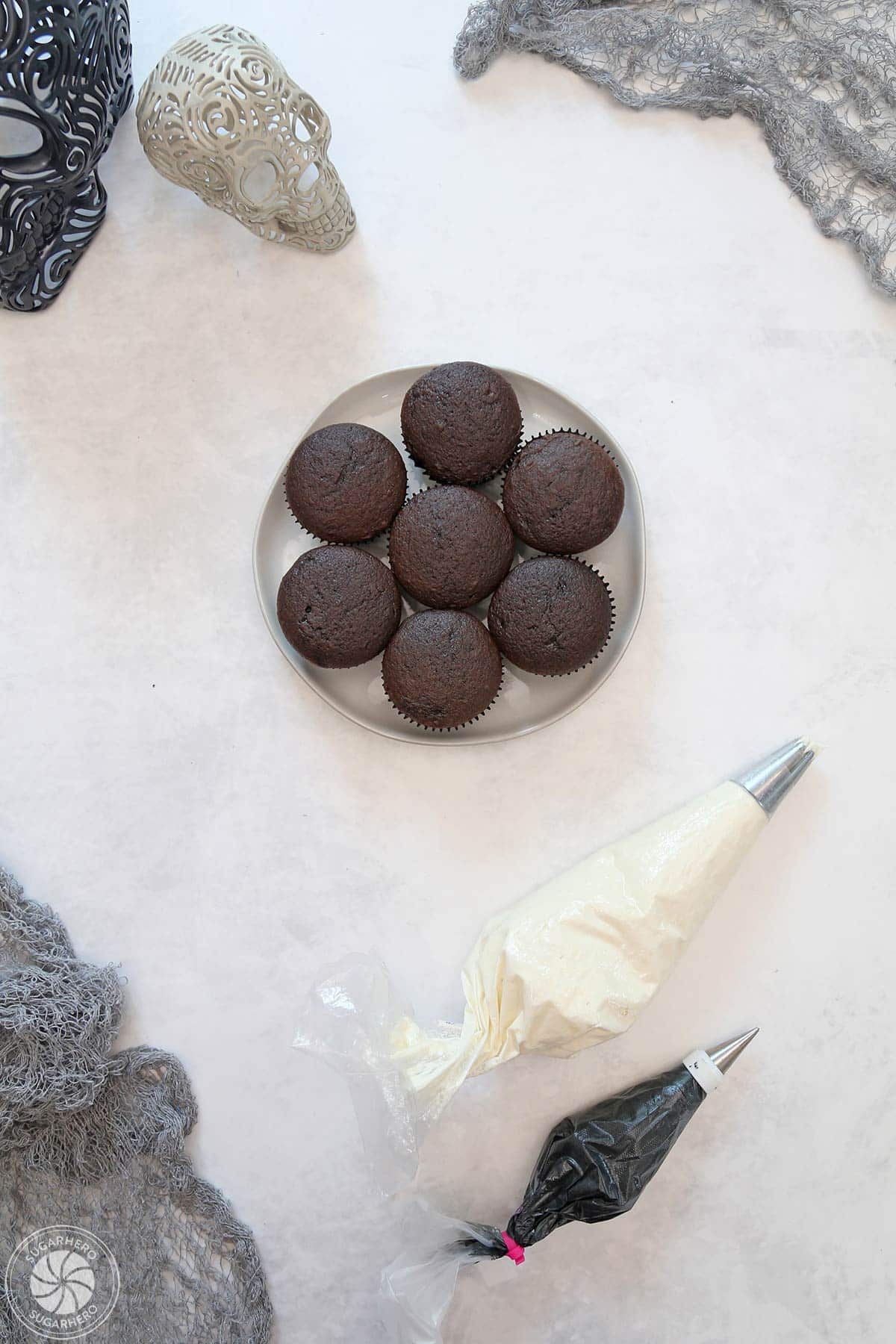
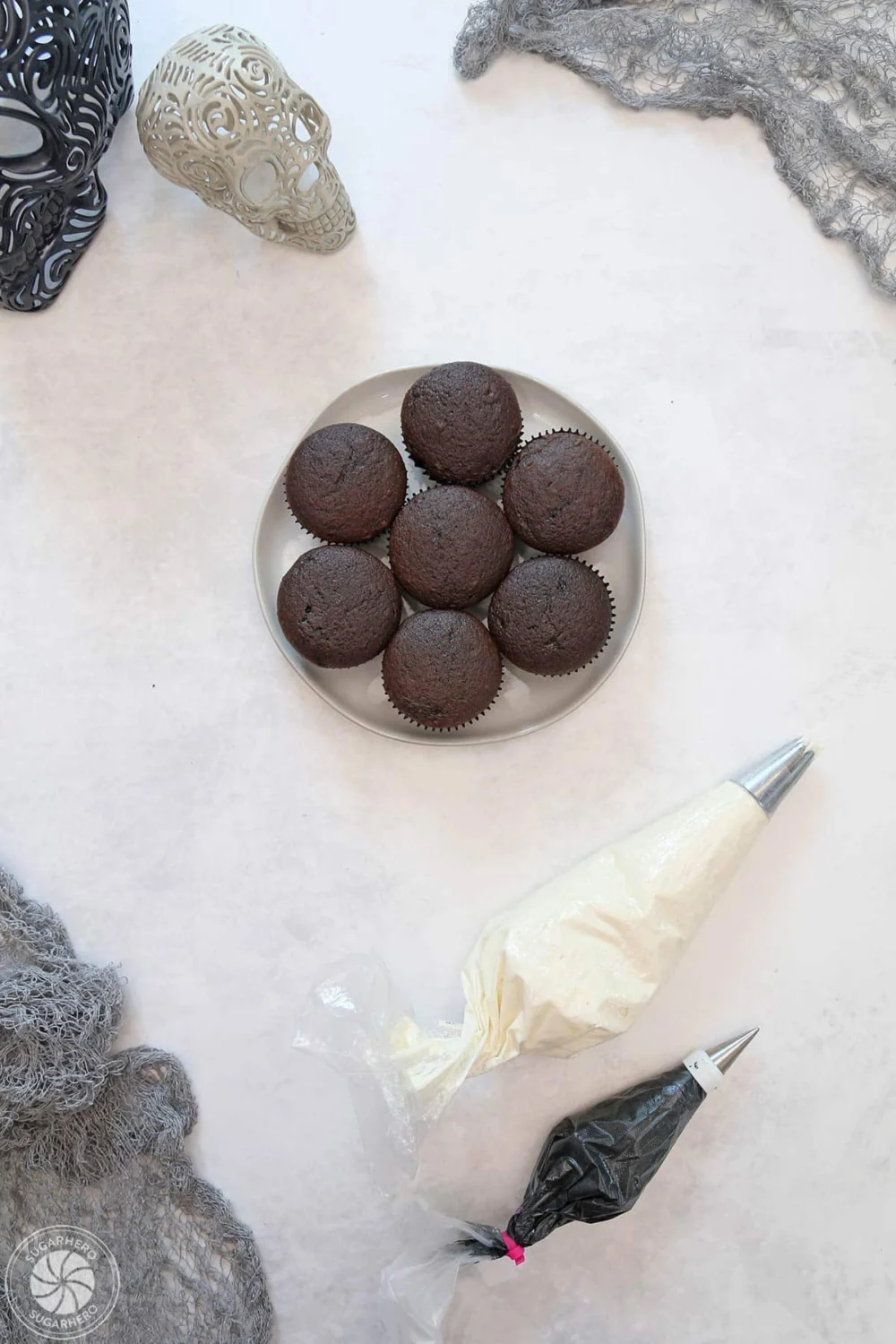
To embark on this confectionery adventure, a carefully curated selection of ingredients and equipment is essential. The recipe emphasizes the use of readily available items, making the process accessible to nearly anyone with a basic baking setup. The core components include baked cupcakes, serving as the edible foundation, and two distinct colors of buttercream frosting – typically a white or off-white for the skull’s base and a dark hue, such as black or deep grey, for the facial features.
The success of the frosting lies in its consistency and color. For the stark, graphic appearance of a skull, a smooth, pipeable buttercream is paramount. The recipe often calls for a classic American buttercream, a simple yet effective blend of butter, powdered sugar, vanilla extract, and a touch of milk or cream. Achieving a true, deep black can be a culinary challenge, often requiring specialized gel or powdered food colorings. The article provides valuable insights into this process, highlighting the importance of using high-quality coloring agents and allowing the frosting ample time to develop its rich hue. Some recipes even suggest incorporating black cocoa powder, a naturally dark and intensely flavored ingredient, to enhance the blackness and add a subtle chocolate note.
Beyond the frosting, the necessary equipment is minimal, further underscoring the accessibility of this project. Piping bags and a selection of tips are the primary tools for creating the detailed skull features. However, for those without specialized piping equipment, common household items can be adapted. Resealable plastic bags, with a small corner snipped off, can serve as makeshift piping bags, allowing for precise application of the frosting. A spatula or offset spatula is useful for smoothing the base layer of frosting, ensuring an even canvas for the skull’s features. Baking sheets lined with parchment paper are also recommended for preparing a stable surface for decorating and allowing the cupcakes to set.
The process of creating Skull Cupcakes can be broken down into several key stages, each contributing to the final, striking visual.
The Art of Frosting Preparation
The journey begins with the preparation of the buttercream. Two batches are typically required: one for the base skull color and another for the facial details. For the base, a generous amount of frosting is prepared, usually in a white or pale shade, to coat the entirety of each cupcake. This layer acts as the canvas for the skull’s features. The second batch of frosting is where the Halloween magic truly happens – the creation of a deep, enigmatic black. This often involves meticulous mixing with gel or powdered black food coloring. The article emphasizes a crucial tip for achieving an intense black: allowing the colored frosting to rest. This resting period, ideally 24 hours, permits the color molecules to fully disperse and deepen, resulting in a more vibrant and less diluted black than can be achieved through immediate application. This advanced preparation allows bakers to plan ahead, ensuring their Halloween treats are as visually impactful as possible.
Laying the Foundation: Frosting the Cupcakes
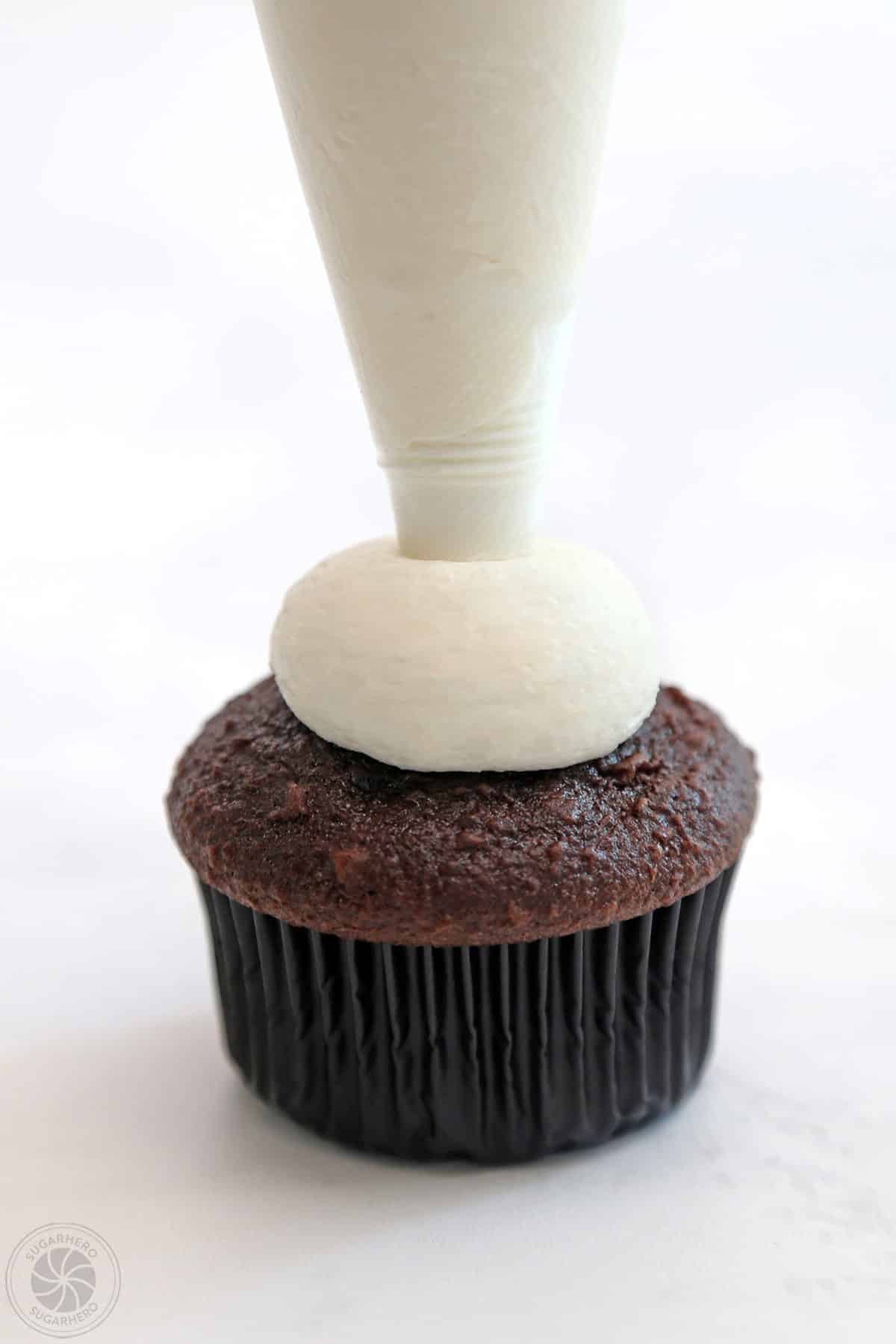
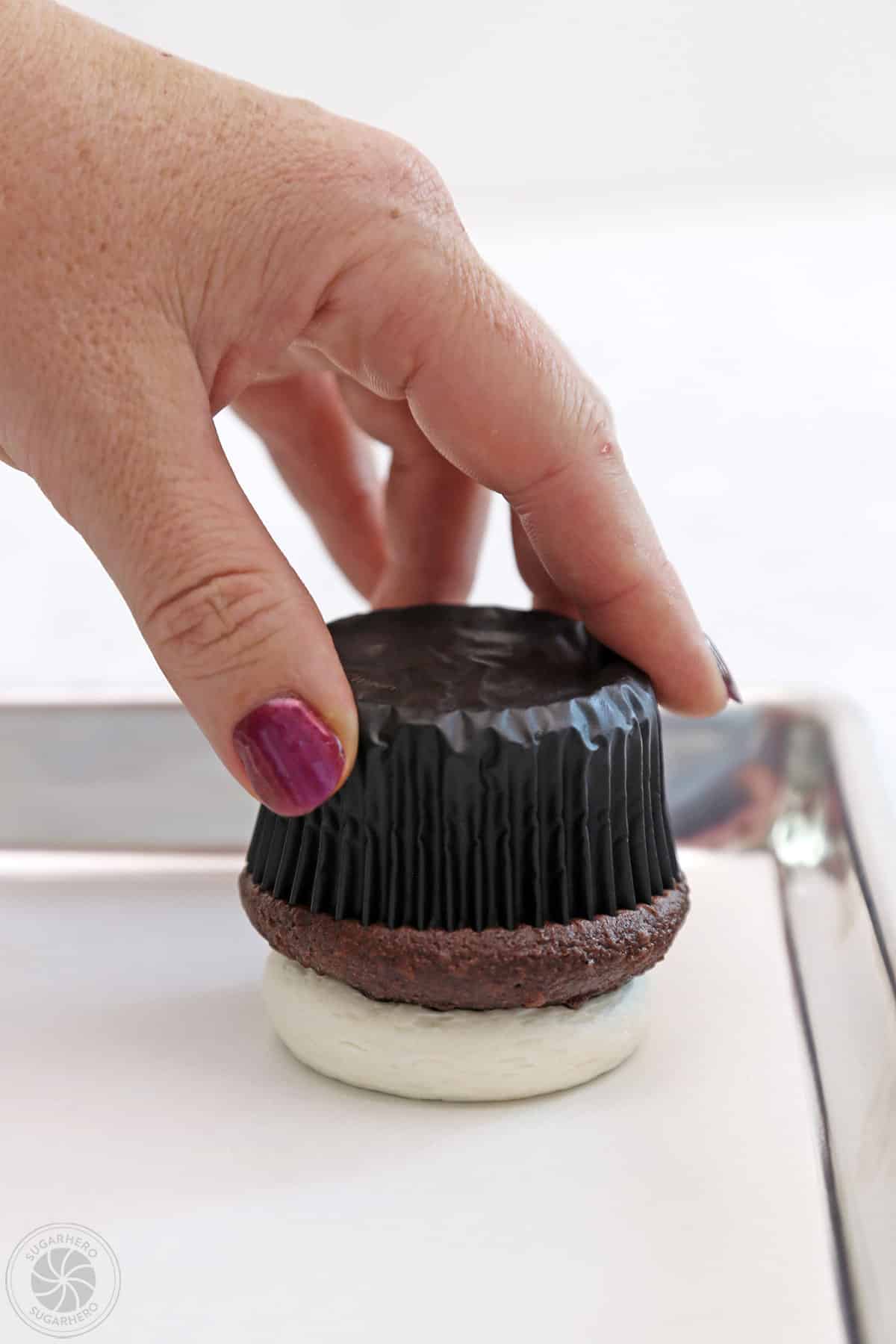
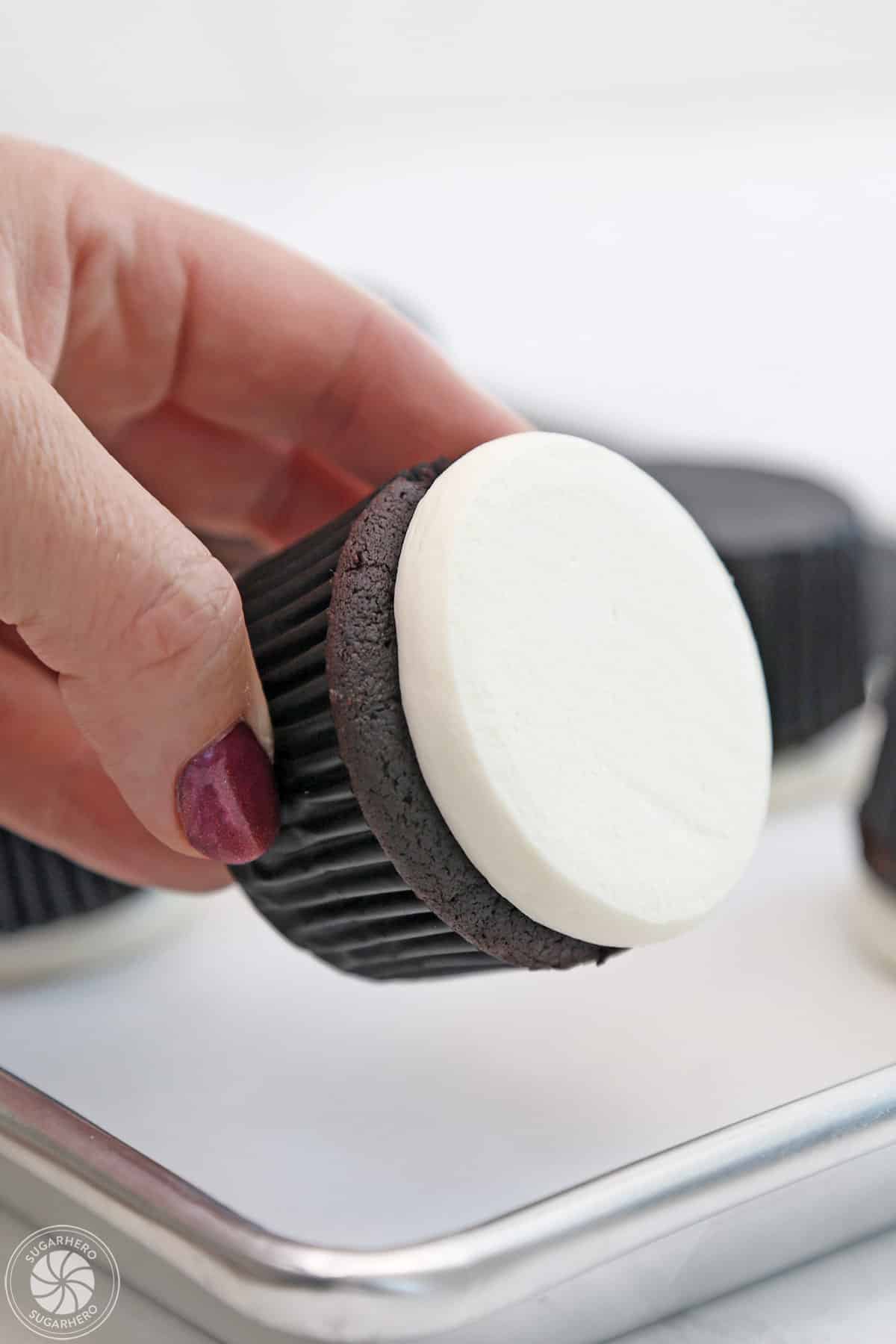
With the frostings prepared, the next step is to apply the base layer to the cupcakes. This can be achieved in a couple of ways, depending on the desired final look. One popular method involves inverting the frosted cupcake onto a parchment-lined baking sheet. This technique, often referred to as "smooshing," creates a flattened, smooth surface that is ideal for drawing facial features. The frosting is applied generously to the top of the cupcake, and then the entire cupcake is gently pressed onto the parchment paper, allowing the frosting to spread and create an even, slightly concave surface that resembles the rounded dome of a skull.
Bringing the Skull to Life: Decorating the Features
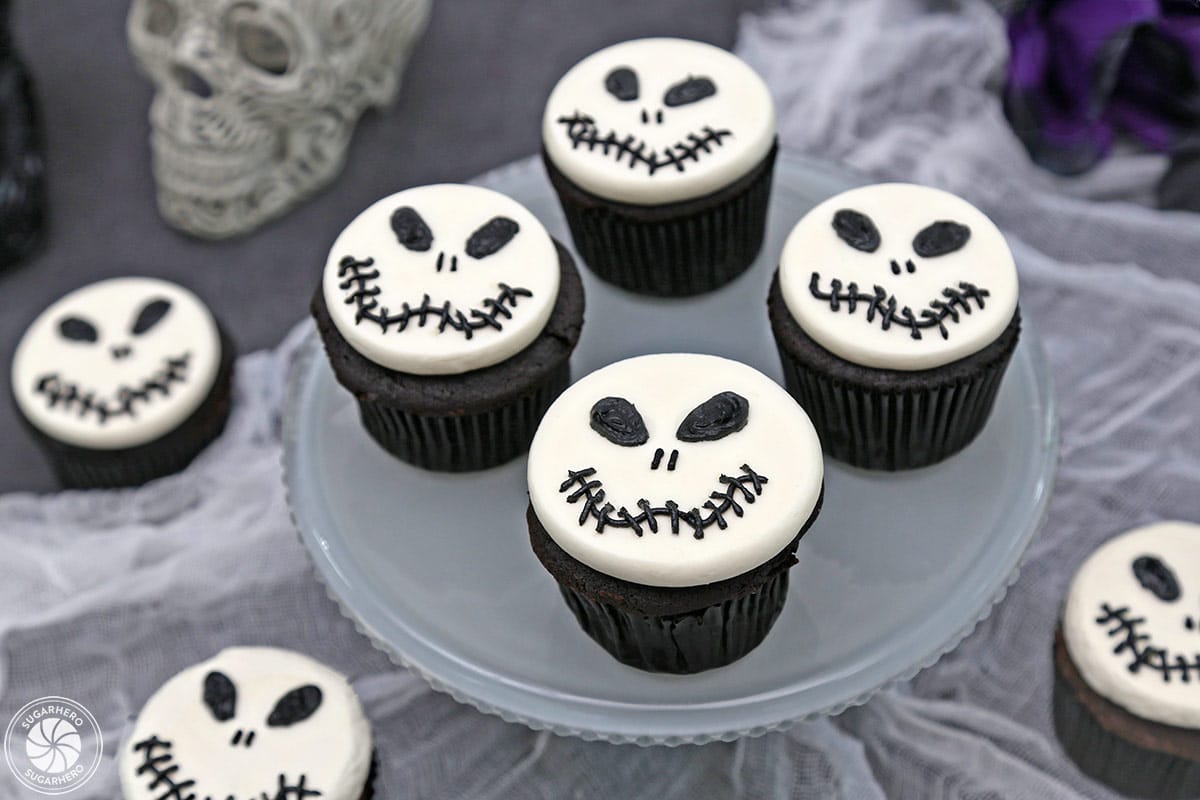
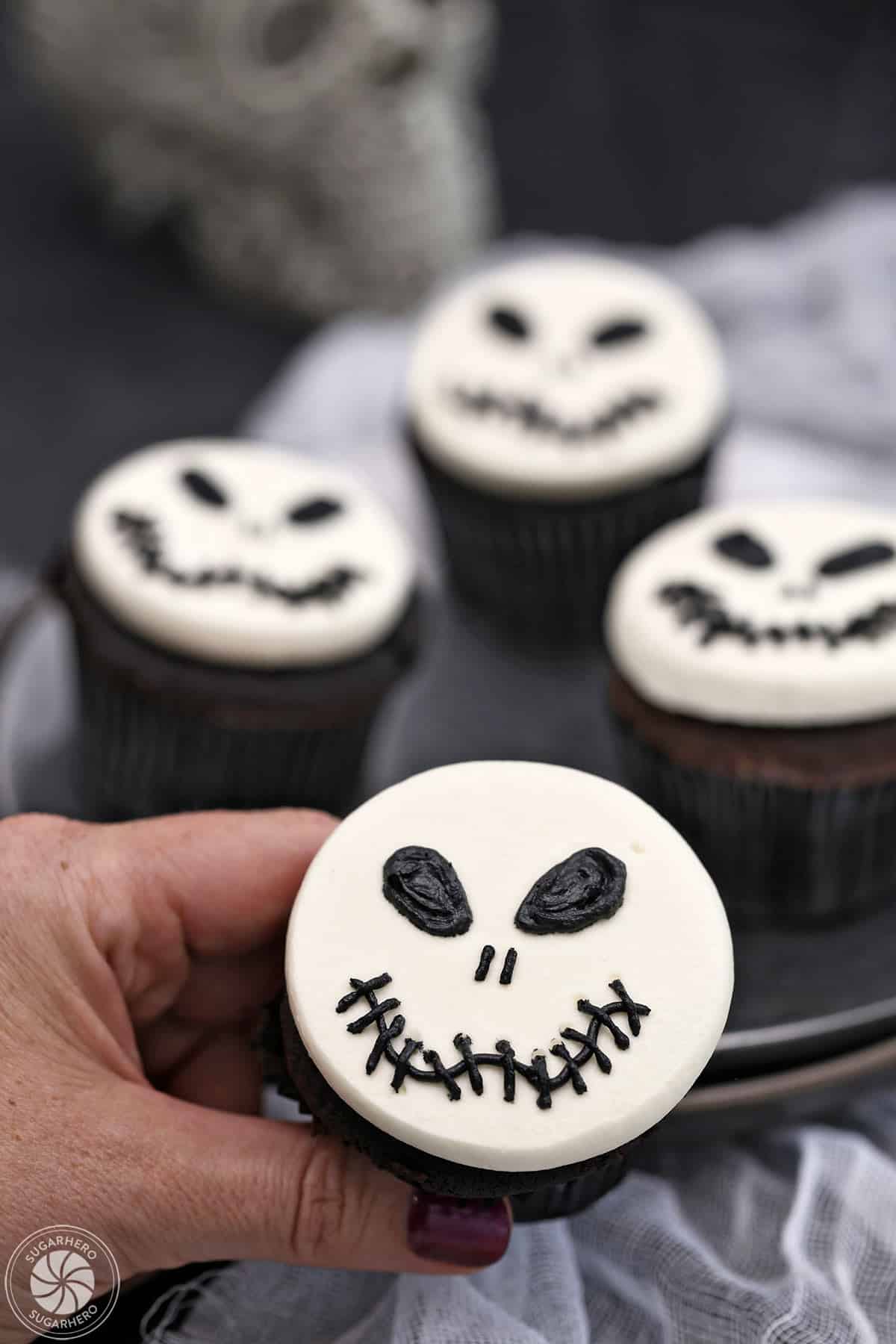
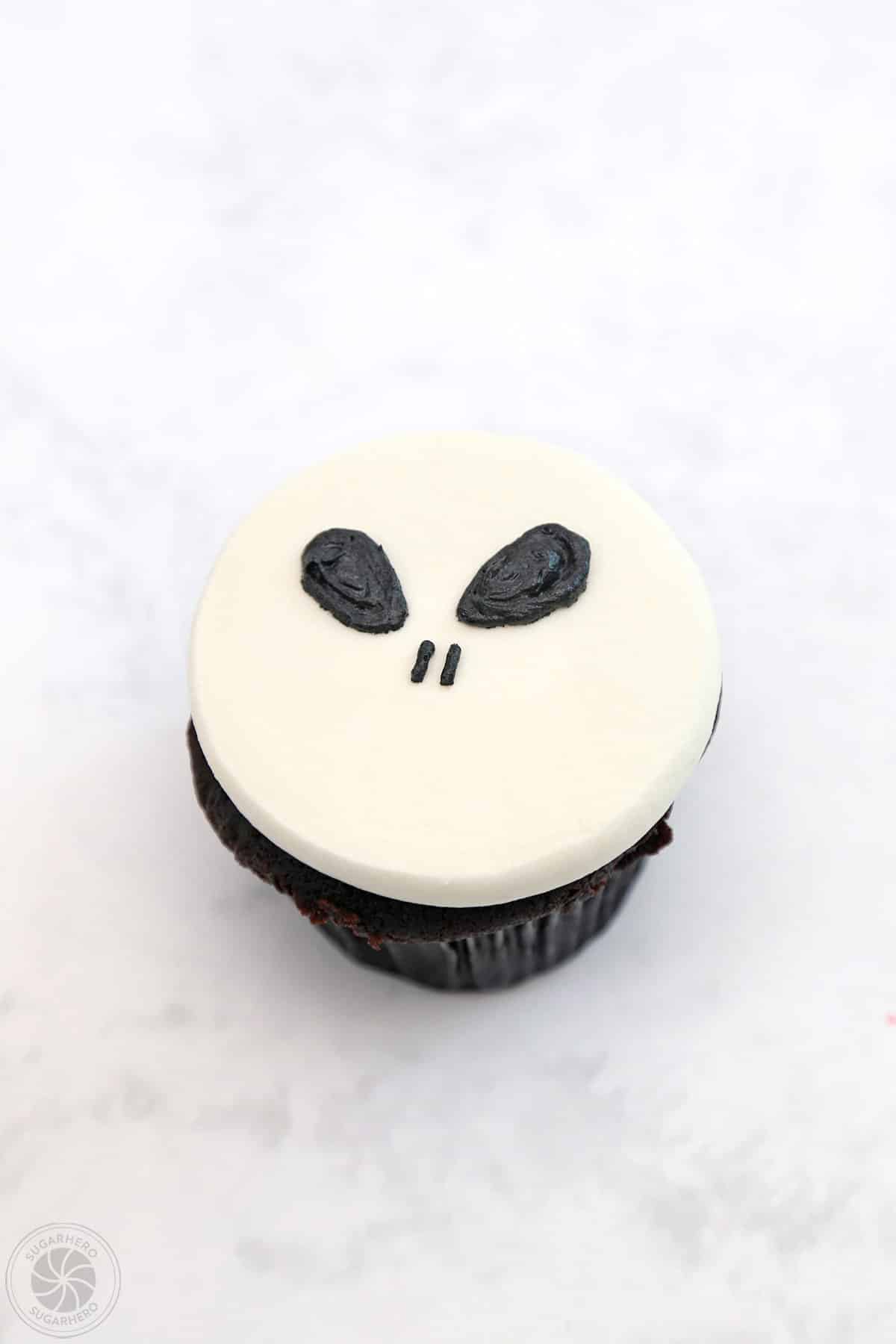
This is where the creative artistry truly shines. Using the black frosting and a piping bag fitted with a small, round tip, the iconic features of a skull are meticulously piped onto the white base. This typically involves creating two dark circles for the eye sockets, positioned symmetrically on the upper half of the cupcake’s frosted surface. Below the eyes, two small, inverted triangles or dots represent the nasal cavity. The mouth is often depicted with a simple, jagged line, suggesting the row of teeth, or a more stylized, open-mouthed grin. The precision of these piped elements is key to achieving a recognizable skull design. The article’s photo tutorial offers invaluable step-by-step visual guidance, demonstrating the placement and form of each feature, ensuring even novice decorators can replicate the look with confidence.
Background Context and Traditional Significance
The tradition of incorporating skulls into Halloween imagery dates back centuries, rooted in various cultural practices and beliefs surrounding death and the afterlife. From the ancient Aztec celebrations of Día de Muertos, where sugar skulls are a central element, to the European traditions of memento mori, skulls have long served as potent symbols of mortality, remembrance, and the cyclical nature of life and death. In the context of modern Halloween, the skull has evolved from a somber symbol into a playful and iconic representation of the holiday’s spooky aesthetic. The creation of Skull Cupcakes taps into this rich cultural history, offering a contemporary and accessible way to engage with these ancient themes through the universally loved medium of dessert.
Timeline and Chronology of Halloween Celebrations
Halloween’s origins can be traced back to the ancient Celtic festival of Samhain, celebrated around November 1st. This marked the end of summer and the harvest and the beginning of the dark, cold winter, a time of year that was often associated with death. Celts believed that on the night before the new year, the boundary between the worlds of the living and the dead became blurred. On the night of October 31, they celebrated Samhain, when it was believed that the ghosts of the dead returned to earth. To commemorate the event, Druids built huge sacred bonfires, where people gathered to burn crops and animals as sacrifices to the Celtic gods. During the celebration, people wore costumes, typically consisting of animal heads and skins, and attempted to tell each other’s fortunes.
Over time, as Christianity spread, the Church established All Saints’ Day on November 1st, and All Souls’ Day on November 2nd, in an attempt to replace the pagan festival with a related, Church-sanctioned holiday. The celebration of Samhain, however, continued, eventually evolving into what we now recognize as Halloween. The tradition of "trick-or-treating" emerged in the Middle Ages, evolving from ancient practices where the poor would beg for food in exchange for prayers for the dead. The association of skulls with the holiday solidified over centuries, becoming a ubiquitous symbol of Halloween’s playful macabre.
Supporting Data and Culinary Trends
The popularity of themed baking, particularly for holidays like Halloween, has seen a significant surge in recent years. Driven by social media platforms like Pinterest and Instagram, visually appealing and creatively decorated treats have become a focal point for home bakers and culinary enthusiasts. Data from food industry trend reports consistently show an increase in searches for seasonal recipes and baking supplies during the autumn months. The hashtag #skullcupcakes, for instance, boasts millions of mentions, indicating a widespread interest in this specific type of decoration. Furthermore, the emphasis on "easy" and "DIY" recipes continues to be a dominant trend, catering to a growing audience seeking accessible yet impressive baking projects. The Skull Cupcake design perfectly aligns with these trends, offering a high visual reward for relatively low effort.
Analysis of Implications: Accessibility and Engagement
The accessibility of the Skull Cupcake recipe has significant implications for fostering broader engagement with creative baking. By demystifying the process of decorating with buttercream, it empowers individuals who may not consider themselves "bakers" to participate in seasonal festivities. This not only enhances the celebratory atmosphere within homes but also encourages culinary exploration and skill development. The project’s simplicity can serve as an entry point into more complex cake decorating techniques, potentially sparking a lifelong interest in baking and pastry arts. The shared experience of creating and enjoying these treats can also strengthen family bonds and community connections during the Halloween season.
The creation of these Skull Cupcakes is more than just a recipe; it’s an invitation to participate in a time-honored tradition with a modern, playful twist. By understanding the simple yet effective techniques involved, bakers of all levels can craft treats that are not only delicious but also visually captivating, embodying the spirit of Halloween with every bite. The journey from basic ingredients to a perfectly adorned skull cupcake is a testament to the joy and creativity that can be found in the kitchen, especially during the most wonderfully spooky time of the year.