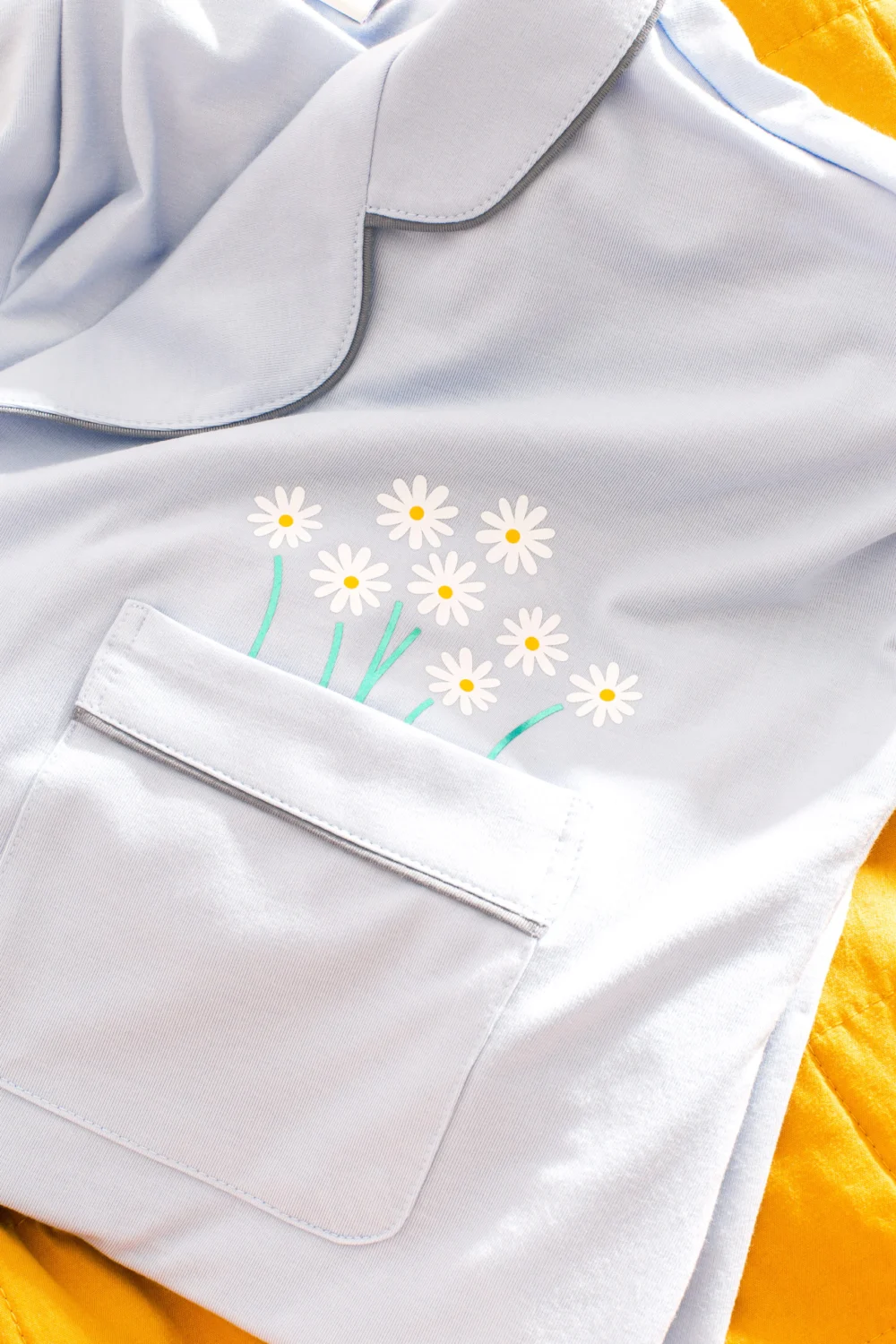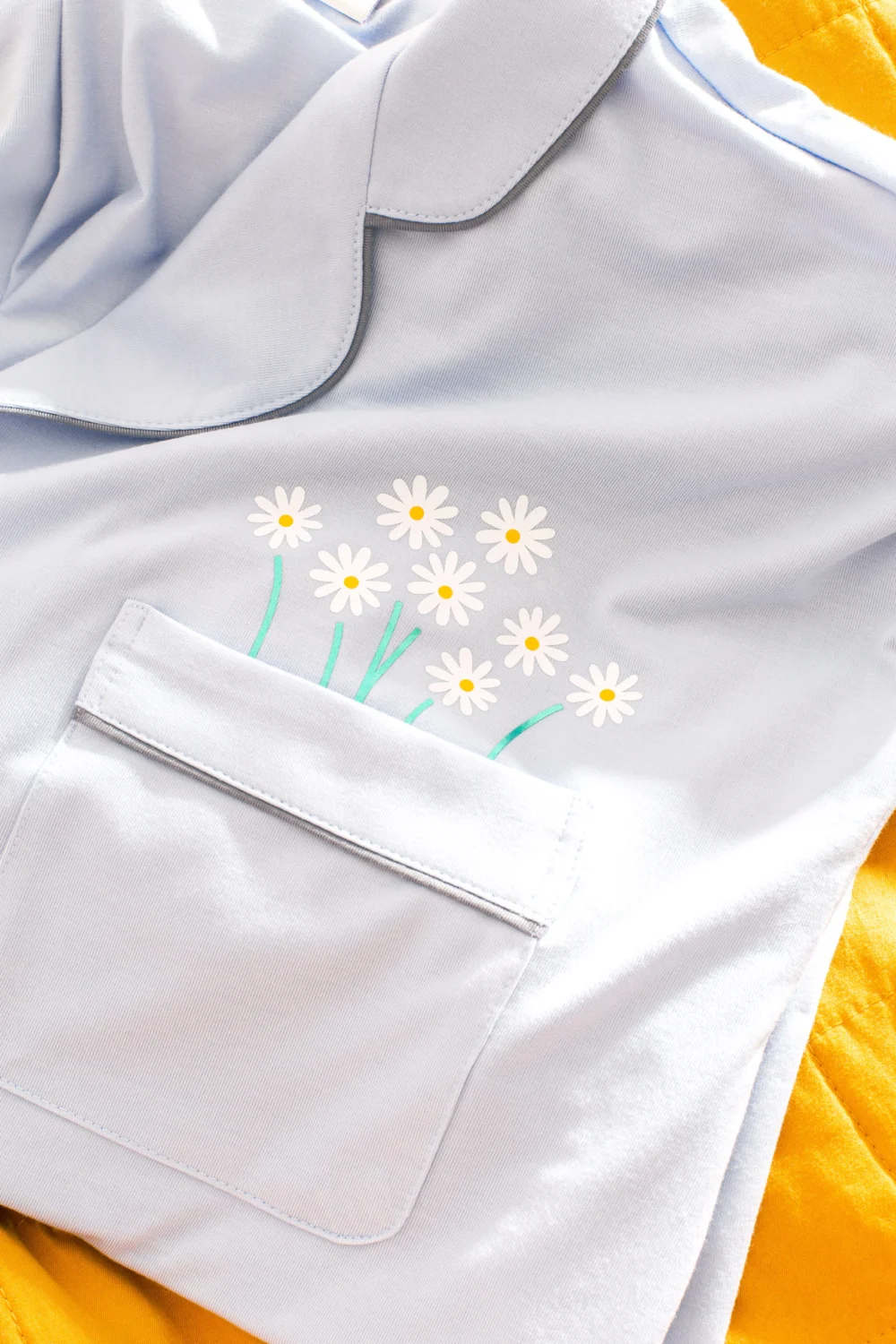
Mother’s Day has transitioned from a traditional observance into a multi-billion-dollar retail phenomenon characterized by a significant shift toward "practical luxury" and the "comfort economy." As modern consumers move away from ephemeral gifts like chocolates or standard bouquets, there is a growing emphasis on products that facilitate rest, wellness, and long-term utility within the home. This trend is exemplified by recent collaborations between lifestyle brands and comfort-tech companies, such as the partnership between the mattress innovator Purple and the luxury loungewear brand Sleepy Jones. These alliances highlight a broader market movement where the gift of "time" and "rest" is packaged through high-end bedding, ergonomic pillows, and customizable apparel.
The Economic Landscape of Mother’s Day Spending
The financial impact of Mother’s Day remains a cornerstone of the second-quarter retail calendar. According to data from the National Retail Federation (NRF), annual spending on the holiday has seen a steady upward trajectory, frequently exceeding $28 billion in the United States alone. While jewelry and special outings historically dominated the share of wallet, the "home and lifestyle" category has seen a compound annual growth rate that outpaces traditional sectors.

In 2021, the year associated with the rise of the "stay-at-home" luxury trend, the average consumer spent approximately $220 on Mother’s Day gifts. A significant portion of this expenditure was directed toward enhancing the domestic environment. The data suggests that approximately 45% of consumers sought "gifts of experience," which in a post-pandemic context, often translated to creating a "spa-like" or "retreat-like" atmosphere within the household. This shift has benefited companies specializing in sleep technology and high-quality textiles, as shoppers prioritize health-centric gifts that offer lasting value.
The Rise of the Comfort Economy: A Case Study in Brand Collaboration
The strategic partnership between Purple and Sleepy Jones serves as a primary example of how brands are capturing the "rest-as-luxury" market. Purple, known for its proprietary "Purple Grid" technology in mattresses and pillows, has expanded its reach by integrating its comfort-first philosophy into the apparel sector. By collaborating with Sleepy Jones, a brand that focuses on the aesthetic and tactile quality of pajamas, the partnership addresses a specific consumer desire: the optimization of the "weekend morning" experience.
Industry analysts note that this "bundling" of products—combining high-tech bedding like the Purple Harmony Pillow with designer loungewear—creates a comprehensive gifting ecosystem. This strategy encourages higher average order values while providing the consumer with a curated solution to the perennial question of what to buy. The inclusion of promotional incentives, such as the "OHD10" discount code, further drives conversion by lowering the barrier to entry for premium-tier products.
Historical Context and the Evolution of Gifting
To understand the current state of Mother’s Day, one must examine its historical trajectory. The holiday was officially established in the United States in 1914, following years of advocacy by Anna Jarvis, who originally conceived it as a day of personal celebration between mothers and families. However, Jarvis herself eventually became a vocal critic of the holiday’s commercialization, lamenting that the sentiment was being replaced by "greeting cards and candy."
In the mid-20th century, gifting was largely standardized, focusing on floral arrangements—specifically white carnations—and handwritten notes. By the 1980s and 1990s, the market expanded into electronics and luxury fragrances. The 21st century has seen a "return to the home," but with a modern, technological twist. The contemporary "Mother’s Day" is no longer just about acknowledgment; it is about "optimization." Consumers are now looking for products that solve problems, such as sleep deprivation or stress, leading to the current dominance of the wellness and "athleisure" markets.
The Customization Trend: The Intersection of DIY and Luxury
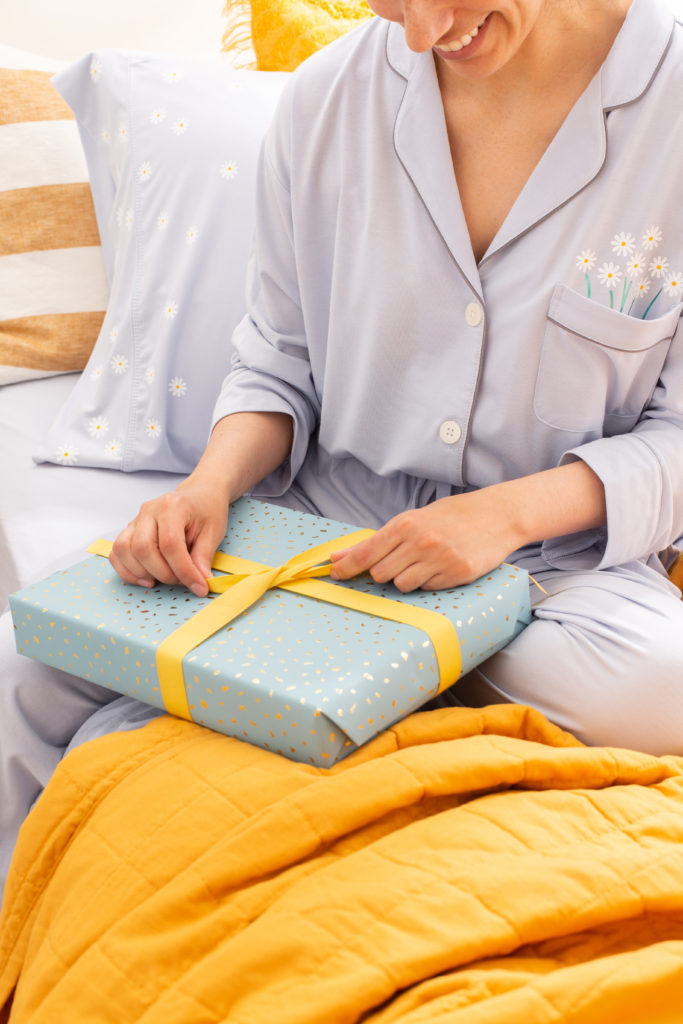
A notable subset of the modern gifting market is the "Personalized DIY" movement. As seen in the recent popularity of daisy-inspired motifs and iron-on vinyl applications, there is a significant consumer appetite for adding personal touches to mass-produced luxury items. This trend reflects a desire for "unique" gifts that carry the emotional weight of handmade items without sacrificing the quality of professional-grade materials.
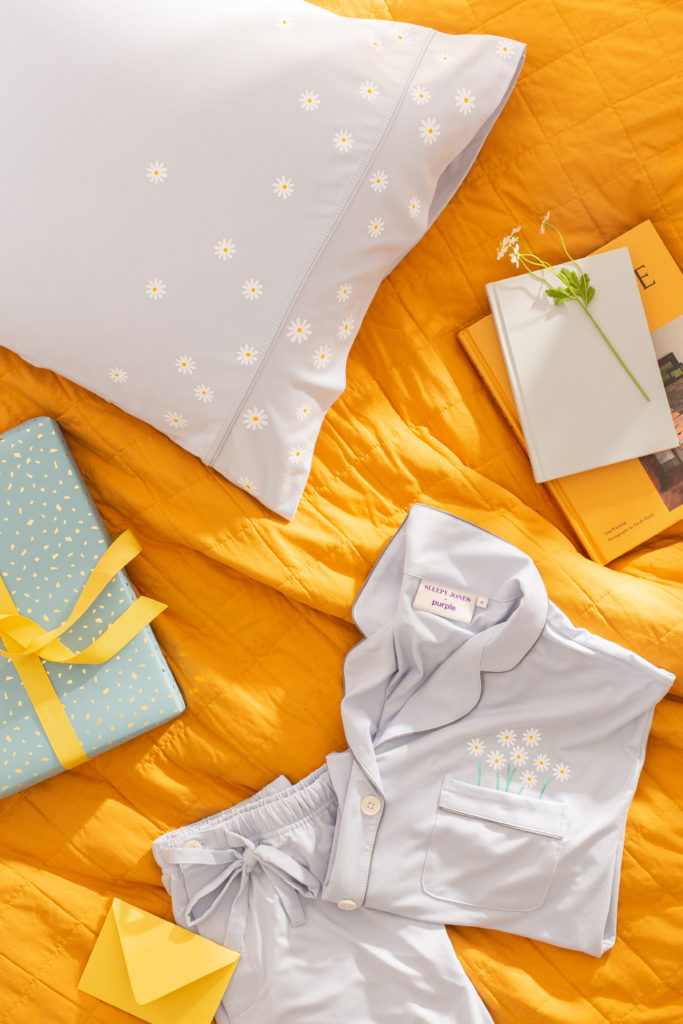
The use of craft cutters and thermal transfer vinyl (HTV) to customize pajamas or pillowcases represents the intersection of the "Maker Economy" and traditional retail. Market research indicates that personalized gifts are perceived as having 40% more "sentimental value" than non-personalized counterparts. By providing templates and instructions for "Daisy DIY" projects, brands like Purple engage consumers in a participatory experience, transforming a simple purchase into a creative project. This engagement fosters brand loyalty and encourages social media sharing, which serves as organic marketing for the participating companies.
Strategic Gifting: The Role of Aesthetics and Sentiment
The modern consumer’s approach to Mother’s Day is also heavily influenced by visual aesthetics, often driven by social media platforms like Instagram and Pinterest. The "Bedroom Blooms" concept—the practice of placing fresh-cut flowers in overlooked spaces like nightstands—is a strategic move to enhance the "visual wellness" of a room.
Floriculture experts suggest that the presence of greenery and flowers in the bedroom can reduce cortisol levels and improve mood. When paired with high-quality "soft-stretch" sheets and pastel-colored pajamas, these elements form a cohesive "visual narrative" of relaxation. Retailers have capitalized on this by marketing "lifestyle kits" rather than individual items. The objective is to sell a "feeling" or a "moment" rather than just a product.

Industry Implications and Future Outlook
The shift toward home-centric, personalized luxury for Mother’s Day has broader implications for the retail industry. First, it signals a move toward "slower" consumption. Consumers are increasingly willing to invest in high-quality items that last for years—such as a premium mattress or a well-made set of pajamas—rather than inexpensive, disposable gifts.
Second, the success of these campaigns highlights the importance of "cross-sector" marketing. By bridging the gap between "furniture/bedding" and "fashion/apparel," companies can tap into new demographics and create more versatile brand identities. The "comfort economy" is expected to continue its growth, with the global sleep market projected to reach over $585 billion by 2024.
Chronology of Mother’s Day Consumer Behavior
- 1910s–1930s: Focus on sentimental cards and floral tributes (primarily carnations).
- 1940s–1960s: Rise of household appliances as gifts, reflecting the "modernization" of the American home.
- 1970s–1990s: Expansion into jewelry, fine dining, and luxury perfumes.
- 2000s–2010s: The digital revolution; rise of e-commerce, gift cards, and high-tech gadgets.
- 2020–Present: The "Wellness Era"; focus on sleep hygiene, loungewear, DIY personalization, and "home-as-sanctuary" products.
Data-Driven Insights: What Mothers Actually Want
Surveys conducted by consumer research firms suggest a slight disconnect between what people buy and what mothers desire. While jewelry remains a top-selling category, a significant majority of mothers—approximately 62%—reported that their "ideal" gift involves "relaxation" or "decreased responsibility" for the day. This data supports the marketing strategies of companies like Purple, which emphasize "letting mom catch a few extra Zs" and providing "restful time at home."
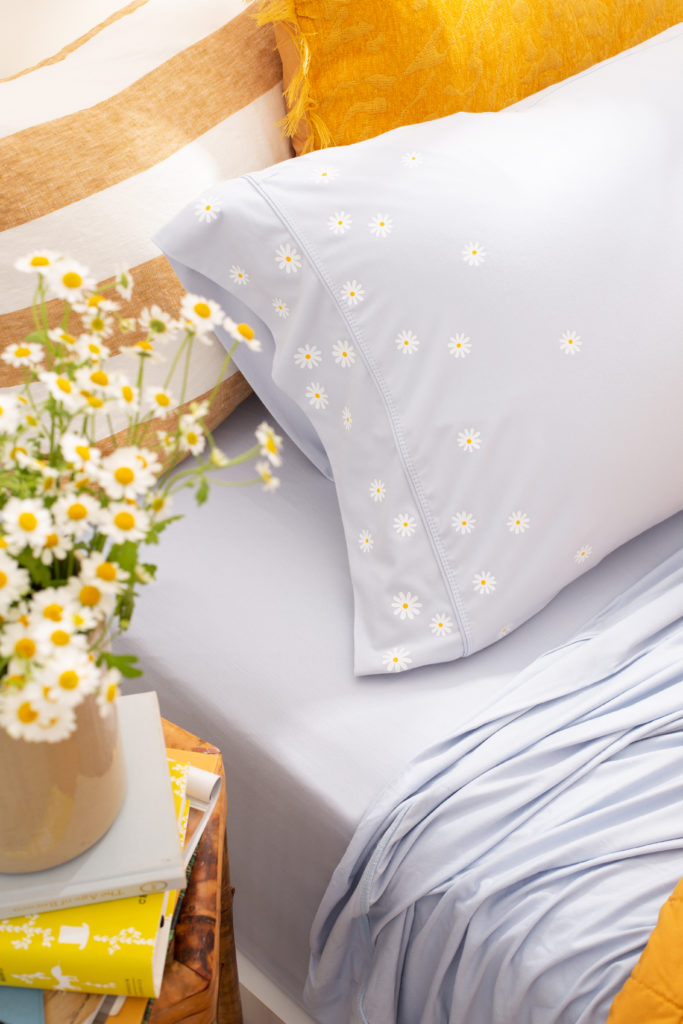
The preference for "everyday luxuries" over "grand gestures" is a defining characteristic of the current decade. A freshly made bed, a quality cup of coffee, and new loungewear are cited as high-value "simple luxuries" that resonate more deeply than expensive, one-off events.
Conclusion: The New Standard for Mother’s Day
The evolution of Mother’s Day gifting reflects broader societal changes regarding wellness, home life, and the definition of luxury. By integrating technology, personalization, and strategic brand partnerships, the retail sector has successfully repositioned the holiday as a day for holistic rejuvenation. For brands, the challenge lies in maintaining the balance between commercial viability and the authentic sentiment that Anna Jarvis originally intended. For consumers, the trend points toward a more thoughtful, utility-driven approach to showing appreciation—one that prioritizes the long-term well-being of the recipient through the gift of comfort.
As the market continues to evolve, the integration of DIY elements and high-tech "comfort solutions" will likely remain a dominant force. The Mother’s Day of the future is not just a date on the calendar, but a comprehensive lifestyle event centered on the optimization of the home environment and the celebration of restful, intentional living.