The unassuming byproduct of sourdough maintenance, often relegated to the waste bin, is undergoing a culinary renaissance, proving its versatility far beyond traditional bread-making. A prime example of this innovative spirit is the emergent sourdough discard granola, a creation that transforms surplus starter into a crispy, flavorful, and remarkably clump-rich breakfast staple. Championed by culinary innovator Rebecca Firkser of The Perfect Loaf, this unique granola leverages sourdough discard not merely as a filler but as a pivotal ingredient, contributing both a nuanced flavor profile and superior binding capabilities. This development signifies a broader trend in modern kitchens towards sustainability, resourcefulness, and an elevated appreciation for fermented ingredients.
The Rise of Sourdough Discard in Modern Kitchens
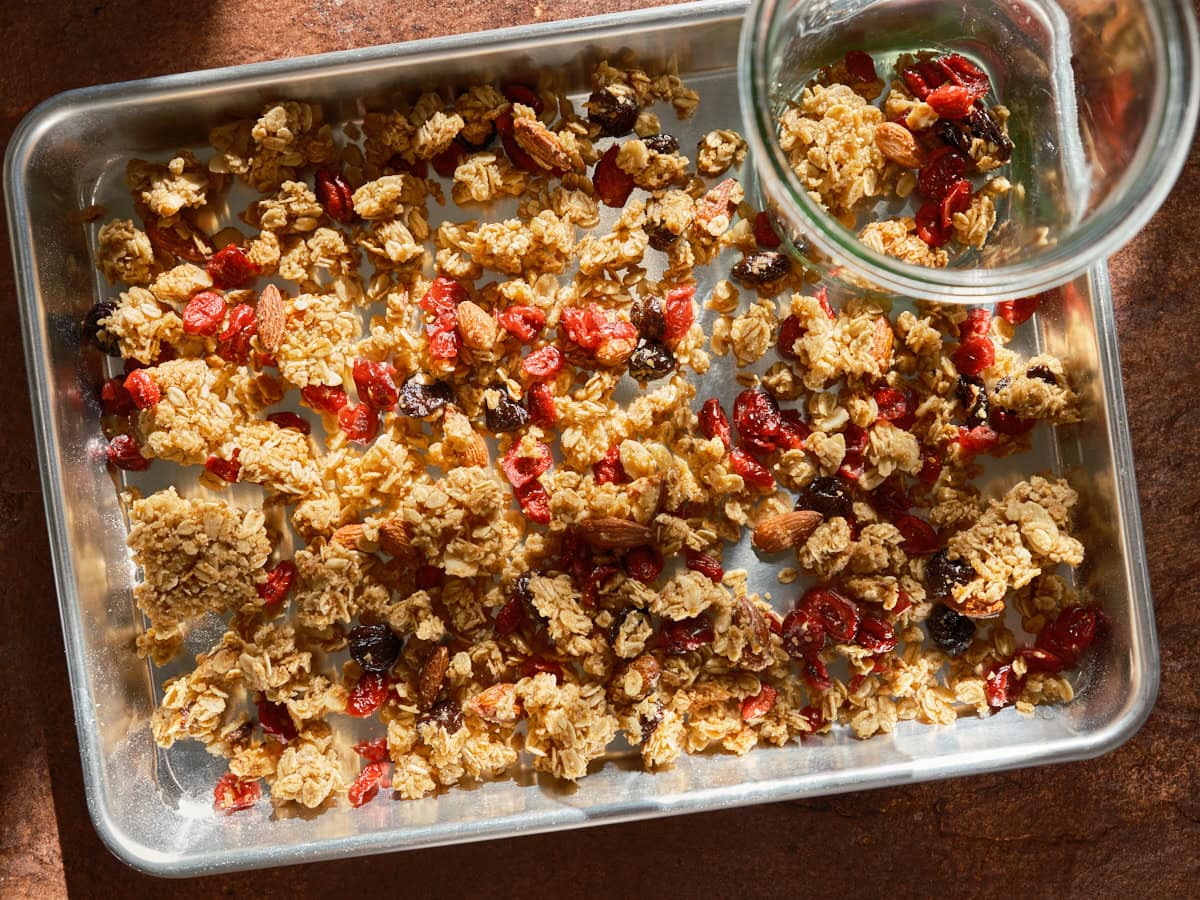
The global resurgence of sourdough baking, particularly prominent during the early 2020s, introduced countless home bakers to the meticulous art of maintaining a vibrant sourdough starter. This process, requiring regular feeding and discarding portions of the unfed starter, inevitably led to a surplus—the "sourdough discard." Initially viewed as a necessary waste, creative bakers quickly sought ways to repurpose this tangy, flour-and-water mixture. What began with simple applications like pancakes and crackers evolved into a diverse repertoire encompassing cakes, brownies, and even savory baked goods. The integration of sourdough discard into granola represents a particularly ingenious leap, demonstrating its capacity to enhance textures and flavors in unexpected ways. This chronological progression of discard utilization highlights a growing consumer awareness and desire to minimize food waste, turning what was once discarded into a valuable ingredient.
The Science and Art of Sourdough Granola: A Deeper Dive into Ingredients and Technique
At its core, this sourdough discard granola is a testament to how subtle ingredient modifications can yield profound culinary improvements. Each component, from the foundational oats to the innovative inclusion of discard, plays a critical role in achieving its distinctive character.
The Unsung Hero: Sourdough Discard
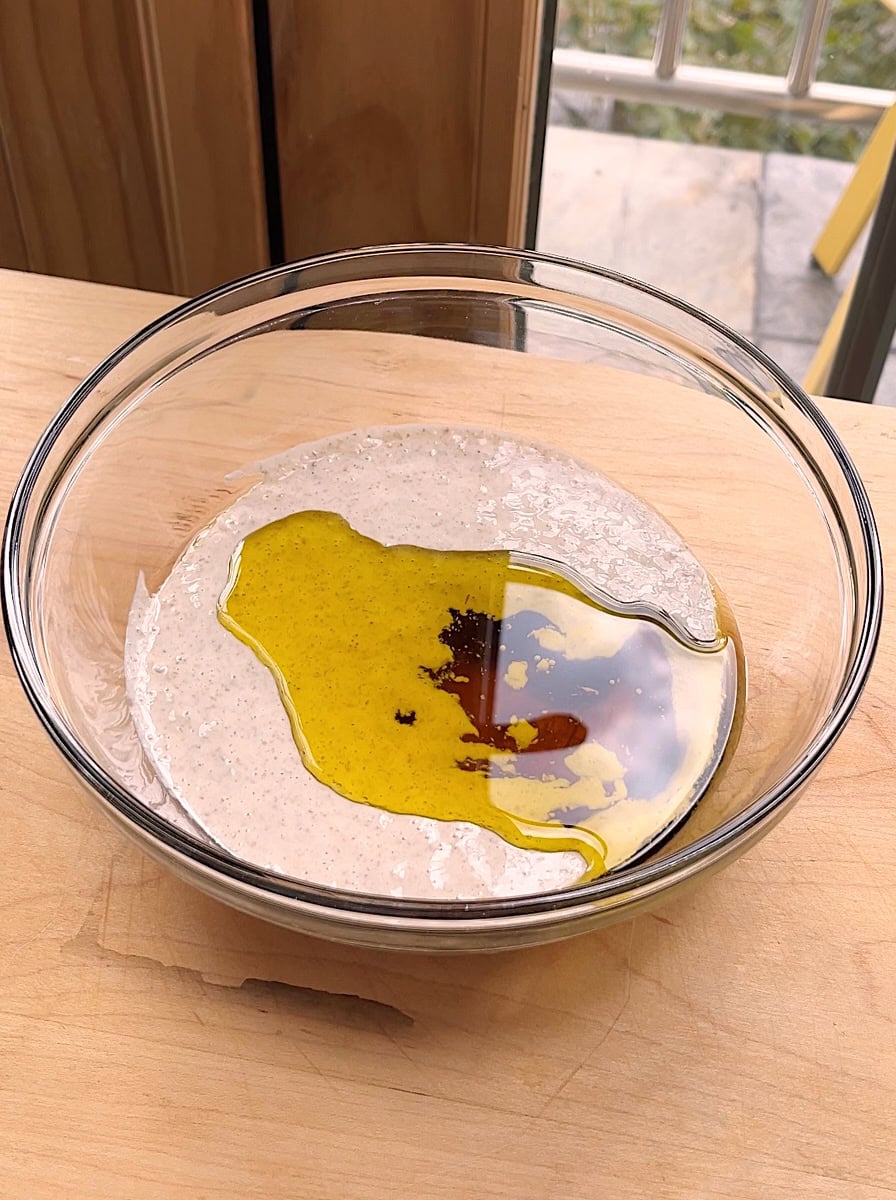
The addition of sourdough starter discard to granola is the recipe’s defining characteristic. Unlike its active, bubbly counterpart, discard is unfed starter that has mellowed, retaining the complex acids (lactic and acetic) produced during earlier fermentation stages. These acids impart a subtle, sophisticated tang that elevates the granola beyond typical sweet profiles, adding an "extra layer of complexity" often missing from conventional recipes.
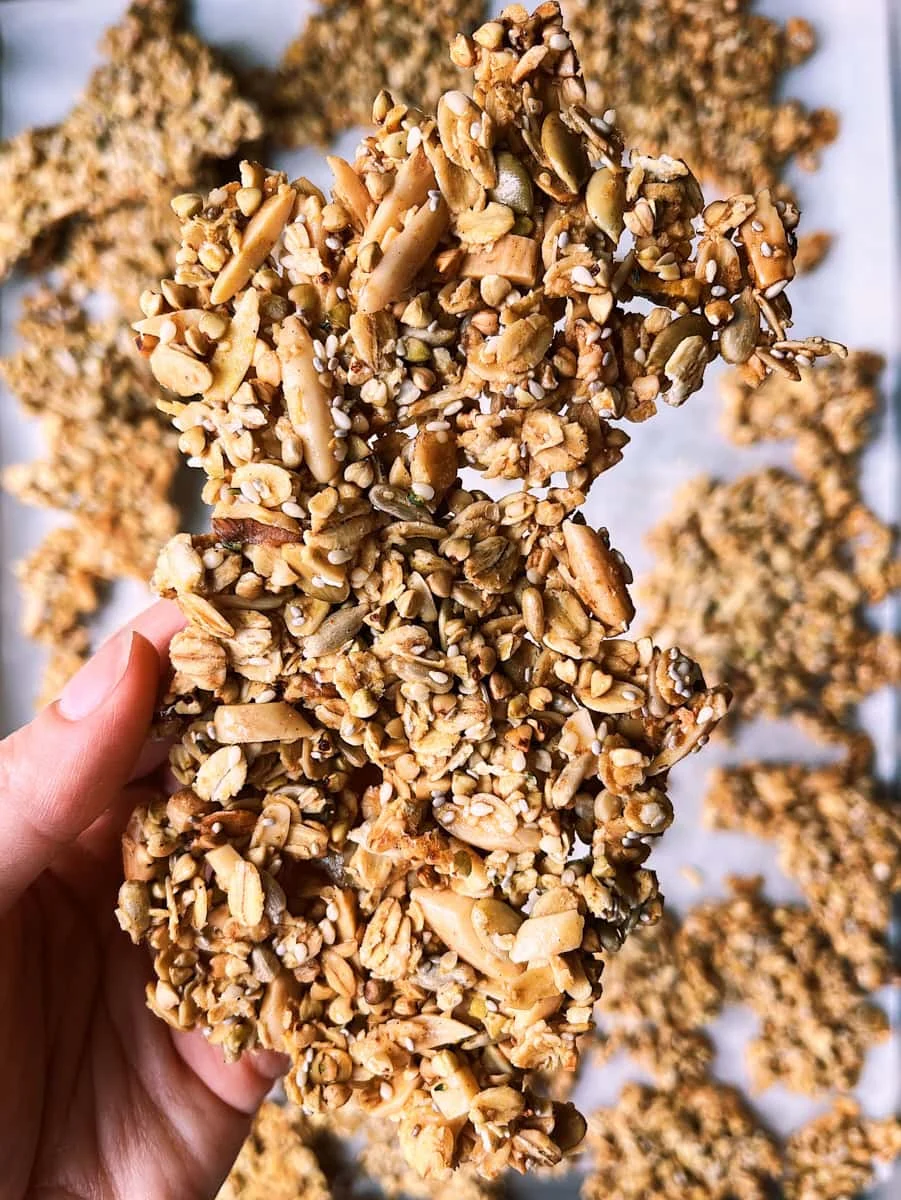
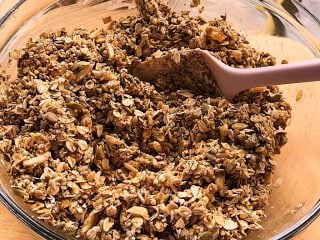
Beyond flavor, the discard acts as a powerful, natural binding agent. Traditionally, granola relies heavily on sticky sweeteners like maple syrup or honey, or sometimes egg whites, to coalesce its disparate ingredients into desirable clusters. Sourdough discard, a thick, viscous flour-and-water mixture, coats the dry components effectively. As it bakes, the flour in the discard gelatinizes and then crisps, forming a sturdy matrix that binds the oats, nuts, and seeds together. This mechanism allows for the creation of "big, extra-crispy clumps" without an excessive amount of added sugar, contributing to a more balanced sweetness profile. Food scientists note that the protein and carbohydrate matrix within the discard provides a unique structural integrity, contributing to both the desired clumping and the enduring crispness, akin to a well-baked cracker.
Foundation of Flavor and Texture: Oats and Mix-ins
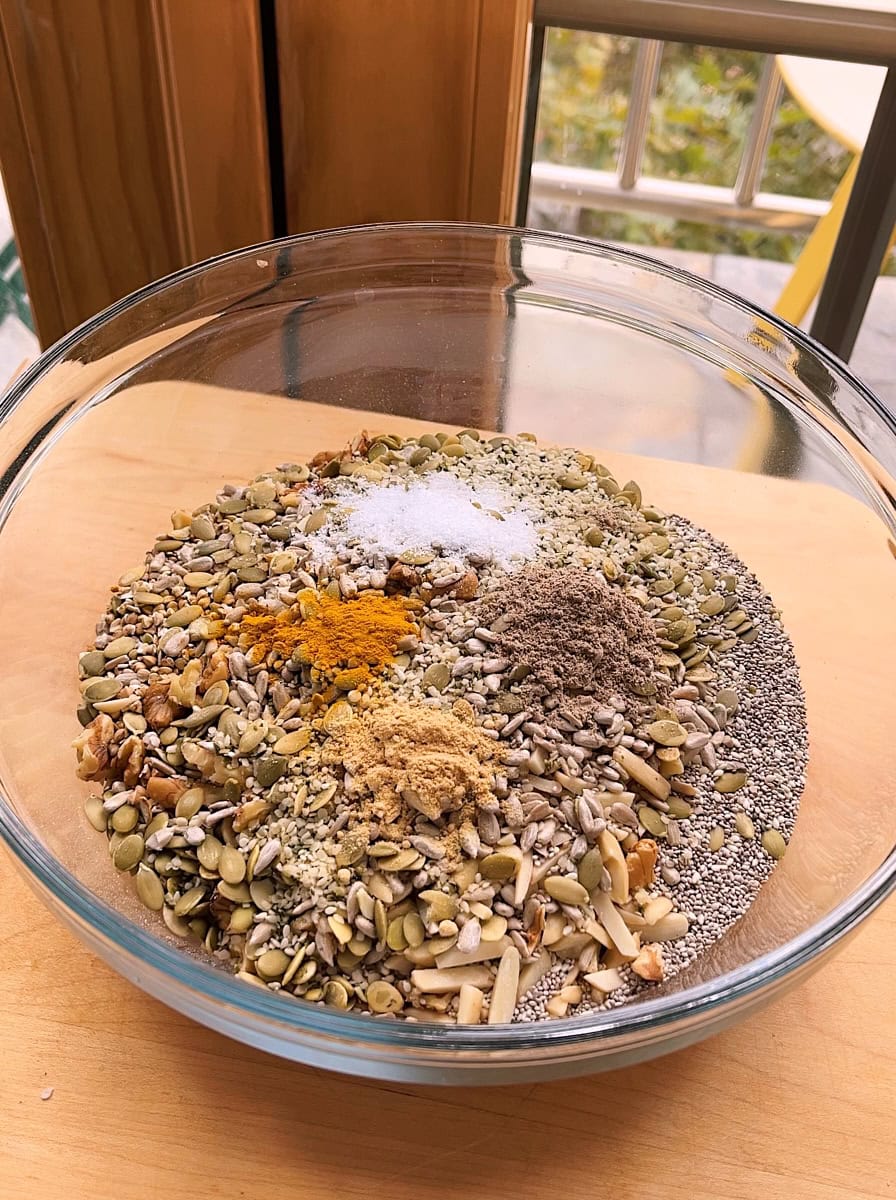
The structural backbone of this granola, like many others, is rolled oats. Known for their soluble fiber content, including beta-glucans, oats provide a healthy, satisfying chew and a neutral base for other flavors. The recommended ratio of two parts oats to three parts other mix-ins allows for significant textural and flavor diversity.
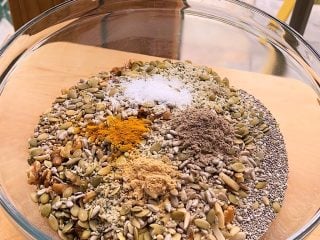
The "crunchies" introduce a symphony of textures and nutritional benefits. Buckwheat groats, for instance, contribute an earthy flavor and a distinct, firm crunch that contrasts beautifully with the softer oats. Nuts, such as almonds, pecans, or walnuts, offer healthy monounsaturated and polyunsaturated fats, protein, and a rich, buttery depth. Seeds like hemp and sesame provide visual appeal and subtle nutty notes, while flaxseed (ground or whole) and chia seeds further enhance binding properties due to their mucilaginous nature when exposed to moisture, in addition to their omega-3 fatty acids and fiber content. A thoughtful blend of these ingredients ensures a multi-dimensional sensory experience, making each spoonful engaging.
Sweetness and Structure: Maple Syrup and Oil
The balance of sweetness in this granola is carefully calibrated. While maple syrup serves as the primary sweetener, its quantity is moderated by the binding assistance provided by the sourdough discard. At approximately 156 grams (½ cup) for a substantial batch, it delivers a "lightly sweet" profile suitable for diverse applications, from breakfast yogurt topping to a standalone snack. Maple syrup also contributes to the caramelization process during baking, which deepens the flavor and adds to the crisp texture. For those preferring alternatives, honey offers a more pronounced sweetness and floral notes, resulting in a chewier texture and faster browning, while agave syrup provides a more neutral sweetness.
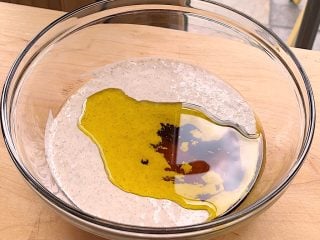
Oil is indispensable for achieving the desired crispness and richness, preventing the granola from becoming dry or floury. The choice of oil can significantly impact the final flavor. Olive oil or unrefined coconut oil impart distinct, appealing notes that complement the granola’s profile, contributing a robust or subtly tropical essence, respectively. For those who prefer a more neutral backdrop, avocado oil offers a good alternative, providing healthy fats without overpowering other flavors. The fats in the oil are crucial for heat transfer and even browning, ensuring that the granola crisps uniformly and develops a satisfying mouthfeel.

Mastering the Bake: Achieving the Perfect Clump and Crispness
The baking methodology for this sourdough discard granola is as critical as its ingredient selection, particularly for achieving the coveted "clumpy" texture.
The "No-Stir" Secret
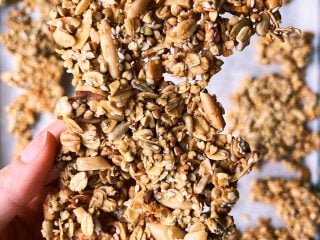
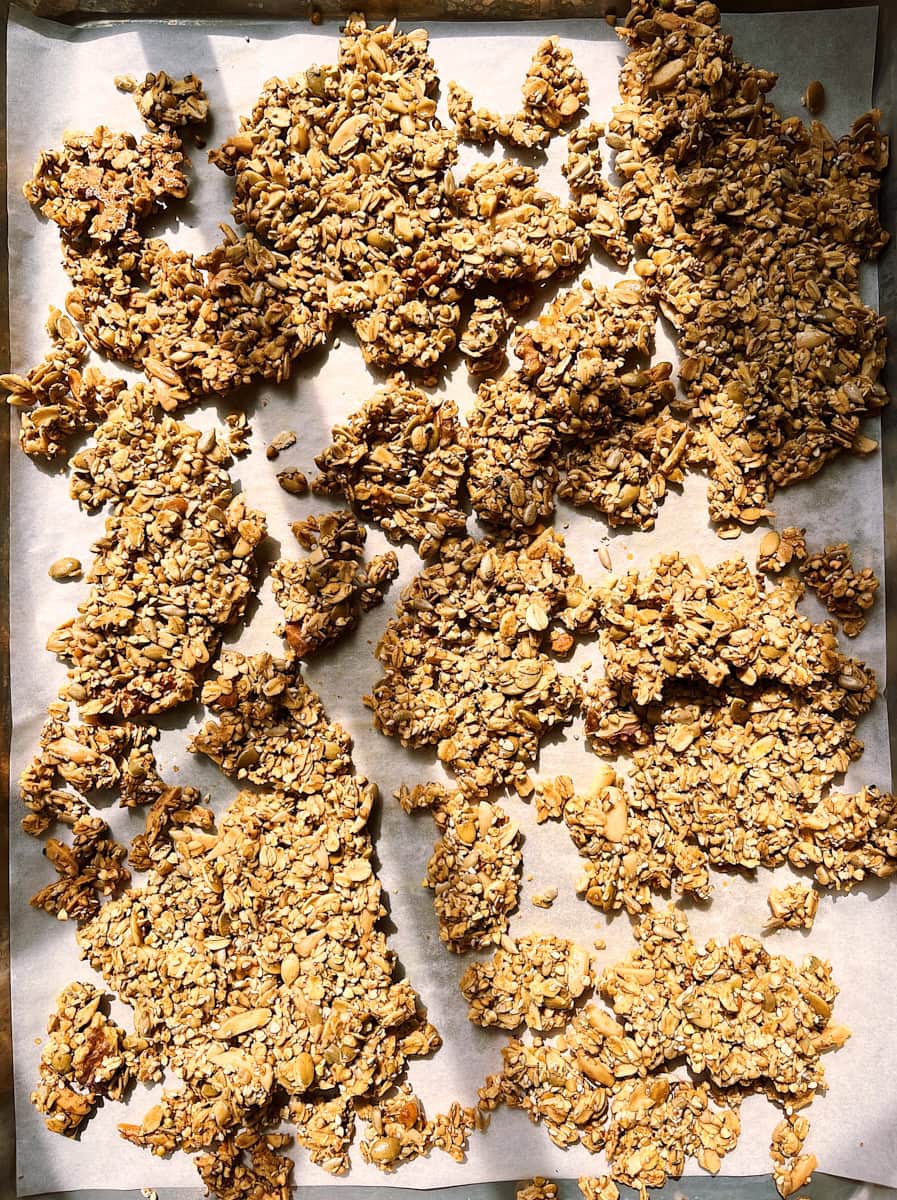
A key instruction that sets this recipe apart is the explicit directive to not stir the granola during baking. While many conventional granola recipes advise stirring for even browning, this sourdough variant thrives on undisturbed baking. The reason lies in the unique binding properties of the discard, amplified by flax or chia seeds. Once spread thinly across two sheet pans, the wet mixture, fortified by the discard, forms a continuous layer. As heat penetrates, the moisture evaporates, and the flour-and-syrup coating sets and hardens, creating robust bonds between the dry ingredients. Disrupting this process by stirring would break these nascent bonds, resulting in a loose, scattered granola rather than the desired "bark-like" pieces. This technique ensures an evenly baked product that, once fully cooled, can be broken into large, satisfying clusters, providing a superior textural experience. The controlled, lower temperature baking (though specific temperatures are not detailed in the original, generally granola bakes at 300-325°F or 150-160°C) over a longer duration is essential for dehydration and crisping without burning.
Post-Bake Additions: Dried Fruits and Chocolate
The timing of adding certain ingredients is crucial for optimal results. Dried fruits, such as raisins, cranberries, or cherries, are best incorporated after the granola has finished baking and cooled slightly. Baking dried fruit can lead to it becoming overly hard, chewy, or even burnt, diminishing its appeal. Adding them post-bake preserves their natural softness and chewiness, providing a pleasant textural contrast to the crispy granola. The versatility extends to various fruits: roughly chopped dates, prunes, or dried apricots for a chewier sweetness; banana chips or dried mulberries for a sweet crunch; or freeze-dried berries for a delicate, melt-in-your-mouth sweetness. For those desiring a decadent touch, chocolate chips or chopped chocolate can be folded in after the granola has cooled sufficiently to prevent melting, creating a delightful midnight snack or an indulgent breakfast treat. Adding cocoa powder during the mixing phase can also create a deeply chocolatey base.
Expert Perspectives and Broader Implications
The emergence of sourdough discard granola is more than just a culinary curiosity; it reflects significant shifts in modern food culture.
Culinary Innovation and Sustainability: This recipe exemplifies innovative ingredient utilization. By transforming a kitchen byproduct into a key component, it champions a philosophy of minimal waste and maximum flavor. Culinary experts view such developments as a testament to evolving ingenuity in home kitchens, transforming what was once considered waste into gourmet ingredients. The practice aligns with global sustainability goals, reducing food waste which has significant environmental and economic impacts.
Nutritional Profile and Health Trends: Granola, particularly homemade varieties, is often touted as a healthy breakfast or snack option. This sourdough discard version, with its controlled sweetness and diverse mix of oats, nuts, and seeds, offers a nutrient-dense profile rich in fiber, healthy fats, and protein. The subtle tang from the discard also allows for a reduction in added sugars compared to many commercial granolas, catering to growing consumer preferences for healthier, less-sweet options. This aligns with a broader public health emphasis on whole grains and mindful eating.
The Resurgence of Home Baking and DIY Culture: The popularity of recipes like sourdough discard granola underscores a sustained interest in home baking and DIY food preparation. Beyond the pandemic-driven surge, many consumers continue to find satisfaction and control in preparing their own food, from scratch. This trend is fueled by a desire for transparency in ingredients, customization, and the meditative pleasure of the culinary process. Recipes that offer creative solutions for common kitchen challenges, such as using sourdough discard, resonate strongly with this demographic.
Practical Applications and Storage Longevity
The versatility of sourdough discard granola makes it an ideal staple. It serves as a hearty breakfast mixed with yogurt and fresh fruit, a satisfying energy-boosting snack on its own, or a textural topping for desserts. Its practical appeal is further enhanced by its excellent shelf life, especially when stored correctly. Maurizio, an expert from The Perfect Loaf, advises storing granola in airtight jars, such as Weck Jars, and crucially, in the freezer. This method not only preserves the desired crunch indefinitely but also extends its freshness for weeks or even months, making it an excellent candidate for meal prepping and ensuring a readily available healthy option. This long shelf life underscores the practicality and economic benefits of making large batches at home.
In conclusion, sourdough discard granola transcends the realm of a mere recipe; it is a compelling narrative of culinary evolution, resourcefulness, and a conscious shift towards sustainable living. By embracing a once-discarded ingredient, this innovative granola offers a unique flavor, superior texture, and a testament to the boundless creativity inherent in home kitchens. It stands as a beacon for future culinary endeavors, demonstrating how thoughtful ingredient choices and refined techniques can transform everyday staples into extraordinary culinary experiences, all while contributing to a more sustainable food system.