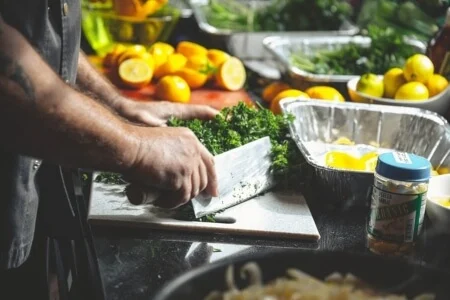
The allure of the culinary world, once perceived as an exclusive domain reserved for classically trained professionals, has undergone a significant transformation in recent decades. A pervasive phenomenon, evident in the surging popularity of cooking shows, has demystified the art of gastronomy, inviting a broader audience into the kitchen. These televised competitions and instructional series, far from being mere entertainment, serve as powerful incubators for talent, often catapulting passionate amateur cooks into the national spotlight and, subsequently, into professional culinary careers. The United Kingdom, with its rich culinary heritage and vibrant food scene, has been a fertile ground for this evolution, witnessing a remarkable rise of self-taught and home-schooled chefs who not only captivate audiences but also reshape public perception of what it means to be a "chef."
This burgeoning trend underscores a broader cultural shift where authenticity and relatability often resonate more deeply with the public than traditional, often intimidating, haute cuisine. Amateur chefs, frequently starting from diverse professional backgrounds, bring a fresh perspective, innovative techniques, and a palpable passion that inspires millions of home cooks. Their journey from humble kitchens to national recognition on platforms like MasterChef UK, Britain’s Best Home Cook, and Great British Menu, highlights the democratizing power of television and the enduring appeal of good food. Crucially, many of these culinary stars share a common thread: an enthusiastic embrace of versatile ingredients, with cheese often featuring prominently in their inventive and comforting dishes, reflecting its ubiquitous presence and cherished status in British cuisine.
The Evolution of Culinary Television and the Rise of the Home Cook
The trajectory of cooking shows in the UK reflects a gradual but decisive shift towards celebrating accessible culinary talent. While early cooking programs in the mid-20th century, such as Fanny Cradock’s influential series, laid the groundwork for televised cookery, they largely presented a didactic, often aspirational, view of professional techniques. The late 20th and early 21st centuries saw a diversification, with celebrity chefs like Jamie Oliver and Gordon Ramsay popularizing specific styles and making cooking more dynamic. However, it was the advent of competitive reality cooking shows that truly revolutionized the landscape.
Programmes like MasterChef, which first aired in the UK in 1990 and was later revived in a more intense competitive format in 2005, became a pivotal platform. It moved beyond simply demonstrating recipes to showcasing the dramatic journeys of ordinary individuals transforming into culinary contenders. This format resonated deeply with viewers, offering a blend of skill, tension, and personal narratives. The success of MasterChef subsequently paved the way for other popular shows like Britain’s Best Home Cook and the more professional-focused Great British Menu, each contributing to the narrative that exceptional culinary talent can be nurtured outside the traditional professional kitchen. These shows not only provide entertainment but also educate, demonstrating complex techniques in an understandable manner and inspiring viewers to experiment with new ingredients and recipes, often boosting sales for featured produce.
The Economic and Cultural Impact of Amateur Culinary Stars
The impact of these amateur culinary stars extends far beyond television ratings. Industry analyses indicate a significant surge in home cooking trends, cookbook sales, and an increased interest in local and artisan food products, partly attributed to the influence of these relatable chefs. According to data from Statista, the UK food and drink market is a robust sector, and consumer spending on food has remained consistently high, with a noticeable trend towards premium ingredients and home dining experiences. The visibility afforded by national television platforms directly translates into tangible economic benefits for the chefs themselves, opening doors to catering businesses, restaurant ventures, cookbook deals, and media appearances, effectively transforming a passion into a viable career.
Beyond economics, there’s a profound cultural impact. These chefs often champion specific ingredients, regional cuisines, or sustainable practices, thereby influencing national culinary discourse. The emphasis on seasonality, locally sourced produce, and inventive uses of everyday ingredients like cheese, resonates with a public increasingly conscious of food origins and quality. Cheese, in particular, holds a special place in British culinary identity, with a rich history of regional varieties from Cheddar to Stilton. Amateur chefs often demonstrate creative ways to integrate these traditional cheeses into modern dishes, showcasing their versatility in both savoury and sweet applications, thereby fostering a renewed appreciation for this staple.
Spotlight on Prominent UK Amateur Chefs and Their Culinary Journeys
The following individuals exemplify the transformative power of culinary television, having journeyed from passionate home cooks to celebrated figures in the UK food scene, each with a distinctive style and an often-expressed affinity for cheese.
Tony Rodd: From Finance to Fine Dining
Tony Rodd’s transition from a career in finance to becoming a celebrated chef is a testament to the life-altering potential of culinary passion. A finalist on MasterChef UK in 2015, Rodd’s entry into the competition was largely serendipitous, spurred on by the encouragement of friends. He never initially envisioned a career change, yet his exceptional talent and exposure on the show unveiled a multitude of opportunities that ultimately reshaped his professional trajectory.
Rodd’s culinary philosophy centers around a deep respect for seasonal produce, which he meticulously transforms through extensive work and innovative techniques. While proficient across all courses, his particular fondness for meat dishes stands out, driven by an interest in butchery and the anatomical understanding of ingredients. However, it is his desserts that often steal the show, described as playful and frequently featuring chocolate. His signature caramel frappuccino, though a seemingly common drink, is elevated to an art form. It comprises a sophisticated assembly of components: a mousse-filled chocolate tube, delicate biscotti, a crunchy crumb, bespoke ice cream, a vibrant gel, a cloud of Chantilly cream, all elegantly crowned with intricate sugar work. This complex construction exemplifies his ability to infuse technical precision with creative flair, delivering an exciting and memorable dessert experience. Post-MasterChef, Tony Rodd has successfully established a private catering business, crafting bespoke menus and specialty dishes for discerning clients, further cementing his reputation for high-quality, inventive cuisine. While specific cheese dishes aren’t his primary focus, his emphasis on rich, flavourful ingredients and complex layering suggests an appreciation for how cheeses could be incorporated into both savoury mains and perhaps even sophisticated dessert components, such as a subtle blue cheese mousse or a sharp cheddar crumb to balance sweetness.
Pippa Middlehurst: A Scientific Approach to Asian Flavours

Pippa Middlehurst’s journey into the culinary world is particularly striking, having previously worked as an Oncology Research Biobank Technician. Her background in scientific precision, rather than traditional kitchen training, provided a unique lens through which she approaches cooking. Her entry into Britain’s Best Home Cook, a show designed to find the UK’s most talented amateur cook, was a testament to her innate ability and self-taught skills, honed under the tutelage of her grandmother.
Middlehurst developed a profound affinity for Asian cuisine, particularly Chinese dishes, stemming from her childhood experiences. Her cooking style is characterized by an authentic understanding of flavour profiles and techniques, adapted for the home kitchen. Beyond her television appearances, Pippa maintains a popular cookery blog, where she shares her recipes and insights, embodying the growing trend of "chef on the side" – individuals who passionately pursue culinary arts alongside other careers before potentially transitioning full-time. This lifestyle highlights the accessibility of culinary expertise today, where formal training is not always a prerequisite for excellence. While her primary focus is Asian cuisine, the versatility of cheese allows for intriguing fusion possibilities, such as incorporating a creamy mascarpone into a ramen broth for added richness or using a sharp hard cheese to sprinkle over crispy wontons, demonstrating an innovative approach to blending culinary traditions.
Mark Stinchcombe: MasterChef Winner and Restaurant Owner
Mark Stinchcombe, the winner of MasterChef UK in 2015, stands as a prime example of an amateur chef whose passion quickly evolved into professional success. His initial interest in cooking was ignited by an enthusiastic Home Economics teacher, laying the foundation for a lifelong pursuit. Stinchcombe’s culinary inspiration, as he shared in an interview with AmateurChef UK, stems from a disciplined approach of regular dining out and extensive reading of cookbooks, emphasizing the importance of continuous learning and palate development.
He expresses a particular fondness for Jerusalem artichokes due to their remarkable versatility. His signature dish, a braised prime cut beef dish, exemplifies his skill, featuring a rich charcoal emulsion that adds depth and complexity. Stinchcombe, alongside his wife, manages the menus at Eckington Manor, a renowned establishment that experienced a significant surge in demand post-MasterChef, even necessitating Sunday openings to accommodate the influx of diners. The show provided an invaluable platform to showcase their culinary philosophy and promote their restaurant globally. For aspiring chefs, Stinchcombe’s advice is pragmatic: immerse oneself in diverse dining experiences and devour cookbooks to cultivate a unique cooking style and refined palate. At Eckington Manor, the incorporation of local, artisan cheeses into their tasting menus and cheese boards is a natural fit, complementing their farm-to-table ethos and providing a sophisticated element to their dishes, perhaps even pairing a robust cheddar with his braised beef.
Matt Tebbutt: From Geography to Gastronomy
Matt Tebbutt, who affectionately refers to himself as an "honorary Welshman," embodies the journey of many who pivot careers to follow a culinary calling. Born in High Wycombe, his move to Wales later in life cemented his connection to the region. His academic background includes studying Geography at Oxford Brookes University and being a member of the university air squadron, before he made the pivotal decision to decline joining the RAF and pursue his passion for food. This passion was deeply influenced by his early travels with his family through France and Italy, where he developed an appreciation for quality ingredients and diverse culinary traditions.
Tebbutt honed his skills through stints in various esteemed restaurants before eventually opening his own establishment in Wales. His approachable yet refined cooking style has made him a popular figure. One of his standout dishes, Fried Chicken with Macaroni Cheese, perfectly encapsulates his ability to elevate comfort food. The fried chicken undergoes an extensive 8-hour marination process, ensuring maximum flavour and tenderness, before being coated in a special seasoning mixture and deep-fried to crispy perfection. The accompanying Macaroni Cheese is far from ordinary; it’s a luxurious creation featuring a blend of Gruyère and Parmesan cheeses, enriched with chicken stock, double cream, a velvety béchamel sauce, a hint of Dijon mustard, and aromatic thyme leaves. This dish is a refreshing and indulgent combination of two classics, demonstrating Tebbutt’s knack for transforming familiar favourites into extraordinary culinary experiences. The meticulous preparation of the cheese sauce underscores his appreciation for this ingredient’s role in creating rich, satisfying textures and flavours.
Andi Oliver: A Multifaceted Culinary Force
Andi Oliver is a true polymath in the creative industries, seamlessly blending her roles as a chef, food presenter, businesswoman, television and radio broadcaster, and even a former band member. Her innate obsession with food began at a remarkably young age, evidenced by her hosting dinner parties since she was just 12 years old. This early passion blossomed into a diverse and impactful culinary career.
Oliver has served as a respected judge on the critically acclaimed TV series Great British Menu, where her discerning palate and extensive culinary knowledge are put to the test. Her cooking style is often characterized by bold flavours and a comforting approach. A prime example is her Slow-Cooked Five-Spice Pork Belly with Three-Cheese Polenta. The Polenta is a creamy, flavourful base, expertly prepared with chicken stock, quick-cook cornmeal, and a luxurious trio of cheeses: mature Cheddar, pungent Blue cheese, and nutty Emmental, bound together with unsalted butter. The pork belly is a masterclass in flavour infusion, generously rubbed with a classic five-spice blend of bay leaves, cloves, star anise, cinnamon, and coriander before being slow-roasted to tender perfection in the oven. The dish is elegantly served with braised fennel, providing a fresh, aromatic counterpoint to the rich pork and creamy polenta. This recipe showcases Oliver’s ability to combine robust flavours and textures, creating a memorable meal perfect for sharing with family and friends, and highlighting the textural and flavour diversity that cheese brings to a dish.
The Enduring Inspiration: Following Your Culinary Passion
The narratives of Tony Rodd, Pippa Middlehurst, Mark Stinchcombe, Matt Tebbutt, and Andi Oliver collectively illustrate a powerful message: the culinary world is increasingly open to those driven by genuine passion, irrespective of their professional origins or age. Their diverse backgrounds—from finance and scientific research to geography and music—underscore that culinary excellence is not solely the preserve of those with traditional training but can be cultivated through dedication, experimentation, and an unwavering love for food.
These amateur chefs, through their skills, talent, and relatable journeys, provide immense inspiration. They demonstrate that the path to becoming a celebrated cook is not always linear and that a deep-seated passion, coupled with experience and a willingness to learn, can indeed lead to professional recognition and success. Their ability to translate complex techniques into accessible, delicious meals, often featuring beloved ingredients like cheese in innovative ways, resonates profoundly with the public.
In an era where food culture is more vibrant and accessible than ever before, the rise of the amateur chef signifies a democratisation of gastronomy. It encourages aspiring cooks to embrace their culinary dreams, experiment in their own kitchens, and perhaps, one day, find themselves inspiring others through the universal language of food. The stories of these chefs serve as a compelling reminder that if one loves good food, the possibility of creating it—and even excelling at it—is truly within reach. The culinary landscape of the UK continues to be enriched by these talented individuals who prove that passion, when nurtured, can indeed transform into a remarkable profession.