Brisket does not cease its transformation the moment it is removed from the heat of the smoker. This critical phase, known as carryover cooking, is a natural phenomenon where the internal temperature of the meat continues to rise by an average of 5-10 degrees Fahrenheit after leaving the heat source. Mastering this post-smoking process is not merely a suggestion but a fundamental requirement for achieving the ideal tender, succulent brisket. Misunderstanding or neglecting carryover cooking can inadvertently lead to a perfectly cooked brisket tipping over the edge into an overcooked, dry disappointment, while correctly accounting for it ensures the collagen breakdown is completed without desiccating the exterior. This article delves into the science behind carryover cooking, its impact on brisket, and how pitmasters strategically utilize it to produce consistently exceptional results.
The Science Behind the Rising Temperature: What is Carryover Cooking?
Carryover cooking is a direct consequence of heat distribution within the meat. When a brisket is subjected to the intense heat of a smoker, the outer layers inevitably reach higher temperatures than the core. Upon removal from the heat, this stored thermal energy doesn’t instantaneously dissipate. Instead, it continues to migrate inward from the hotter exterior to the cooler center, a process analogous to how heat dissipates through any dense material. This internal thermal redistribution is what causes the brisket’s internal temperature to climb further before it eventually plateaus and begins to cool.
This phenomenon is not exclusive to brisket; it is a universal principle in cooking all cuts of meat. However, due to brisket’s large size and dense muscle structure, the effects of carryover cooking can be particularly pronounced and require deliberate consideration. The rate at which carryover cooking occurs is influenced by several factors, including the initial cooking temperature, the size and thickness of the brisket, and the method of wrapping, if any. Larger, thicker cuts will retain more residual heat, leading to a more significant temperature rise. Similarly, a brisket that has been tightly wrapped in butcher paper or foil will trap heat more effectively, amplifying the carryover effect compared to a loosely wrapped or unwrapped cut.
Quantifying the Temperature Rise: How Much Does Brisket Increase?
Industry standards and anecdotal evidence from experienced pitmasters consistently indicate that most briskets will experience an internal temperature increase of 5 to 10 degrees Fahrenheit after being removed from the smoker. This range, while seemingly small, can be the difference between a prize-winning brisket and one that falls short of expectations. For instance, if a pitmaster aims for a final internal temperature of 200°F, they might pull the brisket off the smoker when it reaches 190-195°F, anticipating the subsequent 5-10°F rise to hit the target.
The precise degree of this temperature increase is not static and is subject to variability. Key influencing factors include:

- Brisket Size and Thickness: Larger and thicker cuts of brisket contain more thermal mass, meaning they store and release heat over a longer period. A 15-pound brisket will exhibit more carryover cooking than a 5-pound brisket.
- Wrapping Technique: A tightly wrapped brisket, whether in foil or butcher paper, acts as an insulator, significantly trapping heat and promoting a greater temperature rise. A loosely wrapped or unwrapped brisket will lose heat more rapidly to the ambient environment.
- Ambient Temperature: While the brisket is resting, the surrounding air temperature plays a role. A cooler environment will facilitate faster heat dissipation, potentially reducing the carryover effect.
- Resting Method: The method of resting the brisket can also influence carryover. Resting it in an insulated cooler, for example, will further retain heat.
Understanding these variables allows pitmasters to make informed decisions about when to pull the brisket, ensuring it finishes at the optimal temperature.
The Crucial Role of Carryover Cooking in Brisket Perfection
The ultimate goal in cooking brisket is to achieve a state where the tough connective tissues, primarily collagen, have fully broken down into gelatin. This breakdown process renders the meat tender, moist, and easily shreddable. Carryover cooking plays an indispensable role in this critical final stage of collagen transformation without compromising the brisket’s integrity.
Specifically, carryover cooking contributes to brisket perfection in the following ways:
- Facilitates Collagen Breakdown: The sustained internal heat generated during the resting period is vital for the complete conversion of collagen into gelatin. This enzymatic process requires time and consistent temperature to occur effectively. Carryover cooking provides this necessary duration, allowing the collagen to break down fully, resulting in that signature buttery texture.
- Ensures Uniform Tenderness: By allowing the heat to redistribute evenly throughout the brisket, carryover cooking helps to equalize the temperature from the exterior to the interior. This ensures that the entire cut, from the leaner flat to the fattier point, reaches the optimal temperature for tenderness, preventing pockets of toughness.
- Prevents Overcooking the Exterior: If a brisket were pulled directly at its target final temperature, the exterior, having been exposed to the highest heat for the longest duration, would likely be drier and tougher than the interior. Carryover cooking allows the internal temperature to reach the target while the exterior gradually cools, thereby protecting its moisture content and texture.
In essence, carryover cooking is not an uncontrolled event but a controlled phase that completes the cooking process initiated on the smoker. It is the bridge between the intense heat of cooking and the final, relaxed state of perfectly rendered brisket.
Strategic Timing: When to Pull Brisket to Account for Carryover
Experienced pitmasters are not merely observers of the cooking process; they are active managers of it, and this includes anticipating the effects of carryover cooking. Their decision on when to pull a brisket from the smoker is a calculated one, based on the expected temperature rise and the planned serving timeline.
For briskets intended for immediate consumption within one to three hours of finishing, the concern about prolonged carryover cooking is relatively minimal. In such scenarios, pitmasters often rely on the "probe tender" method. This involves inserting a probe into the thickest part of the brisket; when the probe slides in with minimal resistance, akin to inserting it into warm butter, the brisket is considered probe tender and may be pulled. The subsequent 5-10°F rise is expected to bring it to the ideal serving temperature.

However, for situations where the brisket needs to be held for extended periods, such as in a restaurant setting or for catering events, a more conservative approach is necessary. Pitmasters aiming for a long hold will typically pull the brisket off the smoker at a lower internal temperature, perhaps 5-10°F below their ultimate target. This proactive measure accounts for the extended carryover cooking that will occur during the longer rest period, preventing the brisket from becoming overcooked and developing a mushy texture, which is undesirable. The principle here is to allow the carryover cooking to finish the job without overshooting the mark.
The Brisket Cooking Continuum: A Holistic Approach
Understanding carryover cooking is integral to appreciating the entire brisket cooking process, which can be viewed as a series of distinct, yet interconnected, stages:
- Preparation: This encompasses selecting the right cut of brisket, trimming excess fat, and applying rubs and marinades to enhance flavor and texture. The quality of this initial step significantly impacts the final outcome.
- Smoking: The primary cooking phase where the brisket is exposed to low, indirect heat and smoke, developing its characteristic bark and beginning the breakdown of connective tissues. This stage can take many hours, depending on the size of the brisket and the smoker’s temperature.
- The Stall: A common phenomenon during smoking where the internal temperature of the brisket plateaus for an extended period, often around 150-165°F. This is due to evaporative cooling from moisture on the surface of the meat.
- Wrapping (Optional but Recommended): Many pitmasters choose to wrap the brisket in butcher paper or foil once it has developed a satisfactory bark and potentially overcome the stall. This accelerates the cooking process and helps retain moisture.
- Resting and Carryover Cooking: The critical post-smoking phase where the brisket is allowed to rest, enabling heat redistribution, further collagen breakdown, and the continuation of its internal temperature rise. This stage is where carryover cooking plays its most significant role.
- Slicing and Serving: The final presentation, where the brisket is sliced against the grain to maximize tenderness and served.
Each of these stages is vital. Skipping or misunderstanding any one of them—particularly the resting and carryover cooking phase—can lead to suboptimal results, regardless of how perfectly the initial smoking was executed. The synergy between these stages is what ultimately defines the success of a smoked brisket.
Christie’s Pitmaster Perspective: Trusting the Process
Christie Vanover, an award-winning competitive pitmaster and founder of Girls Can Grill, emphasizes the psychological benefit of understanding carryover cooking. "Carryover cooking is why I don’t panic when I pull a brisket a little early," she states. "I know the meat is still working. Heat is redistributing, collagen is finishing its breakdown, and the brisket is settling into its final texture."
This perspective highlights a shift from rigidly adhering to temperature numbers to trusting the dynamic nature of the cooking process. When pitmasters internalize the concept of carryover cooking, they gain confidence in their ability to anticipate the meat’s behavior. "Once you account for carryover cooking, brisket becomes more forgiving," Vanover explains. "You stop chasing numbers and start trusting the process." This trust, built on a solid understanding of the underlying science, is what allows pitmasters to consistently produce high-quality brisket, even when faced with the inherent variability of cooking large cuts of meat over an open flame.
Expanding the Brisket Knowledge Base
The intricacies of carryover cooking are a cornerstone of the comprehensive understanding required for mastering brisket. This knowledge is part of a broader educational framework designed to equip aspiring and experienced pitmasters with the skills needed for success. The Girls Can Grill "Ultimate Brisket Guide" aims to demystify every aspect of brisket preparation and cooking, from initial selection and trimming to the nuances of temperature management and resting.

Further exploration of brisket fundamentals can illuminate other critical techniques, such as:
- Choosing the Right Cut: Understanding the differences between the flat and the point, and how to best prepare each for optimal results.
- Trimming Techniques: The science behind fat cap management and silverskin removal for improved bark formation and moisture retention.
- Rub and Marinade Strategies: How to build layers of flavor and create a desirable crust.
- The Smoking Process: Mastering temperature control, wood selection, and airflow management to achieve a balanced smoke flavor and tender texture.
- Troubleshooting Common Issues: Identifying and resolving problems such as a tough bark, dry meat, or uneven cooking.
By delving into these foundational elements, cooks can build a robust understanding that elevates their brisket from good to exceptional. The journey of mastering brisket is one of continuous learning, where each cook provides an opportunity to refine techniques and deepen one’s appreciation for the art and science of barbecue.
Enhancing Flavor and Bark: The Role of Quality Rubs
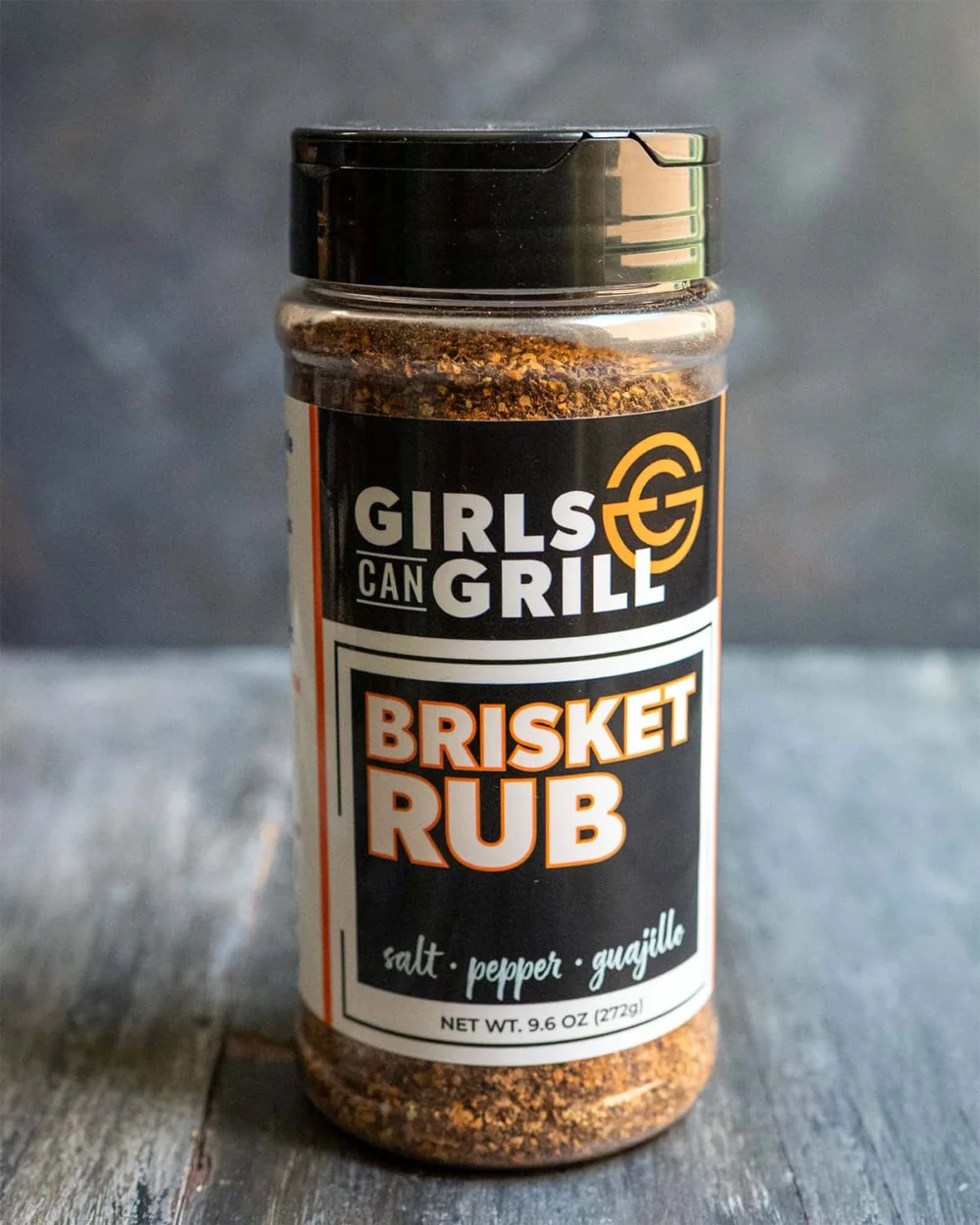
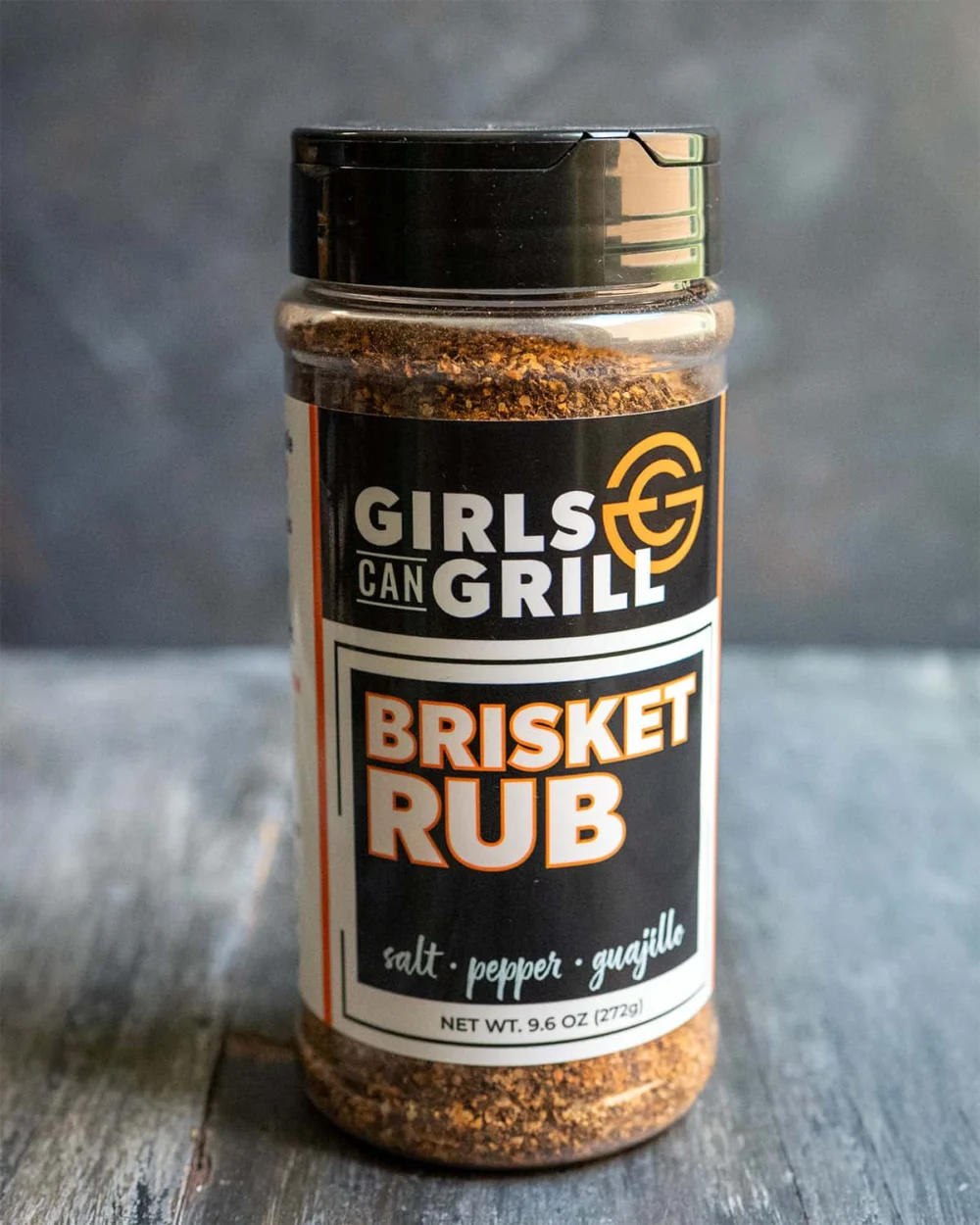
Beyond the fundamental cooking techniques, the selection of high-quality ingredients plays a significant role in the final flavor profile and textural appeal of brisket. A well-formulated brisket rub can enhance the natural beefy notes while contributing to the development of a rich, savory bark. For instance, the Girls Can Grill Brisket Rub is designed to create a balanced flavor profile, layering salt, pepper, garlic, and other savory spices. This blend not only complements the inherent richness of the beef but also aids in forming an even, appealing bark during the smoking process. The interaction between the rub and the meat’s surface, particularly under the influence of heat and smoke, is crucial for achieving that sought-after textural contrast and depth of flavor.
The application of such rubs is often considered a preparatory step that sets the stage for the entire cooking process. The coarse grind of ingredients like pepper and salt can create microscopic crevices on the brisket’s surface, providing more surface area for smoke to adhere to and for the Maillard reaction—the chemical process responsible for browning and flavor development—to occur vigorously. This meticulous attention to detail, from rub formulation to the final moments of carryover cooking, underscores the multifaceted nature of creating truly outstanding smoked brisket.