Brisket, a culinary cornerstone of barbecue traditions worldwide, is notoriously temperamental. Its journey from raw cut to tender masterpiece is not a linear progression but a complex dance through distinct internal temperature stages. Understanding these phases is paramount for any pitmaster seeking consistency, avoiding common pitfalls, and ultimately achieving brisket perfection. This comprehensive guide dissects each critical temperature threshold, illuminating the science and technique behind every phase of the brisket cook.
The art of brisket preparation extends far beyond simply applying heat. It involves a nuanced understanding of how collagen breaks down, moisture evaporates, and the very structure of the meat transforms. This knowledge empowers pitmasters to move beyond guesswork and approach each cook with calculated precision, ensuring a moist, flavorful, and impeccably tender result every time.
The Initial Warm-Up: Cold to 140°F
The cooking process begins with the brisket at ambient or refrigerator temperature, and its initial objective is simply to reach a safe and workable internal temperature. This phase, spanning from cold to approximately 140°F (60°C), is characterized by a relatively rapid temperature increase. The rate at which this occurs is influenced by several factors, including the size of the brisket cut and the ambient temperature of the cooking environment, often referred to as the "pit." Smaller cuts will naturally warm faster, as will briskets placed in a hotter cooking environment.
During this initial stage, there is typically no need for intervention or corrective measures. The focus for the pitmaster should be on maintaining a stable and consistent pit temperature and ensuring an even distribution of heat around the brisket. This foundational step sets the stage for the subsequent, more intricate transformations the meat will undergo. The key elements to concentrate on are pit stability, the introduction of clean smoke (if smoking), and cultivating the virtue of patience.
Developing the Signature Crust: 140°F to 160°F
As the brisket’s internal temperature crosses the 140°F (60°C) mark and progresses towards 160°F (71°C), a significant visual and textural change begins to occur: the formation of the bark. This is the crucial period where the raw meat begins to acquire the characteristic dark, savory crust that is a hallmark of expertly cooked brisket. The Maillard reaction, a complex chemical process between amino acids and reducing sugars, intensifies, contributing to the browning and flavor development of the exterior.
At this stage, the visual cues of the developing bark become more important than precise timekeeping. The goal is to encourage this crust formation while continuing to cook the meat evenly. Maintaining consistent heat and ensuring proper airflow around the brisket are critical. Airflow plays a vital role in both cooking the meat and facilitating the moisture evaporation necessary for bark development. It is also during this phase that pitmasters may begin to introduce moisture to the surface of the brisket through spritzing. Common spritz ingredients include water, apple cider vinegar, beef broth, or a combination thereof. These spritzes help to keep the surface moist, preventing it from drying out too quickly and promoting a more even color development. The focus here shifts to monitoring bark development, ensuring even heat, and maintaining optimal airflow.

Navigating the Inevitable Stall: 160°F to 170°F
The temperature range between 160°F (71°C) and 170°F (77°C) is often the most psychologically challenging for pitmasters: the infamous brisket stall. This phenomenon occurs as a result of evaporative cooling. As moisture on the surface of the brisket evaporates, it draws heat away from the meat, counteracting the heat being introduced by the cooking environment. This delicate balance between heat input and evaporative cooling can cause the internal temperature to plateau or rise at an exceptionally slow rate, sometimes for several hours.
It is crucial to understand that the brisket is still cooking during the stall; its internal temperature is simply not increasing significantly. This is a natural part of the process, not an indication that something is wrong. Internally, this phase is characterized by the initial stages of collagen breakdown. While the surface is cooling due to evaporation, the connective tissues within the meat are beginning to soften and render.
Many pitmasters choose to wrap the brisket during the stall, a technique that significantly reduces evaporative cooling and allows the internal temperature to resume its climb. However, the decision to wrap should ideally be made once the bark has achieved the desired color and texture. Wrapping too early can result in a softer, less developed bark. The primary focus during the stall should be on the visual appeal of the bark, with internal temperature serving as a secondary consideration.
The Transformative Breakdown: 170°F to 190°F
Once the brisket has been unwrapped or has successfully pushed through the stall, the internal temperature begins to rise more consistently again. This range, from 170°F (77°C) to 190°F (88°C), is where the most significant internal transformation takes place. The connective tissues, primarily collagen, that contribute to the toughness of raw brisket, begin to break down into gelatin. This process is crucial for rendering the meat tender and succulent.
As collagen breaks down, it releases moisture and creates a more unctuous texture. The intramuscular fat also begins to render, basting the meat from within and contributing to its overall moistness. It is important to note that the brisket may appear "done" visually during this stage, particularly if the bark is dark and appealing. However, the internal structure may not yet be sufficiently tender. Pitmasters must resist the urge to pull the brisket prematurely based solely on appearance. Consistent heat and allowing ample time for the internal breakdown of collagen are paramount. The focus remains on maintaining a stable cooking environment and permitting the meat to continue its internal tenderizing process.
Approaching Perfection: 190°F to 205°F+
The internal temperature range of 190°F (88°C) to 205°F+ (96°C+) is where many briskets achieve a state of tenderness. However, it is vital to understand that this temperature range is a guideline, not a definitive finish line. The exact temperature at which brisket becomes perfectly tender can vary significantly based on numerous factors, including the specific cut of meat, its fat content, and the cooking method employed.

At this juncture, internal temperature serves as a reference point rather than the sole determinant of doneness. The true indicator of readiness is tenderness. Pitmasters should begin probing the meat in multiple locations to assess its texture. The goal is to achieve a yielding feel when a probe or skewer is inserted into the meat, indicating that the collagen has fully broken down and the connective tissues have softened.
The Ultimate Benchmark: Probe Tender
The definitive marker of a perfectly cooked brisket is not a specific internal temperature, but rather its "probe tenderness." This refers to the sensation experienced when inserting a probe thermometer, a thin metal skewer, or even a toothpick into the thickest part of the brisket. The probe should slide in and out with very little resistance, akin to inserting it into warm butter.
This level of tenderness can be achieved at various internal temperatures. Some briskets might be probe tender at 195°F (90.5°C), while others may require reaching 210°F (99°C) or even slightly higher. Relying solely on temperature can lead to overcooked, dry brisket if pulled too soon, or undercooked, tough meat if the target temperature is not met but tenderness is already present. Therefore, mastering the art of probing for tenderness is an indispensable skill for any serious pitmaster.
The Critical Final Stage: Resting
The cooking process does not conclude when the brisket reaches probe tenderness. The resting period is an equally, if not more, critical final stage that is frequently rushed or overlooked. After being removed from the heat, the muscle fibers within the brisket are still contracted and have released a significant amount of moisture during the cooking process.
Resting allows these muscle fibers to relax and reabsorb the expelled juices. This redistribution of moisture is what ensures a consistently moist and tender final product. Skipping or shortening the rest can lead to juices running out of the meat when it is sliced, resulting in a drier bite. A minimum rest of one hour is generally recommended, though longer rests of up to three hours, or even longer in a warming oven or cooler, can further enhance tenderness and moisture retention.
Utilizing Temperature as a Guide, Not a Dictator
Understanding these internal temperature stages provides pitmasters with invaluable signposts throughout the cooking process. They are not rigid rules to be followed blindly, but rather indicators of the meat’s internal state and progress. By recognizing what is happening at each temperature threshold, pitmasters can anticipate changes, adjust their approach accordingly, and build confidence in their cooking abilities.

When pitmasters shift their focus from obsessively chasing specific numbers to understanding the transformative journey of the brisket, the entire experience becomes less stressful and far more consistent. This shift in perspective allows for greater adaptability and a deeper connection to the craft of barbecue.
Christie’s Pitmaster Perspective
As an award-winning competitive pitmaster, I can attest that every brisket I have ever cooked has followed these fundamental stages, yet none have concluded at the exact same internal temperature. The beauty of brisket lies in its variability. Once you internalize the meaning behind each temperature range, brisket ceases to be an unpredictable challenge and transforms into a manageable, rewarding culinary endeavor. You develop an intuitive sense for what is normal, what deviates from the expected, and, most importantly, when to simply allow the meat to complete its natural transformation. This understanding is the key to achieving consistent, exceptional brisket, time after time.
Further Exploration in Brisket Mastery
This detailed examination of brisket’s internal temperature stages is part of a broader educational initiative aimed at demystifying the art of barbecue. For those seeking to delve deeper into every facet of brisket preparation, from understanding its anatomy and mastering trimming techniques to advanced cooking strategies, a comprehensive resource is available. This includes exploring fundamental brisket techniques, such as achieving the perfect smoke ring, executing a flawless bark, and ensuring optimal moisture levels.
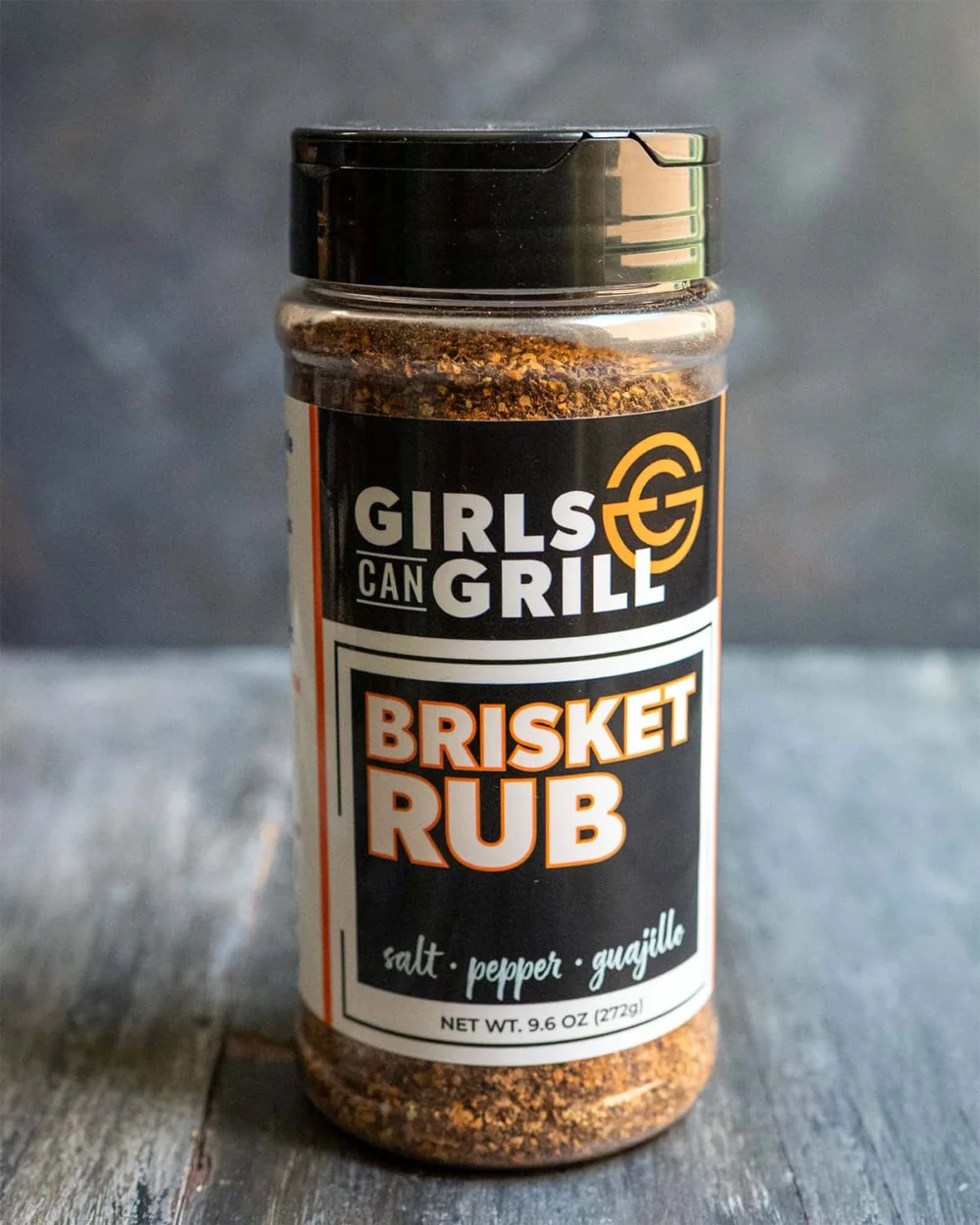
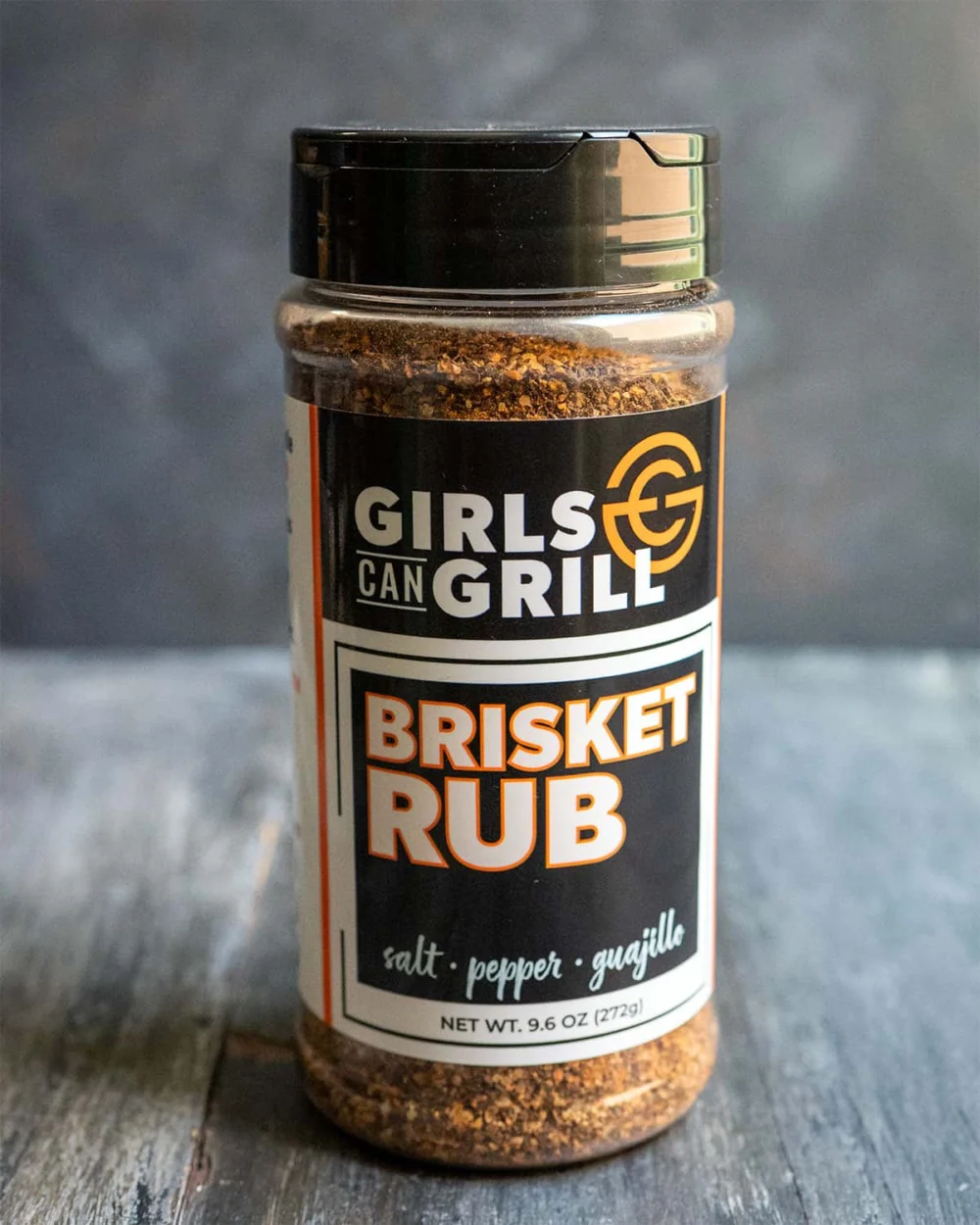
For those seeking to elevate their brisket flavor profiles, consider utilizing specialized rubs. A well-formulated brisket rub, often featuring a balanced blend of salt, pepper, garlic, and savory spices, not only enhances the natural beef flavor but also plays a crucial role in promoting even bark development. The Girls Can Grill Brisket Rub, for instance, is designed to achieve this precise balance, contributing to both flavor depth and textural perfection.
Ultimately, the journey of mastering brisket is an ongoing one, marked by continuous learning and refinement. By understanding the science behind the stages and embracing the art of observation, pitmasters can unlock the full potential of this iconic cut of meat, transforming it into a truly unforgettable culinary experience.