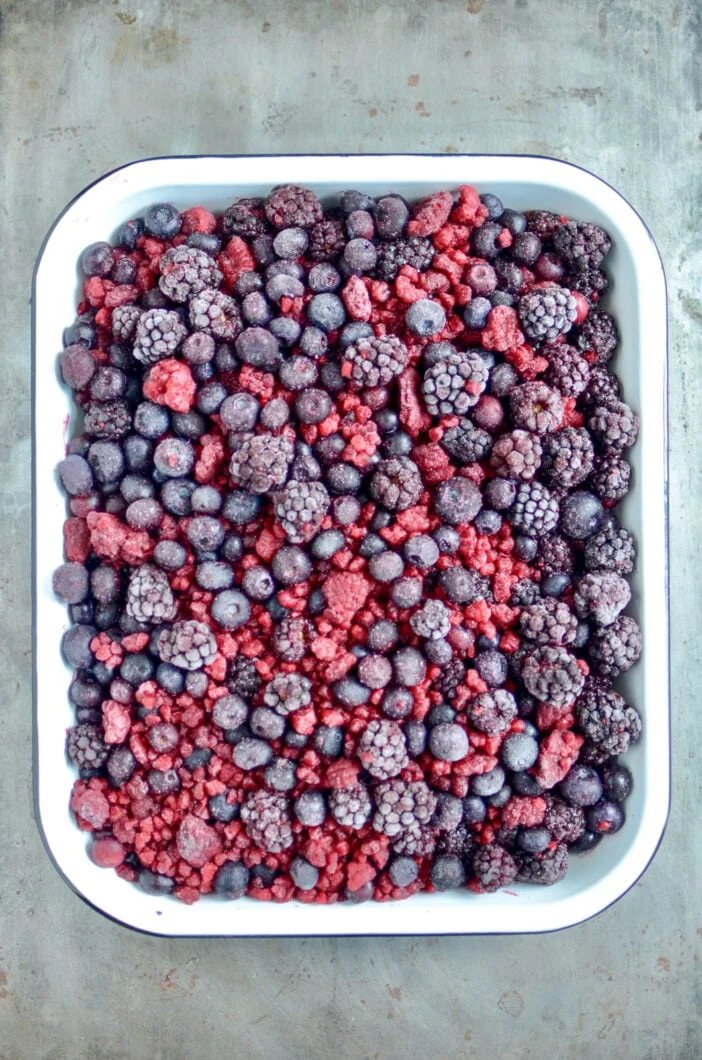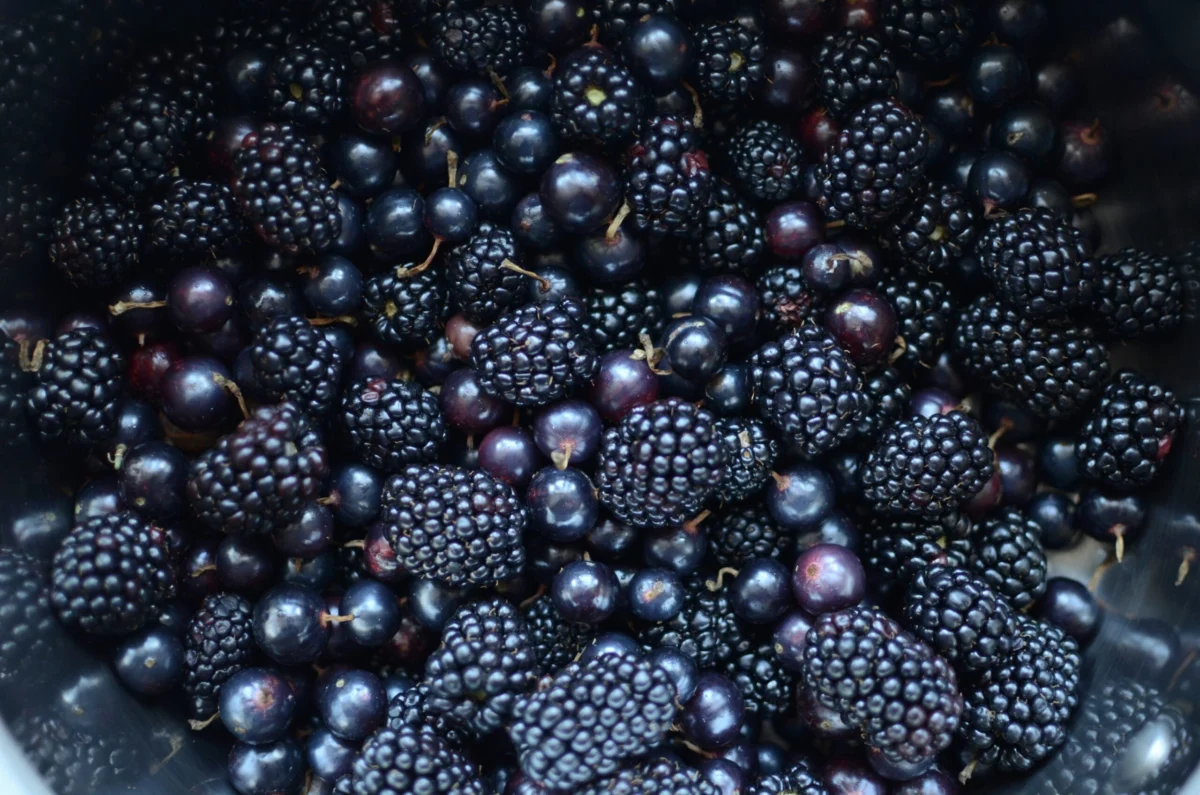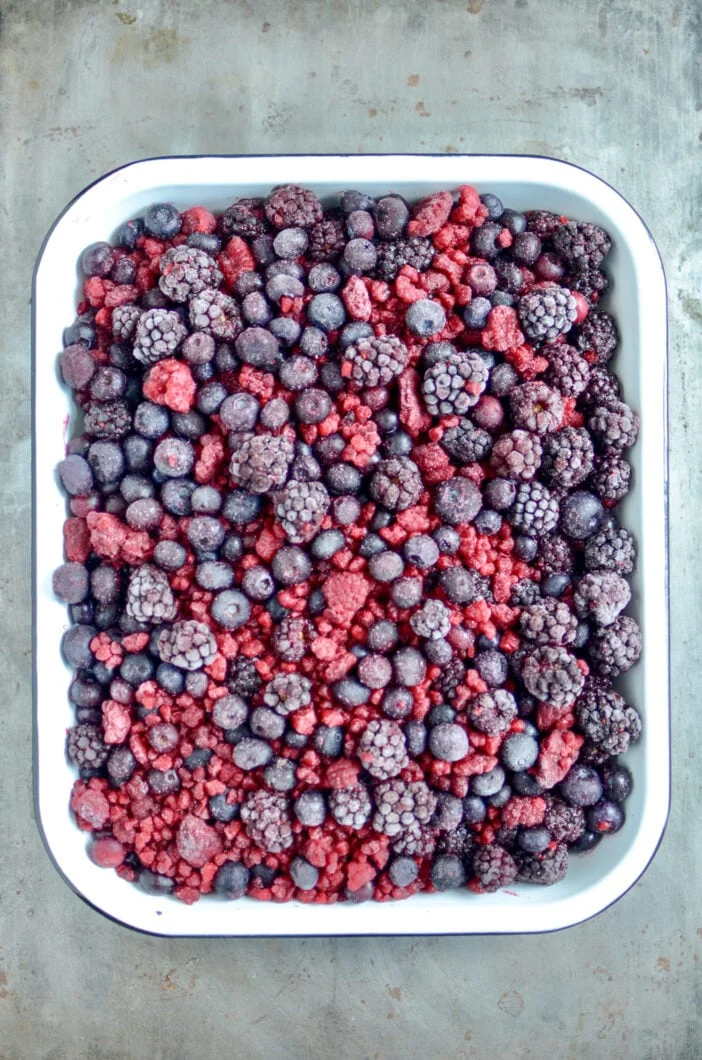
The annual February Community Canning Challenge is underway, urging home preservers to delve into their deep freezers and transform stored frozen fruit into shelf-stable, delectable jams, butters, and sauces. This initiative highlights the importance of reducing food waste, maximizing seasonal harvests, and embracing sustainable home economics. Participants are encouraged to move beyond simply thawing fruit for immediate use, instead embracing the methodical process of canning to create culinary staples ready for year-round enjoyment.
The Rationale Behind Repurposing Frozen Bounty
For many households, freezers become a repository for the abundance of summer and autumn harvests. Often, fruits are frozen with the best intentions for later use in smoothies, pies, or quick desserts. However, without a concrete plan, these frozen assets can accumulate, leading to freezer burn, diminished quality, and ultimately, food waste. The Community Canning Challenge specifically targets this phenomenon, prompting individuals to utilize these stored ingredients for long-term preservation. This strategic approach not only clears valuable freezer space but also ensures that the nutritional value and flavor of peak-season produce are retained for months or even years.
Experts in food preservation consistently advocate for planned utilization of frozen produce. According to a 2022 report by the U.S. Environmental Protection Agency, food waste accounts for a significant portion of municipal solid waste, with household waste being a major contributor. Initiatives like the Community Canning Challenge directly address this by promoting methods that extend the edible life of produce, thereby reducing waste at the consumer level. Moreover, the practice aligns with growing consumer interest in self-sufficiency and understanding food origins.
Understanding the Impact of Freezing on Fruit Structure
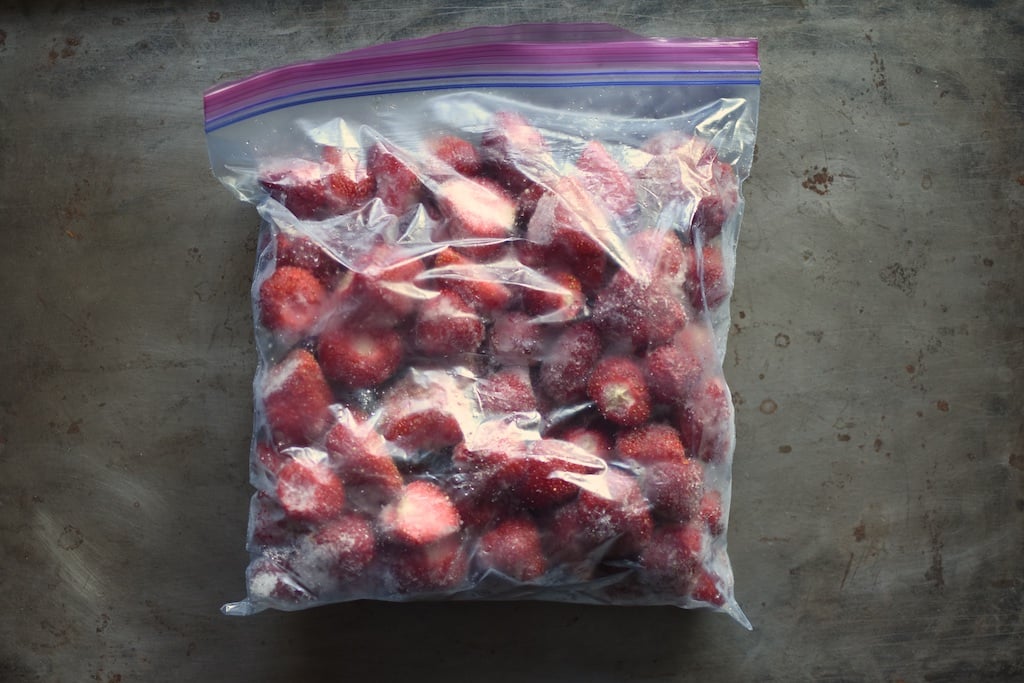
The process of freezing fundamentally alters the cellular structure of fruit, a critical factor to understand when preparing it for canning. When fresh fruit is frozen, the water content within its cells transforms into ice crystals. These ice crystals, being less dense than liquid water, expand, causing the cell walls of the fruit to rupture. While this cellular damage is not detrimental as long as the fruit remains frozen, it becomes evident upon thawing. The compromised cell walls can no longer contain the internal liquid, resulting in a significant release, or "weepage," of fluid.
This weepage is a defining characteristic of defrosted fruit and necessitates careful management during the canning process. Often, home preservers might be tempted to drain this liquid, believing it to be excess. However, retaining this fluid is generally advisable. Draining the weepage can inadvertently alter the fruit-to-liquid ratio in a recipe, potentially leading to an "overset" product (too firm) or an inconsistent texture, as the original cooking times and ingredient proportions were formulated with the fruit’s inherent moisture content in mind. For applications like fruit jams, jellies, or preserves, this liquid contributes significantly to the final consistency and flavor. Exceptions exist, such as when making highly concentrated products like tomato paste, where controlled reduction of moisture is desired; in such cases, judicious draining may be appropriate.
Mitigating Oxidation: Preserving Color and Flavor
Another common challenge when working with frozen fruit is oxidation during the defrosting process. Oxidation occurs when the fruit’s enzymes react with oxygen, leading to discoloration (browning) and the development of off-flavors. This is particularly noticeable in fruits like apples, peaches, and apricots. Addressing this issue is crucial for ensuring a high-quality finished product.

For recipes that incorporate sugar, a simple yet effective preventative measure is to sugar the fruit while it is still frozen. The sugar acts as a barrier, limiting the fruit’s exposure to oxygen and inhibiting the enzymatic browning reaction. This method not only preserves the fruit’s vibrant color but also helps maintain its fresh flavor profile. For recipes where sugar is not an immediate addition or is used sparingly, a slower defrosting method is recommended. Defrosting fruit gradually in the refrigerator, rather than rapidly on a countertop or in warm water, significantly reduces the rate of oxidation and minimizes discoloration. Keeping the fruit sealed in its container or bag during this slow thaw further limits oxygen exposure. Incorporating a small amount of an acidic agent, such as lemon juice or citric acid, immediately upon thawing can also help to inhibit enzymatic browning, particularly for delicate fruits.
Precision in Measurement: The Role of Weight
When selecting recipes for transforming frozen fruit into canned goods, a key recommendation is to prioritize recipes that specify ingredients by weight rather than by volume (cups). Frozen fruit, due to its irregular shapes, varying sizes, and the presence of ice crystals, is notoriously difficult to measure accurately by volume. A cup of loosely packed frozen berries will differ significantly in actual fruit content from a cup of tightly packed, partially thawed fruit.
Using a kitchen scale simplifies the process considerably. Preservers can place their cooking pot directly on the scale, zero it out, and add the frozen fruit until the desired weight is reached. This method ensures consistent ingredient ratios, which are vital for the chemical reactions involved in successful canning, particularly for achieving the correct set in jams and jellies. Accurate measurement by weight contributes directly to the reproducibility and quality of the final canned product, aligning with the precision required for safe and effective home preservation.
Recommended Applications for Frozen Fruit in Canning

The versatility of frozen fruit makes it suitable for a wide array of canned goods. The challenge encourages participants to explore recipes that are well-suited to the unique characteristics of defrosted produce. Below are examples of popular recipes that perform exceptionally well with frozen fruit, along with specific considerations for each:
-
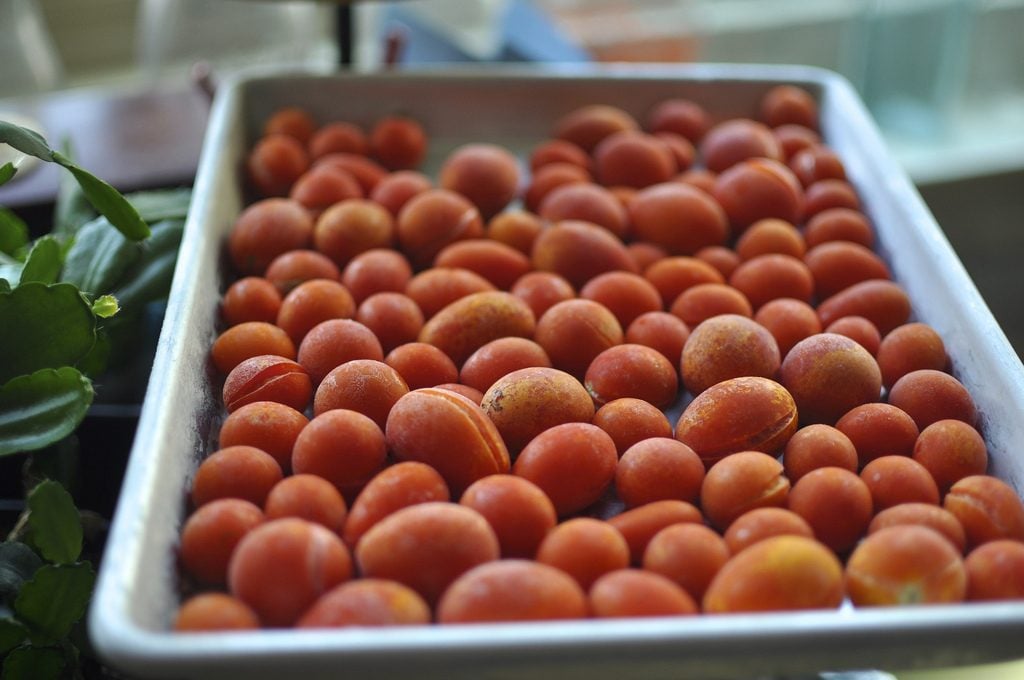
Tomato Jam: A highly favored recipe within the canning community, tomato jam thrives with frozen tomatoes. The process often begins with a substantial quantity, such as five pounds of tomatoes, making it an excellent candidate for clearing out a well-stocked freezer. The initial freezing and thawing process can even aid in breaking down the tomato structure, facilitating quicker cooking and a smoother texture in the final jam. For optimal results, use whole or chopped frozen tomatoes, allowing them to thaw directly in the cooking pot with other ingredients.
-
Slow Cooker Fruit Butters (Peach, Nectarine, Apricot, Plum, Cherry): Fruit butters are forgiving and excellent for utilizing various stone fruits. For these recipes, it is crucial to allow the frozen fruit to fully defrost in its sealed container within the refrigerator. This slow thaw minimizes oxidation and allows the fruit to release its liquid naturally. When ready to puree the defrosted fruit, incorporating lemon juice at this stage is highly beneficial. The acidity not only brightens the fruit’s flavor but also acts as an anti-oxidant, buffering against any potential browning during the cooking process. The slow cooking method gently reduces the fruit’s moisture content, resulting in a rich, concentrated butter.
-
Berry Jams (Cherry Blueberry, Mixed Berry): Berries, whether homegrown and frozen or purchased frozen from a store, are ideal for jam making. Their naturally high pectin content (though varying by berry type) and vibrant flavors translate beautifully into preserves. For berry jams, the most efficient approach is often to place the frozen fruit directly into the cooking pot. Adding the sugar on top of the frozen berries allows the sugar to draw out moisture as the fruit thaws, forming a syrup that prevents scorching. Once fully defrosted, the sugar can be stirred in, remaining ingredients added, and the recipe proceeded with as usual. This method minimizes handling and capitalizes on the fruit’s natural liquid release. Recipes specifically designed for frozen fruit, such as Ball’s Mixed Berry Jam, often integrate these steps directly into their instructions, providing foolproof guidance.
-
Pear Vanilla Caramel Sauce (and other fruit purees): This recipe exemplifies flexibility, allowing for a variety of fruit purees, including pears, strawberries, peaches, or mangoes. The key to success here, as with fruit butters, is a slow defrost in the refrigerator within a sealed container. This prevents oxidation and ensures the fruit retains its best color and flavor. Once pureed, the fruit base is combined with caramel ingredients to create a rich, versatile sauce. This method is particularly effective for fruits that may have become overly soft or watery after freezing, as they are destined for pureeing anyway.
Broader Implications and Sustainability
The Community Canning Challenge extends beyond merely preserving fruit; it fosters a deeper connection to food systems and promotes sustainable living practices. By transforming frozen produce into canned goods, individuals actively participate in reducing household food waste, which has significant environmental benefits. Less food waste means fewer resources (water, energy, land) are expended in producing food that goes uneaten, and less methane (a potent greenhouse gas) is emitted from landfills.
Economically, home canning can lead to substantial savings. Purchasing fruit in season, when prices are lower, and preserving it for later use is a cost-effective strategy. This is particularly true for organic or specialty fruits that can be expensive out of season. Furthermore, the act of canning builds valuable life skills, encouraging self-reliance and a deeper understanding of food preparation and safety. It also fosters community, as participants often share tips, recipes, and their preserved bounty.
Safety and Best Practices in Home Canning
Regardless of whether fresh or frozen fruit is used, adherence to established canning safety guidelines is paramount. This includes:

- Using Tested Recipes: Always follow recipes from reputable sources, such as the National Center for Home Food Preservation (NCHFP), university extension offices, or trusted canning brands (e.g., Ball, Kerr). These recipes are scientifically tested to ensure safe acidity levels and processing times.
- Proper Equipment: Ensure all canning equipment, including jars, lids, bands, and canners, are in good condition and used correctly.
- Sterilization: Jars must be clean and, depending on processing time, may require sterilization.
- Accurate Processing Times: Adjust processing times for altitude as necessary.
- Seal Checks: Always check jar seals after processing and cooling. Unsealed jars must be refrigerated and consumed promptly.
The February Community Canning Challenge serves as a timely reminder of the enduring value of home preservation. By taking advantage of existing frozen fruit stores, participants not only clear freezer space but also create delicious, shelf-stable provisions, contributing to a more sustainable and self-sufficient lifestyle. It is an invitation to embrace the craft of canning, transforming overlooked frozen assets into culinary treasures for the year ahead.