A new culinary development in artisanal bread-making is gaining traction, exemplified by a distinctive Scalded Buckwheat and Malt Sourdough Bread. This particular loaf, characterized by its robust, spice-forward profile, represents a sophisticated fusion of traditional sourdough techniques with unique flavor elements and advanced hydration methods. The bread’s intricate creation process, spanning two days, culminates in a hearty loaf designed to offer both deep flavor complexity and an enduring, silky texture, showcasing a commitment to elevating the craft of baking through meticulous ingredient selection and scientific application.
The inspiration for this distinctive bread emerged from a desire to counteract the lingering chill of colder seasons, harnessing the warmth of a roaring oven and the comforting aroma of baking bread. However, the creation transcends mere seasonal comfort, delving into a carefully orchestrated sensory experience. From the initial grinding of anise, releasing its pungent, licorice-sweet aroma, to the incorporation of rich, sweet malt and the visual appeal of a buckwheat-speckled dough, each stage of preparation is designed to engage the senses. The inclusion of a flour scald, a technique pivotal to the bread’s unique mouthfeel, promises a final product that not only satisfies the palate but also offers a prolonged freshness uncommon in many traditional loaves.
The Aromatic Allure of Anise and Malt
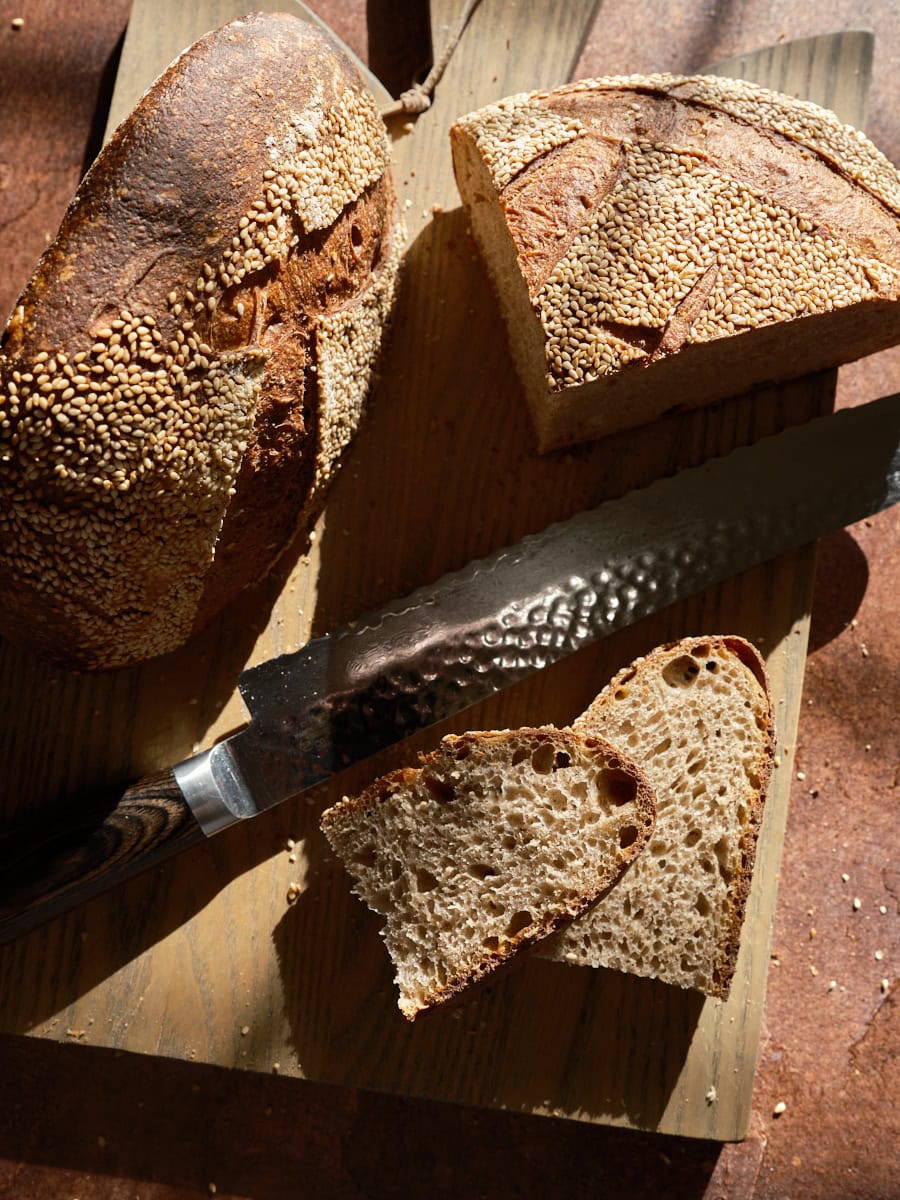
At the heart of this sourdough’s flavor profile lies the strategic integration of anise and barley malt syrup. Anise, a spice celebrated across various culinary traditions for its heady, licorice-sweet notes, does not merely hint at its presence; it asserts it. Historically, anise has been a staple in baking, from ancient Roman spiced wines to medieval European pastries and Mediterranean confections. Its essential oils, particularly anethole, are responsible for its potent aroma and flavor, which can range from subtly sweet to intensely pungent depending on concentration. In this sourdough, ground aniseed is used, allowing its volatile compounds to thoroughly permeate the dough, promising an aromatic experience in every slice.
Complementing anise is barley malt syrup, a natural sweetener derived from germinated barley. Malt contributes not only sweetness but also a distinct rich, caramelly depth and a subtle earthiness. Beyond flavor, malt plays a crucial role in dough development, acting as a food source for yeast and enzymes, which aids fermentation and contributes to a beautifully browned crust. Its historical use in bread dates back millennia, valued for its ability to enhance flavor, texture, and shelf life. The combination of anise and malt creates a nuanced balance, where the spice’s assertive sweetness is grounded by the malt’s profound richness, preventing either from overwhelming the palate.
Buckwheat: A Nutritious Ancient Grain in Modern Baking
The selection of buckwheat flour is another cornerstone of this sourdough’s character. Buckwheat, despite its name, is not a type of wheat but a pseudocereal, botanically related to rhubarb and sorrel. Originating in Southeast Asia and cultivated for thousands of years, it has been a dietary staple in Eastern Europe and Asia, prized for its robust nutritional profile and distinctive flavor. It is naturally gluten-free, rich in dietary fiber, protein, and essential minerals such as magnesium, manganese, and copper. Buckwheat also contains powerful antioxidants, including rutin, which contributes to its health benefits.
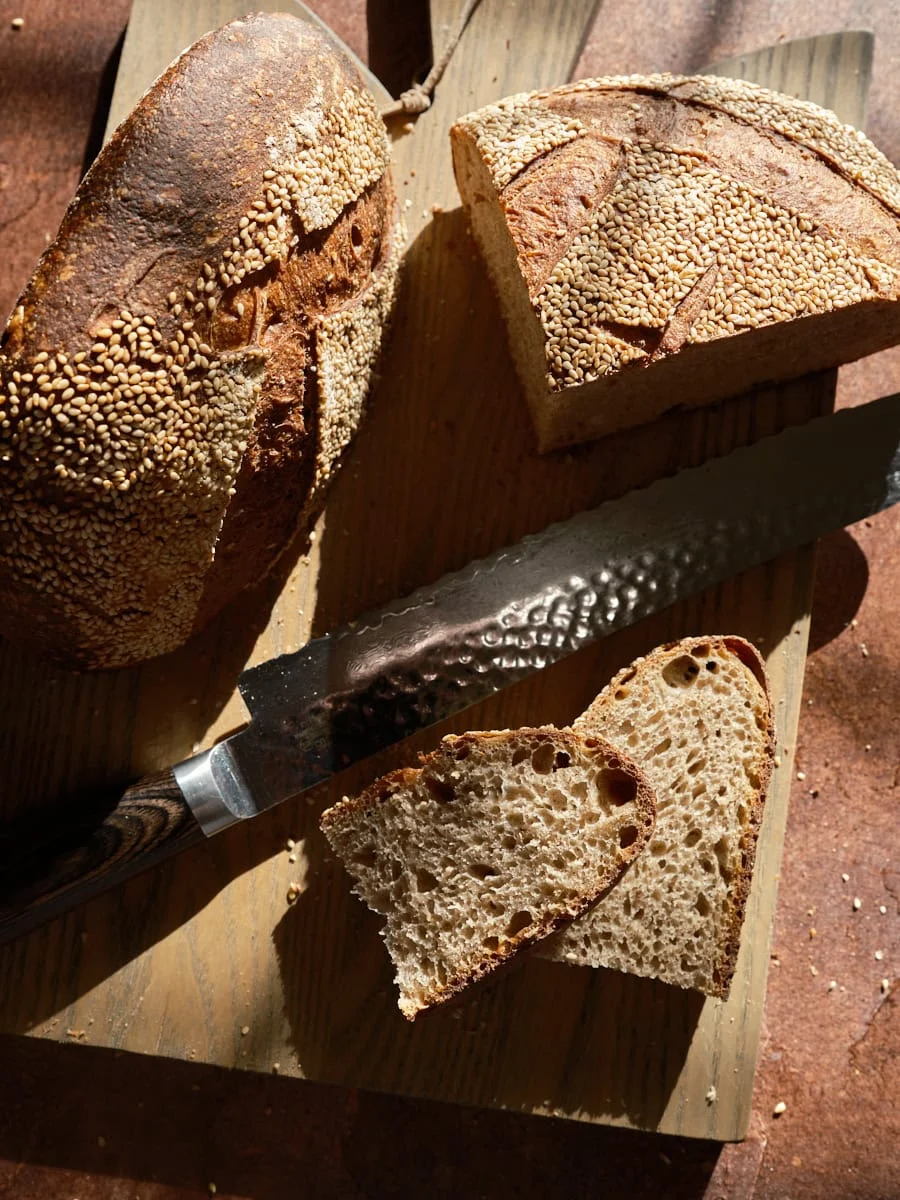
In baking, buckwheat imparts a unique "nutty, mineral, tannic" flavor and a striking, earthy color. However, its lack of gluten structure means it typically "closes up the crumb," resulting in a denser texture compared to all-wheat breads. This characteristic is deliberately harnessed in this recipe to contribute to a hearty, substantial loaf suitable for sandwiches. The interplay between buckwheat’s earthy notes and anise’s sweetness creates a complex and balanced taste that appeals to those seeking more adventurous and wholesome bread experiences. The visual appeal of buckwheat-speckled dough further enhances the bread’s artisanal charm.
The Science and Art of the Flour Scald

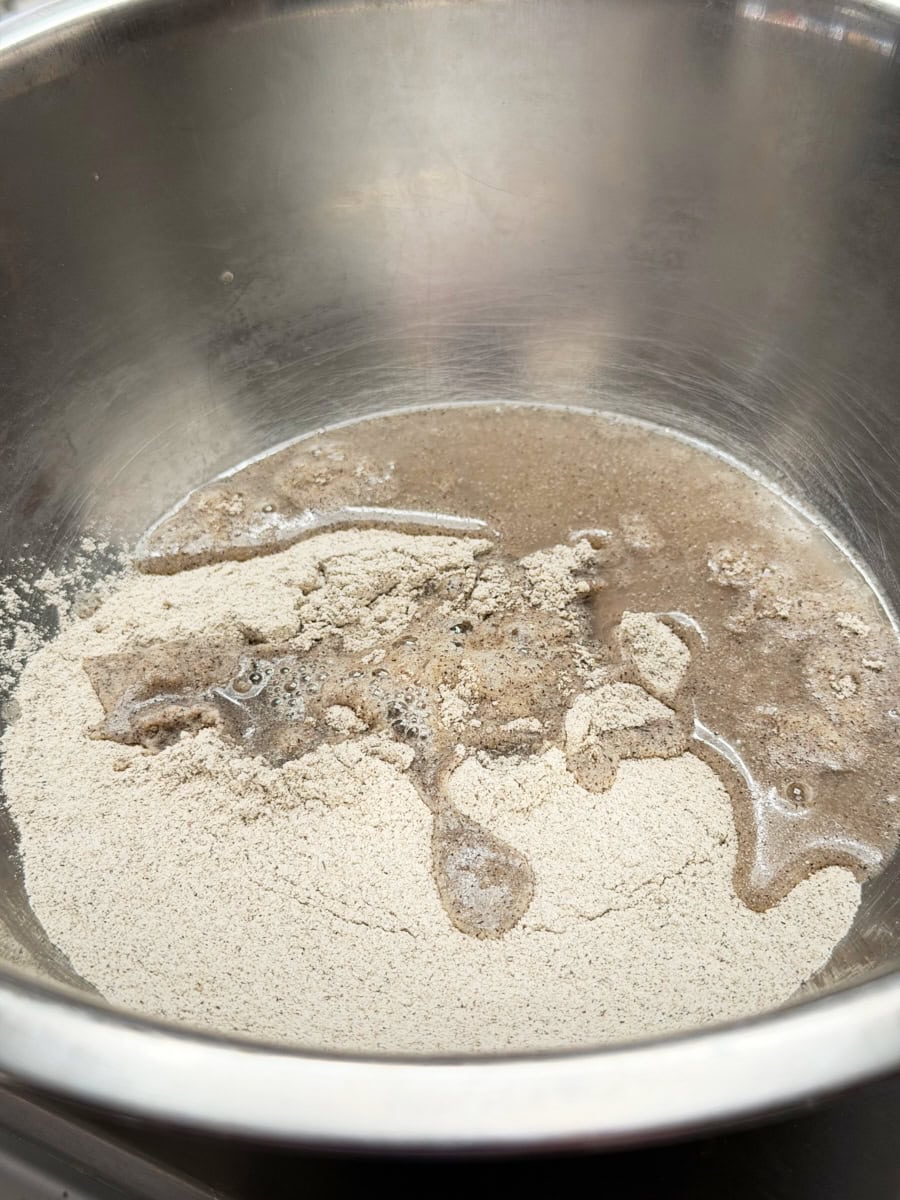
A critical technique employed in this recipe is the flour scald, a method central to achieving the bread’s desired silky texture and extended freshness. The scald involves simply covering a portion of the flour (in this case, buckwheat) with boiling water, stirring it into a thick paste. This technique is closely related to the Japanese yudane and Chinese tangzhong methods, which have been utilized for centuries in Asian baking to produce exceptionally soft, moist, and long-lasting breads.
The scientific principle behind the scald is starch gelatinization. When flour is exposed to hot water, the starch granules absorb water and swell, bursting to release amylose and amylopectin. This process creates a gel-like substance that can hold significantly more moisture than ungelatinized starch. When this scalded paste is incorporated into the main dough, it effectively locks in moisture, preventing the bread from drying out quickly. The result is a remarkably soft, almost silky crumb that remains fresh for an extended period, delaying staling. Furthermore, the scalding process can enhance the flour’s inherent flavors, making them more pronounced and aromatic. This seemingly simple step transforms the bread’s texture and longevity, demonstrating how scientific understanding can elevate traditional baking. Culinary researchers note that such hydration techniques represent a significant advancement in artisanal bread production, allowing for higher hydration levels and improved dough handling.
Flour Selection and Dough Characteristics
The choice of flours is deliberate, aligning with the vision for a hearty, spicy, and satisfying loaf. The base utilizes high-extraction wheat flour, specifically Type 85, a flour that retains more of the bran and germ than white flour but less than whole wheat. This strategic choice balances the robust flavor and nutritional benefits of whole grains with the handling properties closer to white flour, offering a "workhorse" flour that contributes depth without excessive density. The inclusion of whole wheat flour further amplifies the bread’s earthy notes and nutritional value.
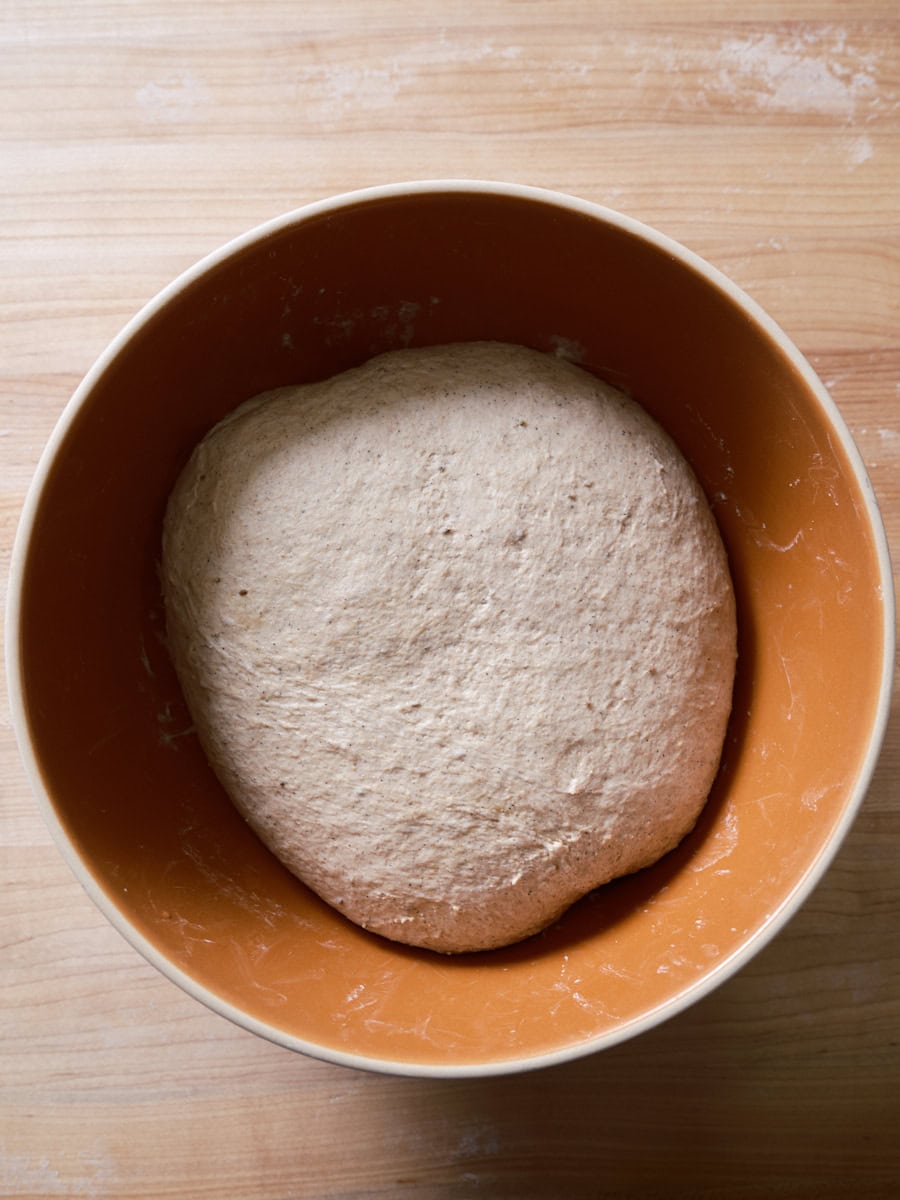
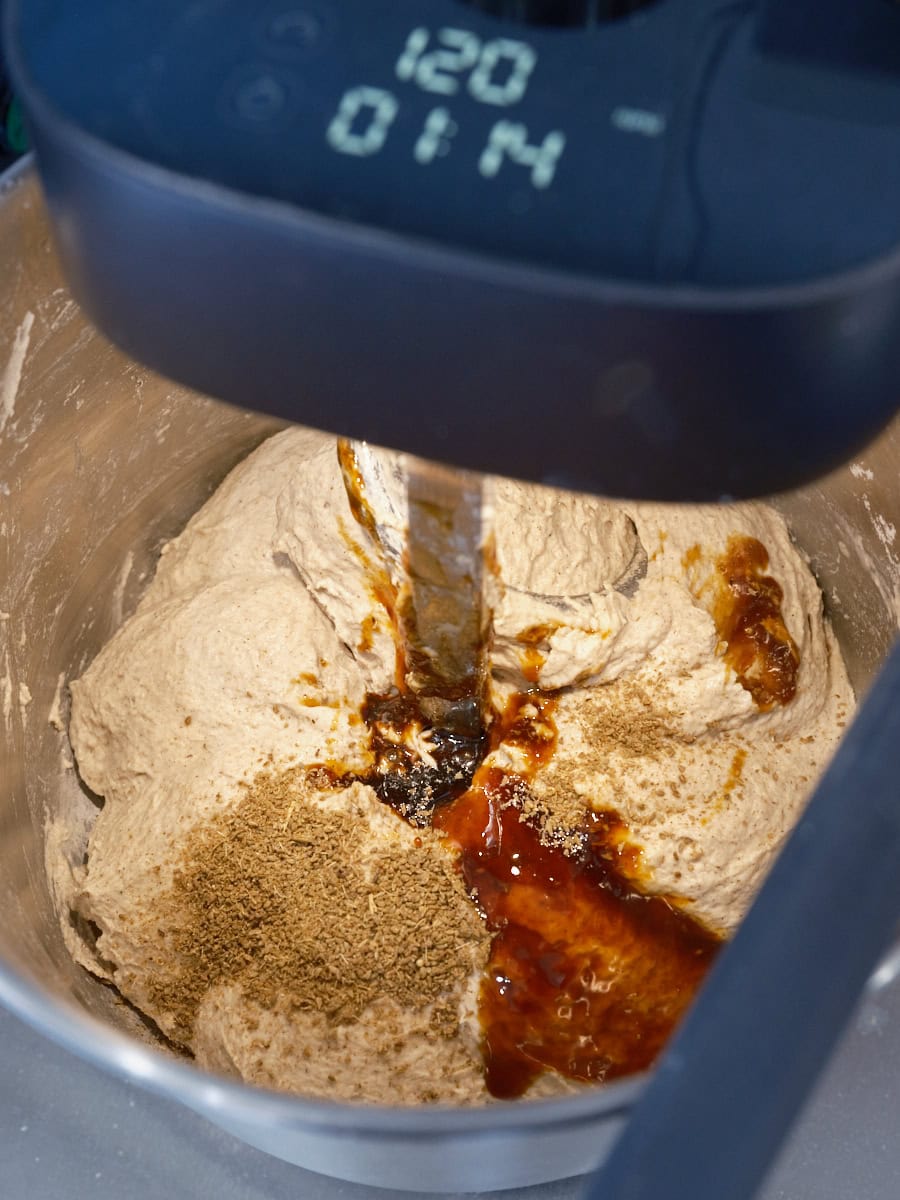
The dough itself is designed to be high-hydration, with a total hydration level of 75% (or 83% when accounting for the water in the flour scald). High hydration typically results in a more open crumb and a lighter texture, though buckwheat’s influence tends to moderate this. The baker must carefully manage this hydration, employing techniques like bassinage (gradual addition of water) to ensure the dough develops strength without becoming overly slack or sticky. The final dough temperature is precisely targeted at 78°F (26°C), a critical factor in controlling fermentation rates and ensuring consistent results.
A Meticulous Two-Day Baking Schedule
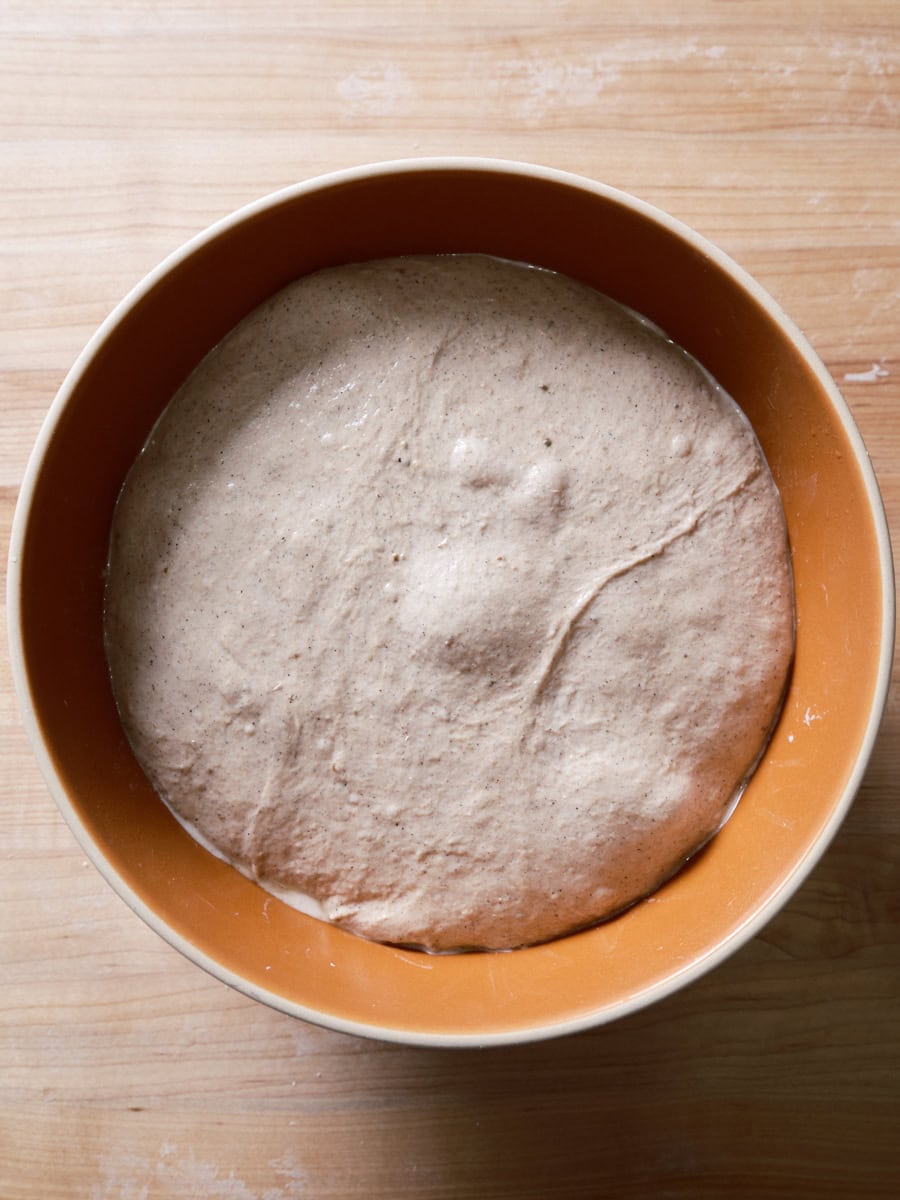
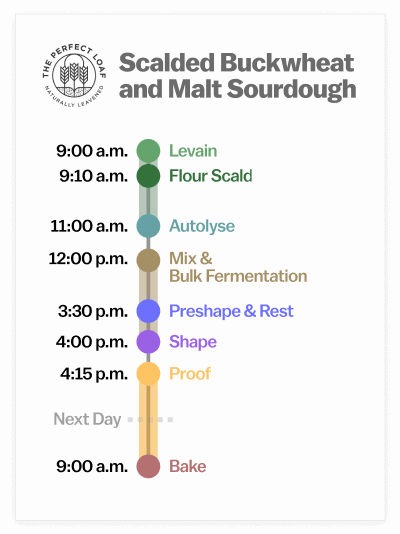
The creation of this Scalded Buckwheat and Malt Sourdough is a testament to the methodical pace of artisanal baking, unfolding over two days with carefully timed stages. This extended timeline is not merely for convenience but is integral to the development of flavor and texture characteristic of high-quality sourdough.
-
Day 1: Foundation and Fermentation
- Levain Preparation (Morning): The process begins with refreshing the sourdough starter to create a ripe levain. This mixture of flour, water, and mature starter is left at a controlled temperature (74-76°F) for approximately three hours, allowing it to reach peak activity. This active levain is the sole leavening agent, responsible for the bread’s characteristic tangy flavor and open crumb structure.
- Flour Scald Preparation (Early Morning): Concurrently, the buckwheat flour scald is prepared. Boiling water is poured over buckwheat flour, stirred into a paste, covered, and set aside to cool. This early preparation allows the starches to fully gelatinize and the paste to cool to room temperature before incorporation.
- Autolyse (Mid-Morning): The main flours (high-extraction and whole wheat) are mixed with the initial quantity of water and the prepared flour scald. This autolyse period, lasting one hour, allows the flour to fully hydrate and the gluten proteins to begin forming a network without the presence of salt or leavening. This step strengthens the dough, making it more extensible and easier to work with later.
- Mixing (Noon): The ripe levain and salt are incorporated into the autolysed dough. The remaining water (Water 2) is added gradually using the bassinage technique, ensuring the dough can handle the high hydration. The dough is mixed until smooth and cohesive, either by hand using slap-and-fold or folds-in-the-bowl methods, or with a mechanical mixer like a spiral mixer.
- Bulk Fermentation (Early Afternoon): The dough undergoes bulk fermentation for approximately three hours at a warm room temperature (74-76°F). This stage involves two sets of stretches and folds at 30-minute intervals during the first hour, developing gluten strength and homogenizing the dough. The dough is then left to rest, allowing it to increase in volume by about 30%.
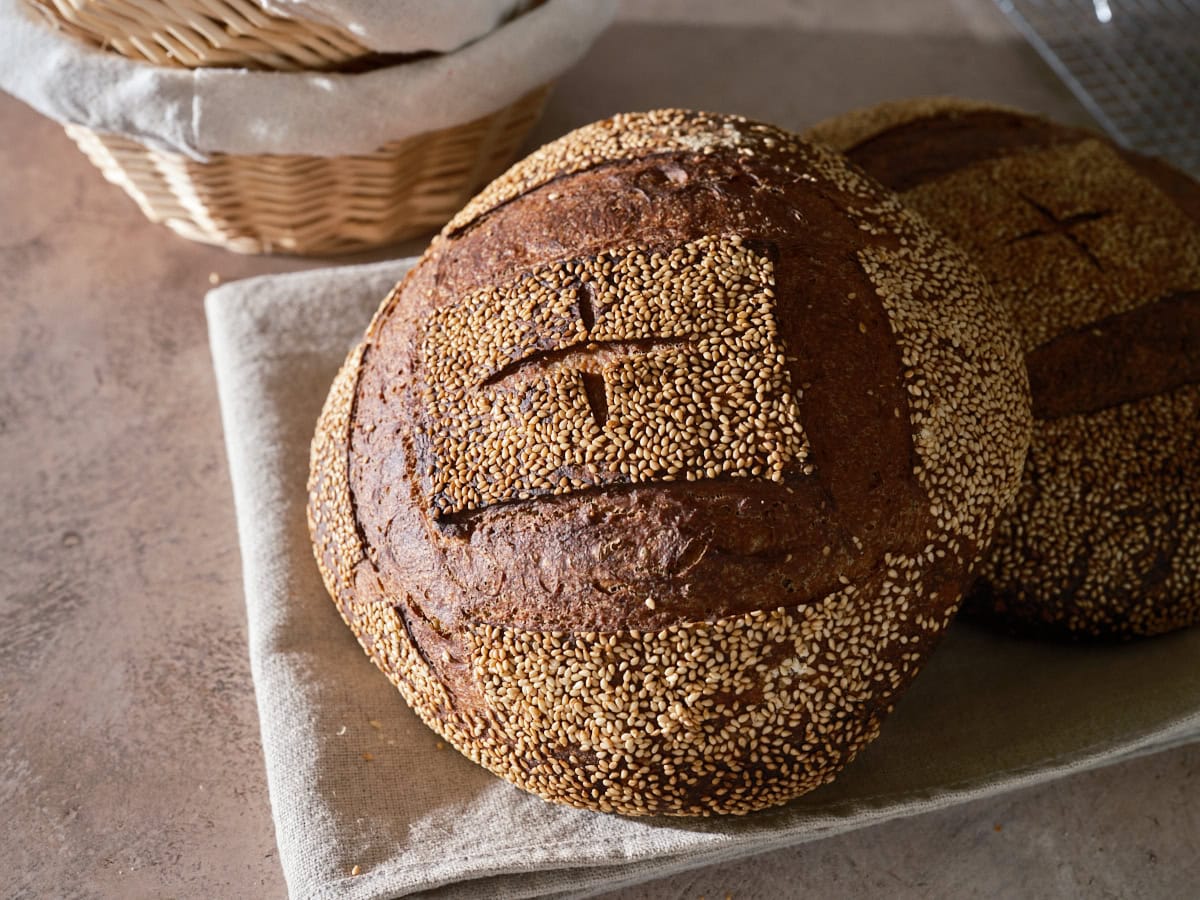
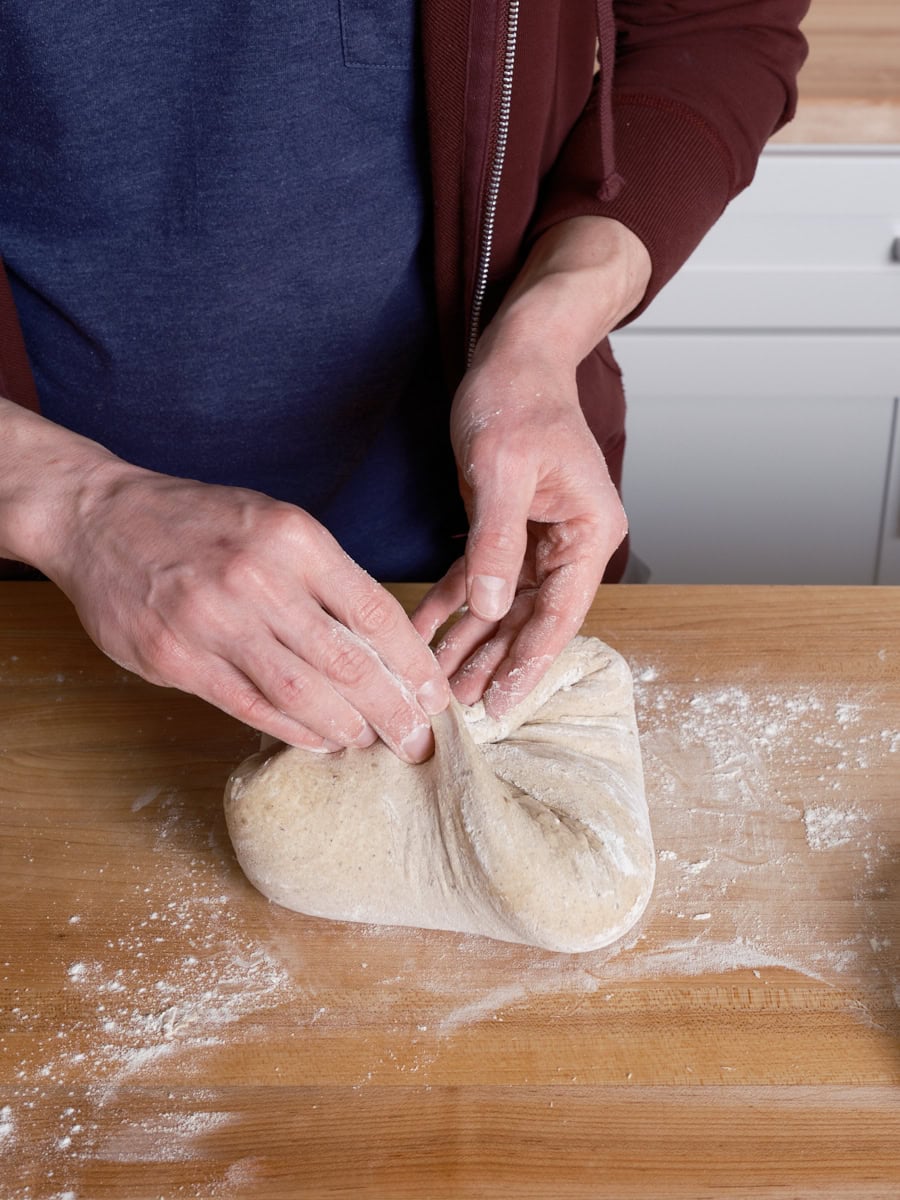
- Pre-shape and Shape (Late Afternoon): The fermented dough is gently divided and preshaped into loose rounds, allowed to rest, and then shaped. A unique "gather up" method is employed to create surface tension, and the shaped dough is then inverted onto raw white sesame seeds, which adhere to the moist surface, providing both flavor and visual appeal.
- Cold Proof (Overnight): The shaped loaves are placed into proofing baskets, covered, and transferred to the refrigerator for an extended cold proof overnight. This low-temperature fermentation slows down yeast activity while allowing beneficial bacteria to produce complex acids, deepening the bread’s flavor profile and improving its keeping qualities.
-
Day 2: Baking and Cooling
- Baking (Morning): The oven is preheated to 450°F (230°C) with a Dutch oven, combo cooker, or baking stone/steel inside to ensure maximum heat retention and even baking. The cold-proofed dough is carefully inverted onto parchment paper, scored, and immediately transferred to the preheated baking vessel.
- Steaming and Venting: Baking commences with steam, either by covering the Dutch oven or adding ice to a separate pan, creating a humid environment that prevents the crust from setting too quickly, allowing for maximum oven spring and a glossy crust. After 20 minutes, the steam is vented, and the bread continues to bake for another 30 minutes, allowing the crust to develop a deep, rich color and the internal temperature to reach approximately 204°F (95°C).
- Cooling: The loaves are cooled on a wire rack for 1 to 2 hours. This crucial step allows the internal structure of the bread to set and the residual heat to dissipate, preventing a gummy texture and ensuring the full development of flavor.
Expert Perspectives and Market Implications

The emergence of breads like the Scalded Buckwheat and Malt Sourdough reflects several converging trends in the culinary world. Food scientists and artisanal bakers alike acknowledge the increasing consumer demand for breads that offer more than just sustenance. "This type of bread is a perfect example of how bakers are pushing the boundaries of flavor and texture, integrating traditional methods with modern scientific understanding," comments Dr. Anya Sharma, a food science researcher specializing in grain applications. "The scald technique, combined with the complexities of sourdough fermentation and specific grain choices, results in a product that stands out in a crowded market."
The use of ancient grains like buckwheat aligns with a broader consumer movement towards wholesome, natural, and nutritionally dense foods. Market research indicates a steady growth in the demand for specialty breads, with a particular emphasis on sourdough and products featuring unique flours. This trend supports local grain economies and encourages sustainable agricultural practices. Furthermore, the meticulous, two-day process underscores a renewed appreciation for craftsmanship and the slow food movement, where quality and flavor take precedence over speed and mass production. For home bakers, recipes like this offer an opportunity to engage deeply with the craft, fostering skill development and a deeper understanding of the baking process.

Broader Impact and Future Outlook
The Scalded Buckwheat and Malt Sourdough is more than just a recipe; it is a microcosm of current culinary innovation. It demonstrates how traditional staples can be re-imagined through careful technique and thoughtful ingredient pairing to create novel and compelling flavors. The emphasis on robust flavor, superior texture, and extended shelf life appeals to a discerning palate seeking both comfort and sophistication. This bread contributes to a larger narrative of culinary exploration, pushing the boundaries of what bread can be and inviting both professional and home bakers to experiment with diverse flours, spices, and hydration methods. As interest in artisanal baking continues to grow, such creations will undoubtedly inspire further advancements, cementing sourdough’s place not just as a staple, but as a canvas for culinary artistry.