The quest for perfectly tender brisket, a cornerstone of barbecue culture, often leads pitmasters down a path where internal temperature alone proves an unreliable compass. While thermometers are essential tools, seasoned experts emphasize that the true indicator of a finished brisket lies not in a specific degree, but in the tactile feedback of a probe. This method, known as "probe tender," represents a shift from rigid adherence to numbers to an intuitive understanding of meat science, a philosophy championed by pitmasters like Christie Vanover of Girls Can Grill.
For years, the mantra "cook to temperature, not time" has been a guiding principle in barbecue. However, the complex nature of brisket, a notoriously tough cut rich in connective tissue, necessitates a more nuanced approach. The transformation of tough collagen into succulent gelatin, which is crucial for tenderness, is influenced by a multitude of factors beyond mere heat. These include the brisket’s inherent marbling, the specific cut (point versus flat), the thickness of the meat, and even the humidity levels during the smoking process. Consequently, a brisket might achieve perfect tenderness at 195°F (90.5°C) on one occasion, while another may require pushing past 205°F (96.1°C) or even 210°F (98.9°C). This variability underscores why internal temperature should be viewed as a reference point, a general guideline, rather than an absolute endpoint.
The concept of "probe tender" offers a more reliable and consistent method for determining brisket readiness. It refers to the sensation experienced when a temperature probe is inserted into the meat, rather than the numerical reading on the thermometer. An experienced pitmaster describes this ideal state as the probe gliding into the brisket with "little to no resistance," akin to inserting a probe into soft butter. This "buttery feel" signifies that the connective tissues have fully rendered, resulting in a tender, yielding texture. Conversely, if the probe encounters drag, tightness, or noticeable resistance, it indicates that the brisket requires additional cooking time, regardless of what the thermometer may suggest.

This tactile assessment can be likened to testing the ripeness of fruit. A firm, unyielding piece of fruit is not yet ready to eat, much like a brisket that resists a probe. Similarly, an overripe, mushy fruit has passed its peak, analogous to a brisket that has been cooked too long, potentially leading to a dry or mushy texture. The probe tender brisket, therefore, is the perfectly ripe equivalent, offering the ideal balance of moisture and texture.
To accurately gauge probe tenderness, it is essential to test multiple locations within the brisket. This is due to the inherent unevenness of brisket cooking. The brisket is comprised of two distinct muscles: the leaner flat and the fattier point. The point, with its higher marbling, tends to cook and render more quickly than the flat. Therefore, checking only one spot can be misleading. Pitmasters are advised to probe:
- The thickest part of the flat: This area often takes the longest to cook.
- The thinnest part of the flat: To ensure it hasn’t overcooked.
- The point: To assess its tenderness, particularly where it transitions to the flat.
All tested areas should exhibit the desired probe tenderness. If any section still presents resistance, the brisket needs to continue cooking.
Once a brisket achieves probe tenderness, a crucial next step awaits: resting. The temptation to slice into the beautifully cooked meat immediately after it passes the probe tender test can be significant, but resisting this urge is paramount to achieving optimal results. A well-rested brisket allows for several critical processes to occur. Firstly, the internal temperature continues to equalize, further rendering fats and breaking down remaining connective tissues. Secondly, and perhaps more importantly, the meat fibers relax. During the prolonged cooking process, the muscle fibers contract and tighten. Resting allows them to expand and reabsorb some of the rendered juices, leading to a significantly moister and more tender final product.

A recommended resting period for brisket typically ranges from 1 to 4 hours, or even longer for larger cuts. This can be achieved by wrapping the brisket tightly in butcher paper or foil and placing it in a dry, insulated cooler, or in a warming oven set to a low temperature (around 140-150°F or 60-65°C). Skipping this resting phase can result in juices running out onto the cutting board when sliced, leading to a drier brisket, effectively undoing hours of meticulous cooking.
Christie Vanover, an award-winning competitive pitmaster and owner of Girls Can Grill, articulates this philosophy clearly: "Use temperature as a guide. Use probe tenderness as a non-negotiable." Her experience, honed through numerous grand championships and top category finishes, has consistently shown that award-winning briskets, while achieving wildly different final internal temperatures, all share the common characteristic of yielding to a probe with zero resistance. This profound understanding of the "buttery feel" elevates the pitmaster’s craft beyond the fear of under or overcooking, fostering a sense of calm confidence in the cooking process and the final outcome. When the focus shifts from the anxious watching of a thermometer to the confident assessment of texture, the art of brisket cooking truly transforms.
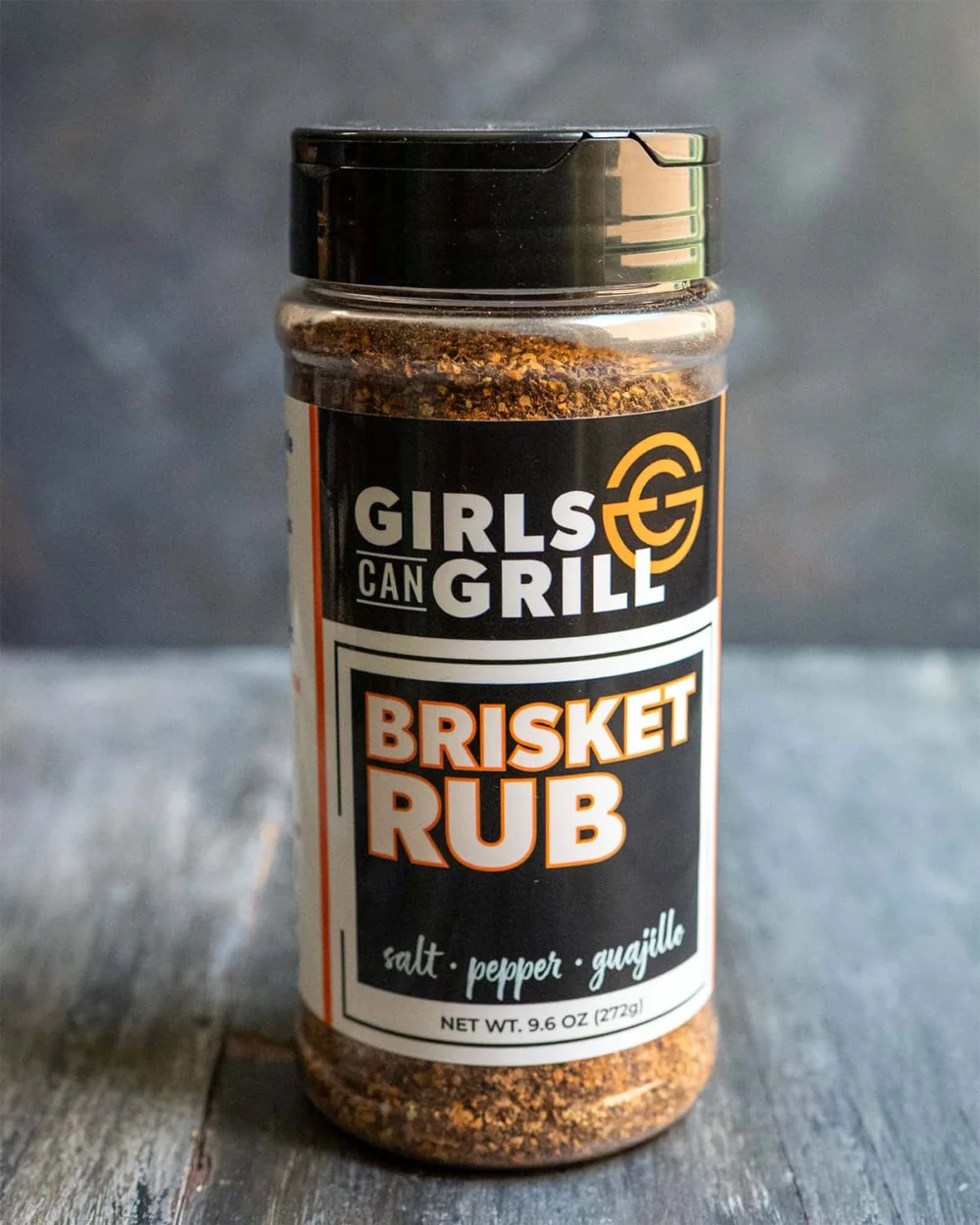
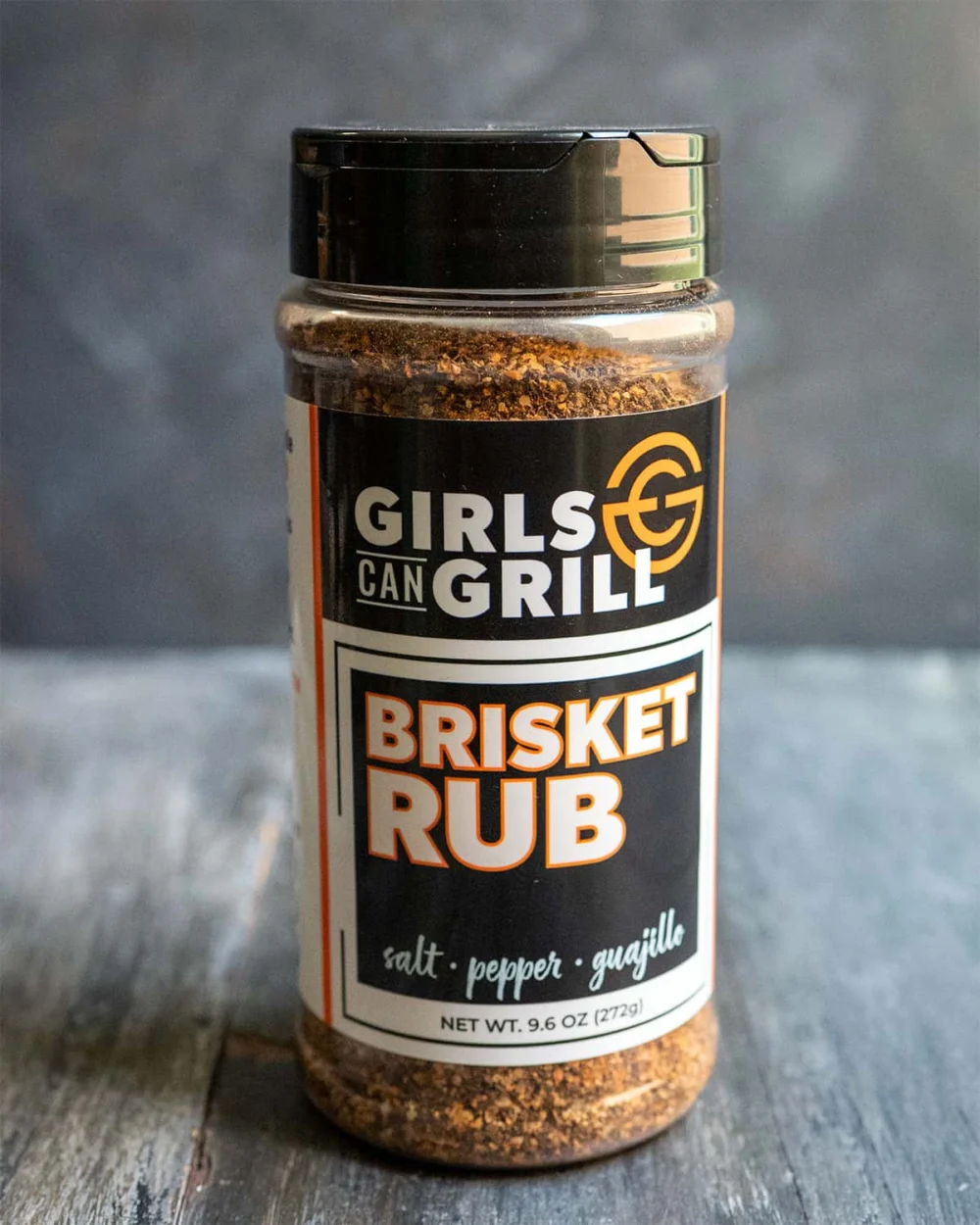
The journey to mastering brisket extends beyond temperature and tenderness. It encompasses a holistic understanding of the cut, from its anatomy and proper trimming techniques to the art of applying rubs and managing smoke. A well-balanced brisket rub, such as the Girls Can Grill Brisket Rub, plays a vital role in enhancing the meat’s natural flavor while contributing to the development of a desirable bark. This blend, often featuring a strategic mix of salt, pepper, garlic, and other savory spices, not only highlights the beef’s inherent richness but also aids in creating an even, flavorful crust.
The commitment to sharing this expertise is evident in comprehensive resources like the "Ultimate Brisket Guide" offered by Girls Can Grill. These guides delve into every facet of brisket preparation, providing detailed insights into:

- Brisket Anatomy: Understanding the distinct muscles and fat distribution within a brisket is fundamental to successful cooking.
- Trimming Techniques: Proper trimming removes excess hard fat and shapes the brisket for optimal smoke penetration and even cooking.
- The Stall: This phenomenon, where the internal temperature of the meat plateaus during smoking, is a critical point that pitmasters must understand and manage.
- Wrapping and Bundling: Techniques like the Texas Crutch (wrapping in butcher paper) or the "boat" method are employed to manage moisture and accelerate the cooking process.
- Rendering Fat: The slow, low-and-slow cooking process is designed to render the intramuscular fat (marbling) into luscious, flavorful gelatin.
- Bark Development: The dark, flavorful crust that forms on the exterior of the brisket is a highly sought-after element of classic barbecue.
Beyond these fundamental guides, further resources may explore specific brisket recipes tailored for various cooking methods, from traditional offset smokers to pellet grills and even oven-based techniques. The broader implications of mastering brisket extend to its cultural significance in barbecue. It is often considered the ultimate test of a pitmaster’s skill, a dish that demands patience, attention to detail, and a deep understanding of the interplay between heat, time, and meat science.
In conclusion, while temperature remains an important metric, the true secret to consistently exceptional brisket lies in the hands-on, tactile approach of probe tendering. By embracing this method, pitmasters can move beyond the anxieties of numerical targets and cultivate a confident, intuitive understanding of when their brisket has reached its peak of succulence and flavor. This mastery, honed through practice and informed by a deep appreciation for the nuances of meat, is what truly separates good brisket from great brisket.