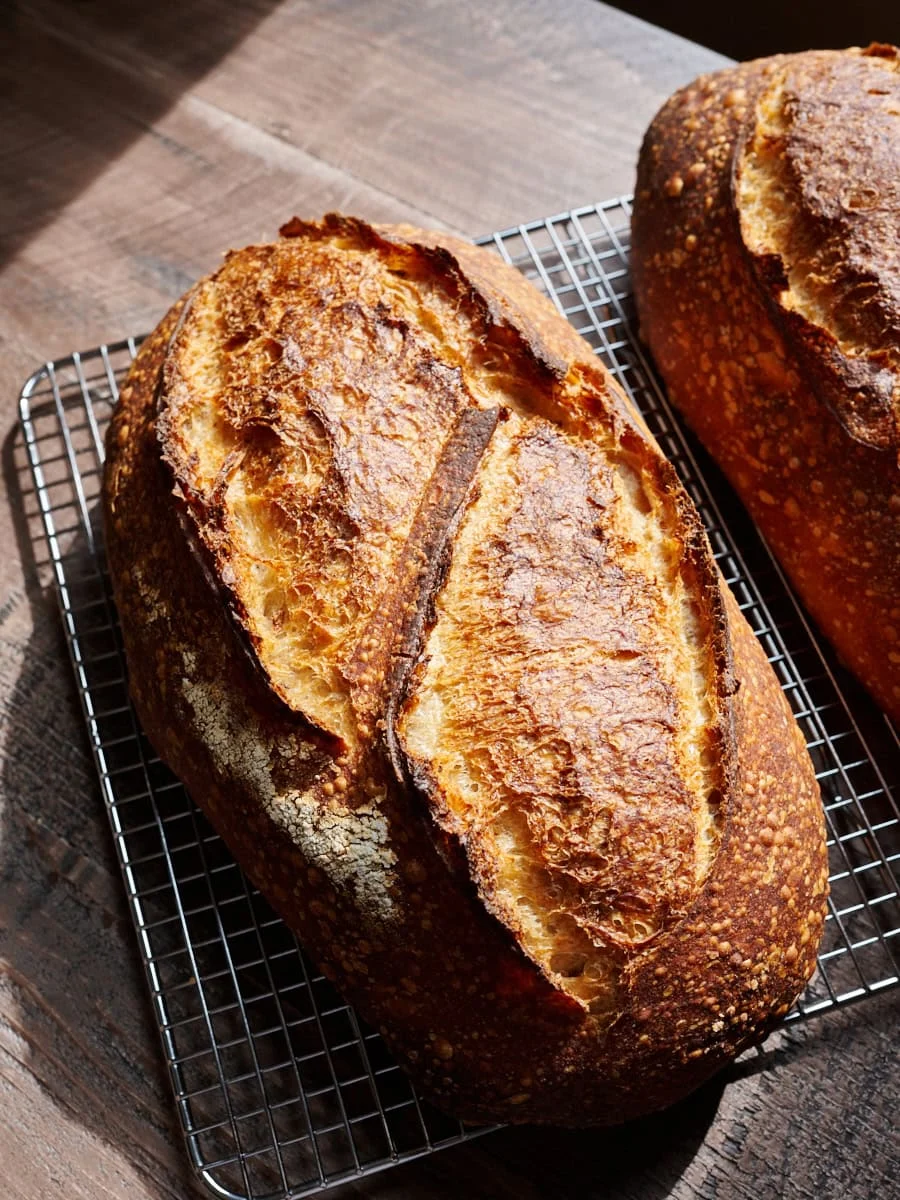
Dough hydration, a seemingly straightforward parameter, is in fact one of the most complex and critical variables in the nuanced realm of sourdough bread baking. Far from being a mere numerical value in a recipe, it represents a dynamic interaction between the baker, the flour, and the prevailing environmental conditions, fundamentally shaping the final characteristics of a loaf. Understanding and mastering hydration is often the decisive factor in elevating a serviceable bread to an exceptional one, addressing common issues ranging from overly sticky dough to dense, tight crumbs. This intricate balance of water and flour is extensively explored in specialized baking literature, and its principles are fundamental to unlocking optimal bread quality.
Defining Dough Hydration: The Baker’s Metric
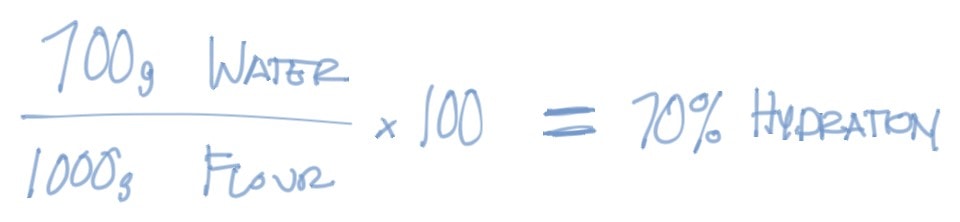
At its core, dough hydration quantifies the total amount of water in a recipe relative to the total weight of the flour, expressed as a percentage. The calculation is straightforward: divide the weight of the water by the total weight of the flour, then multiply by 100. For instance, a recipe utilizing 1,000 grams of flour and 700 grams of water yields a 70% hydration (700 ÷ 1,000 × 100 = 70%). This percentage provides bakers with an immediate, intuitive understanding of the expected dough consistency and handling characteristics even before the mixing process begins. It serves as a universal language within the baking community, allowing for precise communication and comparative analysis of different dough formulations.
The Rheological Impact: Why Hydration Matters
The hydration percentage profoundly influences the rheological properties of the dough—its flow and deformation under stress—and subsequently, the sensory attributes of the baked loaf. Water acts as the essential solvent, transforming dry flour into a viscoelastic matrix capable of trapping the carbon dioxide gases produced during fermentation. Without adequate water, the dough remains stiff and resistant, hindering gluten development and gas retention. Conversely, an excessive amount of water can result in an amorphous, soupy mass that struggles to maintain structural integrity. Between these two extremes lies a spectrum of bread styles, each optimized by a specific hydration range.
Low-Hydration Doughs: Structure and Durability (60-68%)
Breads crafted with lower hydration percentages (typically 60-68%) exhibit distinct characteristics that appeal to specific culinary applications and aesthetic preferences. These doughs are notably stiffer and easier to handle, making them ideal for intricate shaping processes common in products like bagels, pretzels, and certain types of pizza crusts.
- Ease of Handling: Their firm consistency minimizes stickiness, allowing for precise manipulation during kneading, shaping, and scoring. This makes them particularly forgiving for novice bakers.
- Denser Crumb: The reduced water content results in a tighter, more uniform crumb structure with smaller, more evenly distributed air pockets.
- Substantial Crust: Lower hydration typically yields a thicker, chewier, and more robust crust, providing a satisfying textural contrast to the interior.
- Enhanced Structure: These doughs hold their shape exceptionally well throughout bulk fermentation and proofing, reducing the risk of collapse.
- Extended Shelf Life: The lower moisture content can contribute to a slightly longer shelf life compared to their high-hydration counterparts, especially when stored properly.
Historically, many traditional European breads, designed for daily consumption and often requiring robust structure for transportation or specific cooking methods, fell into this hydration category.
High-Hydration Doughs: Tenderness and Open Crumb (75-85%+)
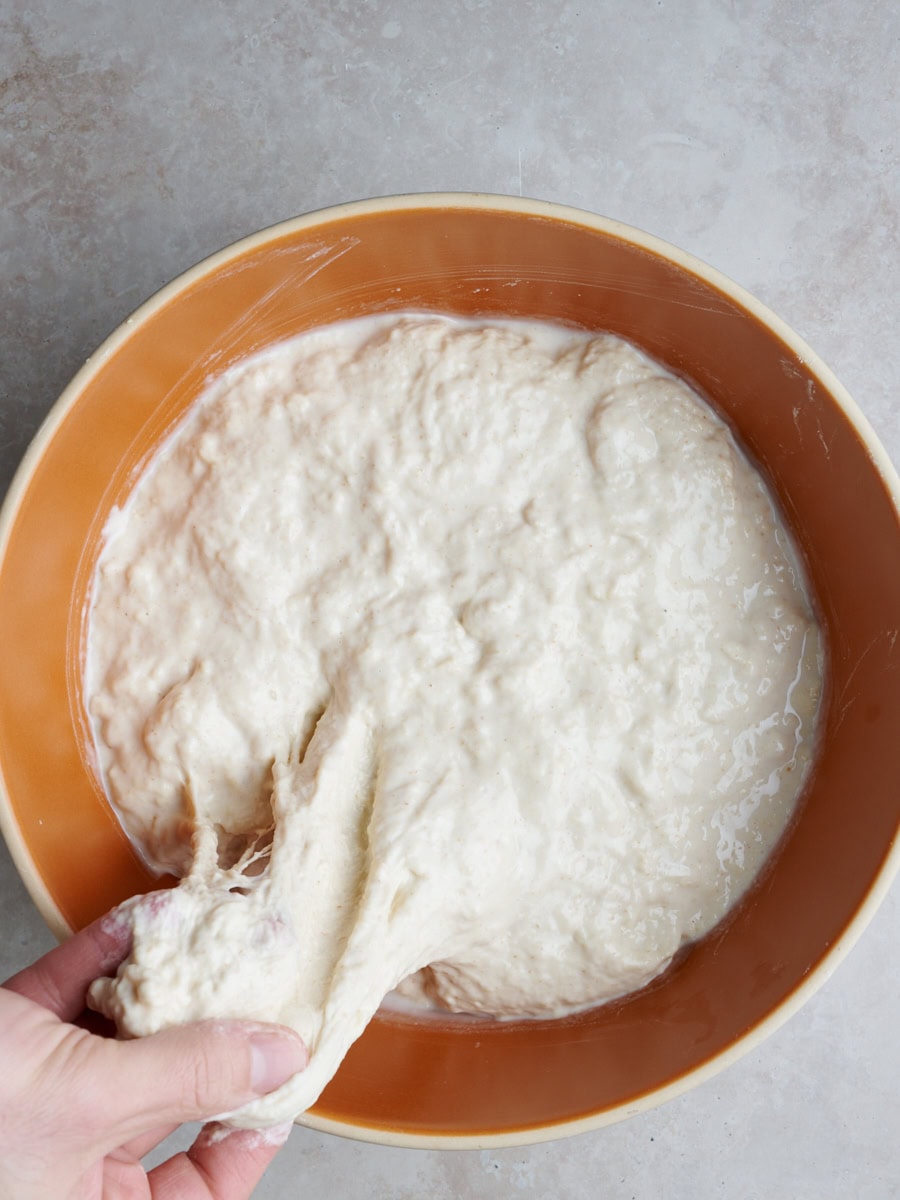
Conversely, high-hydration doughs (75-85% and beyond) represent a more contemporary trend in artisanal sourdough, prized for their unique textural qualities. These doughs are inherently slack and sticky, demanding a higher level of skill and finesse from the baker.
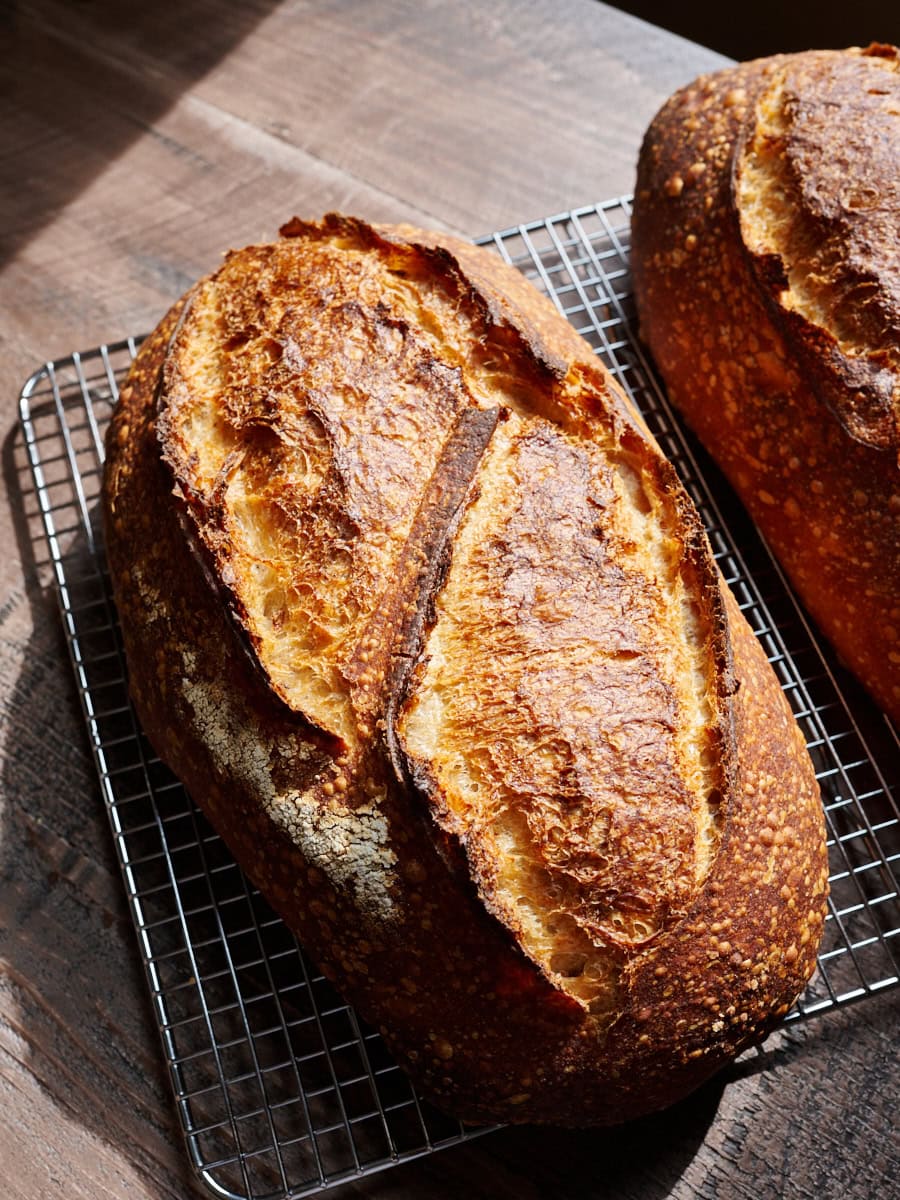
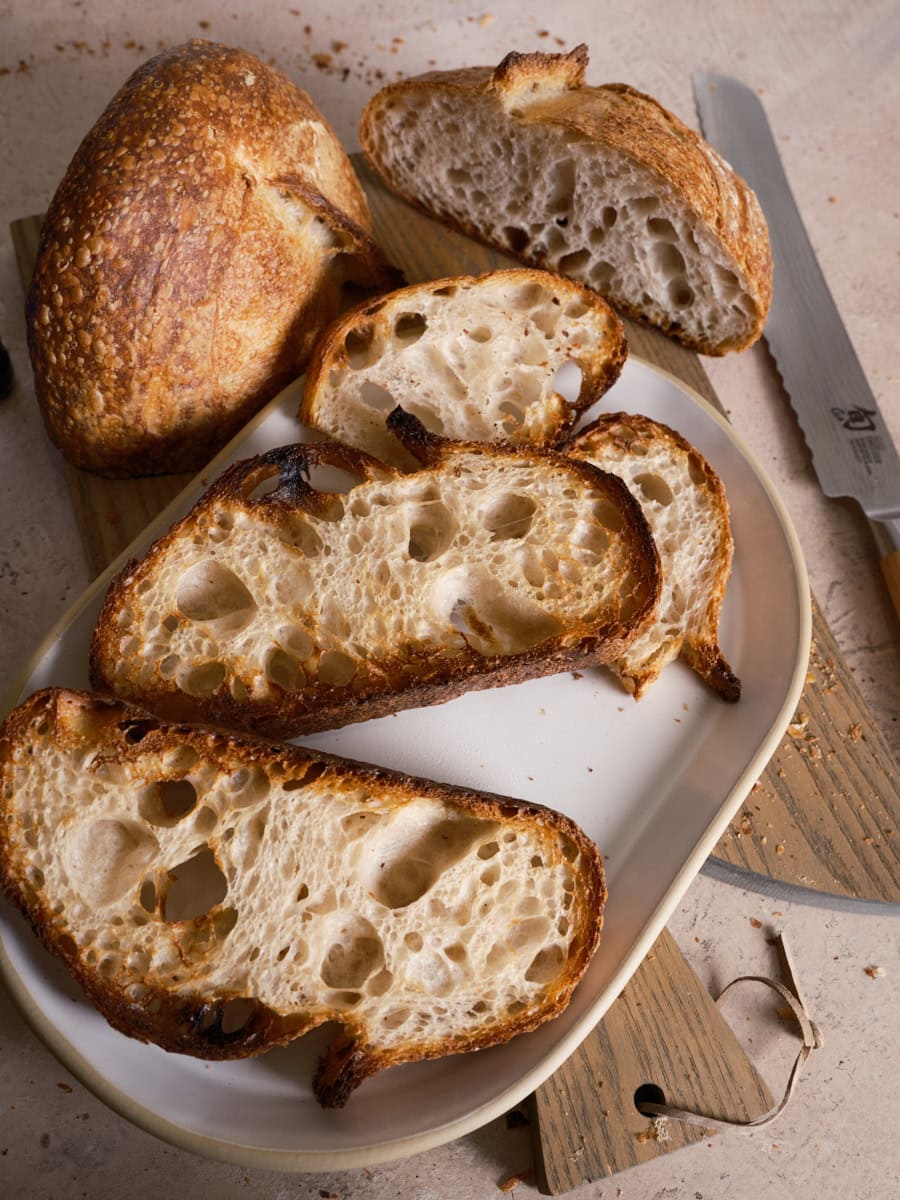
- Open and Irregular Crumb: The generous water content allows for significant expansion during fermentation, resulting in a highly aerated crumb with large, irregular alveoli (holes). This "open crumb" is a hallmark of many modern sourdough loaves.
- Tender, Custardy Interior: The abundance of water contributes to a remarkably tender, moist, and almost custardy mouthfeel.
- Thin, Brittle Crust: The increased steam production during baking, coupled with the dough’s inherent extensibility, often leads to a thinner, crisper, and more delicate crust.
- Enhanced Flavor Development: The extended fermentation times often associated with high-hydration doughs can contribute to a more complex and nuanced flavor profile.
- Greater Oven Spring: The relaxed gluten network and high internal steam pressure can result in an impressive "oven spring," where the loaf rapidly expands during the initial stages of baking.
While offering desirable attributes, pushing hydration too high can lead to challenges such including a gummy crumb, poor structural retention post-baking, and faster staling if not stored optimally. The goal is to find a hydration level that achieves desired characteristics without compromising volume, texture, or eating quality.
Beyond the Numbers: The Dynamic Nature of Dough Hydration
A crucial insight for any baker is that the stated hydration percentage in a recipe serves as a guideline, not an immutable law. Flour is not a static ingredient; its water absorption capacity varies significantly due to intrinsic properties and external factors. This necessitates an adaptive approach, where bakers learn to "read their dough" rather than blindly adhering to numerical values.
Flour Variability: Protein Content and Type
The most significant determinant of a flour’s water absorption capacity is its protein content, specifically the gluten-forming proteins (gliadin and glutenin).
- Higher Protein Flours: Flours with a higher protein percentage (e.g., 12-14% typically found in American "bread flour") can absorb and often require more water to achieve optimal dough consistency. The robust gluten network formed by these proteins is capable of holding a greater volume of water, preventing an overly gummy or dense texture.
- Lower Protein Flours: Conversely, "softer" flours with lower protein percentages (common in many European and South American regions) will absorb less water. Using the same hydration as a high-protein flour can quickly lead to an unmanageable, sticky dough.
- Whole Grain Flours: The presence of bran and germ particles in whole wheat, rye, and other whole grain flours dramatically increases water absorption. These fibrous components act like tiny sponges, demanding substantially more water than white flours. A sourdough bread with 50% whole wheat, for example, might comfortably achieve 82% hydration, a level that would be exceedingly difficult to manage with 100% white flour.
- Freshly Milled Flour: Freshly milled flour often requires more hydration than commercially aged flour. Even after sifting, the inherent characteristics of freshly ground grains necessitate additional moisture to achieve proper dough consistency and gluten development.
Environmental Influences: Climate and Humidity
Environmental factors, while often secondary to flour type, can still subtly influence hydration requirements. Bakers in arid, high-altitude regions, such as New Mexico, typically find they need to use higher hydration percentages compared to those in more humid, lower-altitude environments. On days with high ambient humidity, flour may have already absorbed some moisture from the air, potentially requiring a slight reduction in the recipe’s water content. While these shifts are usually minor, experienced bakers remain attuned to such nuances.
Advanced Techniques for Hydration Management
As bakers progress, techniques emerge to manage and optimize dough hydration, particularly for higher-hydration formulations.
The Bassinage Method: Controlled Hydration for Enhanced Gluten Development
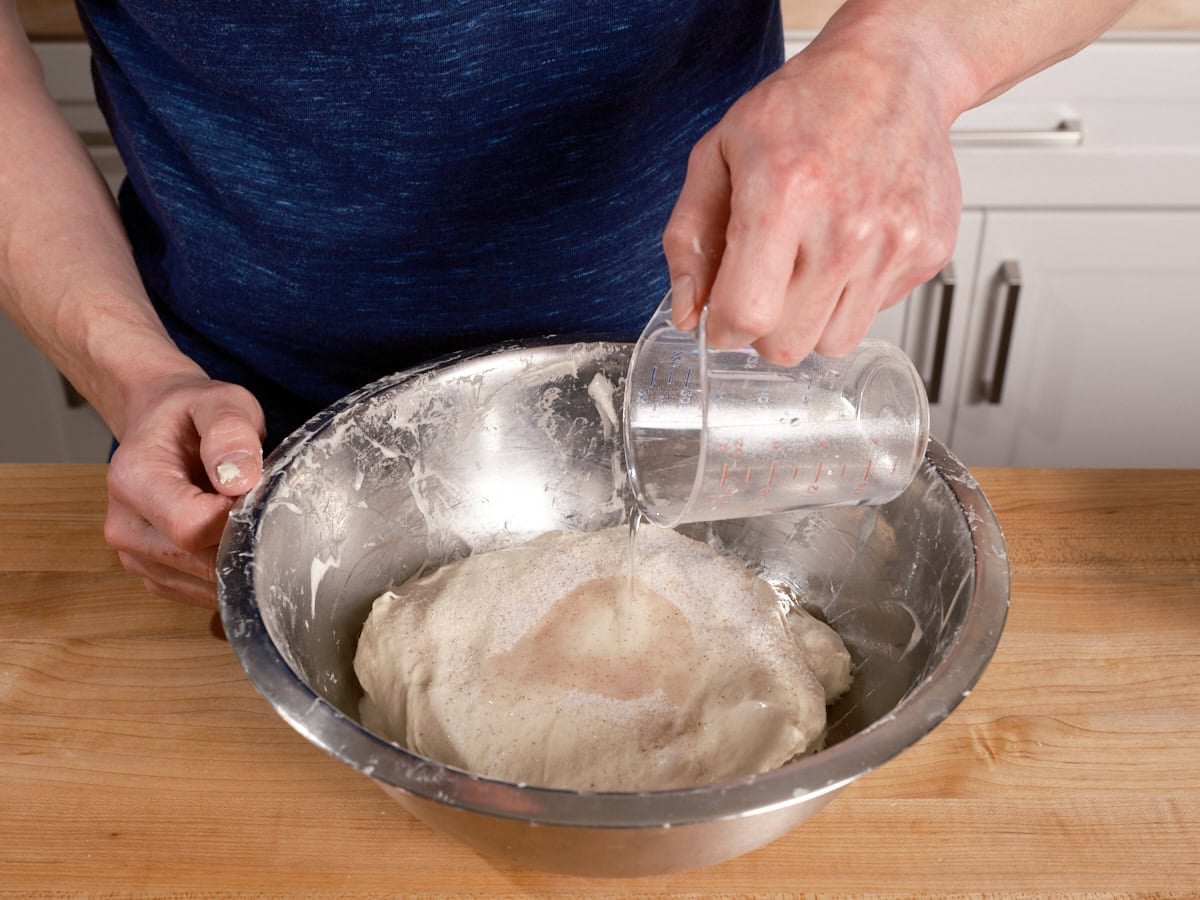
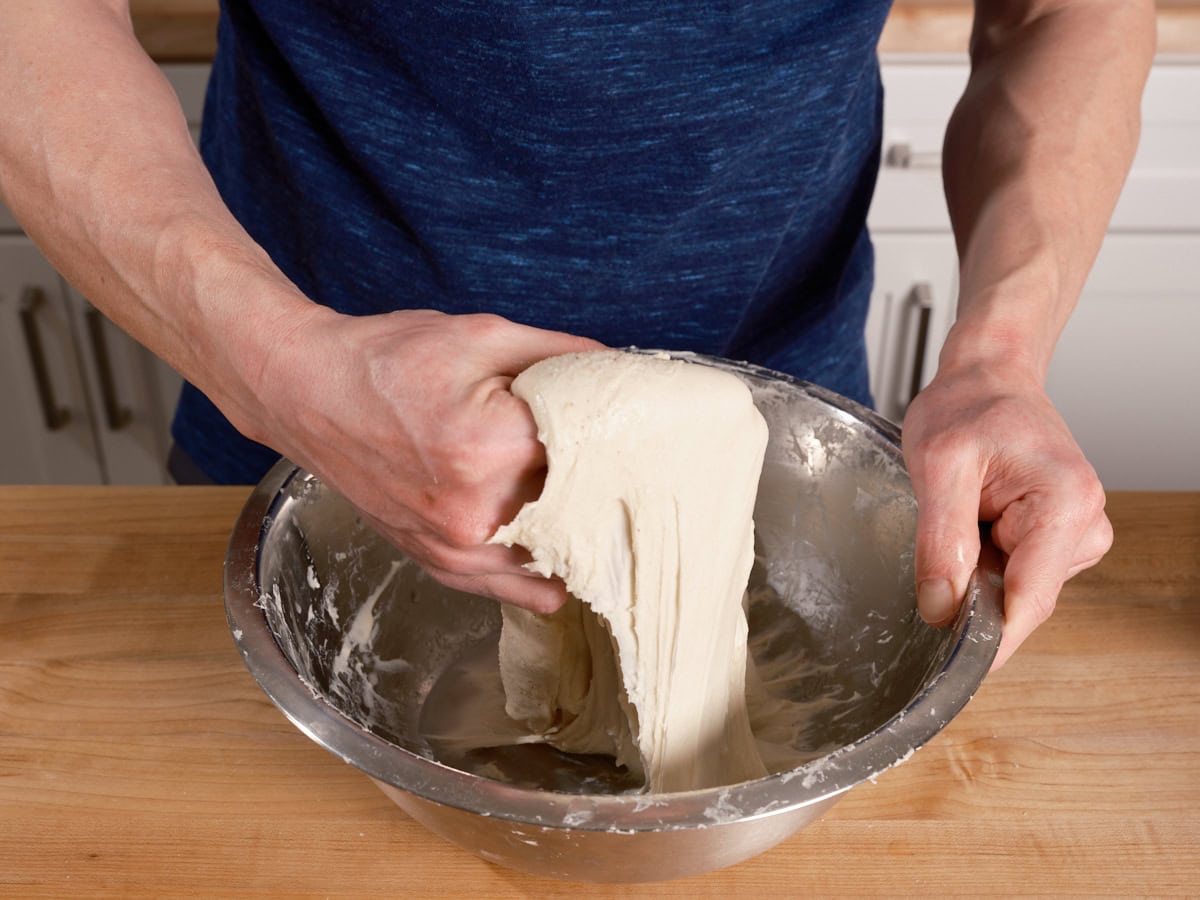
One transformative technique is bassinage, sometimes referred to as "double hydration." This method involves withholding a portion of the total water at the initial mixing stage, adding it gradually later in the process after the flour’s starches have begun absorbing water and the gluten matrix has started to develop.
- Easier Gluten Development: Starting with a stiffer, lower-hydration dough allows for more efficient friction during mixing, facilitating the initial formation and strengthening of the gluten network. Attempting to develop gluten in an excessively wet dough from the outset can be arduous and less effective.
- Dough Strength Assessment: Bassinage provides the baker with a critical opportunity to assess the dough’s inherent strength and water absorption capacity in real-time. If the dough feels exceptionally slack or sticky after the initial water addition, the reserved "bassinage water" can be partially or entirely omitted. Conversely, if the dough feels robust and capable of handling more moisture, the additional water can be slowly incorporated. This iterative approach fosters adaptability and prevents over-hydration.
Many professional recipes now incorporate this technique, segmenting water into "Water 1" (for levain and autolyse) and "Water 2" (for bassinage during the final mix), allowing for precise adjustment.
Troubleshooting Common Hydration Challenges
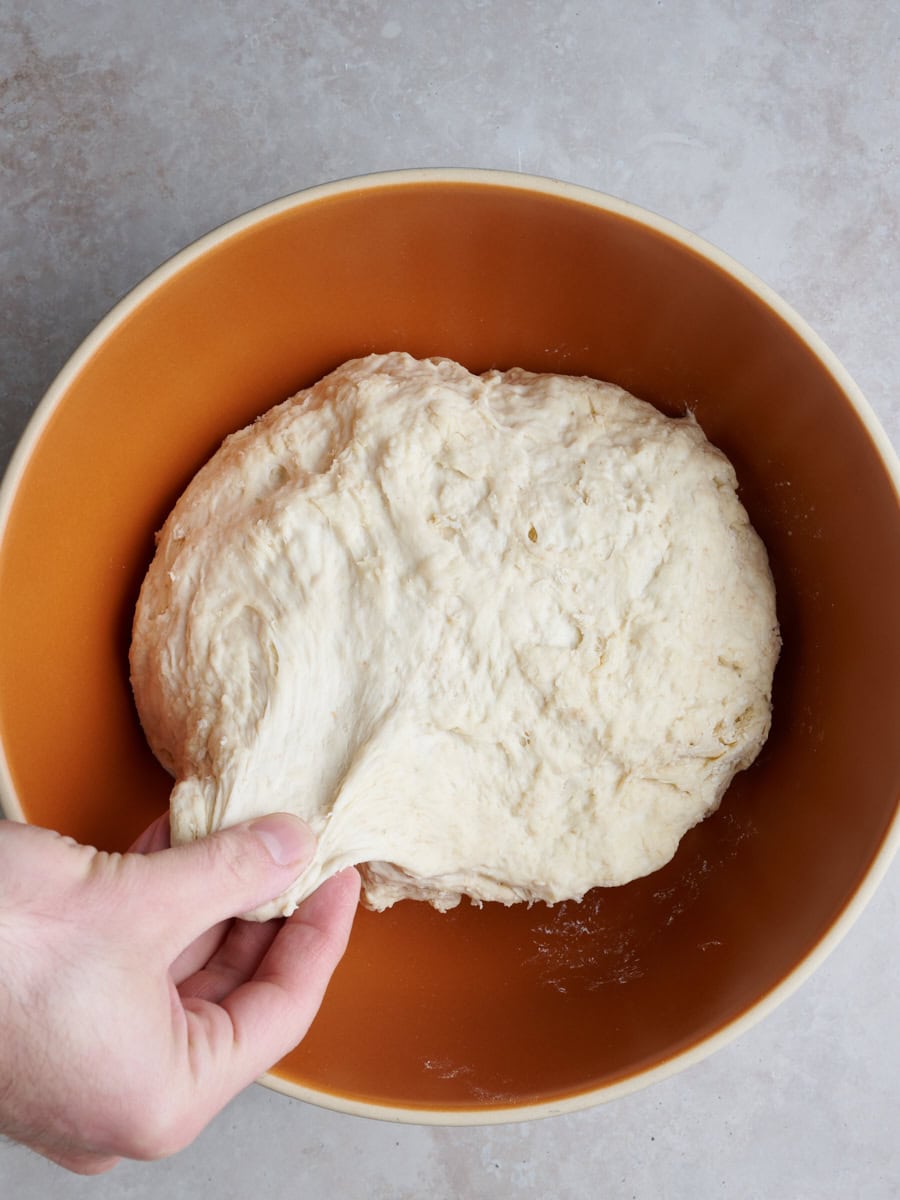
Sticky dough is a frequent frustration, often stemming from issues related to hydration, dough strength, or a combination of both. Recognizing the signs of under- or over-hydrated dough is crucial for timely intervention.
Diagnosing Under- and Over-Hydrated Doughs
- Under-Hydrated Dough (~62% or less):
- Appearance/Feel: Crumbly, stiff, difficult to combine into a cohesive mass. Lacks extensibility and elasticity, tearing easily when stretched.
- Implication: Insufficient water to fully hydrate flour proteins and starches, leading to poor gluten development.
- Baked Result: Dense, dry, tough crumb; potentially crumbly texture.
- Properly Hydrated Dough (~68-75%):
- Appearance/Feel: Smooth, extensible, and elastic. Cohesive but still slightly tacky. Passes the "windowpane test" (can be stretched thin enough to see light through without tearing).
- Implication: Optimal water-to-flour ratio for gluten development and gas retention.
- Baked Result: Tender, open crumb with good structure and desirable crust.
- Over-Hydrated Dough (~75%+ for white flour, can be higher for whole grain):
- Appearance/Feel: Extremely slack, soupy, and difficult to handle. Lacks structural integrity and elasticity, spreading excessively.
- Implication: Excessive water weakens the gluten network, making it unable to effectively trap gas or maintain shape.
- Baked Result: Gummy crumb, poor oven spring, often dense at the bottom, or collapses after baking; spreads rather than holds shape.
Addressing Persistent Stickiness
When dough consistently feels overly sticky, several factors are typically at play:

- Too Much Water for the Flour: The most direct cause. Different flours have varying absorption capacities, and a recipe’s hydration might be too high for a specific flour.
- Insufficient Gluten Development: If the gluten network hasn’t been adequately formed through mixing and stretch-and-folds, it cannot effectively bind water, leading to a weak, sticky dough.
- Flour Type: Using lower-protein flours or fine-milled flours that absorb less water, or conversely, not accounting for the high absorption of whole grains.
- Inadequate Mixing: Not enough time or friction during the initial mixing phase prevents proper hydration of flour and gluten development.
- Over-Fermentation: If bulk fermentation or proofing is extended too long, the enzymatic activity can begin to degrade the gluten structure, resulting in a weaker, stickier dough.
- Warm Dough Temperature: Higher dough temperatures can make the dough feel stickier and accelerate enzymatic processes that may weaken gluten.
Strategic Hydration: Best Practices for Bakers
Successfully navigating the complexities of dough hydration, especially with higher percentages, requires specific techniques and a methodical approach.
Tips for Managing High-Hydration Doughs
- Utilize Wet Hands or a Dough Scraper: To prevent sticking, bakers should frequently moisten their hands or use a flexible dough scraper when handling wet doughs, minimizing direct contact and friction.
- Perform Gentle Stretch and Folds: Instead of aggressive kneading, high-hydration doughs benefit from gentle stretch-and-fold techniques during bulk fermentation. This builds strength gradually without tearing the delicate gluten network or deflating gas.
- Avoid Excessive Flour Dusting: While a light dusting can help, over-flouring the work surface or dough can dry out the exterior, leading to a tough crust and uneven hydration.
- Work Quickly and Confidently: Hesitation when handling slack doughs can lead to more sticking and loss of structure. Decisive, swift movements are key.
- Employ Cold Proofing: Refrigeration during the final proof significantly slows fermentation and stiffens the dough, making it much easier to handle, score, and transfer to a hot oven.
- Ensure Robust Gluten Development: High hydration demands a strong, extensible gluten network to provide the necessary structure. This is achieved through proper mixing, adequate autolyse, and consistent stretch-and-folds.
- Consider Stronger Flours: For those consistently pursuing very high hydration, opting for flours with higher protein content (13-14%) can provide the necessary structural support.
A Guide to Hydration Levels and Their Applications
| Hydration Level | Characteristics | Best For |
|---|---|---|
| 60-65% | Stiff, easy to handle, tight crumb, thick crust | Bagels, pretzels, certain pizza doughs, traditional pan loaves |
| 65-70% | Balanced, manageable, good structure, moderate crumb | Classic artisan breads, beginner-friendly sourdough, everyday sandwich loaves |
| 70-75% | Moderately open crumb, thin crust, good extensibility | Classic country loaves, baguettes, loaves with a slight open crumb desire |
| 75-80% | Slack, sticky, tender crumb, requires skill and longer mixing | Ciabatta, focaccia, open-crumb sourdoughs, advanced sandwich loaves |
| 80%+ | Very slack, delicate crumb, challenging to shape, custardy | Ultra-high hydration loaves, often specialty or experimental bakes |
Dispelling Hydration Myths and Misconceptions
Several common misconceptions surround dough hydration, often leading to frustration for aspiring bakers. Addressing these provides clarity and a more effective path to improvement.
Hydration and Crumb Structure: A Multifactorial Equation
The belief that "higher hydration automatically means a more open crumb" is a widespread oversimplification. While high hydration certainly enables an open crumb, it is not the sole determinant. Proper fermentation (achieving the right balance of yeast and bacteria activity), skillful shaping (creating surface tension and structural integrity), and appropriate baking conditions (oven temperature, steam) are equally crucial. An under-fermented, poorly shaped, or improperly baked 80% hydration dough can easily result in a dense, tight crumb, while a perfectly executed 68% hydration loaf can exhibit a beautifully open structure.
The Beginner’s Approach to Hydration
For those new to sourdough baking, starting with a moderate hydration range of 68-70% using a quality bread flour is highly recommended. This provides a dough that is forgiving, manageable, and capable of producing a beautiful, well-structured loaf. As confidence grows in handling and understanding dough at various stages, bakers can gradually experiment with increasing hydration levels.
Why Adding More Flour Isn’t the First Solution
A common impulse when faced with sticky dough is to simply add more flour. However, this disrupts the carefully balanced "baker’s percentages" upon which most recipes are built. Salt, levain, and other ingredients are calculated as percentages of the total flour weight. Introducing additional flour without proportionally adjusting all other components alters these critical ratios, potentially affecting flavor, fermentation rate, and overall loaf structure. Adjusting water, in contrast, primarily impacts hydration in isolation. While a small amount of flour may be a last resort for an unmanageable, collapsing dough, it’s generally preferable to adjust water or focus on gluten development.
Conclusion: The Art of Intuitive Baking
Ultimately, mastering dough hydration is about cultivating "baker’s intuition"—the ability to perceive and respond to what the dough communicates through its look and feel, rather than adhering rigidly to numerical dictates. Every bag of flour possesses unique characteristics, and daily kitchen conditions fluctuate. The most accomplished bakers view recipes not as prescriptive rules but as flexible starting points for an ongoing dialogue with their ingredients.
To foster this intuition, meticulous record-keeping is invaluable. Documenting the hydration used, the dough’s tactile and visual characteristics, ambient weather conditions, and the final loaf’s outcome creates a personalized empirical database. Over time, this consistent observation builds an intuitive understanding of hydration that no theoretical guide can fully impart, transforming the baker from a follower of instructions into a skilled artisan.