The monthly Community Canning Challenge, organized by the prominent home food preservation resource Food in Jars, has officially launched its latest installment, inviting enthusiasts and novices alike to engage with brassicas and root vegetables through various preservation techniques. This initiative aims to demystify home canning and fermenting, fostering a vibrant community while promoting sustainable food practices. Participants are encouraged to sign up via a dedicated online form and connect through the Food in Jars Substack platform, where all challenge-related content is freely accessible, and a dedicated Facebook group for active discussions.
The "Food in Jars" Community Canning Challenge Unveiled
This month’s challenge spotlights two versatile and widely available categories of produce: brassicas and root vegetables. Chosen for their inherent hardiness and accessibility across different hemispheres, these crops present an ideal starting point for both seasoned preservers and those new to the craft. The organizers, known for their approachable and safety-conscious guidance in home food preservation, selected these vegetables to ensure broad participation and ease of entry into the challenge, marking it as a foundational event for the year.

Brassicas, a botanical genus encompassing plants within the cabbage and mustard family, include a diverse array of vegetables such as broccoli, cabbage, cauliflower, kohlrabi, rutabaga, and turnip. These vegetables are characterized by their robust flavors and textures, making them excellent candidates for long-term storage and various preservation methods. The category of root vegetables, while less formally defined botanically, broadly covers underground storage organs like carrots, parsnips, radishes, and beets. It is notable that some root vegetables, such as turnips and rutabagas, also belong to the brassica family, highlighting the overlapping and interconnected nature of these classifications for culinary and preservation purposes.
A Deep Dive into Preservation Techniques and Culinary Potential
The chosen vegetables lend themselves exceptionally well to three primary preservation techniques: pickling (both quick, or refrigerator, and water-bathed), fermenting, and pressure canning. Each method offers distinct advantages in terms of flavor profile, texture, and shelf stability, providing participants with a wide spectrum of possibilities to explore.
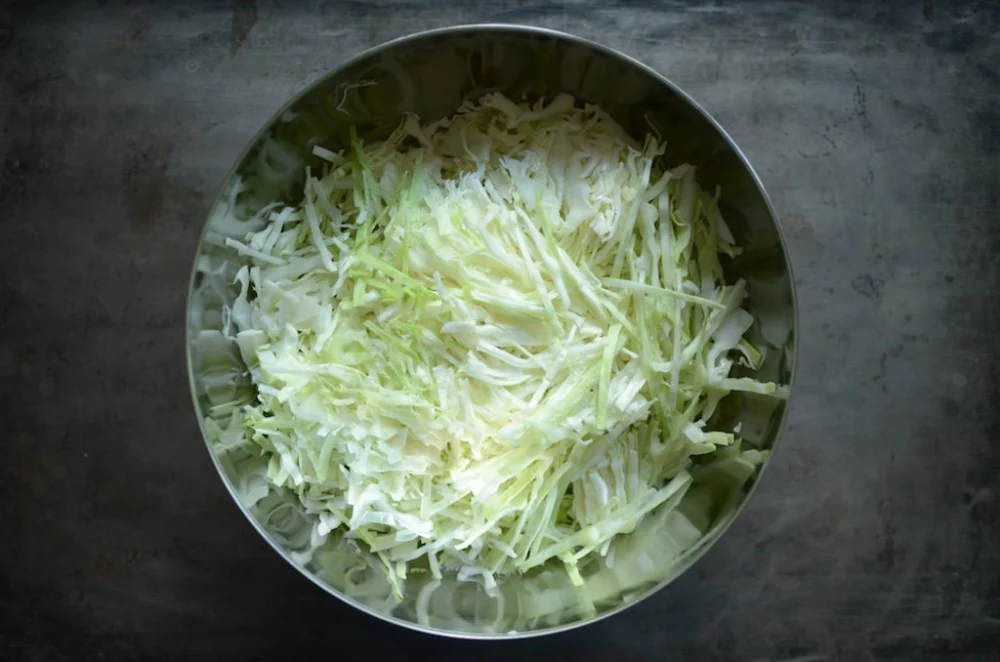
Quick pickling, often referred to as refrigerator pickling, involves immersing vegetables in an acidic brine (typically vinegar-based) and storing them in the refrigerator. This method offers immediate gratification, requiring minimal equipment and time, and results in crisp, flavorful preserves that are consumed relatively quickly. Food in Jars has previously published comprehensive primers on quick pickling, offering invaluable insights into brine ratios, spice combinations, and vegetable preparation, ensuring participants can confidently embark on this accessible technique. An upcoming recipe for "Health Salad," an East Coast deli staple comprising quickly pickled sweet and sour cabbage, exemplifies the simplicity and delicious outcomes of this method.

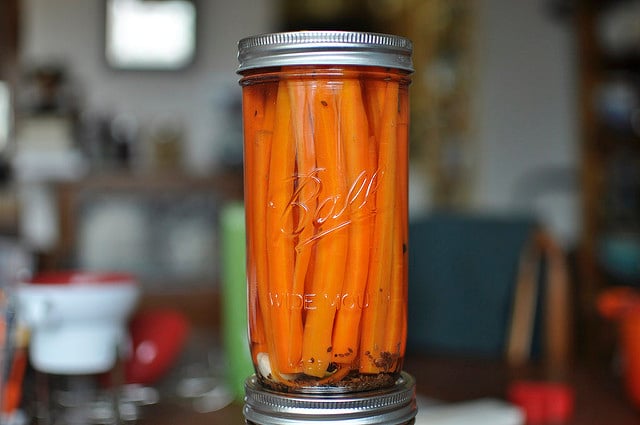
For longer-term storage at ambient temperatures, water bath canning is employed for high-acid pickled brassicas and root vegetables. This process involves heating filled and sealed jars in a boiling water bath, creating a vacuum seal that prevents spoilage. Critical to the safety and success of water bath canning is maintaining an adequate level of acidity. Expert guidance emphasizes that vinegar in pickle recipes intended for water bath processing should not be diluted by more than half, and the inclusion of salt is crucial for facilitating vinegar penetration into the vegetables, thereby ensuring a safe environment for preservation. Recipes for processed pickles on the Food in Jars platform include various preparations suitable for this challenge, ranging from dilly beans to pickled beets and cauliflower.
Fermentation, an ancient preservation technique, utilizes beneficial microorganisms to transform vegetables, creating complex flavors and enhancing nutritional value. Sauerkraut from shredded cabbage, kimchi, and fermented carrots or beets are popular examples. This method involves submerging vegetables in a salt brine, allowing lactic acid bacteria to convert sugars into lactic acid, which preserves the food and imparts a distinctive tangy flavor. Fermentation is celebrated for its probiotic benefits and unique textural outcomes, offering a healthy and flavorful alternative to heat-processed methods. The Food in Jars archives provide numerous suggestions for fermented preserves, including recipes for traditional sauerkraut, fermented carrots, and even fermented kohlrabi, showcasing the breadth of possibilities within this category.
Pressure canning is the recommended method for preserving low-acid vegetables, ensuring the destruction of harmful bacteria like Clostridium botulinum spores, which thrive in low-acid, anaerobic environments. While specific recipes for pressure-canned plain brassicas and root vegetables might be less common than pickled or fermented versions on some platforms, the principles of pressure canning can be applied to these vegetables for plain packed vegetables or in mixed vegetable preparations, following USDA-approved guidelines. This method offers the longest shelf life and is essential for safely preserving vegetables in their natural state or in broth.
The Broader Context: Revival of Home Food Preservation
The Community Canning Challenge by Food in Jars is situated within a significant resurgence of interest in home food preservation. Historically, canning and preserving were vital skills for self-sufficiency and food security, particularly in agricultural communities. The mid-20th century saw a decline in these practices with the advent of industrialized food systems and widespread refrigeration. However, recent decades have witnessed a renewed enthusiasm, driven by a confluence of modern concerns and values.
Sustainability is a key driver, as consumers seek to reduce food waste, minimize their carbon footprint, and support local food systems. Preserving seasonal gluts of produce directly from gardens or farmers’ markets is an effective way to achieve these goals, extending the enjoyment of fresh, local ingredients year-round. Food security, particularly in light of global supply chain disruptions and economic uncertainties, has also spurred interest in home preservation, empowering individuals to take greater control over their food supply.
Health consciousness plays a significant role, with many individuals opting for home-preserved foods to control ingredients, reduce additives, and enhance the nutritional value of their diets. The popularity of fermented foods, in particular, has surged due to their recognized probiotic benefits for gut health. Furthermore, the economic benefits of preserving food, especially during peak harvest seasons when produce is abundant and often cheaper, offer tangible savings for households. This aligns with a growing desire for financial prudence and a return to practical life skills.
Online communities and resources like Food in Jars have been instrumental in fueling this revival. They provide accessible, reliable information, tested recipes, and a supportive network for sharing knowledge and troubleshooting. The digital age has transformed what was once an isolated household chore into a vibrant, shared hobby, connecting preservers globally.

Expert Insights and Community Engagement
The organizers of the Community Canning Challenge, notably Marisa McClellan of Food in Jars, emphasize the educational mission behind these monthly events. The goal is not merely to provide recipes but to empower participants with the foundational knowledge and confidence to safely and creatively preserve food. The choice of brassicas and root vegetables for this challenge reflects a deliberate strategy to introduce accessible produce and versatile preservation methods, making it an ideal entry point for beginners while still offering scope for more experienced preservers to experiment.
The interactive nature of the challenge, facilitated through Substack and a dedicated Facebook group, is crucial for its success. These platforms serve as virtual classrooms and communal spaces where participants can ask questions, share their progress, celebrate successes, and learn from each other’s experiences. This peer-to-peer learning environment, guided by expert moderation, fosters a sense of camaraderie and mutual support, which is often cited by participants as a significant benefit of the program. The immediate feedback and shared enthusiasm contribute to higher engagement and a deeper understanding of preservation techniques.
Economic and Environmental Implications

The broader implications of initiatives like the Community Canning Challenge extend beyond individual skill-building. Economically, widespread home food preservation can contribute to household savings by maximizing the value of seasonal produce. By purchasing or growing food in bulk during its peak, and then preserving it, families can reduce their grocery bills throughout the year. This also has a ripple effect on local economies, potentially increasing demand for locally grown produce, thereby supporting small farms and agricultural businesses.
Environmentally, home preservation is a powerful tool in the fight against food waste. A significant portion of food produced globally is lost or wasted, contributing to greenhouse gas emissions and inefficient resource use. By preserving surplus produce, individuals directly contribute to reducing this waste, promoting a more circular and sustainable food system. The emphasis on seasonal eating inherent in preservation challenges also encourages a reduced reliance on energy-intensive long-distance transportation of food, further lowering environmental impact.
Navigating the Preservation Landscape: Safety and Resources
A cornerstone of the Food in Jars philosophy and indeed, any reputable home preservation guide, is the unwavering commitment to safety. The challenge implicitly reinforces the critical importance of adhering to tested, scientifically validated recipes and guidelines. Resources such as the USDA National Center for Home Food Preservation and Cooperative Extension offices provide the gold standard for home canning safety. The warnings regarding proper vinegar dilution and the necessity of salt in water bath pickles underscore the scientific principles behind safe preservation, preventing the growth of harmful pathogens.

For participants venturing into new recipes or unfamiliar techniques, the guidance offered through Food in Jars serves as a reliable filter, ensuring that methods are sound and outcomes are safe. The platform acts as a vital educational hub, demystifying complex processes and offering practical advice, thereby mitigating risks associated with improper preservation. This emphasis on education and adherence to best practices is paramount, ensuring that the enjoyment of home-preserved foods is always coupled with safety and confidence.
The Brassicas and Root Vegetables Community Canning Challenge stands as a testament to the enduring appeal and contemporary relevance of home food preservation. By focusing on accessible produce and foundational techniques, Food in Jars continues to cultivate a knowledgeable and engaged community, contributing to greater food literacy, sustainability, and personal empowerment in kitchens worldwide. The challenge not only provides practical skills but also strengthens the bonds within a global network of individuals passionate about preserving the harvest and savoring the seasons.