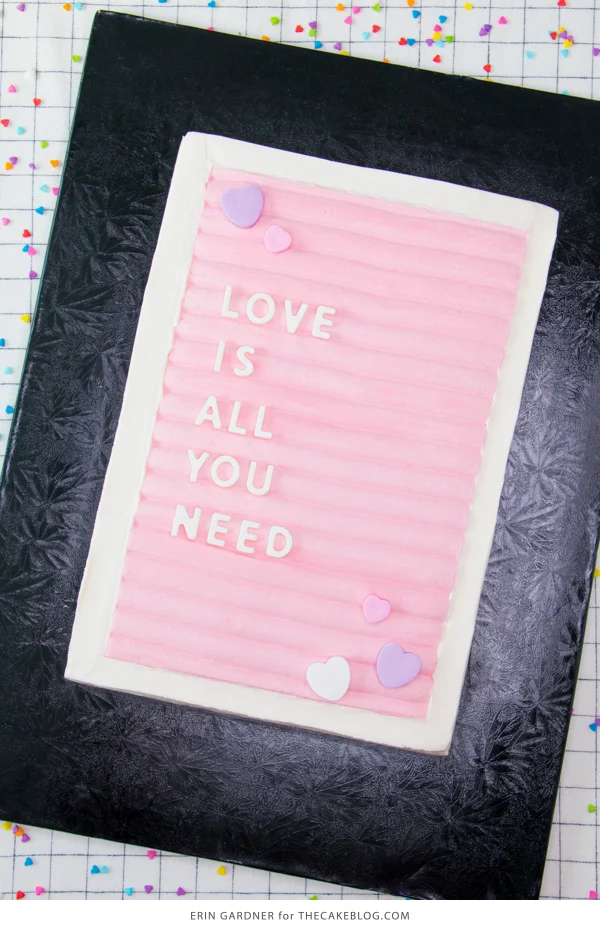
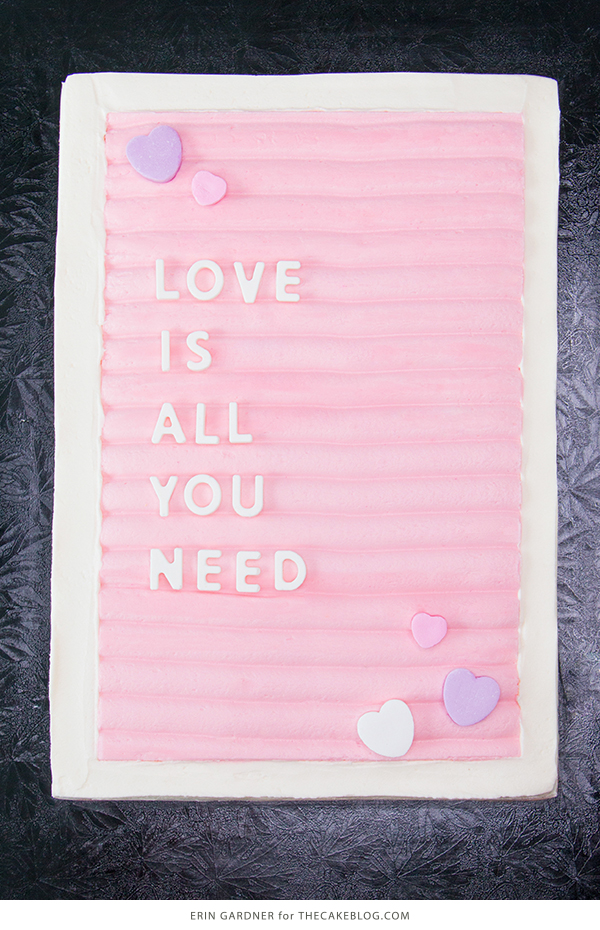
A novel approach to celebratory confections has emerged with the introduction of the "Message Board Sheet Cake," a creation developed and detailed in a recent tutorial by contributor Erin Gardner for TheCakeBlog.com. This innovative cake design draws inspiration from the classic message boards, allowing for personalized and visually striking edible declarations. The tutorial offers a comprehensive guide, emphasizing versatility and accessibility for bakers of all skill levels, whether they possess specialized tools or rely on simpler methods.
The Genesis of a Customizable Cake Design
The concept behind the Message Board Sheet Cake is rooted in the desire for a dessert that transcends mere visual appeal to become a dynamic canvas for communication. Erin Gardner, a recognized talent in the cake decorating community, has designed a method that is both achievable and adaptable. "I’m a big fan of cake designs that offer many paths to the destination!" Gardner stated in the tutorial. This philosophy is evident in the design, which accommodates bakers who may or may not have specific tools like scalloped cake combs or small letter molds. The core elements – the "message board" texture and the customizable letters – are presented with flexible execution strategies.
The tutorial highlights the potential of this design for a multitude of occasions. While presented with a nod to Valentine’s Day, its adaptability extends to events such as baby showers, gender reveals, and birthdays. The ability to alter colors and font styles further enhances its suitability for diverse thematic celebrations. This chameleon-like quality makes the Message Board Sheet Cake a timely development in the event planning and culinary arts sectors, offering a fresh alternative to traditional cake decorations.
Crafting the Message Board Aesthetic
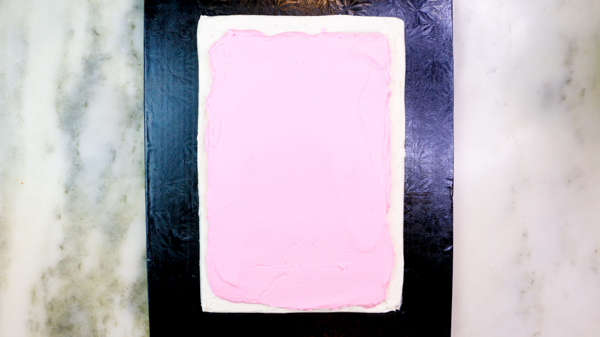
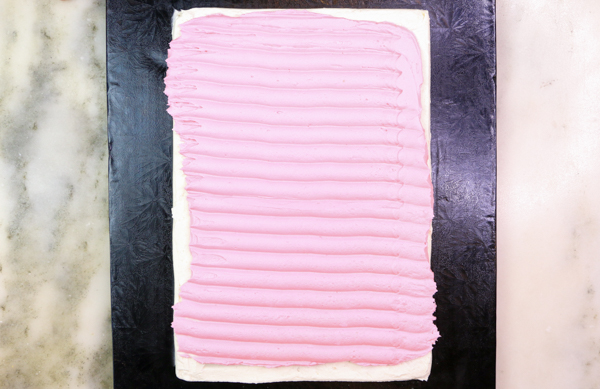
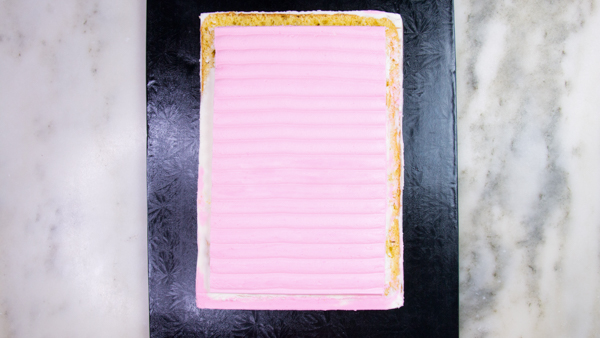
The foundational step in creating the Message Board Sheet Cake involves meticulously preparing the cake’s surface. A thick, even layer of pink buttercream is applied, ensuring it covers the cake generously but not necessarily to the very edges. This base layer is crucial for achieving clean, defined lines that mimic the appearance of a message board.
Creating the "Message Board" Texture:
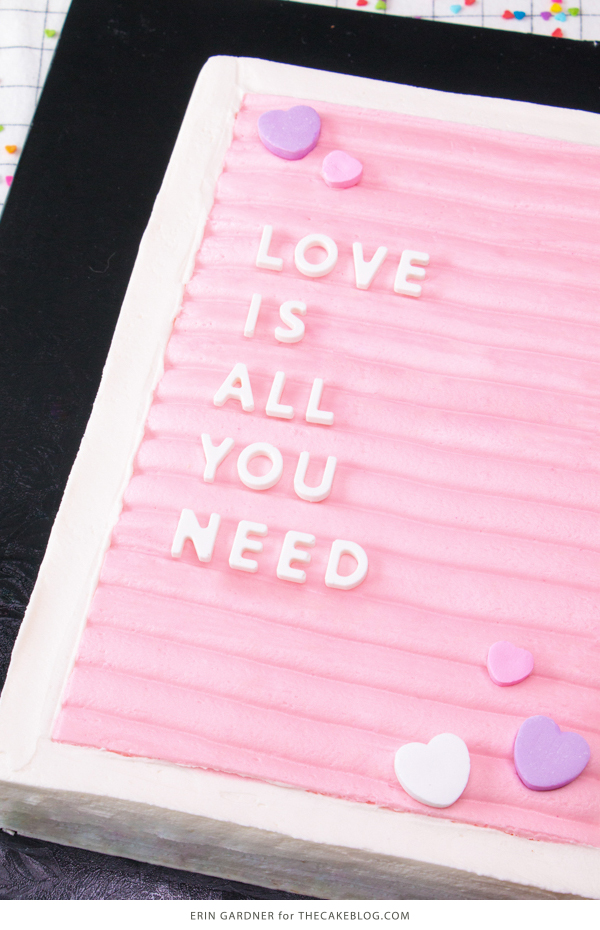
Gardner outlines two primary methods for achieving the distinctive message board texture:
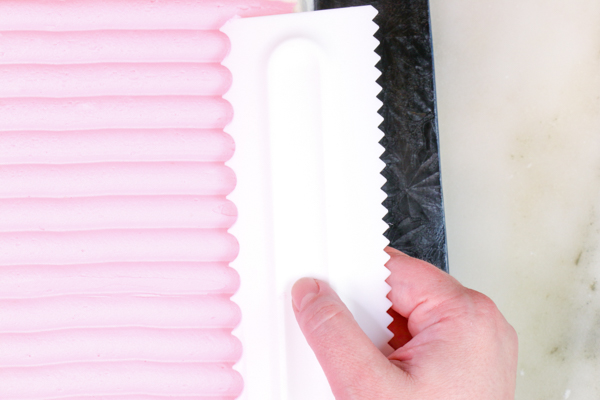
- Using a Scalloped Cake Comb: For those with the specialized tool, a scalloped cake comb is dragged through the buttercream. The comb is overlapped slightly with each pass, working lengthwise down the cake to create parallel lines. This technique efficiently replicates the grooved surface of a traditional message board.
- Piping Lines: For bakers without a comb, a piping bag fitted with a large round tip can be used to pipe individual lines across the cake. While this method is more labor-intensive and requires a greater quantity of buttercream, it yields a similar visual effect.
Following the creation of the textured surface, the cake is chilled until the buttercream is firm to the touch. This chilling process is critical for the subsequent steps, ensuring the integrity of the design.
Defining the Cake’s Border:
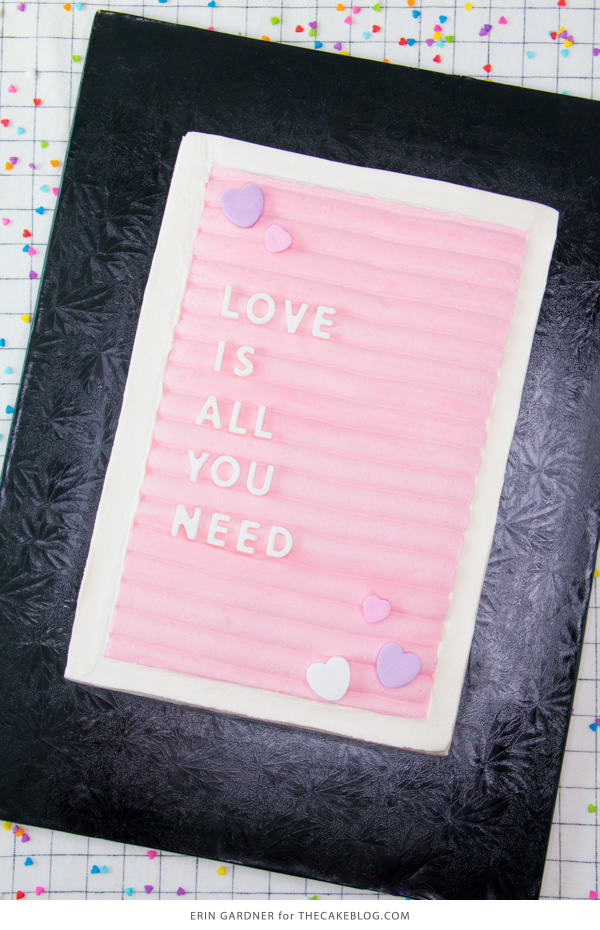
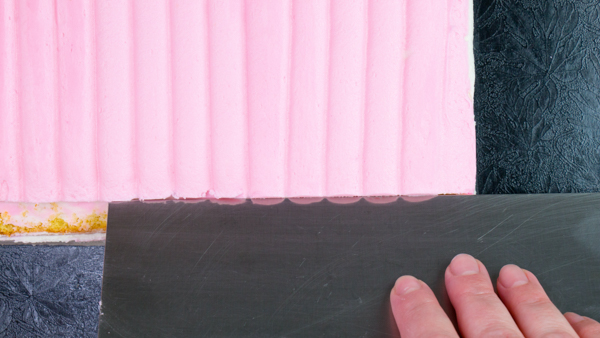
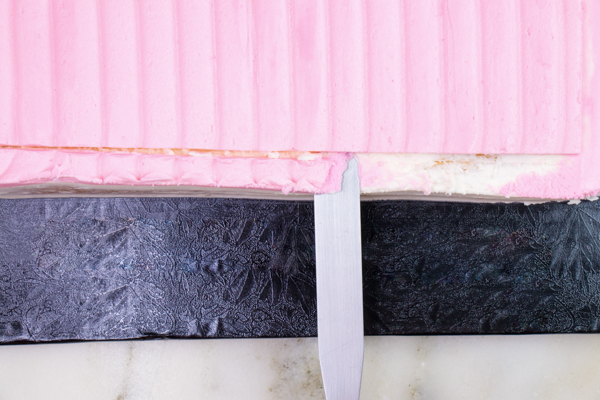
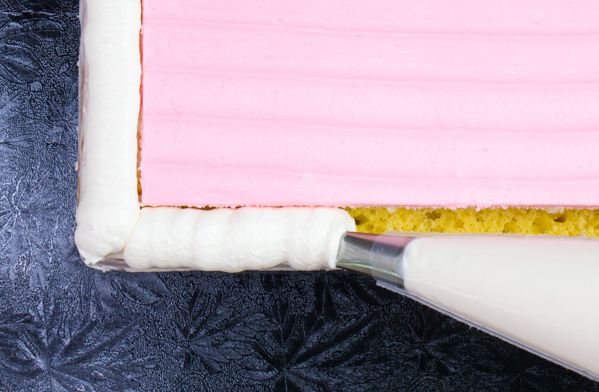
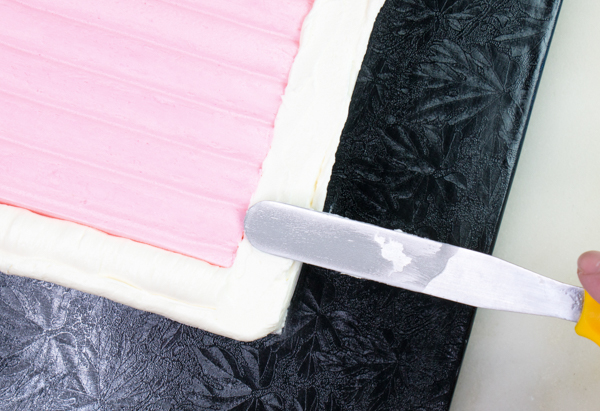
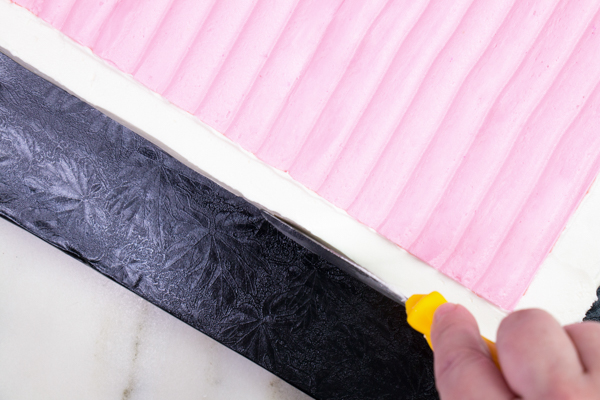
A key detail in the design is the creation of a defined border. This is achieved by using a bench scraper dipped in warm water to cut approximately one inch inward from each edge of the cake. Excess frosting is then carefully removed with a small icing spatula. The border is then filled with plain buttercream using a piping bag fitted with a basketweave tip. The smooth side of the tip is oriented upwards during piping, and the piped edges are subsequently flattened with an icing spatula. This meticulous border work frames the central message area, enhancing the overall aesthetic.
The Art of Edible Typography: Crafting the Letters
The personalization of the Message Board Sheet Cake hinges on the creation of custom letters. Gardner provides a method utilizing white chocolate and letter molds, but also offers an alternative for those without these specific tools.
Using Chocolate Molds:
Melted white chocolate is poured into small piping bags or paper cones. The chocolate is then carefully filled into letter molds, with only a few letters filled at a time to prevent premature setting. To eliminate air bubbles and ensure smooth surfaces, the mold is shaken and tapped on a work surface. Excess chocolate is scraped away with a knife or icing spatula. The molded letters are then allowed to firm up at room temperature, or the mold can be chilled to expedite the process.
Freehand Chocolate Lettering:
For bakers without letter molds, a resourceful alternative is presented. A desired message can be printed or written on a piece of paper. This paper is then layered with parchment paper and taped down. The letters are traced onto the parchment paper using the melted white chocolate piped from a bag or cone. This method requires a steady hand but allows for complete control over the font and size of the message.
Assembling the Message: Final Touches and Presentation
Once the chocolate letters have been successfully created and unmolded (or carefully lifted from parchment paper), the final assembly can commence. It is recommended to arrange the letters on a piece of parchment paper first to plan the layout and determine the optimal placement.
Strategic Letter Placement:
A crucial tip for arranging the message involves counting the number of ridges on the cake’s surface. The design process should begin from the center outwards. This strategic approach helps to ensure that there is adequate space for the entire message and prevents the need to reposition letters once they have been placed. If a change of heart occurs and the message needs adjustment, the cake can be briefly chilled to firm up the buttercream, allowing for the careful removal and repositioning of letters with the tip of a small knife.
Decorative Embellishments:
To complete the visual narrative of the Message Board Sheet Cake, the addition of decorative elements is suggested. The inclusion of heart-shaped candies is offered as a charming finishing touch, particularly relevant for celebratory occasions like Valentine’s Day. These small additions can further personalize the cake and enhance its thematic relevance.
Broader Implications and Future Trends
The Message Board Sheet Cake represents a significant trend in the personalization of food items, moving beyond simple inscription to a more integrated design concept. In an era where bespoke experiences and shareable content are highly valued, the ability to convey messages through edible art offers a unique avenue for celebration and expression.
Data and Context:
The global cake market has seen consistent growth, driven by increased demand for customized and occasion-specific baked goods. Reports from market research firms indicate a compound annual growth rate (CAGR) in the confectionery and bakery sectors, with personalization being a key driver. The rise of social media platforms has further amplified the appeal of visually stunning and conceptually unique cakes, as they are often shared and celebrated online.
Community and Creator Reactions:
The tutorial’s release on TheCakeBlog.com, a platform known for its innovative cake decorating content, has garnered positive attention from the baking community. Online comments and shares suggest an enthusiastic reception, with bakers eager to replicate the design and adapt it to their own events. The emphasis on adaptability, as highlighted by Gardner, is particularly appreciated, as it democratizes the creation of visually impactful cakes.
Analysis of Impact:
The Message Board Sheet Cake’s success lies in its fusion of nostalgia (the message board aesthetic) with contemporary culinary artistry. It taps into a desire for tangible, yet ephemeral, communication that resonates in a digitally saturated world. Its potential applications extend beyond personal celebrations to corporate events, promotional activities, and even as a unique educational tool in baking classes. The tutorial’s detailed, step-by-step approach, coupled with the emphasis on accessible techniques, positions this design as a potentially influential development in the cake decorating landscape. It encourages creativity and allows individuals to imbue their celebratory cakes with personal meaning, transforming them into edible statements.