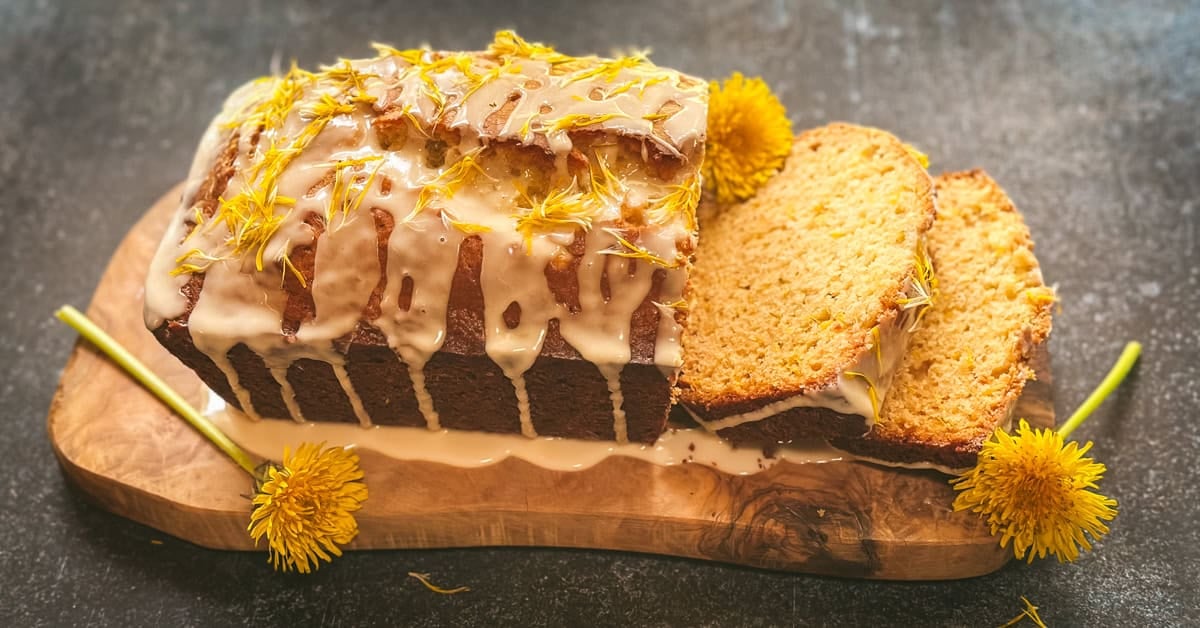
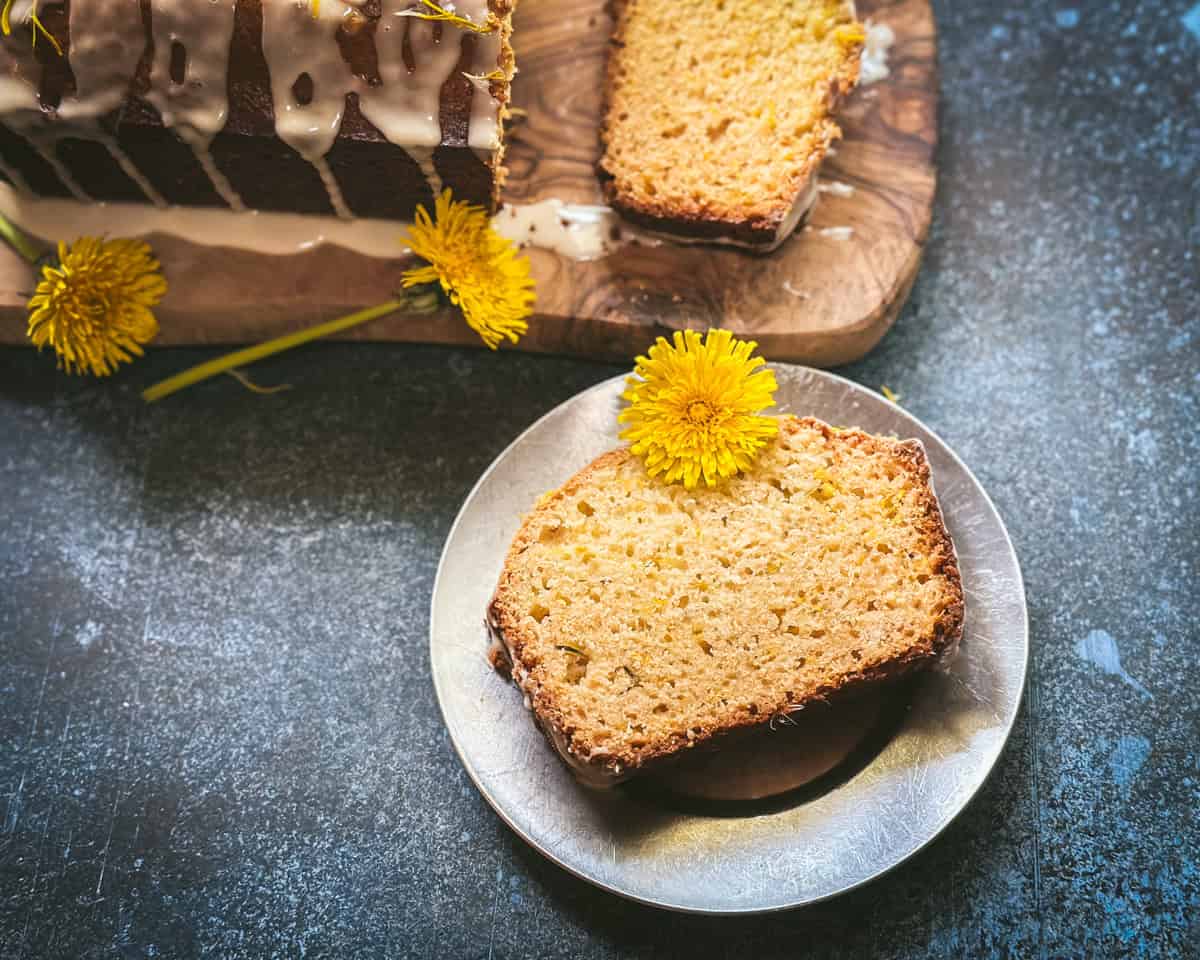
The emergence of the common dandelion (Taraxacum officinale) serves as a biological marker for the onset of spring, signaling a shift in the ecological landscape and a growing interest in the practice of wildcrafting. While often dismissed in contemporary landscaping as a pervasive weed, the dandelion is increasingly recognized by culinary professionals and herbalists as a nutrient-dense, versatile resource. Recent trends in sustainable gastronomy have highlighted the plant’s utility, particularly in the creation of artisanal products such as dandelion bread—a seasonal delicacy that utilizes the plant’s sweet, honey-scented petals to create a comfort food profile complemented by citrus-based glazes. This shift represents a broader movement toward hyper-local sourcing and the revaluation of wild flora within the modern food system.
The Botanical and Historical Context of Taraxacum Officinale
The dandelion is a hardy perennial belonging to the Asteraceae family. Native to Eurasia, the plant was intentionally introduced to North America by early European settlers who valued it for both its nutritional density and its pharmacological properties. Historically, dandelions were a staple of the apothecary’s garden; every part of the plant, from the deep taproot to the vibrant yellow inflorescence, was utilized. The name itself is a corruption of the French "dent de lion," or lion’s tooth, referring to the jagged edges of the leaves.
In the 21st century, the dandelion has undergone a reputation crisis, largely due to the rise of the industrial lawn care industry, which categorized the plant as a primary target for chemical herbicides. However, as consumers move toward organic and regenerative lifestyles, the dandelion is regaining its status as a "superfood." It is a prolific producer of nectar for early-season pollinators and a resilient survivor in diverse soil conditions, making it an ideal candidate for urban and rural foraging alike.

The Chronology of Spring Foraging and Preparation
The lifecycle of the dandelion dictates the culinary window for harvesting. As temperatures rise in late March and April, the plant’s basal rosette of leaves emerges, followed shortly by the development of flower buds. To ensure the highest quality for baking and consumption, foragers follow a specific chronological sequence.
- Site Assessment: Before any harvesting occurs, foragers must verify the safety of the location. Because dandelions are frequently targeted with broad-leaf herbicides like glyphosate, it is imperative to harvest only from areas known to be free of chemical sprays. This includes avoiding roadsides, where plants may accumulate heavy metals from vehicle exhaust.
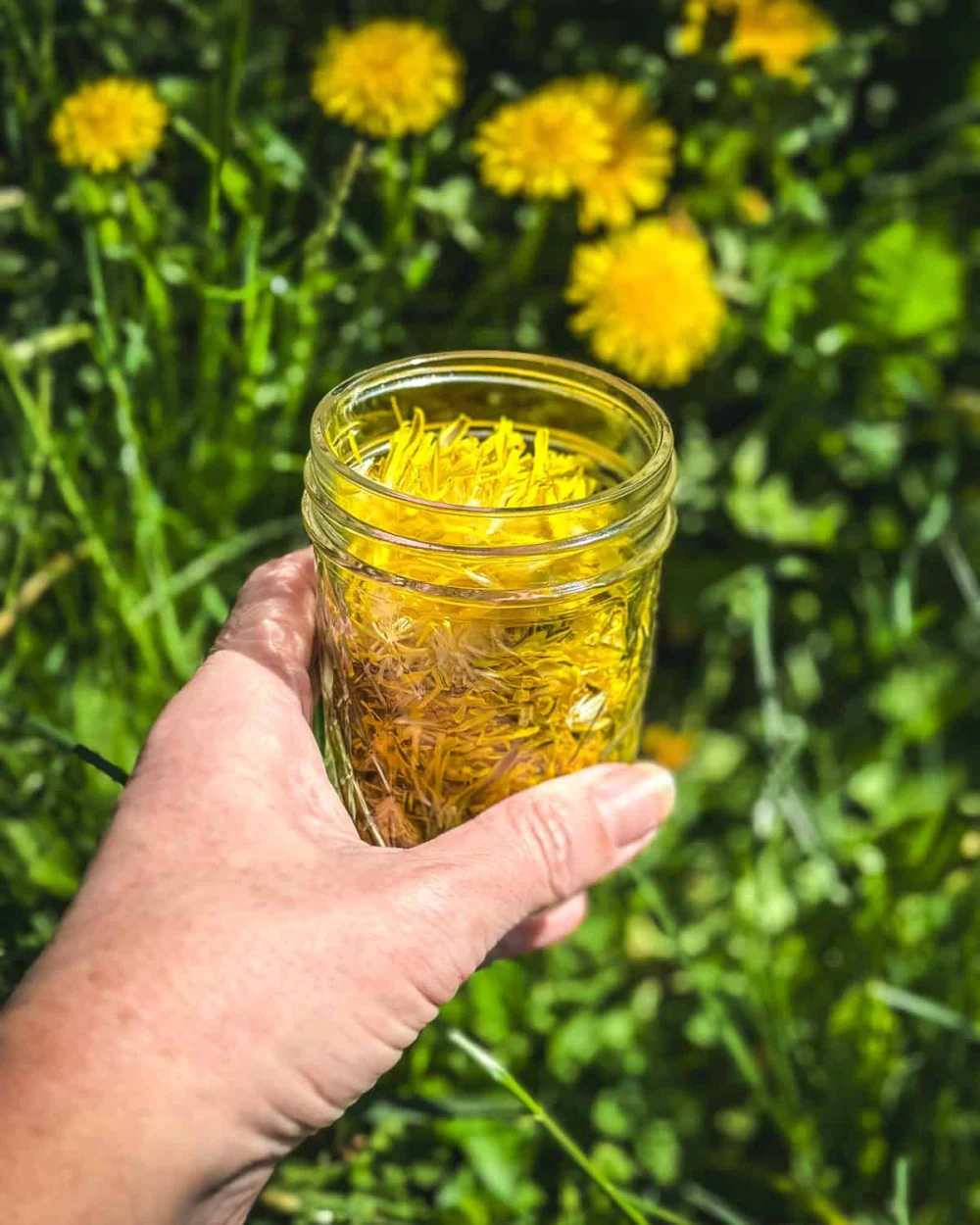
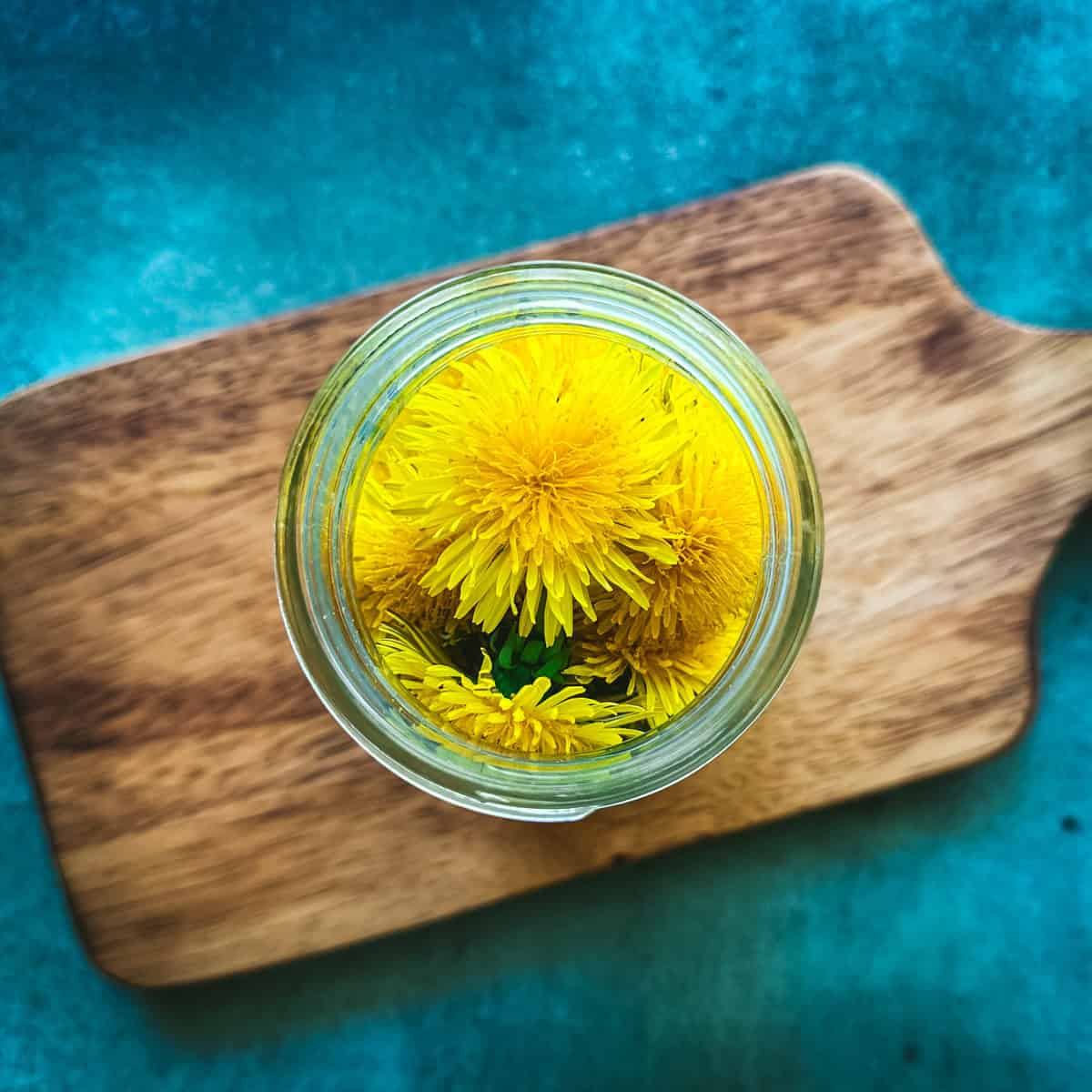
- Petal Collection: The peak of the dandelion bloom occurs during the sunniest part of the day when the flower heads are fully open. Foragers collect the blossoms, focusing on vibrant, healthy heads.
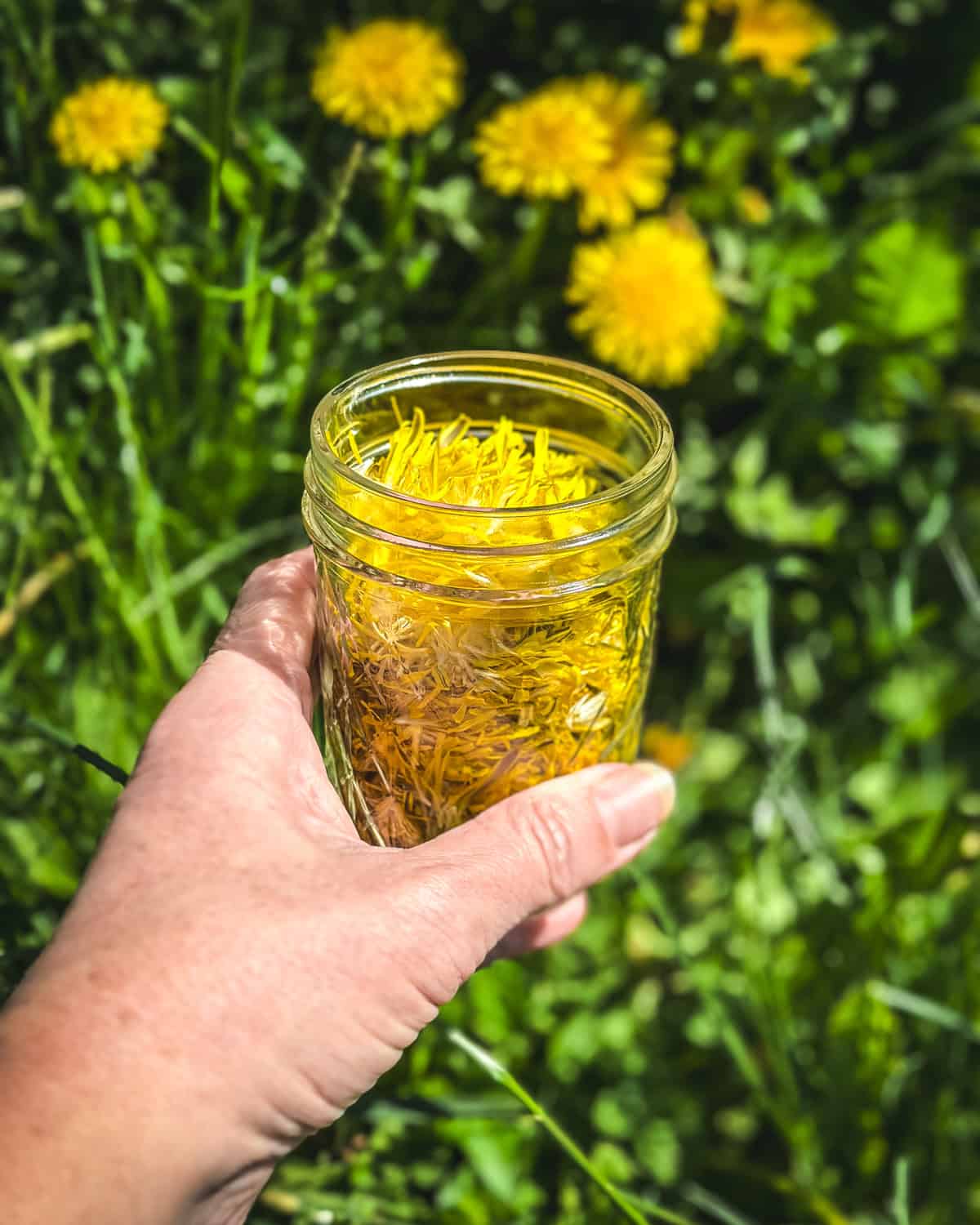
- Processing and Separation: Once harvested, the flowers must be processed quickly to prevent wilting. The primary challenge in dandelion cookery is the separation of the sweet petals from the bitter green bracts and sepals. While the leaves and roots are edible and possess their own medicinal virtues, the bitterness of the green parts can overwhelm the delicate flavor profile required for breads and pastries.
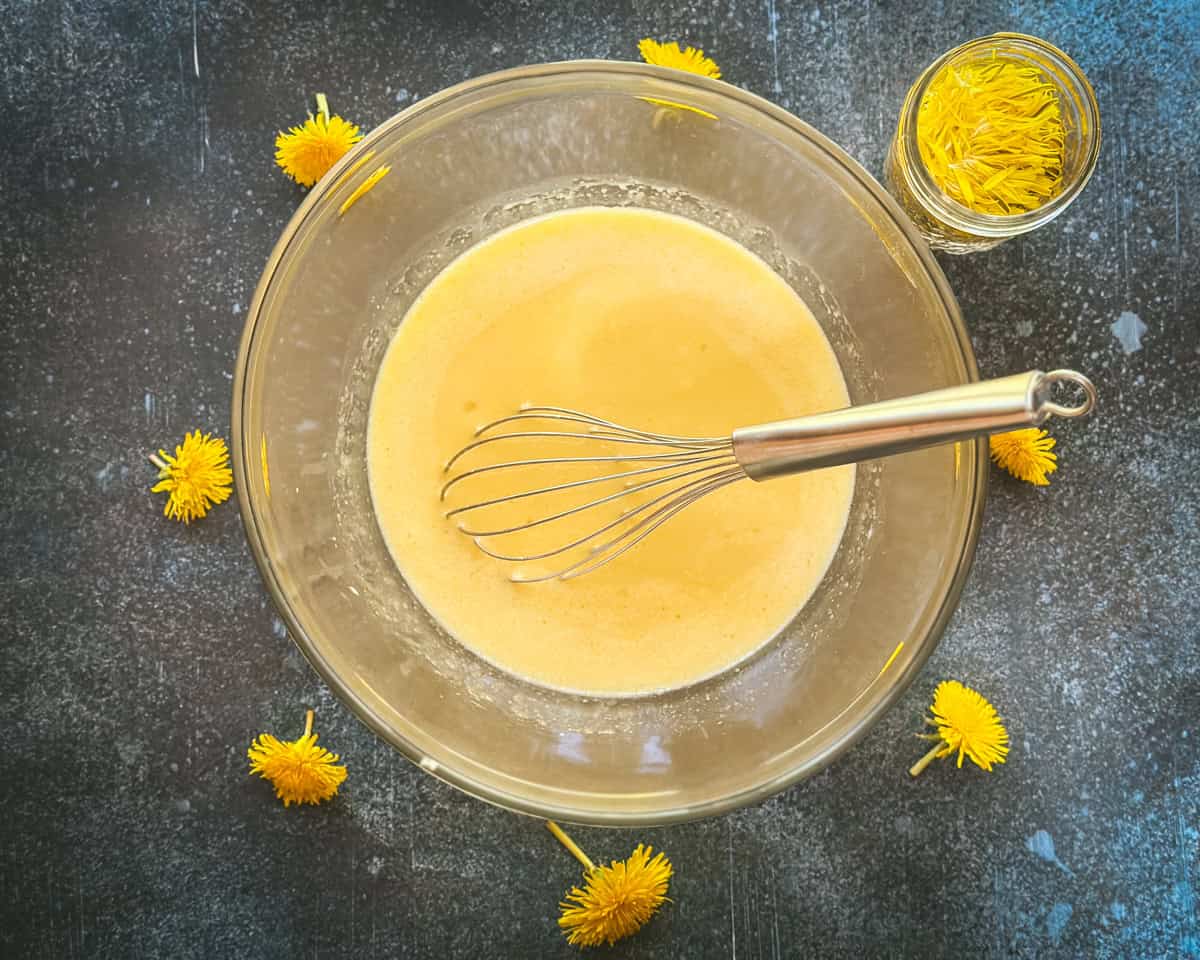
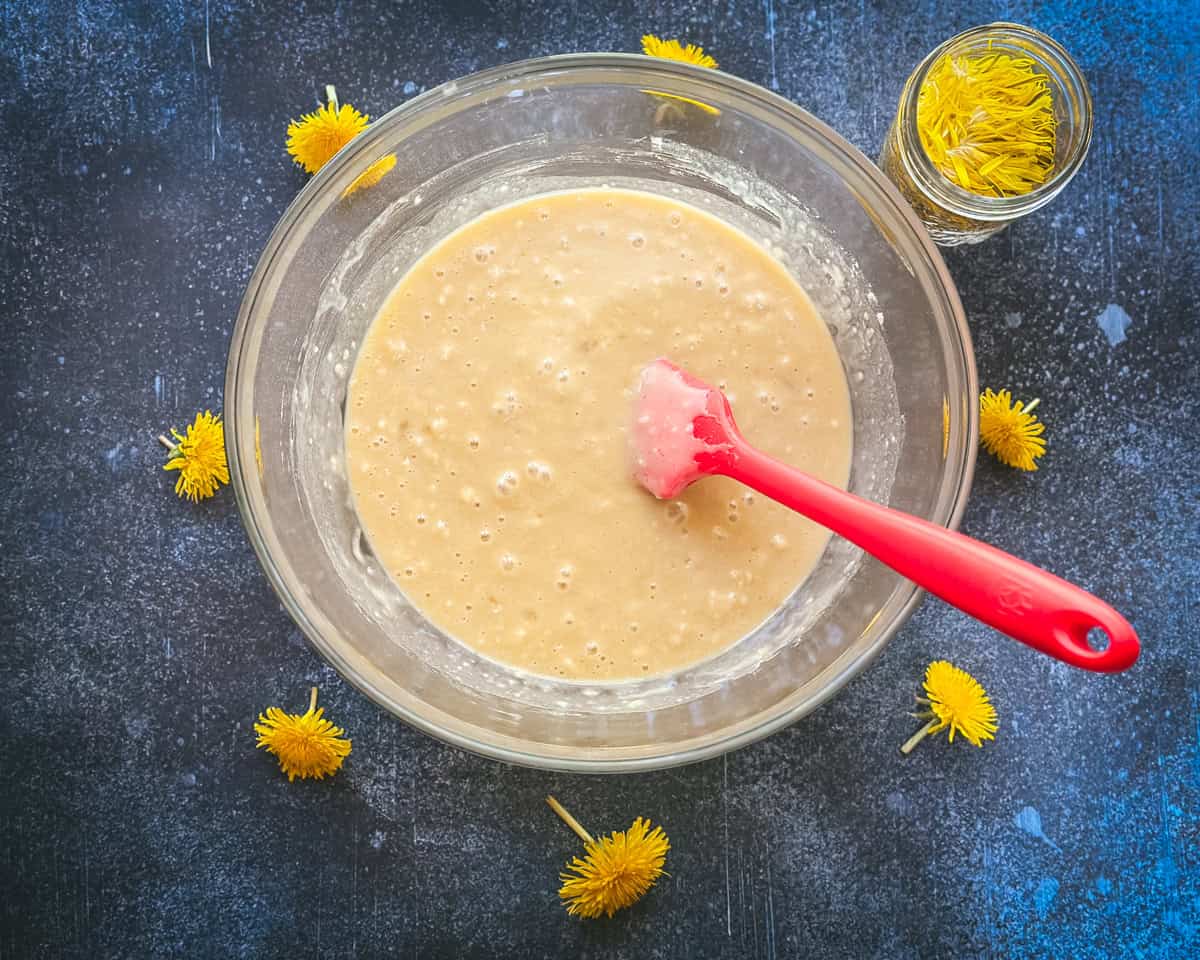
- Culinary Integration: The petals are either used fresh or dried for later use. In the context of dandelion bread, the fresh petals are folded into a leavened batter, where they provide both a golden aesthetic and a mild, floral sweetness.
Supporting Data: Nutritional and Medicinal Analysis
The resurgence of interest in dandelions is supported by a growing body of scientific literature. According to data from the United States Department of Agriculture (USDA), dandelion greens are exceptionally high in vitamins A, K, and C, as well as calcium and iron. However, recent research has shifted focus toward the flower heads themselves.
Studies published in the National Institutes of Health (NIH) PMC database suggest that the active components of dandelions may modulate hemostatic processes, potentially influencing blood clotting and vascular health. Furthermore, comparative studies between dandelion leaves and petals have demonstrated that the petals often exhibit superior antioxidant activity. These antioxidants, primarily polyphenols and flavonoids, assist in neutralizing oxidative stress within the body.
Traditional herbalism categorizes the dandelion as a "bitter tonic." The bitter compounds, known as sesquiterpene lactones, are primarily concentrated in the leaves and roots and are used to stimulate digestive enzymes and bile production. By isolating the petals for baking, cooks are able to bypass these intense bitters while still retaining the plant’s subtle phytochemical benefits.
Technical Breakdown: The Chemistry of Dandelion Bread
The creation of dandelion bread is an exercise in balancing flavors and textures. The recipe relies on a standard quick-bread structure, which uses chemical leavening agents—specifically baking powder—rather than yeast. This allows for a denser, more moist crumb that supports the inclusion of botanical elements.
Ingredient Synergy:
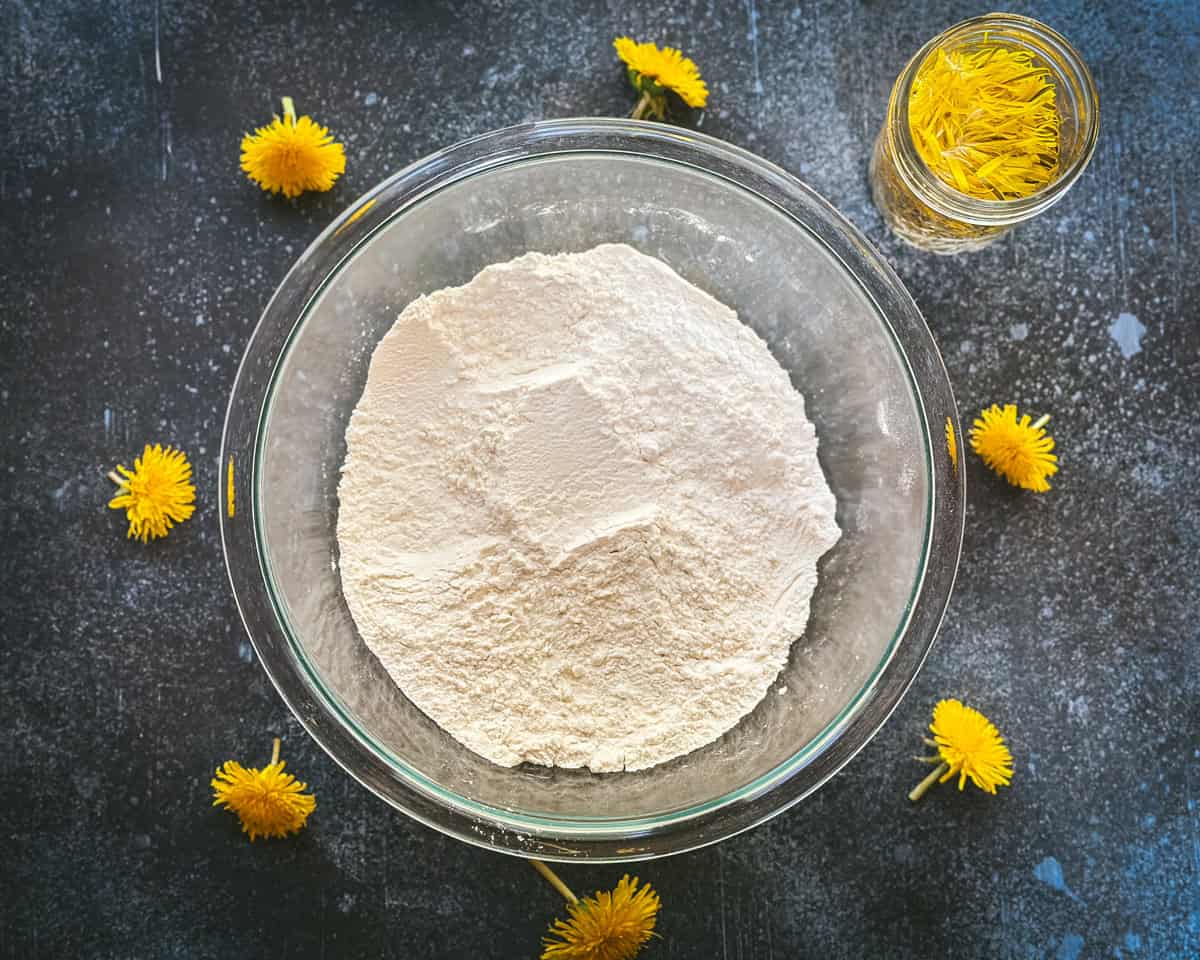
- The Flour Base: All-purpose flour provides the necessary gluten structure. In more health-conscious iterations, foragers may substitute a portion with whole wheat or spelt flour to mirror the rustic nature of the forage.
- Hygroscopic Sweeteners: The use of raw honey in conjunction with granulated sugar serves a dual purpose. Honey is hygroscopic, meaning it attracts and retains moisture, ensuring the bread remains tender over several days. Its flavor profile also complements the natural honey-like scent of the dandelion petals.
- Lipid Interaction: Vegetable oils, such as organic canola or avocado oil, are preferred over butter in some recipes to maintain a neutral flavor base that allows the floral notes to remain prominent.
- The Acid-Base Balance: The addition of a lemon glaze is not merely for aesthetics. The acidity of the lemon juice cuts through the sweetness of the honey and the richness of the egg-and-milk batter, providing a "bright" finish that mimics the sensory experience of a spring morning.
Perspectives from the Botanical and Culinary Communities
While no single official body governs the use of dandelions, organizations such as the American Botanical Council and various foraging associations have issued guidelines regarding the sustainable harvest of wild plants. Experts emphasize the "one-third rule"—never harvesting more than one-third of a local population to ensure that enough remains for wildlife and future propagation.
Culinary historians note that the "poverty food" stigma once attached to dandelions is rapidly dissolving. "We are seeing a democratization of gourmet ingredients," says one culinary analyst. "What was once considered a sign of a neglected lawn is now being served in Michelin-starred restaurants as a symbol of ecological awareness and seasonal fleetingness."
Broader Implications: Sustainability and the Future of Foraging
The normalization of dandelion consumption carries significant implications for environmental sustainability and food security. As the global food supply chain faces pressures from climate change and economic instability, the ability to identify and utilize local, wild-growing calories becomes a form of resilience.
Environmental Impact:
By encouraging the growth of dandelions rather than their eradication, homeowners can reduce their reliance on chemical fertilizers and herbicides. This, in turn, protects local groundwater and supports biodiversity. Dandelions are among the first food sources available to honeybees and native pollinators in the spring; a cultural shift that values the dandelion as a food source for humans inherently protects the food source for these essential insects.
Educational Value:
Foraging for dandelions serves as an entry point for "botanical literacy." It encourages individuals to engage with their immediate environment, fostering a deeper understanding of seasonal cycles and plant biology. This connection to the land is often cited by psychologists as a factor in improving mental well-being and reducing "nature deficit disorder."
Conclusion: The Integration of Wild Flora into Modern Diets
Dandelion bread is more than a novelty recipe; it is a manifestation of a changing relationship between humans and the "wild" spaces they inhabit. By combining rigorous safety protocols with traditional baking techniques and modern nutritional science, foragers are able to transform a ubiquitous plant into a sophisticated culinary experience.
As the culinary world continues to explore the potential of edible flowers—from wild violets and lilacs to elderflowers and Queen Anne’s lace—the dandelion stands as the most accessible and versatile candidate. Its transition from a reviled weed to a celebrated ingredient in breads, salads, and infusions reflects a broader societal trend toward sustainability, health, and a return to ancestral knowledge. For the modern consumer, the sight of a yellow field in spring is no longer a call for chemicals, but an invitation to the harvest.