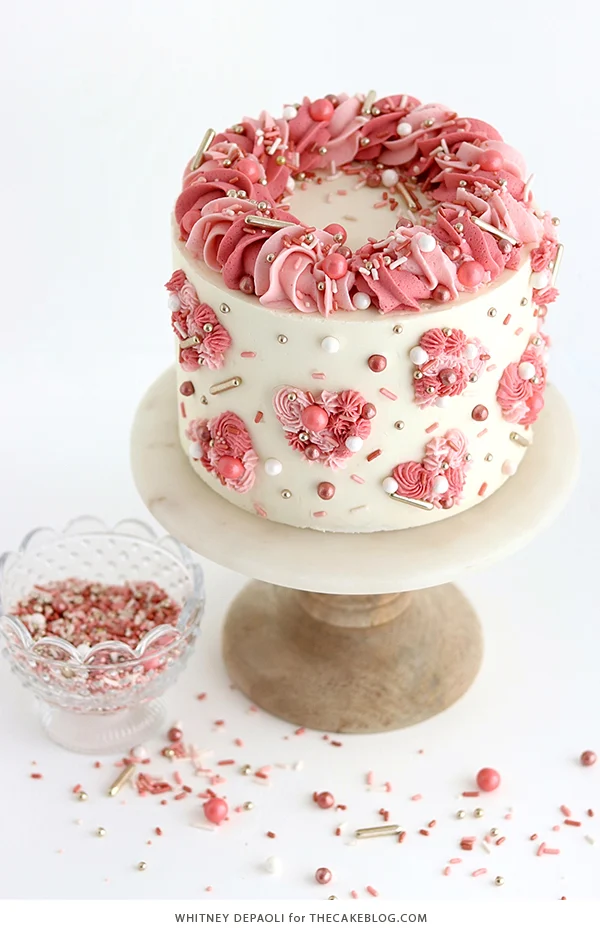
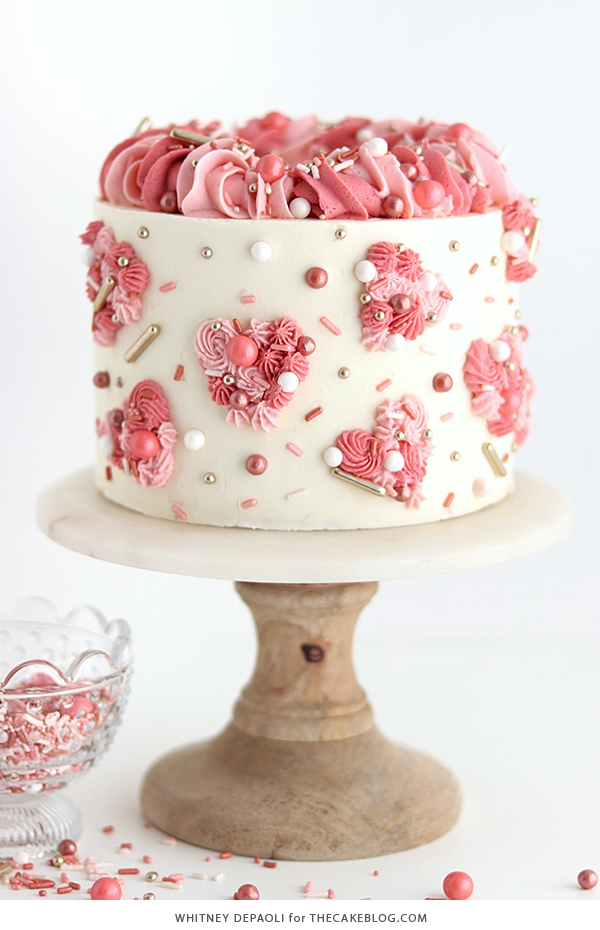
A celebrated cake decorator has unveiled a sophisticated new technique for crafting visually stunning Valentine’s Day cakes, offering a modern twist on traditional romantic confectionery. Whitney DePaoli, a recognized contributor to TheCakeBlog.com, has detailed a step-by-step tutorial for creating "Piped Hearts," a design characterized by intricately textured and vibrantly colored buttercream hearts. This innovative approach promises to elevate homemade and professional Valentine’s Day treats alike.
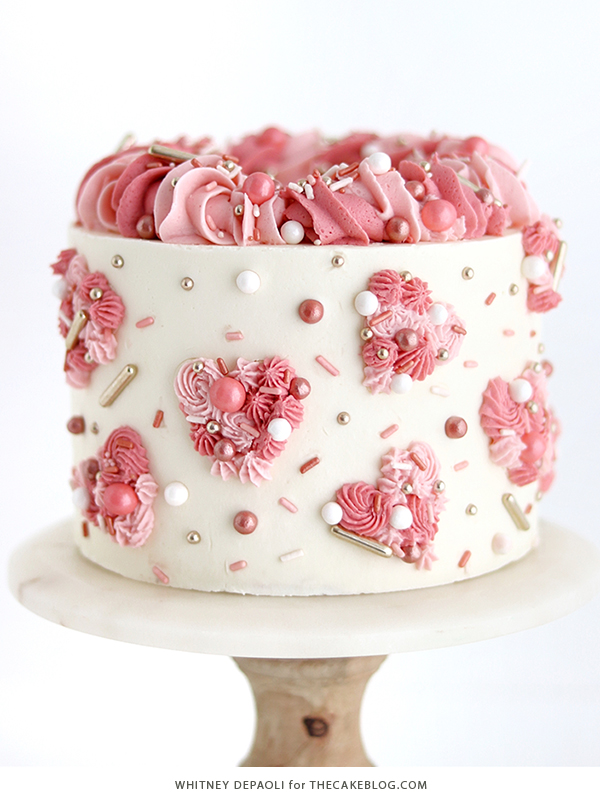
The core of DePaoli’s technique lies in imprinting subtle heart shapes onto a chilled, frosted cake. These imprints then serve as canvases for delicate buttercream piping, forming miniature rosettes and stars within each outline. The design is further enhanced with a meticulous application of sprinkles, adding depth, texture, and a final layer of visual appeal. This method moves beyond the flat, often simplistic heart decorations commonly seen, introducing a dimensional and artisanal quality to the celebratory cake.
"When it comes to Valentine’s Day cake decorating, hearts and pink color palettes are tradition," DePaoli notes in her tutorial. "Today I’m going to show you how to put a modern spin on these classic Valentine’s Day cake decorations with one of my new favorite piping techniques." The inspiration for this particular design is attributed to the Instagram account @frostedfujicakes, highlighting the influence of social media trends on contemporary baking aesthetics.
A Modern Approach to Romantic Confections
The Piped Hearts Valentine’s Cake design is presented as an accessible yet impactful option for a range of occasions. Whether intended for a romantic partner, a cherished friend on Galentine’s Day, or simply as a creative outlet for seasonal baking, the tutorial emphasizes its ease of execution and striking visual results. The technique is versatile, allowing for significant personalization through color choices and sprinkle selections.
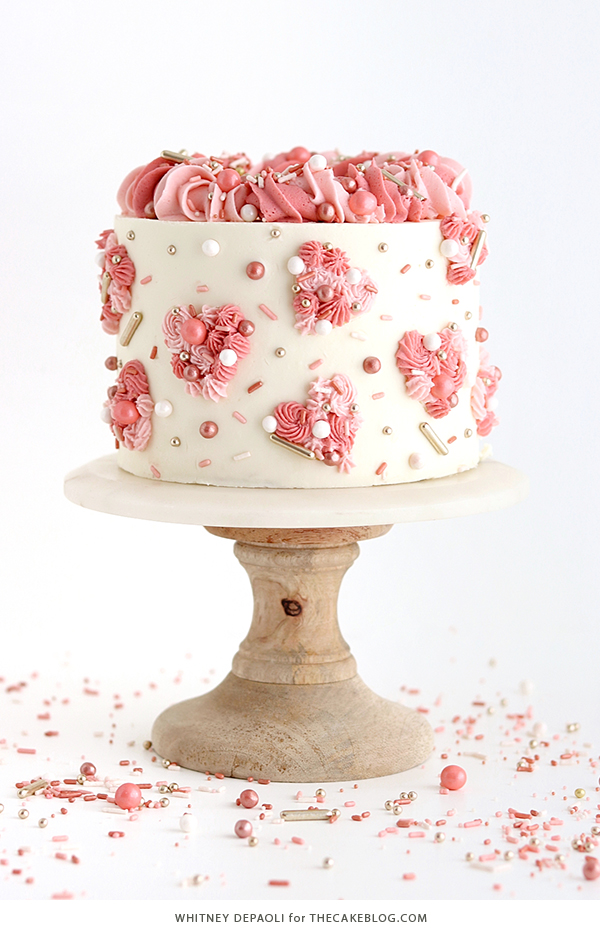
DePaoli opted for a rose gold color palette for her demonstration cake, utilizing shades of pink for both the buttercream and the accompanying sprinkles. This choice reflects a contemporary preference for metallic and muted tones in celebratory decorations, moving beyond the bolder, primary colors often associated with Valentine’s Day. However, the tutorial explicitly encourages experimentation, stating, "If you’re not into pink or just want to do something different, you can use any color palette your heart desires! Feel free to think outside the traditional Valentine’s Day color palette on this one."
Technical Aspects and Material Recommendations
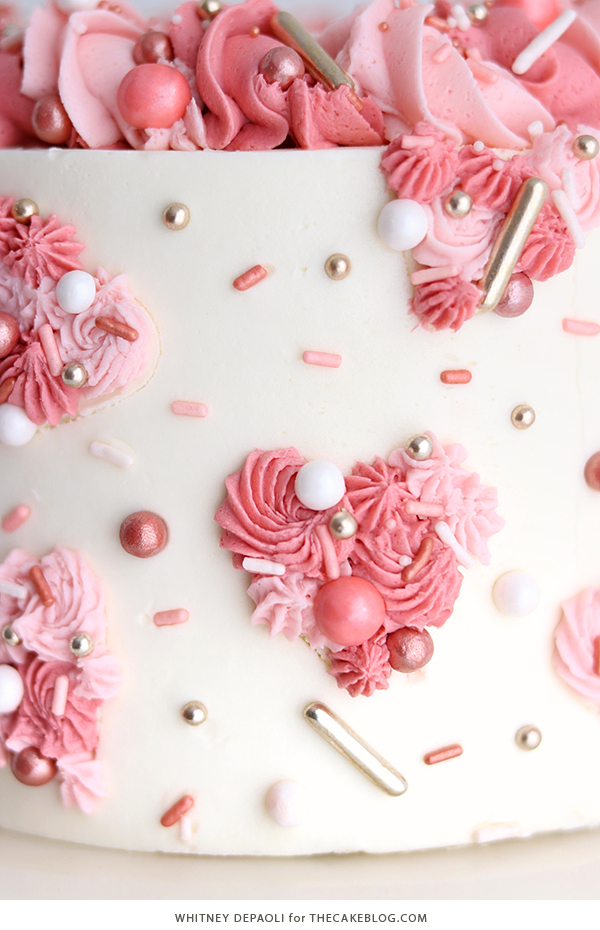
The foundational element of this technique is the buttercream itself. DePaoli specifies that the method is compatible with any type of buttercream that is both tintable and pipeable. For her tutorial, she utilizes American buttercream, a popular choice known for its sweetness and ease of preparation. The key is to achieve a smooth consistency that holds its shape when piped and can be precisely applied within the imprinted heart designs.
The tutorial details the preparation of the buttercream, which involves dividing it into separate bowls for tinting. DePaoli employed Americolor Dusty Rose food coloring gel to achieve the desired pink hues, demonstrating how even subtle variations within a chosen color family can add dimension. She advises bakers to prepare multiple piping bags, equipping them with specific tips to achieve different textures. For the Piped Hearts design, she recommends piping tip 1M for creating rosettes, tip 199 for star-like embellishments, and tip 21 for finer details.
The Step-by-Step Creation Process
The creation of the Piped Hearts Valentine’s Cake involves a sequence of deliberate steps designed to build complexity and visual interest.
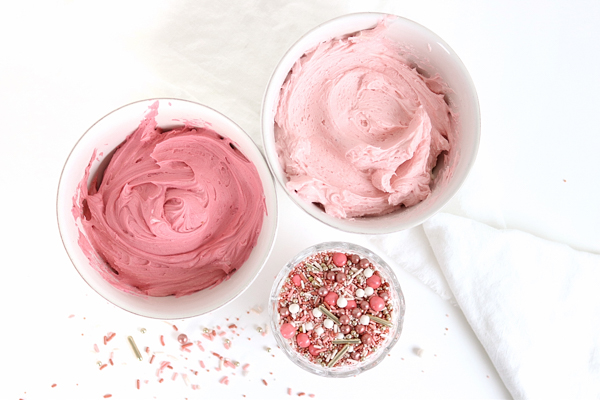
1. Buttercream Preparation and Coloring
The initial stage involves preparing the buttercream and dividing it into portions for coloring. DePaoli advocates for achieving complementary shades within a chosen palette, whether it be the rose gold theme or an entirely different spectrum. The colored buttercream is then carefully placed into prepared piping bags, each fitted with the appropriate tip. The tutorial notes that for a monotone design, the number of piping bags and tips required might be reduced.
2. Imprinting the Heart Shapes
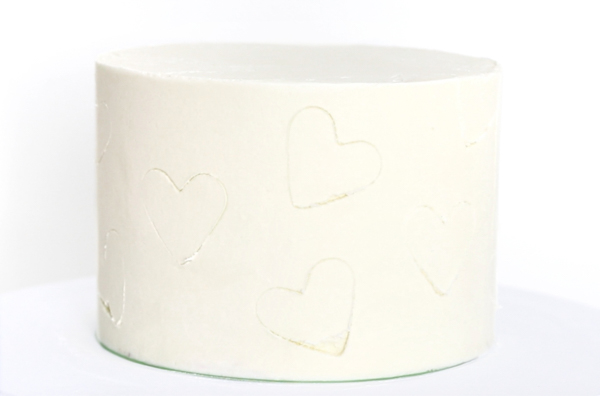
Once the cake is frosted and thoroughly chilled to ensure stability, the next crucial step is to imprint the heart shapes. A heart-shaped cookie cutter is used to create these subtle indentations across the cake’s surface. DePaoli suggests spacing the hearts at least two inches apart to avoid a cluttered appearance and to provide adequate space for subsequent piping and decorating. This imprinting stage provides the structural guidance for the entire design.
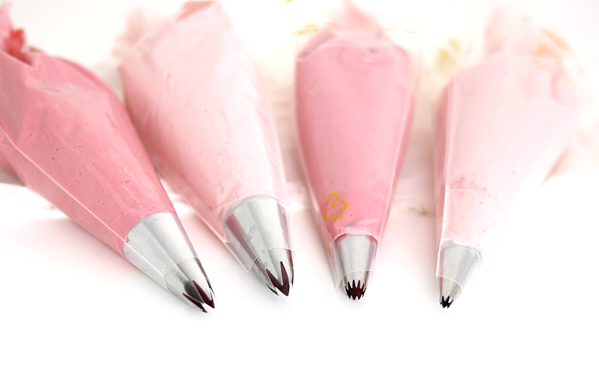
3. Filling Hearts with Buttercream Piping
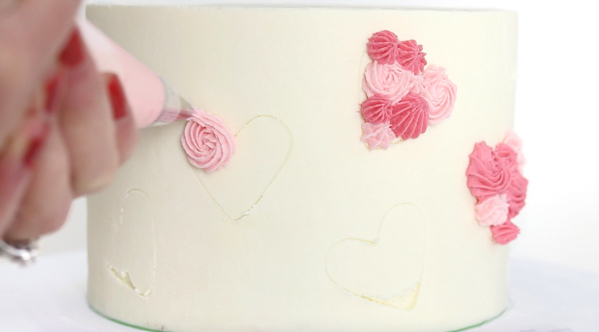
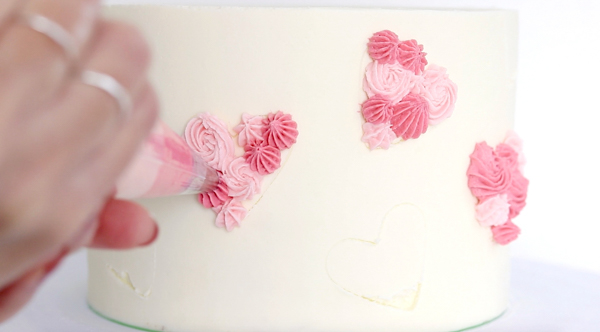
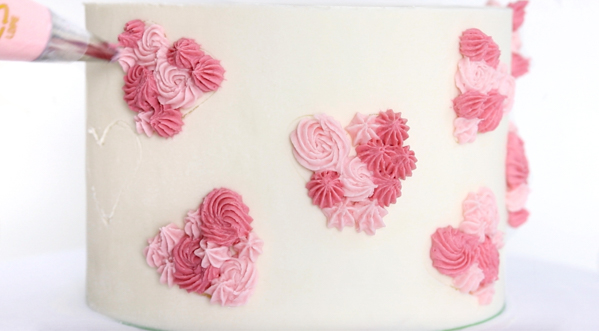
With the heart outlines established, the focus shifts to filling them with decorative piping. Using the prepared piping bags and tips, decorators create intricate patterns within each imprinted heart. DePaoli demonstrates the use of tiny rosettes and stars, emphasizing that the goal is to fill as much of the imprinted area as possible. She reassures aspiring decorators that the initial appearance might not perfectly resemble a heart shape, as the subsequent addition of sprinkles will refine the overall form and aesthetic.
4. Adding Textural Depth with Sprinkles
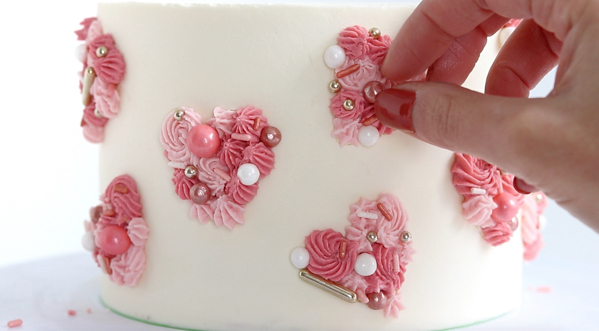
The application of sprinkles is a pivotal element in achieving the signature texture and visual appeal of the Piped Hearts cake. Sprinkles are carefully placed within each piped heart to fill any gaps and further enhance the sculpted buttercream. This step is also where the color palette truly comes alive, with the sprinkles complementing and accentuating the piped colors. DePaoli recommends working methodically, adding sprinkles one by one to ensure precise placement.
A practical tip offered for sprinkle application involves using a damp paper towel. Pressing a fingertip to a damp paper towel before picking up sprinkles can help them adhere more readily, facilitating quicker and more controlled placement. For those who find fingertip application challenging, tweezers are suggested as an alternative. While this stage can be somewhat time-consuming, the tutorial asserts that the effort is well worth the final result. The sprinkles are also extended to fill the spaces between the hearts, unifying the design across the entire cake surface.
Note on Edible Decorations: It is important to note that while gold and silver dragees are commonly used in cake decoration, they have not been approved by the U.S. Food and Drug Administration (FDA) for consumption. To ensure guest safety, it is advised to inform them not to consume these specific decorative elements.
5. Creating a Rosette Rope Border
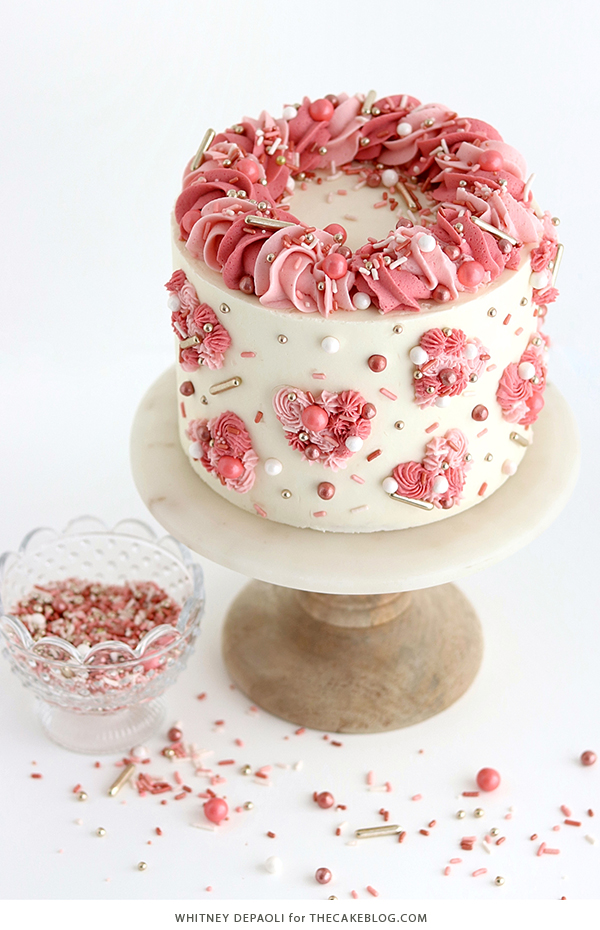
The final decorative flourish involves creating a sophisticated border around the cake’s top edge. DePaoli guides decorators through the process of piping a "rosette rope" border using the piping bag fitted with a 1M tip. The technique involves holding the tip at a 45-degree angle and piping rosettes counter-clockwise, alternating colors to create a visually dynamic effect. This border not only frames the cake beautifully but also serves to unify the entire design, drawing together the colors and textures from the main decoration. Additional sprinkles are often applied to the border to further integrate it with the cake’s overall aesthetic.
Broader Context and Implications
The emergence of sophisticated cake decorating techniques like DePaoli’s Piped Hearts design reflects broader trends in the culinary and event planning industries. As consumers increasingly seek personalized and aesthetically pleasing experiences, the demand for visually striking desserts continues to grow. Valentine’s Day, a holiday steeped in tradition and sentiment, provides a prime opportunity for bakers to showcase creativity. The success of such tutorials on platforms like TheCakeBlog.com indicates a strong interest in accessible yet high-impact decorating methods.
The influence of social media platforms, particularly Instagram, in shaping baking trends cannot be overstated. The visual nature of these platforms allows for the rapid dissemination of new techniques and styles, as demonstrated by DePaoli’s acknowledgment of @frostedfujicakes. This cross-pollination of ideas fuels innovation and provides a constant stream of inspiration for both amateur and professional bakers.
The versatility of the Piped Hearts technique also speaks to a growing desire for customizable celebrations. Beyond Valentine’s Day, this method could be adapted for numerous other occasions, from birthdays and anniversaries to bridal showers and baby showers, by simply altering the color palette, sprinkle selection, and imprinted shapes. This adaptability contributes to the enduring appeal of such decorating styles.
The tutorial’s emphasis on using readily available materials and straightforward steps makes it particularly valuable for home bakers looking to elevate their skills. By demystifying complex-looking techniques, it empowers individuals to create professional-quality cakes for special events, fostering a sense of accomplishment and creativity. The inclusion of practical tips, such as the use of a damp paper towel for sprinkle placement, further enhances the tutorial’s utility and ensures a higher likelihood of success for users.
In conclusion, Whitney DePaoli’s Piped Hearts Valentine’s Cake tutorial offers a fresh and engaging approach to seasonal cake decorating. By blending traditional motifs with contemporary design elements and providing clear, actionable instructions, it serves as a valuable resource for anyone looking to create a memorable and visually stunning centerpiece for Valentine’s Day or any other celebration. The technique highlights the evolving landscape of cake artistry, where innovation, accessibility, and personal expression converge to create edible works of art.