The intersection of traditional fermentation and seasonal nutrition has reached a new peak with the increasing popularity of cranberry orange kombucha, a functional beverage that leverages the peak harvest of North American cranberries to provide a probiotic-rich alternative to high-sugar winter drinks. As consumers increasingly prioritize gut health and immune support during the colder months, the practice of "second fermentation"—the process of flavoring and carbonating raw kombucha—has moved from a niche hobby to a significant trend in the artisanal beverage sector. This specific formulation, utilizing a concentrated cranberry and orange zest syrup, represents a strategic fusion of botanical properties, including high concentrations of Vitamin C, antioxidants, and proanthocyanidins.
The Science of Secondary Fermentation
Kombucha, at its core, is the result of a symbiotic culture of bacteria and yeast (SCOBY) fermenting sweetened tea. While the primary fermentation stage creates the base liquid, it is the second fermentation that defines the beverage’s final organoleptic profile and effervescence. During this stage, the liquid is bottled with additional sugars—in this case, derived from a house-made cranberry-orange syrup—and sealed in an airtight environment.
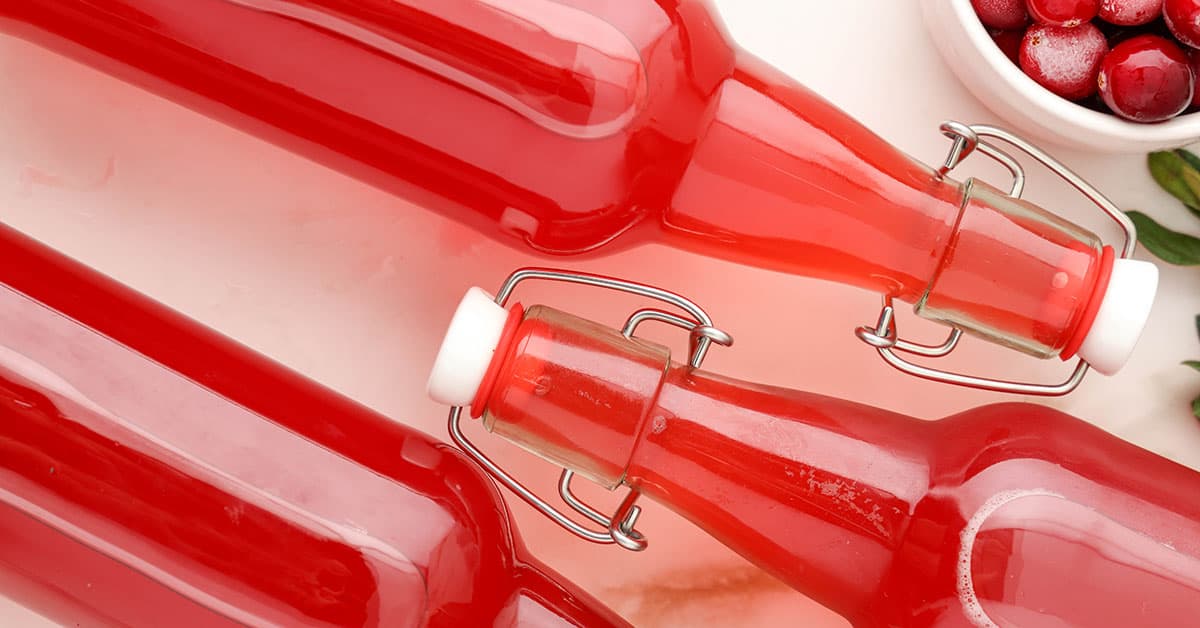
The yeast remaining in the raw kombucha metabolizes the newly introduced sugars from the fruit syrup, producing carbon dioxide (CO2) and trace amounts of ethanol. Because the CO2 is trapped within a pressurized vessel, such as a swing-top bottle, it dissolves into the liquid, creating the signature "fizz" associated with commercial sodas but without the reliance on artificial carbonation. This process typically requires 48 to 72 hours at room temperature, though the exact duration is highly dependent on ambient thermal conditions and the specific sugar concentration of the fruit additives.
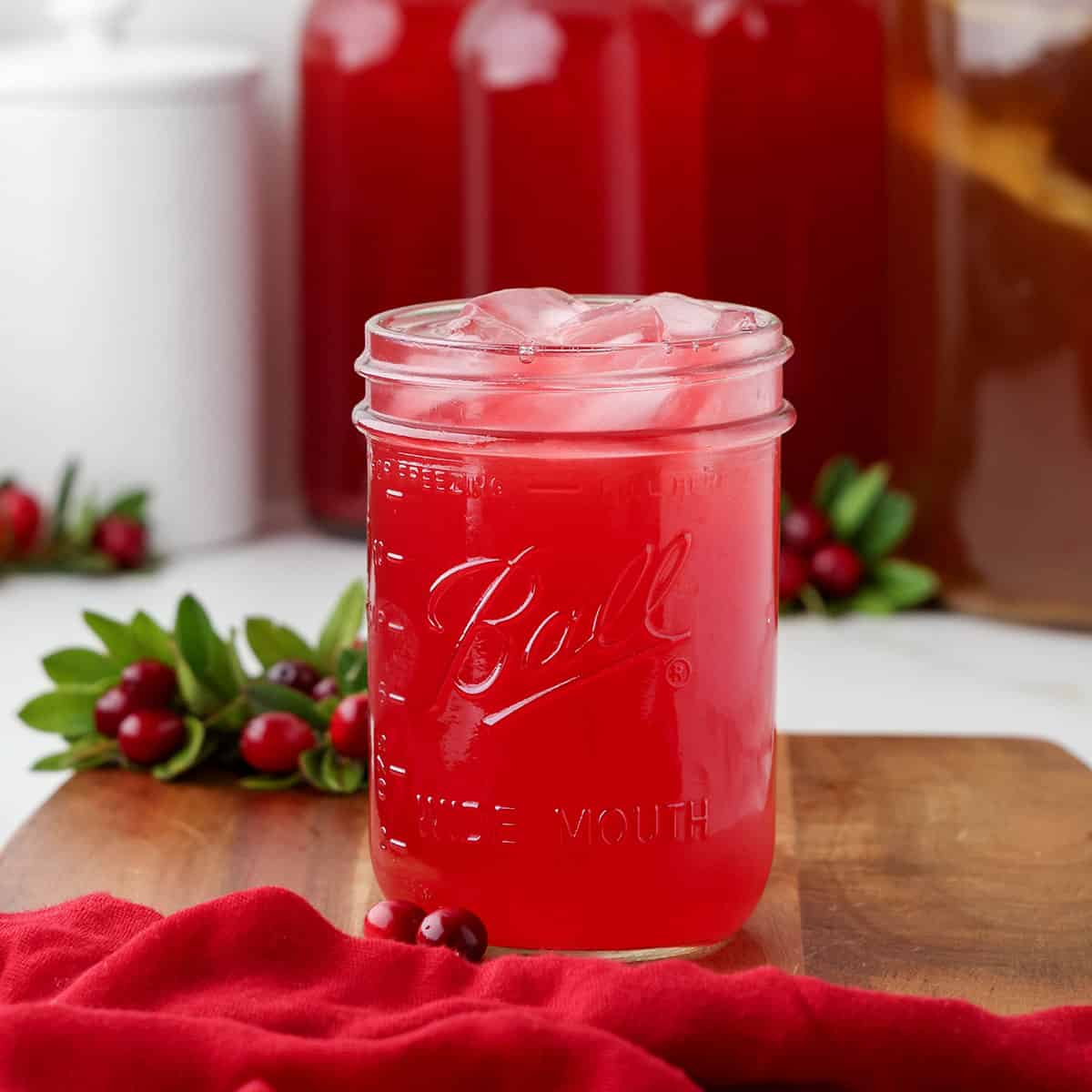
Nutritional Profile and Therapeutic Potential of Cranberry-Infused Ferments
The integration of cranberries into the fermentation process is not merely a culinary choice but a nutritional strategy. Cranberries (Vaccinium macrocarpon) are recognized for their dense concentration of bioactive compounds. According to nutritional data, raw cranberries provide approximately 14 mg of Vitamin C per 100 grams, along with significant levels of dietary fiber and essential minerals like manganese.
However, the primary medical interest in cranberries involves their role in urinary tract health. Clinical studies have demonstrated that cranberries contain A-type proanthocyanidins (PACs), which interfere with the ability of Escherichia coli bacteria to adhere to the bladder wall. By incorporating these berries into a probiotic medium like kombucha, the beverage serves as a multi-modal health tonic. The probiotics—predominantly Acetobacter and various strains of Saccharomyces—contribute to the maintenance of the human gut microbiome, which is increasingly linked to systemic immune function and mental health.
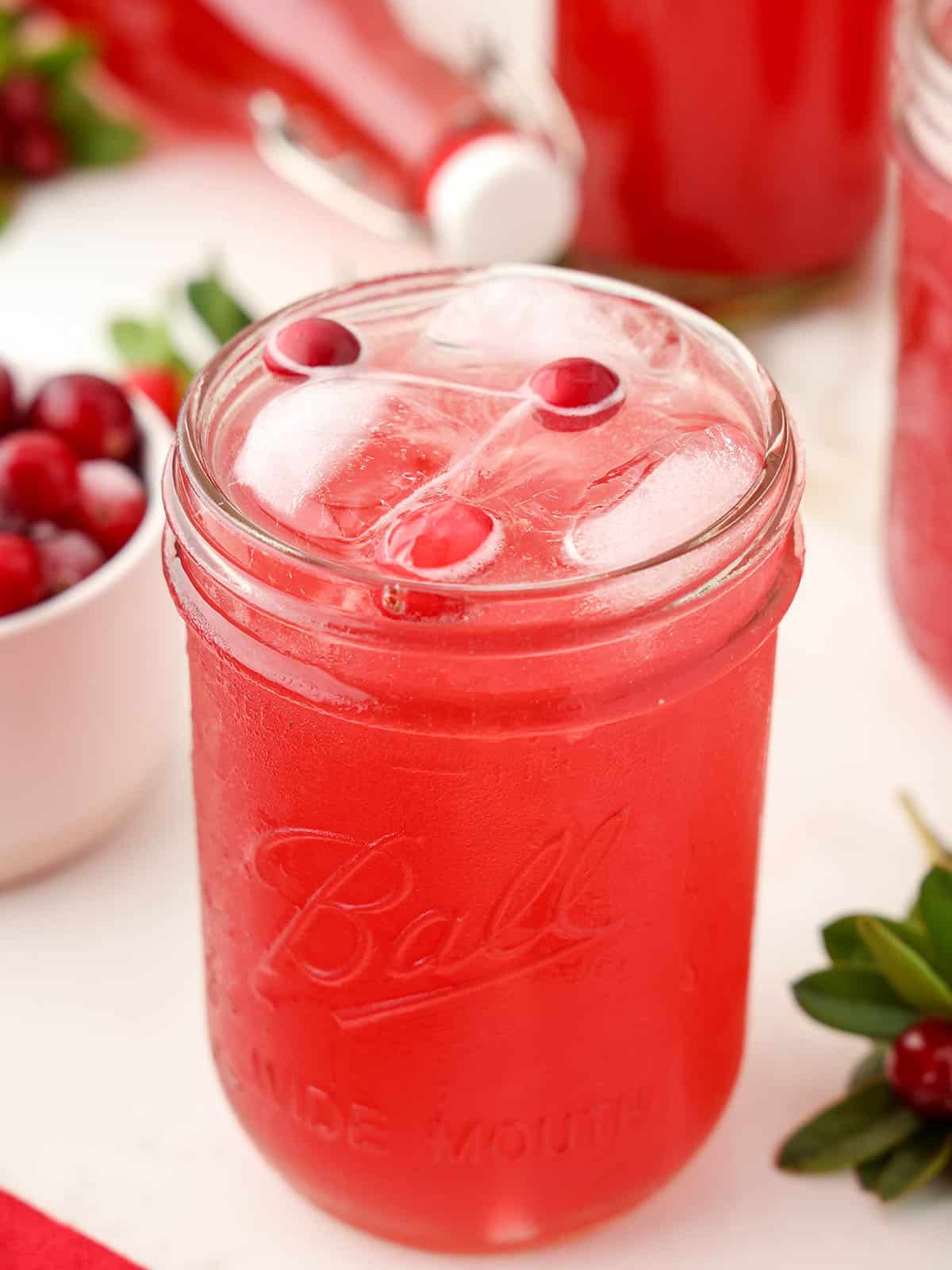
The addition of orange juice and zest further enhances the antioxidant profile. Orange peel is rich in d-limonene, a compound studied for its anti-inflammatory properties and its ability to assist in the neutralization of stomach acid, potentially aiding in post-prandial digestion after heavy winter meals.
Technical Chronology: From Harvest to Bottle
The production of cranberry orange kombucha follows a rigorous timeline to ensure both safety and flavor consistency. The process begins with the preparation of a concentrated fruit base, which serves as the fuel for the secondary microbial activity.
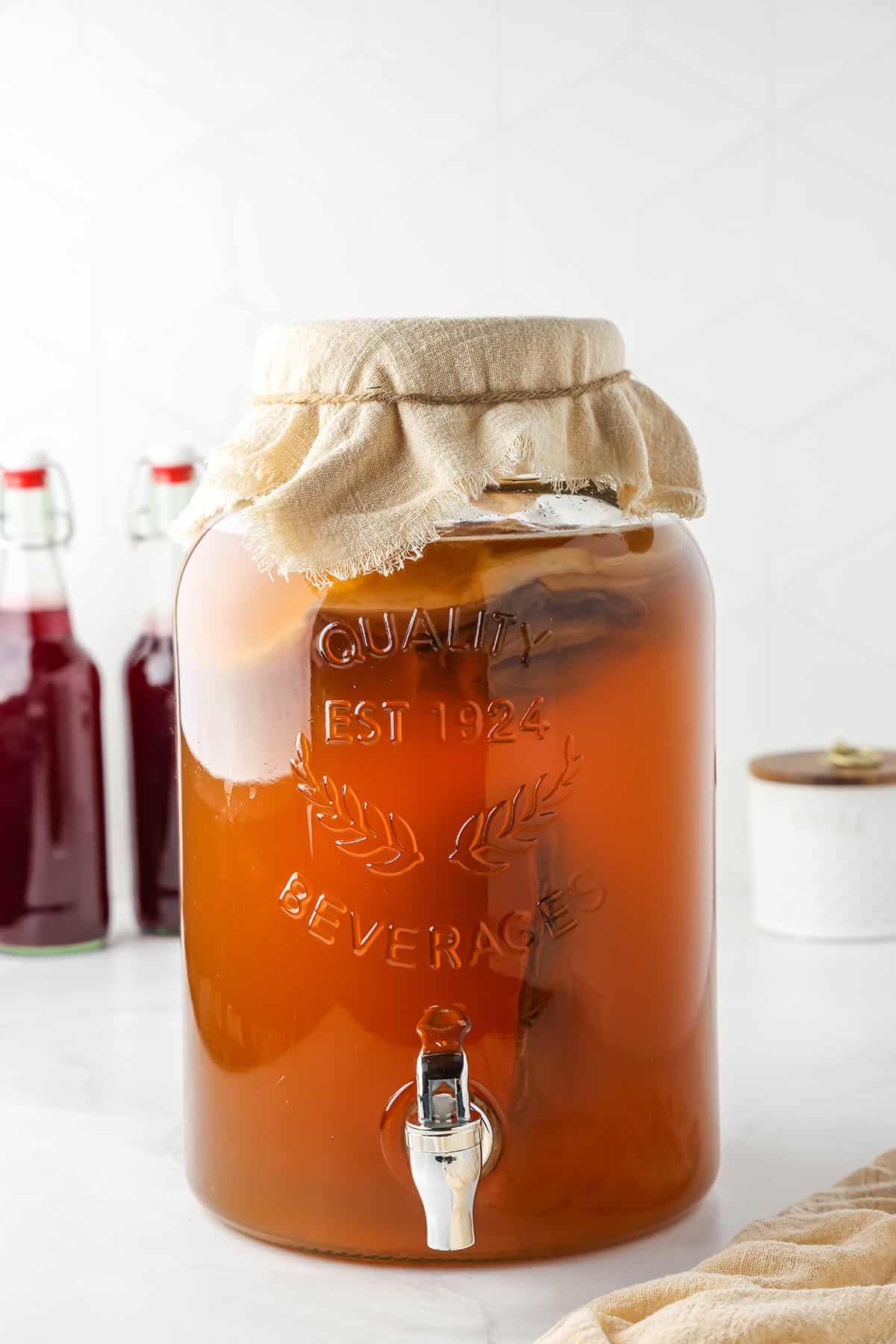
Phase I: The Extraction Process
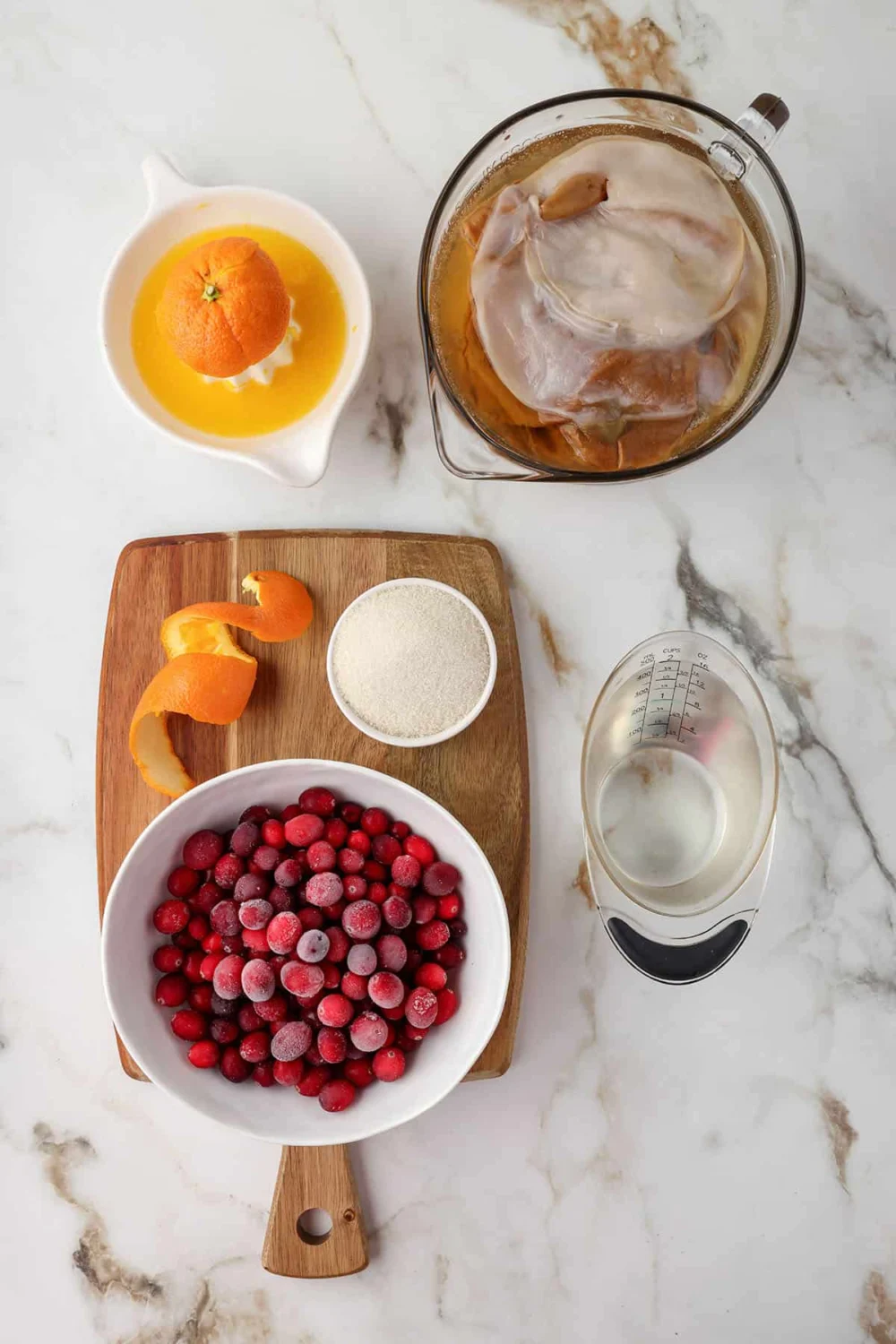
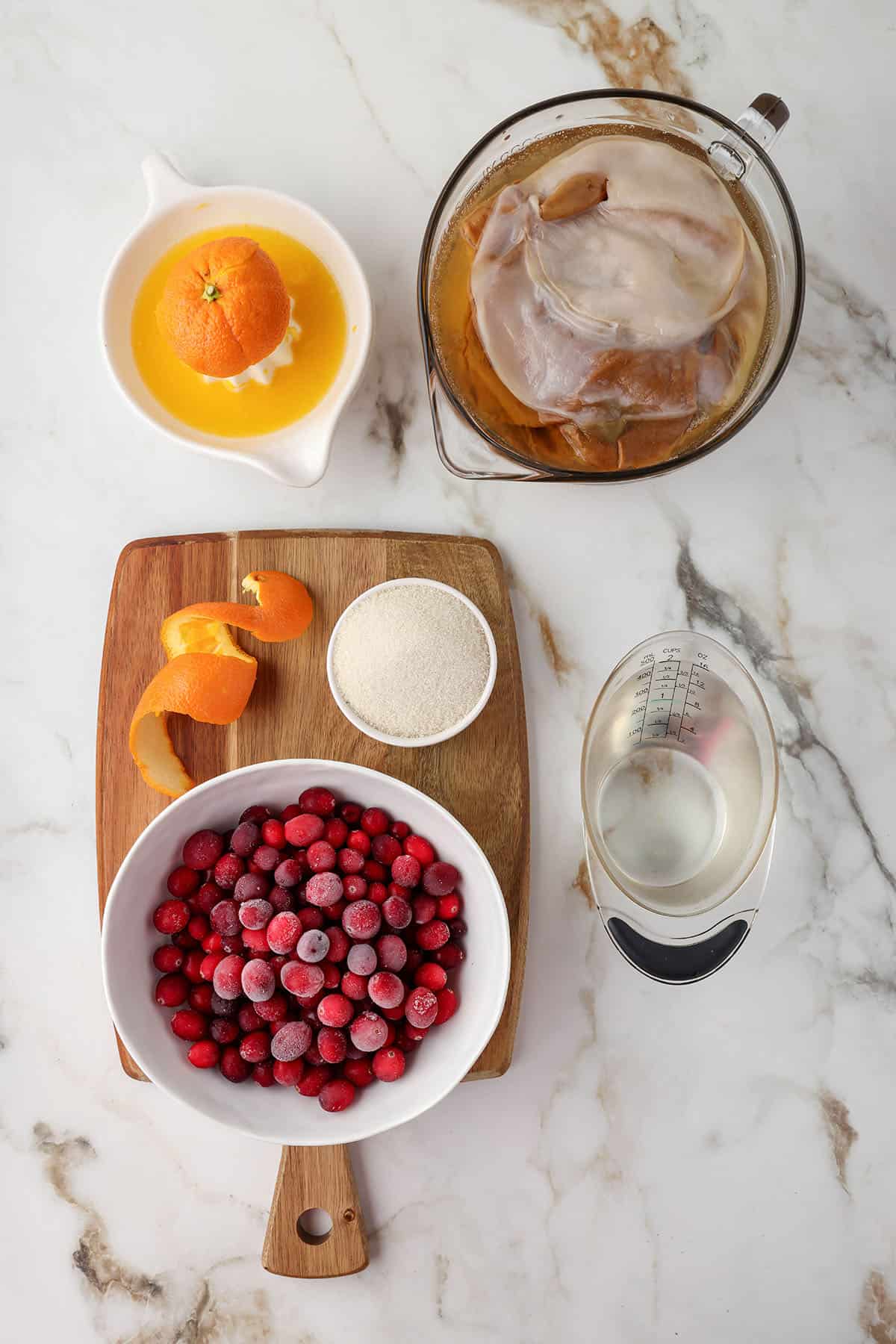
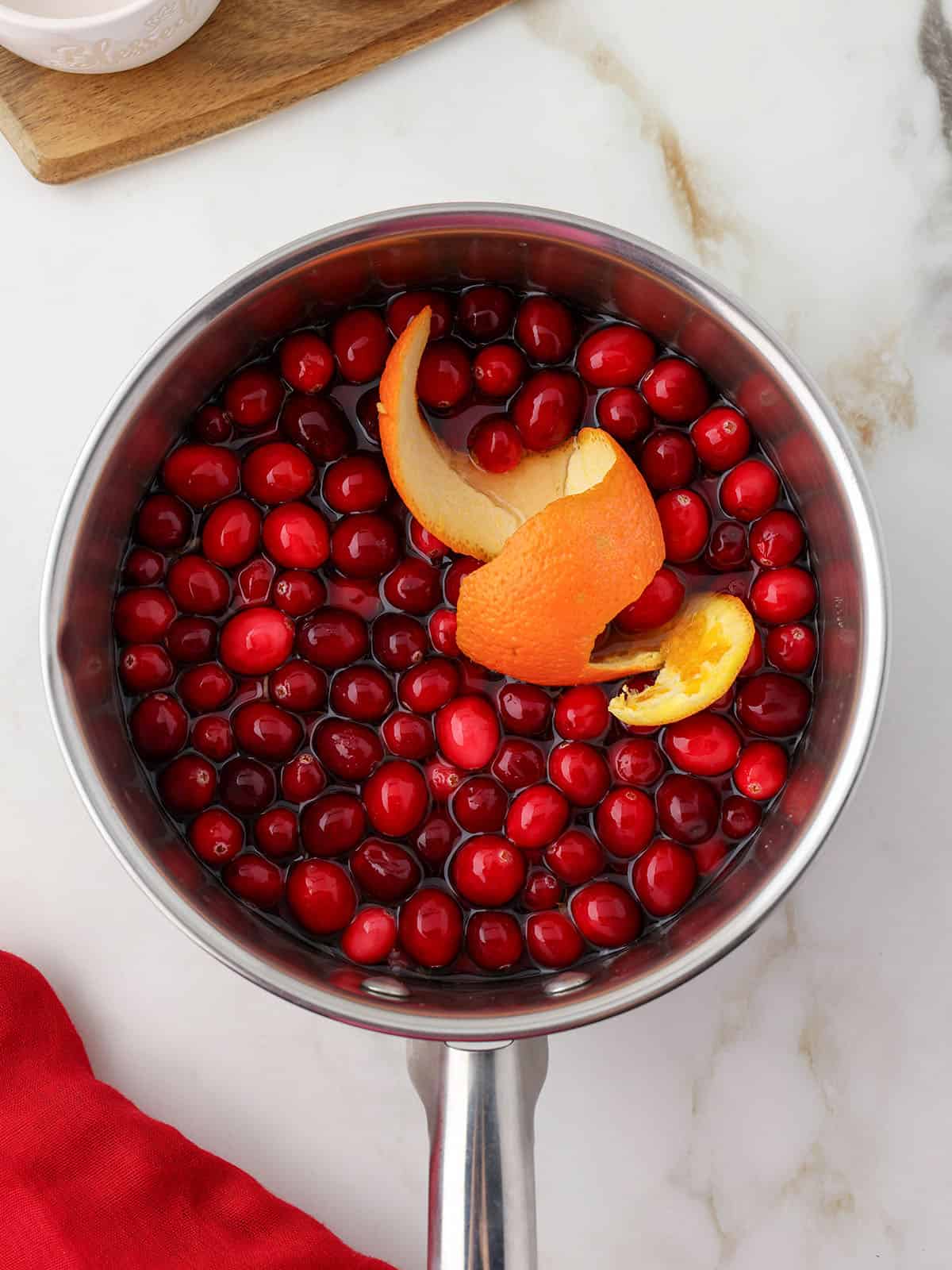
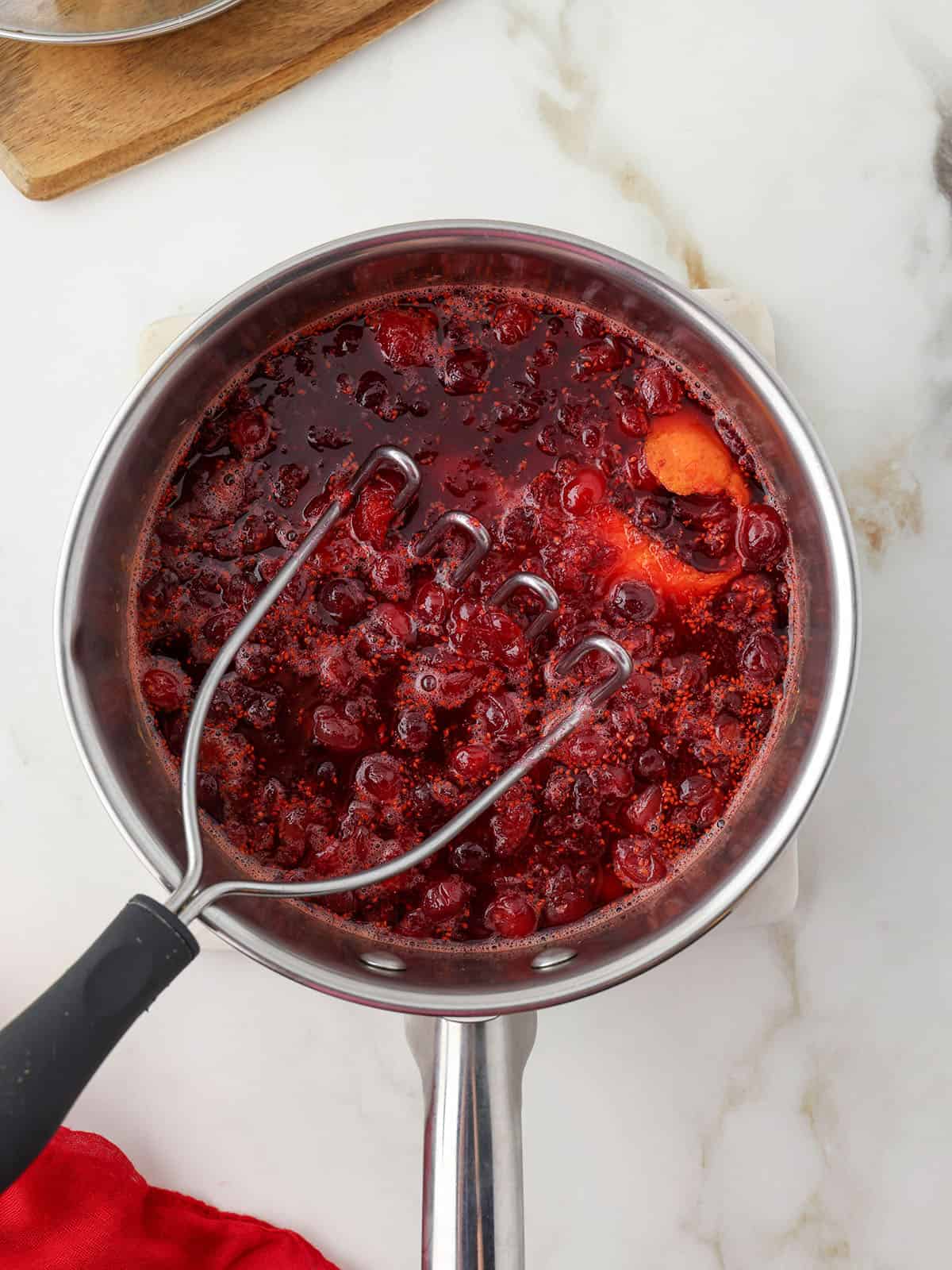
The initial step involves the creation of a cranberry-orange syrup. One pound of fresh or frozen cranberries is combined with approximately one cup of organic cane sugar, the juice of a fresh orange, and strips of orange zest. This mixture is simmered for five to seven minutes. This heat application is critical; it breaks down the tough outer skin of the cranberry, allowing the pectin and anthocyanins (the pigments responsible for the deep red color) to be released into the liquid. After simmering, the berries are mashed to maximize juice extraction and allowed to infuse for 15 minutes before being strained through a fine-mesh sieve or cheesecloth.
Phase II: Inoculation and Bottling
Once the syrup has cooled to room temperature—a necessary step to avoid thermally shocking the live bacteria in the kombucha—it is blended with seven cups of raw, primary-fermented black or green tea kombucha. The resulting mixture is then funneled into specialized glass bottles, leaving approximately one to two inches of "headspace." This headspace is vital for safety, as it provides a buffer for the accumulating CO2 gas.
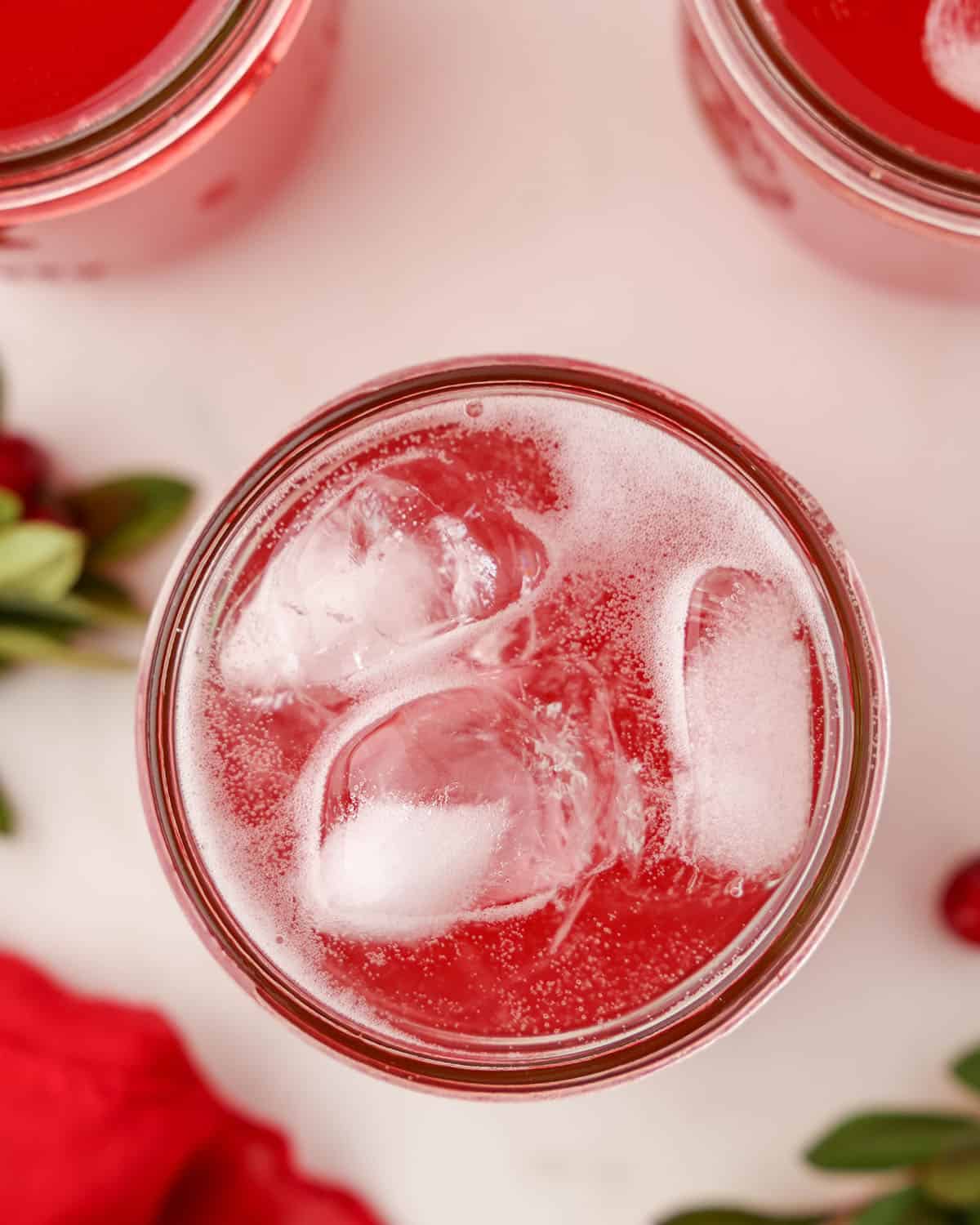
Phase III: The Carbonation Cycle
The bottled beverage is stored in a dark environment at temperatures between 70°F and 80°F. During this 2-3 day window, brewers perform "burping"—briefly opening the lids to monitor carbonation levels and prevent excessive pressure buildup. Once the desired effervescence is achieved, the bottles are moved to cold storage (refrigeration), which effectively halts the yeast’s metabolic activity and stabilizes the flavor profile.
Market Trends and Industry Implications
The rise of home-brewed functional beverages like cranberry kombucha reflects a broader shift in the global beverage market. Industry analysts report that the global kombucha market was valued at approximately USD 2.64 billion in 2021 and is projected to expand at a compound annual growth rate (CAGR) of 15.6% through 2030. This growth is driven by a "sober-curious" movement and an increasing consumer aversion to synthetic additives and high-fructose corn syrup.
Professional nutritionists and food scientists have noted that artisanal fermentation allows for a degree of customization that commercial products cannot match. By controlling the sugar input—reducing the cane sugar in the syrup to 3/4 or 1/2 cup—the home brewer can create a "dry" ferment that appeals to ketogenic or low-glycemic dietary requirements.
Furthermore, the "zero-waste" aspect of this process has gained traction among environmentally conscious consumers. The fibrous pulp remaining after the syrup-making process is rich in pectin and can be repurposed into a refrigerator jam or fruit leather, aligning with the circular economy principles currently trending in the culinary arts.
Safety Protocols and Best Practices
While the fermentation of cranberry kombucha is accessible, it requires adherence to specific safety protocols to prevent spoilage or physical injury from bottle failure.
- Pressure Management: The use of "swing-top" or Grolsch-style bottles is highly recommended. These bottles are designed to withstand the internal pressure generated by CO2. Standard glass jars or repurposed wine bottles may shatter under the stress of secondary fermentation.
- Sanitization: All equipment, including funnels, pitchers, and bottles, must be thoroughly cleaned to prevent the introduction of wild molds or competing bacterial strains that could compromise the SCOBY’s health.
- Temperature Control: Excessively high temperatures can cause the yeast to produce off-flavors, often described as "yeasty" or "bread-like," and can lead to dangerously rapid pressure accumulation.
Broader Impact on Winter Wellness
The psychological and physiological impact of seasonal beverages should not be underestimated. The bright acidity of the cranberry and the aromatic oils of the orange provide a sensory "boost" during the low-light months of winter. Beyond the chemical benefits, the act of home fermentation fosters a deeper connection to the seasonal food cycle.
As the medical community continues to explore the "gut-brain axis," the role of fermented foods in daily diets is moving from alternative medicine to mainstream nutritional advice. Cranberry orange kombucha stands as a prime example of how traditional preservation methods can be adapted to meet modern health needs. It offers a sophisticated, tart, and effervescent experience that rivals commercial sparkling wines, making it a staple for holiday gatherings and a vital tool for those seeking to maintain a robust gut microbiome throughout the winter season.
In conclusion, the production of cranberry orange kombucha is a meticulous but rewarding endeavor that bridges the gap between culinary craft and preventive health. By leveraging the natural sugars and therapeutic compounds of winter fruits, practitioners can create a powerful, probiotic-rich beverage that supports digestion, immune function, and overall well-being.