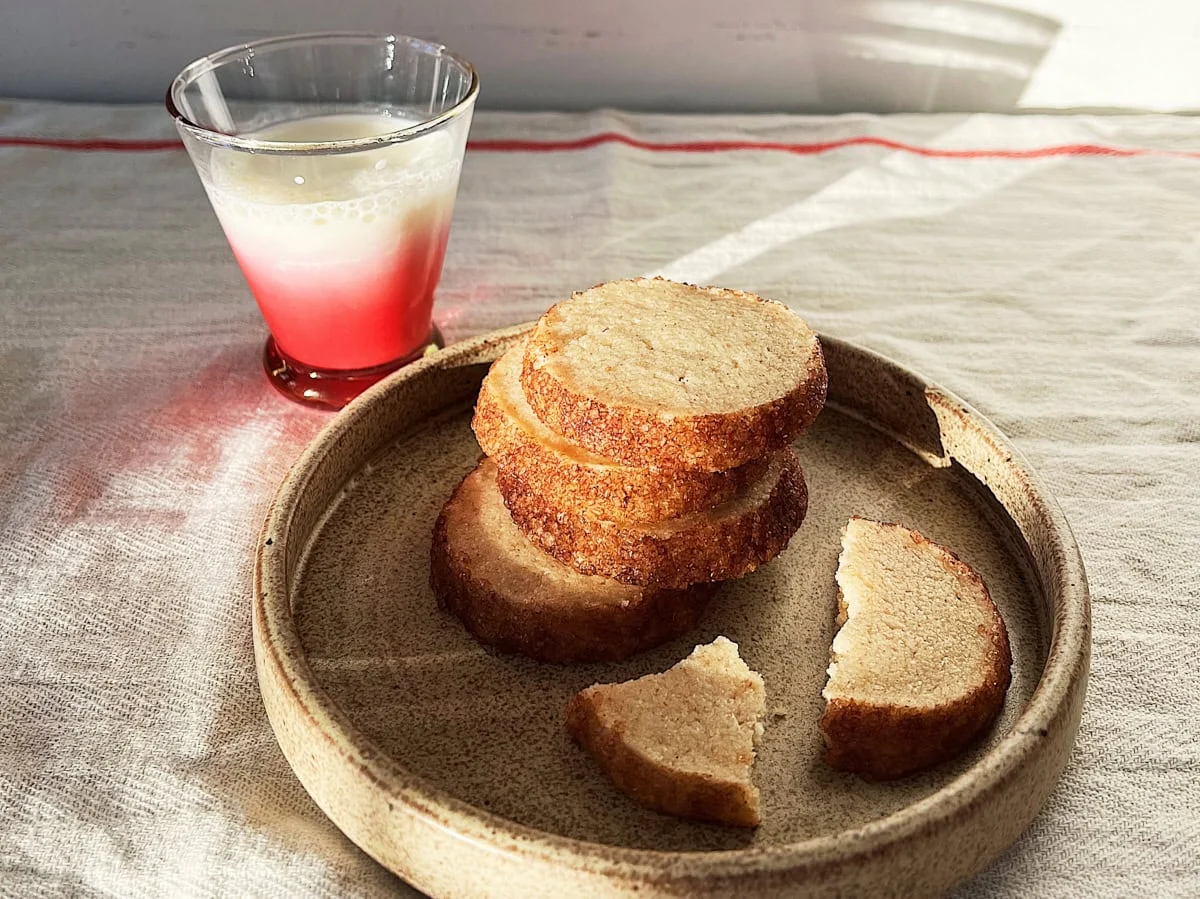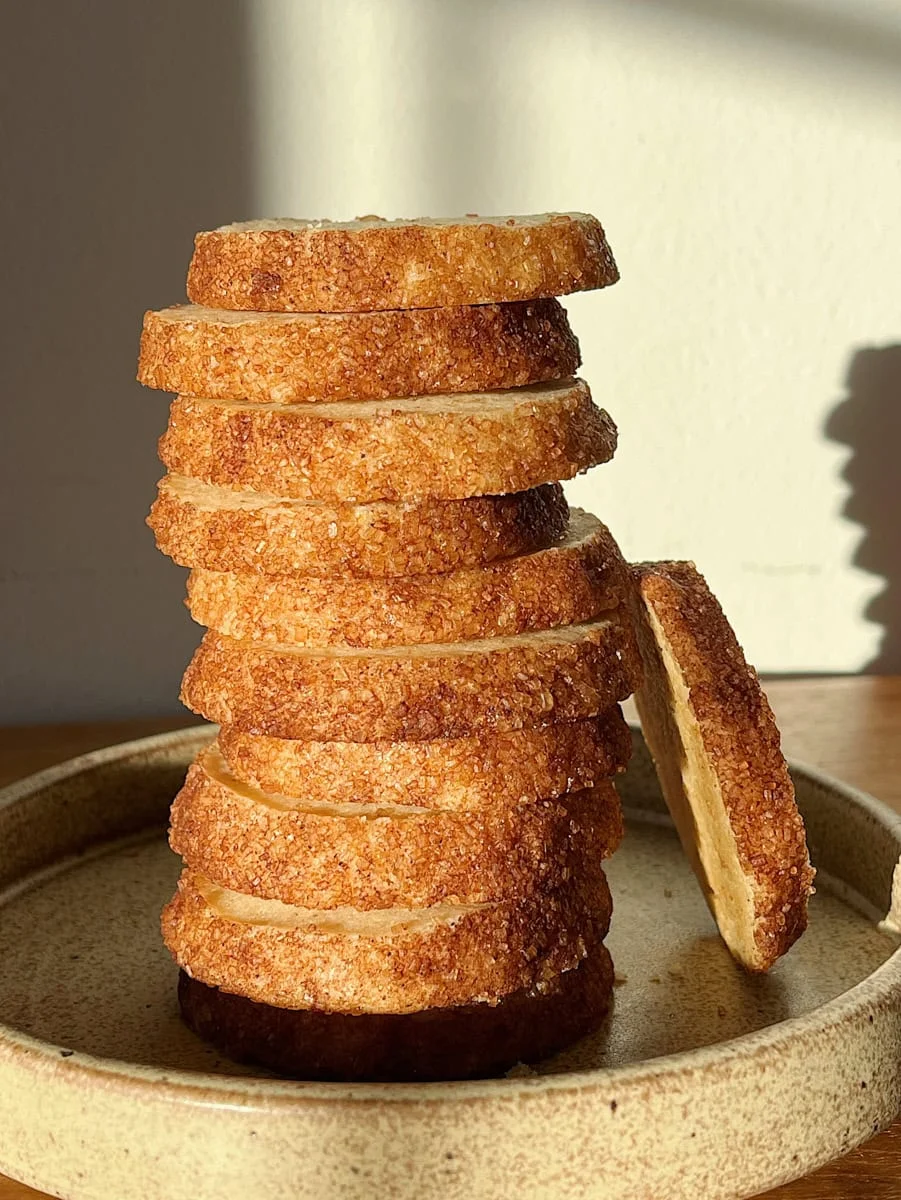
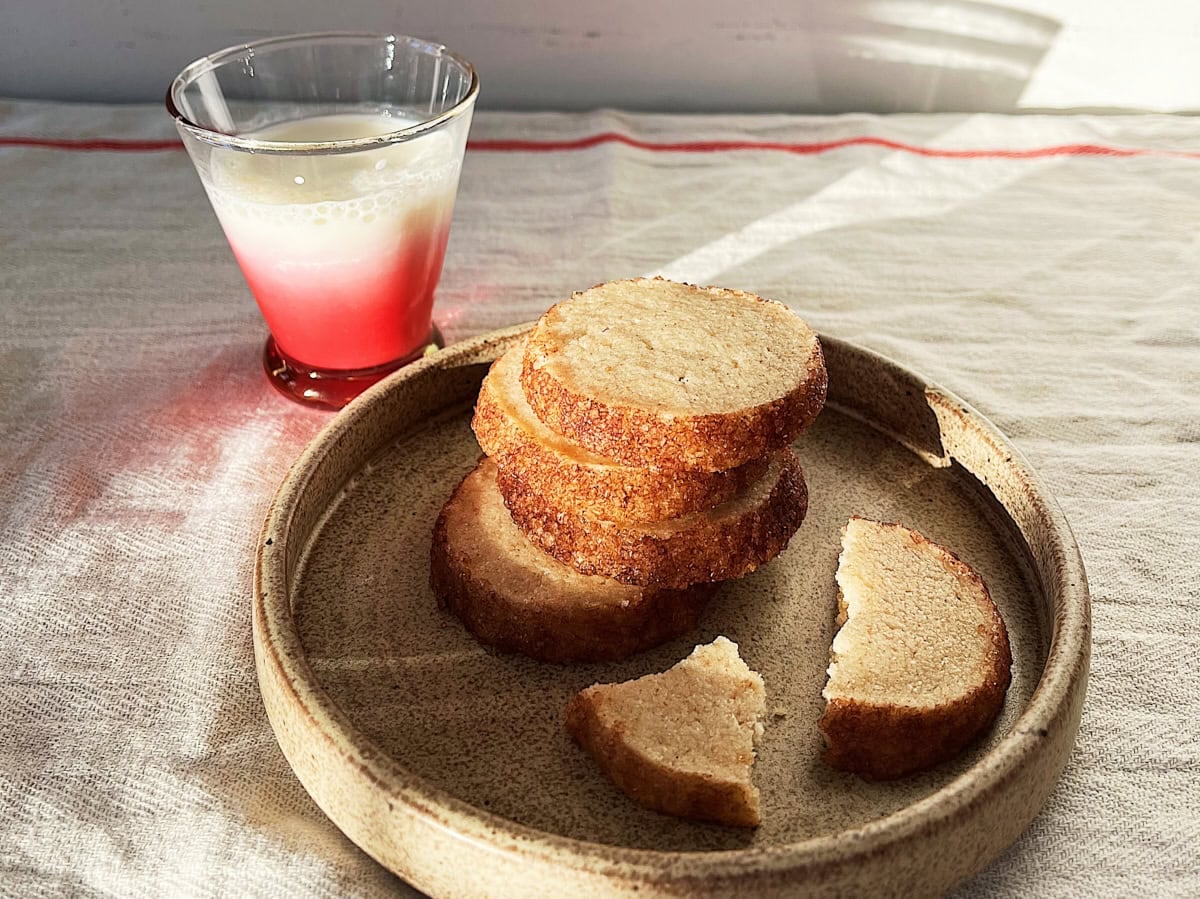
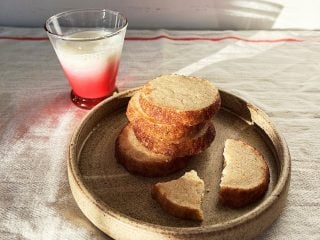
The culinary landscape for holiday baking is witnessing a notable shift towards recipes that blend efficiency with resourceful ingredient utilization, exemplified by the growing popularity of slice-and-bake sourdough discard cookies. This particular iteration, featuring a vanilla-infused dough enveloped in a crisp Demerara sugar and cinnamon coating, is quickly becoming a staple for festive gatherings, offering both ease of preparation and a sophisticated flavor profile.
The Rise of Resourceful Baking: Sourdough Discard’s Sweet Transformation
The increasing engagement in home baking, particularly accelerated in recent years, has led to a widespread appreciation for sourdough starters. While traditionally used for artisan breads, the inherent byproduct—sourdough discard—has presented a creative challenge for bakers seeking to minimize waste and explore new flavor dimensions. Sourdough discard, essentially unfed starter, retains a mild tang and a unique moisture content that can significantly enhance baked goods, offering a subtle complexity that distinguishes them from conventional recipes. Its integration into cookies, cakes, and other pastries represents a sustainable trend within the culinary community, transforming what was once a byproduct into a coveted ingredient. For these "cinnamon toast" cookies, the sourdough discard contributes to a tender crumb and a faint, pleasing tang that balances the sweetness, elevating the overall sensory experience.
Mastering Efficiency: The Art of Slice-and-Bake Cookies
The appeal of slice-and-bake cookies lies primarily in their unparalleled convenience and ability to yield a large batch with minimal active effort. Unlike drop cookies that require individual scooping or rolled cookies demanding precise cutting, the slice-and-bake method streamlines the process into manageable stages. Dough preparation, often a one-bowl affair, can be completed in advance, allowing bakers to divide the task over several shifts. This "make-ahead" advantage is particularly valuable during the demanding holiday season, freeing up time for other preparations without compromising on homemade treats. The dough is simply formed into a log, chilled, and then sliced into uniform rounds before baking. This methodical approach ensures consistent results and a visually appealing presentation, even for novice bakers. Culinary analysts predict that the demand for such efficient yet high-quality recipes will continue to climb, aligning with modern lifestyle demands for both convenience and culinary satisfaction.
Crafting the "Cinnamon Toast" Profile: Ingredients and Technique
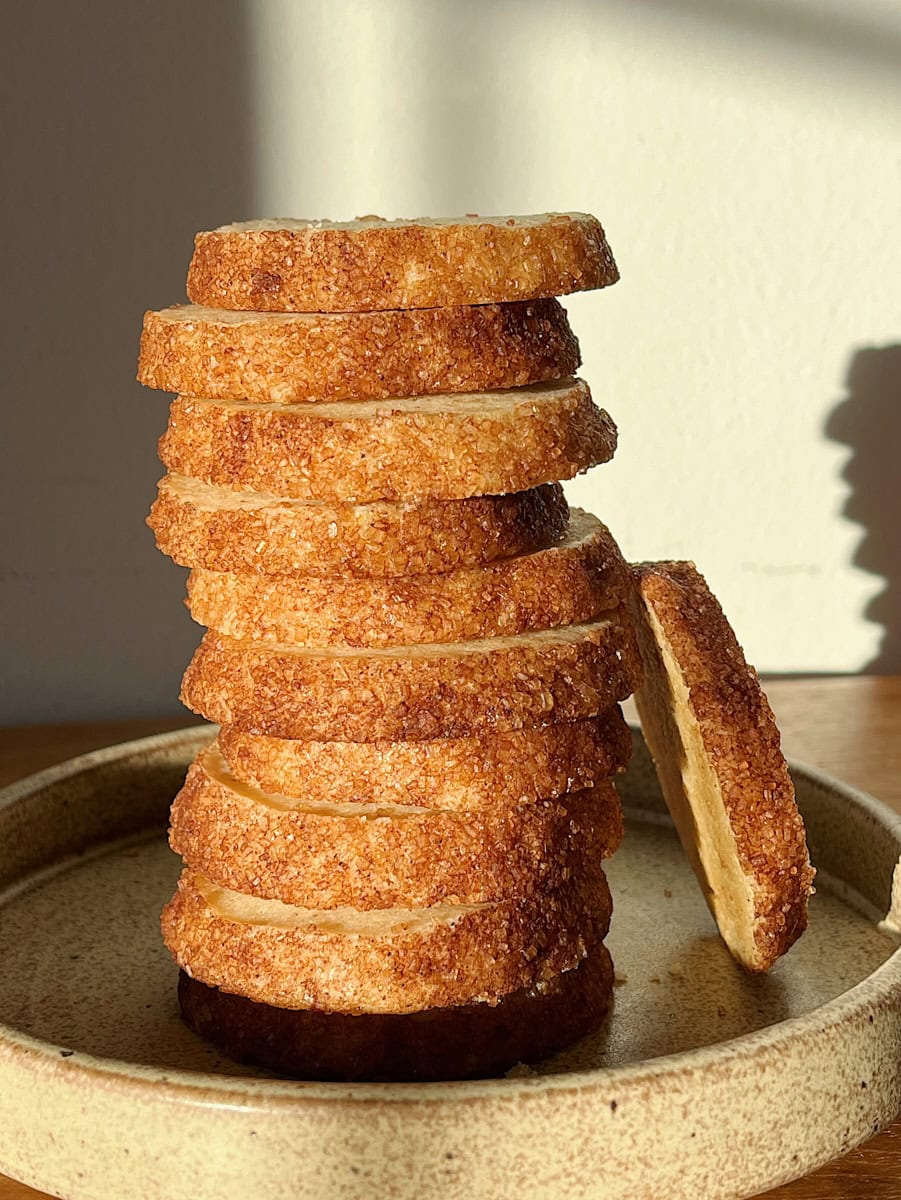
The distinctive "cinnamon toast" identity of these cookies is primarily derived from a harmonious blend of a buttery, slightly tangy base and a crunchy, aromatic coating. The dough itself is a refined shortbread-style preparation, notable for its careful balance of fat, sugar, and flour. A critical insight from recipe developers suggests a departure from the traditional 1:2:3 ratio (sugar:butter:flour by weight), which often yields a stiffer, drier cookie. Instead, this recipe advocates for a more generous butter-to-flour ratio, approximately 1:1.5:2 (sugar:butter:flour, including the flour from the sourdough discard). This adjustment, using 150 grams of sugar, 226 grams of butter, and a total of 285 grams of flour (250g all-purpose plus 35g from discard), results in a dough that produces a tender, melt-in-your-mouth cookie, rather than an overly floury texture.
The quality of ingredients plays a pivotal role in the final flavor. Experts recommend using high-quality unsalted butter, preferably European-style, known for its higher fat content and richer flavor. Given the simplicity of the ingredient list, each component’s intrinsic flavor is more pronounced, making premium selections impactful. The subtle acidity from the sourdough discard provides an intriguing counterpoint to the richness of the butter and the sweetness of the sugar.
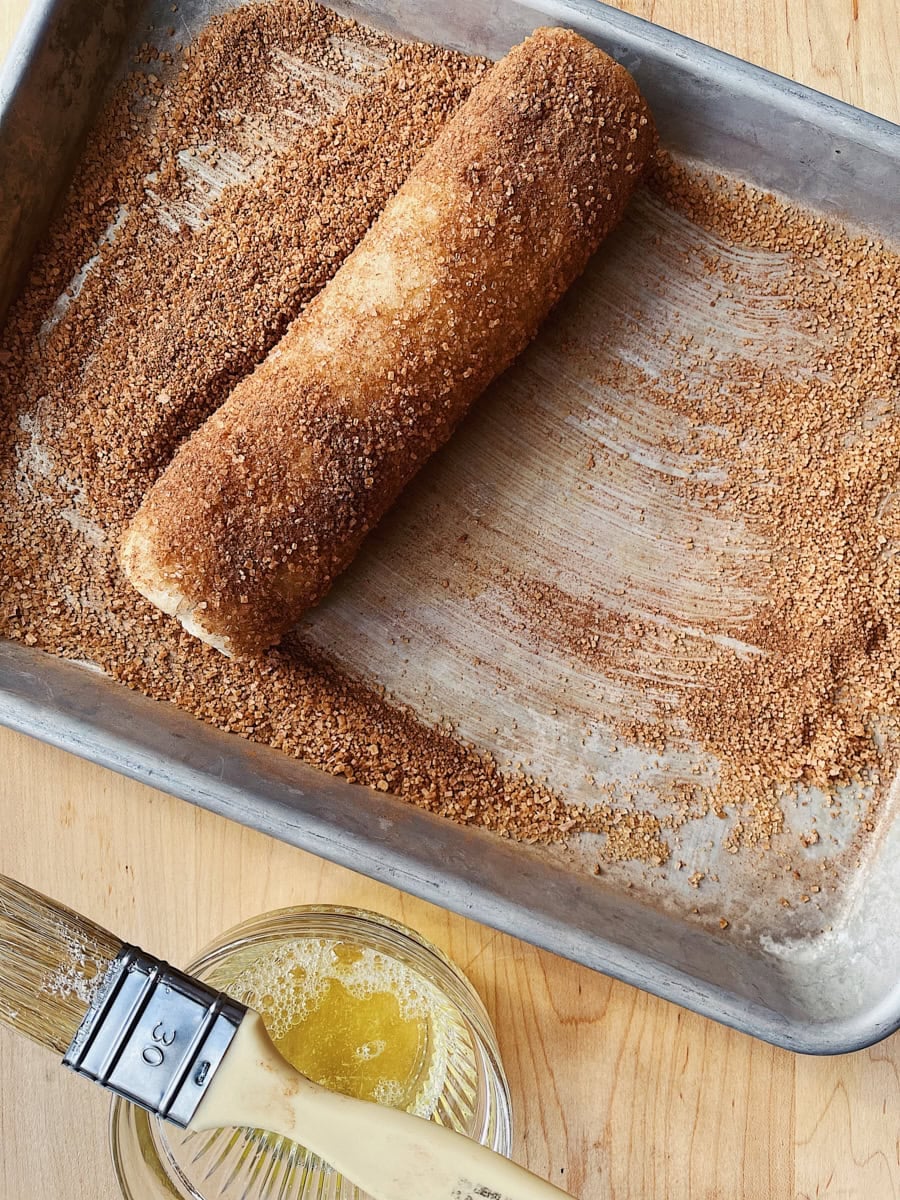
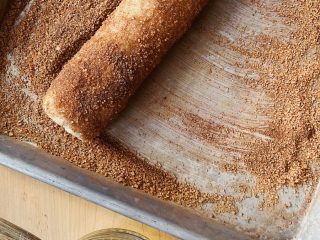
The defining characteristic, however, is the external coating. A generous roll in a mixture of Demerara sugar and ground cinnamon creates a textural contrast and aromatic burst reminiscent of classic cinnamon toast. Demerara sugar, with its larger crystals and molasses notes, provides a satisfying crunch and a deeper caramel flavor compared to standard granulated sugar. The addition of a touch of flaky sea salt to the coating further enhances the overall flavor, creating a nuanced sweet-and-salty dynamic that prevents the cookies from being cloyingly sweet. This thoughtful combination transforms simple rounds into an irresistible treat.
Optimizing Texture and Flavor: Key Baking Principles
Achieving the perfect texture and shape for slice-and-bake cookies relies on several critical technical steps:
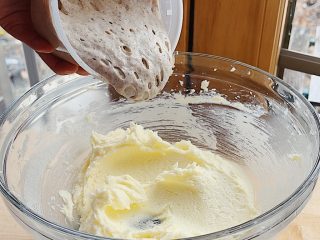
- Dough Consistency and Mixing: An electric mixer, whether a hand beater or stand mixer, is highly recommended for efficiently creaming the butter and sugar. This process incorporates air, contributing to a lighter texture, and ensures even distribution of ingredients. While manual mixing is possible, an electric mixer guarantees consistent results, especially when dealing with a softer, butter-rich dough.
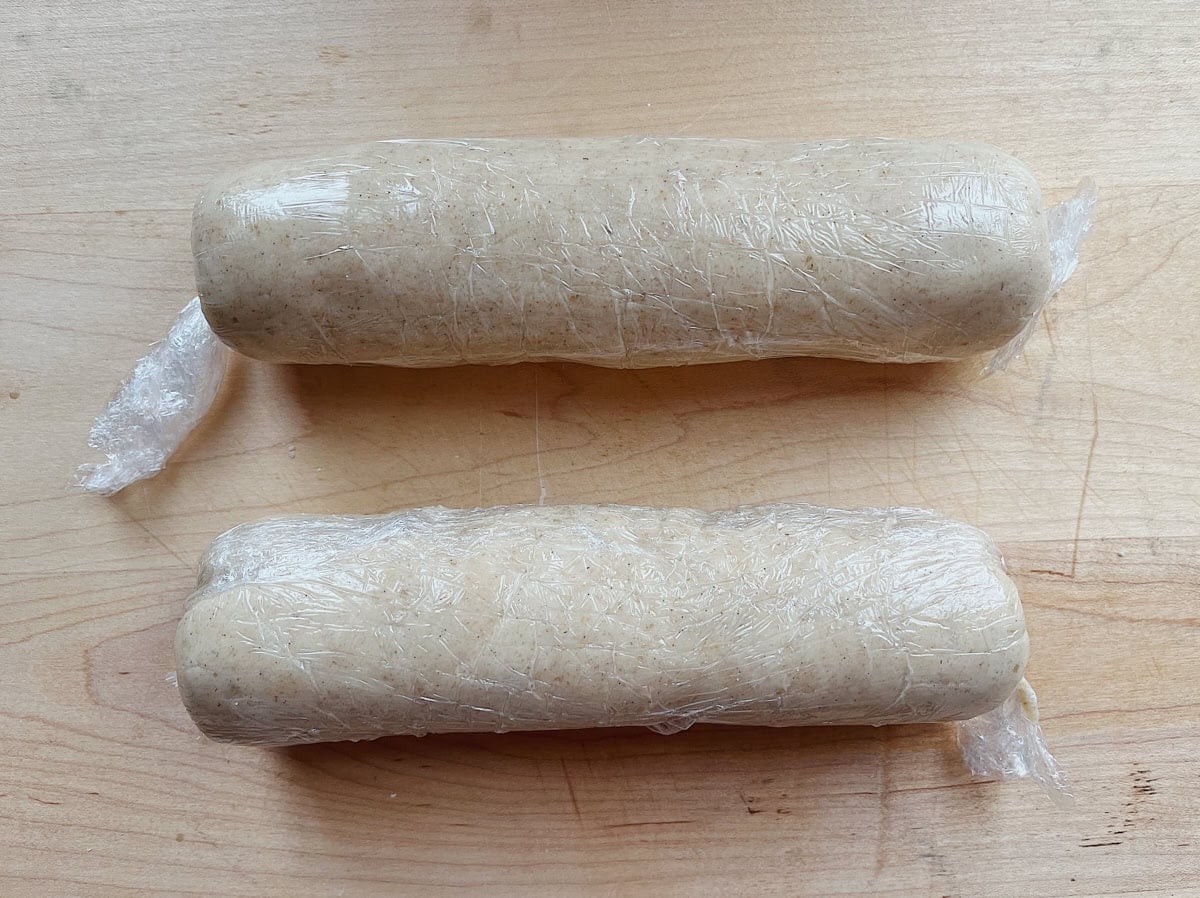
- Chilling the Dough: Due to the higher butter content and the moisture from the sourdough discard, the dough is initially quite soft. A prolonged chilling period of at least two hours is essential. This step allows the butter to resolidify, preventing excessive spreading during baking and ensuring the cookies maintain their neat, round shape. Adequate chilling is paramount for structural integrity and a desirable crumb.
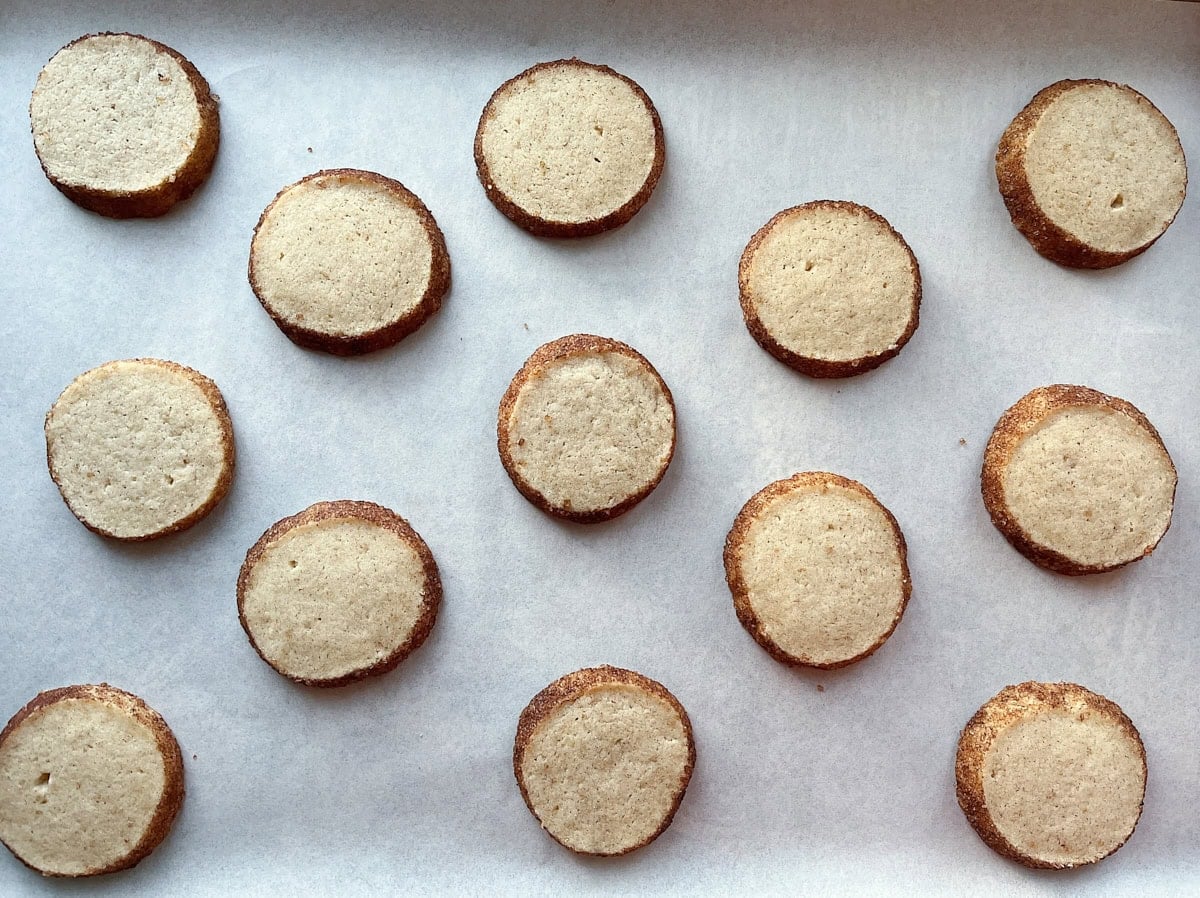
- Baking Duration: A common pitfall for this type of cookie is underbaking. The tops may not develop a deep golden color, making it challenging to gauge doneness visually. Given the dough’s hydration from the sourdough starter, these cookies require a minimum of 14 minutes in the oven, often slightly longer, to achieve a firm, slightly crisp texture. An underbaked slice-and-bake cookie lacks the desirable snap and can be doughy, a less appealing outcome compared to an underbaked, gooey chocolate chip cookie. Monitoring the bottoms for a light golden hue is a more reliable indicator of readiness.
- Achieving Perfectly Round Shapes: While minor imperfections in shape are often part of homemade charm, for those desiring perfectly round cookies, a simple technique can be employed. Immediately after removing the baked cookies from the oven, while still warm and pliable, a circular biscuit cutter or the rim of a glass can be swirled gently around each cookie to reshape them into immaculate rounds.
Expanding the Palate: Customization and Flavor Innovations
While the classic vanilla and cinnamon profile is undeniably appealing, the base recipe offers a versatile canvas for culinary creativity. Bakers are encouraged to experiment with various additions to both the dough and the sugar coating, transforming the cookies to suit diverse tastes and occasions.
- Dough Flavorings:
- Citrus Zest: Up to 2 tablespoons of finely grated lemon, grapefruit, or orange zest can be rubbed into the sugar before creaming with butter, infusing the dough with bright, aromatic notes.
- Alternative Extracts: Beyond vanilla, extracts such as rose water, orange flower water, or almond extract can introduce unique floral or nutty undertones. These are potent, so starting with ¼ teaspoon and adjusting to taste is recommended.
- Toasted Sesame Oil: A teaspoon of toasted sesame oil can impart a surprising depth and roasty-toasty complexity, adding an unexpected layer of savory warmth.
- Textural Additions: Up to 130 grams (approximately ¾ cup) of chopped chocolate, mini chocolate chips, or toasted nuts (such as pecans, walnuts, or almonds) can be folded into the dough for added texture and richness.
- Powdered Flavorings: Instant coffee or espresso powder, powdered teas like matcha (for an earthy, vibrant green hue) or hojicha (for roasted notes), or even finely ground Earl Grey tea leaves (for a fragrant bergamot essence) offer sophisticated flavor variations.
- Sugar Coating Swaps:
- Spiced Alternatives: Ground cardamom or sumac can be substituted for cinnamon in the Demerara sugar coating, offering a more exotic or tangy finish, respectively.
- Sesame Seeds: Toasted white or black sesame seeds, combined with sugar, create an appealing visual and a delicate nutty flavor.
- Flour Variations: The recipe also accommodates the substitution of other flours. Up to 60 grams (about ½ cup) of heartier wheat flours like whole wheat, rye, or spelt can be incorporated, adding depth and a more rustic texture. For a subtle crunch, 15 grams (about 2 tablespoons) of medium-grind cornmeal can be swapped into the flour blend.
Storage and Freezing for Future Indulgence
The make-ahead nature of these cookies extends to their storage and freezing capabilities, making them an ideal option for planned baking or spontaneous treats. The prepared dough log can be tightly wrapped in parchment paper and then plastic wrap, stored in the refrigerator for up to five days. This allows for fresh-baked cookies on demand.

For longer storage, the sliced cookies can be frozen before baking. After coating in sugar and slicing, arrange the cookie rounds on a parchment-lined baking sheet, ensuring they do not touch. Freeze until solid (approximately 2 hours), then transfer to an airtight container with parchment paper between layers. These frozen cookie rounds can be stored for up to three months. When ready to bake, they can be transferred directly from the freezer to the oven, requiring an additional 2-4 minutes of baking time to achieve the desired doneness. This adaptability underscores the recipe’s practicality for busy households and holiday preparations.
Broader Implications for Holiday Culinary Traditions
The emergence of the Cinnamon Toast Sourdough Discard Cookie reflects a broader evolution in holiday culinary traditions. It signifies a move towards recipes that are not only delicious but also mindful of sustainability, efficiency, and ingredient quality. This cookie, while seemingly simple, embodies a sophisticated understanding of flavor balance, textural contrast, and practical baking techniques. It appeals to a demographic that values homemade goodness but also seeks intelligent solutions for time management. As holiday seasons continue to emphasize personalized touches and conscious consumption, such inventive yet accessible recipes are poised to become enduring favorites, offering comfort, joy, and a touch of culinary innovation to festive tables.