The acclaimed food preservation blog, "Food in Jars," has triumphantly ended its year-long hiatus, marking its return with the unveiling of a streamlined, three-ingredient fig jam recipe designed for safe and flavorful home canning. This highly anticipated comeback offers enthusiasts a straightforward method for transforming an annual abundance of fresh figs into a vibrant, shelf-stable preserve, utilizing only figs, sugar, and lemon juice. The recipe, praised for its simplicity and bright flavor profile, addresses a common seasonal challenge for many home gardeners and fruit lovers: how to effectively preserve large quantities of ripe figs.

The Return of a Canning Authority
The reappearance of "Food in Jars" on the digital culinary landscape is a significant event for the home canning community. For over a decade, the blog has served as a trusted resource, providing meticulously tested recipes, practical advice, and an encouraging voice for both novice and experienced preservers. Its absence for more than a year left a noticeable void, underscoring its influence in promoting safe, accessible, and enjoyable food preservation practices. The author’s stated intention to "show up here more often" signals a renewed commitment to sharing their expertise, a development warmly received by a loyal readership eager for fresh content and guidance. This return, particularly with a recipe that embodies the blog’s ethos of simplicity and reliability, reinforces its standing as a pillar in the world of modern home canning.

Understanding the Appeal of Figs and Jam
Figs, with their unique texture and subtly sweet, earthy flavor, hold a special place in culinary traditions worldwide. Historically cultivated in the Mediterranean and Middle East, they are celebrated for their versatility, equally at home in savory dishes with cheese and cured meats as they are in desserts and preserves. The ephemeral nature of fresh figs, which are highly perishable once ripe, makes preservation methods like jam-making particularly valuable. A single mature fig tree can yield hundreds of pounds of fruit in a season, often overwhelming individual households and leading to significant food waste if not managed effectively. This abundance creates a natural impetus for home canning, transforming a potential burden into a pantry full of gourmet delights. Nutritionally, figs are rich in dietary fiber, essential minerals like potassium and manganese, and antioxidants, contributing to their reputation as a wholesome fruit. Preserving them in jam allows these nutritional benefits, alongside their distinct flavor, to be enjoyed year-round.

The Art and Science of Simplified Fig Jam
The newly introduced fig jam recipe champions a minimalist approach, relying on just three core ingredients. This simplicity is not merely a convenience; it is a deliberate choice that highlights the natural qualities of the fruit while ensuring canning safety.

-
Sourcing and Initial Preparation: The process begins with fresh figs, ideally sourced from a generous backyard tree, as the author describes. The recipe suggests starting with approximately four pounds of figs per batch, a manageable quantity for most home kitchens. Critical initial steps include thorough washing to remove any surface debris and trimming away woody stems. The figs are then quartered, increasing their surface area to facilitate better sugar penetration and breakdown during maceration and cooking. This preparation stage is fundamental to the final texture and flavor of the jam.
-
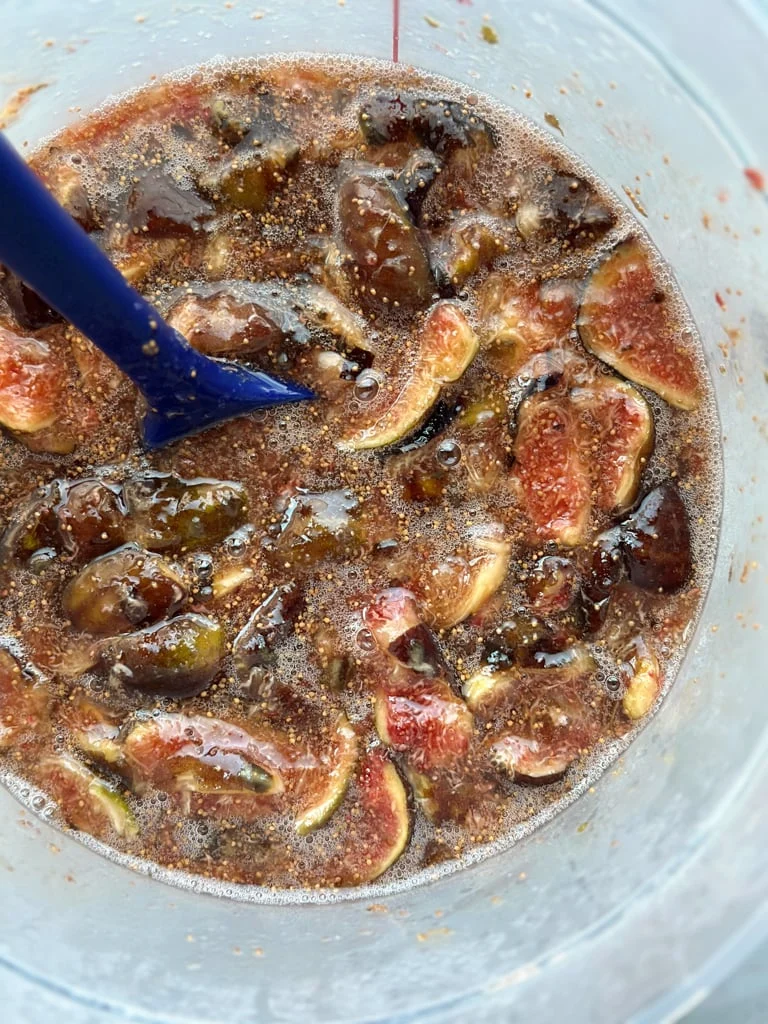
The Role of Sugar: Maceration and Preservation: Sugar plays a dual role in jam-making: it sweetens the fruit and acts as a primary preservative. The recipe dictates a precise 2:1 ratio of figs to sugar by weight. For instance, four pounds of figs require two pounds of sugar. This ratio can be adjusted by volume if a kitchen scale is unavailable, emphasizing the importance of consistency. After quartering, the figs are combined with sugar and vigorously stirred to ensure even coating. The recommendation to macerate the fruit and sugar mixture overnight in the refrigerator is a key technique. Maceration allows the sugar to draw out the natural juices from the figs, creating a syrupy liquid that speeds up the cooking process and helps prevent scorching. This pre-treatment also contributes to a more evenly cooked jam with better texture. The sugar, through osmosis, replaces water within the fruit cells, inhibiting microbial growth and extending the jam’s shelf life once sealed.

-
Critical Acidity: The Lemon Juice Factor: The third and arguably most critical ingredient for safe canning is lemon juice. Figs are naturally low in acid, and for boiling water bath canning to be safe, a specific concentration of acid (typically a pH of 4.6 or below) is required to inhibit the growth of harmful bacteria, particularly Clostridium botulinum. The recipe specifies two tablespoons of fresh lemon juice per pound of figs, doubling the amount often indicated by authoritative sources like the National Center for Home Food Preservation (NCHFP) for similar fig recipes. This increased quantity is a deliberate adjustment to account for potential variations in the acidity of fresh lemons, ensuring a robust safety margin while also enhancing the jam’s flavor. The lemon juice provides a bright counterpoint to the figs’ sweetness, preventing the jam from tasting cloyingly sugary and elevating the overall taste profile. It also contributes to the jam’s gelling properties by interacting with the pectin naturally present in the fruit.
-
The Cooking Process: Achieving the Perfect Set: Once the macerated figs, sugar, and lemon juice are combined in a large, non-reactive pot (stainless steel or enameled cast iron are recommended to prevent metallic off-flavors), the cooking commences. The instruction to bring the mixture to a high, active boil and maintain it while stirring every 2-3 minutes is crucial. Unlike recipes that rely on added pectin, this three-ingredient jam depends on the evaporation of water and the concentration of sugar to achieve its set. Continuous stirring prevents sticking and burning, ensuring even cooking. The cooking time, typically 25-30 minutes after reaching a boil, varies based on factors such as pot width, stove heat, and the figs’ initial water content. Indicators of doneness include a thickening consistency during stirring, a shift to a rosy red and translucent color in the fig pieces, and an overall glossy appearance. A practical test for set involves observing the droplets falling from a spatula: thick-based, slow-moving drops that are reluctant to separate from the utensil signify that the jam has reached the desired consistency. This method, often referred to as the "sheeting test," is a time-honored technique for assessing jam set without specialized equipment.

Home Canning: A Resurgent Trend
The re-emergence of this simple fig jam recipe comes amidst a sustained resurgence in home canning, a trend amplified by recent global events and a growing interest in self-sufficiency and sustainable living. Data from various sources indicates a significant uptick in home canning activity. For instance, during the initial phases of the COVID-19 pandemic, sales of canning supplies surged, with some retailers reporting increases of over 600% for items like canning jars and lids. This reflects a broader societal shift towards greater control over food sources, a desire to reduce food waste, and an appreciation for traditional skills.

-
Economic and Environmental Benefits: Home canning offers tangible economic advantages. By preserving seasonal produce at its peak, often when prices are lowest or when excess is available from gardens, households can significantly reduce their annual grocery bills. For example, purchasing figs in bulk during harvest season and preserving them can be considerably more cost-effective than buying commercially produced jams or out-of-season fresh fruit. Environmentally, home canning contributes to sustainability by minimizing food waste. Instead of discarding surplus produce, it is transformed into valuable pantry staples. This also reduces the carbon footprint associated with long-distance transportation and packaging of store-bought goods.
-
Food Safety Standards: The emphasis on precise ingredient ratios, particularly the lemon juice for acidity, underscores the paramount importance of food safety in home canning. Organizations like the NCHFP provide science-based guidelines to prevent foodborne illnesses. Understanding pH levels, processing times, and proper sealing techniques is non-negotiable. The recipe’s diligent adherence to these principles, including adjusting for altitude and implementing Ball’s recommended five-minute cooling period in the canner (to prevent siphoning and improve seal quality), showcases a commitment to safe practices that are essential for any reliable canning resource. This level of detail educates readers not just on how to make jam, but why specific steps are necessary for safety.

Processing and Storage
Once the jam reaches its perfect consistency, it is carefully funneled into prepared jars, ensuring a 1/4-inch headspace. This headspace is vital for proper vacuum seal formation during processing. Any sticky drips on the jar rims are wiped clean, as even a small amount of sugar residue can compromise the seal. New lids and clean rings are applied, with rings tightened "fingertip tight" – just until resistance is felt – to allow air to escape during processing without buckling the lids.

The filled jars are then processed in a boiling water bath canner for ten minutes. This processing time must be adjusted for altitude above 1,000 feet, a critical safety measure often overlooked. Following processing, the jars undergo a five-minute cooling period within the canner before being removed to a wooden cutting board or folded kitchen towel to cool completely. This gradual cooling step, a more recent recommendation from canning experts like Ball, helps ensure a stronger vacuum seal and prevents siphoning, which can lead to liquid loss and compromised preservation. Once cooled, seals are checked by pressing on the center of the lid; a properly sealed lid will not flex. Sealed jars can be stored in a cool, dark place for at least a year, offering a prolonged enjoyment of seasonal flavors. Any unsealed jars must be refrigerated and consumed promptly.
Culinary Versatility and Broader Implications

The resulting fig jam is not just a delicious spread for toast; its rich, bright flavor makes it exceptionally versatile in culinary applications. As the article suggests, it pairs exquisitely with a variety of cheeses and cured meats, making it an ideal accompaniment for charcuterie boards. Beyond savory pairings, it shines in baked goods such as jam crumble bars, thumbprint cookies, rugelach, and hamantaschen, adding a sophisticated fruity note. This adaptability enhances the value of home-canned goods, transforming them from simple preserves into gourmet ingredients.
The re-launch of "Food in Jars" with this specific recipe signals more than just the publication of a new dish. It underscores a broader cultural movement towards mindful consumption, skill acquisition, and community connection through shared knowledge. The blog’s return reinforces the importance of reliable, tested resources in an era of information overload, particularly in fields like food preservation where safety is paramount. For home cooks, it provides renewed inspiration and practical guidance to engage with their food in a more profound and sustainable way, turning the fleeting bounty of nature into lasting culinary treasures.