For those craving the unparalleled taste of authentic deli-style brisket pastrami, this comprehensive guide offers a step-by-step journey to achieving this culinary masterpiece in your own kitchen. This recipe meticulously details the entire process, from the initial curing of the brisket in a robust corned beef brine to its final transformation after a slow and low smoke, culminating in a tender, sliceable pastrami with that iconic, peppery crust. While the curing process requires several days, the reward is a deeply flavorful and succulent pastrami that undeniably surpasses any store-bought alternative.
Understanding Pastrami: A Culinary Tradition
Pastrami, at its core, refers to meat that has undergone a curing process, followed by smoking and seasoning with a distinct blend of bold spices that form a characteristic, flavorful crust. Historically, the most common cuts used for pastrami have been beef brisket and beef navel. However, the versatility of this preparation method allows for experimentation with other cuts, such as beef chuck roast, which has been a popular alternative for many home cooks.
The origins of pastrami are rich and varied, extending beyond the familiar beef preparations. Research into the history of pastrami reveals fascinating accounts from publications like "The Taste," which explore its roots in Turkish and Eastern European culinary traditions. These traditions saw pastrami prepared from a wider array of meats, including goat, mutton, and even geese, highlighting a global appreciation for this cured and smoked delicacy. The fundamental distinction between pastrami and its close relative, corned beef, lies in the smoking process. While both are cured, pastrami is finished with a distinct smoking stage that imparts a unique depth of flavor and texture.
The Journey to Perfect Pastrami: A Multi-Day Process
Achieving truly exceptional pastrami is a multi-stage endeavor that requires patience and precision. The process can be broadly categorized into three key phases: curing, seasoning, and smoking. Each step plays a crucial role in developing the complex flavors and desirable textures that define authentic pastrami.
Phase 1: The Cure – Building the Foundation
The initial step involves curing the brisket, typically using a corned beef brine. This brine, often a gallon in quantity, is prepared with a specific ratio of salt, sugar, spices, and curing agents. It’s essential that the brine is completely cooled before use to prevent unwanted cooking of the meat. The brisket is then submerged in this brine, often within a specialized meat prep bag, and refrigerated for an extended period, typically ranging from five to seven days. This extended curing time allows the salt and other curing ingredients to penetrate the meat, breaking down proteins, enhancing moisture retention, and beginning the process of flavor development.

Phase 2: The Seasoning – Crafting the Crust
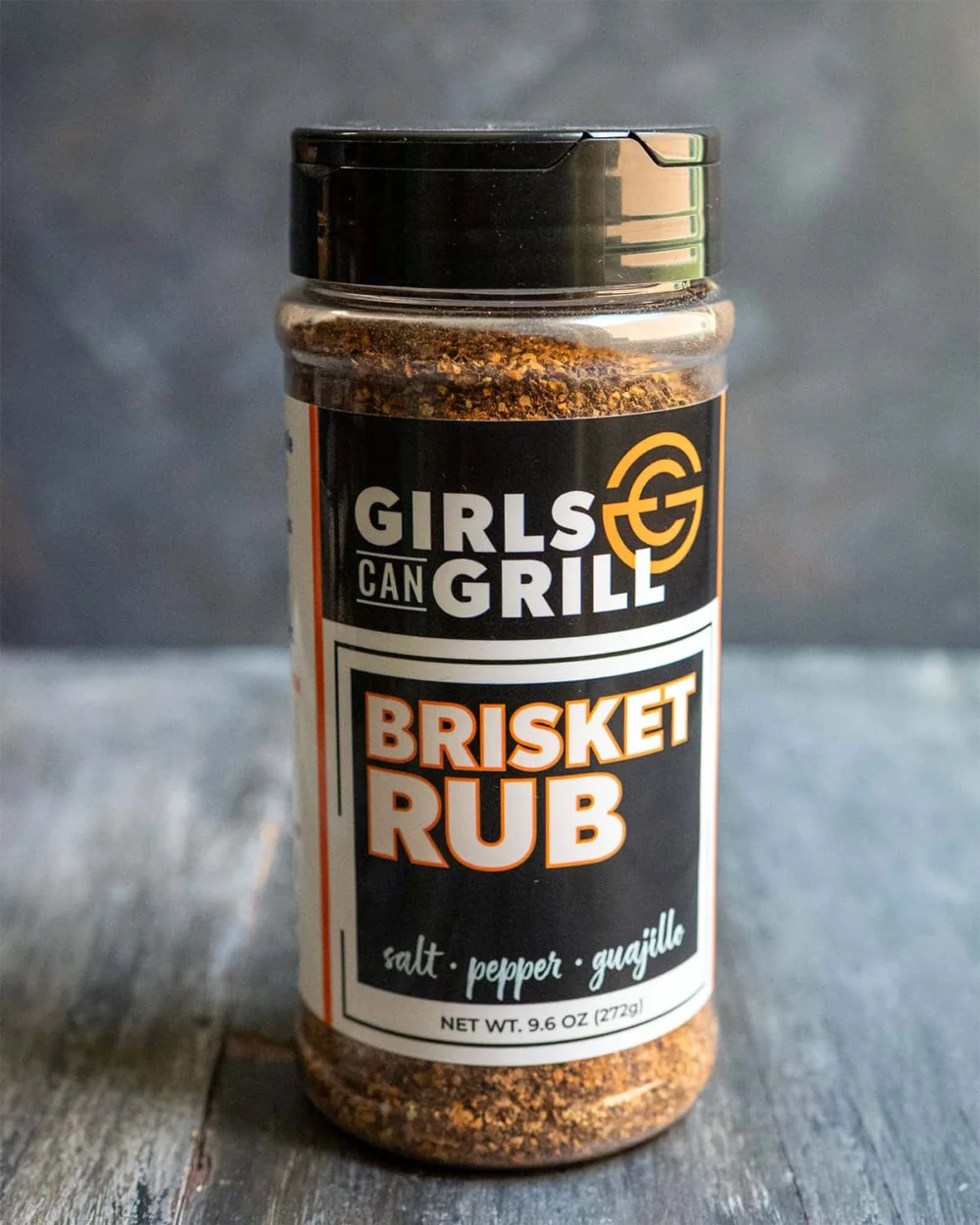
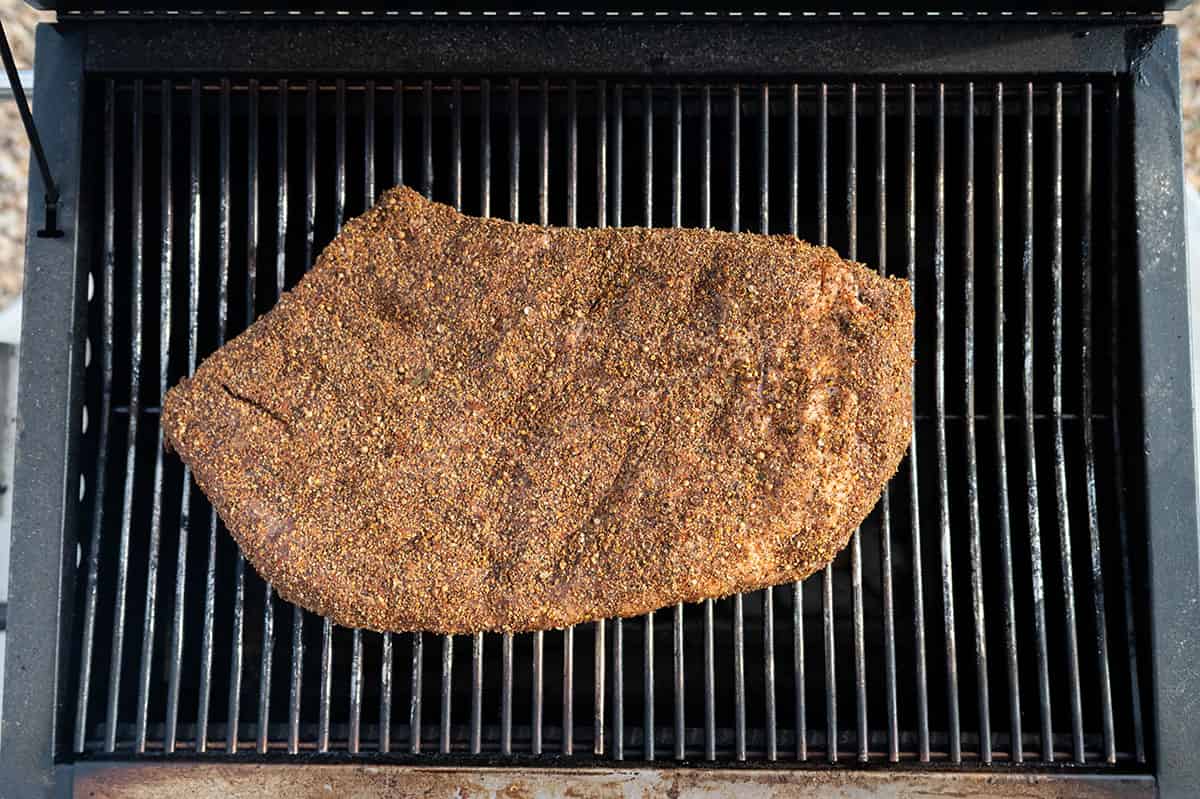
Following the brine, the brisket is removed and thoroughly rinsed to eliminate any excess salt and curing residue. It is then meticulously patted dry. This is the stage where the signature pastrami rub is applied. A well-formulated pastrami rub typically includes a generous amount of black pepper, coriander, and other aromatic spices, creating a robust and flavorful coating. After seasoning, the brisket is often returned to the refrigerator, uncovered, for an additional day. This allows the surface to dry out slightly, promoting better smoke adhesion and the formation of a superior bark during the smoking process.
Phase 3: The Smoke – Unlocking the Flavor
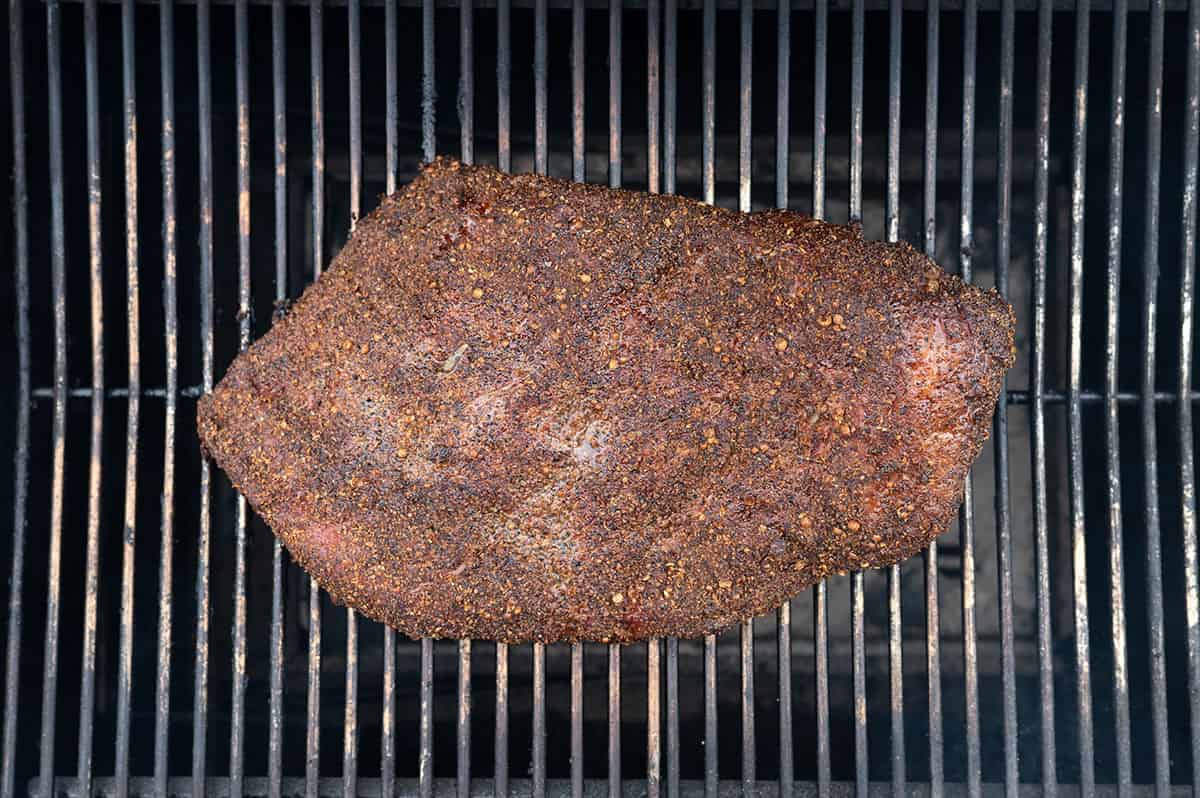
The final and arguably most critical phase is the smoking of the brisket. This is achieved by heating a grill or smoker to a temperature range of 225-275°F (107-135°C), ensuring an indirect heat zone is established. The seasoned brisket is then placed on the smoker over this indirect heat. During the smoking process, the brisket is often spritzed periodically, typically every 30 minutes, with an acidic liquid like apple cider vinegar. This spritzing helps to keep the surface moist and encourages smoke penetration.
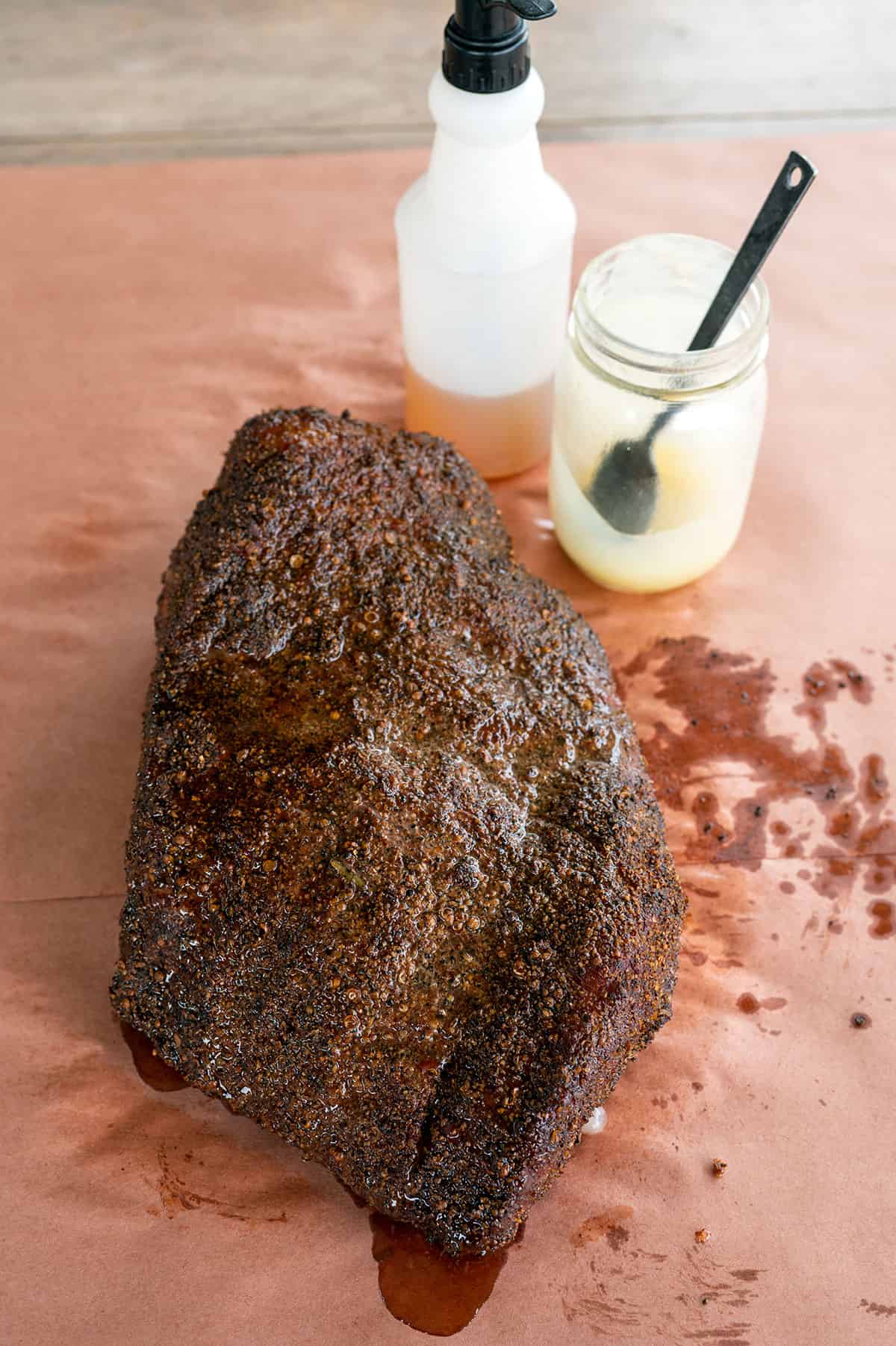
The smoking continues until the brisket reaches an internal temperature of approximately 160-170°F (71-77°C). At this point, the meat will have developed a desirable, dark bark. To further enhance moisture and tenderness, the brisket is then wrapped. This is commonly done using two layers of butcher paper. The wrapped brisket is returned to the smoker. A pro tip for this stage involves adding a small amount of beef tallow and more apple cider vinegar to the butcher paper before wrapping, creating a steamy environment that further tenderizes the meat.
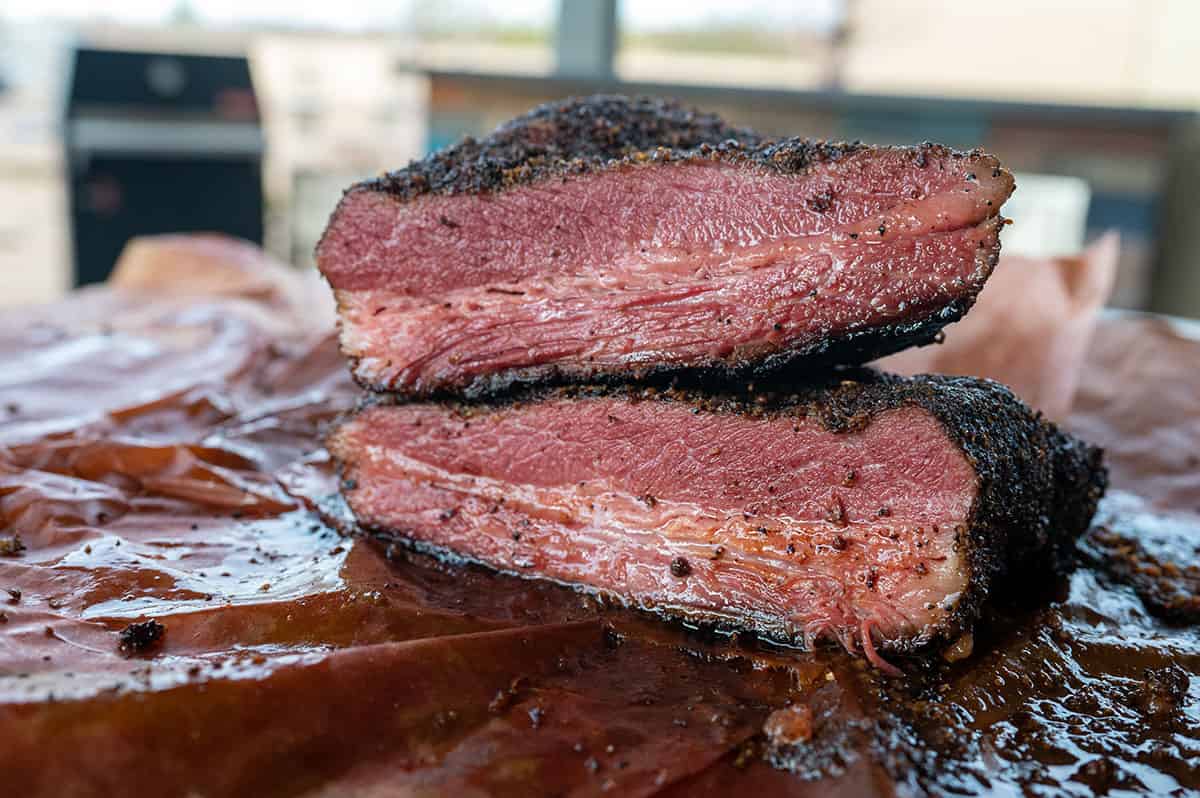
The smoking process is completed when the brisket achieves an internal temperature of 205-210°F (96-99°C), indicating that the connective tissues have broken down sufficiently, resulting in a tender and succulent product.
The Crucial Rest: Allowing Flavors to Meld
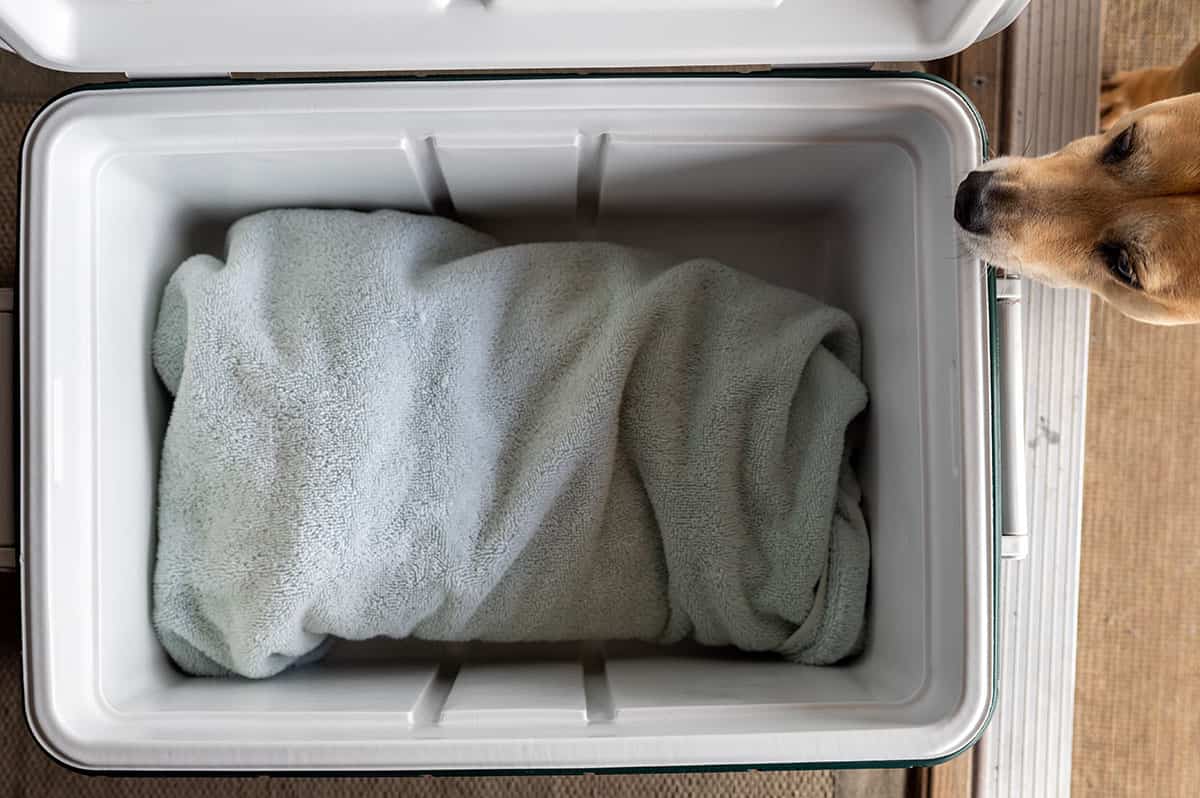
Once the brisket has reached its target internal temperature, it is removed from the smoker. A critical step often overlooked is the rest period. The brisket is typically wrapped in a towel and placed in a cooler without ice. This insulated environment allows the meat to rest for at least one hour. During this resting period, the internal temperature gradually decreases, allowing the juices to redistribute throughout the meat. This redistribution is vital for achieving a moist and tender pastrami, preventing the juices from escaping when the meat is sliced.
Serving and Storing Your Homemade Pastrami
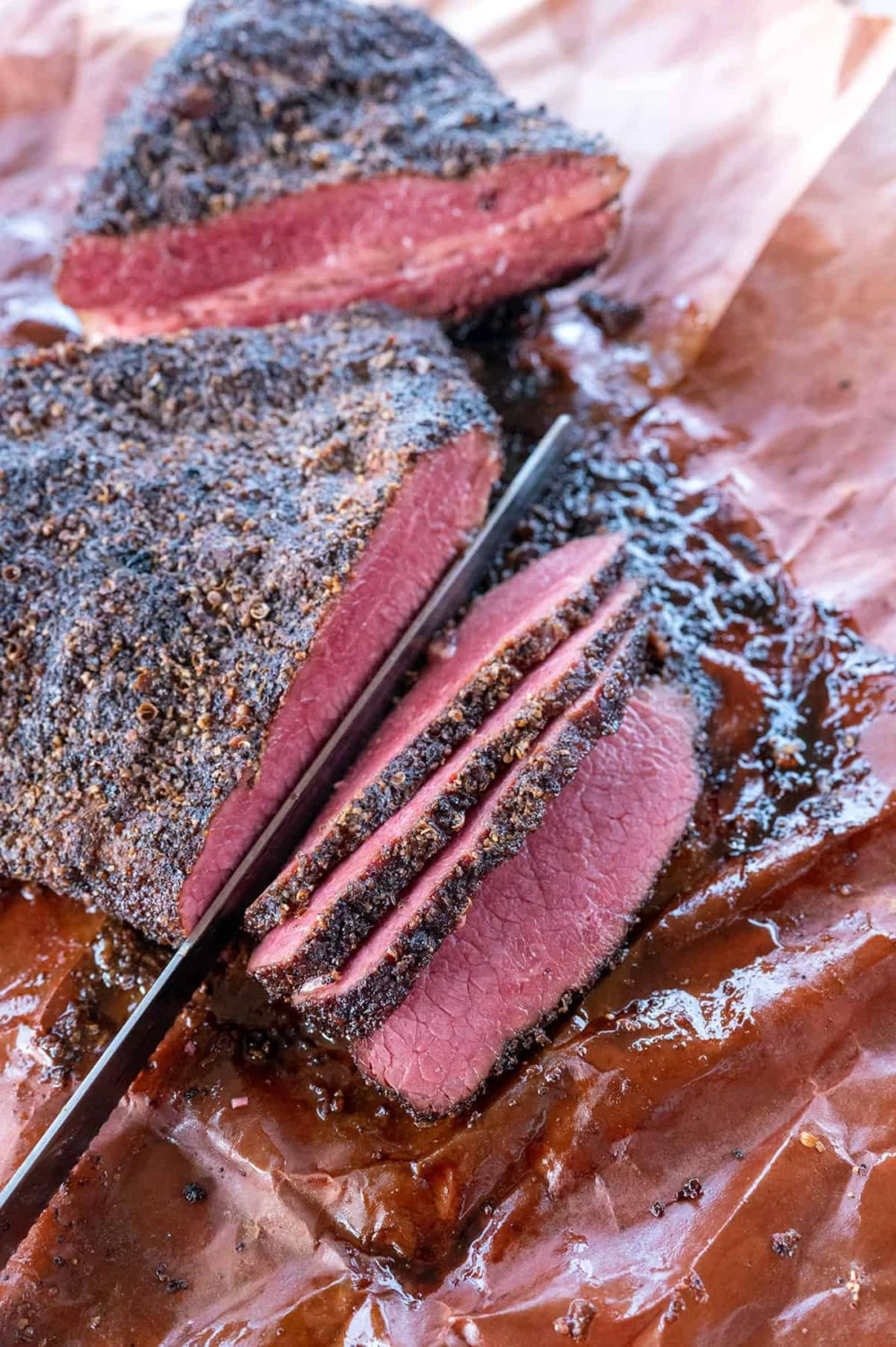
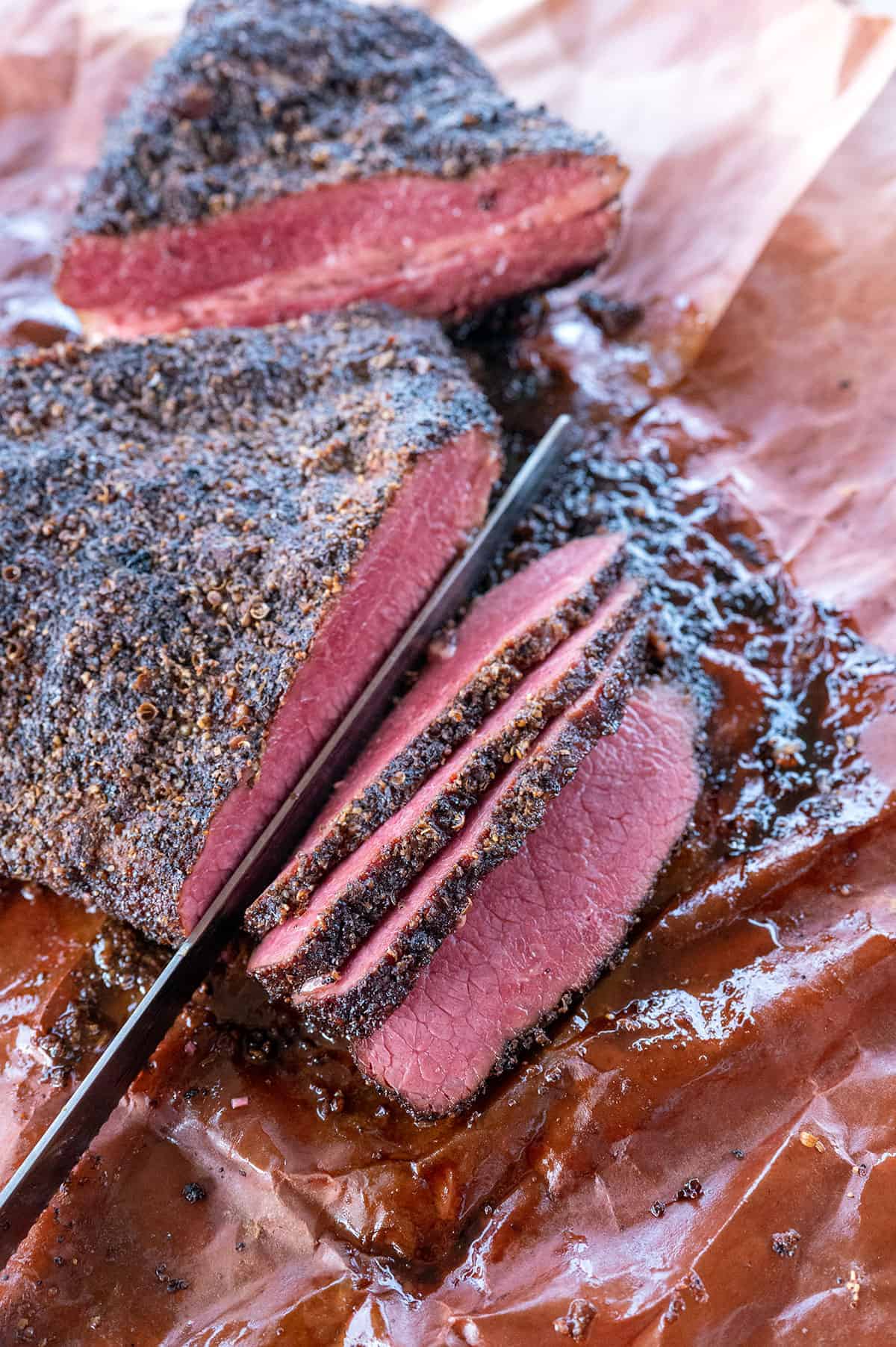
The presentation of your homemade pastrami is as important as its preparation. When slicing brisket pastrami, it is imperative to cut the flat end of the meat against the grain. This technique ensures maximum tenderness and a pleasing texture. Slices can be cut thick or thin, with thinner slices being ideal for classic pastrami sandwiches.
For those who prefer a more traditional deli experience, chilling the meat for about an hour before slicing can facilitate achieving extremely thin, shaved pieces, similar to what is found in professional delis. This can be achieved with a sharp knife or, for ultimate precision, a meat slicer.
The point meat, being more marbled and connective, is often best pulled apart or shredded. This method of preparation is also suitable for pastrami made from other cuts like pork shoulder or lamb shoulder.
The quintessential pastrami sandwich is typically constructed on rye bread, layered with ample slices of pastrami, complemented by Russian dressing, Swiss cheese, and sauerkraut. However, the versatility of pastrami extends far beyond this iconic preparation. It is equally delicious served simply with traditional sides such as cabbage and potatoes. Many families enjoy this smoked delicacy alongside white rice or as a sophisticated addition to a charcuterie board. Furthermore, pastrami can be creatively incorporated into a variety of dishes, including breakfast hashes, creamy macaroni and cheese, stir-fried rice, or even as a unique pizza topping, inviting culinary exploration.
Regarding storage, the USDA indicates that cured and cooked pastrami can be safely stored in an airtight container in the refrigerator for up to 40 days. For longer preservation, freezing is a highly recommended option, with pastrami retaining its quality in the freezer for several months.
Equipment and Ingredients: A Detailed Look
To embark on this culinary adventure, a specific set of equipment and ingredients is required.
Essential Equipment:
- Meat Prep Bags: For effective and sanitary brining.
- Smoker or Grill: Capable of maintaining consistent low temperatures and indirect heat.
- Meat Thermometer: Crucial for monitoring internal temperatures accurately.
- Butcher Paper: For wrapping the brisket during the smoking process.
- Cooler: For the essential resting period.
- Sharp Knife or Meat Slicer: For precise slicing of the finished product.
Key Ingredients:
- Beef Brisket: The primary cut for this recipe, ideally an untrimmed brisket of 10-11 pounds to yield a finished product of approximately 6 pounds. Pre-trimmed flats or points from a grocery store can also be used.
- Corned Beef Brine: The foundation for the curing process. Recipes for homemade corned beef brine are readily available.
- Pastrami Rub: A proprietary blend of spices, typically featuring black pepper and coriander as primary components.
- Apple Cider Vinegar: Used for spritzing during the smoking process.
- Beef Tallow: An optional, but highly recommended, addition for enhancing moisture and richness during the wrap.
Nutritional Considerations
The nutritional profile of pastrami can vary significantly depending on the cut of meat used and the preparation methods. Cuts with higher fat content, such as pork belly or brisket, will naturally be richer in calories and fat. It is important to note that pastrami, due to the curing process, is generally high in sodium. Individuals monitoring their blood pressure or managing other health conditions that require sodium restriction should consume pastrami in moderation. While the article provides approximate nutritional information per serving (Calories: 467 kcal, Carbohydrates: 0.4g, Protein: 33g, Fat: 36g, Saturated Fat: 12g, etc.), these figures are automatically calculated and should be considered approximations.
Frequently Asked Questions
What’s the difference between pastrami and corned beef?
The primary distinction lies in the cooking method. Corned beef is cured and then typically cooked without smoke, often through boiling, oven baking, or slow cooking in a pot. Pastrami, conversely, is cured and then smoked, imparting a characteristic smoky flavor and aroma.
Is pastrami healthy?
The healthfulness of pastrami is relative. Leaner cuts of meat will offer a healthier profile than those with higher fat content. However, the high sodium content in cured meats like pastrami means it should be consumed in moderation, particularly for individuals with specific dietary restrictions or health concerns related to sodium intake.
Can dogs eat pastrami?
While a small, infrequent taste of pastrami is unlikely to cause severe harm to a dog, it is not recommended as part of their regular diet. The high levels of salt and fat present in pastrami can be detrimental to a dog’s health. Pet owners should always consult with their veterinarian for personalized dietary advice for their pets.
By following these detailed steps and understanding the nuances of the process, home cooks can confidently create a batch of brisket pastrami that rivals, and often surpasses, the offerings of the finest delis. The reward is a deeply satisfying, flavorful, and tender meat that is perfect for sandwiches, platters, or any culinary creation imaginable.