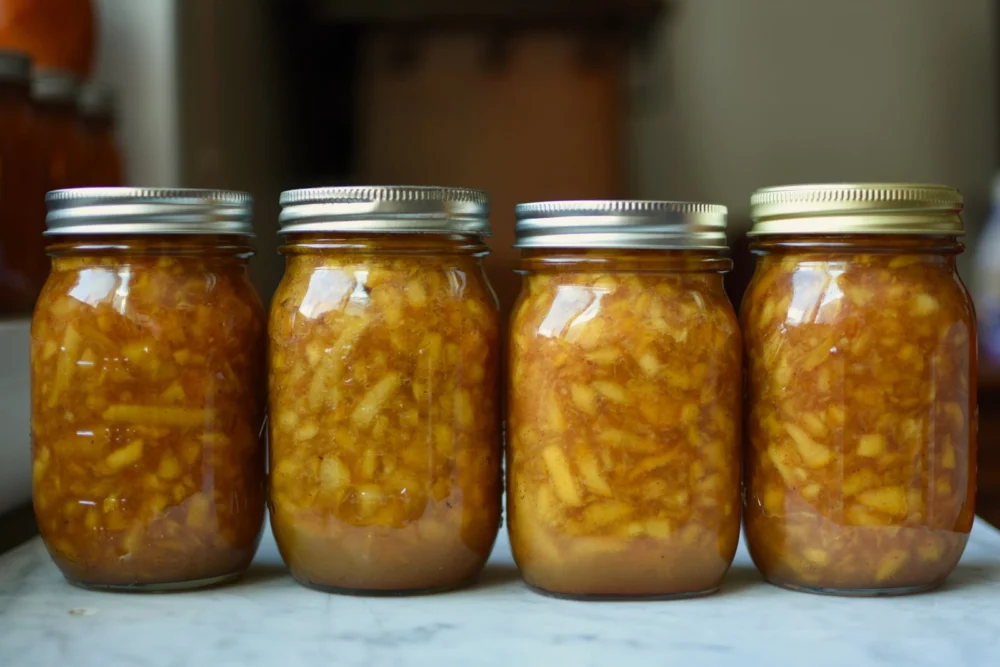
The growing demand for healthier food options and specialized dietary solutions has led to a significant culinary breakthrough in the realm of home preservation: the successful development of a palatable and properly set sugar-free peach jam. This innovation, spearheaded by collaborative efforts in the home canning community and advancements in food science, offers a satisfying alternative for individuals seeking to reduce sugar intake without sacrificing the rich, vibrant flavors of summer fruit preserves. This shift marks a notable evolution in traditional canning practices, moving beyond historical sugar-centric recipes to embrace modern health-conscious approaches.
Meeting the Demand for Health-Conscious Preservation
The art of home canning has long been cherished for its ability to capture seasonal abundance and provide year-round sustenance. For generations, fruit jams and jellies have been a cornerstone of this tradition, offering a sweet taste of summer even in the depths of winter. However, these traditional recipes invariably rely heavily on sugar, not merely as a sweetener but as a critical component for preservation, texture, and color retention.

Historical Context of Jam Making and Sugar’s Role
Historically, sugar played multiple indispensable roles in jam production. First, it acts as a preservative, inhibiting microbial growth by reducing water activity (osmosis). Second, it interacts with pectin to create the desired gelled texture, transforming fruit pulp into a spreadable preserve. Third, sugar contributes significantly to the flavor profile, balancing the acidity of fruits and enhancing their natural sweetness, while also helping to maintain vibrant fruit color. Without these attributes, early attempts at low-sugar or sugar-free jams often resulted in runny, unappealing, and quickly perishable products. This made the prospect of a truly satisfying sugar-free jam a long-standing challenge for home canners and food scientists alike.
The Growing Imperative for Sugar Reduction
In recent decades, a global paradigm shift in dietary awareness has brought the health implications of excessive sugar consumption into sharp focus. Public health campaigns and increasing rates of lifestyle-related conditions such as type 2 diabetes, obesity, and cardiovascular disease have prompted a widespread re-evaluation of dietary sugar intake. Consumers are actively seeking ways to reduce added sugars in their diets, extending this desire to homemade goods. This trend created a significant void in the home canning market: a reliable, delicious method for preparing sugar-free jams that meet modern health standards without compromising on quality or safety. For years, a dedicated subset of home canners sought viable alternatives, experimenting with various sugar substitutes, often with unsatisfactory results in terms of texture and taste. This persistent demand underscored the need for a scientifically sound and user-friendly solution.
Advancements in Pectin Technology and Sweetener Alternatives
The recent success in developing a high-quality sugar-free peach jam is largely attributable to concurrent advancements in food ingredient technology, particularly in specialized pectins and non-nutritive sweeteners. These innovations have provided the necessary tools to circumvent the traditional reliance on sugar.

Mrs. Wages Pectin: A Catalyst for Change
A pivotal development in this culinary evolution has been the availability of specialized pectin formulations designed to function effectively in low-sugar or sugar-free environments. Traditional pectins require a high concentration of sugar (typically 60-65% of the total weight) and specific acidity levels to gel properly. Without sufficient sugar, regular pectin fails to form a stable gel, leading to a runny, syrup-like product rather than a firm jam.
Mrs. Wages, a long-standing and respected name in home canning supplies, has been at the forefront of addressing this challenge with its "Sugar Free Fruit Pectin Home Jell." Unlike high-methoxyl pectins used in conventional jams, sugar-free pectins often contain calcium and are formulated to gel at a wider range of sugar concentrations or even in its complete absence, typically relying on ionic bonding with calcium to achieve gelation. This technological advancement provides home canners with a reliable foundation for creating preserves that maintain desirable texture and spreadability, even without added sucrose. The availability of such specialized pectins has directly enabled the creation of recipes like the successful sugar-free peach jam, transforming what was once a frustrating endeavor into an achievable culinary goal.
The Role of Non-Sugar Sweeteners
Complementing the advancements in pectin technology is the evolution of non-sugar sweeteners. Early sugar substitutes, such as saccharin or aspartame, often presented challenges in terms of flavor profile, particularly when heated or used in large quantities, sometimes imparting metallic or bitter aftertastes. The texture they provided was also often different from sugar.

The emergence of erythritol-based sweeteners, such as Swerve, represents a significant improvement. Erythritol is a sugar alcohol that is naturally occurring, non-caloric, and generally well-tolerated. It provides a clean sweetness profile with minimal aftertaste, making it a highly suitable alternative for preserving. Unlike some other sugar alcohols, erythritol does not tend to crystallize excessively upon cooling, nor does it typically cause digestive discomfort in moderate amounts. Its heat stability also allows for its integration into cooked products without significant degradation of flavor. The strategic combination of these advanced sweeteners with specialized pectins has been crucial in achieving a balanced, beautifully set, and flavorful sugar-free jam that genuinely rivals its sugar-laden counterparts.
Crafting the Ideal Sugar-Free Peach Jam: A Methodological Overview
The development of a successful sugar-free peach jam recipe involves a meticulous process that accounts for the unique properties of sugar-free ingredients. The method recently championed by the "Food in Jars" blog, using Mrs. Wages Sugar Free Fruit Pectin Home Jell and Swerve, exemplifies this careful approach.
Meticulous Fruit Preparation
The process begins with the careful preparation of the fruit, typically four pounds of ripe peaches. A key technique for easy peeling involves blanching: peaches are halved, pitted, and arranged cut-side down on a baking sheet. Boiling water is poured over them, allowed to sit for two minutes, then drained, and followed by a rinse with cool tap water. This method effectively loosens the peels, allowing them to slide off with minimal effort, ensuring a smooth jam consistency. This preparatory step is vital for any peach jam but particularly so for sugar-free versions where the fruit’s natural flavor and texture are paramount.

Balancing Acidity and Liquid for Optimal Texture
Once peeled, the peaches are mashed into small bits and combined with one cup of apple juice and one-third cup of bottled lemon juice. This step is critical for several reasons unique to sugar-free jam making. In traditional recipes, sugar draws out liquid from the fruit, preventing scorching during cooking and contributing to the final texture. Sugar-free sweeteners, however, lack this osmotic property. The added apple juice compensates for this, providing the necessary liquid to ensure the peaches cook down sufficiently without burning. The bottled lemon juice is essential for its acidity, which not only brightens the peach flavor but also plays a crucial role in activating the specialized pectin and ensuring safe preservation, particularly in a low-sugar environment. The mixture is then allowed to sit for ten minutes, giving the pectin time to begin interacting with the fruit.
Precision in Pectin Activation and Flavor Infusion
The fruit and pectin mixture is then brought to a hard boil. During this heating phase, a thoughtful blend of spices—one teaspoon of cinnamon, half a teaspoon of ground cloves, and half a teaspoon of freshly grated nutmeg—is incorporated. These spices complement the peaches, adding depth and warmth to the jam’s flavor profile, making it a more complex and satisfying spread. The boiling process is precisely timed; once a hard boil is reached, it is maintained for exactly one minute. This strict adherence to timing is crucial, as Mrs. Wages instructions emphasize that overcooking the pectin can hinder its ability to set properly, a common pitfall in sugar-free jam production.
The Critical Timing of Sweetener Integration and Canning
Immediately after the one-minute hard boil, the pot is removed from the heat, and the non-sugar sweetener (1 1/4 cups of Swerve in this specific recipe) is stirred in. This post-boil addition of the sweetener is a deliberate choice to prevent any potential bitterness that can arise from prolonged heating of certain sugar substitutes. Once the sweetener is fully incorporated, the jam is ready for canning. It is carefully funneled into hot pint jars, leaving a precise quarter-inch headspace, a standard requirement for safe water bath canning. The rims are wiped clean, new lids and rings are applied, and the jars are processed in a boiling water bath canner for 10 minutes, with altitude adjustments made as necessary. Following processing, the jars are allowed to cool gradually in the canner for five minutes before being removed to a folded kitchen towel or wooden board to complete the cooling process and ensure proper sealing.

Expert Validation and Community Impact
The successful development of this sugar-free peach jam recipe represents a significant validation of persistent efforts within the home canning community to adapt traditional practices to modern dietary needs.
Addressing Long-Standing Canner Queries
For years, home canning enthusiasts and health-conscious individuals expressed a clear and consistent demand for reliable sugar-free jam recipes. The author of the "Food in Jars" blog noted that "a subset of people who have written to ask me about making jam with sugar substitutes" persisted for years, highlighting an unmet need. Initial attempts using common sugar substitutes like stevia and monk fruit often failed to deliver satisfactory results, leading to frustration and a perception that truly delicious sugar-free jam was unattainable. The recent success, therefore, addresses a long-standing query, offering a practical and enjoyable solution that many believed was out of reach. The author’s "delight" in finding a way to make a "satisfying and delicious sugar-free jam" reflects the broader sentiment of the canning community, marking a significant achievement in accessible home preservation.
The Broader Appeal of Accessible Sugar-Free Options
The successful creation of this recipe extends the appeal of home canning to a wider demographic. Individuals managing diabetes, those following ketogenic or low-carbohydrate diets, or simply those aiming to reduce their overall sugar intake can now confidently participate in the joys of preserving seasonal fruits. This inclusivity is crucial for the continued relevance and growth of home canning. It also empowers consumers by giving them greater control over the ingredients in their food, moving away from commercially produced jams that often contain artificial sweeteners or undesirable additives. This development fosters greater food autonomy and supports a more health-conscious approach to homemade staples.

Implications for Dietary Health and the Home Canning Market
The advent of reliable sugar-free jam recipes carries significant implications for dietary health, the market for home canning supplies, and broader food sustainability efforts.
Expanding Access for Diverse Dietary Needs
The most immediate impact is on public health. With global rates of diabetes and obesity continuing to rise, offering delicious and safe sugar-free alternatives for commonly consumed foods like jam can contribute meaningfully to healthier dietary patterns. It allows individuals who must restrict sugar intake due to medical conditions to enjoy homemade treats without compromising their health. Beyond medical necessity, it caters to a growing segment of the population proactively seeking to reduce their sugar consumption as part of a general wellness strategy. This expanded accessibility makes the pleasures of homemade preserves available to a more diverse population, promoting a balanced approach to diet.
Economic and Environmental Considerations
From an economic perspective, the demand for specialized sugar-free pectins and non-nutritive sweeteners is likely to grow, prompting further innovation and competition within the food ingredient industry. Manufacturers like Mrs. Wages, who have invested in developing these specialized products, stand to benefit from this expanding market. For consumers, making sugar-free jam at home can be more cost-effective than purchasing premium store-bought sugar-free preserves, which often carry a higher price point.

Environmentally, the ability to preserve more types of produce at home, irrespective of sugar content, reinforces the benefits of local food systems and reduces food waste. Home canners can utilize abundant seasonal produce, preventing spoilage and extending the shelf life of fresh fruits, thereby contributing to sustainable food practices. This aligns with broader movements towards self-sufficiency and mindful consumption.
Best Practices and Future Outlook for Sugar-Free Preserves
While the development of sugar-free jam is a significant step forward, understanding its nuances and best practices is crucial for ensuring both quality and safety.
Ensuring Quality and Longevity
One key difference with sugar-free jams is their shelf stability. Unlike their sugar-laden counterparts, which benefit from sugar’s preservative qualities, sugar-free jams generally have a shorter refrigerated shelf life once opened. The absence of high sugar concentrations means they are more susceptible to spoilage. To mitigate this, experts recommend using smaller jars (half-pint or 4-ounce) for sugar-free preserves, ensuring that an opened jar can be consumed within a couple of weeks before spoilage occurs. It is also important to note that while the jam may appear runny immediately after processing, it often takes a full day to achieve its final set, requiring patience from the canner. Strict adherence to proper canning techniques, including headspace, lid application, and processing times, remains paramount for safety, irrespective of sugar content.

The Horizon of Healthy Home Preservation
The success of recipes like the sugar-free peach jam signals a promising future for healthy home preservation. As food science continues to advance and consumer preferences evolve, it is anticipated that more innovative recipes and specialized ingredients will emerge, further broadening the scope of sugar-free and low-sugar canning. This trend not only caters to immediate dietary needs but also fosters a dynamic and adaptive approach to traditional culinary arts, ensuring that the cherished practice of home preservation remains relevant and accessible for generations to come. The initial success with peach jam serves as a testament to the potential for blending culinary heritage with modern health consciousness, proving that delicious and safe preserves can indeed be enjoyed by all, regardless of dietary restrictions.