The culinary world constantly seeks innovation, pushing the boundaries of what is possible in dessert presentation. Among the most visually striking and versatile decorative elements is edible sugar glass, a confectionary marvel that transforms ordinary treats into extraordinary edible art. This translucent, hard candy offers bakers and decorators a unique medium to craft intricate designs, from realistic windows in gingerbread structures to sharp, dramatic shards that mimic broken glass for themed celebrations. The process, while appearing complex, is rooted in fundamental candy-making principles, making it an accessible yet impressive skill for both novice and experienced culinary enthusiasts.
Unveiling the Magic of Edible Sugar Glass
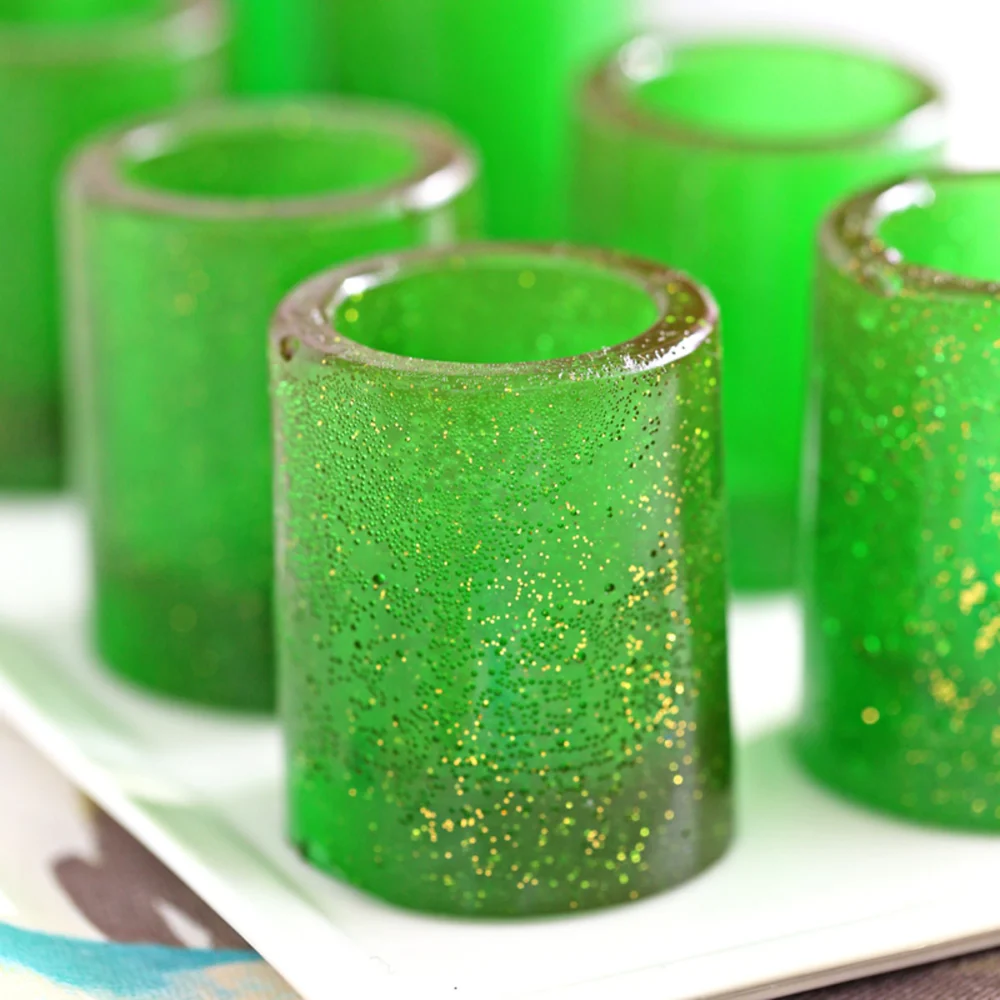
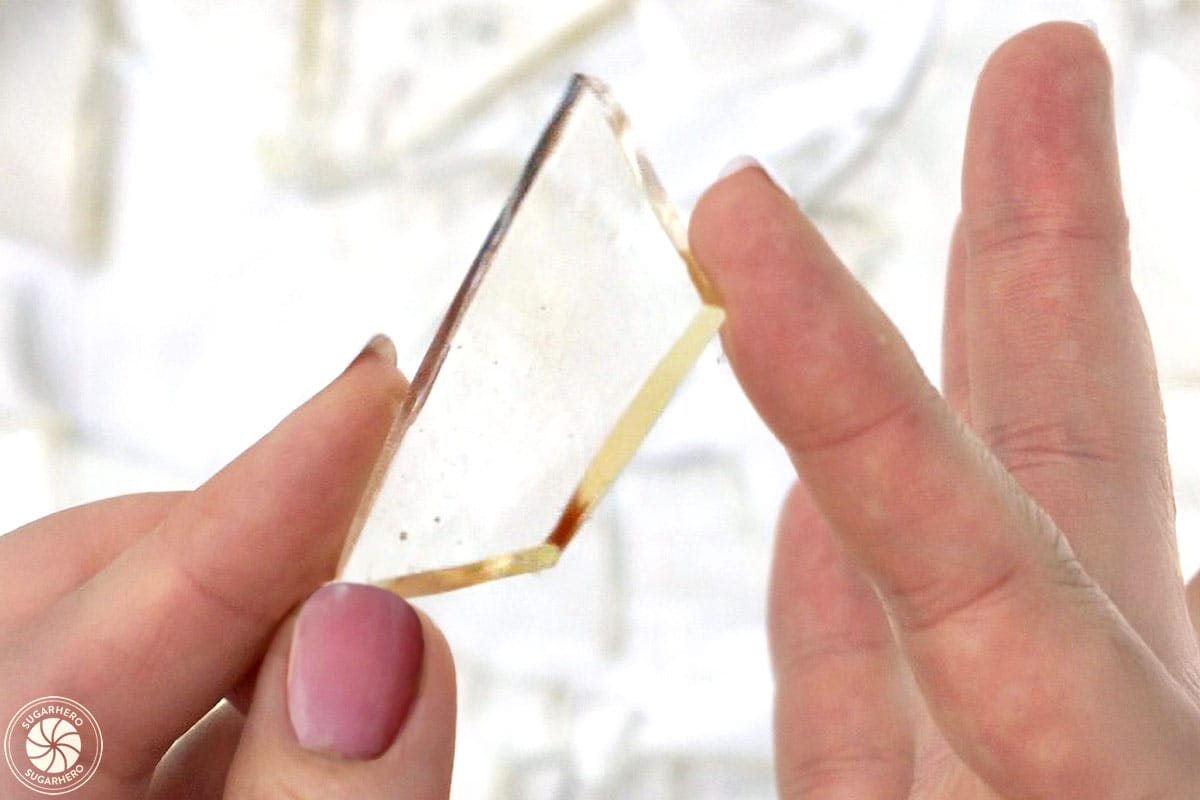
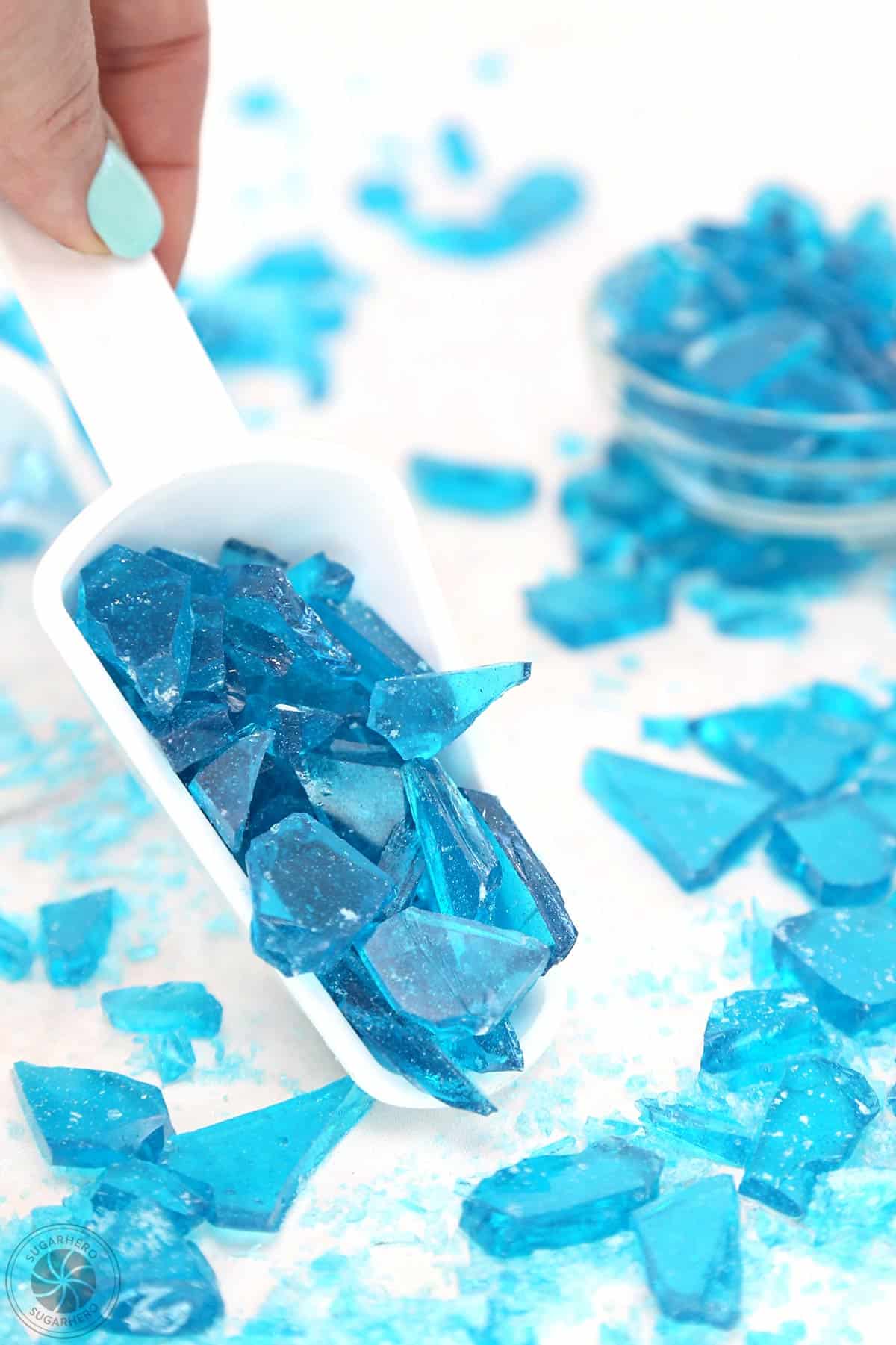
Edible sugar glass, often referred to as isomalt or pulled sugar glass, is a clear, hard candy that can be manipulated into various forms. Its appeal lies in its ability to be colored and flavored, allowing for endless creative possibilities. This adaptable ingredient serves as a cornerstone for numerous decorative applications. Gingerbread houses gain authenticity with shimmering candy windows, Halloween cupcakes can be adorned with a touch of gothic flair using jagged glass shards, and even thematic creations inspired by popular culture, such as the iconic blue rock candy from "Breaking Bad," can be realized.
The versatility extends beyond mere aesthetics. Sugar glass can be precisely shaped to fit specific project requirements. Pouring the molten sugar onto a flat, heat-resistant surface allows it to cool and harden, after which it can be broken into smaller, irregular pieces. Alternatively, it can be poured into molds for consistent shapes or directly into pre-cut openings in baked goods like cookies or gingerbread house panels, creating instant, edible windows. This adaptability makes it an invaluable tool for enhancing the visual narrative of any dessert.
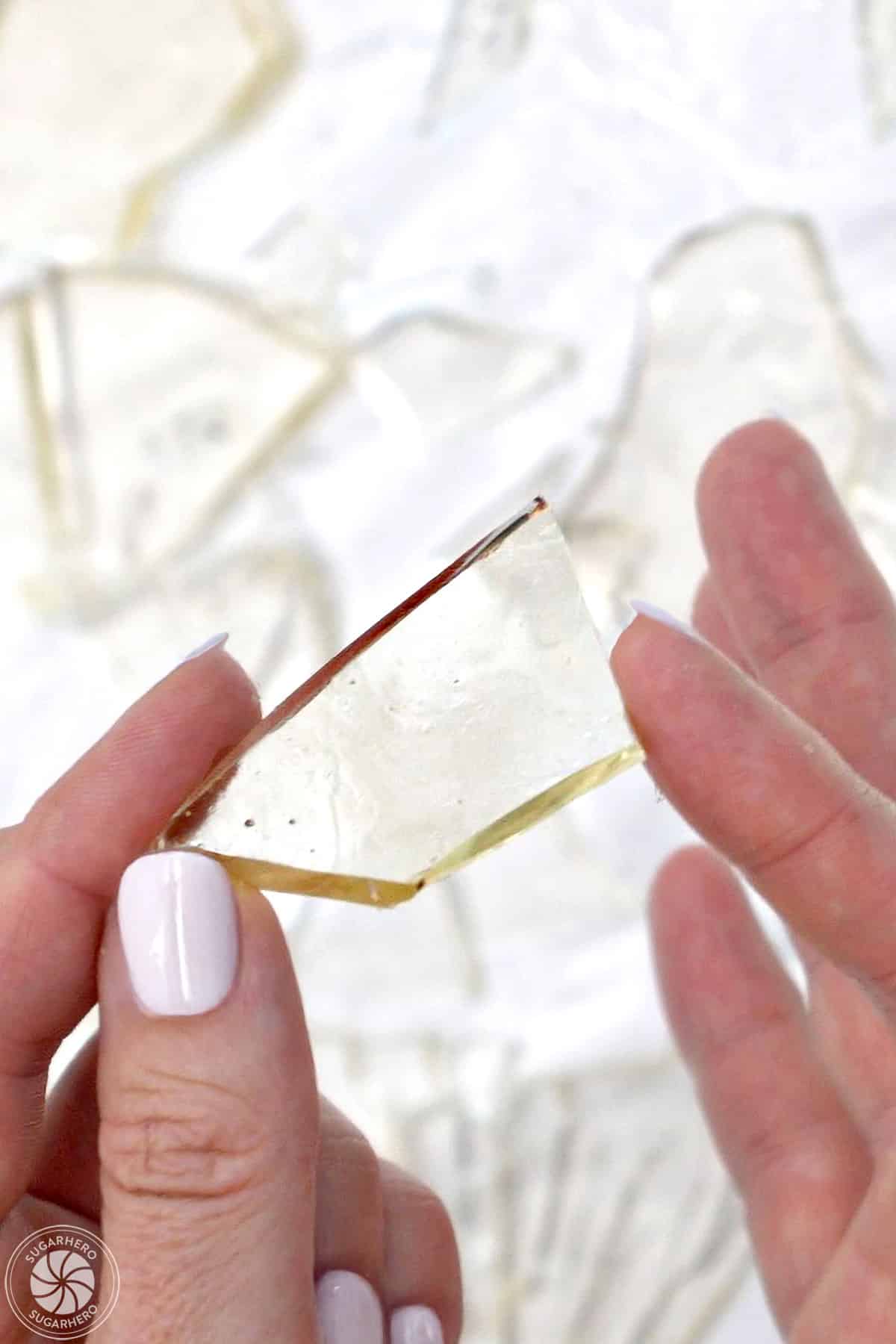
The Process: Achieving Crystal Clarity and Hardness
The creation of flawless edible sugar glass, while demanding precision, is surprisingly achievable with clear guidance, even for those new to the intricate world of candy making. Success hinges on mastering a few key steps that ensure the desired clarity and hardness.
Essential Ingredients for Sugar Glass
The foundation of edible sugar glass is built upon a few core ingredients, each playing a critical role in the final outcome. While the precise measurements are detailed in the recipe, understanding the function of each component is crucial for successful execution.
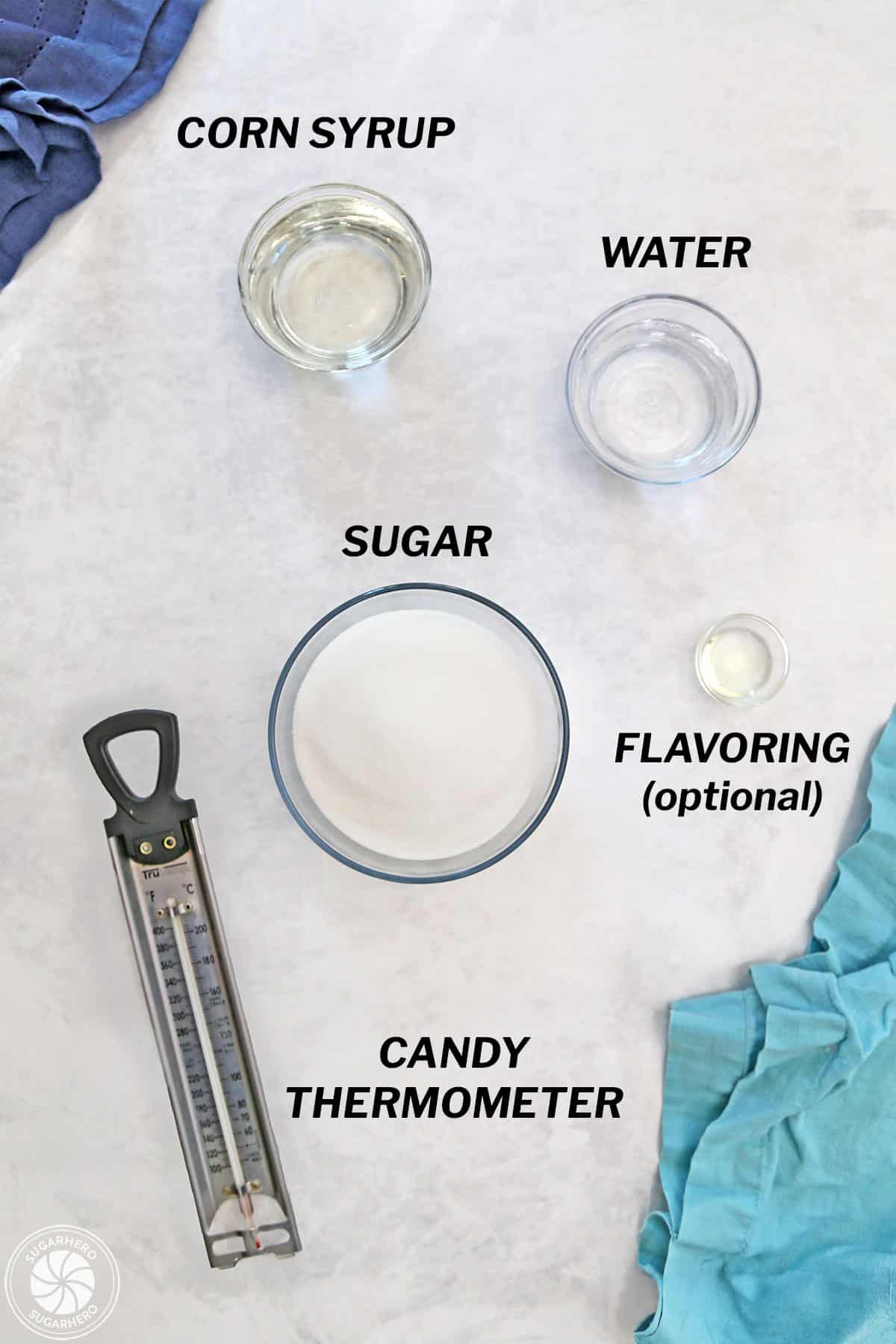
- Granulated Sugar: This is the primary sweetener and structural component of the glass. Its purity is essential for achieving a clear result. Using standard granulated sugar is recommended, as alternative sweeteners may affect the cooking temperature and final texture.
- Corn Syrup: A vital ingredient, corn syrup acts as an invert sugar, meaning it prevents the sucrose molecules in granulated sugar from re-crystallizing. This inhibition is key to achieving a smooth, clear, glass-like texture rather than a grainy, opaque candy. It significantly increases the candy’s stability and reduces the likelihood of crystallization.
- Water: Water is necessary to dissolve the sugar and corn syrup, creating the initial syrup base. The amount of water influences the cooking time and the final sugar concentration.
- Optional Flavorings and Colorings: Once the base syrup reaches the desired temperature, flavor extracts and food-grade coloring can be added. Liquid or gel food colorings are generally preferred for their vibrant hues and minimal impact on the syrup’s consistency. Oil-based flavorings can sometimes cause the sugar to seize or become cloudy, so water-soluble options are typically recommended.
Crucial Equipment for Precision
The right tools are indispensable for navigating the delicate process of sugar glass creation. Many of these are standard kitchen items, but a few specialized pieces ensure accuracy and safety.
- Heavy-Bottomed Saucepan: A thick-bottomed pot distributes heat evenly, preventing scorching and allowing for consistent cooking. A minimum 3-quart capacity is advisable to accommodate bubbling syrup.
- Candy Thermometer: This is arguably the most critical tool. Accurate temperature readings are paramount, as sugar glass must reach the "hard crack" stage, typically between 300°F and 310°F (149°C and 154°C), to achieve the desired hardness and clarity. Digital candy thermometers offer greater precision.
- Silicone Baking Mat or Parchment Paper: These surfaces are essential for pouring and cooling the molten sugar. Silicone mats offer excellent non-stick properties and allow for easy removal of the hardened glass. If using parchment paper, ensure it is heavy-duty to withstand the heat.
- Heat-Resistant Spatula or Spoon: Used for initial stirring before the boiling point, a heat-resistant utensil is necessary for safely handling the hot syrup.
- Pastry Brush and Water: A clean pastry brush dipped in water is used to wash down the sides of the saucepan. This prevents sugar crystals from forming on the pan’s interior, which can lead to crystallization in the final product.
- Heat-Resistant Gloves: When handling freshly poured or still-warm sugar, heat-resistant gloves are highly recommended for safety.
Pro Candy Thermometer Tips
The accuracy of a candy thermometer is paramount. It is advisable to calibrate your thermometer before use to ensure reliable temperature readings. Many thermometers can be calibrated by immersing the bulb in boiling water; it should register 212°F (100°C) at sea level. If it doesn’t, adjust your expectations or recalibrate according to the manufacturer’s instructions.
The Chronology of Sugar Glass Creation
The process of making edible sugar glass involves several distinct phases, each requiring careful attention.
- Preparation of the Workspace: Before beginning, ensure your silicone mat or parchment paper is laid out on a flat, heat-resistant surface. Have your coloring and flavoring agents ready for quick addition once the syrup reaches temperature.
- Combining Ingredients: In the heavy-bottomed saucepan, combine the granulated sugar, corn syrup, and water. Stir gently over medium heat until the sugar is completely dissolved. This initial stirring is crucial for a smooth base.
- Reaching the Hard Crack Stage: Once the sugar is dissolved, stop stirring. Bring the mixture to a boil. Insert the candy thermometer, ensuring the bulb does not touch the bottom of the pan. As the syrup approaches boiling, use the pastry brush dipped in water to wash down any sugar crystals clinging to the sides of the pan. This step is critical to prevent crystallization.
- Boiling and Monitoring Temperature: Allow the syrup to boil undisturbed until it reaches the hard crack stage, between 300°F and 310°F (149°C and 154°C). The color of the syrup will deepen slightly to a pale amber as it approaches the final temperature.
- Adding Color and Flavor (Optional): Once the target temperature is reached, immediately remove the pan from the heat. Carefully stir in your chosen food coloring and flavorings. Be cautious, as the hot syrup will bubble vigorously.
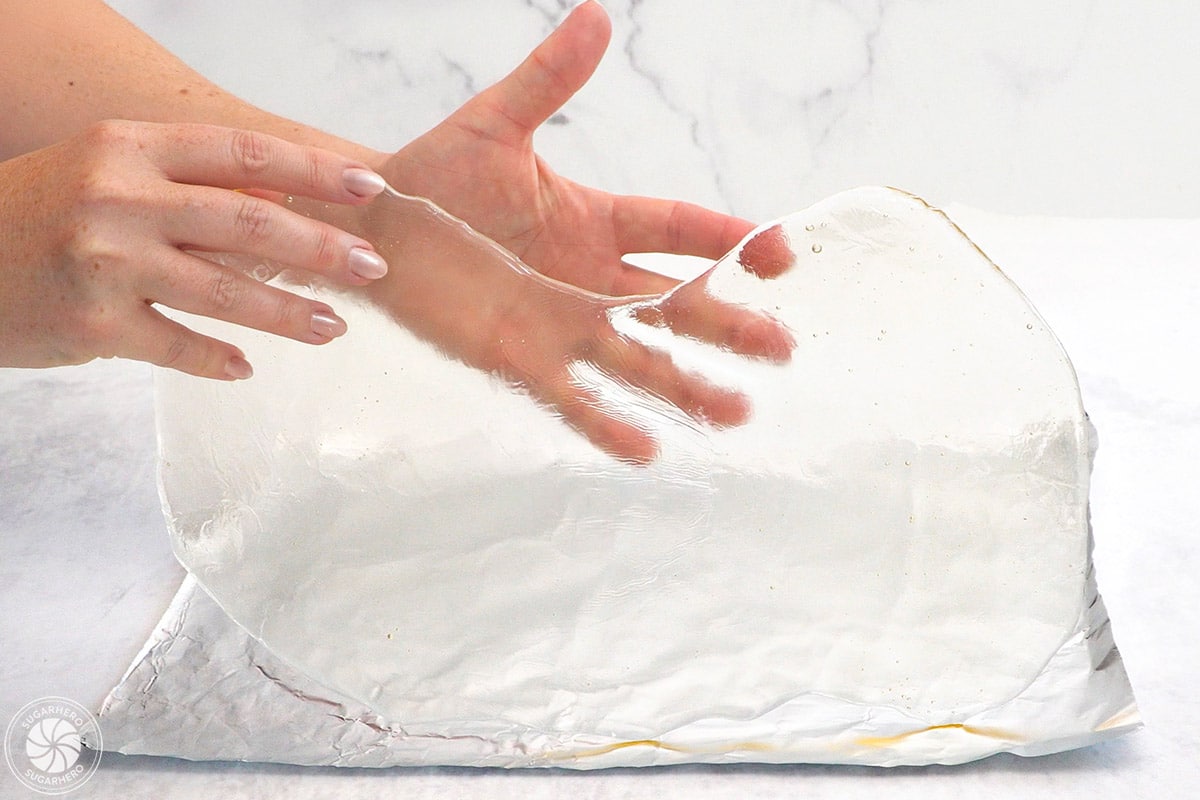
- Pouring and Cooling: Quickly and carefully pour the molten sugar onto the prepared silicone mat or parchment paper. For a thin sheet, tilt the mat to spread the syrup. If creating windows for baked goods, you can pour directly into pre-formed molds or cut-outs. Allow the sugar glass to cool completely and harden. This can take anywhere from 30 minutes to an hour, depending on the thickness and ambient temperature.
- Breaking and Shaping: Once fully hardened, the sugar glass can be broken into shards by gently tapping it with a heavy object or by carefully scoring it with a sharp knife. For more controlled shapes, it can be molded while still slightly pliable (though this requires extreme caution due to the heat).
Frequently Asked Questions for Culinary Success
Navigating the nuances of candy making can present challenges, and sugar glass is no exception. Addressing common concerns beforehand can significantly improve the chances of a successful outcome.
-
Why is my candy sticky?
Stickiness in hard candy is almost always attributable to humidity. Sugar is hygroscopic, meaning it readily absorbs moisture from the air. High humidity environments are the enemy of brittle candy. To mitigate this, avoid making sugar glass on humid or rainy days. Proper storage is also key: an airtight container at room temperature is essential. For particularly humid climates, incorporating silica gel packets within the storage container can help absorb excess moisture and prolong the candy’s crispness. -
Why is my candy not hardening?
If the candy remains too soft or fails to set properly, it indicates that it has not been cooked to a sufficiently high temperature. If a candy thermometer was used, it is prudent to verify its accuracy. Furthermore, double-checking the ingredient quantities and ensuring the cooking temperature was precisely maintained are vital steps. The "hard crack" stage is non-negotiable for achieving brittle sugar glass.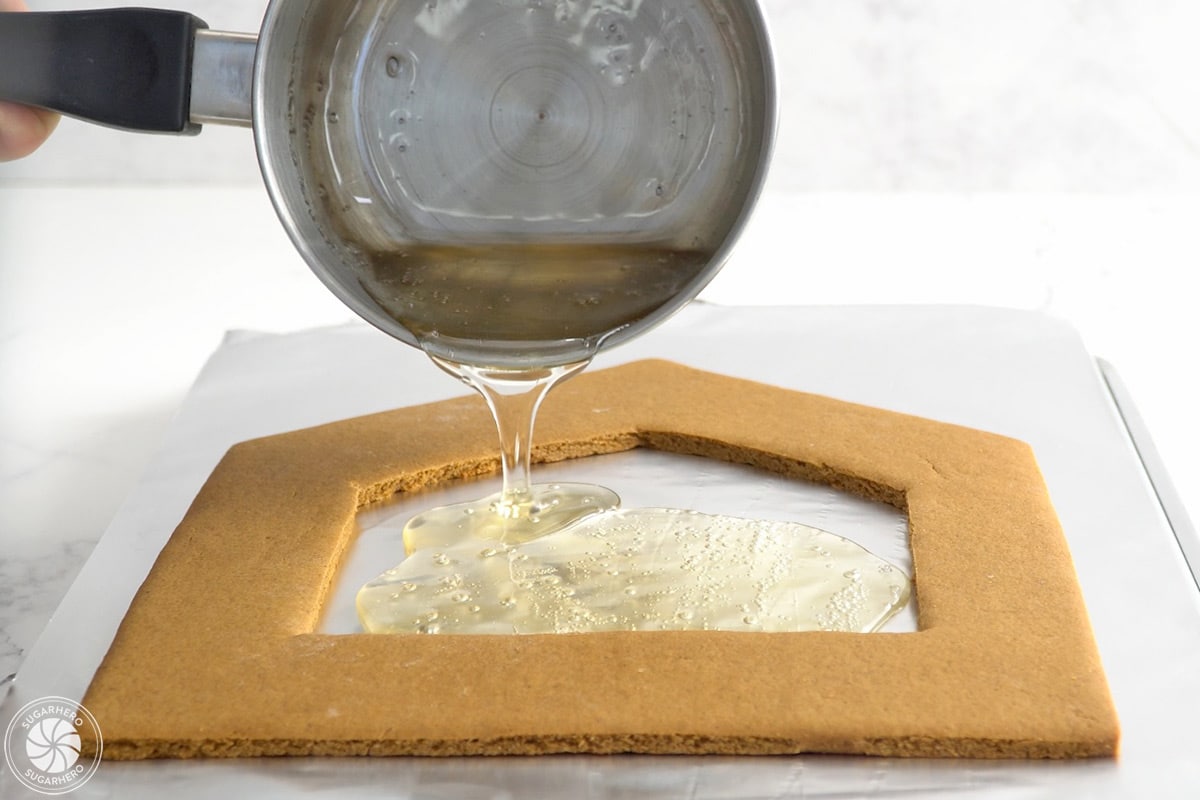
-
Why is my glass candy opaque or crumbly?
Opaque or crumbly sugar glass is a direct result of crystallization. This occurs when sugar crystals form during the cooking process, disrupting the smooth, amorphous structure of true glass. Crystallization can be triggered by excessive stirring once the syrup begins to boil, insufficient cleaning of sugar crystals from the pan’s sides, or even stray sugar crystals introduced by utensils or the thermometer. The inclusion of corn syrup in the recipe is specifically designed to inhibit this process. Substituting other ingredients for corn syrup may increase the likelihood of crystallization. -
Storage Information:
Edible sugar glass is best stored at room temperature in a hermetically sealed container for up to seven days. Refrigeration or freezing is strongly discouraged, as the condensation that forms can quickly render the candy sticky and lose its desirable crisp texture. In environments with high humidity, the candy may become sticky even at room temperature within a couple of days. As mentioned, silica gel packets can be a valuable addition to storage containers in such conditions.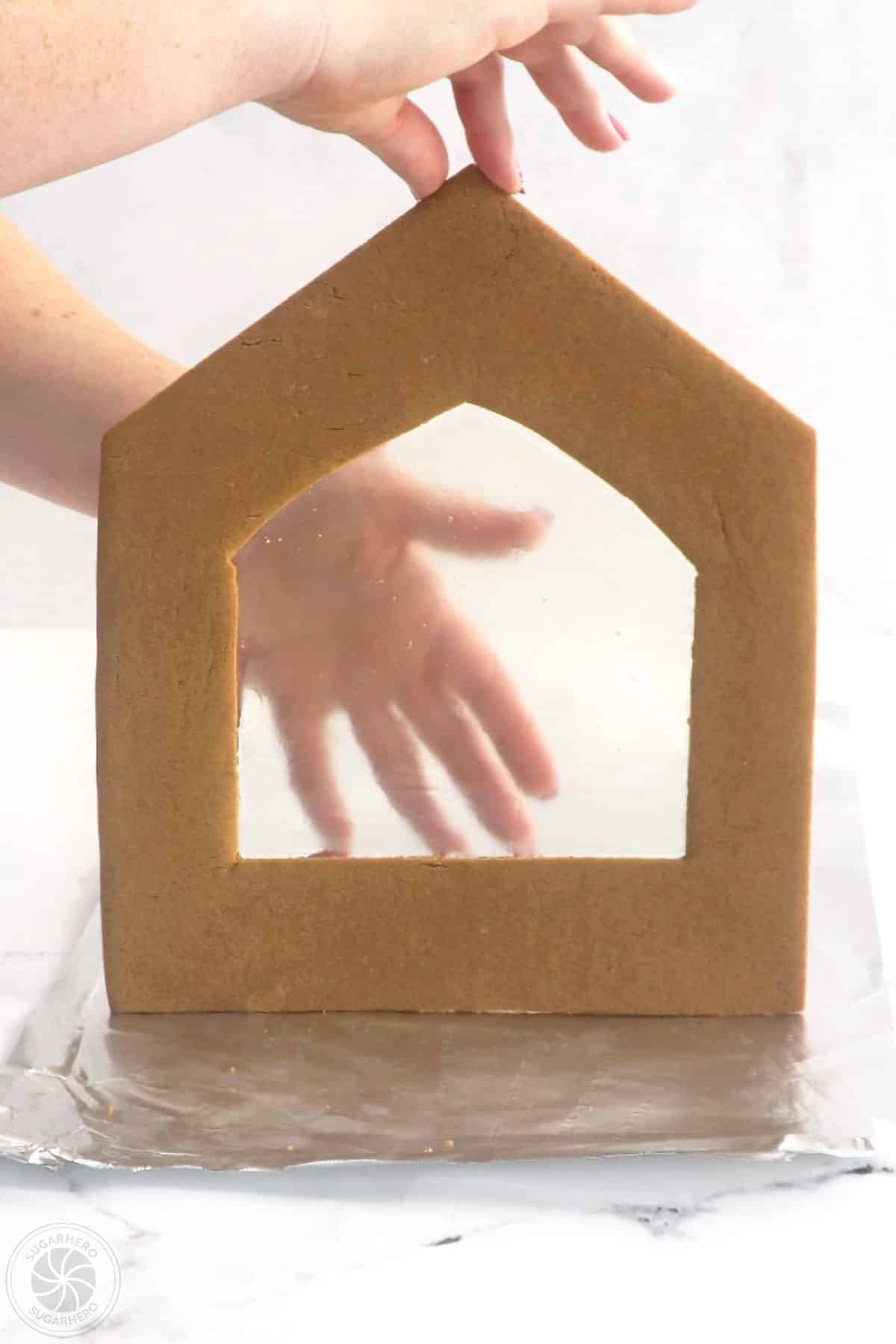
Broader Impact and Culinary Applications
The ability to create edible sugar glass opens up a vast array of creative avenues in the culinary arts. Beyond the immediate applications in themed desserts, it serves as a pedagogical tool, teaching fundamental principles of sugar chemistry and temperature control. Its visual impact can elevate simple cakes, cookies, and pastries into sophisticated showpieces. For professional bakers, it represents a competitive edge, allowing for the creation of bespoke decorative elements that distinguish their work. The trend towards more visually dynamic and interactive desserts ensures that sugar glass will remain a relevant and sought-after technique for years to come. The accessibility of the recipe, coupled with the dramatic results, empowers home bakers to achieve professional-level artistry in their own kitchens, fostering a culture of culinary creativity and experimentation.