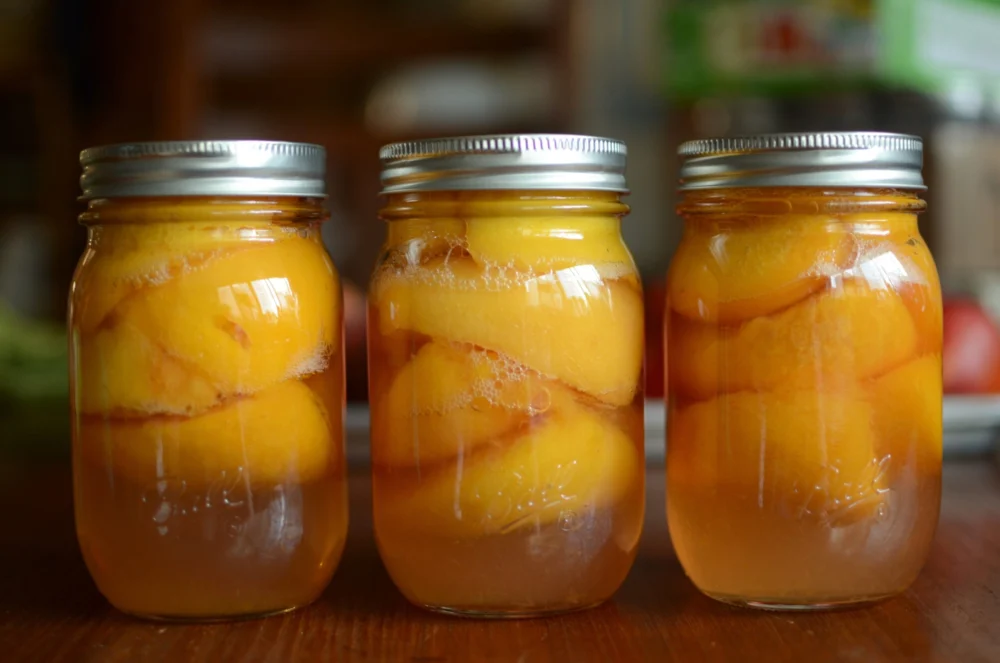
The sight of sticky residue on freshly processed jars of home-canned fruit is a common concern for many preservers, particularly novices, during peak harvest seasons like summer’s bountiful peach yield. Far from indicating a compromised product, this phenomenon, known as siphoning, is a normal and often unavoidable aspect of the canning process, provided the jar’s seal remains intact. This article delves into the scientific underpinnings of siphoning, its implications for food safety and quality, and practical strategies to minimize its occurrence, offering reassurance and expert guidance to home canners.
The Science Behind the Stickiness: Understanding Siphoning
At its core, siphoning is a consequence of pressure equalization and the physical properties of fruits and liquids under heat. When fruit is packed into jars, especially using the raw pack method where fruit is placed uncooked into jars, it contains a significant amount of trapped air within its cellular structure. During the water bath canning process, as the jars are heated to temperatures typically between 180°F and 212°F (82°C and 100°C), several physical changes occur simultaneously.
Firstly, the air trapped within the fruit cells begins to expand and migrate out of the fruit tissue. This expanded air needs an escape route. The design of canning lids and rings is specifically engineered to facilitate this. While the canning ring holds the lid in place, it is tightened only to "fingertip tight," allowing a minute amount of flexibility. This slight looseness enables air and steam to vent from the jar during processing.
Secondly, the liquid surrounding the fruit—be it syrup, juice, or water—also heats and expands. As the internal pressure builds within the jar from both expanding air and liquid, and the air seeks to escape, it can push some of the liquid out along with it. This expulsion of liquid from under the lid is what creates the sticky residue on the jar’s exterior. This process can sometimes continue even after the jars are removed from the canner, as the contents slowly cool and the internal pressure gradually normalizes.

The integrity of the seal is paramount. A properly siphoned jar, despite external stickiness and some liquid loss, will still form a strong vacuum seal as it cools. This vacuum is crucial for long-term preservation, inhibiting the growth of spoilage microorganisms. If a jar fails to seal, however, it indicates a more serious issue and the contents should be reprocessed or refrigerated and consumed promptly.
A Brief History of Home Canning and Siphoning’s Persistent Presence
The practice of preserving food in sealed containers dates back to the late 18th and early 19th centuries, largely popularized by Nicolas Appert in France, who developed a method to preserve food for Napoleon’s army. His work laid the groundwork for modern canning. In North America, home canning gained significant traction throughout the 19th and 20th centuries, becoming an indispensable skill, particularly during wartime efforts like the "Victory Gardens" of World War I and II, and during periods of economic hardship.
Throughout this history, home canners have consistently encountered challenges, and siphoning has been a perennial one. Early canning guides, while less scientifically detailed than today’s, often implicitly addressed issues related to liquid loss through recommendations for proper packing and processing. The advent of university extension programs and organizations like the United States Department of Agriculture (USDA) and the National Center for Home Food Preservation (NCHFP) in the 20th century brought standardized, science-based guidelines, helping demystify many aspects of canning, including the common occurrence of siphoning. These resources have been instrumental in educating generations of canners, transforming what might seem like a defect into an understood physical process.
Even with improved understanding and techniques, the inherent variability of natural produce and the dynamics of heat transfer mean that siphoning remains a phenomenon that virtually every home canner will experience at some point. It serves as a gentle reminder of the intricate balance of pressure, temperature, and material properties at play within each jar.

Impact on Food Safety and Quality
The primary concern for any home preserver is food safety. In the context of siphoning, canning experts and food safety organizations consistently reassure home canners that if the jar forms a proper vacuum seal, the contents are safe for consumption. The external stickiness is merely an aesthetic and clean-up issue, not an indicator of bacterial contamination or spoilage. The critical factor is the seal. After the jars have completely cooled (typically 12-24 hours), canners must check each lid for a proper seal—the center should be concave and not flex when pressed, and it should produce a clear "ping" sound when tapped.
While safety is usually uncompromised, liquid loss due to siphoning can affect the quality of the preserved fruit over time. Jars that have experienced significant liquid depletion, especially those where the topmost pieces of fruit are no longer fully submerged, may suffer from reduced shelf life and altered texture or color.
Discoloration: Fruit exposed to air within the jar is susceptible to oxidation. This can lead to browning or darkening, particularly noticeable in lighter-colored fruits like peaches, pears, or apples. While cosmetically unappealing, oxidized fruit is not necessarily unsafe, but its flavor and texture may degrade.
Texture Loss: Fruit that is not fully submerged in liquid can become softer or mushier more quickly than its fully covered counterparts. The liquid acts as a protective barrier, maintaining hydration and helping to preserve the fruit’s structural integrity.
Flavor Degradation: While less pronounced than visual or textural changes, prolonged air exposure can subtly alter the fruit’s flavor profile, making it less vibrant over extended storage periods.
University extension services frequently address these common queries, advising that jars with substantial liquid loss should be prioritized for consumption. When opening such jars, any discolored or texturally compromised fruit at the top can simply be discarded, and the remaining submerged fruit should be perfectly safe and enjoyable.

Proactive Measures: Preventing Liquid Loss and Sticky Jars
While siphoning is normal, there are several proven techniques that home canners can employ to minimize its occurrence and ensure optimal quality in their preserved goods. These strategies primarily focus on managing air content and temperature changes.
1. Embrace Hot Packing Over Raw Packing
One of the most effective methods to reduce siphoning is to use the hot pack method rather than raw packing, especially for fruits like peaches, pears, and apples.
- Raw Packing: Involves placing raw, uncooked fruit directly into jars and then covering it with hot liquid (syrup, juice, or water) before processing. This method traps a substantial amount of air within the fruit tissues.
- Hot Packing: Involves heating the prepared fruit (e.g., peeled peaches) in the canning liquid (syrup, juice) for a short period—typically 2-5 minutes—before transferring it hot into hot jars. The brief heating period serves to:
- Expel Air: The heat causes the air trapped in the fruit cells to release, reducing the amount of air that needs to escape during the subsequent canning process.
- Shrink Fruit: Heating also causes the fruit to slightly shrink, allowing more fruit to be packed into each jar, leading to a denser pack and often a more visually appealing final product.
- Reduce Siphoning: With less air to expel, there is less pressure pushing liquid out, thereby minimizing siphoning.
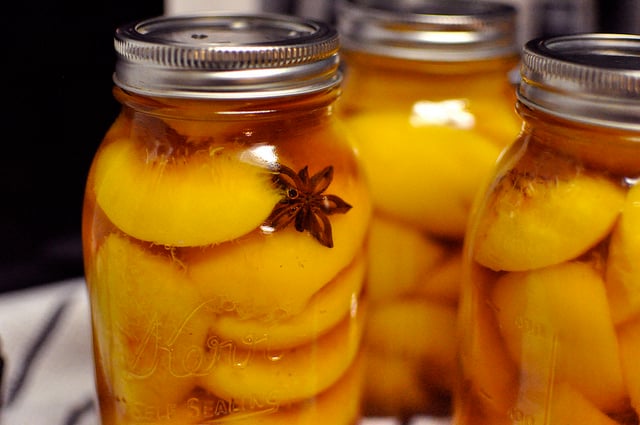
For example, when preparing a recipe like "Gingery Pickled Peaches," the peaches are often simmered in the pickling brine before jarring, exemplifying the hot pack method’s advantages. This pre-treatment helps create a more stable environment within the jar, less prone to dramatic pressure shifts.
2. Master Headspace Management
Maintaining the correct headspace—the empty space between the food and the rim of the jar—is critical for successful canning and plays a significant role in preventing siphoning.
- Too Little Headspace: If jars are overfilled, there isn’t enough room for the contents to expand during heating, leading to excessive pressure buildup. This forces liquid out under the lid, increasing the likelihood of siphoning.
- Too Much Headspace: Conversely, too much headspace can also contribute to siphoning by allowing too much air to remain in the jar. This excess air must be expelled, and as it escapes, it can draw liquid with it. Furthermore, excessive headspace can prevent a strong vacuum seal from forming, or lead to a weaker seal that may fail over time.
For most fruit canning, a headspace of ½ inch (1.25 cm) is recommended. Always consult USDA-approved recipes for specific headspace requirements, as these can vary depending on the food type and processing method.
3. Ensure Proper Ring Tightness
The canning ring (or band) plays a crucial but often misunderstood role. Its primary function is to hold the lid in place during processing until the vacuum seal forms. It is not meant to be overtightened.
- Fingertip Tight: The standard recommendation is to tighten the rings to "fingertip tight." This means screwing the band down just until resistance is met, then giving it a slight turn with the fingertips, without applying excessive force.
- Why Not Overtighten? Overtightening prevents the necessary venting of air and steam from the jar during processing. If air cannot escape, the internal pressure can become too high, leading to buckling lids, seal failure, or, paradoxically, more aggressive siphoning as the pressure eventually forces its way out.
4. Implement Gradual Cooling Post-Processing
Rapid temperature changes are a significant trigger for siphoning. When jars are abruptly removed from a boiling water bath canner and placed on a cool countertop, the sudden drop in external temperature can cause the contents within the jar to contract rapidly. This rapid contraction can exacerbate the siphoning effect as internal pressure struggles to equalize.
To mitigate this, canners should adopt a gradual cooling strategy:
- Post-Processing Rest: Once the prescribed processing time is complete, turn off the heat source (for electric stoves, consider moving the canner off the hot burner). Remove the canner lid.
- Wait 5-10 Minutes: Allow the jars to rest undisturbed in the hot water for 5 to 10 minutes. This period allows for a more gradual reduction in temperature, helping the contents stabilize and reducing the intensity of the pressure changes that drive siphoning.
- Check for Continued Leaking: After the initial 5-10 minute rest, if you observe a jar still actively leaking liquid, gently return it to the pot and allow another 5 minutes. This is an indicator that the internal pressure is still equalizing.
- Remove and Cool: After the resting period, carefully remove the jars from the canner using a jar lifter and place them on a clean towel or cooling rack, ensuring they are not touching each other, to allow for even air circulation and continued cooling. Avoid placing them directly on a cold surface, which could induce thermal shock and potentially cause jars to crack.
Experienced preservers often view siphoning as a minor aesthetic concern rather than a safety defect, provided all other canning guidelines are met. Adhering to these best practices significantly reduces the likelihood and severity of liquid loss, contributing to both safer and higher-quality preserved foods.
Broader Implications and The Value of Reliable Resources
The persistence of queries regarding sticky jars underscores the continuous learning curve in home food preservation. It highlights the crucial role of accurate, science-based information from trusted sources like the USDA, NCHFP, and university extension programs. These resources provide regularly updated guidelines and recipes, ensuring that home canners can confidently and safely preserve food.
Home canning offers numerous benefits, including enhanced food security, control over ingredients (reducing additives and preservatives), the ability to enjoy seasonal produce year-round, and the immense satisfaction of self-sufficiency. By understanding common phenomena like siphoning and implementing proven preventative measures, canners can overcome initial anxieties and continue to engage in this rewarding practice.
In conclusion, a sticky jar of home-canned fruit is rarely a cause for alarm if the seal is good. It is a natural outcome of the canning process, a testament to the physics at play. By embracing techniques like hot packing, meticulous headspace management, correct ring tightness, and gradual cooling, canners can significantly reduce liquid loss and ensure their delicious, safe preserves maintain their quality for optimal enjoyment. This deeper understanding empowers home canners, turning a momentary worry into a marker of a successful preservation endeavor.