The culinary landscape is constantly evolving, with chefs and home cooks alike embracing innovative fusion dishes that blend familiar flavors in unexpected ways. One such delightful creation that has been gaining traction is the pastrami lumpia, a savory appetizer that marries the iconic Filipino spring roll with the robust taste of cured and smoked deli meat. This article delves into the creation, cultural context, and appeal of this unique dish, exploring its rise as a party favorite and a testament to the creativity found in modern cuisine.

Understanding Lumpia: A Filipino Staple
Before exploring the pastrami variation, it’s essential to understand what lumpia is. Lumpia, a staple in Filipino cuisine, is a type of fried spring roll. While it shares similarities with Chinese egg rolls and Vietnamese nem rán, lumpia has its own distinct characteristics. Traditionally, lumpia are made with thin wrappers crafted from a simple dough of flour and water, notably without egg, which contributes to their exceptionally smooth and crispy texture when fried. This contrasts with the thicker, often egg-enriched wrappers used for Western-style egg rolls.
The filling of traditional lumpia typically features a savory mix of finely chopped vegetables such as cabbage, carrots, and green beans, often combined with ground pork, chicken, or shrimp. These ingredients are seasoned and then carefully rolled into the delicate wrappers, sealed with a water-based paste, and deep-fried until golden brown and irresistibly crunchy. Lumpia are commonly served as appetizers or snacks at gatherings, celebrations, and everyday meals, often accompanied by a sweet and sour dipping sauce or a vinegar-based dip.

The Genesis of Pastrami Lumpia: A Culinary Cross-Pollination
The emergence of pastrami lumpia represents a creative fusion, bringing together the beloved smoky, peppery notes of pastrami with the crispy, satisfying crunch of a lumpia. This particular iteration is often attributed to home cooks and food bloggers experimenting with unconventional ingredient pairings, seeking to elevate traditional recipes with exciting new flavors. The inspiration likely stems from a desire to offer a sophisticated yet approachable appetizer that appeals to a broad palate, incorporating a universally recognized and appreciated flavor like pastrami.
Pastrami itself has a rich history, with its origins often traced back to Romanian Jewish immigrants who brought their culinary traditions to the United States. Typically made from beef brisket, pastrami undergoes a rigorous curing process followed by a heavy seasoning of spices – most notably black pepper and coriander – before being smoked. This results in a deeply flavorful, tender meat with a distinctive peppery crust.

The idea of encasing this flavorful meat, along with complementary ingredients like cheese, within a crispy lumpia wrapper creates a compelling textural and gustatory experience. The melty cheese, a common addition to the pastrami filling, provides a creamy counterpoint to the savory meat and a delightful gooeyness that enhances the overall appeal of the bite.
Crafting the Perfect Pastrami Lumpia: A Step-by-Step Guide
The preparation of pastrami lumpia, while requiring a few distinct steps, is generally considered an accessible recipe for home cooks looking to impress guests. The process can be broken down into the following key stages:
Step 1: Preparing the Savory Filling
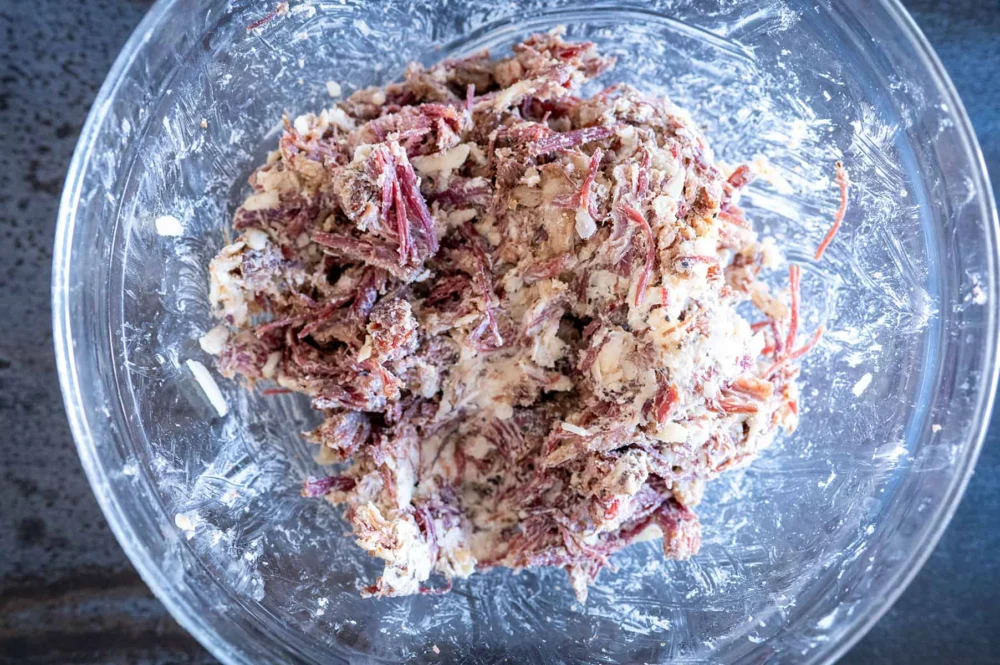
The foundation of a successful pastrami lumpia lies in its filling. This involves combining high-quality pastrami, finely chopped or shredded, with a blend of cheeses. Cream cheese is often incorporated to add a rich, smooth texture and bind the ingredients together, while a melty shredded cheese, such as mozzarella or a sharp cheddar, contributes to the desirable gooeyness when fried. A pinch of salt is typically added to enhance the overall flavor profile, though caution is advised as pastrami itself is often salty. Many find mixing these ingredients by hand to be the most effective method, ensuring even distribution and a cohesive mixture.
Step 2: The Art of Rolling the Lumpia
Once the filling is prepared, the next crucial step is to expertly roll the lumpia. This requires careful attention to detail to ensure a neat, secure package that will fry up beautifully. Approximately two tablespoons of the pastrami and cheese mixture are placed onto a lumpia wrapper, typically positioned like a diamond with one corner pointing towards the preparer. The sides of the wrapper are folded inward to enclose the filling, and then the bottom corner is folded up to cover the filling. The lumpia is then rolled tightly towards the top corner. To seal the wrapper, a small amount of water is used to moisten the top edge, ensuring a firm seal that prevents the filling from escaping during frying. This process is repeated for all the filling and wrappers, resulting in a collection of uniform, cigar-shaped rolls.

Step 3: Achieving Golden Perfection Through Frying
The signature crispiness of lumpia is achieved through deep-frying. A generous amount of neutral oil, such as vegetable or canola oil, is heated in a pot or deep fryer to a precise temperature of 375°F (190°C). Maintaining this specific temperature is critical; too low, and the lumpia will absorb excess oil and become soggy; too high, and the wrappers can burn before the filling is heated through. A few lumpia are carefully added to the hot oil, ensuring not to overcrowd the pot, which can lower the oil temperature and lead to uneven cooking. They are fried for approximately two minutes, or until they achieve a beautiful golden-brown hue.
Step 4: Draining and Seasoning
Immediately after frying, the golden-brown lumpia are removed from the hot oil and placed on a wire rack set over a paper towel-lined baking sheet. This allows excess oil to drain away, preserving the crispiness of the wrapper. While the lumpia are still hot, a light dusting of salt can be applied, as the residual heat helps the salt adhere and enhances the overall flavor.

Step 5: The Complementary Dipping Sauce
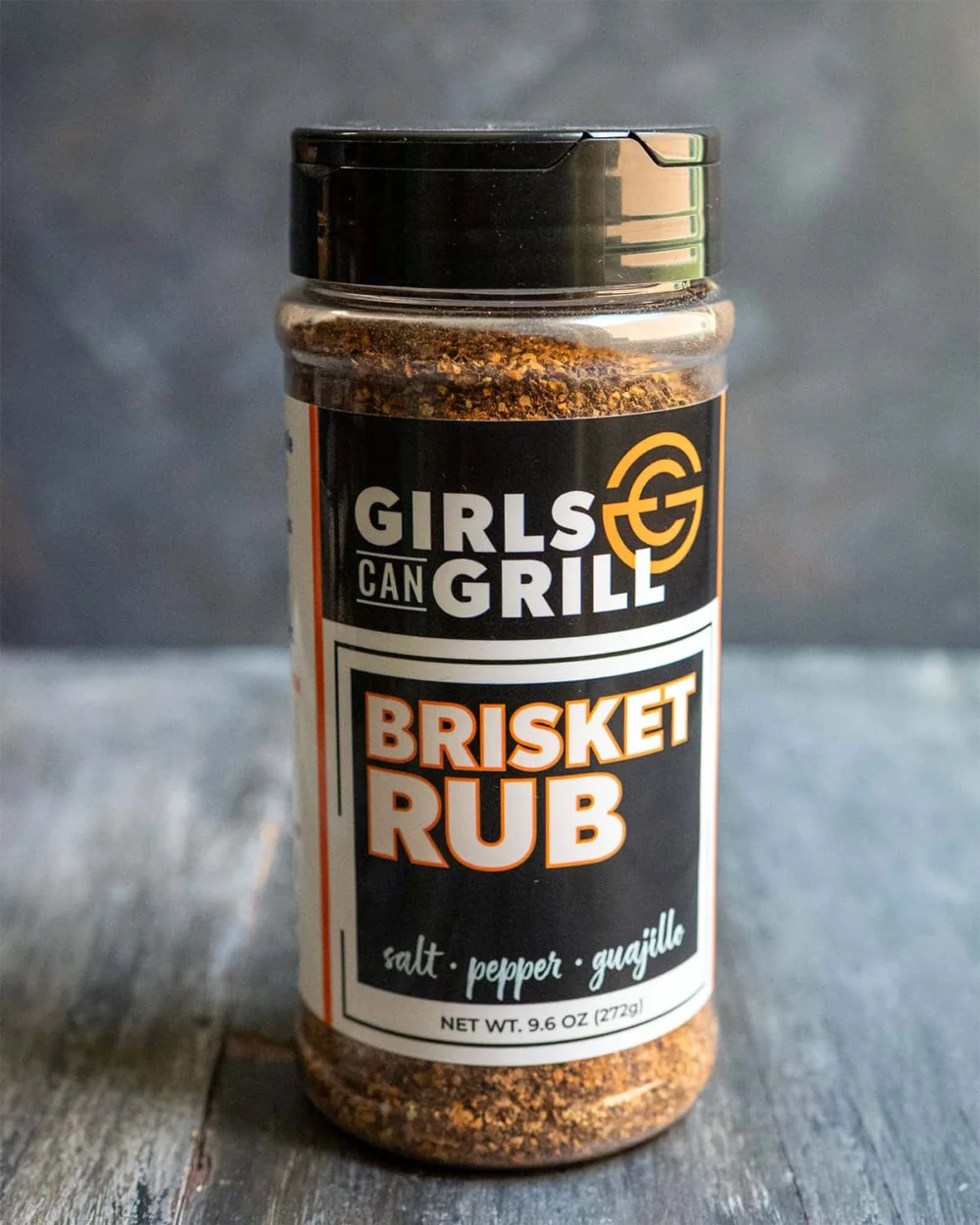
While the pastrami lumpia are flavorful on their own, an optional dipping sauce can elevate the experience further. A simple yet effective sauce can be created by whisking together mayonnaise, tomato paste, Worcestershire sauce, and a touch of the author’s signature Girls Can Grill Brisket Rub. This combination offers a tangy, umami-rich accompaniment that perfectly complements the savory and cheesy filling of the lumpia. For optimal flavor, it is recommended to refrigerate the sauce for at least 30 minutes before serving, allowing the flavors to meld.
Variations and Make-Ahead Tips
The versatility of the lumpia wrapper allows for numerous variations beyond the pastrami and cheese filling. For those who may not have easy access to lumpia wrappers, egg roll or wonton wrappers can serve as a suitable substitute, though the texture will differ slightly.
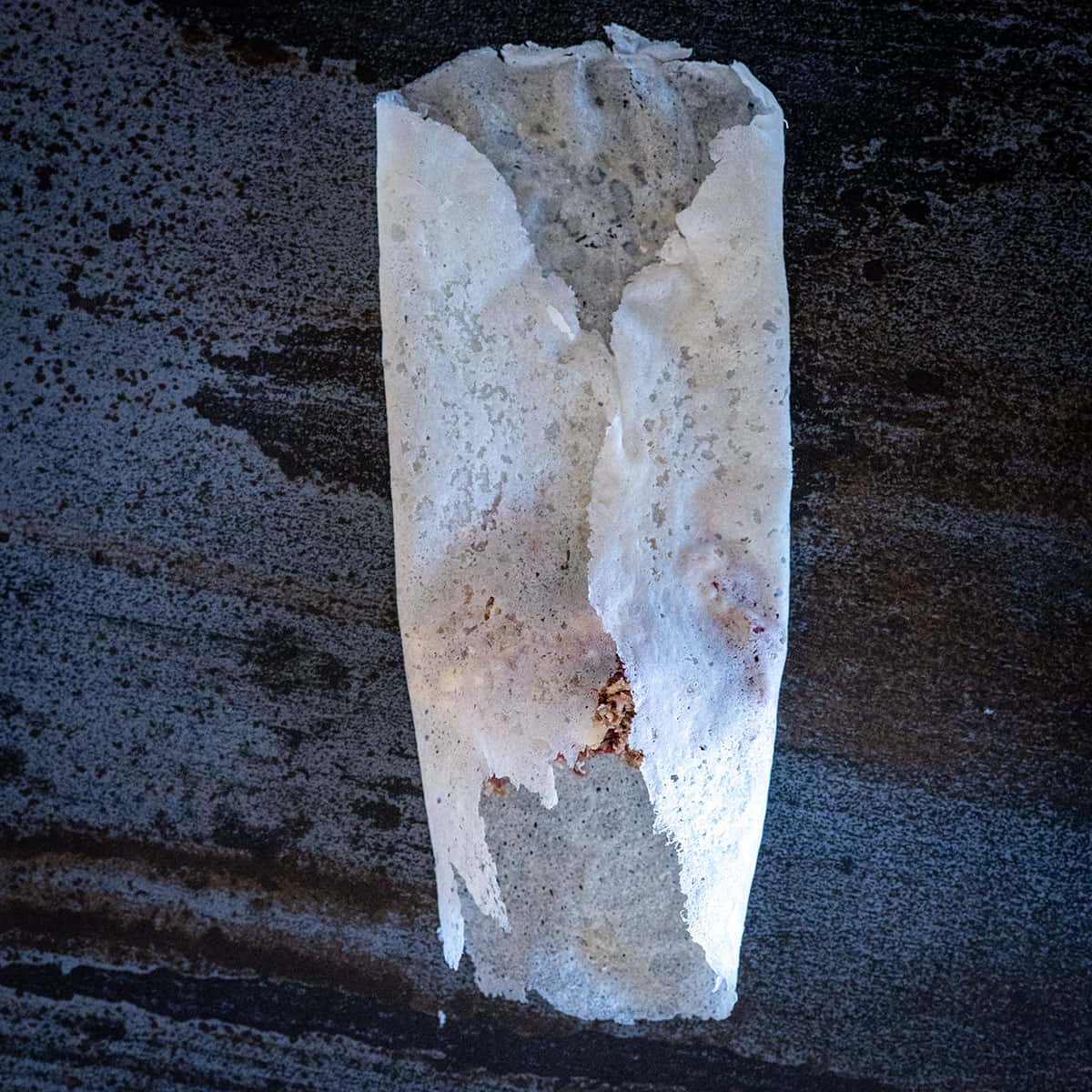
For hosts planning ahead, the pastrami lumpia can be prepared up to the rolling stage and then frozen. To freeze them effectively, it is best to lay the rolled lumpia in a single layer on a baking sheet and freeze until solid. Once frozen, they can be transferred to an airtight container for storage of up to three months. When ready to cook, they can be fried directly from frozen, adding a few extra minutes to the frying time. Alternatively, the un-fried lumpia can be refrigerated for one to two days.
Serving and Storage Recommendations
Pastrami lumpia are best enjoyed fresh from the fryer, when their wrappers are at their crispiest. They are ideal for serving as appetizers at parties, potlucks, or any celebratory gathering. For larger crowds, each lumpia can be cut in half to create more manageable, bite-sized portions.
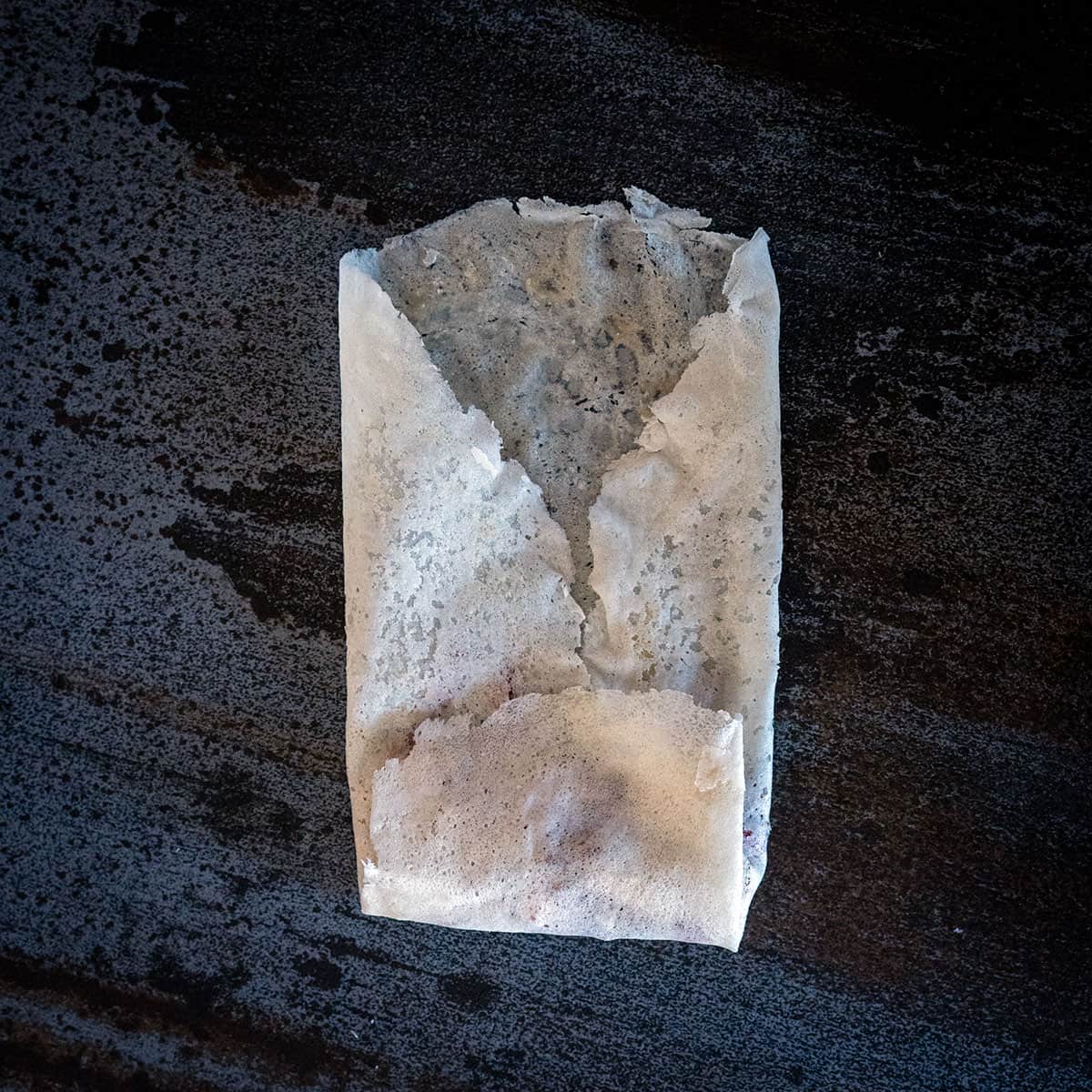
While lumpia are at their peak when served immediately, they can be stored in the refrigerator in an airtight container for one to two days. To regain their crispiness, they can be reheated in an oven or an air fryer.
Nutritional Considerations
The nutritional profile of pastrami lumpia, like many fried appetizers, is relatively high in calories, fat, and sodium due to the nature of the ingredients and cooking method. A typical serving of approximately 15 lumpia, as indicated by the recipe’s estimated yield, can contain around 459 calories, 13 grams of protein, 13 grams of carbohydrates, and 40 grams of fat, with 8 grams being saturated fat. The sodium content is also significant, estimated at 723 mg per serving. These figures serve as a guide and can vary based on specific ingredient choices and portion sizes.

The Broader Impact: Culinary Innovation and Cultural Exchange
The popularity of dishes like pastrami lumpia highlights a growing trend in modern cuisine: the celebration of culinary fusion and the playful experimentation with global flavors. These creations not only offer novel taste experiences but also serve as a bridge between different cultures and culinary traditions. By deconstructing and reinterpreting familiar dishes, chefs and home cooks alike contribute to a dynamic and ever-evolving food landscape.
The accessibility of recipes online and through social media platforms has democratized culinary innovation, allowing for the rapid spread of creative ideas. Food bloggers and influencers play a significant role in popularizing such dishes, sharing their creations and encouraging others to try them. The interactive nature of these platforms, with features like recipe ratings and comments, further fosters a sense of community among food enthusiasts.

The success of pastrami lumpia can be seen as a micro-example of how global culinary trends are shaping local food scenes. It demonstrates a willingness to embrace and adapt flavors from different origins, creating dishes that are both comforting and exciting. As global travel becomes more accessible and culinary knowledge more widespread, we can expect to see even more innovative fusions emerge, pushing the boundaries of traditional cuisine and offering a diverse array of delightful eating experiences. The pastrami lumpia stands as a delicious testament to this ongoing culinary evolution, proving that sometimes, the most unexpected pairings yield the most satisfying results.