The culinary landscape of autumn has long been dominated by the "pumpkin spice" profile, a flavor combination that has transcended its humble origins to become a global cultural phenomenon. However, as consumer awareness regarding gut health and sugar consumption rises, a sophisticated alternative has emerged: pumpkin-infused kombucha. This fermented beverage offers a complex intersection of traditional preservation techniques, seasonal agriculture, and functional nutrition. By utilizing the second fermentation process, brewers can transform a standard tea-based kombucha into a sparkling, probiotic-rich tonic that captures the earthy essence of winter squash and the warming properties of traditional spices.
The Foundations of Kombucha and the Second Fermentation Process
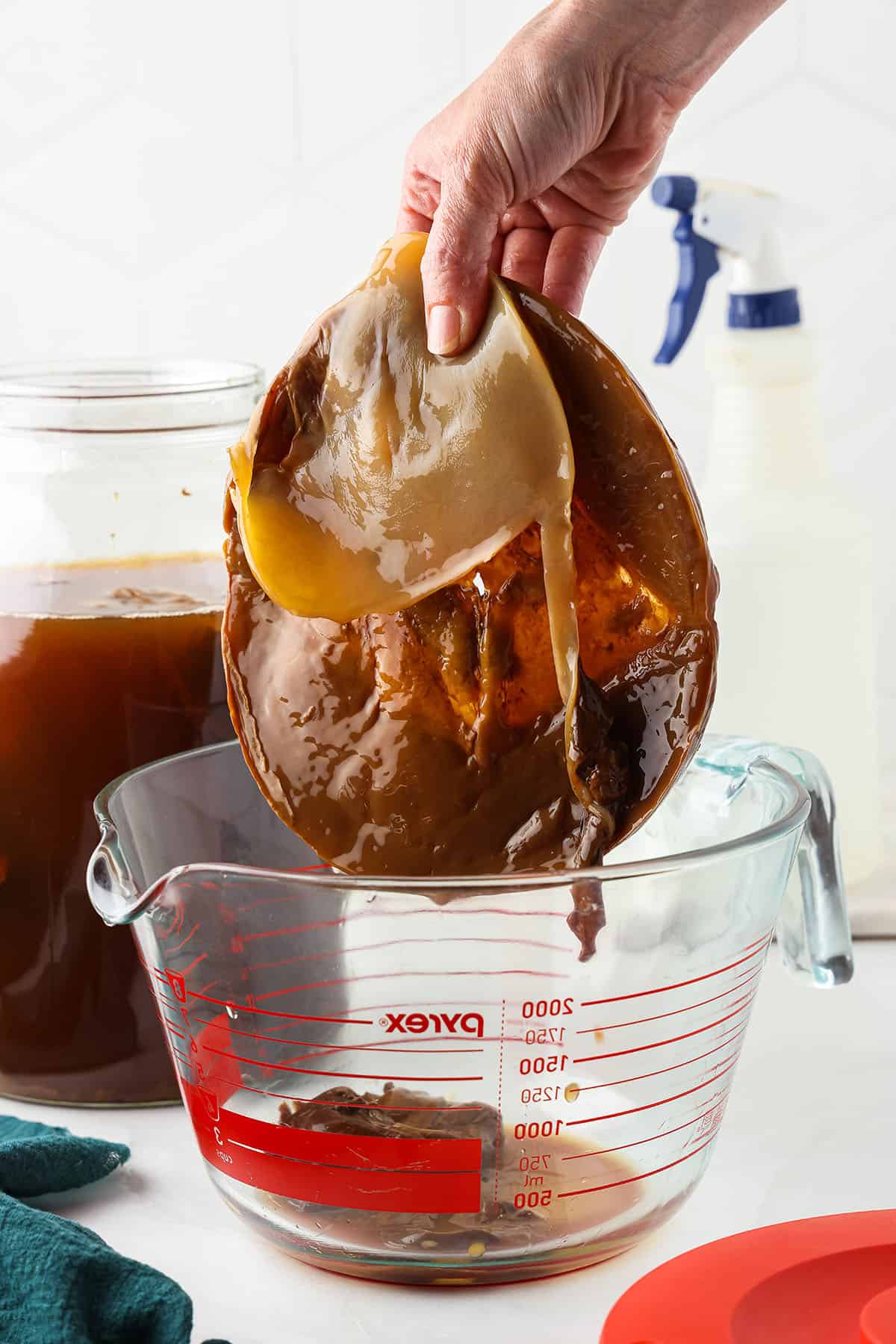
Kombucha is a fermented tea beverage produced through the symbiotic fermentation of sugared tea by a Symbiotic Colony of Bacteria and Yeast, commonly referred to by the acronym SCOBY. The primary fermentation stage typically lasts between seven and twenty-one days, during which the yeast converts sucrose into ethanol and carbon dioxide, and the bacteria (primarily of the genus Acetobacter) convert the ethanol into acetic acid and other organic acids. This results in a tart, slightly effervescent base liquid.
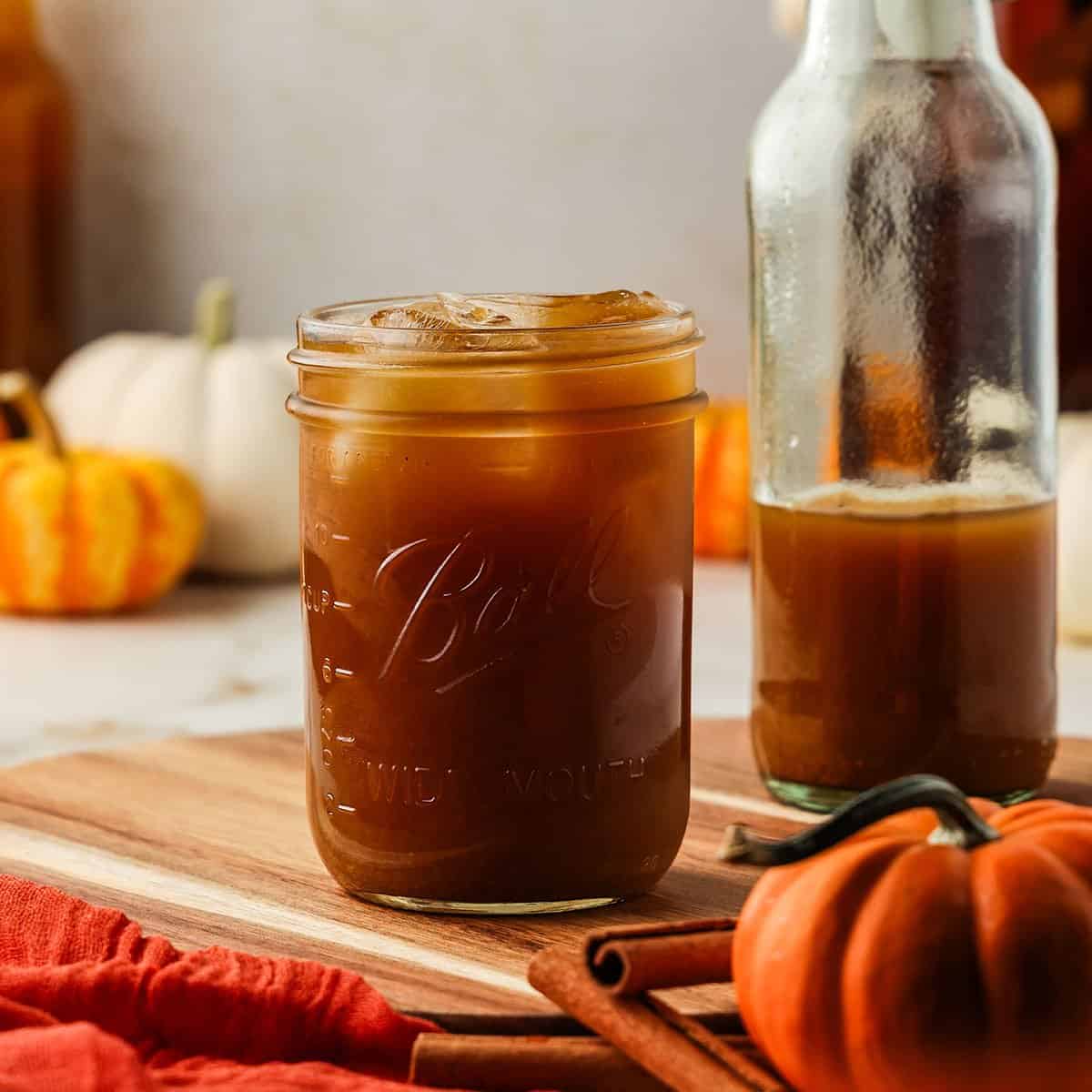
The transition to pumpkin kombucha occurs during what is known as the "second fermentation" or "F2." In this phase, the SCOBY is removed, and the finished kombucha is bottled with additional fermentable sugars and flavorings—in this instance, pumpkin puree, maple syrup, and ground cinnamon. Because the bottles are sealed, the carbon dioxide produced by the remaining active cultures is trapped within the liquid, creating a natural carbonation. This stage is critical for developing the "mouthfeel" of the beverage and integrating the dense, fibrous textures of the pumpkin into the acidic tea base.
Nutritional Profile and Functional Benefits
The integration of pumpkin into a fermented medium provides more than just a seasonal aesthetic; it enhances the beverage’s nutritional density. Pumpkin (Cucurbita pepo) is a nutrient-dense squash characterized by high levels of beta-carotene, a precursor to Vitamin A. It also contains significant amounts of Vitamin C, potassium, and dietary fiber. When introduced to the live environment of kombucha, the bioavailability of certain nutrients may be altered through microbial activity.
From a probiotic perspective, pumpkin kombucha serves as a delivery vehicle for various beneficial microorganisms. While the exact microbial profile varies based on the initial starter culture, research indicates that home-brewed kombucha often contains strains such as Gluconacetobacter, Lactobacillus, and Zygosaccharomyces. These microbes contribute to the maintenance of a healthy gut microbiome, which is increasingly linked to improved immune function and metabolic health.
Furthermore, the choice of maple syrup as a secondary fuel source for the yeast provides a more complex mineral profile than refined white sugar. Maple syrup contains trace amounts of manganese, zinc, and calcium, alongside unique polyphenols that possess antioxidant properties. The inclusion of cinnamon further adds to the functional value, as the spice is noted for its potential to improve insulin sensitivity and its antimicrobial properties.
Technical Methodology and Chronology of the Brew
The production of high-quality pumpkin kombucha requires a disciplined approach to timing and hygiene. The process follows a specific chronological sequence to ensure both safety and optimal flavor development.
Phase I: Preparation and Blending
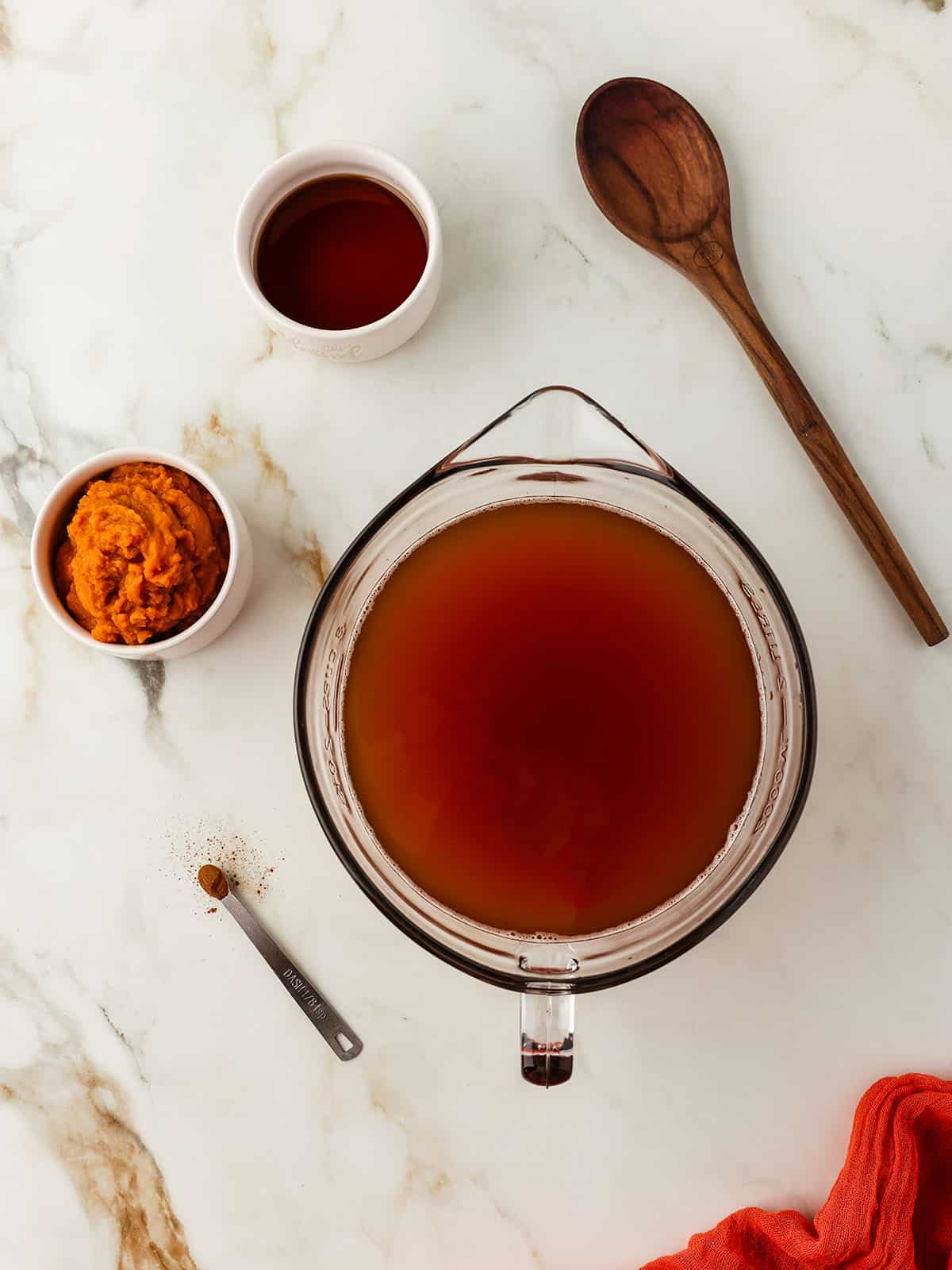
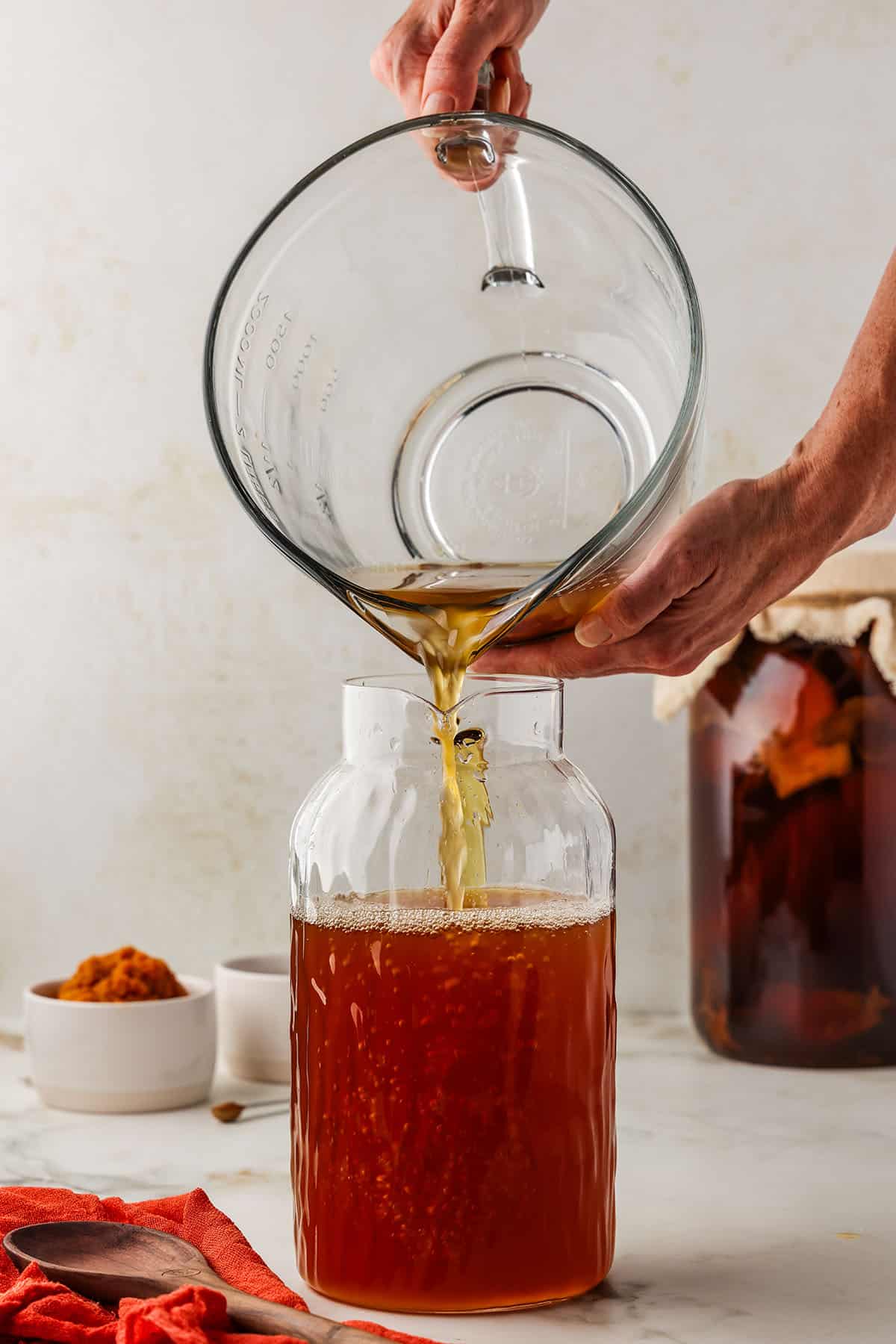
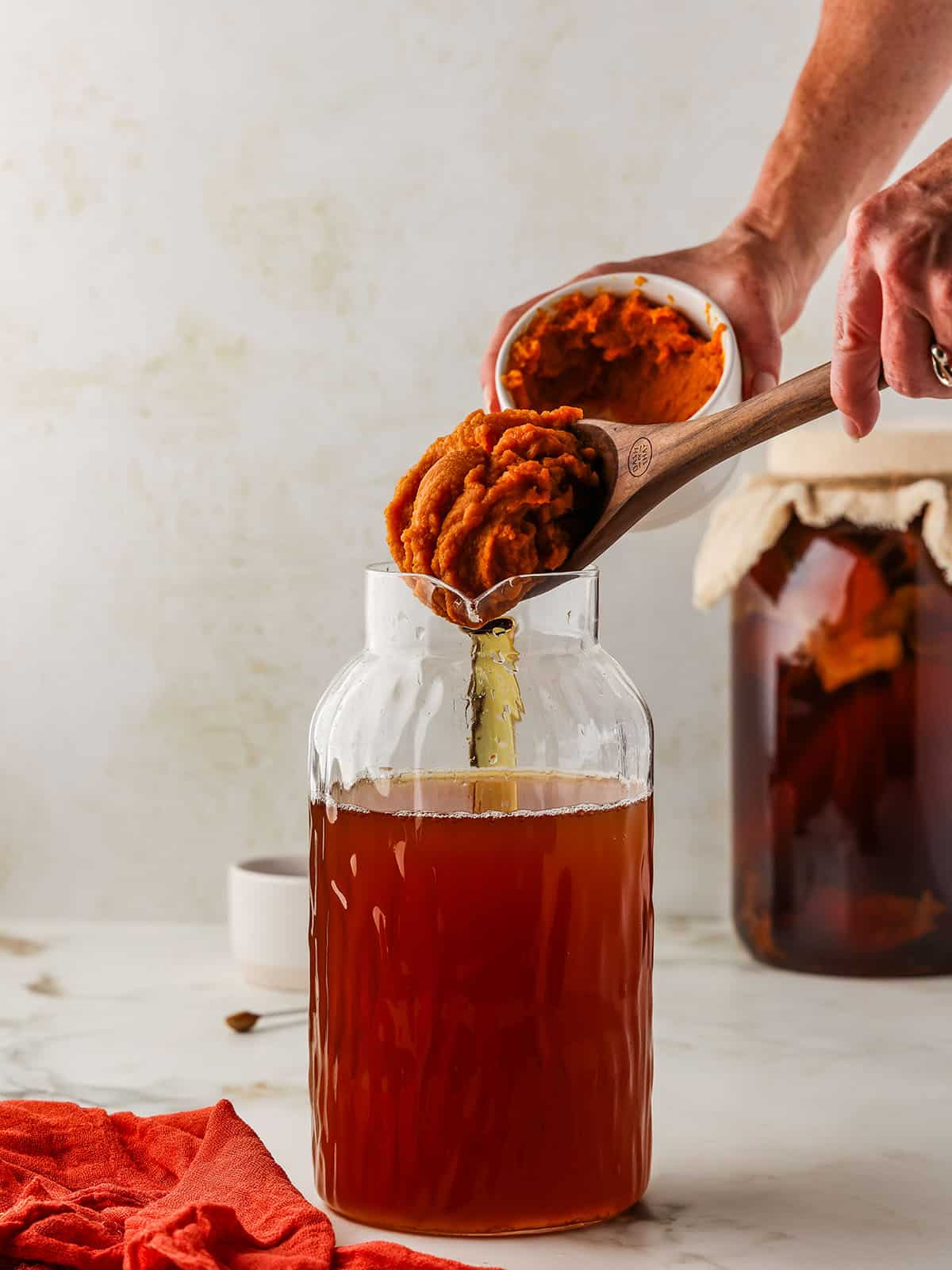
The process begins with approximately one gallon of first-fermentation kombucha, brewed using either black or green tea. The practitioner must ensure the pH of the base liquid is sufficiently acidic (typically between 2.5 and 3.5) to prevent the growth of pathogenic organisms during the second stage. In a large sanitized vessel, the kombucha is combined with approximately one to two cups of pumpkin puree. While fresh, roasted sugar pie pumpkin is often preferred for its superior flavor depth, high-quality canned puree is a scientifically viable substitute, provided it contains no additives or preservatives that might inhibit microbial activity.
Phase II: Adjunct Integration
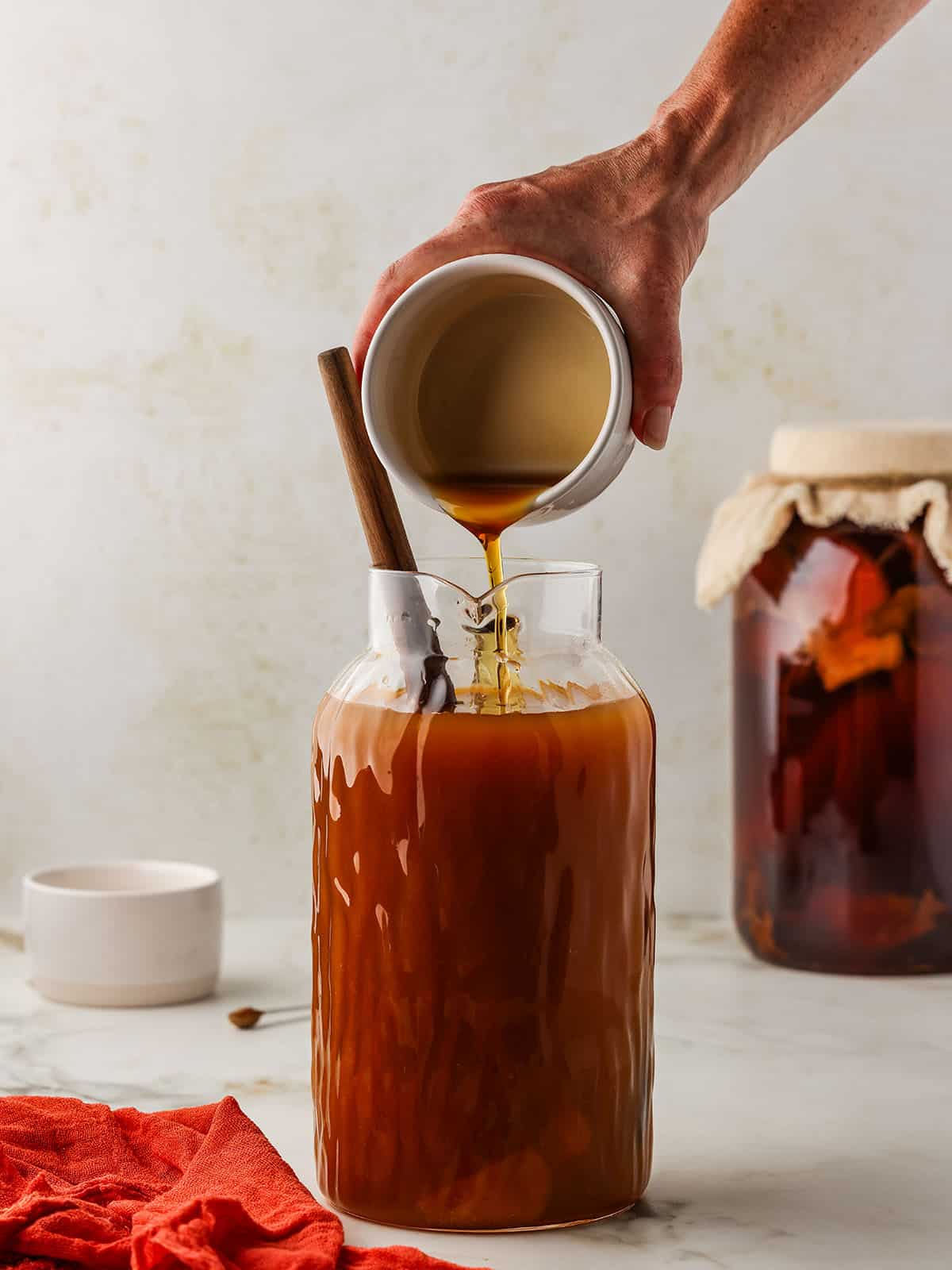
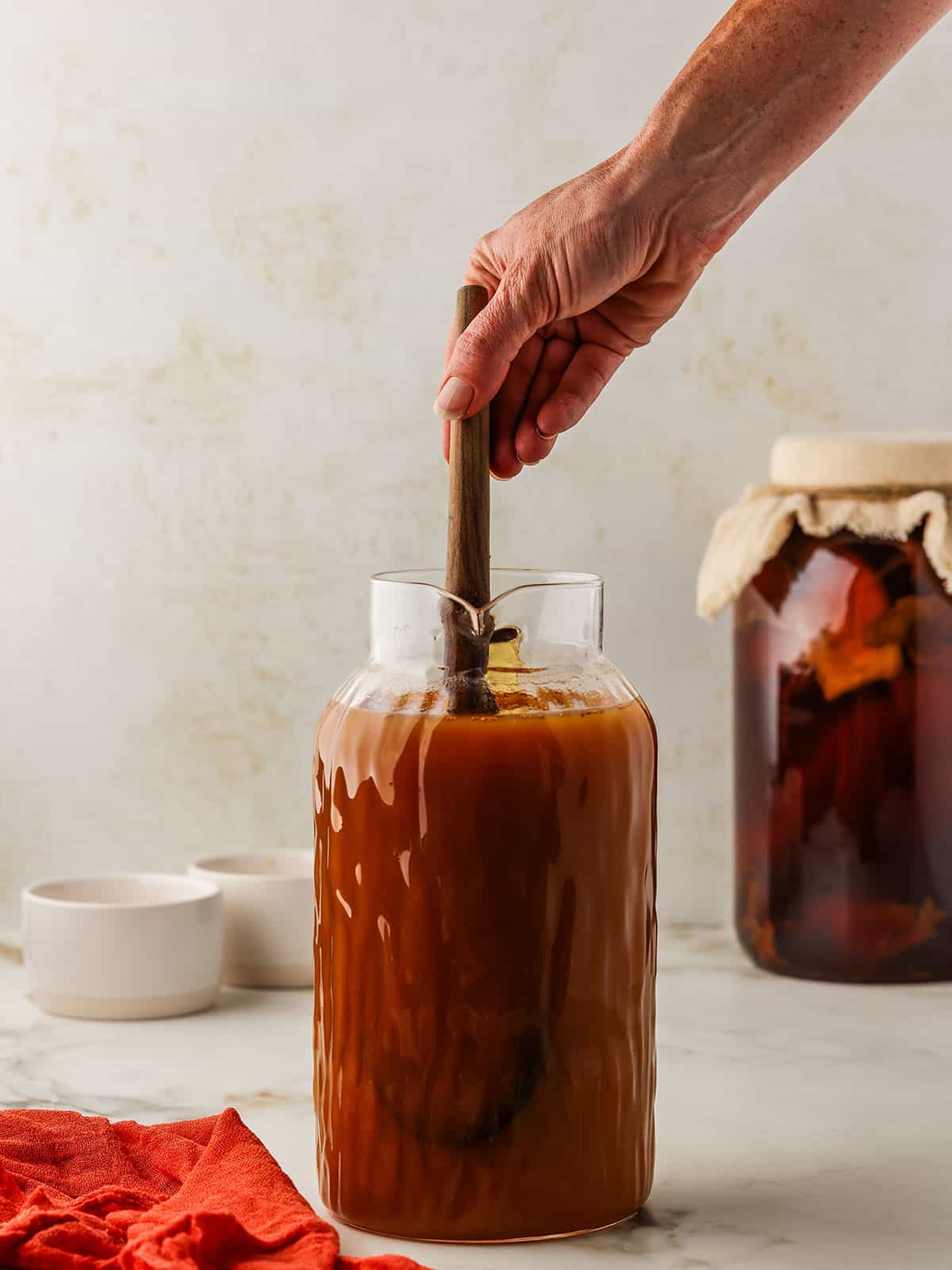
Following the pumpkin addition, maple syrup and ground cinnamon are incorporated. The syrup serves as the primary "priming sugar" for carbonation. A common ratio involves approximately one tablespoon of syrup per 16-ounce bottle, though this is adjusted based on the desired level of effervescence. The mixture must be stirred thoroughly with a long-handled, non-reactive spoon to ensure the pumpkin solids are suspended evenly throughout the liquid.
Phase III: Bottling and Anaerobic Fermentation
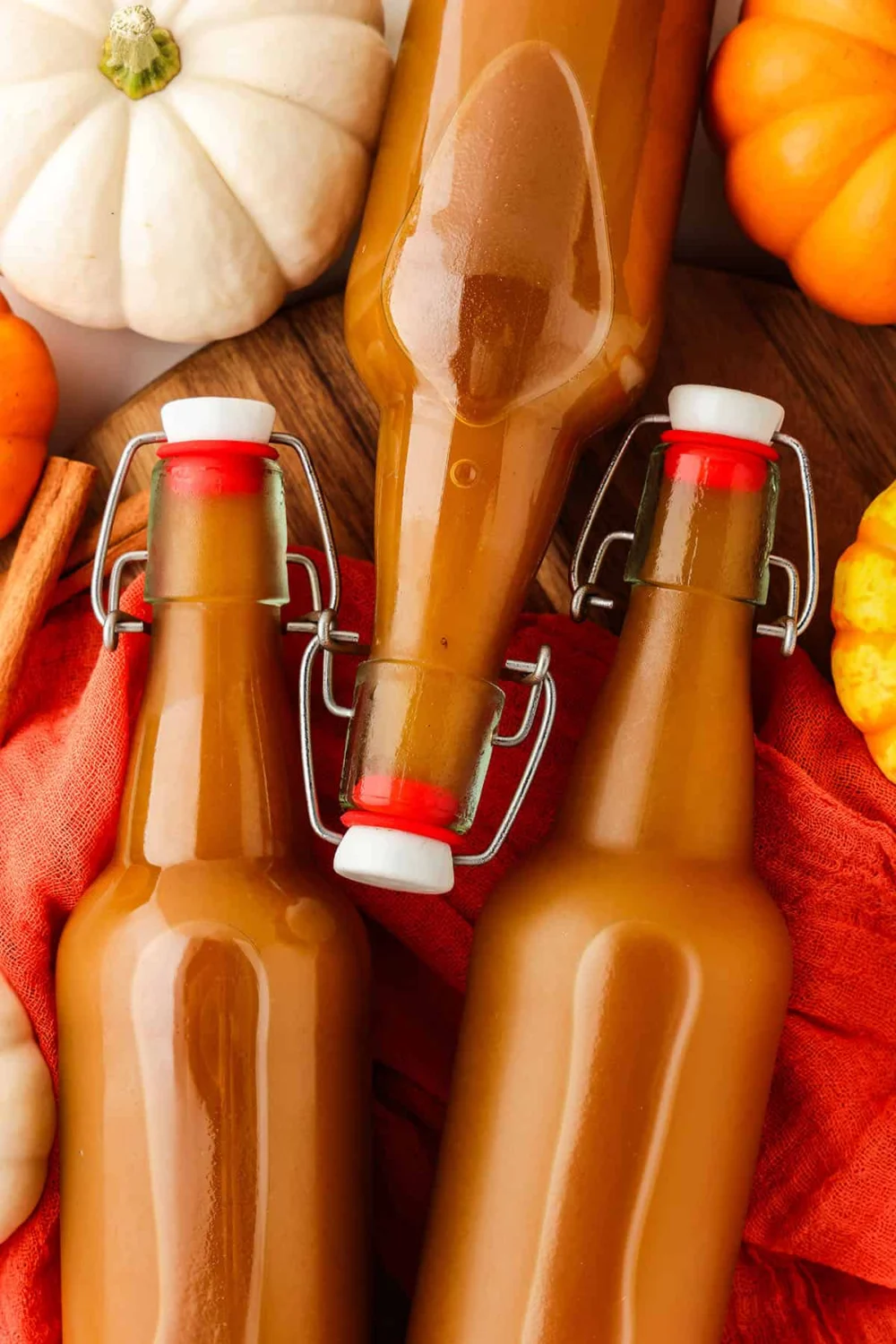
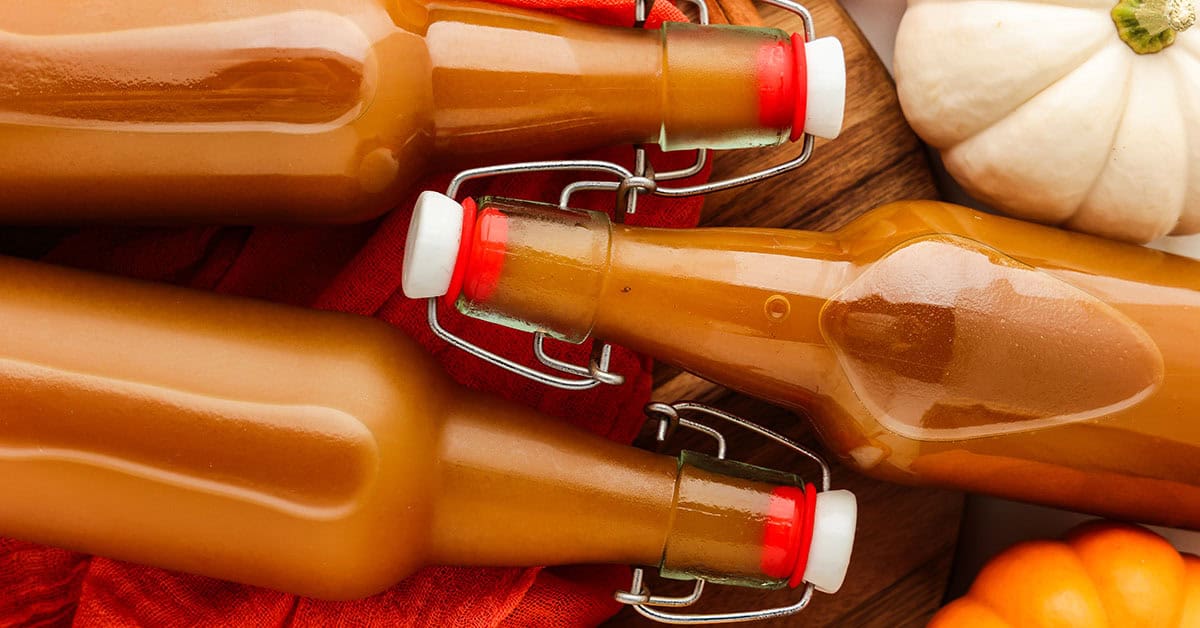
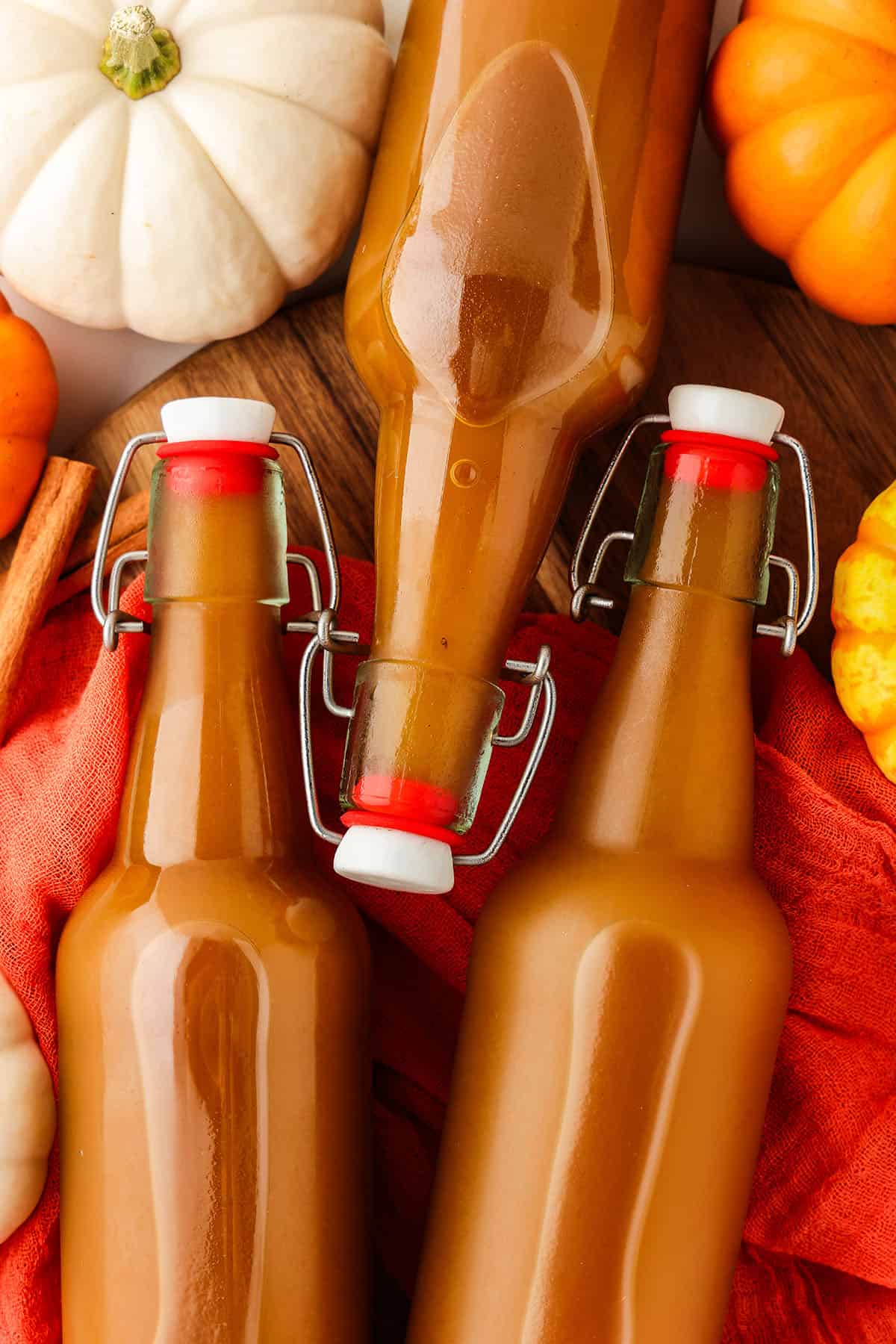
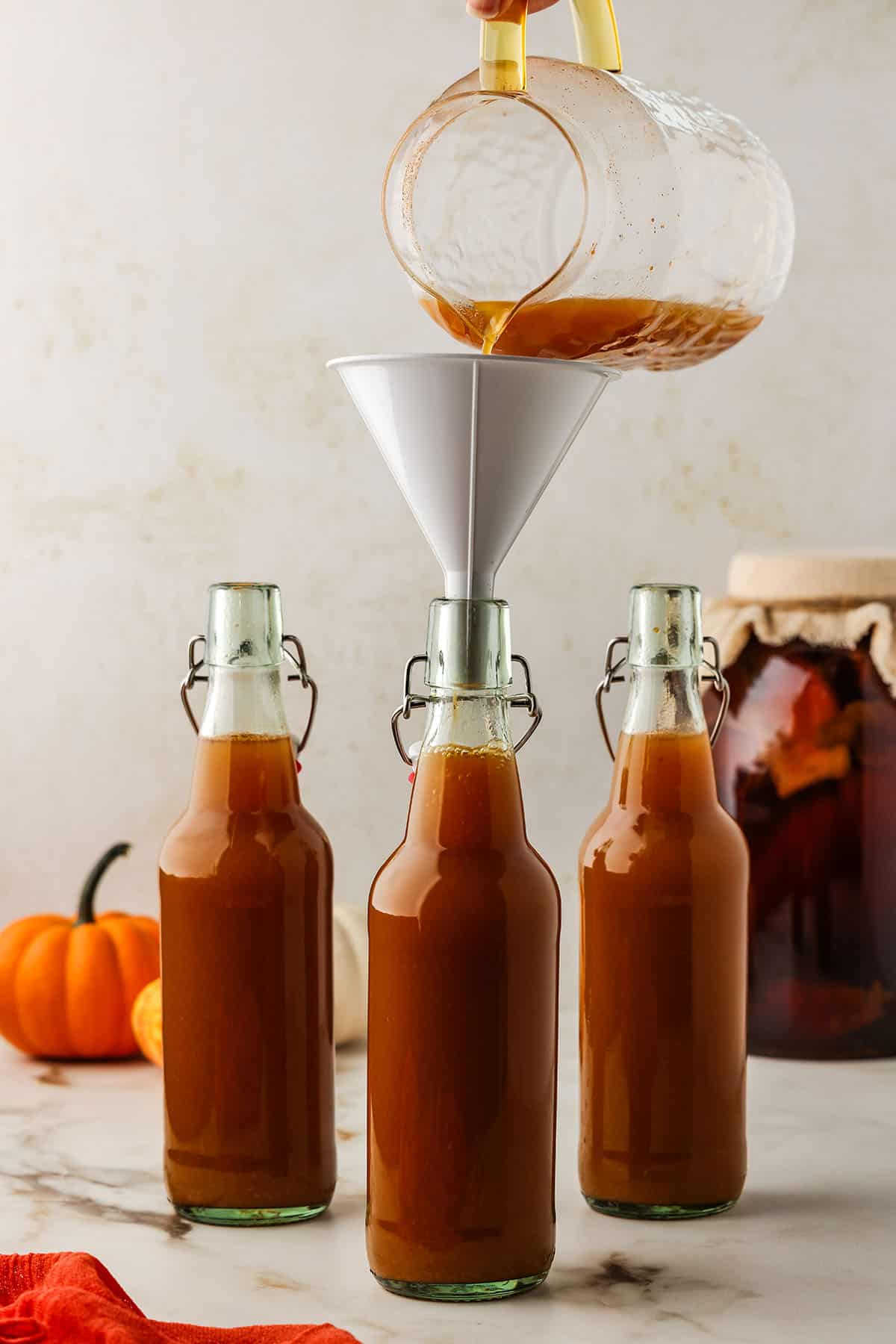
The mixture is transferred into pressure-rated, swing-top glass bottles using a funnel. It is imperative to leave approximately one to two inches of "headspace" at the top of the bottle. This gap allows for the accumulation of carbon dioxide without creating excessive pressure that could lead to structural failure of the glass. The bottles are then stored in a dark environment at a consistent room temperature, ideally between 68°F and 78°F.
Phase IV: Carbonation Monitoring and Refrigeration
The second fermentation typically spans a period of three to seven days. During this window, the beverage undergoes a process of "conditioning." Because pumpkin solids tend to settle at the bottom, the bottles should be gently inverted once or twice daily to redistribute the cultures and flavor compounds. Practitioners often "burp" one bottle—briefly opening the seal—to gauge the level of CO2 buildup. Once the desired carbonation is achieved, the bottles are moved to cold storage (refrigeration). This drop in temperature significantly slows microbial metabolism, stabilizing the flavor and preventing the risk of "bottle bombs" caused by over-pressurization.
Market Trends and the Evolution of "Pumpkin Spice"
The development of recipes like pumpkin kombucha reflects a broader shift in the global beverage market. Data from market research firms suggests that the fermented beverage sector is experiencing a Compound Annual Growth Rate (CAGR) of over 15%. This growth is driven by a demographic that values "clean label" products—items with recognizable, whole-food ingredients.
The traditional "Pumpkin Spice Latte" (PSL) market, while still robust, has faced criticism for its high sugar content and use of synthetic flavorings. In response, the artisanal fermentation movement has reclaimed the pumpkin flavor profile. By using real squash and natural sweeteners like maple syrup, brewers are appealing to the "functional aesthetic" consumer. This consumer segment views food not just as sustenance, but as a tool for health optimization.
Culinary analysts note that the use of alternative squashes, such as the Japanese Kabocha or the Butternut squash, is also on the rise. These varieties offer different starch-to-sugar ratios, which can subtly alter the fermentation timeline and the final dry-to-sweet balance of the kombucha.
Safety Protocols and Quality Control in Home Fermentation
As with any biological process, the production of pumpkin kombucha carries inherent risks that must be managed through strict adherence to safety protocols. The primary concern in home fermentation is cross-contamination. All equipment, including bottles, funnels, and stirring implements, must be sanitized using either high-heat methods or food-grade sanitizing solutions.
Pressure management is the second critical safety factor. The sugars in pumpkin and maple syrup are highly fermentable. If left at room temperature for an extended period, the internal pressure of a swing-top bottle can exceed the tensile strength of the glass. The "burping" method and timely refrigeration are the primary controls against this risk. Furthermore, the use of round bottles is recommended over square bottles, as round glass distributes internal pressure more evenly.
Quality control also involves sensory evaluation. A successful pumpkin kombucha should possess a balanced acidity, a noticeable but not overpowering pumpkin flavor, and a clean, spicy finish. Any signs of "off" odors (such as a sulfurous or putrid smell) or the presence of fuzzy mold on the surface are indicators of contamination, and the batch should be discarded.
Broader Implications: The Intersection of Tradition and Modernity
The practice of brewing pumpkin kombucha is a modern manifestation of ancient preservation logic. Fermentation was originally a means of extending the shelf life of seasonal harvests. By fermenting pumpkin into a low-pH beverage, the nutrients of the autumn harvest are preserved in a shelf-stable (when refrigerated) format.
In a broader socio-economic context, the rise of DIY fermentation represents a move toward food sovereignty. As consumers learn to manage SCOBYs and navigate the complexities of secondary fermentation, they reduce their reliance on industrial food systems. This "witch’s brew" of pumpkin and tea is, therefore, more than a seasonal treat; it is a symbol of the modern "maker" culture—a blend of scientific curiosity, health consciousness, and a deep respect for the cycles of the natural world.
As the season progresses, the availability of diverse winter squashes and high-quality spices ensures that pumpkin kombucha will remain a staple of the craft fermentation community. It stands as a testament to the versatility of the SCOBY and the enduring appeal of the pumpkin, proving that even the most "basic" of seasonal flavors can be transformed into a sophisticated, health-promoting elixir through the magic of microbial science.