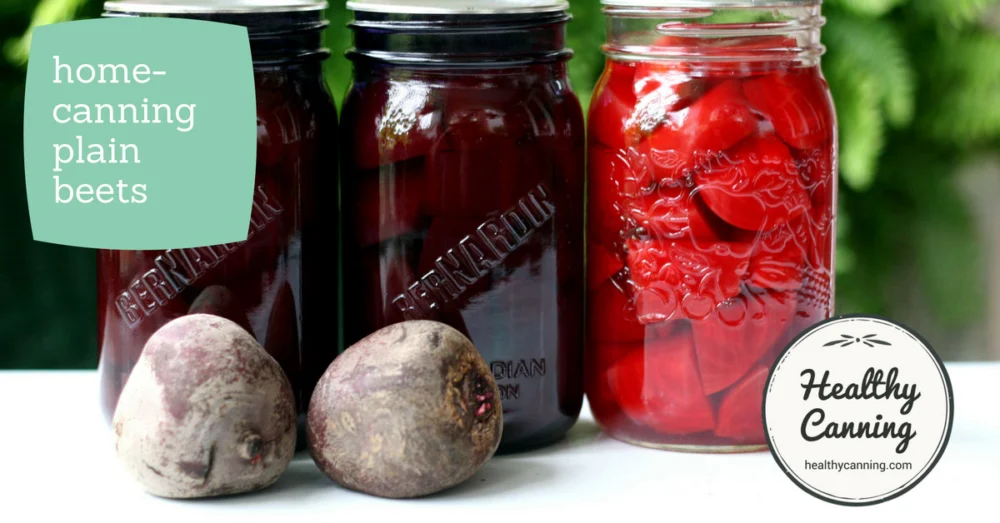
The preservation of plain beets, whether whole, cubed, or sliced, mandates strict adherence to scientifically validated methods, with pressure canning standing as the sole recommended procedure by the United States Department of Agriculture (USDA). This critical guideline is not merely a preference but a fundamental safety requirement, designed to mitigate the severe risk of botulism, a potentially fatal foodborne illness. While delicious as a versatile side dish or ingredient in various culinary creations, plain beets are classified as a low-acid food, making them susceptible to the growth of Clostridium botulinum spores if not processed at sufficiently high temperatures.
The Imperative of Pressure Canning: A Scientific Mandate
The fundamental reason behind the USDA’s unwavering stance on pressure canning for plain beets lies in the microbiology of food spoilage and safety. Clostridium botulinum is a bacterium whose spores are ubiquitous in soil and, consequently, on many fresh vegetables, including beets. These spores are harmless under aerobic conditions but thrive and produce a potent neurotoxin in anaerobic, low-acid environments—precisely the conditions created inside a sealed jar of plain, water-packed beets.

Boiling water bath canning, a common method for high-acid foods like fruits and pickles, reaches temperatures of 100°C (212°F) at sea level. While sufficient to destroy molds, yeasts, and many bacteria, these temperatures are inadequate to neutralize Clostridium botulinum spores. To eliminate these heat-resistant spores, a temperature of at least 116°C (240°F) is required, which can only be achieved consistently and safely through pressure canning. A pressure canner raises the internal temperature of the canning environment significantly above the boiling point of water, creating the necessary conditions to destroy botulism spores, thereby rendering the preserved food safe for consumption. Any deviation from this pressure canning requirement for plain beets, such as attempting a boiling water bath, poses a direct and serious threat of botulism.
A Historical Perspective on Canning Safety and Botulism Incidents
The understanding of botulism and the critical role of pressure canning for low-acid foods has evolved over decades, often tragically informed by outbreaks. As early as 1926, the USDA recognized the "spoilage difficulties and the risk of poisoning from occasional contamination with botulinus bacteria" in non-acid vegetables canned by water bath methods, officially recommending steam-pressure canners. This early guidance highlighted the specific processing times and pressures necessary for safety. For example, in 1926, quart glass jars of baby beets were advised to be processed for 40 minutes at 10 pounds pressure (240°F), with pint jars taking 35 minutes. These times were slightly longer than current recommendations, reflecting an abundance of caution and evolving research.
Despite the clear and present danger, historical periods, particularly during times of resource scarcity like World War II, saw the unfortunate resurgence of unsafe canning advice. During this era, with metal for pressure canners being rationed for the war effort, some university extensions issued guidance that dangerously reverted to boiling water bath methods for beets, often with the addition of a small amount of vinegar. For instance, a 1944 bulletin from the Virginia Agricultural Extension Service suggested boiling beets for 20 minutes, then packing them with one tablespoon of vinegar per pint jar, and processing for 1.5 hours in boiling water. This advice was based on the false and perilous assumption that a minor acidification would render plain beets safe for water bath processing and help preserve their color, despite earlier, safer USDA recommendations.
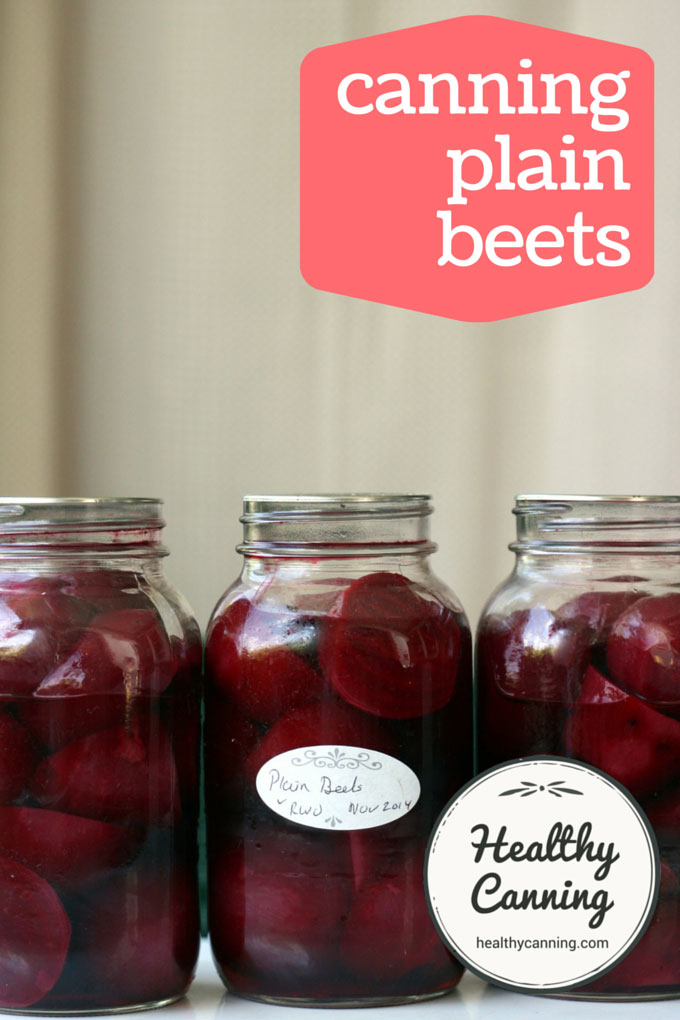
The consequences of such erroneous advice have been dire. From 1990 to 2012 alone, documented cases in the United States show at least 10 individuals afflicted with botulism directly linked to home-canned beets that were improperly processed via water bathing instead of pressure canning. These incidents serve as stark reminders of the enduring dangers of unverified or outdated canning practices. The scientific consensus today is unequivocal: for plain beets, only pressure canning following current USDA guidelines guarantees a safe product. Relying on "old advice" without verifying its scientific basis against modern standards is a gamble with severe health implications.
Preparing Beets for Optimal Canning: A Detailed Procedure
Successful and safe canning begins with meticulous preparation of the produce. For plain beets, adhering to specific steps ensures both safety and quality.
1. Selection and Quantity Guidelines:
When selecting beets for canning, opt for young, tender specimens, ideally no more than 7-8 cm (3 inches) in diameter. Larger beets tend to be more fibrous and can lose quality during processing. As a general guideline, plan for approximately 1.25 kg (3 lbs) of raw beets for each 1-liter (US quart) jar of canned product. For context, about 10 medium-sized beets (around 9 cm or 3 inches each) typically weigh about 2 kg (4.5 pounds). Gardeners should consider varieties known for good canning performance, such as ‘Detroit Dark Red’ (round) or ‘Formanova’ (long beets), which are noted for better color retention.
2. Pre-Cooking for Skin Removal and Hot Packing:
The beets must be pre-cooked until their skins can be easily slipped off. This step is crucial for two reasons: it facilitates peeling, which reduces the bacterial load entering the jars, and it ensures the beets are hot-packed, a requirement for safe pressure canning. To minimize color loss during pre-cooking, leave about 2.5 cm (1 inch) of the stem and all of the taproot attached.
- Boiling Method: Wash beets thoroughly. Place them in a large pot, cover with water, and bring to a boil. Boil until the skins are tender enough to rub off easily. The exact time will vary based on beet size; smaller beets will cook faster. Sorting beets by size before cooking can help ensure uniform doneness.
- Steaming Method: For an energy-efficient alternative, beets can be steamed in a multi-canner type steam canner.
- Pressure Cooking Method: Pre-cooking beets in a pressure cooker can save time, fuel, and reduce kitchen steam. For approximately 9 kg (20 lbs) of medium-sized beets (up to 10 cm or 4 inches), try pressure cooking at 15 pounds pressure with about 1.5 liters (quarts) of water for 3 minutes, followed by natural release. Remember that the "come up to pressure" and "cool down" times contribute to overall cooking, so actual time at pressure might be shorter than boiling. Again, sorting by size is beneficial.
Once pre-cooked, immediately cool the beets just enough to handle, then peel, trim the stems and roots, and either leave them whole (if less than 5 cm / 2 inches), slice, or cube them. It is imperative that the beets remain warm when packed into jars. If they have cooled significantly, briefly reheat them in a microwave or pot before packing to ensure proper hot packing.
3. Packing and Pressure Canning Procedure:
- Jar Preparation: Use clean, hot canning jars (half-liter/1 US pint or 1-liter/1 US quart). New lids and clean screw bands are essential.
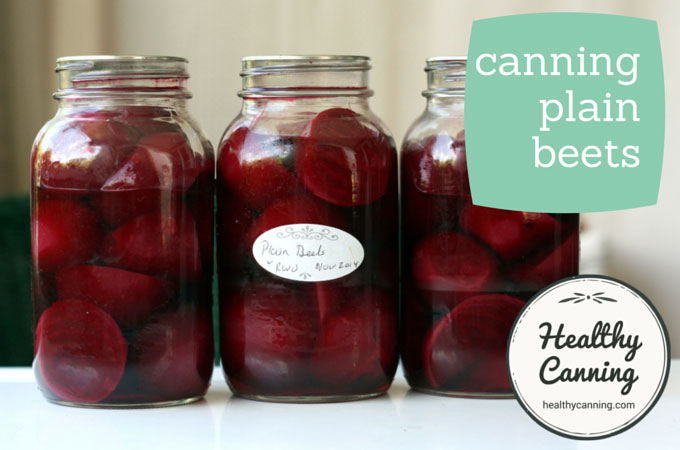
- Packing: Pack the hot beets into the hot jars, leaving a 3 cm (1 inch) headspace from the rim. This headspace is critical for proper sealing and to prevent food from siphoning out during processing.
- Liquid: Fill the jars with fresh boiling water, maintaining the 3 cm (1 inch) headspace. The water should be plain, as the salt is purely for seasoning and does not contribute to safety. For flavor, you may add 1 teaspoon of canning salt per liter jar (or ½ teaspoon per pint jar), but this is optional and does not affect safety.
- Lid Application: Wipe jar rims clean to ensure a good seal. Center new, prepared lids on the jars and apply screw bands finger-tight.
- Pressure Canning: Place the filled jars into a preheated pressure canner containing 5-7.5 cm (2-3 inches) of hot water. Secure the canner lid.
- Venting: Vent the canner for 10 minutes to allow all air to escape before pressurizing. This prevents "false pressure" readings and ensures the internal temperature is truly reached.
- Pressure Adjustment: Bring the canner up to the specified pressure. For weighted gauge canners, process at 10 lbs (69 kPa) at altitudes up to 300 meters (1000 feet). Above 300 meters, adjust to 15 lbs. For dial gauge canners, process at 11 lbs (76 kPa) at altitudes up to 600 meters (2000 feet), adjusting higher for greater altitudes according to USDA charts. Altitude adjustments are non-negotiable for safe processing.
- Processing Times: Process half-liter (pint) jars for 30 minutes. Process 1-liter (quart) jars for 35 minutes.
- Cooling: Once the processing time is complete, turn off the heat and allow the canner to cool naturally until the pressure returns to zero. Do not force cool the canner, as this can lead to liquid loss from jars and seal failures.
- Jar Removal: Remove the jars from the canner and place them on a towel-lined surface, ensuring they are not touching each other, to cool undisturbed for 12-24 hours.
- Checking Seals: After cooling, check jar seals. Lids should be concave and not flex when pressed. Remove screw bands, wipe jars clean, label with contents and date, and store in a cool, dark, dry place.
Understanding Color Retention and Quality
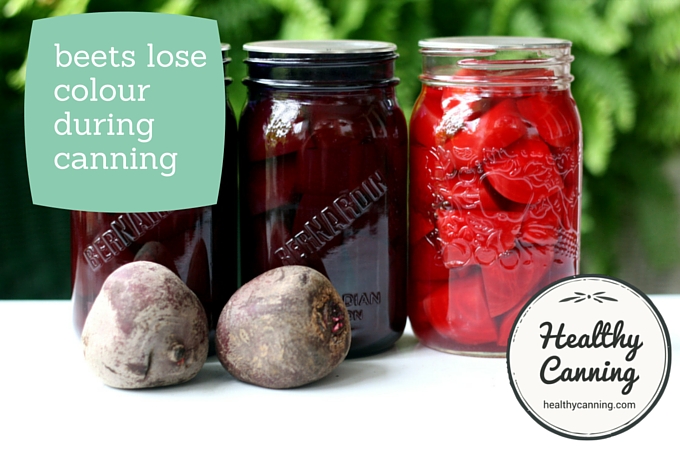
One common concern for home canners is the potential for beets to lose their vibrant red color during processing. The red pigments in beets, known as betalains, are indeed sensitive to high temperatures. Penn State Extension notes that these pigments can transform into colorless compounds during canning, with some beet varieties being more susceptible than others. However, this reaction is often reversible. The color of canned beets frequently returns to a darker red after a few days or weeks of storage at room temperature. The practice of leaving a short stem and taproot attached during initial boiling is also believed to help mitigate initial color loss.
The National Center for Home Food Preservation (NCHFP) provides specific judging criteria for plain canned beets, emphasizing uniform size and shape, a dark, deep, and even color (undesirable colors include brownish-red, faded, or white rings), clear red liquid without cloudiness or sediment, and freedom from stems, roots, skin traces, or fibrous appearance. These criteria underscore the importance of proper preparation and processing for achieving a high-quality product.
Nutritional Profile and Culinary Applications
Canned plain beets offer a convenient and nutritious addition to any diet. A 175g serving (approximately ½ pound or 1 cup cooked, chopped) contains about 124 calories, 29.8g carbohydrates, 4g protein, 1g fat (0.2g saturated fat), 2mg sodium, 3.6g fiber, and 4.8g sugar. Beets are a good source of essential vitamins and minerals, including folate, manganese, potassium, and vitamin C, and are rich in beneficial antioxidants.

The culinary versatility of home-canned beets is immense. They can be enjoyed simply by warming them and serving with a dollop of sour cream and a sprinkle of fresh dill, offering a comforting dish on a cold evening. They can also be tossed with olive oil or duck fat and roasted for enhanced flavor. Beyond simple preparations, canned beets are excellent in various recipes:
- Roasted Beets with Maple Syrup: A sweet and savory side dish.
- Borscht: The classic Eastern European soup, where canned beets provide a convenient base.
- Spicy Beets & Carrot Curry in Creamy Coconut Milk: A flavorful and hearty vegetarian option.
- Salads: Sliced or cubed beets can be added directly to green salads or marinated for a vibrant beet salad.
- Smoothies: A small amount can add nutrients and color without overpowering other flavors.
The availability of home-canned beets significantly streamlines meal preparation, offering a healthy and wholesome ingredient that is ready to use at a moment’s notice.
Broader Implications for Home Canners and Food Security
Home canning is more than just a culinary hobby; it represents a commitment to food security, self-sufficiency, and quality control over one’s diet. By preserving produce at its peak, home canners can extend the harvest, reduce food waste, and ensure a supply of wholesome food free from undesirable additives. However, the profound benefits of home canning are inextricably linked to rigorous adherence to safety protocols. The science-backed guidelines provided by the USDA and NCHFP are the bedrock of safe home food preservation. Neglecting these guidelines, particularly for low-acid foods like plain beets, can transform a nourishing food into a dangerous one.
The continuous education and outreach efforts by agricultural extension services across the nation play a vital role in disseminating current, research-based canning information. These resources empower home canners with the knowledge and confidence to preserve food safely, ensuring that the age-old tradition of canning remains a safe and rewarding practice for future generations. The convenience and satisfaction of pulling a jar of perfectly preserved, deep red beets from the pantry on a blustery winter’s evening is a testament to the enduring value of proper home canning.