
Overcooked brisket, a culinary mishap that can strike even the most seasoned pitmasters, occurs when the prized cut of beef remains on the heat for too long or continues its thermal journey past its prime due to residual heat and the resting period. This extended exposure to heat fundamentally alters the meat’s structure, transforming what should be tender, sliceable meat into a crumbly, shredded texture. While the damage is irreversible in terms of restoring the original integrity, there are established techniques to mitigate the fallout, enhance its palatability, and ensure a satisfying dining experience.
The primary indicator of an overcooked brisket is its loss of structural integrity. Instead of yielding clean, distinct slices, the meat will readily fall apart, crumble at the slightest touch, or shred with minimal effort. This breakdown is a direct consequence of the collagen, which should have rendered into gelatin to provide moisture and tenderness, being overcooked and subsequently drying out the muscle fibers. While the brisket may feel soft to the touch, this softness is a deceptive indicator, stemming from compromised muscle fibers rather than retained moisture. The visual cues are often accompanied by a lack of juiciness and a tendency to fall apart when handled.
Understanding the genesis of overcooked brisket is crucial for prevention. The majority of these incidents occur after the brisket has already reached its optimal tenderness, commonly referred to as "probe tender." This critical window, where the meat is perfectly cooked and ready to rest, is often narrow. Several factors can contribute to overshooting this mark:
- Extended Cooking Time: Miscalculations in cooking time, often due to underestimating the duration needed or adhering rigidly to a timeline without checking for tenderness, are primary culprits.
- Temperature Fluctuations and Carryover Cooking: While a stable temperature is ideal, unexpected spikes or prolonged periods at slightly elevated temperatures can push the brisket past its peak. Furthermore, the internal temperature of the brisket continues to rise during the resting period, a phenomenon known as carryover cooking. Failing to account for this can lead to an overcooked final product.
- Insufficient Monitoring: Relying solely on time rather than temperature probes and the "probe tender" test is a common pitfall. The meat’s internal temperature is the most reliable indicator of doneness.
- The "Stall" Mismanagement: The stall, a period during smoking where the internal temperature plateaus due to evaporative cooling, can sometimes lead pitmasters to increase the heat or cooking time excessively in an attempt to push through it, inadvertently leading to overcooking.
The challenge with overcooked brisket lies in the fact that once the muscle fibers have dried out, moisture cannot be fully reintroduced. Therefore, the focus shifts from restoring lost moisture to optimizing the eating experience by enhancing flavor and managing the texture. The overarching goals in salvaging overcooked brisket are to:

- Maximize Perceived Moisture: Even if the meat is dry, techniques can be employed to make it seem moister.
- Enhance Flavor: Robust flavors can compensate for textural deficiencies.
- Adapt Presentation: Moving away from traditional slicing and embracing alternative serving methods is key.
The Art of Slicing: A Tactical Maneuver for Overcooked Brisket
The way brisket is sliced can significantly impact its perceived quality when overcooked. Thin slices, which are ideal for perfectly cooked brisket, will often disintegrate when the meat has lost its structural integrity. In such instances, opting for thicker slices can provide a crucial advantage. These larger pieces are more likely to hold together, offering a more substantial bite and retaining a greater degree of moisture on the plate.
If the brisket is exceptionally tender and fragile, slicing it slightly thicker can make a notable difference in presentation and texture. While these slicing adjustments will not miraculously transform an overcooked brisket into perfectly formed slices, they can be the deciding factor between a dish that crumbles into an unappetizing mess and one that is still enjoyable. This is a tactical approach, acknowledging the limitations while working within them to achieve the best possible outcome.
Embracing the Crumble: Fixing Overcooked Brisket That Has Fallen Apart
When a brisket has already succumbed to the overcooking process and has fallen apart, the most effective strategy is to embrace its current state. Rather than attempting to force it into a sliced format, leaning into its shredded or crumbly nature opens up a range of delicious possibilities.
Prime options for utilizing such brisket include:
- Brisket Tacos or Burrito Bowls: The shredded brisket can be seasoned and incorporated into flavorful taco fillings or served as a protein base for hearty burrito bowls.
- Brisket Chili or Stews: Its tender, shreddable texture makes it an ideal addition to slow-cooked chili or comforting stews, where its flavor can meld with other ingredients.
- Brisket Sandwiches (e.g., Pulled Brisket): Similar to pulled pork, shredded brisket can be sauced and served on buns for a satisfying sandwich.
- Brisket Nachos: The savory meat can be a fantastic topping for loaded nachos, adding depth and richness.
In these applications, the emphasis shifts from the visual appeal of sliced meat to the robust flavor and satisfying texture of the dish. The overcooked brisket, while no longer suitable for a traditional presentation, can still be the star of a flavorful meal.

Reheating Overcooked Brisket: A Delicate Balancing Act
Reheating brisket, especially when it’s already overcooked, presents a significant risk of further drying it out. To mitigate this, a gentle and controlled approach is paramount. The objective is to reintroduce moisture and warmth without accelerating moisture loss.
The recommended method for reheating involves:
- Low and Slow Temperature: Utilize a low oven temperature, typically around 250-275°F (120-135°C).
- Moisture Retention: Place the brisket in a covered dish, or wrap it tightly in foil. Adding a small amount of liquid, such as beef broth or even some of the original cooking juices if available, can further enhance moisture.
- Gentle Reheating: Allow ample time for the brisket to reheat thoroughly without rushing the process.
It is crucial to avoid high heat or uncovered reheating methods, as these will invariably lead to more moisture evaporation and a drier final product. Patience and a low-temperature approach are key to preserving any remaining moisture.
Prevention: The Ultimate Strategy for Perfect Brisket
The most effective way to deal with overcooked brisket is to prevent it from happening in the first place. While accidents can occur, understanding the critical stages of brisket cooking and implementing proactive measures can significantly increase the likelihood of success.
Key preventative strategies include:

- Accurate Temperature Monitoring: Invest in a reliable leave-in meat thermometer and an instant-read thermometer. These are non-negotiable tools for any pitmaster.
- Embrace the "Probe Tender" Test: This is the most accurate method for determining doneness. When a probe slides into the thickest part of the flat with very little resistance, the brisket is likely ready.
- Account for Carryover Cooking: Factor in that the brisket’s internal temperature will rise by 5-10°F (3-5°C) during the resting period. Remove it from the heat slightly before it reaches your target temperature.
- Proper Resting: A minimum rest of 1-2 hours, and often much longer (up to 4 hours or more for larger briskets), is essential. This allows the juices to redistribute throughout the meat.
- Utilize a "No-Fail" Recipe: Following a well-tested recipe that details precise steps for temperature, time, and tenderness checks can provide a strong foundation for success.
Once brisket reaches the "probe tender" stage, the margin for error narrows considerably. Vigilance and a keen understanding of the meat’s condition become paramount.
Christie’s Pitmaster Take: A Pragmatic Approach to Imperfection
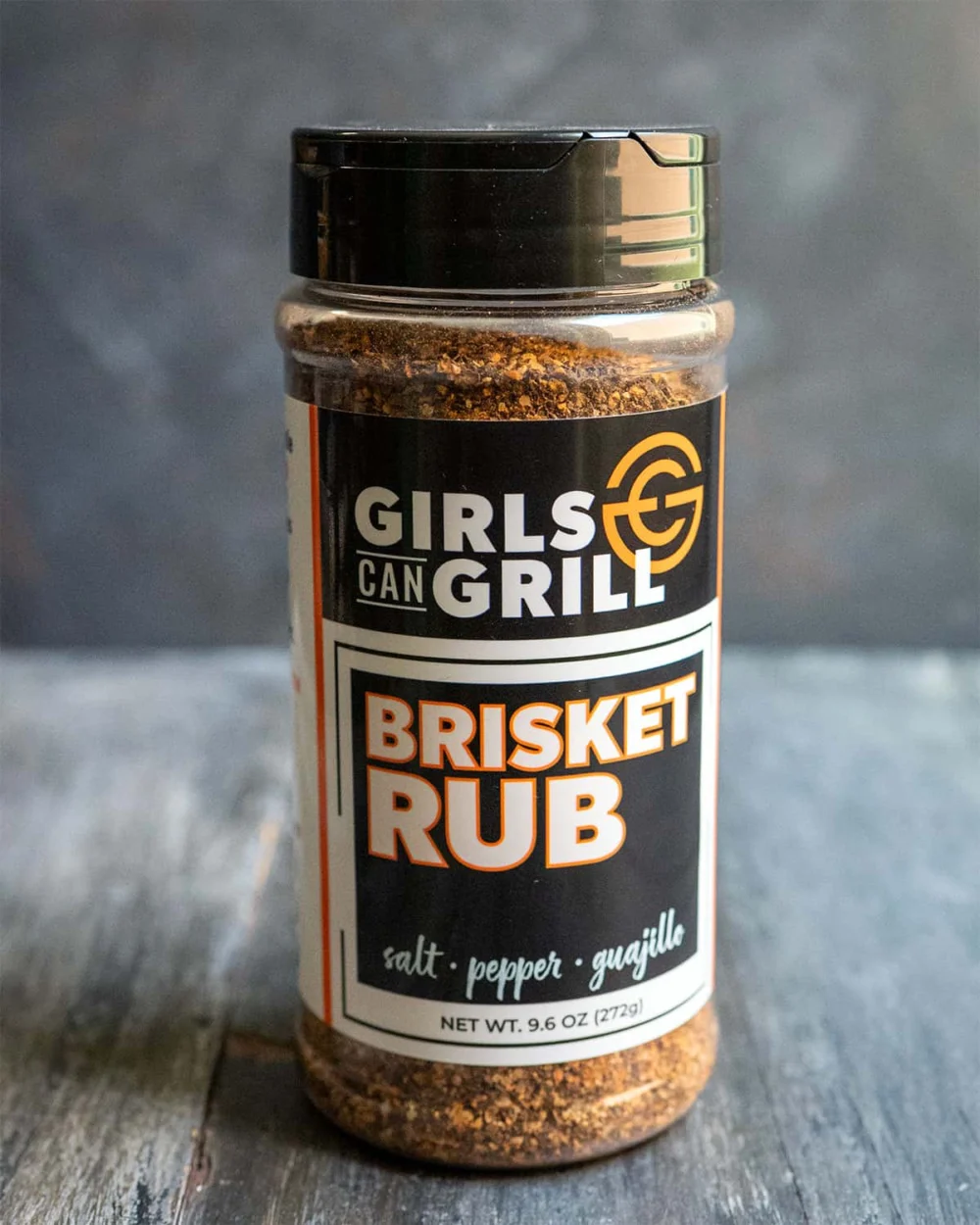
Christie Vanover, an award-winning competitive pitmaster and the driving force behind Girls Can Grill, offers a pragmatic perspective on overcooked brisket. "Overcooked brisket isn’t ruined," she states, "but it’s no longer a slicing brisket. When that happens, I stop fighting it. I add moisture, change how I serve it, and focus on flavor instead of appearance." This philosophy underscores the importance of adaptability and resourcefulness in the pitmaster’s toolkit. It’s about recognizing when a particular path has been overshot and pivoting to a strategy that maximizes the potential of the ingredients at hand. The focus on flavor and moisture, rather than a pristine visual presentation, is a hallmark of experienced pitmasters who understand that deliciousness trumps perfection in many culinary scenarios.
The journey of a brisket from raw cut to plated masterpiece is often a testament to patience, skill, and a deep understanding of heat dynamics. While the specter of overcooking looms, especially for those new to the art of barbecue, the knowledge and techniques discussed here provide a roadmap not only for prevention but also for salvaging those inevitable moments when the heat proves a little too generous. By embracing these strategies, pitmasters can transform a potential disappointment into a flavorful triumph.


