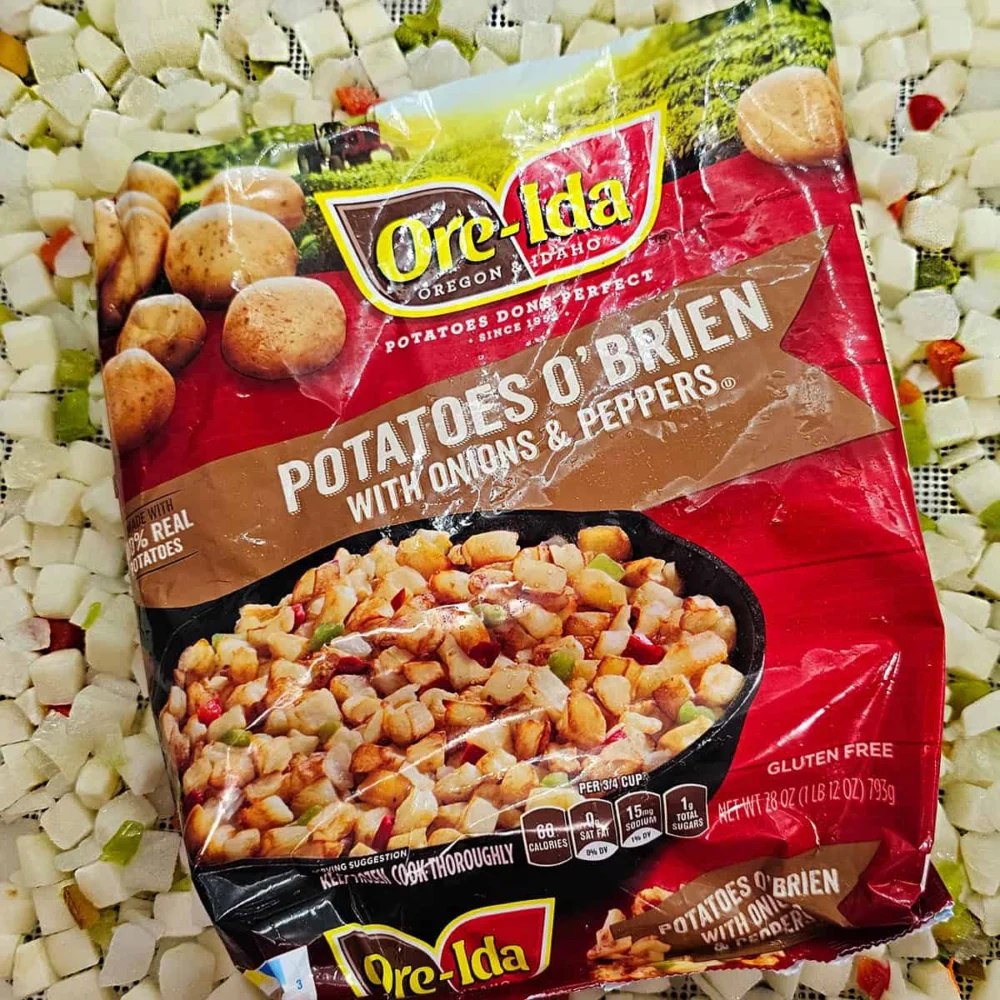
The practice of dehydrating frozen potato products, specifically pre-diced varieties such as Potatoes O’Brien, has emerged as a significant strategy for modern households seeking to optimize freezer space and ensure long-term food security. By converting perishable frozen goods into shelf-stable pantry staples, consumers can effectively manage their inventory, reduce energy dependency on cold storage, and prepare for potential supply chain disruptions. This methodology leverages the industrial pre-processing already applied to frozen vegetables—such as washing, peeling, dicing, and blanching—thereby streamlining the home preservation process. Darcy Baldwin, a recognized authority in food preservation and creator of The Purposeful Pantry, highlights that this approach not only saves physical space for items that require constant freezing, such as dairy products, but also creates a versatile ingredient ready for immediate culinary use.
The Evolution of Potato Preservation
Potatoes have been a cornerstone of human nutrition for millennia, and the quest to make them shelf-stable is not a new phenomenon. Historical records indicate that the Inca populations of the Andes developed "chuño," a freeze-dried potato product, as early as the 13th century. Modern dehydration techniques represent a technological evolution of these ancient practices. In the contemporary context, the shift toward home dehydration is often driven by economic factors. According to data from the U.S. Department of Agriculture (USDA), the average American household wastes approximately 30% of its food supply. By dehydrating frozen vegetables that might otherwise suffer from freezer burn, consumers can significantly extend the lifecycle of their purchases.
Frozen Potatoes O’Brien—a mixture typically consisting of diced potatoes, green and red bell peppers, and onions—presents a unique opportunity for dehydrator enthusiasts. Because these vegetables are blanched before freezing to inactivate enzymes that cause spoilage and loss of flavor, they are essentially "prepped" for the dehydrator. This eliminates the labor-intensive steps of peeling and parboiling, which are traditionally required when working with raw tubers.
Technical Methodology: The Dehydration Process
The transition from a frozen state to a shelf-stable dry good requires a systematic approach to ensure safety and quality. The process begins with the selection of the product. Industrial frozen potatoes are preferred because they maintain a consistent size, which ensures uniform drying times.
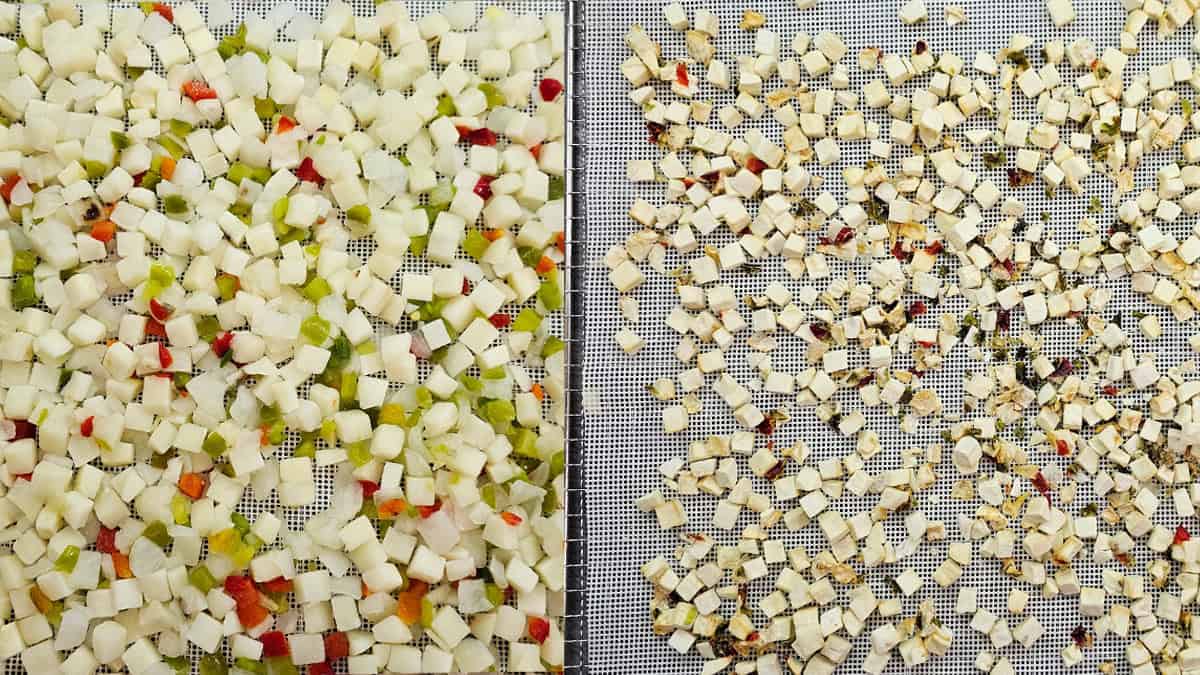
- Preparation and Loading: The frozen potatoes do not require thawing before the process begins. Thawing can lead to a loss of texture as the cell walls of the potato, already weakened by the freezing process, may collapse and become mushy. Instead, the frozen pieces are spread directly onto dehydrator trays. It is essential to use mesh screen liners to prevent the smaller pieces from falling through the trays as they shrink during the drying cycle.
- Temperature Regulation: The standard temperature for dehydrating vegetables is 125°F (52°C). This specific temperature is high enough to facilitate the evaporation of moisture but low enough to prevent "case hardening," a condition where the outside of the food dries too quickly, trapping moisture inside and leading to internal mold growth.
- Duration and Monitoring: The dehydration cycle typically lasts between 8 to 12 hours. However, variables such as ambient humidity, the specific model of the dehydrator, and the density of the tray loading can influence the timeline.
- Testing for Dryness: The process is complete when the potatoes are translucent and hard. When dropped on a hard surface, they should produce a "clinking" sound rather than a dull thud. If the pieces remain leathery or soft, they require additional time in the unit.
- Conditioning: Once the potatoes are removed from the dehydrator, they must undergo "conditioning." This involves placing the dried product in a clear jar for several days and shaking it daily. If any condensation appears on the glass, the product is not sufficiently dry and must be returned to the dehydrator.
Economic and Practical Implications
The primary motivation for this preservation method is the optimization of "high-value" freezer real estate. Residential freezers have limited cubic footage, and bulky bags of frozen potatoes often consume space that could be better utilized for meats, prepared meals, or frozen desserts. By removing the water content—which accounts for approximately 80% of a potato’s weight—the volume of the food is drastically reduced.
From an energy perspective, shelf-stable food represents a "passive" storage system. While a freezer requires a constant draw of electricity to maintain sub-zero temperatures, a vacuum-sealed jar of dehydrated potatoes requires only a cool, dark environment. In the event of a prolonged power outage, dehydrated stocks remain safe, whereas frozen inventories are at immediate risk of spoilage.
Limitations and Safety Protocols
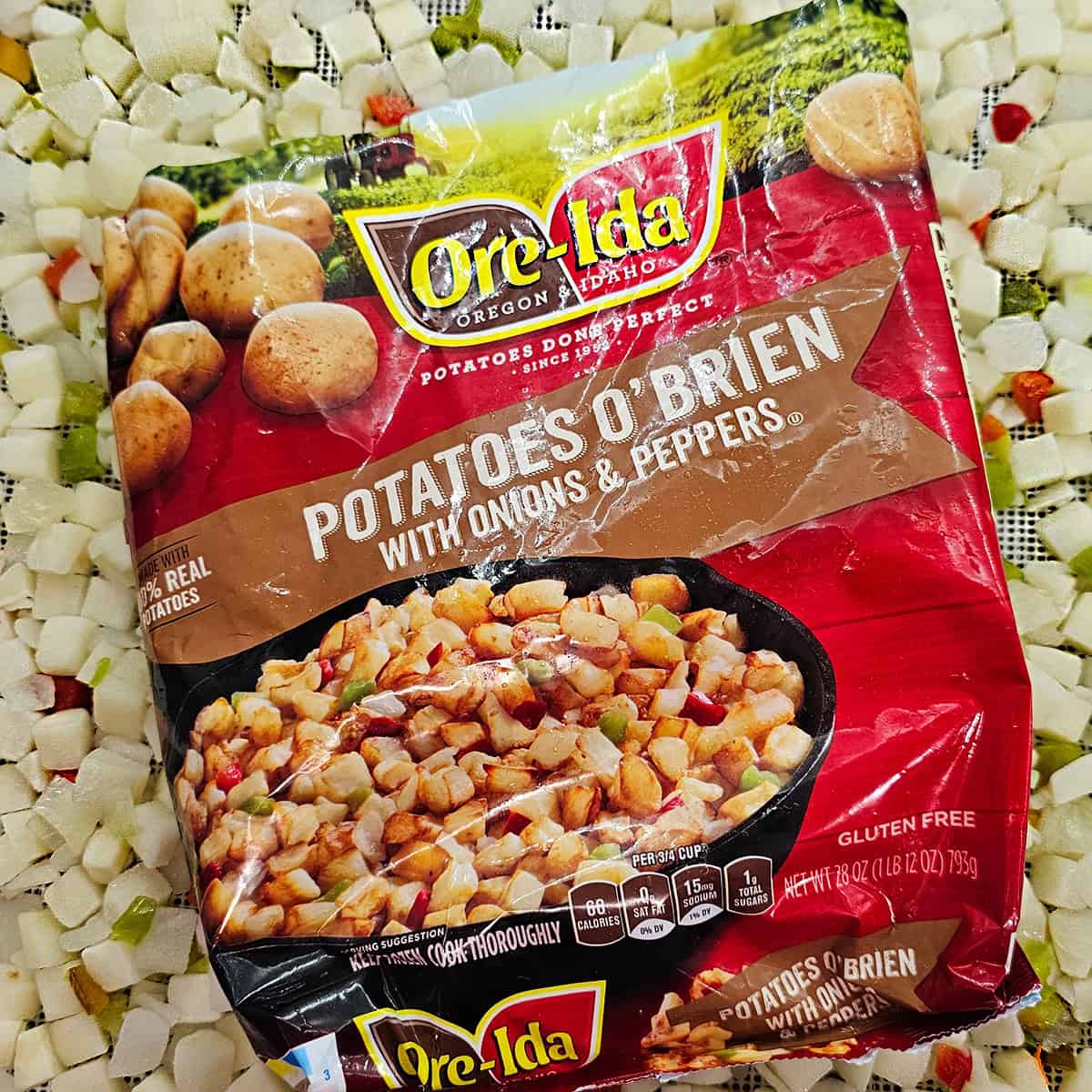
While most frozen vegetables are excellent candidates for dehydration, certain potato products are unsuitable for this method. Experts caution against dehydrating frozen French fries, tater tots, or any potato product that has been pre-fried or contains added fats and oils.
The presence of lipids is the primary concern; fats do not dehydrate and are prone to oxidative rancidity even in an airtight environment. This can result in off-flavors and the production of potentially harmful compounds. Therefore, the dehydration process should be strictly limited to "naked" vegetables—those that have been blanched but not seasoned or oiled.
Culinary Applications and Rehydration
Dehydrated Potatoes O’Brien are highly regarded for their versatility in the kitchen. Rehydration is a straightforward process, typically following a 1:1 ratio. One cup of boiling water added to one cup of dehydrated potatoes will generally restore the vegetable to a usable state within 15 to 20 minutes.
For applications such as soups, stews, and casseroles, the rehydration step can be bypassed. The dried potatoes can be added directly to the simmering liquid, where they will absorb moisture and cook simultaneously. This makes them an ideal component for "jar meals" or "camp food," where lightweight ingredients are preferred.
For breakfast applications, such as hash browns or skillet potatoes, it is recommended to rehydrate the potatoes first and then pat them dry. This removal of surface moisture is critical for achieving a crisp texture when sautéing in oil or butter.
Broader Impact on Food Security
The rise of the "Purposeful Pantry" movement, led by figures like Darcy Baldwin, reflects a broader societal trend toward self-sufficiency. In her publication, Dehydrating Basics & Journal, Baldwin emphasizes that food preservation is a skill that empowers the individual against market volatility.
Global supply chains have faced unprecedented strain in recent years due to geopolitical instability and climate-related crop failures. By maintaining a "working pantry" of dehydrated staples, households can buffer themselves against price spikes and shortages. Potatoes, being a calorie-dense and nutrient-rich crop, are a vital component of this strategy.
Conclusion
The dehydration of frozen potato products is more than a kitchen hobby; it is a calculated approach to household management and resource preservation. By utilizing the industrial groundwork laid by frozen food manufacturers, home cooks can efficiently transition from a "just-in-time" grocery model to a "just-in-case" preparedness model. As energy costs fluctuate and the importance of minimizing food waste grows, the conversion of frozen assets into shelf-stable inventory stands as a practical, science-based solution for the modern consumer. Through the careful application of temperature and airflow, the humble bag of frozen Potatoes O’Brien is transformed into a long-term resource, ensuring that the pantry remains stocked and the freezer remains available for the "really important things."