For home bakers seeking to elevate their dessert game, the quest for the perfect sugar cookie often leads to a desire for professional-quality results without the need for a dedicated bakery visit. This pursuit culminates in a refined recipe for foolproof cut-out sugar cookies, meticulously designed to achieve that coveted balance of crisp edges and a tender, yielding center. Complementing these foundational cookies is a smooth, exceptionally pipeable buttercream frosting, engineered to hold its shape flawlessly, making it the ideal medium for intricate decorative work. This comprehensive guide demystifies the art of creating these delightful treats, offering insights into techniques and ingredients that empower even novice bakers.

Mastering the Art of the Perfect Sugar Cookie
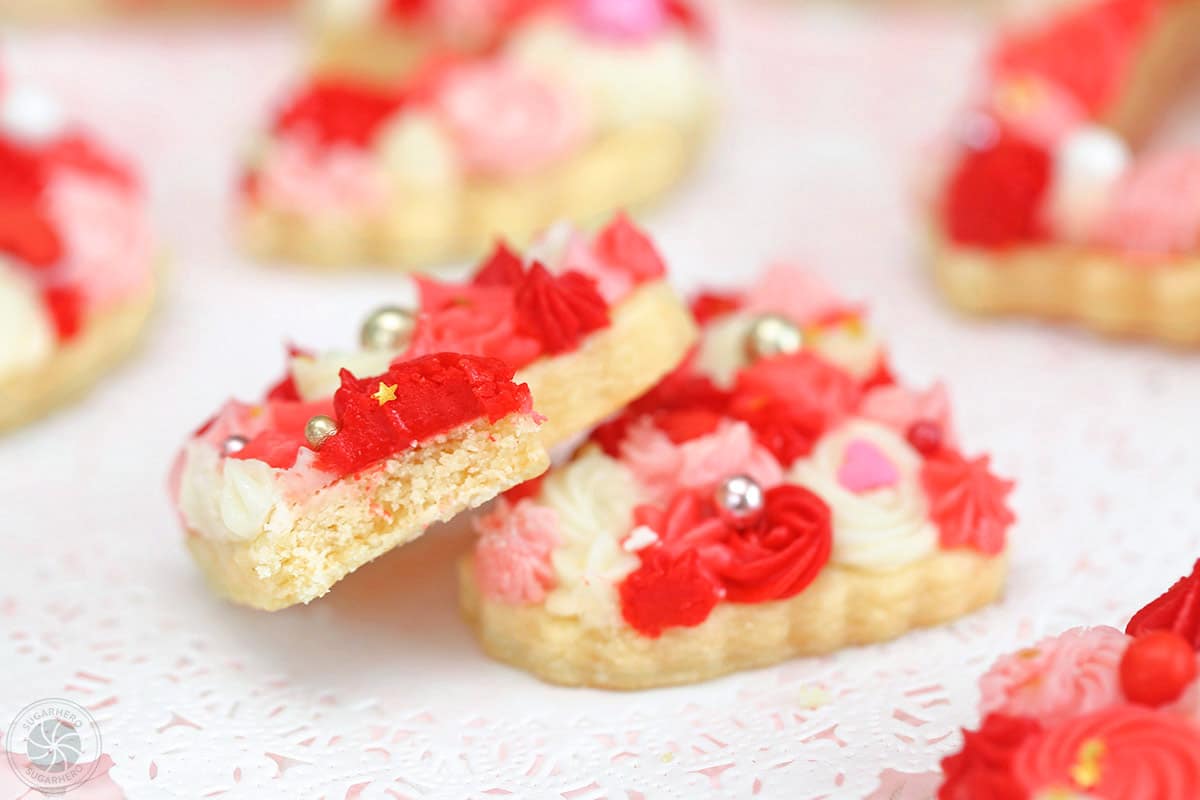
The cornerstone of this recipe lies in a meticulously developed sugar cookie dough, lauded for its reliability and consistent results. This dough is specifically formulated to withstand the riguring of cut-outs and baking, ensuring minimal spread and a clean, defined shape. The resulting cookies boast a desirable textural contrast: a satisfying crispness around the perimeter that gives way to a soft, melt-in-your-mouth interior. This delicate balance is crucial for a superior sugar cookie experience, providing a robust yet delicate canvas for decoration.
The journey to achieving these perfect cookies begins with understanding the fundamental elements of a well-crafted dough. Key ingredients, such as high-quality butter, granulated sugar, and a precisely measured blend of flour, are essential. The method of creaming the butter and sugar is a critical step, as it incorporates air, contributing to the cookie’s tender texture and slight lift. The inclusion of an egg and vanilla extract provides richness and flavor, while a touch of cornstarch can enhance crispness. Chilling the dough is an indispensable phase, allowing the gluten to relax and the fats to firm up, which prevents excessive spreading during baking and ensures the cookies retain their intended shape.
The Science Behind a Pipeable Buttercream Frosting
What truly sets these sugar cookies apart is the accompanying buttercream frosting. This is not just any frosting; it is a carefully formulated emulsion designed for both aesthetic appeal and structural integrity. The recipe emphasizes an American-style buttercream, renowned for its simplicity and adaptability. This classic frosting is typically composed of butter, powdered sugar, a liquid such as milk or cream, and vanilla extract. The precise ratio of these ingredients, combined with the method of preparation, determines the frosting’s consistency and its suitability for piping.

The key to achieving a pipeable frosting lies in the texture of the butter and the gradual incorporation of powdered sugar. Softened, but not melted, butter provides a creamy base. As powdered sugar is added, it thickens the mixture, creating the characteristic smooth and spreadable texture. The addition of a small amount of liquid helps to achieve the desired consistency, allowing the frosting to be piped without becoming too stiff or too runny. For this recipe, the goal is a frosting that is firm enough to hold delicate swirls and intricate designs, yet pliable enough to be easily controlled by a piping bag.
Demystifying Frosting Techniques for Beginners
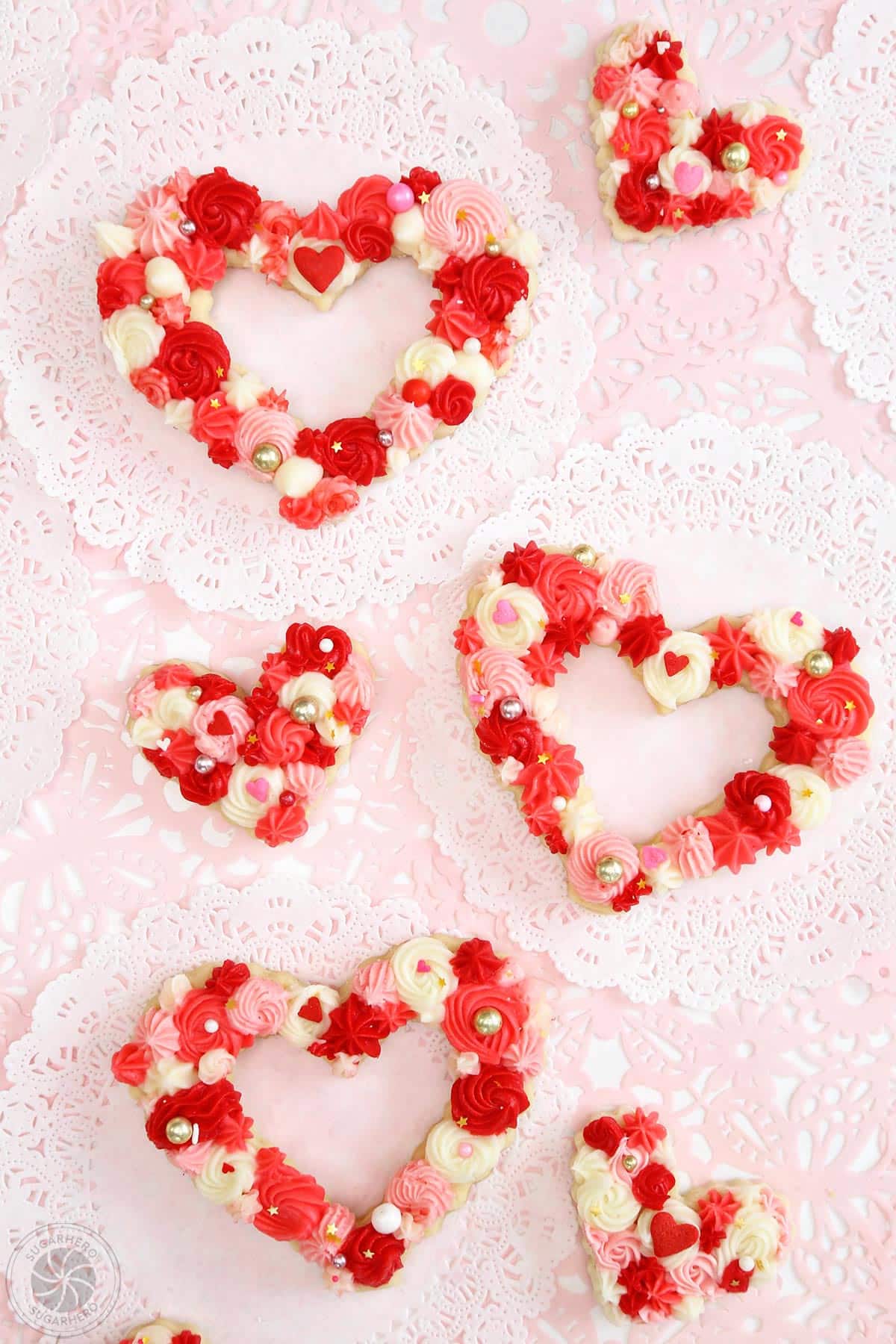
For many aspiring bakers, the prospect of piping frosting can evoke a sense of trepidation. The intricate designs seen in professional bakeries can appear daunting, leading to a fear of imperfection. However, this recipe aims to demystify the process, transforming it into an accessible and enjoyable aspect of cookie decoration. By utilizing a few essential tools and a creative approach, even beginners can achieve bakery-worthy results.
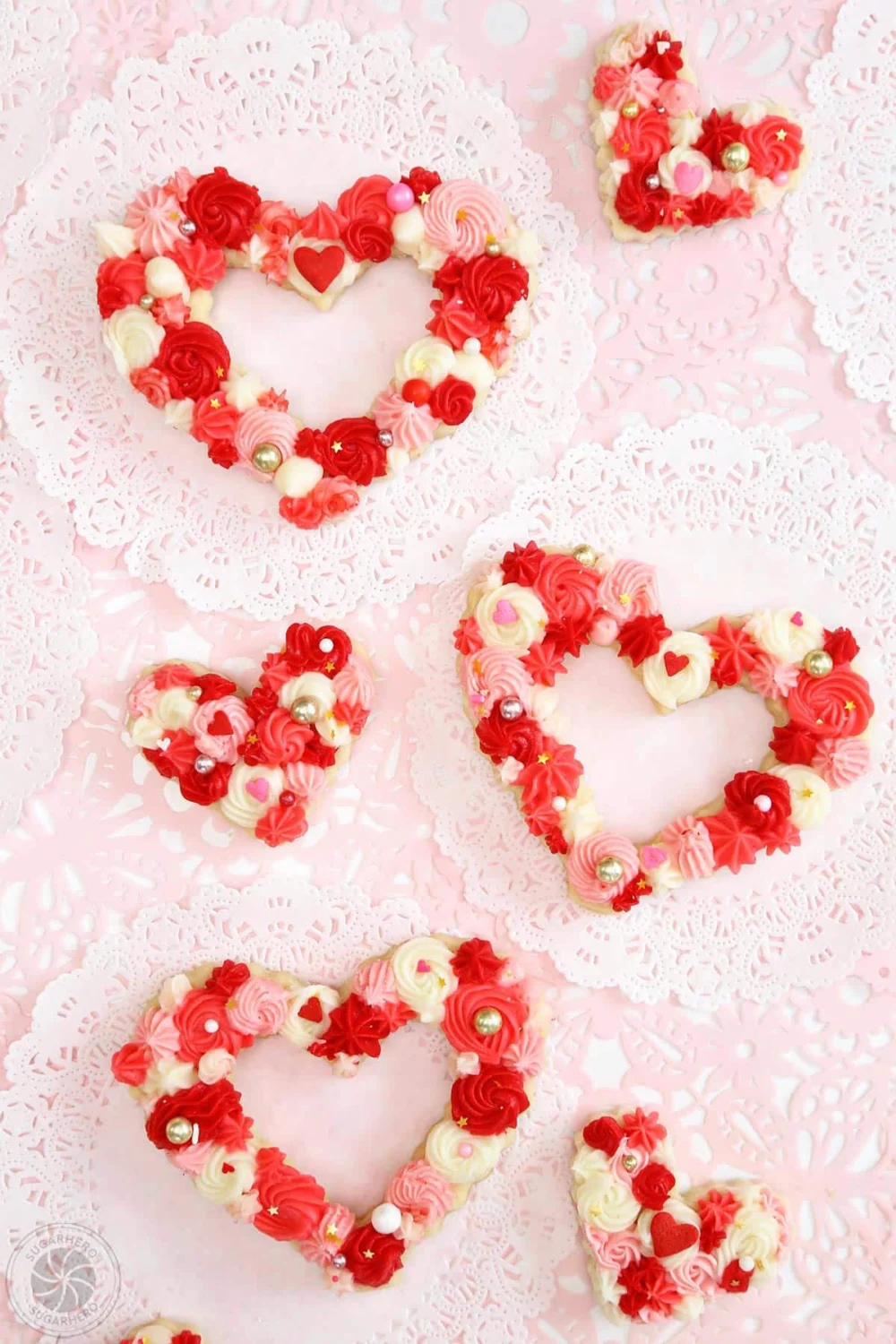
The core principle behind this beginner-friendly decorating technique is the strategic use of various frosting colors and piping tips. The recipe suggests employing a palette of complementary colors, such as white, dark red, and dark pink, with the option to create lighter shades by mixing colors. Each color is then loaded into a separate piping bag fitted with a small star tip. The exact number of the piping tip is less critical than its size and the presence of ridges, which help create attractive patterns.
The beauty of this decorating method lies in its inherent flexibility. There is no "wrong" way to apply the frosting. Instead of striving for absolute precision, bakers are encouraged to embrace a more freeform approach. Swirls, dots, and squiggly lines of different colors can be layered and combined across the cookie’s surface. This creates a visually dynamic and charmingly chaotic effect that is both appealing and forgiving. The addition of sprinkles serves as a final flourish, completing these "beautifully chaotic masterpieces."
Ingredients and Equipment: The Foundation of Success
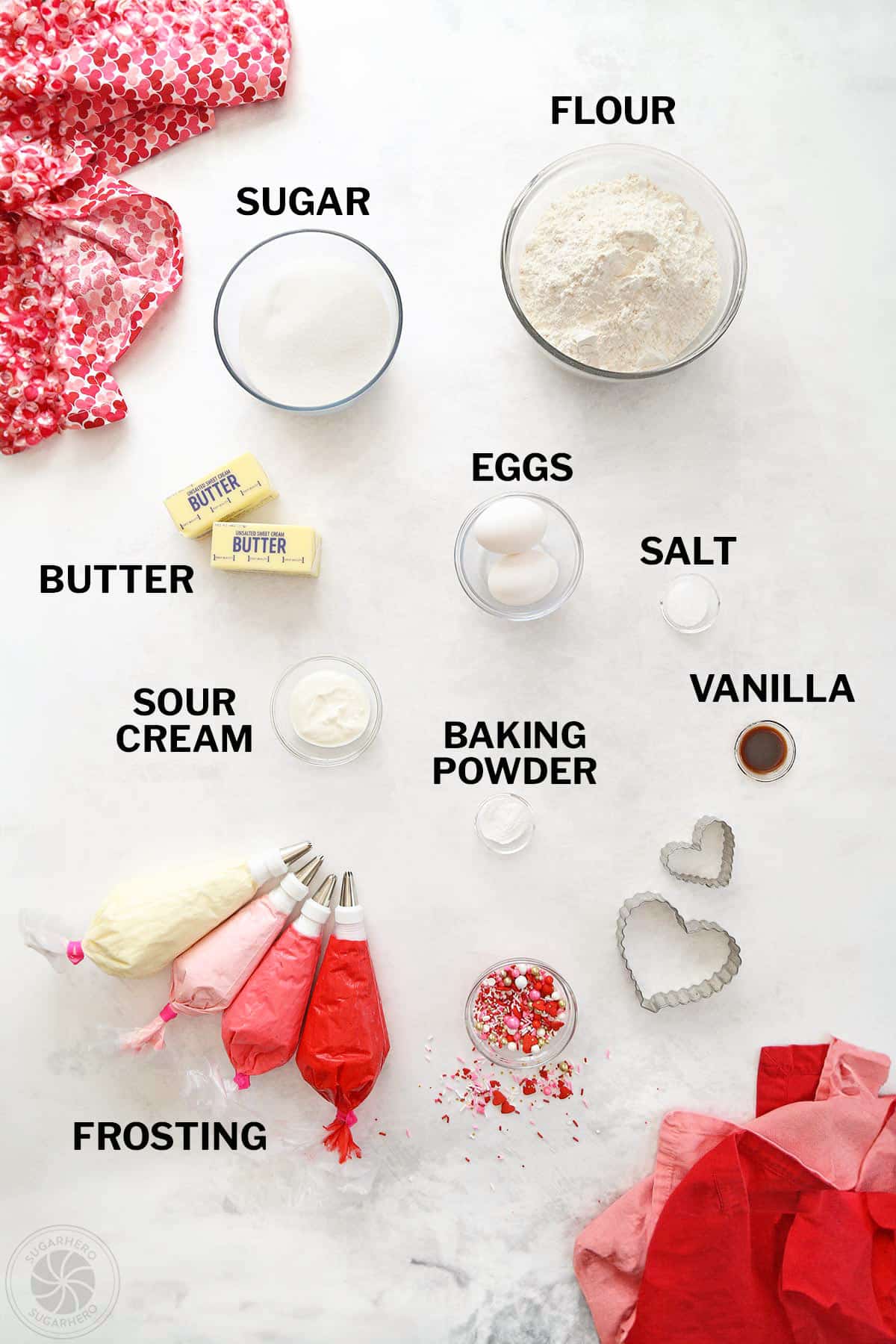
To embark on this culinary endeavor, a specific set of ingredients and equipment is required. The recipe provides a detailed list, emphasizing quality and precision.
Ingredients for the Sugar Cookies:
- All-purpose flour
- Baking soda
- Salt
- Unsalted butter, softened
- Granulated sugar
- Large eggs
- Pure vanilla extract
Ingredients for the Buttercream Frosting:
- Unsalted butter, softened
- Powdered sugar
- Milk or heavy cream
- Pure vanilla extract
- Food coloring (optional, for desired hues)
Equipment for Cookie Making and Decorating:
- Mixing bowls (various sizes)
- Electric mixer (stand or handheld)
- Whisk
- Rubber spatula
- Rolling pin
- Cookie cutters (various shapes)
- Baking sheets
- Parchment paper
- Piping bags
- Piping tips (small star tips recommended)
- Offset spatula
- Cooling racks
Step-by-Step Guide to Creating Perfect Sugar Cookies
The process of creating these sugar cookies can be broken down into distinct stages, each contributing to the final outcome.
To Make the Sugar Cookies:
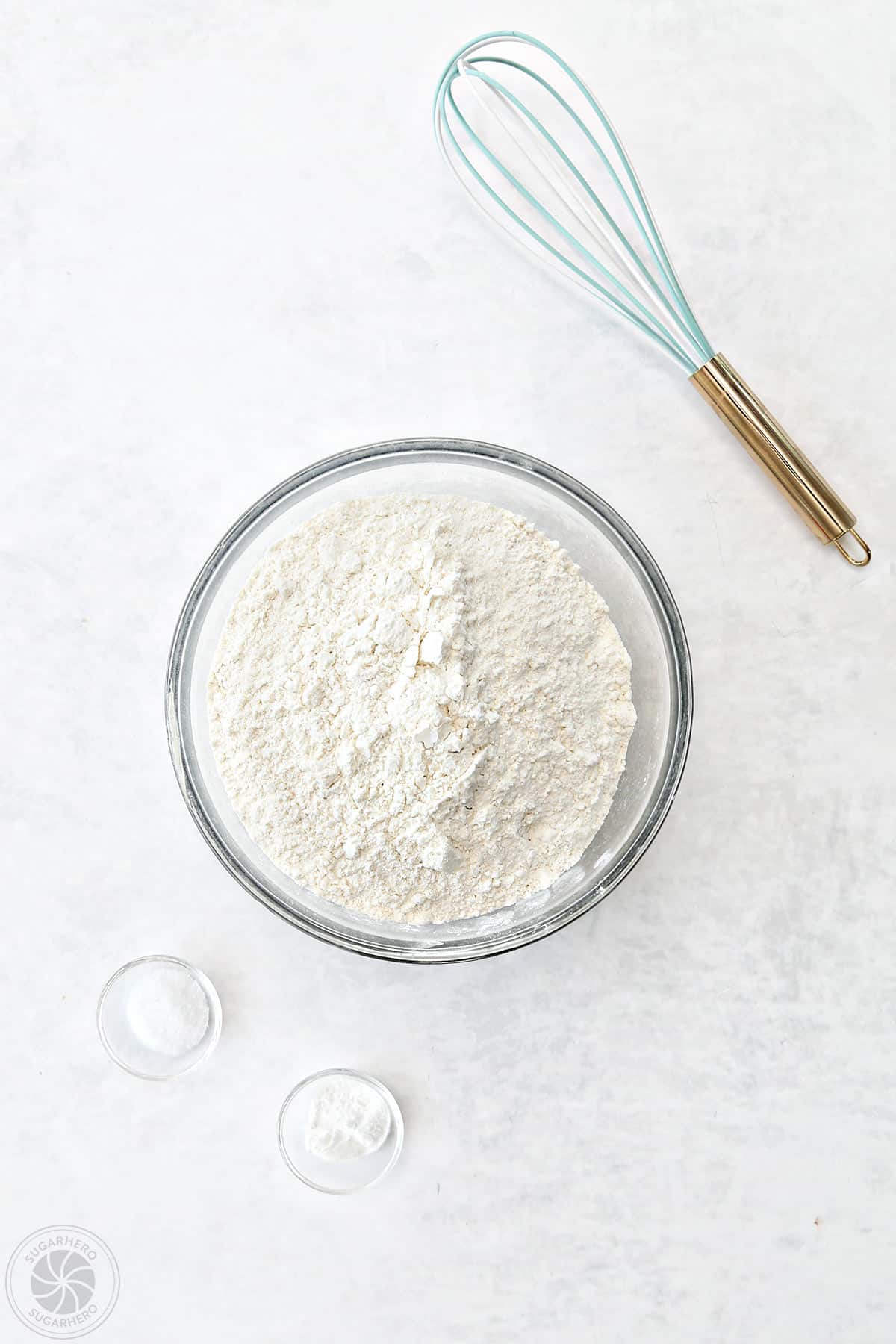
- Dry Ingredients: In a medium bowl, whisk together the flour, baking soda, and salt. Set aside.
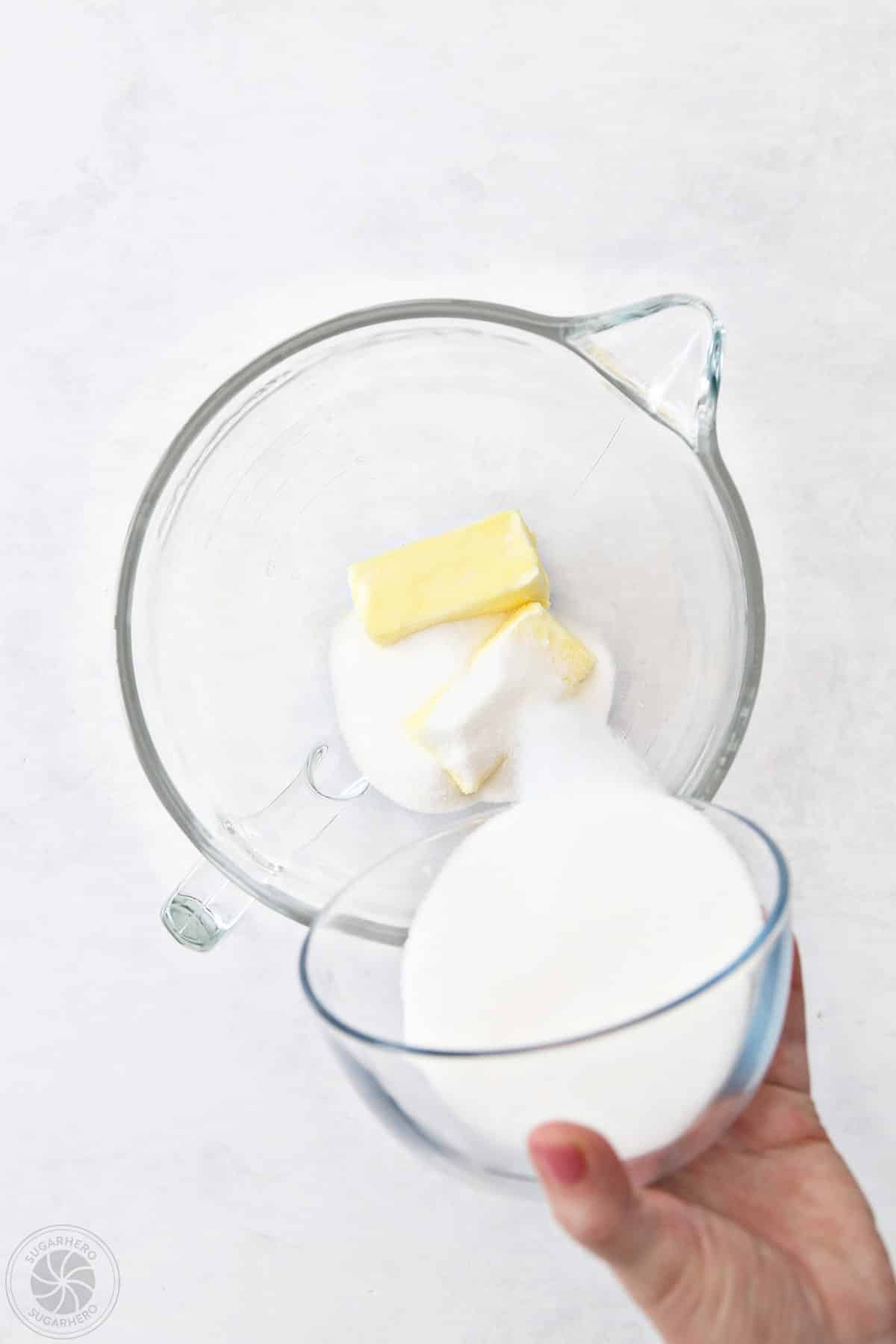
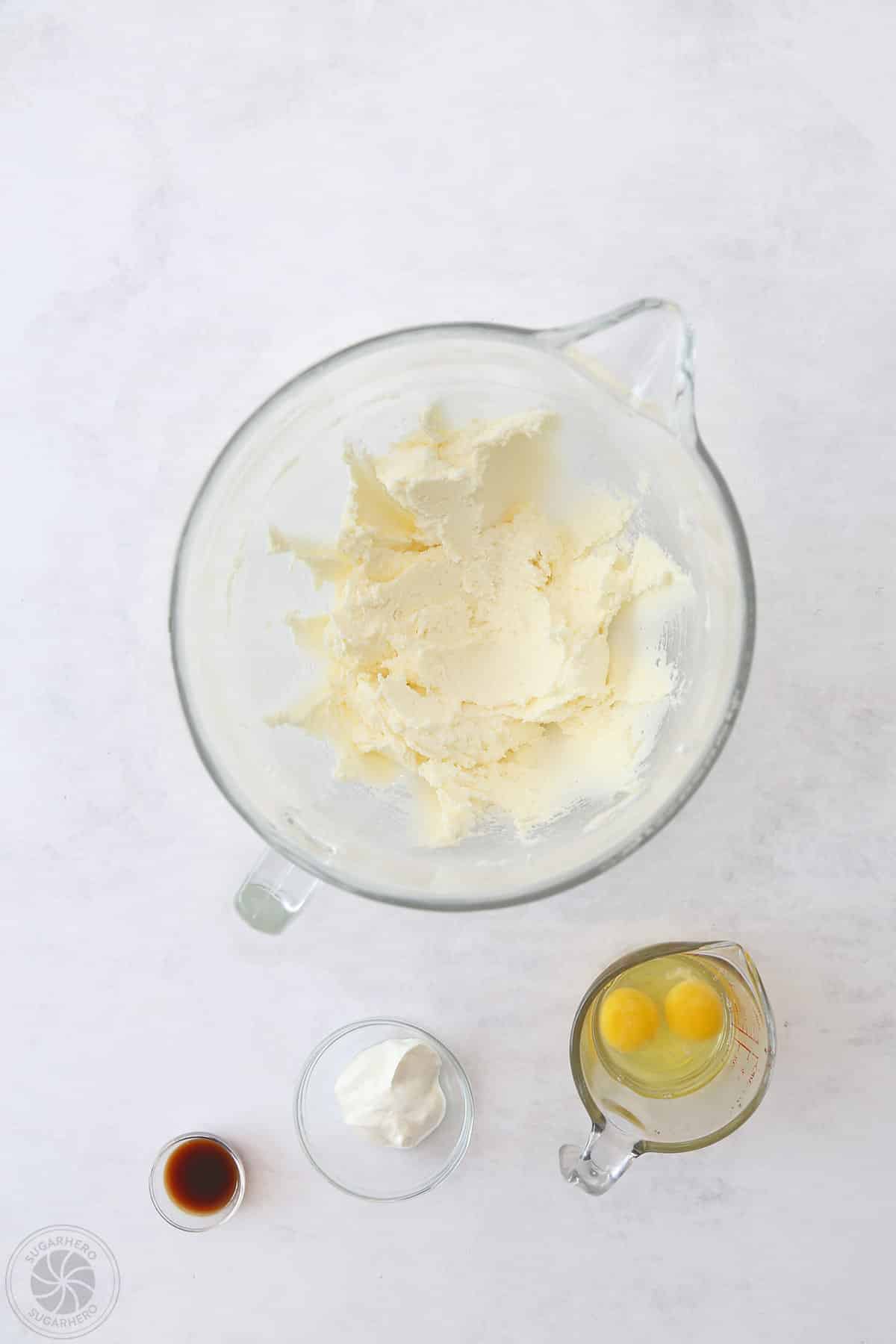
- Cream Butter and Sugar: In a large bowl, cream together the softened butter and granulated sugar using an electric mixer until light and fluffy, approximately 3-5 minutes.
- Add Wet Ingredients: Beat in the eggs one at a time, ensuring each is fully incorporated before adding the next. Stir in the vanilla extract.
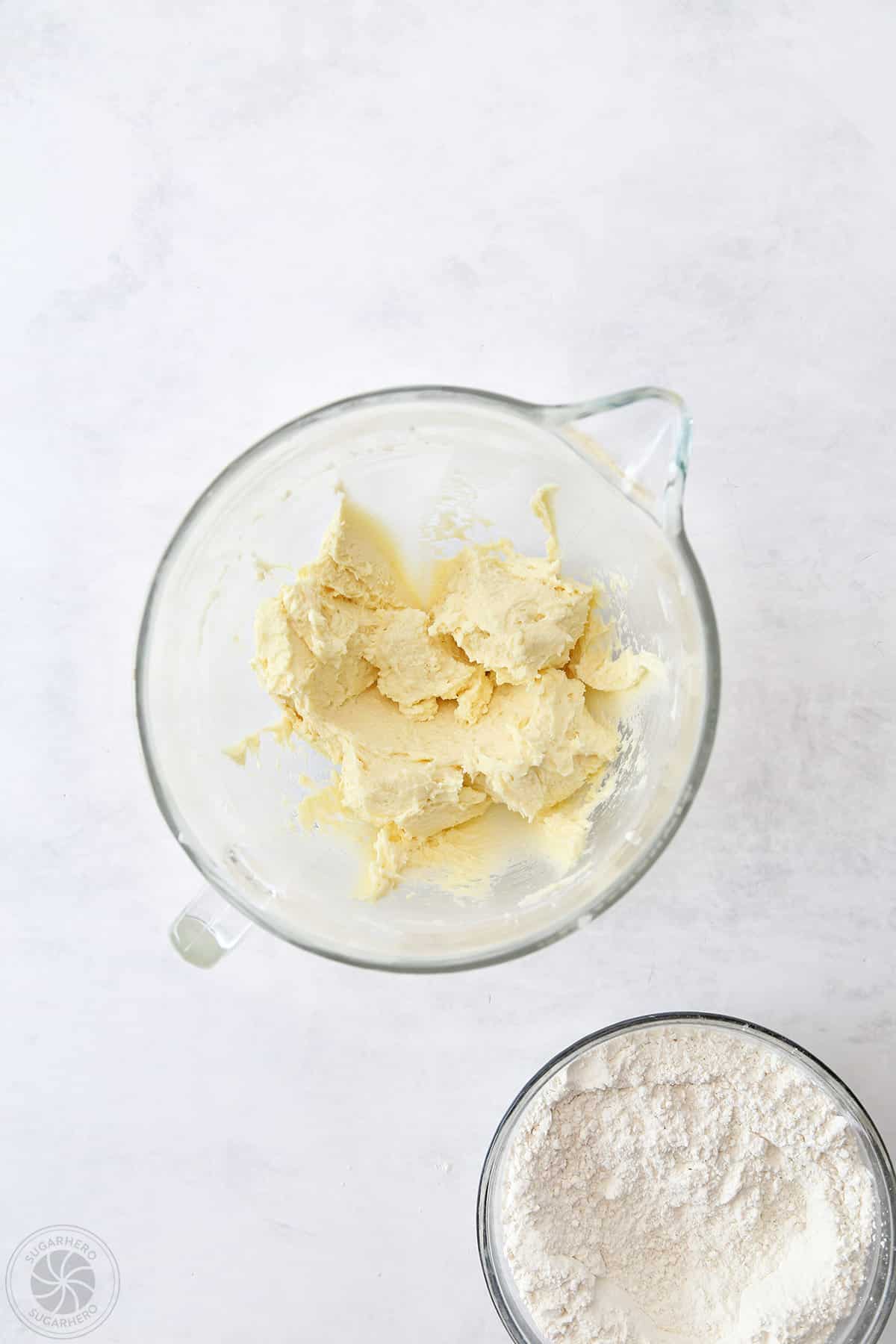
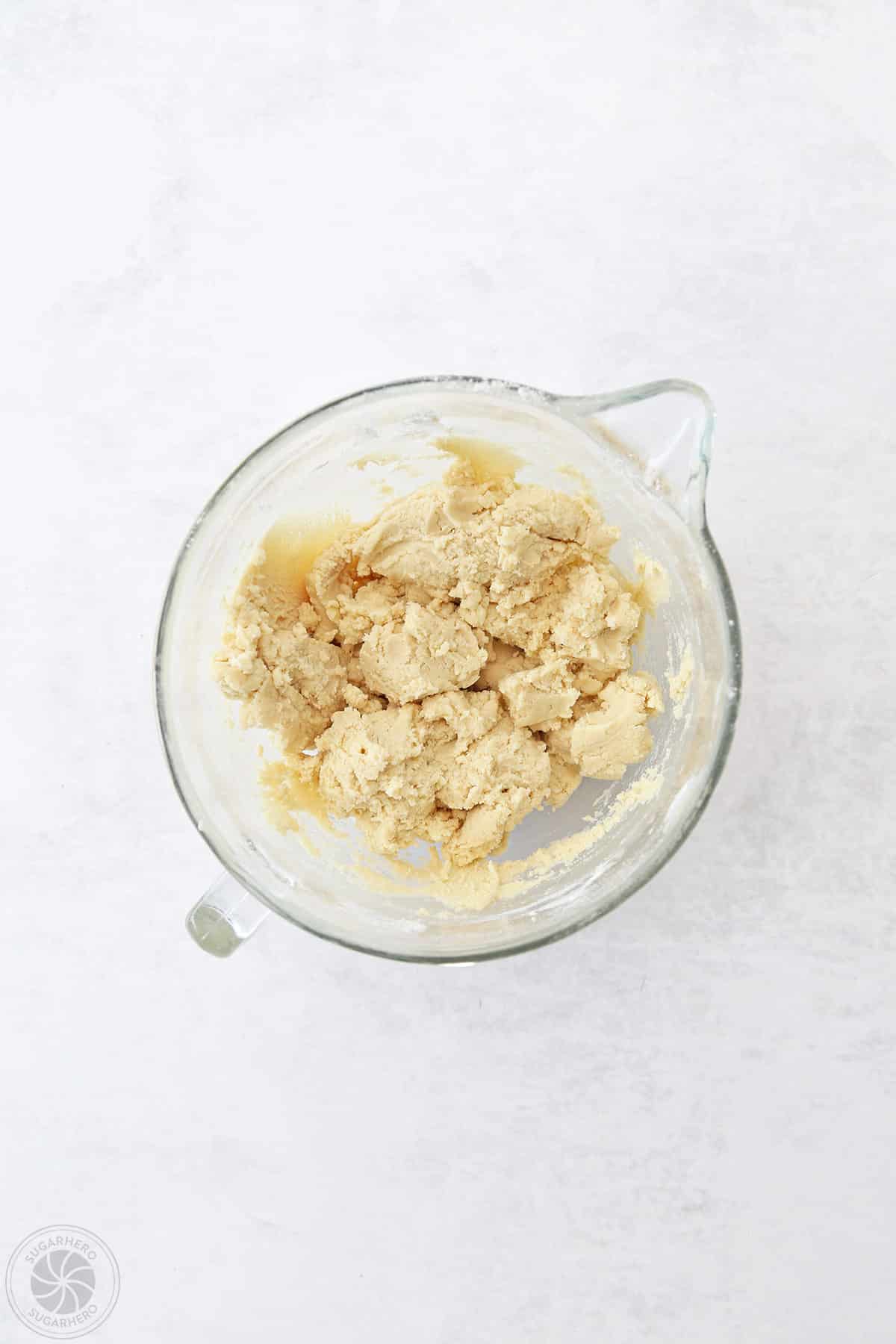
- Combine Wet and Dry: Gradually add the dry ingredients to the wet ingredients, mixing on low speed until just combined. Be careful not to overmix.
- Chill the Dough: Divide the dough in half, flatten each half into a disc, wrap tightly in plastic wrap, and refrigerate for at least 2 hours, or until firm.
To Make the Cookie Frosting:
- Cream Butter: In a large bowl, beat the softened butter with an electric mixer until smooth and creamy.
- Add Powdered Sugar: Gradually add the powdered sugar, alternating with the milk or cream, mixing on low speed until incorporated.
- Whip Frosting: Increase the mixer speed to medium-high and beat for 3-5 minutes until light, fluffy, and smooth. Stir in the vanilla extract.
- Color Frosting: If desired, divide the frosting into separate bowls and tint with food coloring to achieve desired shades.
To Decorate the Sugar Cookies:
- Prepare Piping Bags: Fit piping bags with small star tips and fill each with a different color of frosting.
- Pipe Designs: On the cooled sugar cookies, pipe various designs such as dots, swirls, and lines, layering colors as desired. Embrace a freeform, artistic approach.
- Add Sprinkles: While the frosting is still wet, sprinkle with decorative sprinkles.
- Allow to Set: Let the decorated cookies sit at room temperature until the frosting has set completely.
Tips for Cookie Success and Broader Implications
Achieving consistent results with sugar cookies and frosting requires attention to detail. Several key tips can help ensure success:

- Room Temperature Ingredients: Ensure butter and eggs are at room temperature for optimal creaming and emulsification.
- Accurate Measuring: Use a kitchen scale for the most precise ingredient measurements, especially for flour.
- Don’t Overmix: Overmixing the dough can lead to tough cookies. Mix until just combined.
- Proper Chilling: Adequate chilling time is crucial for preventing spread and ensuring easy handling of the dough.
- Even Baking: Bake cookies on parchment-lined sheets for even heat distribution and easy cleanup. Rotate baking sheets halfway through baking if necessary.
- Complete Cooling: Ensure cookies are completely cool before frosting to prevent the frosting from melting.
- Frosting Consistency: Adjust frosting consistency with small amounts of liquid or powdered sugar as needed.
The implications of mastering this sugar cookie recipe extend beyond mere home baking. It represents a gateway into more intricate cake decorating techniques, fostering creativity and culinary confidence. The ability to produce visually appealing and delicious cookies can be a source of personal satisfaction and a means of celebrating special occasions. In a broader context, the popularity of homemade baked goods, particularly those that mimic professional quality, reflects a growing appreciation for artisanal craftsmanship and the joy of creating edible art. This recipe empowers individuals to replicate that experience in their own kitchens, making high-quality desserts more accessible than ever before. The process itself, from the precise measurements to the artistic application of frosting, can be a therapeutic and rewarding activity, offering a tangible and delicious outcome.