The culinary world universally acknowledges the delightful allure of cheese, a staple that transcends cultural boundaries and elevates countless dishes. From the rich, creamy texture of grated mozzarella melting atop a pizza to the sharp, piquant notes of Monterey Jack enhancing a burger or pasta, cheese is a beloved ingredient. Its ability to transform the flavor and aroma of a meal in an instant makes it an almost irresistible addition to the daily diet. Indeed, for many, the mere sight or scent of a freshly grated cheese can stimulate the appetite, making it a difficult pleasure to forego.
However, beneath this gastronomic delight lies a common kitchen conundrum: the arduous task of cleaning a cheese grater. While the act of grating cheese is simple enough, the aftermath often feels like a domestic nightmare. The intricate grooves and sharp perforations of a grater are remarkably efficient at catching and clinging to soft, greasy cheese shreds, refusing to release them easily. This sticky residue, if not properly addressed, not only frustrates the home cook but also poses significant health risks, transforming a simple kitchen tool into a potential breeding ground for harmful bacteria.
The Pervasive Challenge of Grater Residue and Its Health Implications
The challenge of cleaning cheese graters stems from the inherent properties of cheese itself. Most cheeses, especially the soft and semi-hard varieties commonly grated, contain a significant amount of fat and moisture. When grated, tiny particles are forced through sharp metal edges, often smearing and embedding themselves into the grater’s small holes. These particles, rich in fat, become sticky and tenacious, adhering firmly to the metal surface. Traditional cleaning methods, such as scrubbing with a sponge, often prove insufficient. Sponges tend to glide over the surface, pushing cheese deeper into the perforations or, worse, leaving behind sponge fibers that can become entangled in the grater’s sharp edges, exacerbating the cleaning problem and potentially contaminating future meals.
The implications of improper grater cleaning extend far beyond mere inconvenience. Food residues left on kitchen tools, particularly those that come into contact with dairy products, provide an ideal environment for bacterial growth. Microorganisms like Listeria, Salmonella, and E. coli can proliferate rapidly on organic matter, especially in moist conditions. If these residues are not thoroughly removed after each use, they can form a biofilm, a protective layer that makes bacteria even harder to eliminate. Subsequent use of a contaminated grater can then transfer these pathogens to fresh food, leading to foodborne illnesses characterized by upset stomachs, nausea, vomiting, and more severe allergic reactions or gastrointestinal distress. The health and safety of family members can be compromised, turning a simple meal preparation into a potential health hazard. This necessitates a robust and effective cleaning solution that goes beyond conventional scrubbing.
The Evolution of Kitchen Faucets: A Timeline of Enhanced Utility
The quest for kitchen efficiency and hygiene has driven significant innovation in appliance design over the decades. Historically, kitchen cleaning was a much more labor-intensive process, relying on basic taps, basins, and manual scrubbing. Early kitchen faucets were simple spigots, offering little in the way of versatility or focused water delivery. As plumbing technology advanced, so did faucet design. The mid-20th century saw the introduction of single-handle faucets, which simplified temperature and flow control. However, these still offered a fixed water stream, limiting their utility for specific cleaning tasks.
The late 20th and early 21st centuries ushered in an era of specialized kitchen fixtures, particularly those designed to enhance cleaning efficacy. The emergence of pull-down and pull-out faucets marked a significant leap forward. These designs integrated a flexible hose and spray head directly into the faucet body, allowing users to extend the sprayer directly to dishes, sinks, or even large pots on the countertop. This innovation directly addressed the need for targeted water delivery, moving beyond the fixed stream of traditional faucets. The development of dual-function spray heads, offering both an aerated stream for filling and a powerful spray for rinsing, further cemented their role as indispensable tools in the modern kitchen. This technological progression, driven by consumer demand for convenience and improved hygiene, set the stage for these faucets to become the ultimate weapon against stubborn food residues, including those found on cheese graters.
Leveraging Advanced Faucet Technology for Impeccable Grater Hygiene
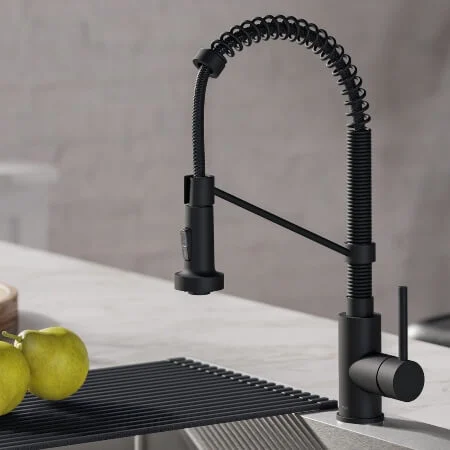
Modern kitchen faucets, particularly those equipped with pull-down sprayers, offer an elegant and highly effective solution to the persistent problem of cleaning cheese graters. The forceful, concentrated stream of water from such a sprayer is uniquely capable of dislodging even the most stubbornly embedded cheese particles from the grater’s intricate holes. This targeted hydraulic force provides a level of cleaning power that manual scrubbing often cannot match, ensuring thorough removal of residues and significantly reducing the risk of bacterial contamination.
To maximize the effectiveness of a pull-down faucet in this cleaning task, a systematic approach is recommended:
-
Immediate Action and Pre-Soaking: The most crucial step is to clean the grater immediately after use. Allowing cheese to dry and harden makes it exponentially more difficult to remove. If immediate cleaning isn’t feasible, or if the cheese has already begun to set, pre-soaking the grater in hot water is highly advisable. Hot water helps to soften and melt the fatty cheese residues, loosening their grip on the metal. A soak of 10-15 minutes can dramatically reduce the effort required for subsequent cleaning. Some culinary experts even suggest adding a few drops of dish soap to the hot water during soaking to further aid in emulsifying fats.
-
The Power of Natural Acidity and Abrasives: For particularly tenacious residues, or as an eco-friendly alternative to chemical cleaners, natural agents like lemon and salt prove remarkably effective. Lemon juice, with its citric acid, acts as a natural degreaser, breaking down the fats in cheese. Rubbing the fleshy pulp of half a lemon over the grater’s surface, particularly focusing on the clogged holes, can significantly weaken the bond of the cheese particles. For an added abrasive boost, a sprinkle of coarse salt onto the lemon pulp creates a powerful scrubbing agent. The salt crystals mechanically abrade the cheese remnants, helping to lift them from the metal surface without damaging the grater. This combination of chemical action and mechanical abrasion prepares the grater for the final rinse.
-
Targeted High-Pressure Rinse with Hot Water: Once the cheese residues have been softened or loosened, the pull-down faucet’s sprayer comes into its own. Position the grater under the faucet, ensuring the spray head is extended and directed precisely at the grater’s holes. Utilizing hot water significantly enhances the cleaning power, as heat further aids in melting and flushing away any remaining fats. The powerful, focused stream from the sprayer can effectively blast away even the smallest, most embedded particles, leaving the grater sparkling clean. The flexibility and reach of the pull-down sprayer allow for precise targeting of every nook and cranny, ensuring no residue is left behind.

-
Safety Precautions and Best Practices: While effective, cleaning a grater requires caution due to its sharp edges. Always handle the grater carefully to avoid injury. Crucially, avoid using abrasive scrub pads or sponges made of synthetic fibers. As mentioned, these can shed fibers that become lodged in the grater’s holes, creating an even more challenging cleaning scenario and potentially contaminating food. If, by mistake, fibers do become entangled, the pull-down faucet’s powerful spray is the ideal tool for dislodging them. Its focused water force can meticulously rinse away stray fibers from the grater’s sharp surfaces, a task nearly impossible with a fixed faucet or manual wiping. Post-cleaning, ensure the grater is thoroughly dried to prevent water spots and rust, especially if it’s not made of stainless steel.
Broader Impact and Implications: Beyond the Cheese Grater
The utility of a modern pull-down kitchen faucet extends far beyond the specific task of cleaning a cheese grater. Its design fundamentally enhances overall kitchen hygiene and operational efficiency. For busy individuals or hygiene-conscious chefs, this type of faucet transforms everyday kitchen chores. The powerful spray function is invaluable for rinsing produce, cleaning the sink basin, and quickly dislodging food particles from pots, pans, and other kitchen utensils. Its ergonomic design, often featuring a long tap with a curvy neck, comfortably accommodates heavy and tall pots, allowing for faster water filling without awkward maneuvering.
Furthermore, these faucets often incorporate advanced features that contribute to a cleaner, more organized kitchen environment. Many models are now available with spot-free stainless steel finishes, which resist fingerprints and water spots. This innovative coating prevents grease, fat, and other food particles from adhering to the faucet’s surface for extended periods, making it easy to wipe clean with a soft, damp cloth. The faucet thus maintains its pristine appearance, contributing to the aesthetic appeal and overall cleanliness of the kitchen space. The convenience and versatility offered by pull-down faucets truly make them an indispensable asset for maintaining a hygienic and efficient culinary workspace.
Key Considerations When Selecting a Pull-Down Kitchen Faucet
Choosing the right pull-down kitchen faucet involves considering several factors that align with individual cooking habits, lifestyle, and aesthetic preferences. As a central fixture in the kitchen, its design and functionality directly impact daily routines.
-
Handle Configuration: Single vs. Double: Pull-down faucets are available in both single-handle and double-handle configurations. Single-handle models are popular for their ease of use, allowing control over both water temperature and flow with one hand, which is particularly convenient when hands are messy. Double-handle designs, while offering precise temperature control via separate hot and cold levers, may be less practical for rapid adjustments during cooking or cleaning tasks. For efficiency and modern aesthetics, single-handle pull-down faucets are often preferred.
-
Spray Head Functions: Aerated Stream vs. Powerful Spray: A key feature to evaluate is the dual-function spray head. The aerated stream is ideal for everyday tasks such as filling pots and pans, as it delivers a smooth, splash-free flow. The powerful spray, on the other hand, is specifically designed for rinsing tasks, offering the concentrated force needed to dislodge stubborn food residues—a critical feature for cleaning items like cheese graters. Many models feature a toggle or button on the spray head to switch between these modes effortlessly.
-
Material and Finish: Durability and Maintenance: The material and finish of a faucet not only dictate its aesthetic appeal but also its durability and ease of maintenance. Spot-free stainless steel is a highly recommended option for its resistance to fingerprints, water spots, and corrosion, ensuring the faucet maintains its shine with minimal effort. Other popular finishes include chrome, brushed nickel, and bronze, each offering different visual characteristics and levels of resistance to wear and tear. Considering the faucet’s ability to resist smudges and grease is paramount for maintaining a hygienic kitchen, especially in homes where frequent cooking occurs.
-
Reach and Flexibility of the Hose: The length and flexibility of the pull-down hose are crucial for maximizing the faucet’s utility. A longer hose offers greater reach, allowing the sprayer to extend to all corners of the sink, or even to items placed on the counter. The hose material and retraction mechanism should be smooth and reliable, ensuring the spray head docks securely when not in use.
-
Installation and Compatibility: Homeowners should consider the faucet’s compatibility with their existing sink configuration (e.g., number of mounting holes) and their plumbing system. While many pull-down faucets are designed for easy DIY installation, professional installation might be preferred to ensure proper function and prevent leaks.
-
Water Efficiency and Certifications: For environmentally conscious consumers, looking for faucets with WaterSense certification indicates adherence to water efficiency standards without compromising performance. These models help conserve water, leading to lower utility bills and a reduced environmental footprint.
-
Brand Reputation and Warranty: Investing in a reputable brand often translates to higher quality, better customer support, and a comprehensive warranty, providing peace of mind regarding the faucet’s longevity and performance.
In conclusion, while the simple pleasure of grated cheese remains a culinary constant, the associated cleaning challenges have historically been a source of frustration. The advent of modern kitchen faucets, particularly those equipped with pull-down sprayers, represents a significant advancement in domestic hygiene and convenience. By understanding the mechanics of effective cleaning—combining hot water, natural degreasers, and the targeted force of a powerful spray—home cooks can effortlessly maintain impeccable cleanliness for even the most problematic kitchen tools like cheese graters. The integration of such advanced plumbing technology not only simplifies daunting cleaning tasks but also contributes to a safer, more efficient, and aesthetically pleasing kitchen environment, making the pull-down faucet an indispensable appliance for any contemporary home.