
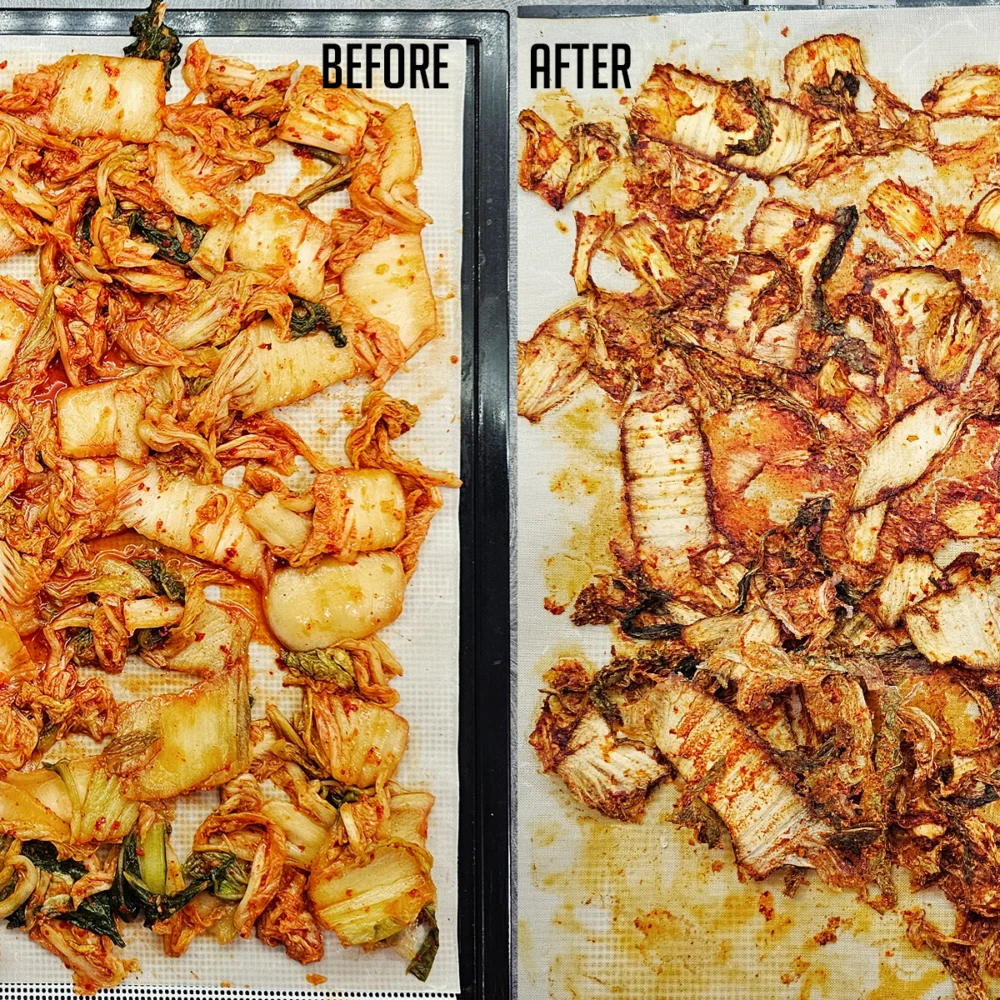
The practice of dehydrating kimchi represents a sophisticated intersection between ancient fermentation traditions and modern food preservation technology. As global interest in Korean cuisine continues to surge, home cooks and culinary professionals alike are seeking innovative ways to extend the shelf life of this probiotic-rich staple while maintaining its complex flavor profile. Kimchi, a traditional Korean side dish consisting of salted and fermented vegetables—most commonly napa cabbage and Korean radishes—is celebrated for its sharp acidity, spicy kick, and significant health benefits. However, the active fermentation process that gives kimchi its character also makes it a volatile product that continues to sour over time. Dehydration offers a definitive solution to this progression, transforming a perishable fermented product into a shelf-stable pantry essential.
The Cultural and Scientific Context of Kimchi
To understand the value of dehydrating kimchi, one must first recognize its role in the global food landscape. According to data from the Korea Customs Service, kimchi exports reached record highs in recent years, reflecting a growing international appetite for fermented "superfoods." Traditionally, kimchi was preserved in large clay pots known as onggi, buried in the ground to maintain a steady temperature during the harsh Korean winters. In the modern era, while specialized kimchi refrigerators have replaced the earth, the challenge of managing large quantities remains.
The fermentation of kimchi is driven by lactic acid bacteria (LAB), primarily species within the genera Lactobacillus, Leuconostoc, and Weissella. These microorganisms are responsible for the production of organic acids, which lower the pH of the vegetables and create an environment inhospitable to spoilage-causing bacteria. When kimchi is dehydrated, the removal of water activity (Aw) effectively halts the fermentation process, "locking in" the flavor at its current stage of maturity.
Preserving Probiotics: The Temperature Threshold
A primary concern for health-conscious consumers is the preservation of live cultures during the drying process. Journalistic inquiry into food science reveals that the viability of probiotics is highly sensitive to thermal stress. To maintain the "live and active" status of the beneficial bacteria found in fermented kimchi, dehydration must occur at low temperatures.
Scientific consensus suggests that most lactic acid bacteria begin to denature and die when exposed to temperatures exceeding 115°F (46°C). Consequently, the dehydration process must be carefully calibrated. If the goal is to retain maximum nutritional and probiotic value, the dehydrator should be set to a temperature between 100°F and 110°F. Conversely, for commercially produced, shelf-stable kimchi—which has often already undergone pasteurization or pressure processing—higher temperatures (up to 140°F) may be utilized to accelerate the drying time, as the probiotics in these products are no longer viable.
Technical Methodology for Dehydrating Kimchi
The process of dehydrating kimchi requires meticulous preparation to ensure an even result and to protect the equipment used. Because kimchi is characterized by a high moisture content and a vibrant, pigment-heavy seasoning paste (often containing gochugaru or Korean chili flakes), specific steps must be followed.
Step 1: Equipment Preparation and Loading
The use of parchment paper or silicone fruit leather sheets is considered an industry standard for this process. Kimchi’s liquid component is highly acidic and contains strong pigments that can permanently stain plastic dehydrator trays. Furthermore, the small pieces of cabbage and garlic can fall through standard mesh liners as they shrink.
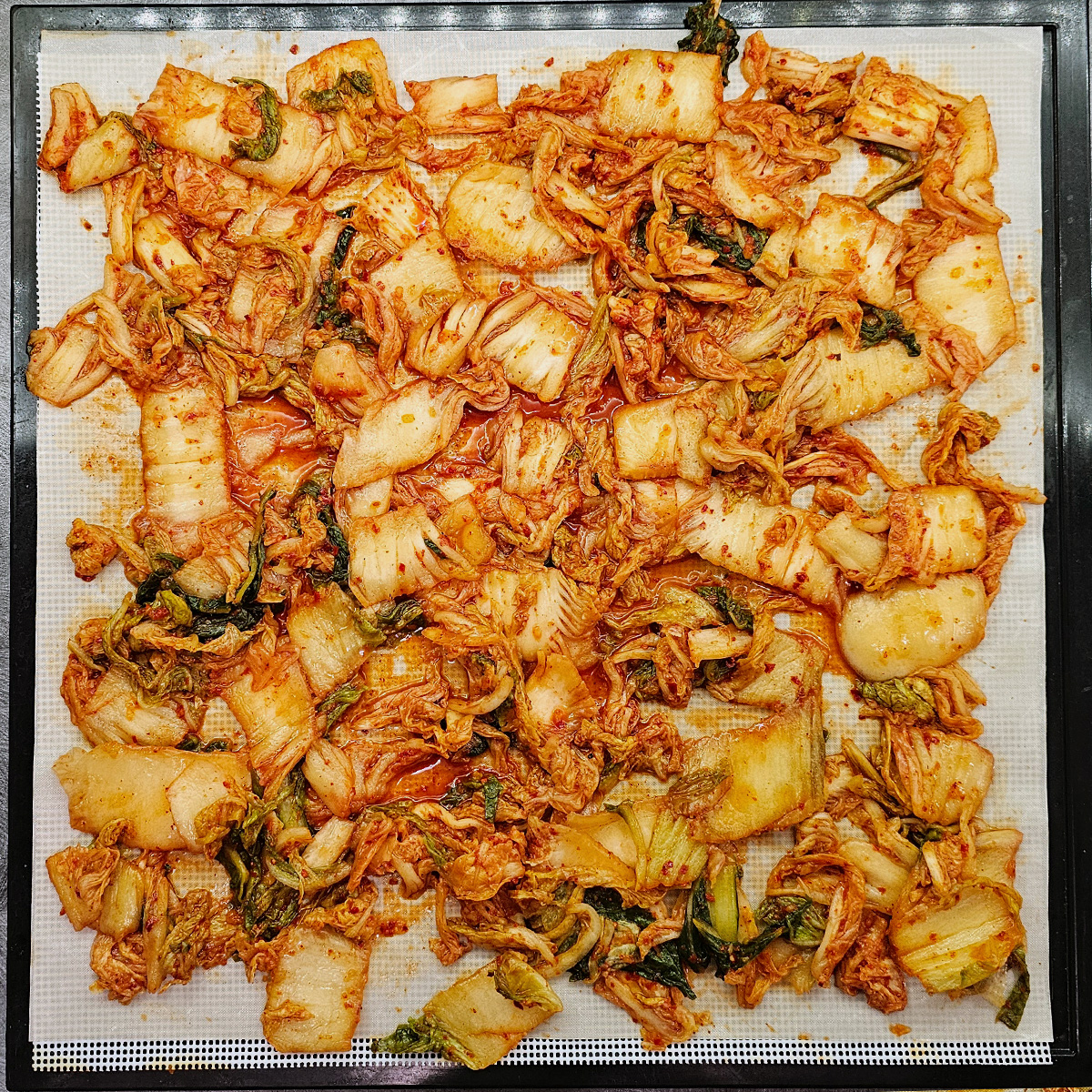
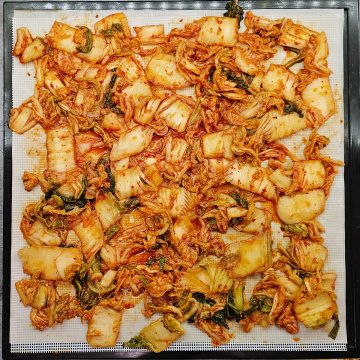
When spreading the kimchi, it is vital to achieve a balance between density and airflow. Unlike raw vegetables, which can sometimes be piled loosely, kimchi should be spread in a single, even layer. While individual leaves do not need to be separated with surgical precision, overlapping should be minimized to prevent the formation of "wet spots" that could lead to mold during storage.
Step 2: Thermal Application and Duration
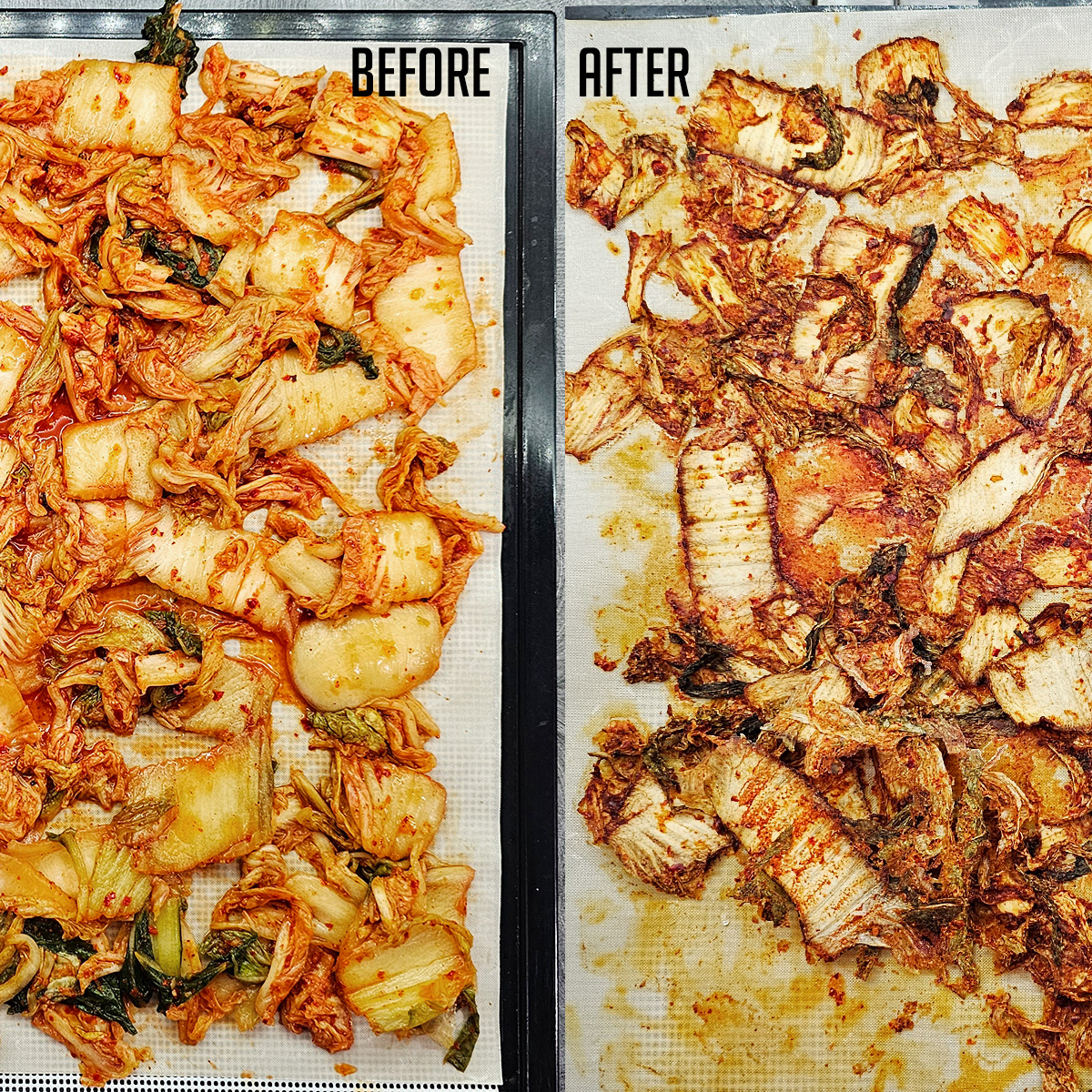
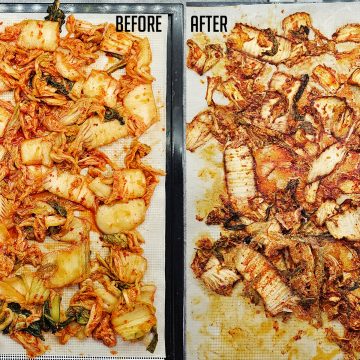
The duration of the dehydration cycle is influenced by the ambient humidity, the specific water content of the kimchi brand or recipe, and the chosen temperature. At the recommended probiotic-safe temperature of 105°F, the process typically spans 12 to 24 hours. During this window, the moisture is slowly evaporated, leaving behind the concentrated solids, fibers, and encapsulated flavors.
Step 3: Assessing Dryness and Texture
The final product should exhibit a brittle or slightly pliable texture, depending on the thickness of the cabbage ribs. A reliable test for dryness involves removing a piece, allowing it to cool to room temperature (as warm items often feel softer than they are), and attempting to snap it. If the piece breaks cleanly rather than bending or feeling "leathery," the moisture content has been sufficiently reduced.
The Critical Phase of Conditioning
One of the most overlooked steps in home food preservation is the conditioning of the dried product. Conditioning is the process of ensuring that any residual moisture is evenly distributed throughout the batch, thereby preventing spoilage.
Once the kimchi is removed from the dehydrator and cooled, it should be placed in a clear glass jar, filled about two-thirds full. For a period of five to seven days, the jar must be shaken daily and inspected for signs of condensation or clumping. If moisture appears on the glass, the kimchi must be returned to the dehydrator for further processing. Only after a successful conditioning period should the product be moved to final long-term storage. This protocol is essential for achieving a shelf life of up to two years.
Storage and Environmental Considerations
For long-term viability, dehydrated kimchi should be stored in an airtight environment, away from direct sunlight and heat. Vacuum-sealing in glass jars or utilizing Mylar bags with oxygen absorbers are the preferred methods for enthusiasts looking to maintain quality over several years.
From an environmental and economic perspective, dehydrating kimchi contributes significantly to the reduction of food waste. The Food and Agriculture Organization (FAO) of the United Nations estimates that one-third of all food produced globally is wasted. By dehydrating surplus kimchi—especially the large, bulk containers often found at warehouse clubs—consumers can prevent spoilage and reduce their environmental footprint.
Culinary Applications: From Snacks to Seasonings
The transformation of kimchi from a wet ferment to a dry concentrate opens a myriad of culinary possibilities. Dehydrated kimchi can be utilized in three primary forms: as a standalone snack, a rehydrated ingredient, or a pulverized powder.
The Rise of Kimchi Powder
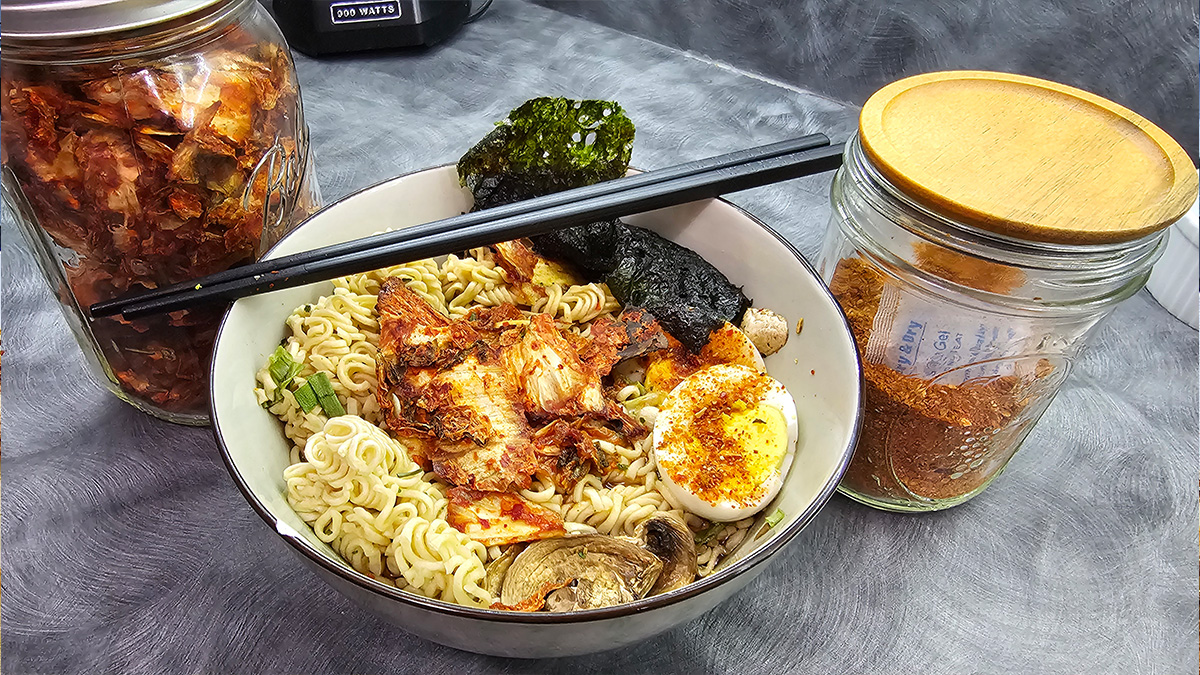
Kimchi powder has emerged as a "trend-setting" condiment in modern fusion cooking. By grinding fully dried kimchi in a high-speed blender, cooks create a potent "umami bomb" that can be used as a dry rub for meats, a seasoning for popcorn, or a flavor enhancer for fried rice. This powder captures the tang of vinegar, the heat of chili, and the savory depth of fermented garlic in a format that does not add unwanted moisture to a dish.
Rehydration in Instant Foods
In the context of the global "instant noodle" market, which WINA (World Instant Noodles Association) reports reached over 120 billion servings in recent years, dehydrated kimchi serves as the perfect additive. Unlike fresh kimchi, which can cool down the broth and alter the texture of the noodles, dried kimchi rehydrates quickly in boiling water, providing a burst of authentic flavor to ramen, stews, and soups without the need for refrigeration.
Expert Insights and Future Implications
Culinary experts note that the dehydration of fermented foods represents a broader shift toward "pantry-stable" gourmet ingredients. Chef and food preservation author Darcy Baldwin emphasizes that dehydrating is not merely about storage, but about flavor concentration. As the water evaporates, the sugars, acids, and spices become more pronounced, offering a different sensory experience than the original wet product.
Furthermore, the portability of dehydrated kimchi makes it an ideal resource for outdoor enthusiasts. Backpackers and campers, who require lightweight, calorie-dense, and flavorful nutrition, have increasingly turned to dehydrated ferments to diversify their trail diets.
Conclusion: A Synthesis of Tradition and Innovation
The dehydration of kimchi is more than a simple kitchen hack; it is a methodical approach to food security, waste reduction, and culinary innovation. By adhering to strict temperature controls to preserve probiotic integrity and following rigorous conditioning protocols to ensure safety, individuals can enjoy the complex flavors of Korea’s national dish in a versatile, long-lasting format. As the global food system faces challenges related to sustainability and supply chain stability, the ability to transform perishable ferments into shelf-stable assets remains a vital skill for the modern era. Whether used as a spicy seasoning or a nutrient-dense addition to a quick meal, dehydrated kimchi stands as a testament to the enduring relevance of fermented foods in a fast-paced world.


