Brisket, a cut of beef celebrated for its rich flavor and tender texture, demands a nuanced approach to cooking. A critical, yet often misunderstood, aspect of achieving brisket perfection lies not in the heat of the smoker, but in the moments that follow its removal. This phenomenon, known as carryover cooking, is the invisible hand that guides brisket from a state of being perfectly cooked to one of being irrevocably overcooked, or conversely, helps it reach its ultimate textural ideal. Understanding carryover cooking is paramount for pitmasters and home cooks alike, as it directly dictates the precise moment to pull a brisket from the heat to ensure optimal results.
The fundamental principle behind carryover cooking is the continued redistribution of heat within the meat after it has been removed from its heat source. When brisket is subjected to the intense heat of a smoker, the exterior of the meat reaches a significantly higher temperature than its core. This thermal gradient is essential for initiating the breakdown of tough connective tissues, particularly collagen, which is the key to brisket’s signature tenderness. However, once the brisket is taken off the smoker, the stored thermal energy within the outer layers does not dissipate instantaneously. Instead, it continues to migrate inward, gradually raising the internal temperature of the cooler center. This internal heat transfer is what defines carryover cooking.
The Science Behind the Rise: Quantifying Carryover Cooking
For brisket, this internal temperature rise is not a negligible factor. It is commonly observed that brisket can continue to increase in temperature by 5 to 10 degrees Fahrenheit after it is removed from the smoker. This range is not arbitrary; it is influenced by several variables inherent to the cooking process and the brisket itself. The size and thickness of the brisket play a significant role. Larger, more substantial cuts retain heat for longer periods, leading to a more pronounced carryover effect. Similarly, the method of wrapping the brisket during the smoking process can impact the degree of temperature rise. Tightly wrapped briskets, often encased in butcher paper or foil to expedite the cooking process and retain moisture, tend to exhibit a greater degree of carryover cooking compared to those that are loosely wrapped or left unwrapped. The ambient temperature of the resting environment also contributes; a cooler environment will naturally draw heat away more quickly, mitigating carryover, while a warmer environment can prolong it.
The Crucial Role of Carryover in Brisket Transformation

Carryover cooking is not merely an incidental temperature fluctuation; it is an integral component of the brisket’s transformative journey from a tough cut of meat to a succulent masterpiece. The primary goal in cooking brisket is to achieve a state of "probe tenderness," where the collagen has broken down into gelatin, rendering the meat soft, yielding, and easily shreddable. Carryover cooking plays a vital dual role in this process:
- Finishing the Collagen Breakdown: The residual heat from carryover cooking provides the sustained, albeit gentler, heat necessary to complete the breakdown of collagen. This ensures that the connective tissues are fully rendered, contributing to the desired moistness and tenderness without subjecting the exterior of the brisket to further direct heat, which could lead to drying out or burning.
- Preventing Overcooking: Without accounting for carryover cooking, a pitmaster might pull a brisket at a target internal temperature, only to find that the continuing heat rise pushes it beyond the ideal doneness. This can result in a brisket that is mushy, dry, and unappealing. By anticipating this rise, cooks can strategically remove the brisket from the heat slightly before it reaches its final desired temperature, allowing the carryover to complete the cooking process perfectly.
Strategic Timing: When to Pull the Brisket
Experienced pitmasters understand that the "doneness" of brisket is a dynamic state, heavily influenced by carryover cooking. Their strategy for removing the brisket from the smoker is directly informed by their knowledge of this phenomenon and their planned serving timeline.
For briskets intended for immediate consumption within one to three hours of being pulled, the concern regarding extended carryover cooking is generally less acute. In such scenarios, pitmasters often rely on achieving "probe tenderness" as the primary indicator of doneness, pulling the brisket when it feels sufficiently yielding. The subsequent carryover cooking will bring it to its ideal serving temperature within the timeframe.
However, when a brisket is being prepared for a longer hold, such as in a restaurant setting or for a large event where it might need to rest for several hours before serving, a more conservative approach is taken. In these situations, pitmasters will typically pull the brisket off the smoker at a slightly lower internal temperature than they might otherwise. This proactive measure accounts for the prolonged period of carryover cooking that will occur during the extended rest, preventing the brisket from overshooting its optimal temperature and becoming dry or mushy. The goal is to allow the meat to continue its textural transformation in a controlled environment, ensuring it remains tender and moist until it’s time to carve and serve.
The Brisket Cooking Lifecycle: A Holistic View

Understanding carryover cooking is not an isolated skill; it is one piece of a larger, intricate puzzle that defines the successful preparation of brisket. The entire process can be viewed as a series of interconnected stages, each crucial for the final outcome:
- Preparation and Seasoning: This initial stage involves selecting the right cut of brisket, trimming excess fat, and applying a flavorful rub that will contribute to the development of a desirable bark.
- The Smoking Process: This is where the majority of the cooking takes place, with the brisket slowly absorbing smoke and heat, initiating the breakdown of collagen and rendering fat. The target internal temperature is often a guideline, not an absolute endpoint.
- Carryover Cooking: The crucial post-smoking phase where residual heat continues to cook the brisket internally, finishing the collagen breakdown and allowing the flavors to meld.
- Resting and Holding: A period of crucial downtime where the brisket continues to cool, allowing juices to redistribute throughout the meat, resulting in a more tender and moist final product. This stage is where carryover cooking is most actively managed.
- Slicing and Serving: The final act, where the brisket is expertly sliced against the grain to maximize tenderness and served.
A Pitmaster’s Perspective: Embracing the Process
Christie Vanover, an award-winning competitive pitmaster and founder of Girls Can Grill, emphasizes the psychological shift that occurs when one truly understands carryover cooking. "Carryover cooking is why I don’t panic when I pull a brisket a little early," she states. "I know the meat is still working. Heat is redistributing, collagen is finishing its breakdown, and the brisket is settling into its final texture. Once you account for carryover cooking, brisket becomes more forgiving. You stop chasing numbers and start trusting the process." This sentiment highlights the importance of developing an intuitive understanding of the cooking process, moving beyond rigid temperature targets to a more holistic appreciation of the meat’s transformation.
Expanding the Brisket Knowledge Base
For those seeking to master the art of brisket, a comprehensive understanding of all its facets is essential. Resources such as the "Ultimate Brisket Guide" provide detailed breakdowns of every step, from the initial selection and trimming of the brisket to the nuances of smoking, resting, and achieving perfect slicing. Further exploration into fundamental brisket techniques, including detailed guides on trimming, seasoning, wrapping strategies, and optimal resting methods, can significantly enhance a cook’s ability to produce consistently outstanding results. Understanding the anatomy of a brisket, for instance, allows for more precise trimming and better heat penetration. Similarly, mastering different wrapping techniques can help control the bark development and the rate of carryover cooking.
The Science of Flavor: Rubs and Their Impact

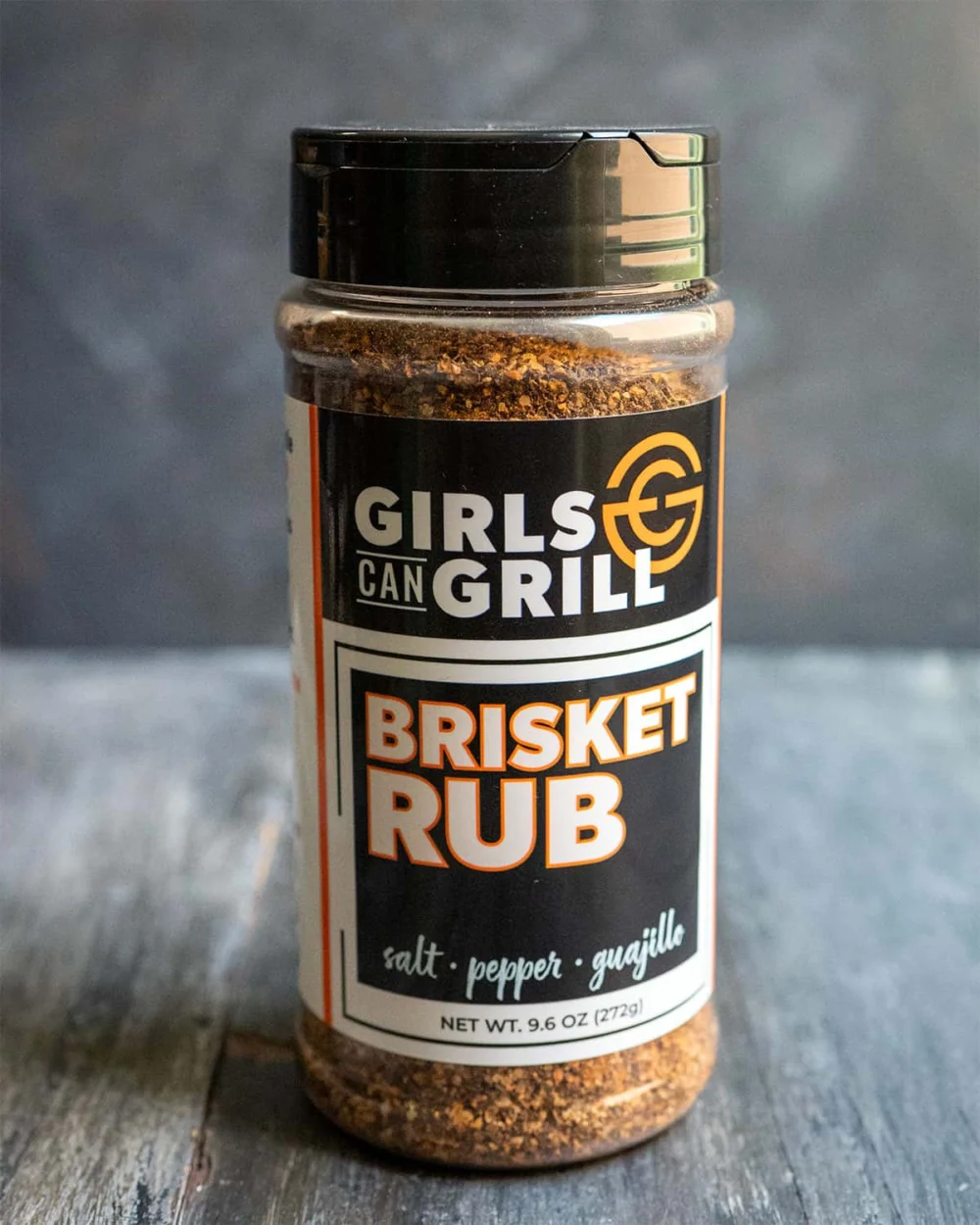
The development of a rich, flavorful bark is as crucial to the brisket experience as its internal tenderness. Brisket rubs are designed not only to enhance the natural beef flavor but also to promote the Maillard reaction, a chemical process that creates browning and complex flavor compounds on the surface of the meat. A well-formulated rub, such as the Girls Can Grill Brisket Rub, typically balances salt, pepper, garlic, and other savory spices. The salt draws out moisture, which then mixes with the rub and forms a paste, aiding in bark formation. The pepper and garlic provide foundational aromatics, while other spices can add subtle layers of complexity. The goal is a rub that complements, rather than overpowers, the inherent richness of the beef, contributing to a harmonious flavor profile from the smoky exterior to the tender interior.
Conclusion
Carryover cooking is more than just a technical term; it is a fundamental principle that underpins the successful execution of brisket. By understanding the science behind heat redistribution and its impact on collagen breakdown, cooks can move from simply following recipes to truly mastering the art of brisket preparation. It is this nuanced understanding that allows for greater control, adaptability, and ultimately, the consistent creation of a brisket that is both deeply flavorful and exquisitely tender, a testament to the pitmaster’s skill and patience. The journey from raw cut to finished product is a testament to the transformative power of time, temperature, and the subtle, yet profound, influence of carryover cooking.