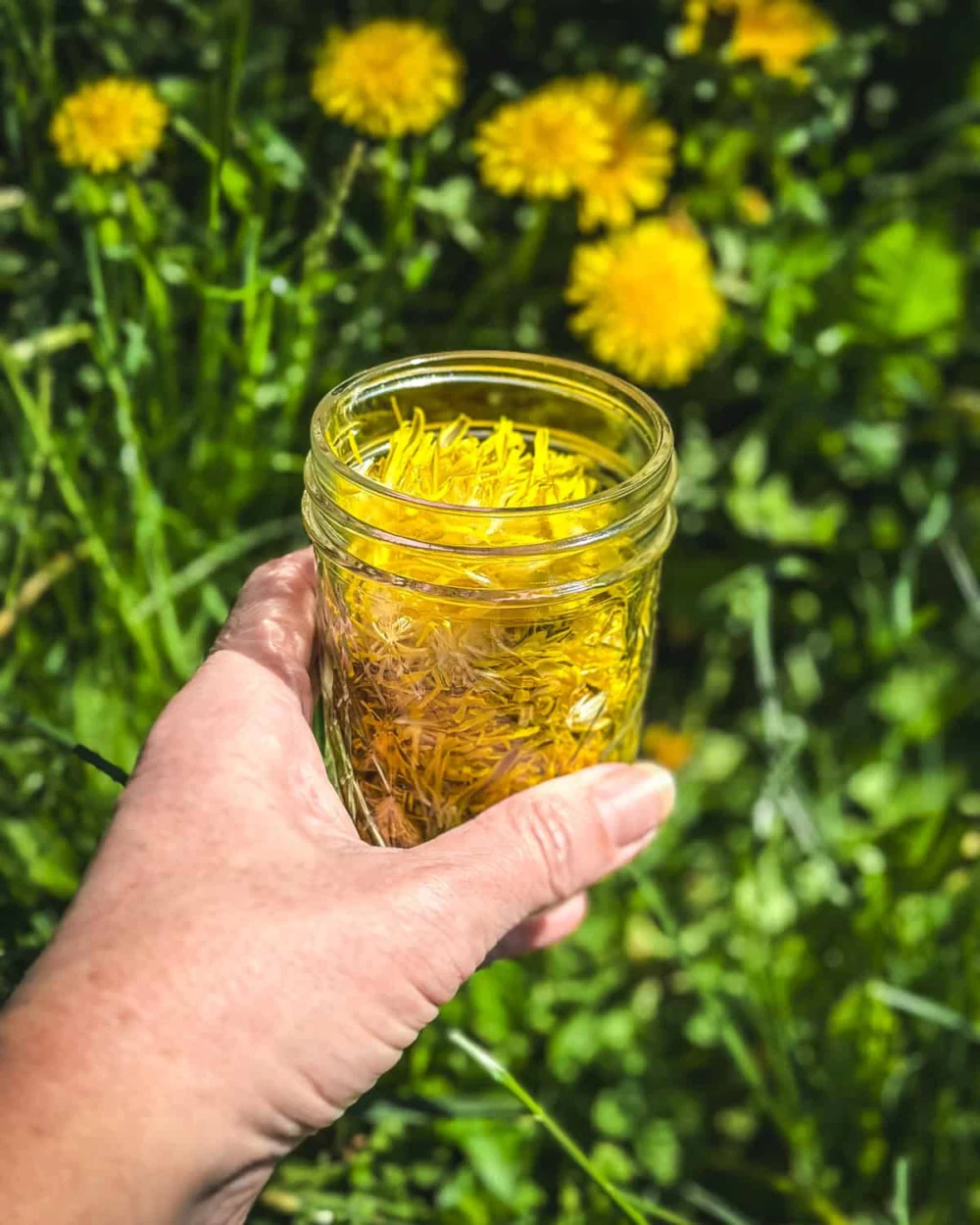
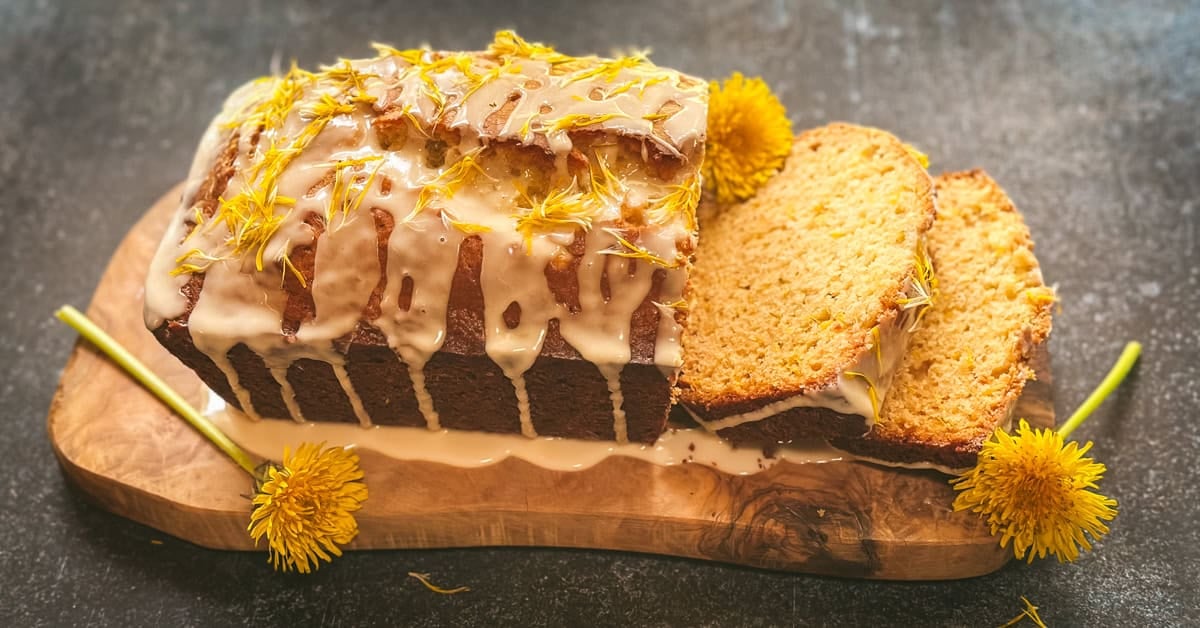
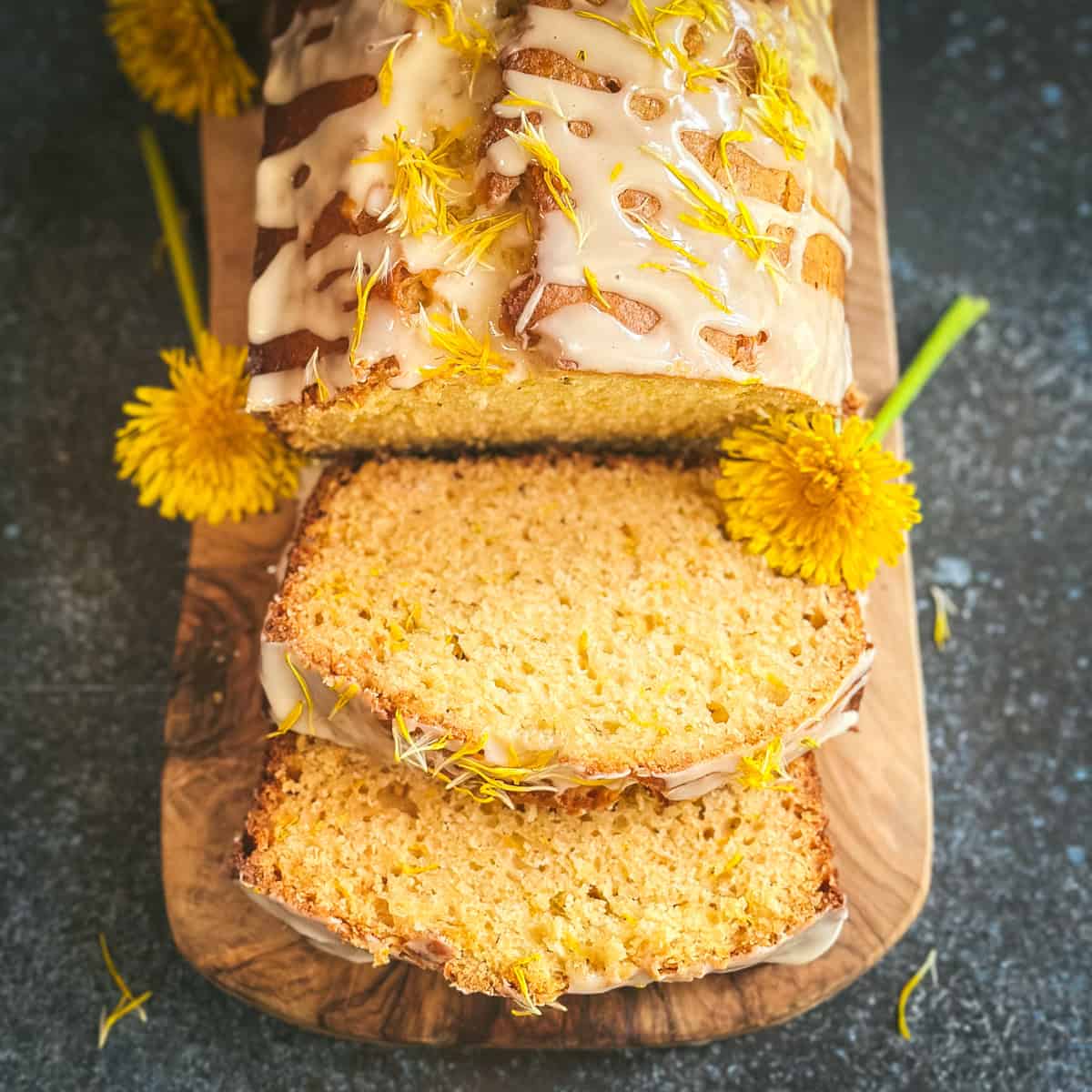
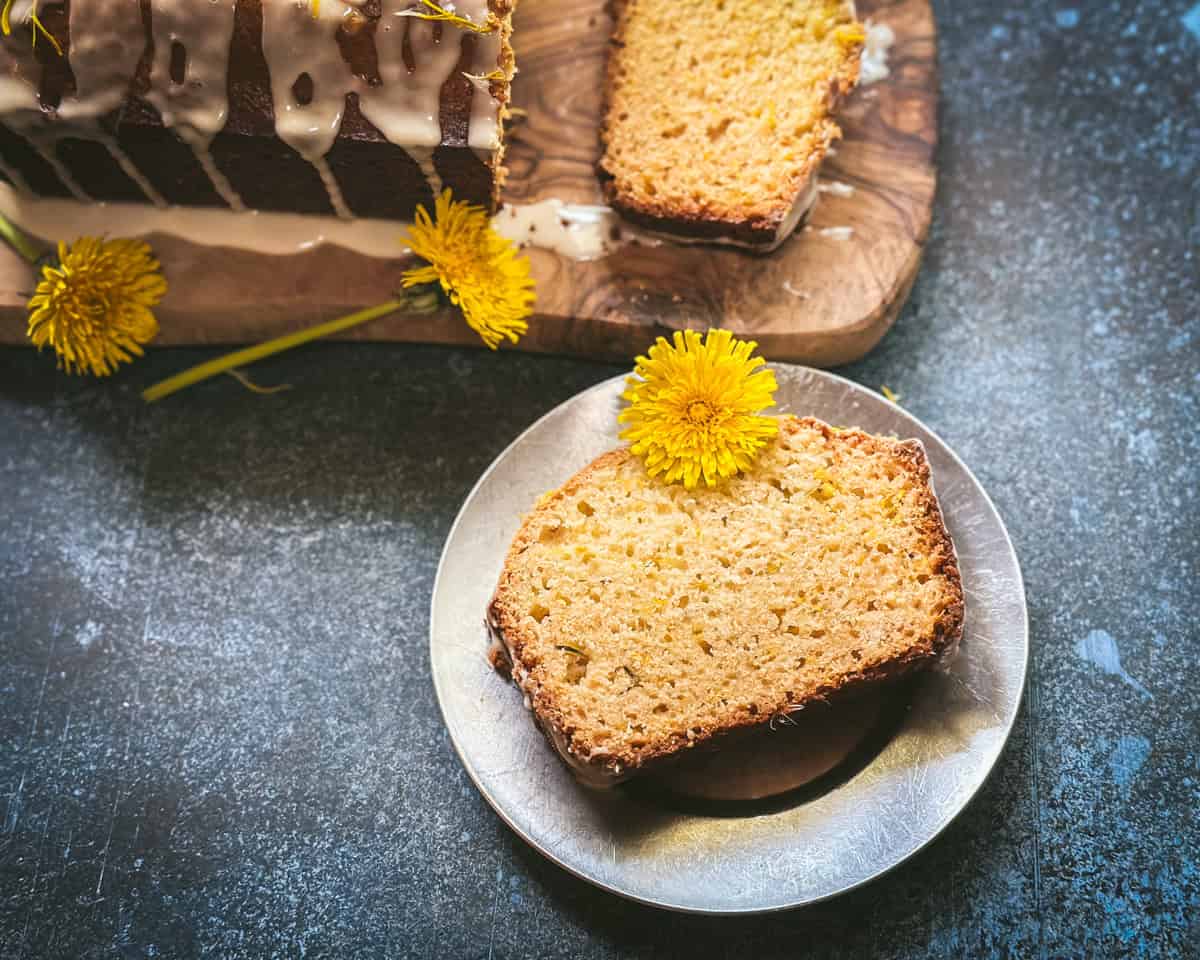
The transition of Taraxacum officinale, commonly known as the dandelion, from a maligned garden weed to a celebrated culinary and medicinal ingredient represents a significant shift in contemporary gastronomic trends. Once the target of intensive herbicide applications in mid-century suburban landscapes, the dandelion is now being reconsidered by botanists, nutritionists, and chefs alike for its resilience and nutrient density. This resurgence is exemplified by the growing popularity of specialized foraged foods, such as dandelion bread featuring honey-infused petals and a citrus-based lemon glaze. As spring temperatures rise, the harvest of these wild perennials provides not only a source of local sustenance but also a point of entry into the broader movement of seasonal, sustainable living.
The Botanical and Historical Context of Taraxacum Officinale
The dandelion is a hardy perennial belonging to the Asteraceae family. While often viewed as a native nuisance in North America, the plant was intentionally introduced by European settlers in the 17th century. Historical records indicate that the plant was valued as a reliable food source and a primary component of the traditional apothecary. Its ability to thrive in diverse soil conditions and its early spring emergence made it a critical source of vitamin C and minerals following long winters where fresh produce was scarce.
In the modern era, the dandelion’s reputation suffered due to the rise of the aesthetic "perfect lawn" culture, which classified any non-grass species as a competitor. However, as the "Slow Food" movement and urban foraging have gained momentum, the dandelion has reclaimed its status as a versatile "superfood." Every part of the plant—from the taproot to the golden inflorescence—is biologically active and edible, offering a complex profile of flavors ranging from the sharp bitterness of the leaves to the delicate, honey-like sweetness of the ray florets.
Nutritional Profile and Clinical Observations
Recent analytical chemistry has shed light on the specific compounds that make dandelions a potent addition to the human diet. According to data published in the Journal of Nutrients and various studies indexed by the National Center for Biotechnology Information (NCBI), dandelions are rich in polyphenols and flavonoids, which contribute to their antioxidant capacity.
Supporting data suggests that dandelion petals, the primary ingredient in artisanal dandelion bread, contain higher antioxidant activity in certain instances than the leaves. These petals are sources of luteolin and chicoric acid, compounds studied for their potential to modulate oxidative stress. Furthermore, clinical reviews indicate that active components within the genus Taraxacum may influence hemostatic processes, although researchers emphasize that further controlled human trials are necessary to determine precise dosage and efficacy.
From a micronutrient perspective, dandelions are an exceptional source of Vitamin K1, which is essential for bone health and blood coagulation. They also provide significant amounts of Vitamin A, Vitamin C, and essential minerals including iron, calcium, and magnesium. By incorporating the petals into baked goods, consumers are not only engaging in a culinary tradition but are also supplementing their diet with wild-sourced phytonutrients.
The Chronology of the Foraging Process
The production of dandelion-infused bread begins with a systematic and time-sensitive foraging protocol. To ensure the highest quality of the final product and to mitigate health risks, the following chronology is typically observed by experienced foragers:
- Site Selection and Safety Assessment: The most critical step occurs before any harvesting begins. Foragers must identify areas that have not been treated with synthetic pesticides, herbicides, or fertilizers. Public parks and high-traffic roadsides are generally avoided due to the risk of chemical runoff and heavy metal accumulation.
- Identification: While dandelions are easily recognizable, foragers must distinguish them from "look-alikes" such as Catsear (Hypochaeris radicata). True dandelions possess a single, hollow flower stalk and hairless leaves with a distinct tooth-like shape.
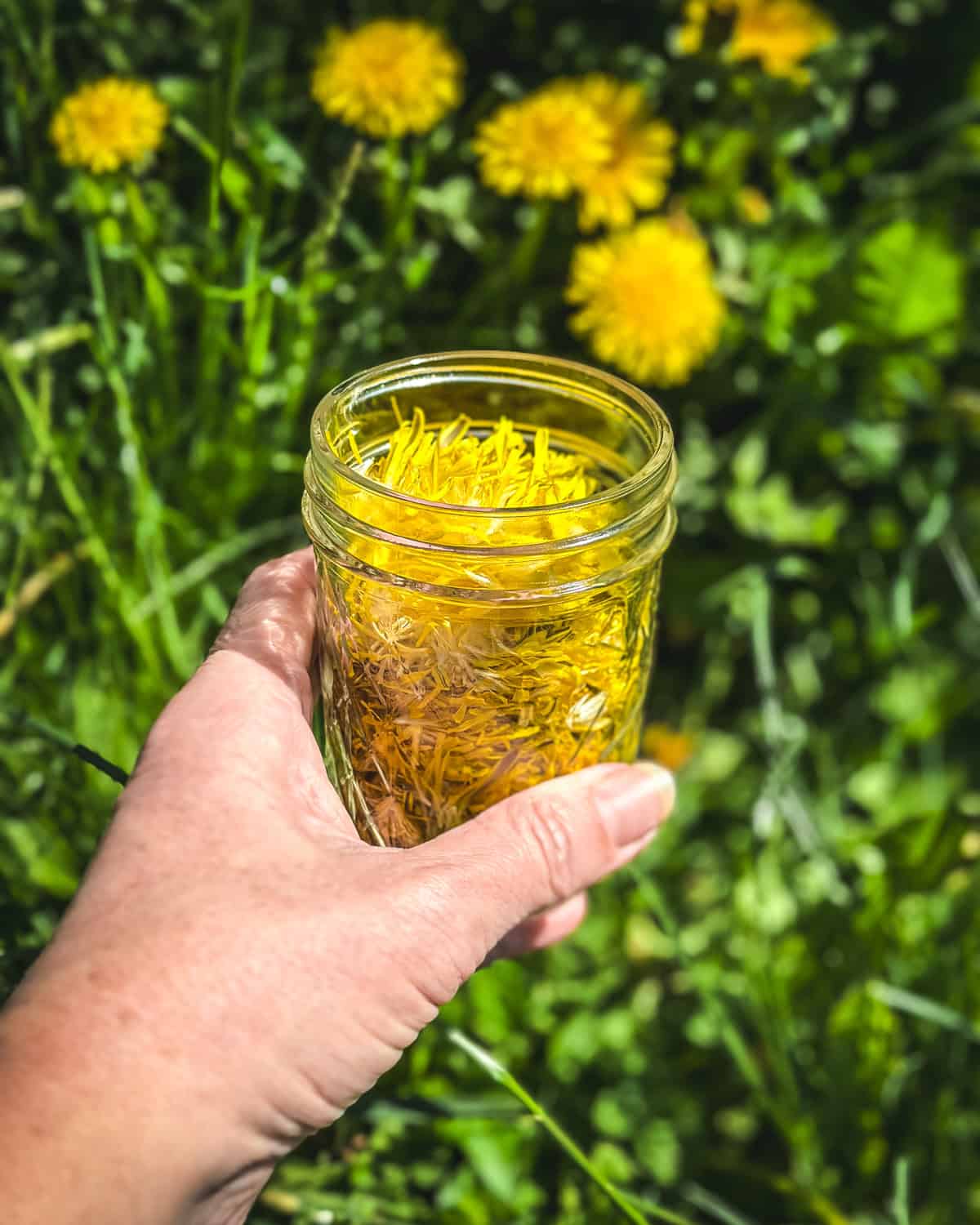
- The Harvest: Peak harvesting occurs during the morning hours after the dew has evaporated but before the flowers close in the heat of the afternoon sun. Only fully opened, vibrant yellow heads are selected.
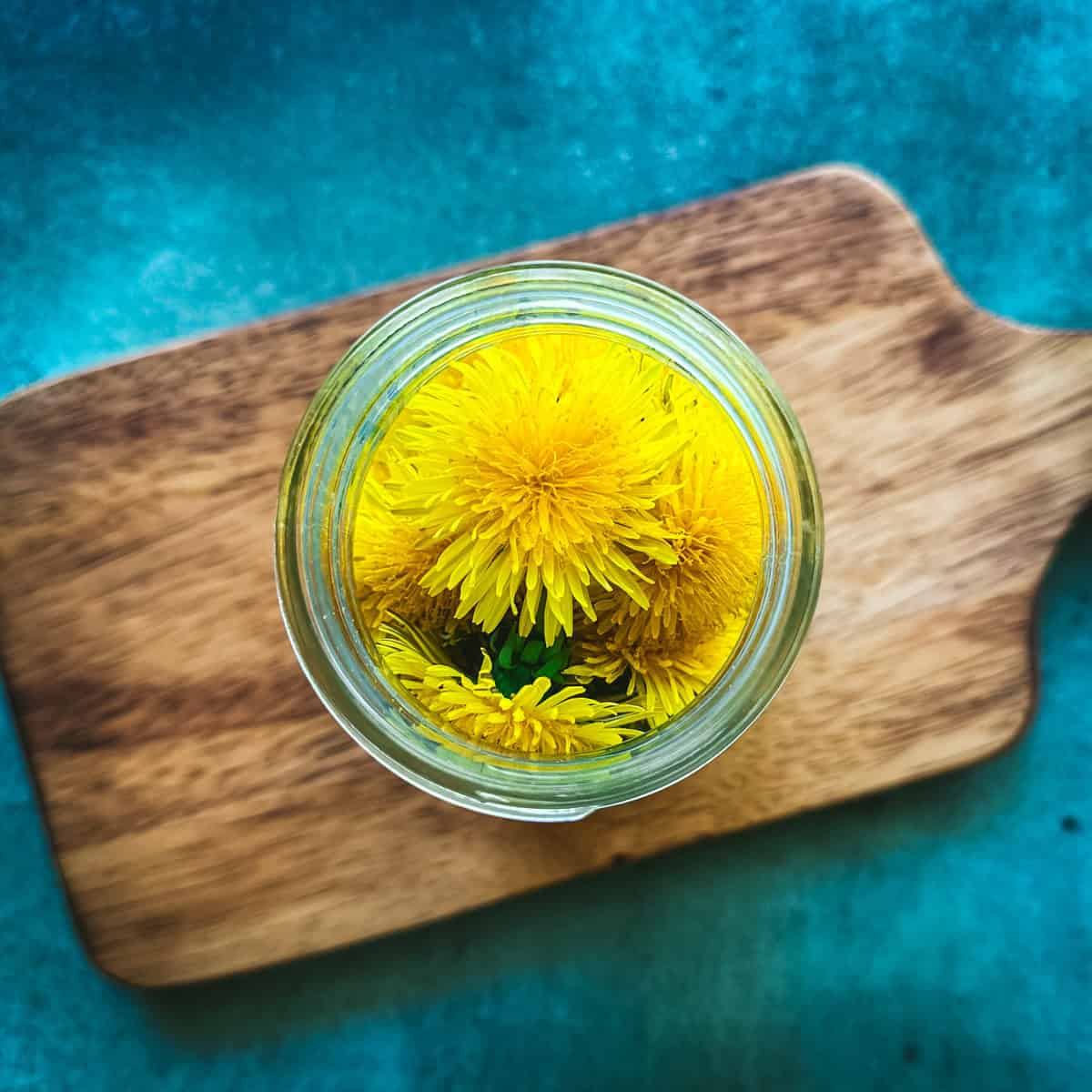
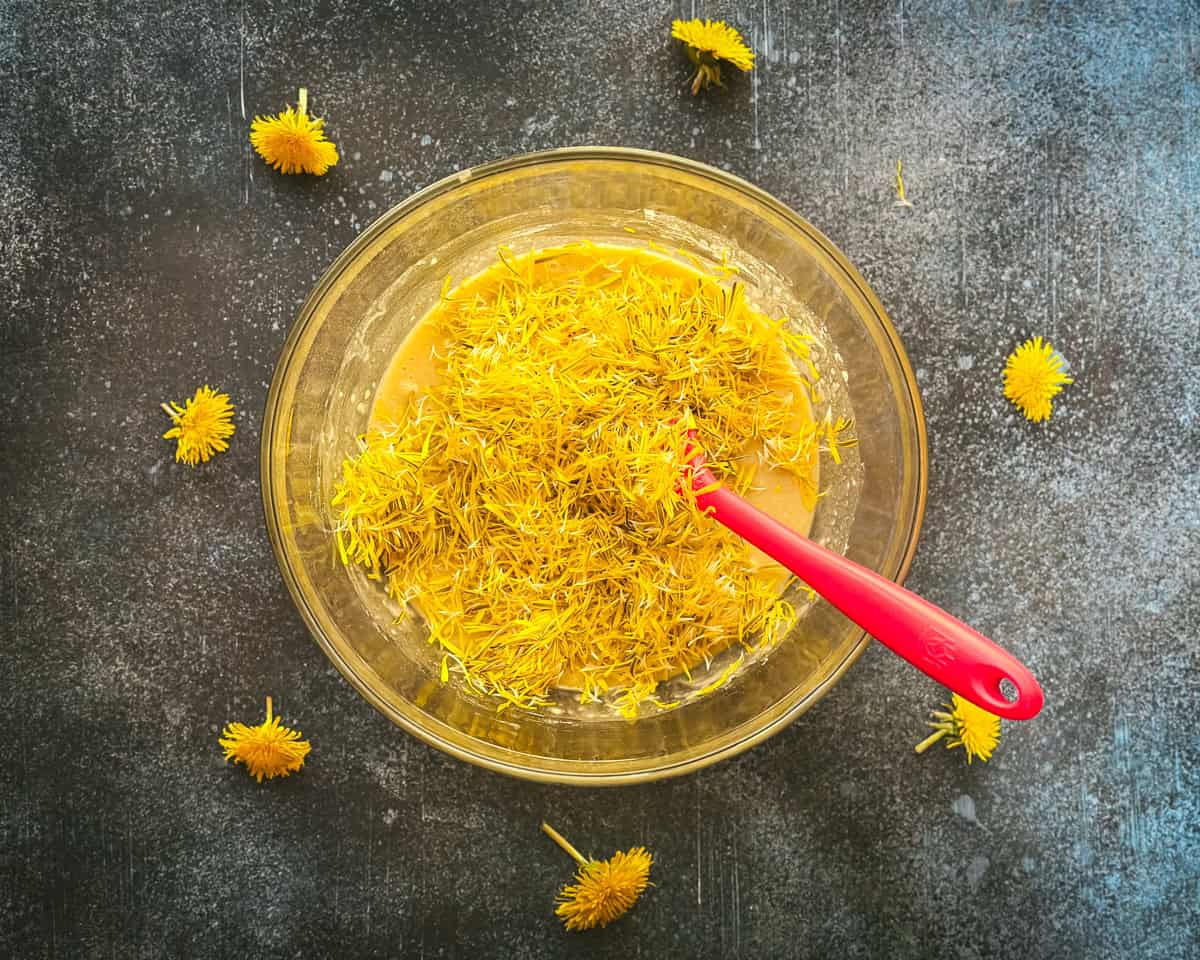
- Petal Extraction: Once harvested, the yellow ray florets must be separated from the green involucral bracts (the base of the flower). This step is essential because the green portions contain a bitter latex that can overpower the delicate sweetness of the bread.
- Preservation or Immediate Use: Fresh petals are highly perishable. They are either incorporated into the batter immediately or infused into oils and syrups for long-term storage.
Technical Formulation: The Dandelion Bread Recipe
The creation of dandelion bread is a precise exercise in balancing flavors. The bitterness often associated with the plant’s greens is entirely absent in the petals, which instead offer a floral, nectar-like quality. The following technical breakdown outlines the formulation of a standard dandelion loaf.
Core Ingredients and Chemical Functionality
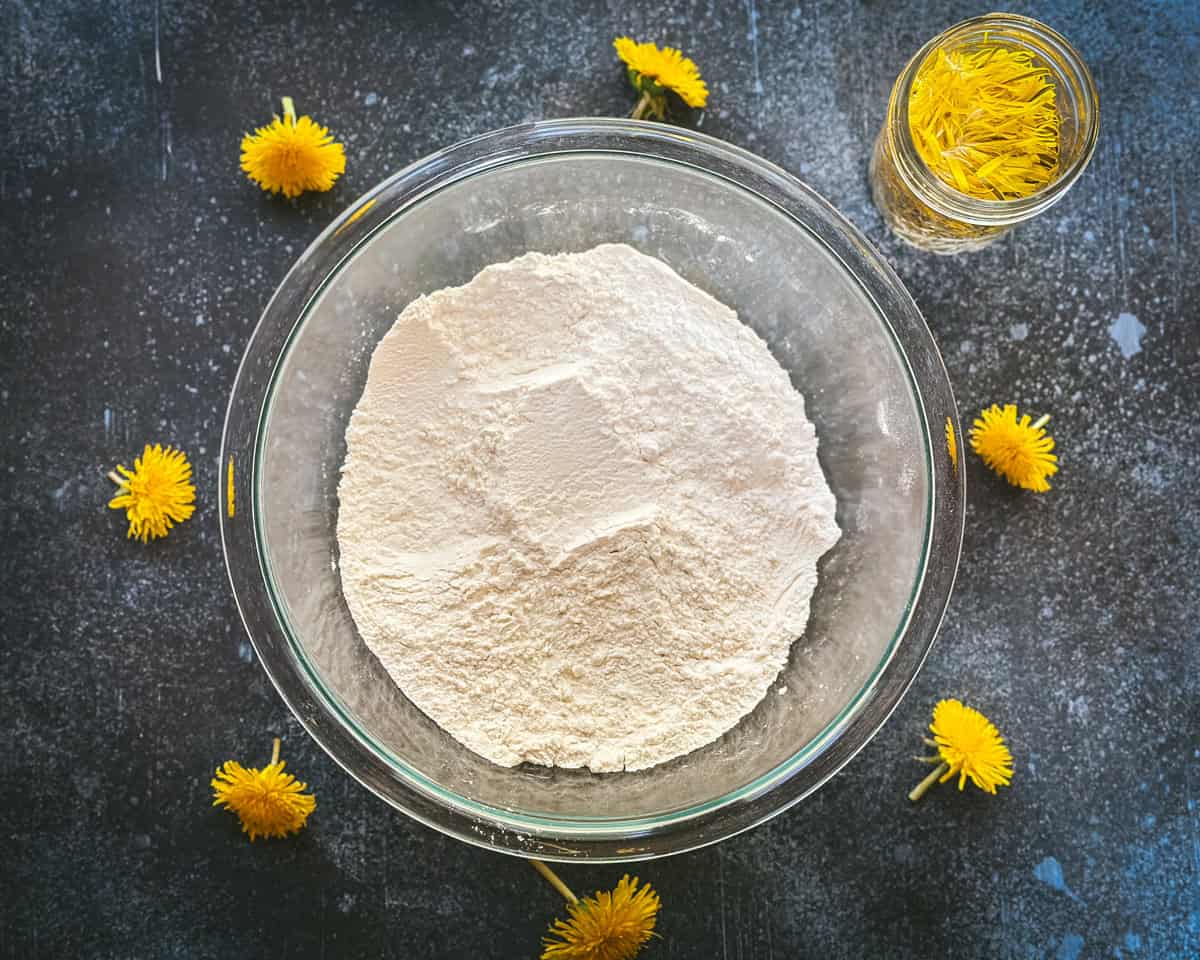
- Base Flour: All-purpose flour provides the gluten structure necessary to support the suspension of the petals within the crumb.
- Leavening Agents: A combination of baking powder and salt ensures a consistent rise and flavor enhancement.
- Lipids: The use of organic canola or avocado oil provides a neutral flavor profile, allowing the floral notes of the dandelion and the acidity of the lemon to remain prominent.
- Sweeteners: A dual-sweetener system using granulated sugar and raw honey is employed. Honey acts as a humectant, retaining moisture in the loaf, while also echoing the natural flavor of the dandelion nectar.
- Emulsifiers: Eggs and milk (or plant-based alternatives) bind the ingredients and contribute to the Maillard reaction, resulting in a golden-brown crust.
The Baking and Glazing Procedure
The assembly process requires a gentle hand to maintain the integrity of the petals. After preheating the oven to 350°F (175°C), the dry and wet ingredients are combined until just moistened. The dandelion petals are folded in at the final stage to prevent bruising.
Baking typically requires 55 to 65 minutes. A common technical challenge in quick-bread production is over-browning; professional bakers often suggest tenting the loaf with aluminum foil during the final 20 minutes of the bake to protect the delicate floral inclusions.
The final stage involves the application of a honey-lemon glaze. This citrus component is not merely decorative; the citric acid in the lemon juice serves as a flavor brightener that cuts through the density of the bread and highlights the subtle honey notes of the foraged petals.
Expert Perspectives and Traditional Herbalism
Traditional herbalists often refer to the dandelion as a "family herb," signifying its safety and broad utility across different age groups. In interviews and literature from institutions such as The Herbal Academy, experts emphasize that incorporating wild plants into everyday foods like bread is an effective way to normalize herbal medicine.
"The dandelion is an herbalist’s darling because it is accessible," states one practitioner. "By moving the plant from the medicine cabinet to the kitchen table, we re-establish a lost connection with the local ecosystem."

Culinary experts also note that the use of edible flowers like dandelions, violas, and elderflowers reflects a broader consumer interest in "functional foods"—products that provide health benefits beyond basic nutrition. The visual appeal of the yellow petals scattered throughout a loaf of bread also taps into the "aesthetic dining" trend prevalent in social media and high-end artisanal bakeries.
Broader Impact and Environmental Implications
The promotion of dandelion consumption has implications that extend beyond nutrition and taste. From an environmental standpoint, encouraging the growth and harvest of dandelions supports local biodiversity. Dandelions are among the first sources of nectar for pollinators, including honeybees and butterflies, in the early spring.

Furthermore, the shift toward foraging represents a grassroots effort to reduce the carbon footprint associated with industrial agriculture. By harvesting food from one’s own backyard or local environment, consumers bypass the packaging, refrigeration, and transportation costs inherent in the global food supply chain.
However, analysts warn that as foraging grows in popularity, ethical harvesting must be practiced. This includes the "one-third rule"—taking only a third of a patch to ensure the plant can regenerate and continue to provide for the local insect population.
Conclusion: The Future of Foraged Foods
The integration of dandelions into contemporary baking is more than a seasonal fad; it is a testament to the enduring utility of the natural world. As society continues to grapple with issues of food security and environmental sustainability, the "humble weed" offers a compelling solution. Dandelion bread, with its sophisticated blend of foraged petals and bright citrus, serves as a culinary bridge between traditional botanical wisdom and modern gastronomic innovation. By valuing the resilience and nutritional wealth of the dandelion, consumers are participating in a larger movement that celebrates the abundance found in the most common landscapes.